
TourLink
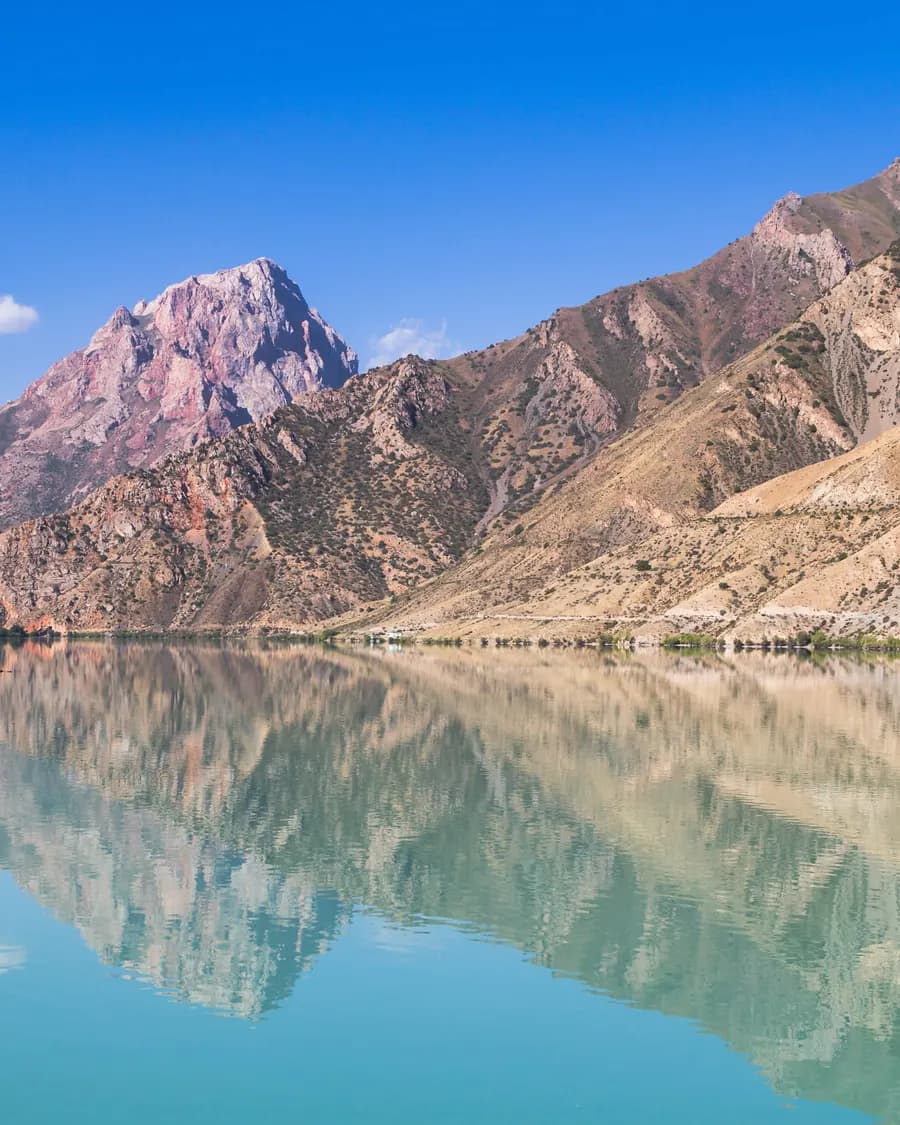
À propos de la ville
Seven Lakes is the lake road that takes the Zeravshan journey above Penjikent toward water, cliffs, and mountain villages.
Move from Penjikent toward the lakes in order rather than racing for the top. Mijgon gives the first shift of colour, Marguzor carries the main scale, and Hazorchashma stays conditional until the road, weather, vehicle, and daylight all make sense.
Start with the lower lakes and the village road. If current conditions are right, the visit can continue higher; if not, a lower-lake route still gives the valley its shape.
Agencies and travellers who need Seven Lakes as a readable stop — strong places, honest pacing, and logistics that hold.
Getting around
Move from Penjikent toward the lakes in order rather than racing for the top. Mijgon gives the first shift of colour, Marguzor carries the main scale, and Hazorchashma stays conditional until the road, weather, vehicle, and daylight all make sense.
First decision
Start with the lower lakes and the village road. If current conditions are right, the visit can continue higher; if not, a lower-lake route still gives the valley its shape.
Penjikent is the practical approach city before the road enters the Shing Valley.
Route map
Penjikent frames the approach; Haftkul marks the valley; Mijgon, Marguzor, and Hazorchashma show how the lake road rises from first colour to the upper-lake choice.
What to see
Haftkul has seven named lakes. For a first visit, three anchors keep the valley clear: Mijgon for the first colour shift, Marguzor for the main lake scale and village setting, and Hazorchashma for the high-road question.
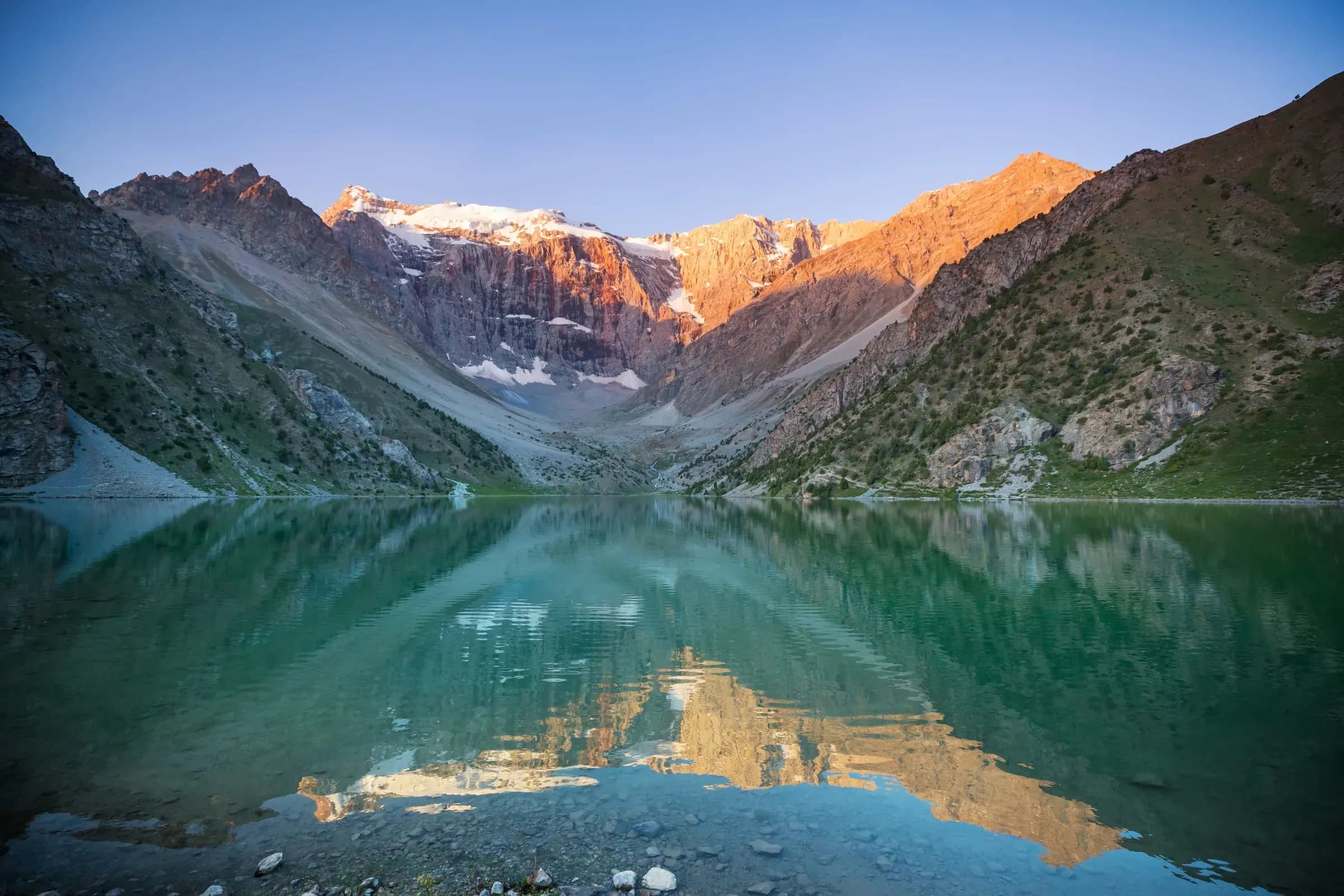
Mijgon is the lower-lake stop where the Seven Lakes road first changes from approach to arrival. After the climb from the Penjikent side through the Shing Valley, the water gives Haftkul its first visible colour before Marguzor and the higher lakes.
Ouvrir le lieuMarguzor gives the Seven Lakes route its main sense of scale. After the lower water, village road, and first colour changes, this wider lake is where the Haftkul visit can pause before any decision to continue toward Hazorchashma.
Ouvrir le lieuHazorchashma should stay optional. It sits higher in the Seven Lakes / Haftkul sequence after Mijgon and Marguzor, and it belongs in the visit only when the valley road, weather, vehicle, daylight, traveler comfort, and return margin still support a calm continuation.
Ouvrir le lieuSeven Lakes moments
The strongest Seven Lakes moments are not separate attractions to collect. They are changes in pace: the first water colour, the road beside village life, and the honest choice of whether to continue higher.
Mijgon is where the road first opens to mineral-coloured water below the cliffs. Pause here before the valley becomes a list of lakes.
The lake road passes close to village life. Photos, meals, and short stops feel better when the guide reads the moment locally and the route is not pushed upward too fast.
Hazorchashma adds height, but only when road, weather, vehicle, and daylight support the climb. Stopping lower can still make a complete Seven Lakes visit.
Before you go
The distances can look simple on a map, but the valley asks for slower judgment. Water level, road surface, village traffic, meal stops, and weather can all change how far the visit should go.
Mijgon, Soya, Hushyor, Nofin, and Khurdak build the climb gradually. Your guide can choose pauses that make the changes visible without turning every stop into the same photograph.
The strongest Seven Lakes visit is not the one that reaches the highest point; it is the one that lets the valley change in front of you.
Marguzor gives the valley its broadest water frame and village setting. If the route reaches this level, the lake deserves time to be seen properly.
Hazorchashma sits higher in the sequence. Continue only when the current road, daylight, vehicle, and group comfort make the upper section sensible.
Come for the colour sequence, give Marguzor real time, and decide on Hazorchashma with the conditions in front of you.
At a glance Place
within the Fann Mountains & Zeravshan tourist region.
Main visit
village-road pauses, Marguzor's scale, and the decision of whether Hazorchashma fits the conditions.
Time
or as part of a slower Fann Mountains program when arrangements support it.
Season and comfort
road surface, and weather still need current checks.
Before travel
vehicle suitability, daylight, meal and rest stops, village etiquette, photography sensitivity, and the sense of continuing to the upper lake.
Nearby
Penjikent gives the nearest practical approach to Haftkul. Iskanderkul is another Fann lake route with separate road time, while Dushanbe anchors longer Tajikistan journeys before or after the Zeravshan side.
Penjikent anchors the western Fann Mountains route with Ancient Penjikent, UNESCO Sarazm, the Rudaki Museum, market life, and the first road choices toward Seven Lakes or Iskanderkul.
Voir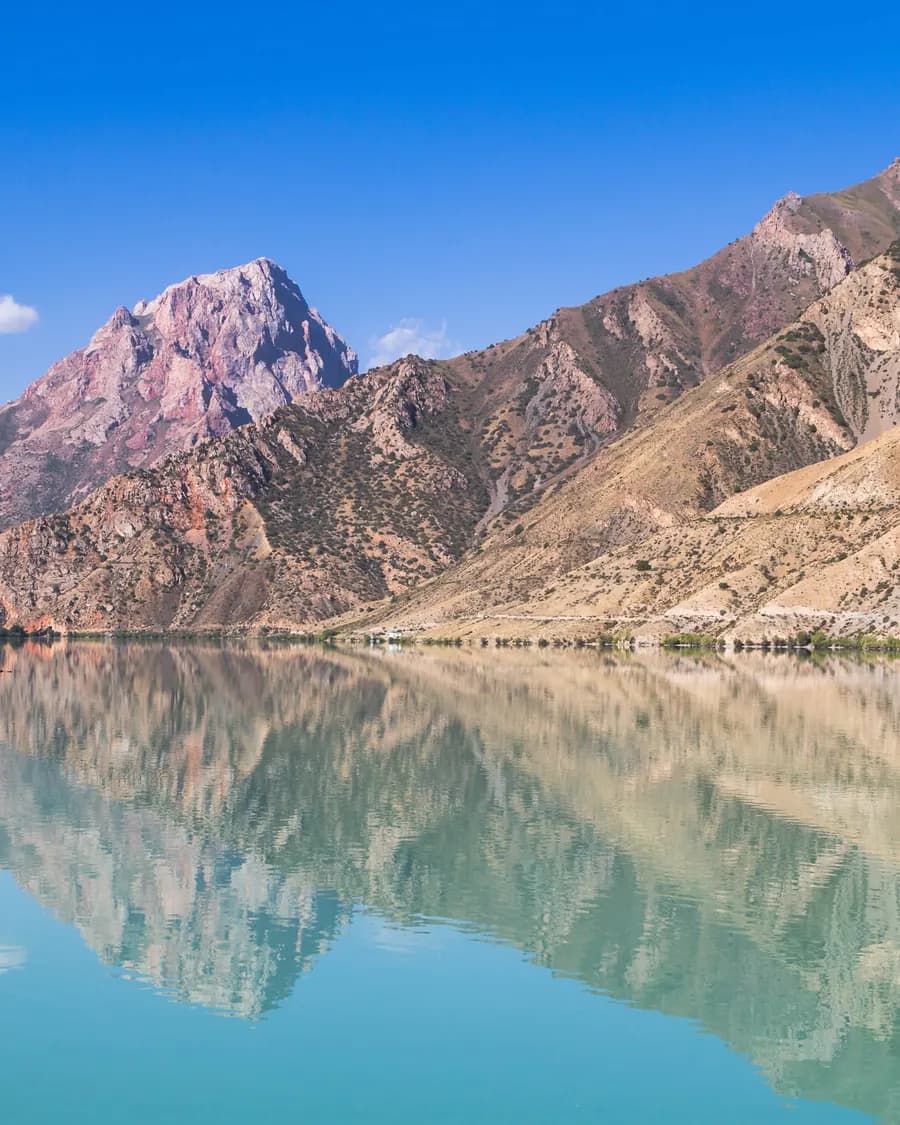
Iskanderkul is the lake-area pause in the Fann Mountains: turquoise water, red-grey slopes, a waterfall side walk, and road checks before the route climbs farther.
VoirDushanbe is Tajikistan's calm arrival city: Rudaki Avenue shade, national museums, tea-house stops, and first choices toward Hissar, Varzob, or higher valleys.
VoirLa ville en détail
Temps de marche, lieu de nuit et quand les excursions ont du sens.
1–2 nights is usually enough when the old core or main anchors get a full walking window. City tone: “The Haftkul lake road above Penjikent”.
Commencez d'abord par la promenade urbaine compacte. Les sorties seulement après que le centre se soit posé — sinon l'arrêt ressemble à un transfert avec des monuments collés.
Restez assez près pour un retour du soir à pied ou un court transfert. Thé, dîner et un second passage dans les rues restent ainsi faciles sans brûler le lendemain matin.
Sur demande
We help agencies set a realistic pace and choose the right next move — without rushing the places that matter.