
TourLink
Palace history, mosque courtyards, madrasahs, and the road to the craft towns
À propos
In Kokand, the Fergana Valley route turns to a former khanate capital: Khudoyar Khan Palace, Jameh Mosque, madrasah courtyards, khanate memorials, Kokand Craft House, and the road onward to Margilan silk and Rishtan ceramics.
Kokand is clearer when the palace is not the whole visit. Keep the first stop around Khudoyar Khan Palace, then choose a measured walk through Jameh Mosque, Norbut-biy Madrasah, Dakhma-i-Shahan, Modari Khan, Kamol-Kazy, Miyon Hazrat, and Kokand Craft House before the route continues east.
After Khudoyar Khan Palace, keep the next stops close: Jameh Mosque, the historic center, Kokand Craft House, and khanate memorial places belong to one city walk.
Agencies and travellers who need Kokand as a readable stop — strong places, honest pacing, and logistics that hold.
Getting around
Kokand is clearer when the palace is not the whole visit. Keep the first stop around Khudoyar Khan Palace, then choose a measured walk through Jameh Mosque, Norbut-biy Madrasah, Dakhma-i-Shahan, Modari Khan, Kamol-Kazy, Miyon Hazrat, and Kokand Craft House before the route continues east.
Route logic
After Khudoyar Khan Palace, keep the next stops close: Jameh Mosque, the historic center, Kokand Craft House, and khanate memorial places belong to one city walk.
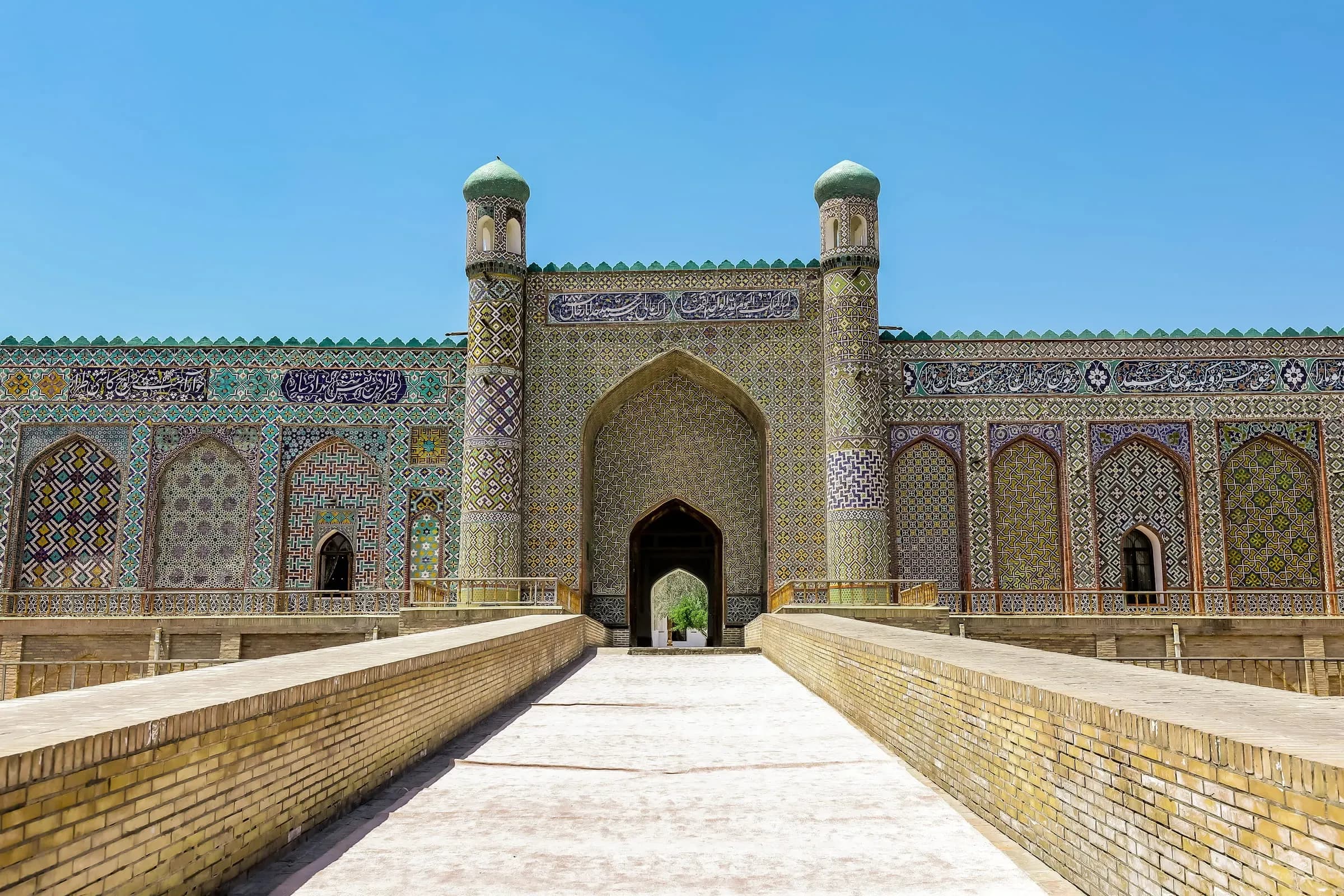
Gate, museum rooms, and courtyards give the first view of Kokand as a former khanate capital.
City points
The map keeps the palace, mosque, historic center, Craft House, and onward road visible in one city frame.
What to see
The main Kokand stops are easier to read in sequence: palace rooms, Jameh Mosque, madrasah courtyards, khanate memory, the historic center, and Kokand Craft House.
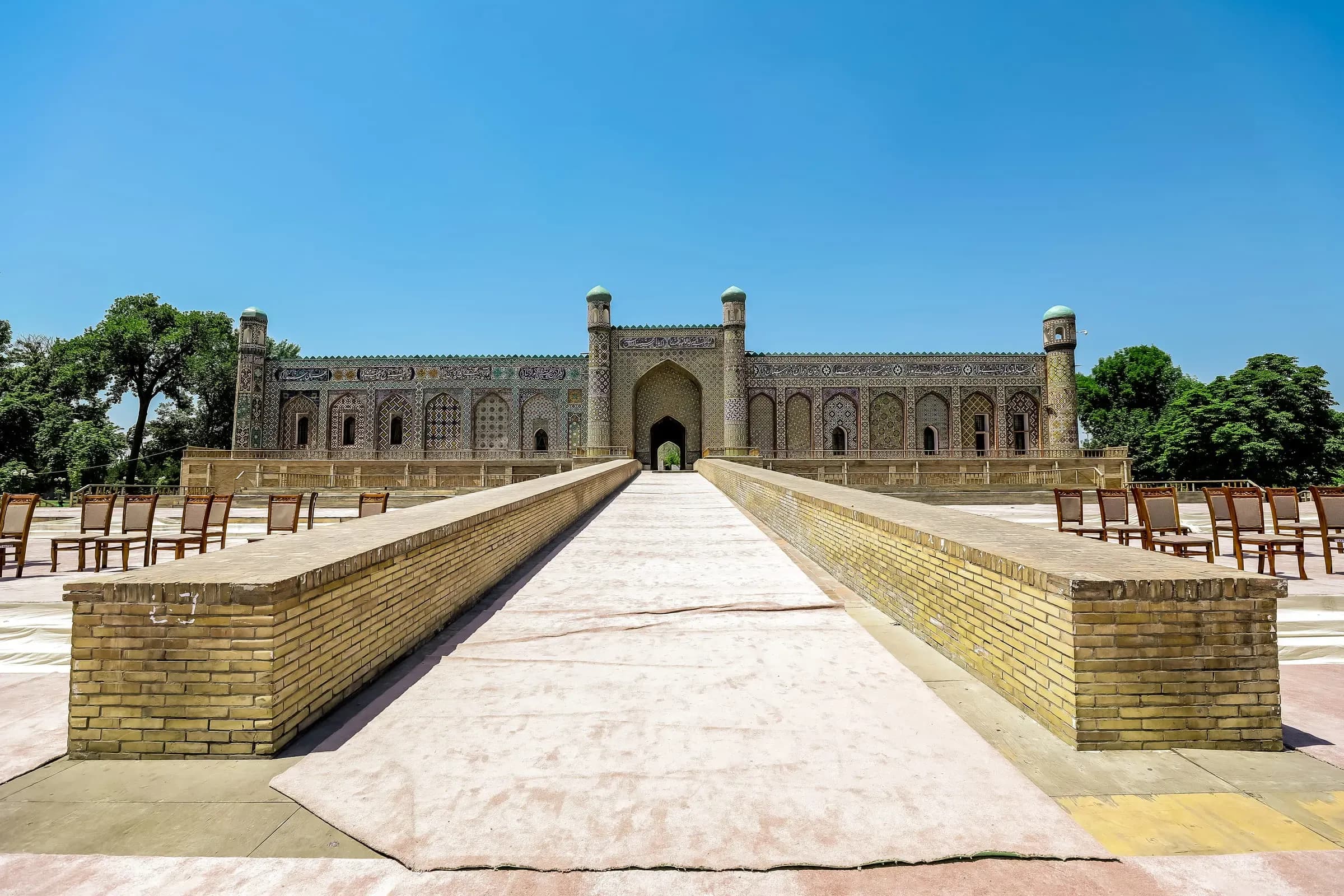
Khudoyar Khan Palace gives Kokand its first historical shape: a ceramic facade, broad portal, courtyards, and museum rooms before the road continues toward the silk and ceramics of the valley.
Ouvrir le lieu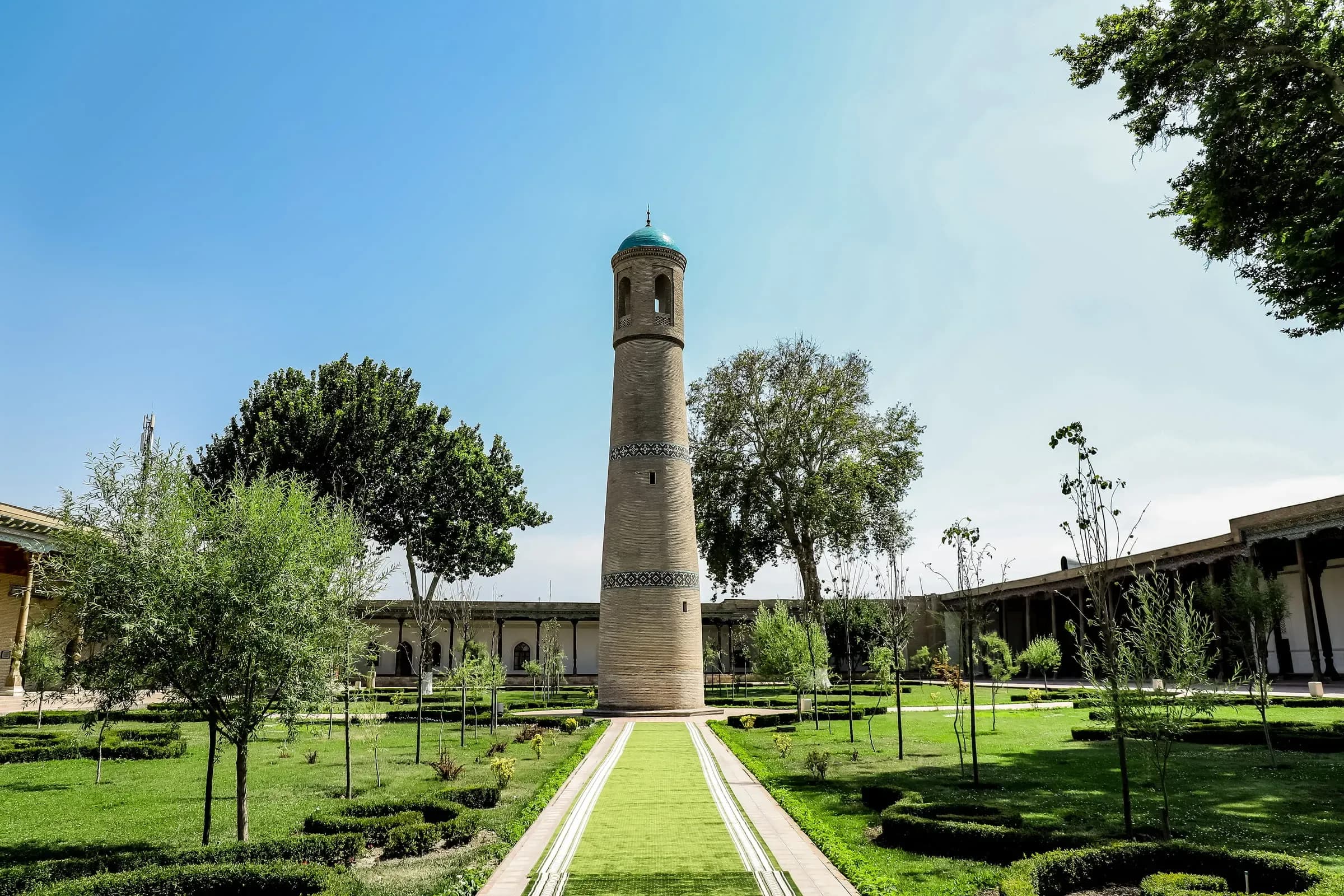
Jameh Mosque sits close to Kokand's main heritage route and shows another side of the city: a courtyard, 98 carved wooden columns, a khanaka, and an early-19th-century minaret.
Ouvrir le lieu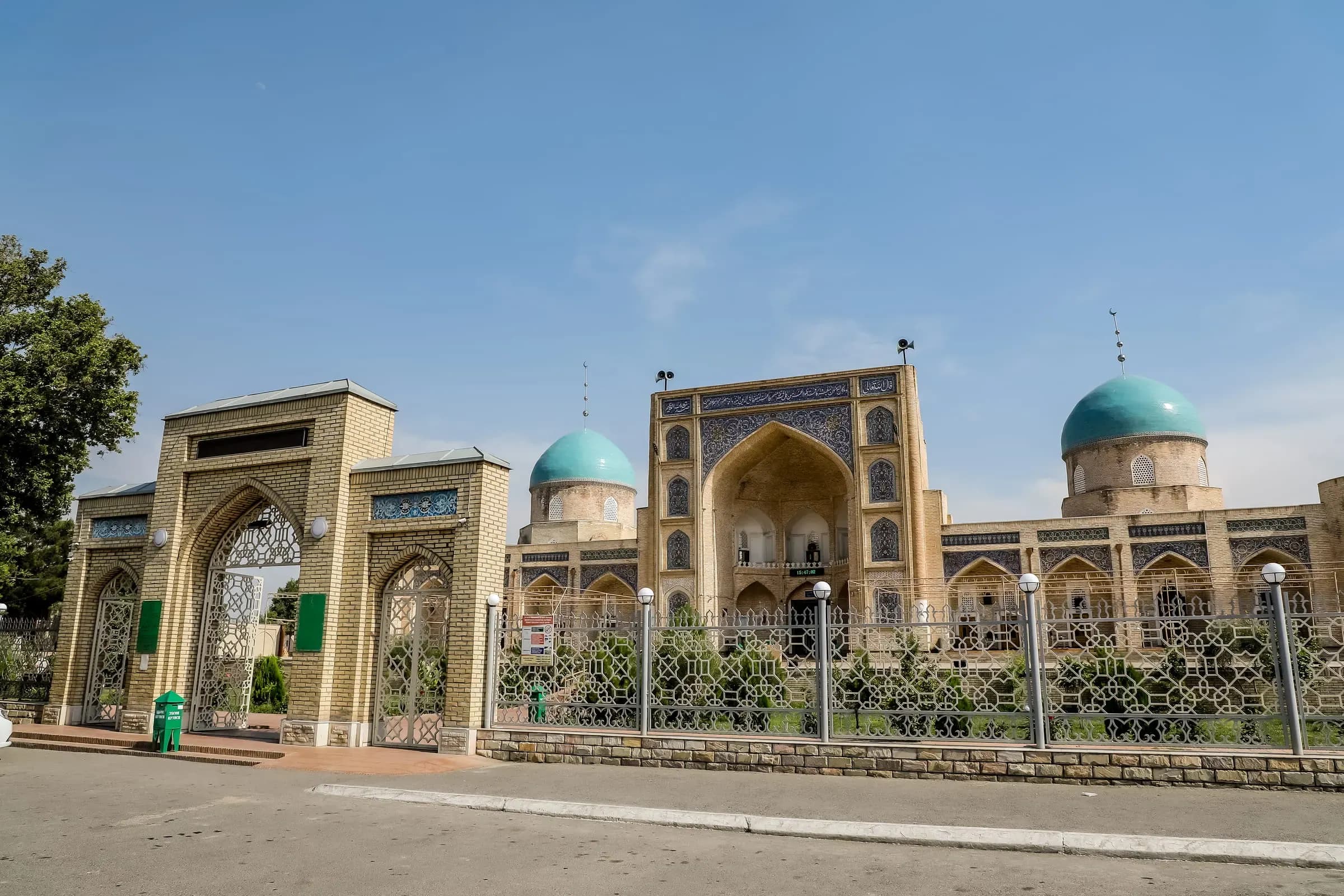
Near Chorsu, Norbut-biy Madrasah adds a brick courtyard, arched hujras, corner towers, and study history to Kokand's central route.
Ouvrir le lieu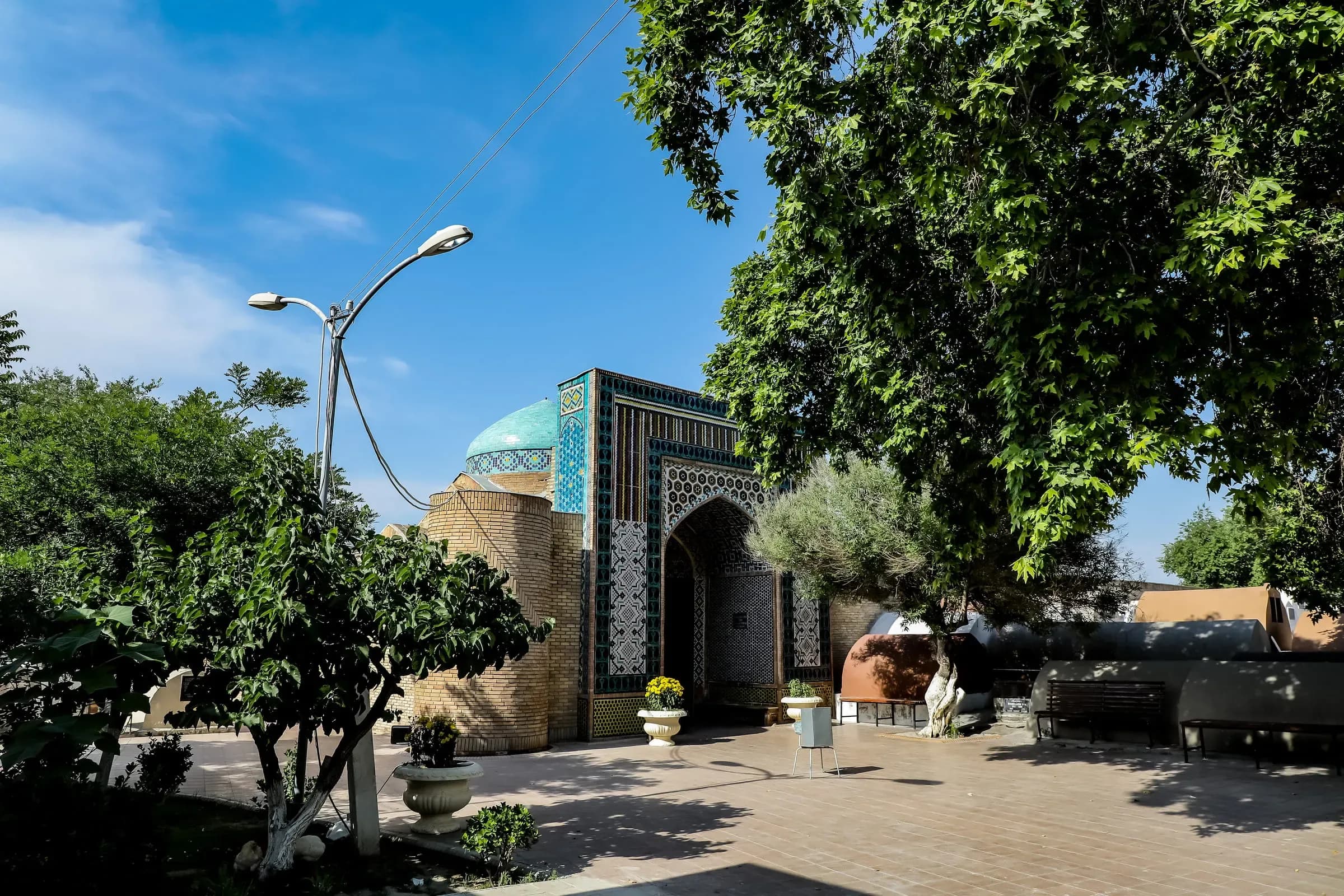
Dakhma-i-Shahan moves Kokand from palace and mosque to a royal memorial courtyard: a carved portal, burials, a small mosque, and Nodira's story show the khanate at a more human scale.
Ouvrir le lieu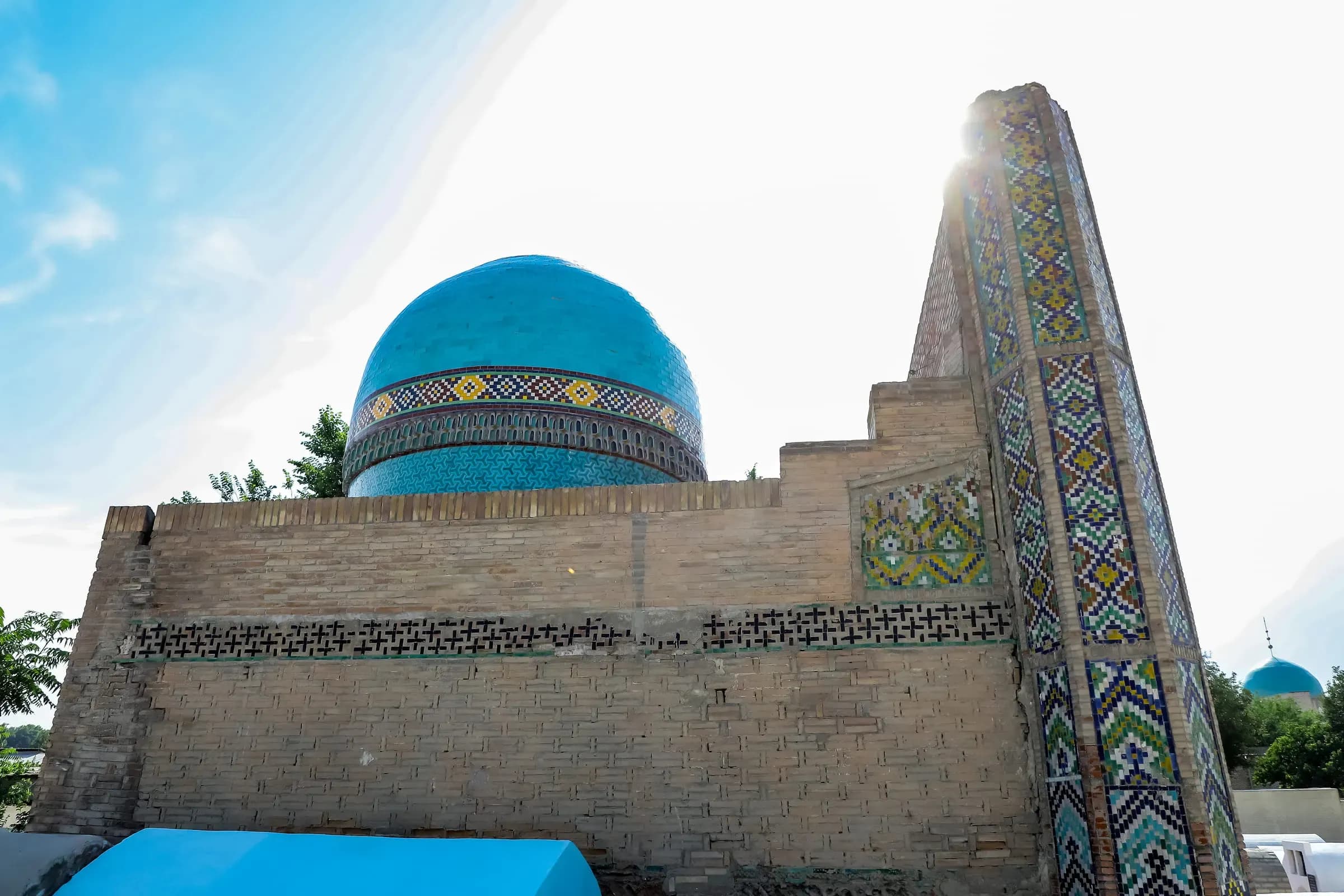
After the palace, mosque, madrasah, and Dakhma-i-Shahan, Modari Khan shows another side of Kokand: an 1825 hazira tied to Umarkhan's mother and Nodira's initiative, a surviving portal-dome pavilion, ganch, and majolica.
Ouvrir le lieu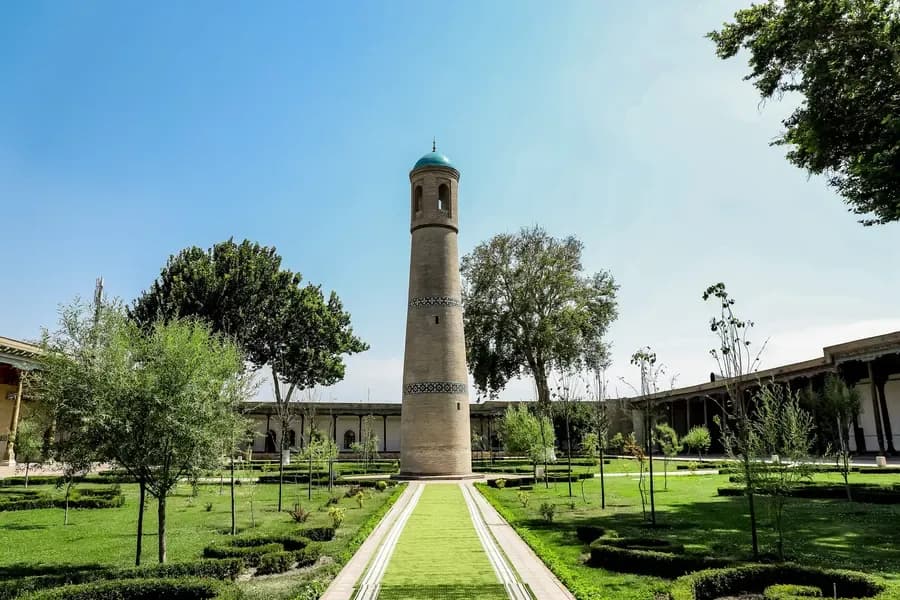
Near the Jami complex, Kamol-Kazy Madrasah focuses the Kokand visit on architectural detail: a decorated entrance, baked brick, hujras around the courtyard, a darskhona, and a mosque-ayvan.
Ouvrir le lieu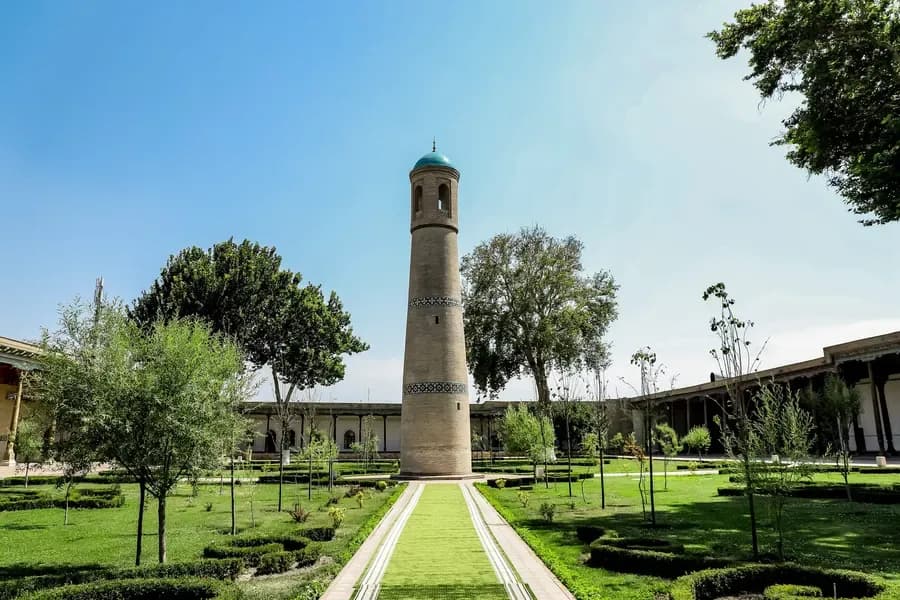
After Khudoyar Khan Palace, Jami Mosque, and the royal memorials, Miyon Hazrat brings Kokand into a more intimate scale: enclosed courtyards, student rooms, ganch details, mosque space, and the room that brings Mukimi into the visit.
Ouvrir le lieu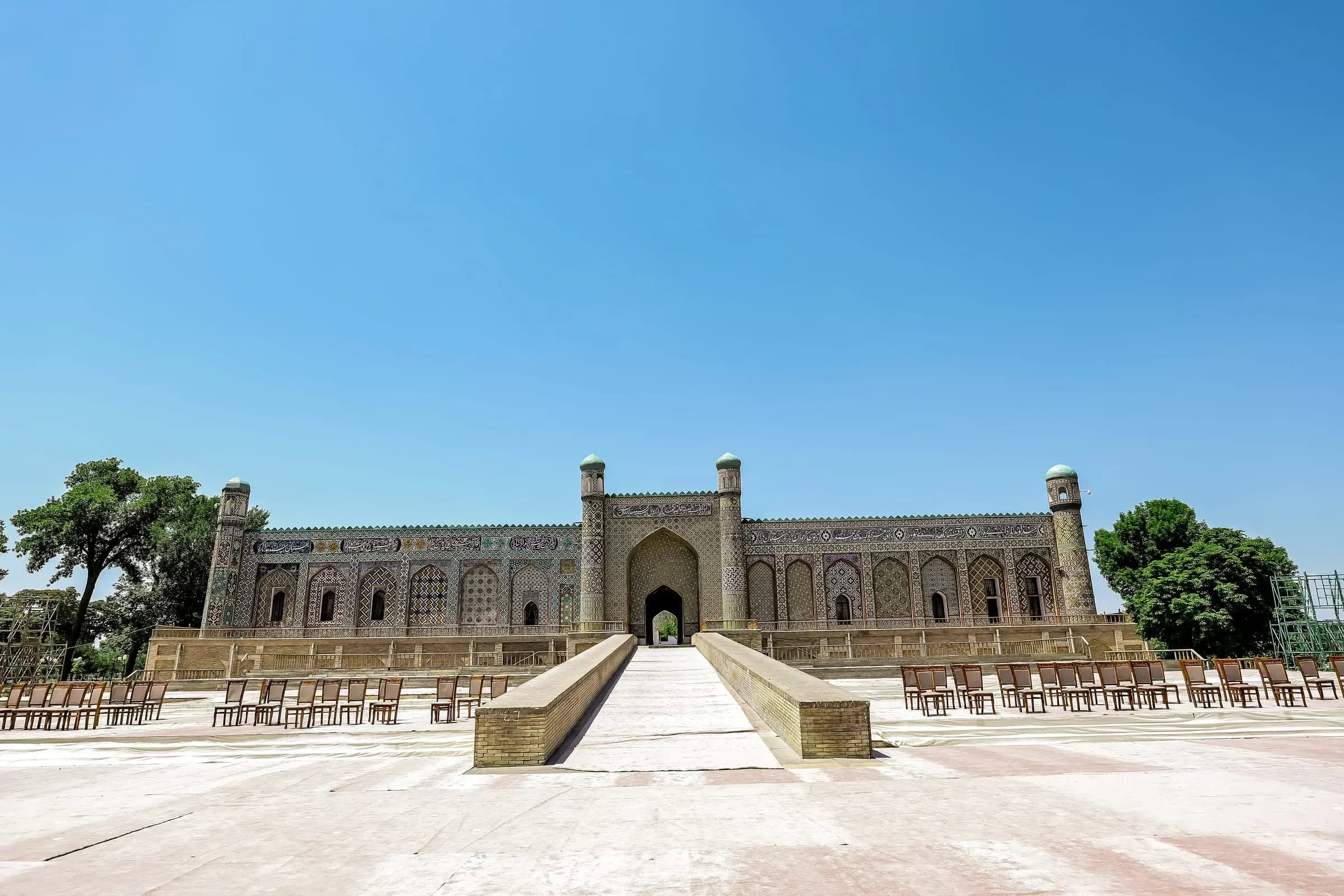
The historic center makes Kokand feel connected: Khudoyar Khan Palace first, then Jami Mosque, madrasah courtyards, memorial places, and streets where the city continues around its monuments.
Ouvrir le lieu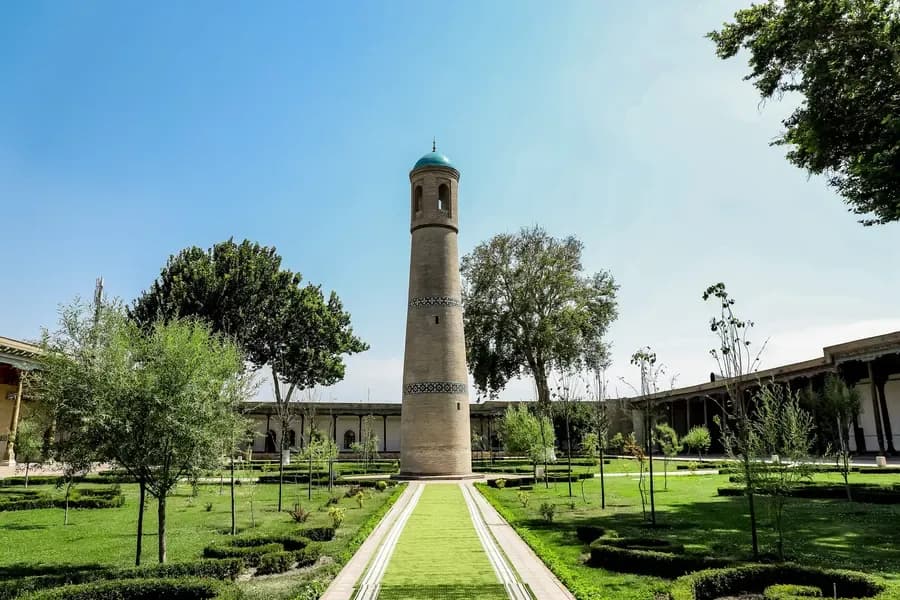
Kokand Craft House shows the city through work at close range: a jewelry tool meets metal, suzani thread lies on the table, ceramics and national dress fill the shelves, and tea leaves time to talk with the makers.
Ouvrir le lieuBeyond the palace
Mosque, madrasahs, Kokand Craft House, tea, and a short pause help the city feel like its own stop before the route continues through the valley.
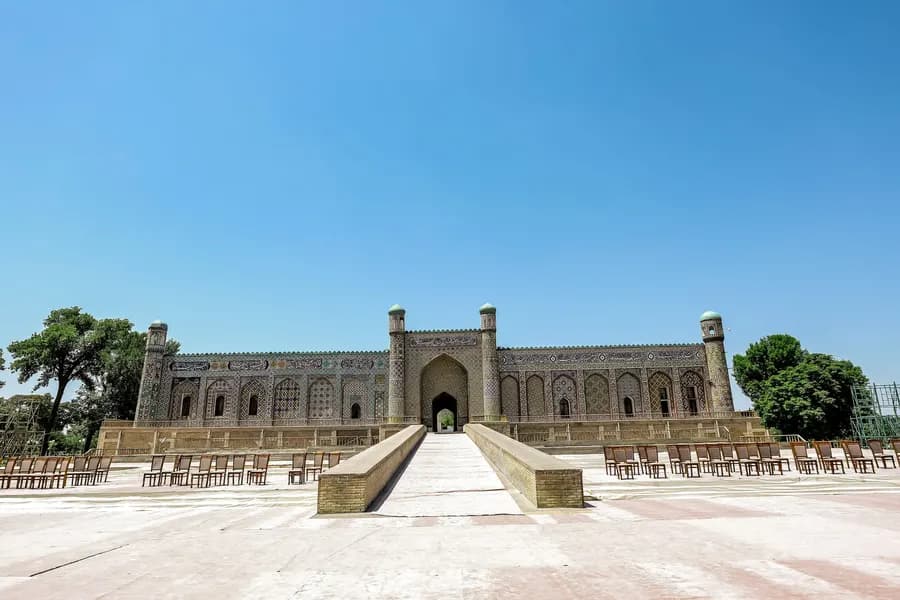
Khudoyar Khan Palace gives Kokand its first scale: a tiled gate, museum rooms, and courtyards where the khanate story becomes easier to follow before the city walk continues.
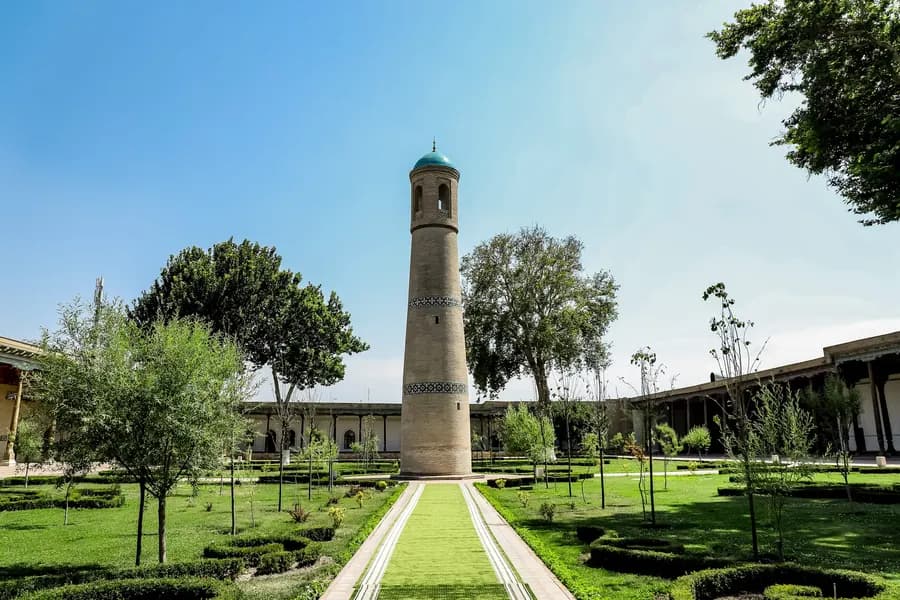
At Jameh Mosque, wooden columns, the minaret, and the courtyard shift the day from palace history to a calmer walk through Kokand's religious architecture.
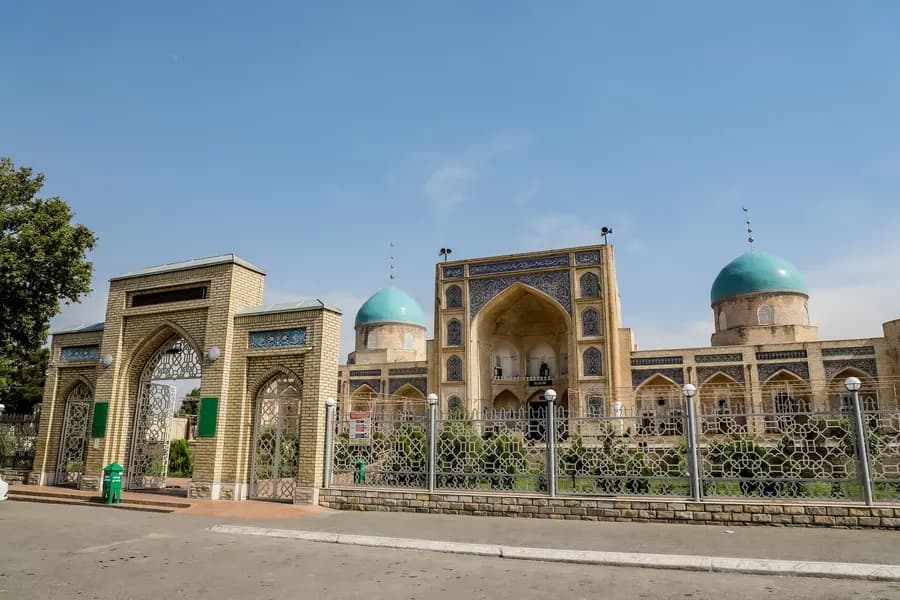
Norbut-biy, Kamol-Kazy, Miyon Hazrat, Dakhma-i-Shahan, and Modari Khan give Kokand study courtyards, family memory, and smaller stops beyond the palace.
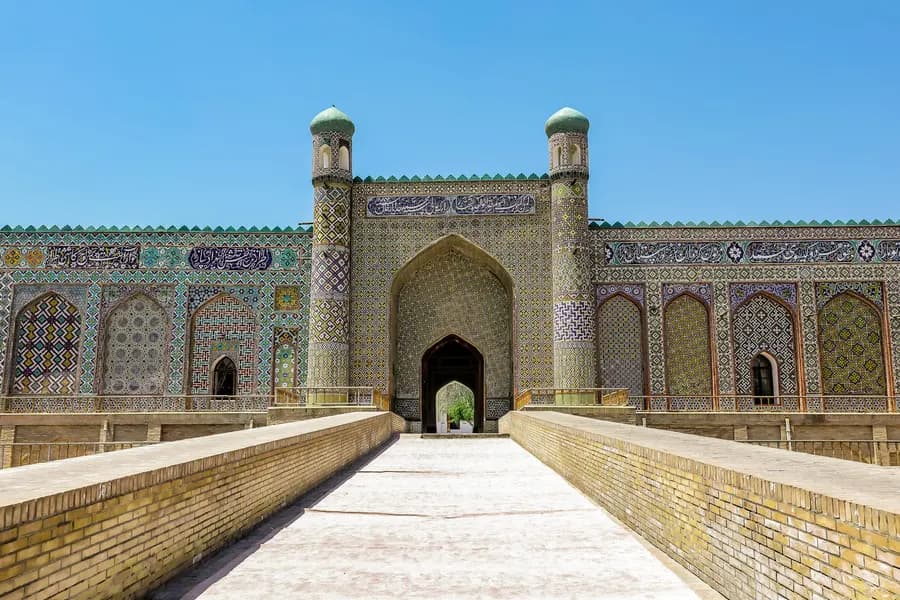
Palace, mosque, madrasah, memorial places, craft rooms, and streets sit close enough for one careful walk, so Kokand feels like a former capital rather than a set of separate names.
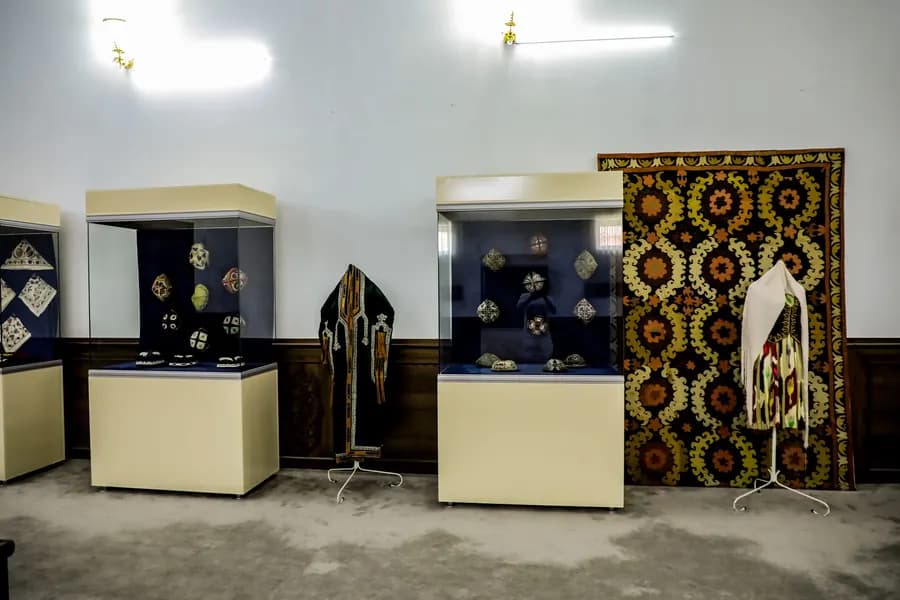
Kokand Craft House brings the city close to working materials: suzani thread, jewelry tools, ceramics, national dress, tea, and makers beside the monuments.
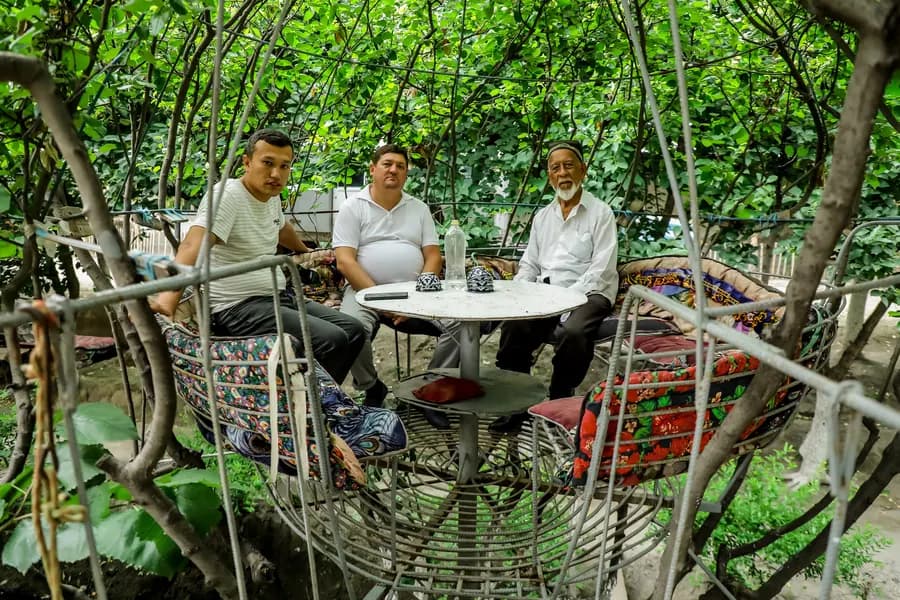
A pause for tea, bread, or market movement keeps Kokand from becoming only a palace stop before the road continues toward Margilan and Rishtan.
Before you go
Kokand is not only a palace stop. The former capital becomes clearer when the route also leaves room for Jameh Mosque, madrasah courtyards, khanate memory, craft context, and the streets between them.
Gate, museum rooms, and courtyards give the first view of Kokand as a former khanate capital.
The palace opens Kokand; the streets, courtyards, and smaller stops keep the city whole inside the route.
After the palace, add Jameh Mosque, one or two madrasahs, and a place tied to khanate memory, with short transitions between them.
Kokand is clearer before the craft towns when the route has room for both sides of the valley: history first, then silk and ceramics.
Give Kokand enough time for palace rooms, a walk through the center, and one quieter stop; then the road to Margilan and Rishtan feels like a clear route choice.
Before you go Where to start
Khudoyar Khan Palace belongs at the beginning, with the mosque, madrasahs, and central streets close behind.
Main places
Palace rooms, Jameh Mosque, madrasah courtyards, memorial places, and craft rooms.
Season and tempo
Spring and autumn are easiest; in summer, avoid compressing every stop into the hottest part of the day.
Route role
Historical city before Margilan silk and Rishtan ceramics shift the route toward craft.
Route connections
After Kokand, Margilan leads the route toward silk and Rishtan toward ceramics. Add both when you want the day to move from palace history into craft.
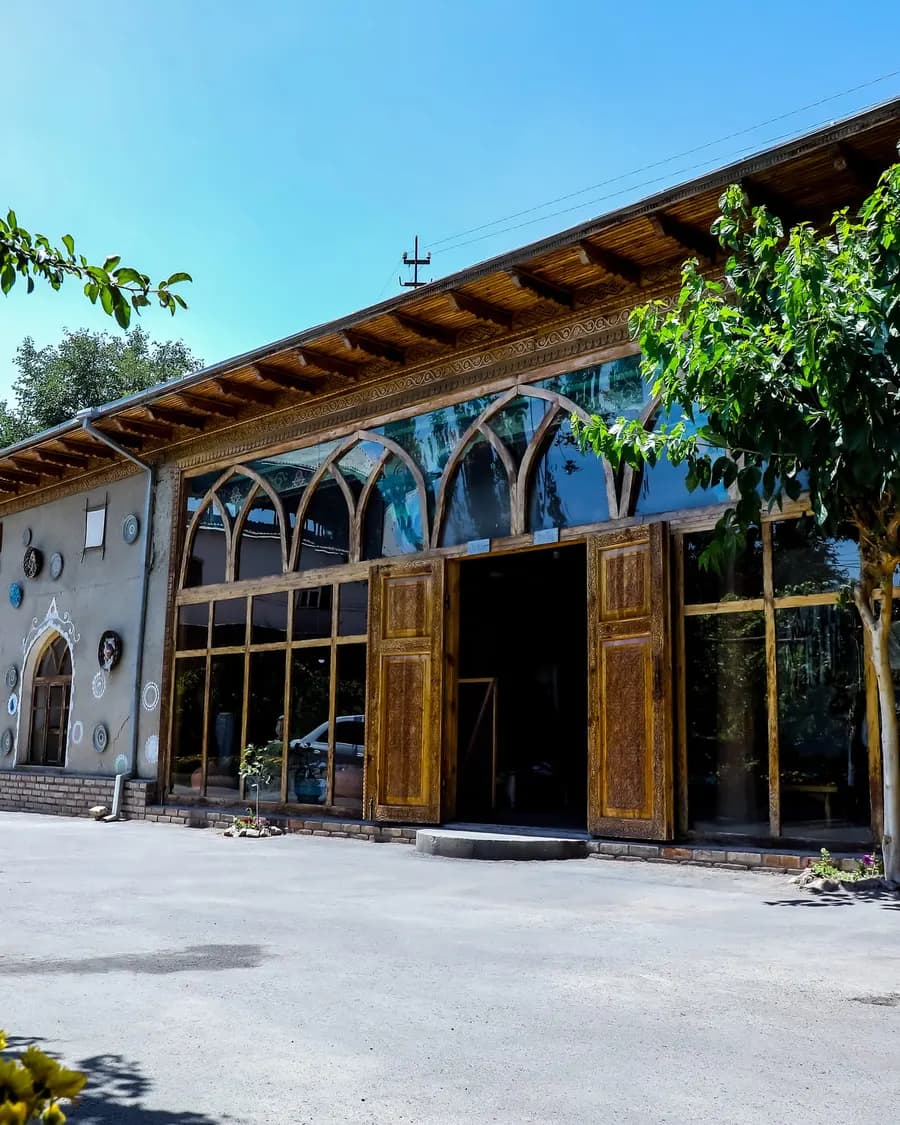
Margilan is the Fergana Valley's silk town: Yodgorlik, atlas and adras workshops, the craft centre, and routes toward Kokand history and Rishtan ceramics.
Voir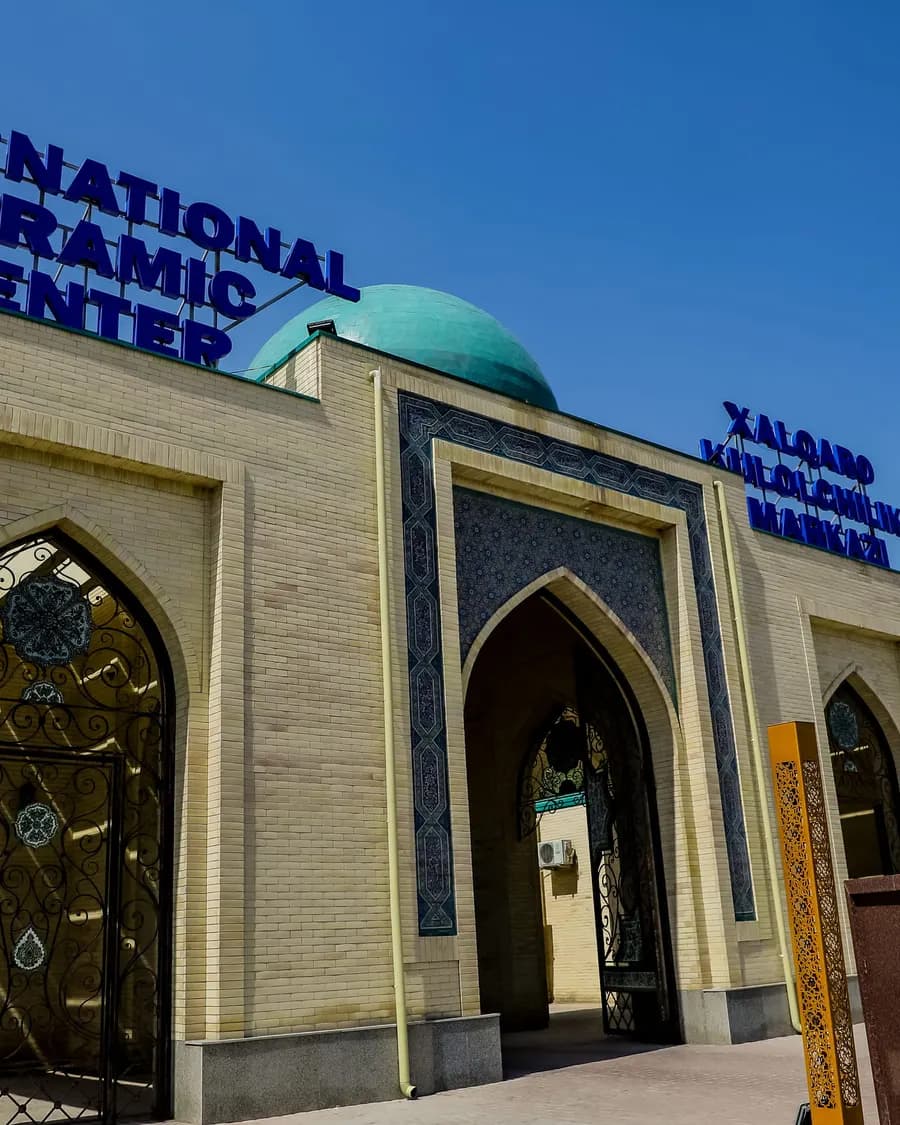
Rishtan is the Fergana Valley's ceramics town: the International Ceramics Center, working studios, blue-green glaze, and route links to Kokand and Margilan.
VoirLa ville en détail
Temps de marche, lieu de nuit et quand les sorties à la journée ont du sens.
1–2 nights is usually enough when the old core or main anchors get a full walking window. City tone: “Palace history, mosque courtyards, madrasahs, and the road to the craft towns”.
Commencez d'abord par la promenade urbaine compacte. Les sorties seulement après que le centre se soit posé — sinon l'arrêt ressemble à un transfert avec des monuments collés.
Restez assez près pour un retour du soir à pied ou un court transfert. Thé, dîner et un second passage dans les rues restent ainsi faciles sans brûler le lendemain matin.
Sur demande
Nous aidons les agences à poser un rythme réaliste et à choisir le bon mouvement suivant — sans précipiter les lieux qui comptent.