
TourLink
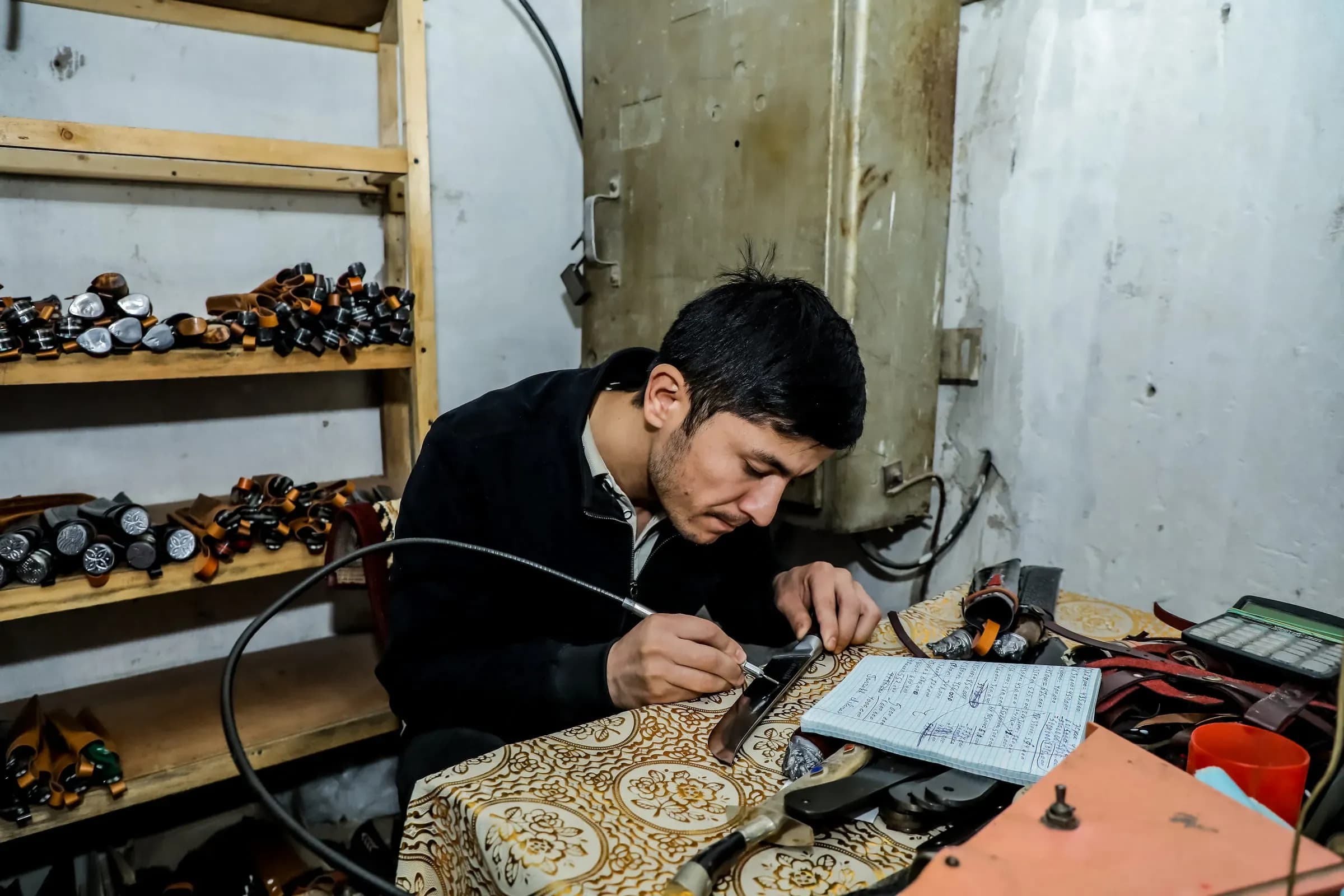
Couteaux pichoq et artisanat doʻppi du côté Namangan de la vallée de Ferghana
À propos
Chust n'est pas une vaste ville de visites.
La meilleure visite de Chust est petite et délibérée. Namangan donne d'habitude l'approche la plus nette ; Kokand, Rishtan ou Andijan ne s'y associent que lorsque le temps de route et l'accès local confirmé gardent la rencontre artisanale sans hâte.
Gardez Chust du côté nord de la vallée quand c'est possible. Depuis Namangan, il se lit comme une extension artisanale proche ; depuis la ligne plus large Kokand-Rishtan-Andijan, il faut un timing plus soigneux.
Agences et voyageurs qui ont besoin de Chust comme halte lisible — lieux forts, rythme honnête, et une logistique qui tient.
Comment Chust s'insère
La meilleure visite de Chust est petite et délibérée. Namangan donne d'habitude l'approche la plus nette ; Kokand, Rishtan ou Andijan ne s'y associent que lorsque le temps de route et l'accès local confirmé gardent la rencontre artisanale sans hâte.
Logique de planification
Gardez Chust du côté nord de la vallée quand c'est possible. Depuis Namangan, il se lit comme une extension artisanale proche ; depuis la ligne plus large Kokand-Rishtan-Andijan, il faut un timing plus soigneux.
Un arrêt fort à Chust suit outils, mains, métal, travail de manche et affûtage avant tout discours d'achat. L'enjeu est de comprendre comment le pichoq est fait et pourquoi la ville en est connue.
Vue de l'itinéraire
La carte marque Chust au niveau de la ville. Entrées d'atelier, points de descente, horaires de marché, permission photo et consignes de transport des couteaux demandent encore des vérifications locales actuelles.
Craft moments
These Chust ideas keep the page honest: pichoq craft without shopping pressure, doʻppi with context, and a Namangan-side plan only when access is real.
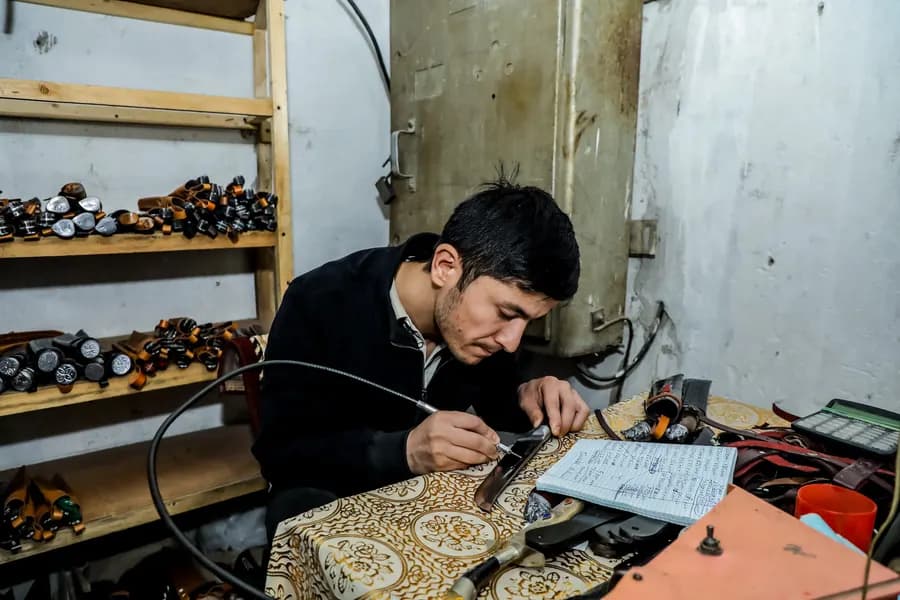
Follow Chust's knife tradition through tools, hands, metal, handle work, and sharpening when a host can explain the craft clearly.
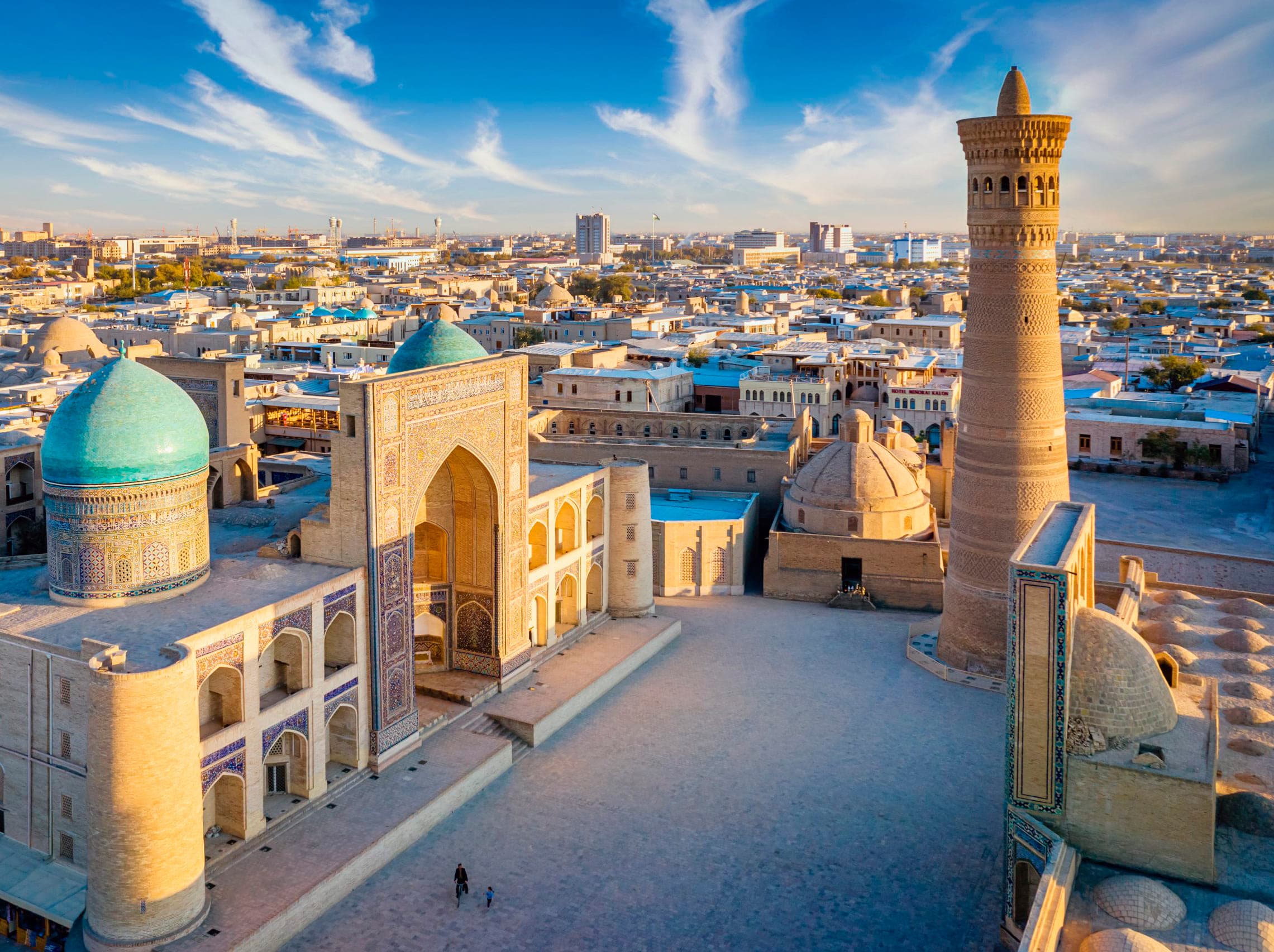
Chust doʻppi belongs in the route when a maker or guide can explain stitch, pattern, family production, and the care behind the work.
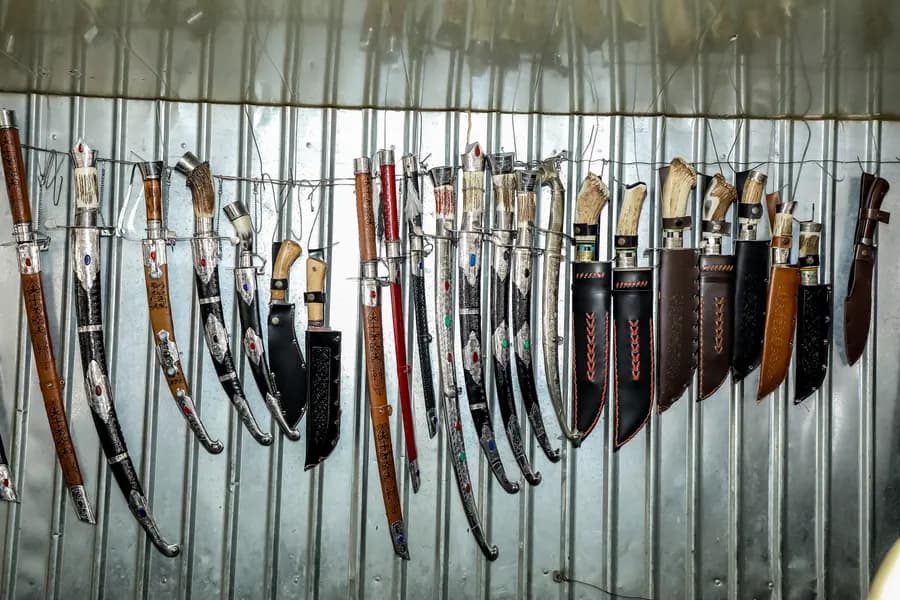
Use Namangan to keep Chust calm: road timing, workshop access, market rhythm, and practical guidance are checked before the craft stop is promised.
Avant de partir
Chust is most useful when the page stays honest: craft, access, and route fit rather than a long list of weak sights.
Chust is strongest when pichoq and doʻppi traditions are explained through real making, not through a quick display.
Chust is strongest when one craft encounter is arranged with patience and a clear host.
A workshop-style visit should stay conditional until the current host, timing, language support, photography rules, and group flow are clear.
Chust adds a northern craft note to Namangan or a longer valley program; it should not be added only for the name.
Choose Chust for a careful look at pichoq and doʻppi traditions, with workshop access and practical details checked before the route is confirmed.
At a glance Route role
Focused craft stop on the northern side of the Fergana Valley, usually planned through Namangan.
Craft identity
Pichoq knives and Chust doʻppi give the town its clearest visitor meaning.
Access checks
Host appointments, guide quality, group size, photography, market timing, and transport guidance need local confirmation.
Best fit
Short craft stop or part of a Namangan-side route, not a long standalone stay.
Nearby route choices
Namangan is the clearest pairing for Chust. Kokand, Rishtan, and Andijan can connect when the journey is already crossing the valley and the drive does not crowd out the craft stop.
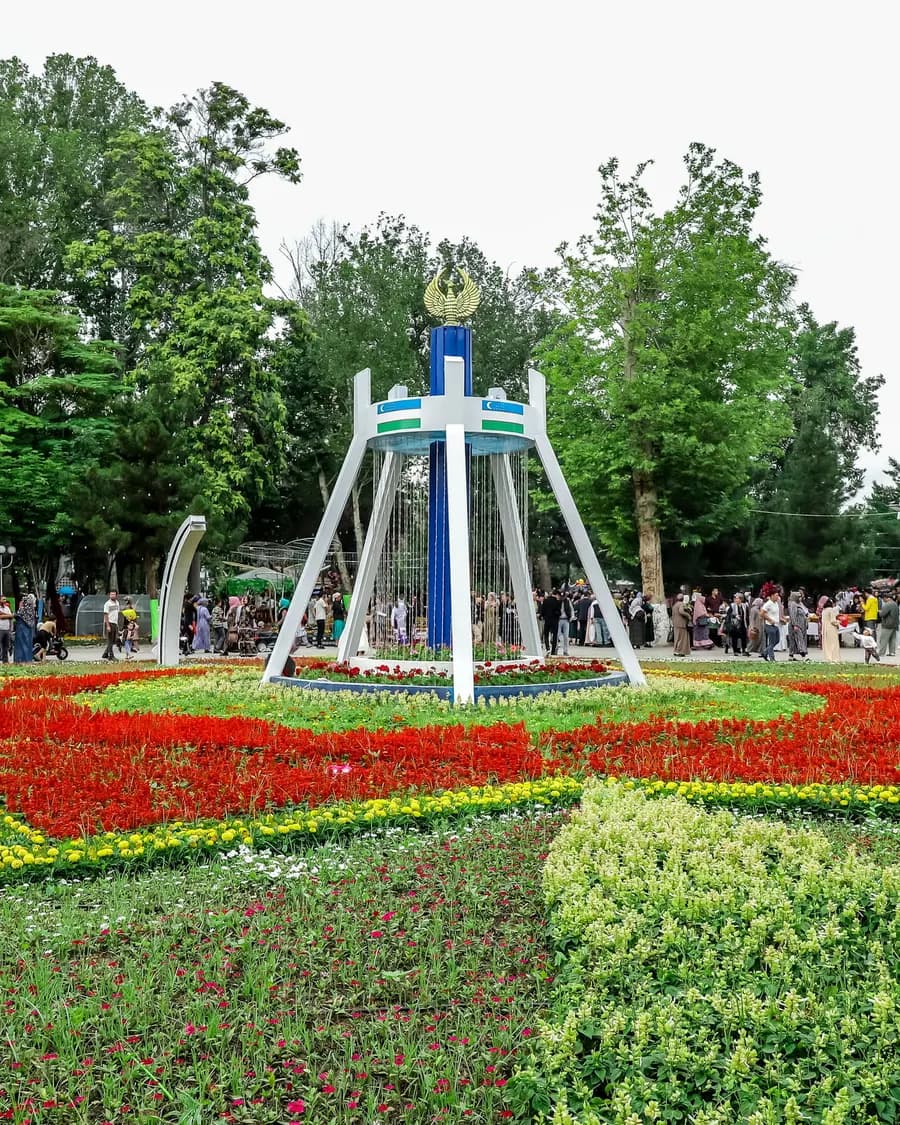
Namangan is the Valley's northern flower-city stop: Babur Park, seasonal color, Mullah-Kyrgyz heritage, and onward roads toward Chust, Andijan, or Akhsikent.
Voir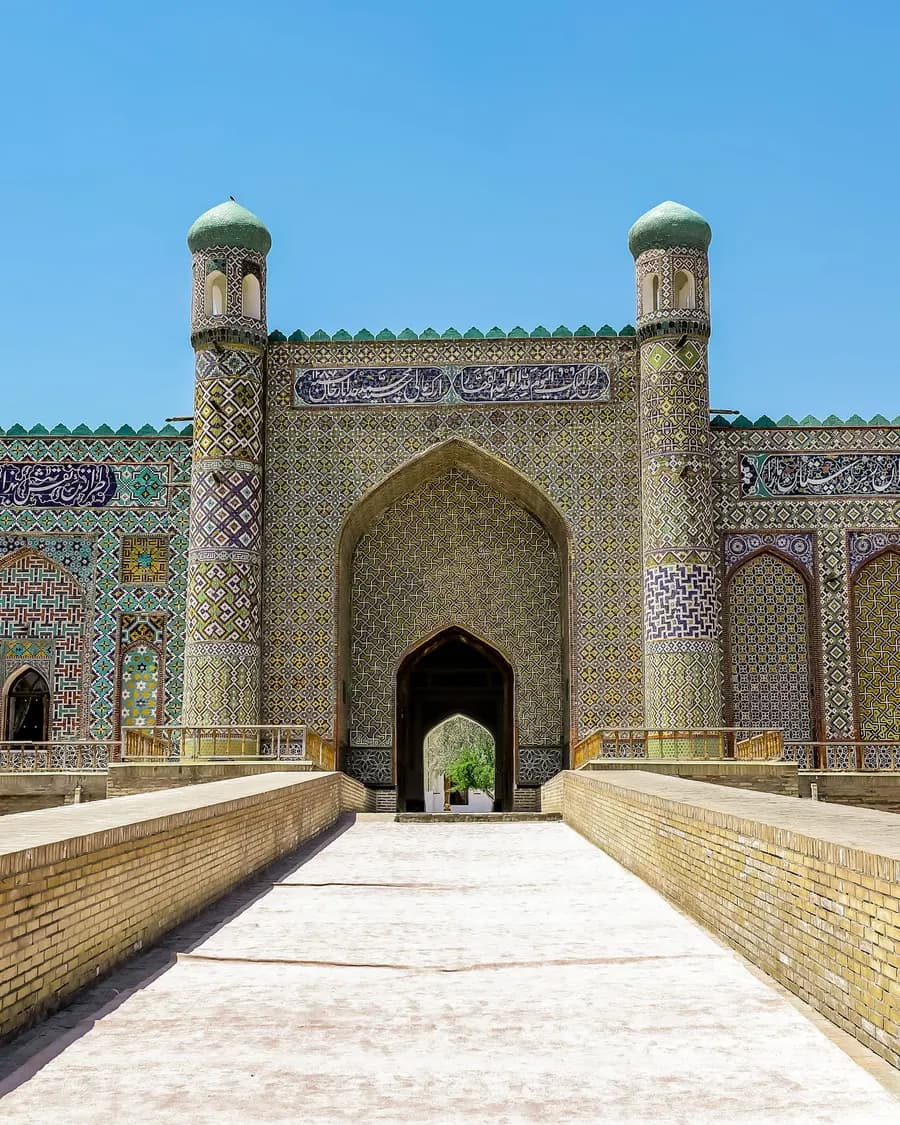
Kokand brings palace history into the Fergana Valley route before the day continues toward Margilan silk and Rishtan ceramics.
Voir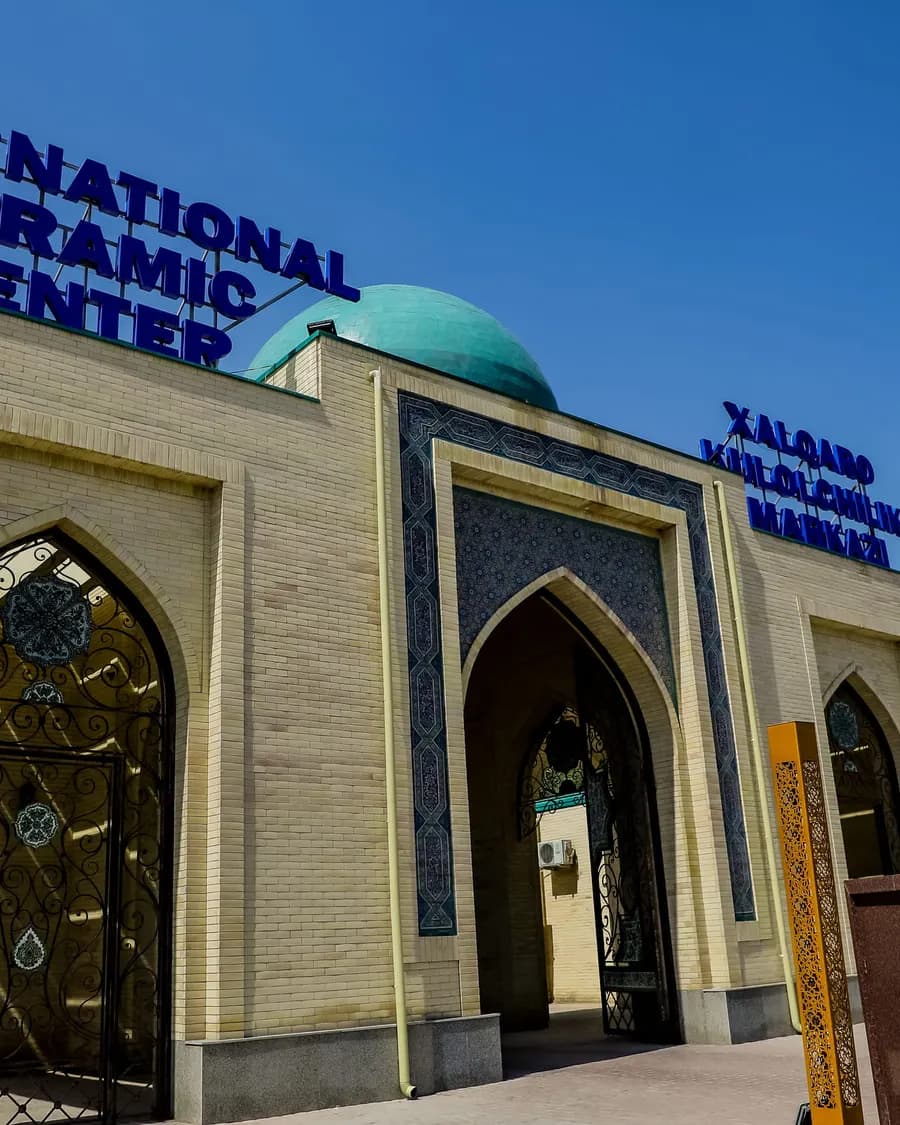
Rishtan is the Fergana Valley's ceramics town: the International Ceramics Center, working studios, blue-green glaze, and route links to Kokand and Margilan.
Voir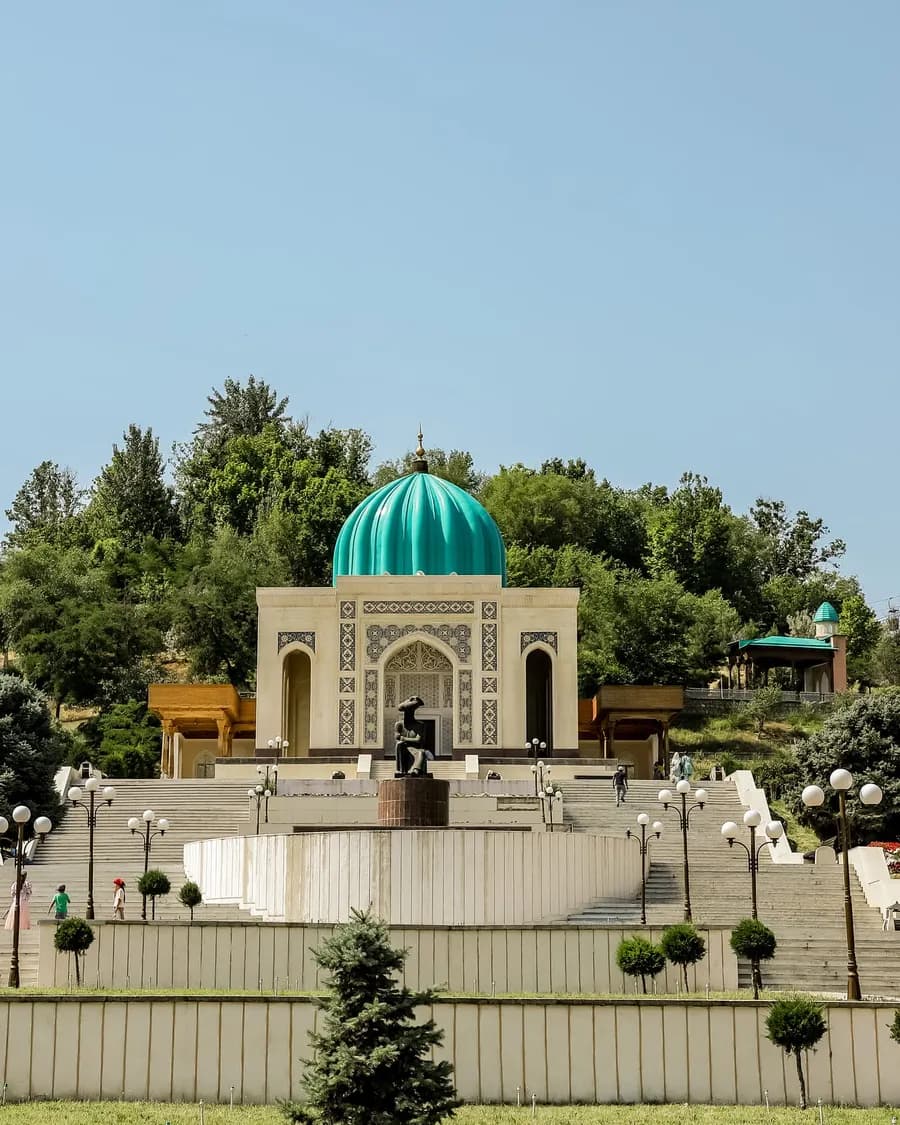
Andijan gives the Fergana Valley route an eastern cultural stop: Babur Memorial Park, Jomeh when access is clear, museum time, city food and street life, and onward choices toward Namangan or the wider valley.
VoirLa ville en détail
Walking time, overnight location, and when day trips make sense.
1–2 nights is usually enough when the old core or main anchors get a full walking window. City tone: “Pichoq knives and doʻppi craft on the Namangan side of the Fergana Valley”.
Start with the compact city walk first. Day trips only after the centre has settled — otherwise the stop feels like a transfer with monuments attached.
Stay close enough for an evening return on foot or a short transfer. That keeps tea, dinner, and a second pass through the lanes easy without burning the next morning.
On request
We help agencies set a realistic pace and choose the right next move — without rushing the places that matter.