
TourLink
À propos
Namangan belongs on a Valley route when the journey turns north with intention.
Flowers are the easiest way into Namangan, especially around Babur Park, green streets, and the festival season. The city reads better when that first color is followed by one calm heritage stop and a clear onward choice toward Chust, Andijan, or Akhsikent.
After the central Valley towns, Namangan feels greener and more open: park paths, flower color in season, and roads that can continue to Chust craft, Andijan, or Akhsikent outside the city.
Agencies and travellers who need Namangan as a readable stop — strong places, honest pacing, and logistics that hold.
How Namangan fits
Flowers are the easiest way into Namangan, especially around Babur Park, green streets, and the festival season. The city reads better when that first color is followed by one calm heritage stop and a clear onward choice toward Chust, Andijan, or Akhsikent.
Route shape
After the central Valley towns, Namangan feels greener and more open: park paths, flower color in season, and roads that can continue to Chust craft, Andijan, or Akhsikent outside the city.
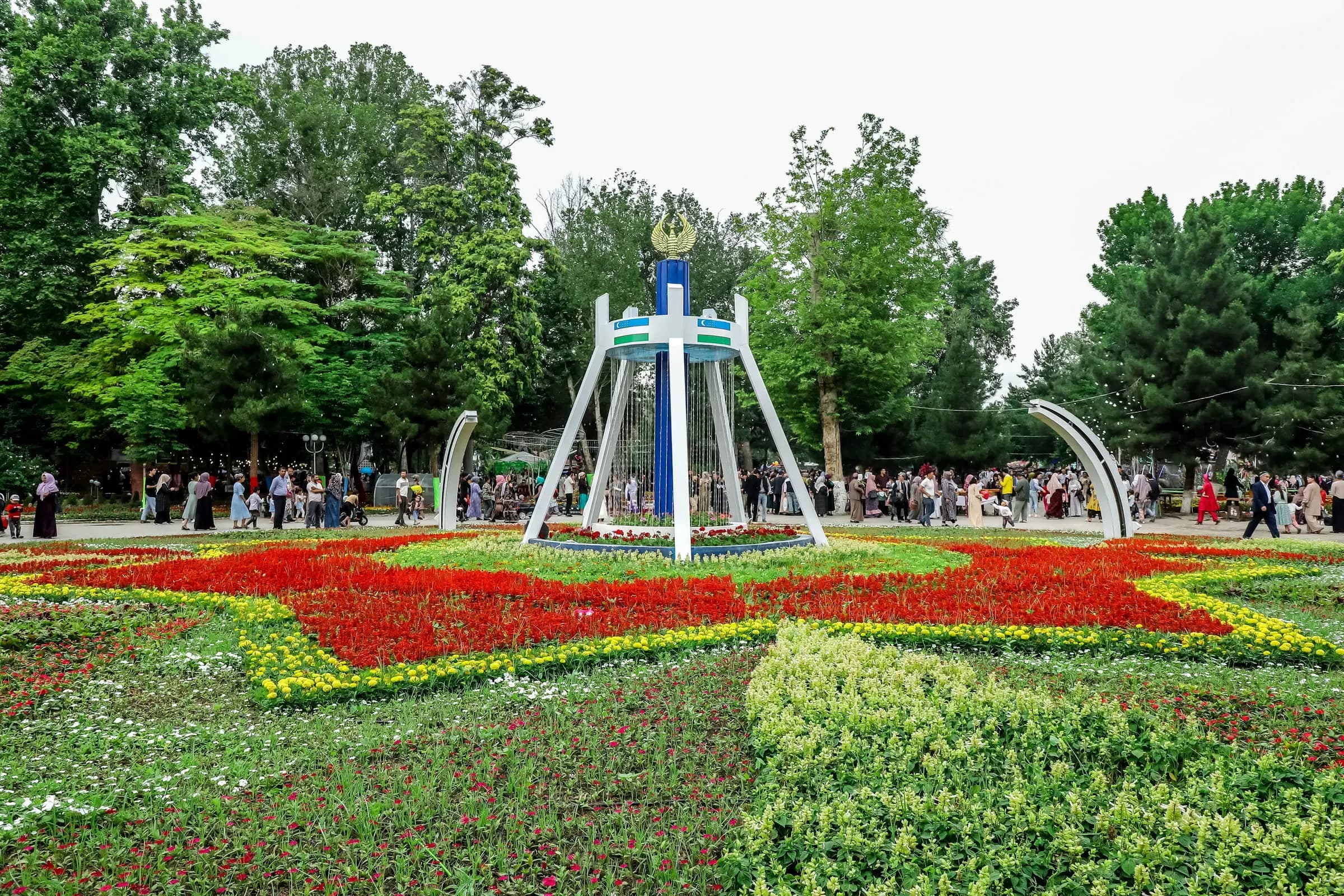
Flower beds, shade, families, rides, and park paths make Namangan's city-of-flowers identity visible before the route moves into older or quieter stops.
City point
The map marks Namangan at city level. Babur Park entrances, Mullah-Kyrgyz, mausoleum stops, festival areas, and road extensions can change by date, prayer rhythm, traffic, and local access.
What to see
Babur Park is the clearest first city anchor. Mullah-Kyrgyz, Namangani, Khoja Amin Kabri, Mavlon-Buva, and family-leisure stops belong only when the day's hours, setting, and visit etiquette are clear.
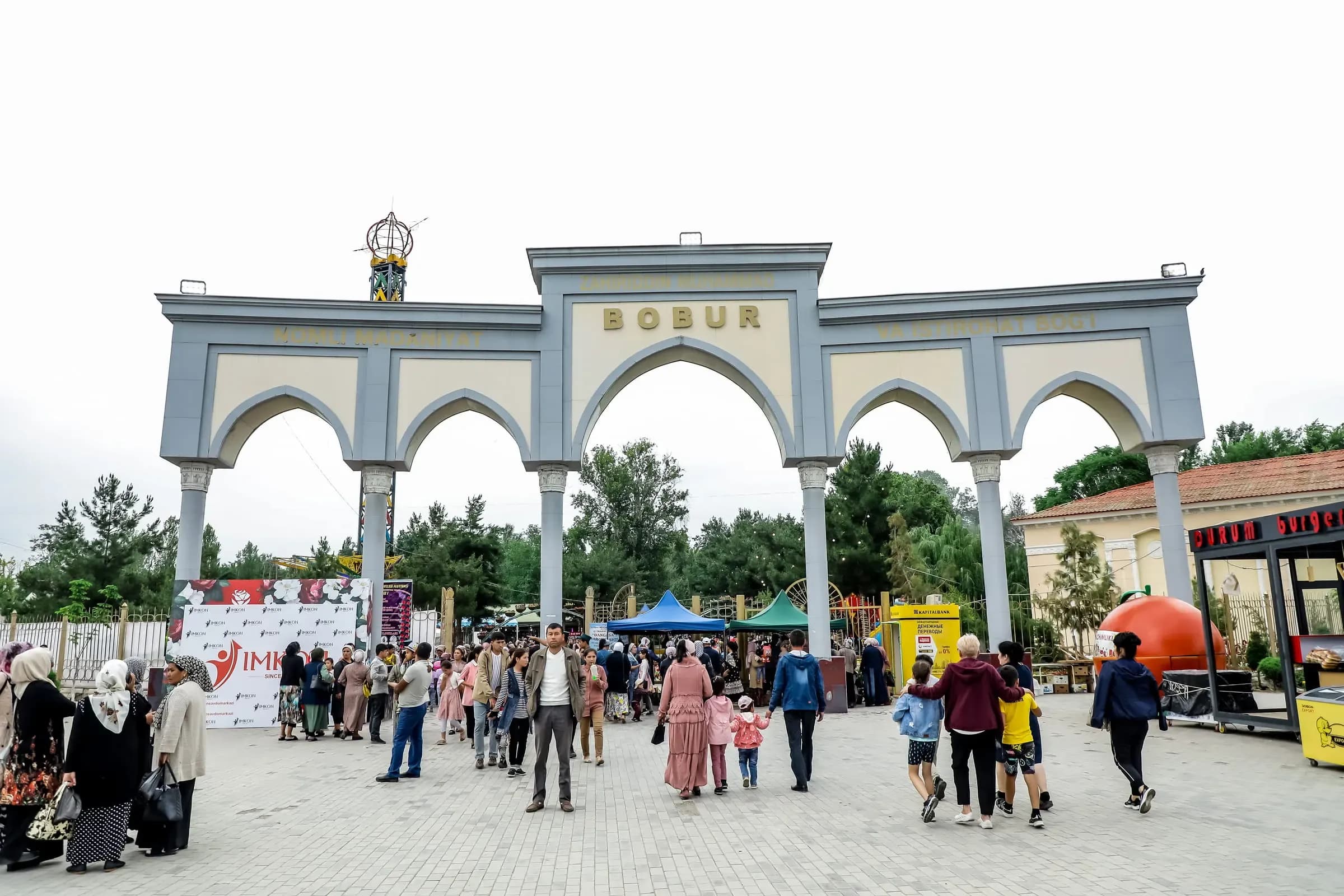
In Babur Park, Namangan's flower-city idea becomes visible at walking pace: planted beds, shaded paths, families under trees, and rides that give the stop an ordinary city rhythm. During Flower Festival season, the same setting can become brighter and busier; outside those dates,
Ouvrir le lieuCity moments
These city moments keep Namangan focused: flowers and park life, a selective heritage walk, and a northern road that can reach Akhsikent without making it feel like a city-center stop.
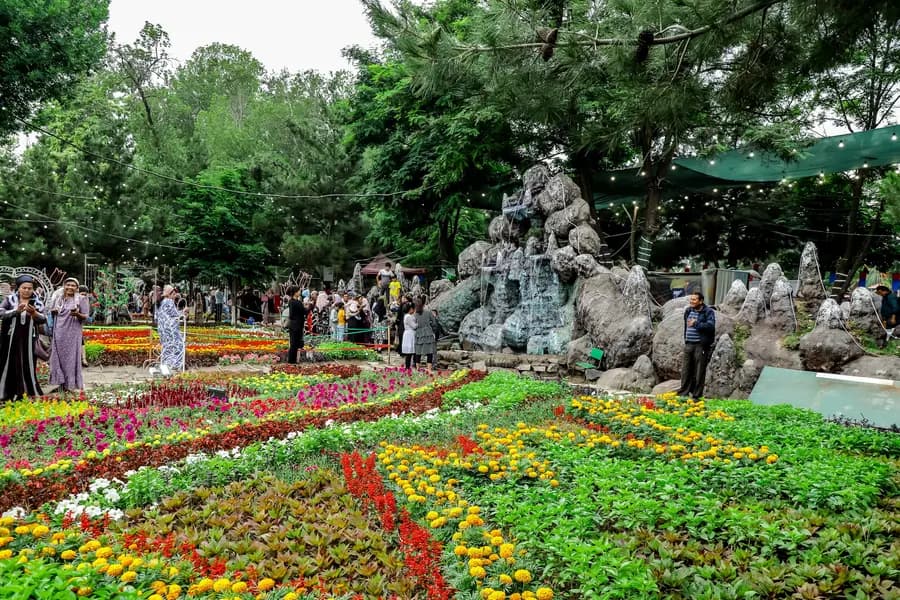
In Babur Park, flower beds, shaded paths, families, and rides make Namangan's flower-city identity visible before you return to the Valley road.
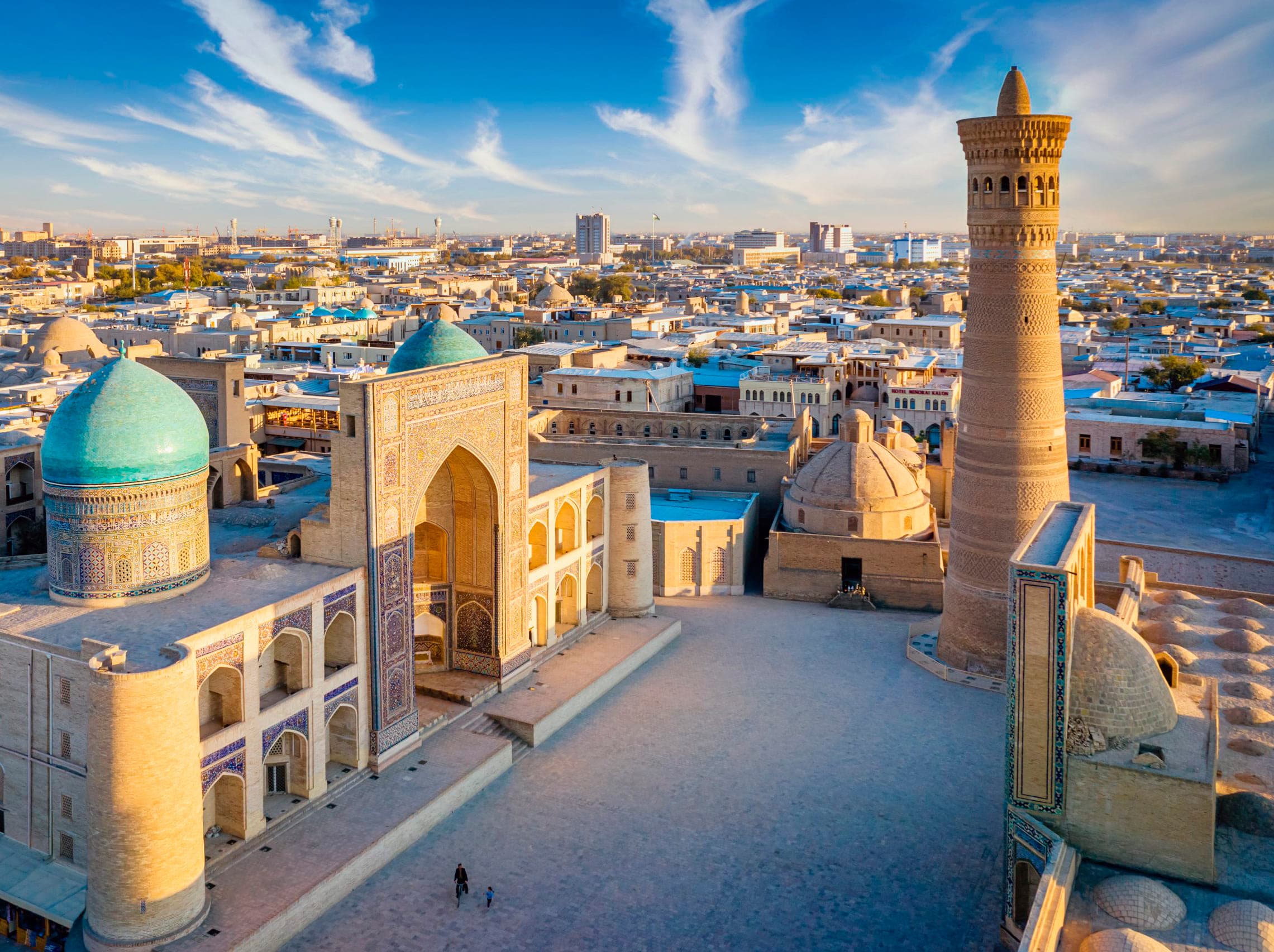
Mullah-Kyrgyz Madrasah gives the city an older architectural note when the visit stays brief, respectful, and suited to that day.
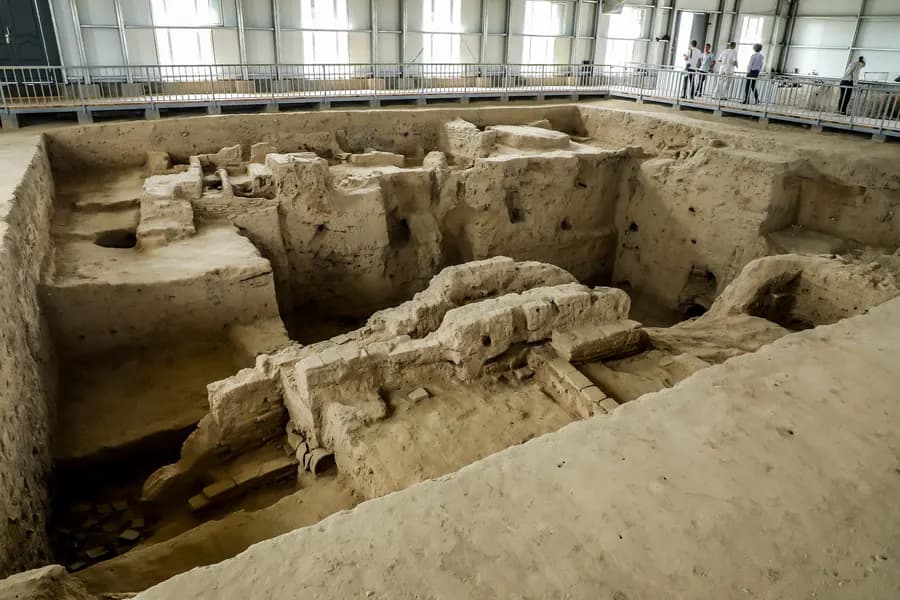
Akhsikent sits outside the city, so it belongs as a deliberate archaeological extension: ancient Fergana context after Namangan, not a city-center sight.
Before you go
Namangan reads best when the plan stays simple: flowers and park life first, one heritage pause, then a road choice that explains why the route came north.
Babur Park gives Namangan a visible first note: color, shade, families, rides, and an ordinary city rhythm around the park.
Namangan feels clearest when Babur Park gives the first color and the next road explains why the journey came north.
Mullah-Kyrgyz and mausoleum stops can add depth when they are open and appropriate for the day; one clear architectural pause is stronger than a long list.
Namangan is easier to read when the next move is clear: Chust, Andijan, Akhsikent, or a return through the central Valley.
Choose Namangan for a focused northern Valley stop: Babur Park, seasonal flower color, one quiet heritage note, and a clear road onward.
At a glance Route role
Northern Fergana Valley city for flowers, park life, heritage context, and onward road choices.
First stop
Babur Park is the clearest first anchor for Namangan's flower-city identity.
Season
The flower festival is date-sensitive; park greenery keeps the theme useful outside festival weeks.
Next road
Chust, Andijan, Akhsikent, or the central Valley shape the next move after Namangan.
Nearby route choices
Namangan pairs most naturally with Chust. Andijan, Fergana, and Kokand help decide whether the route turns east, returns through the central Valley, or crosses the main craft and palace towns.
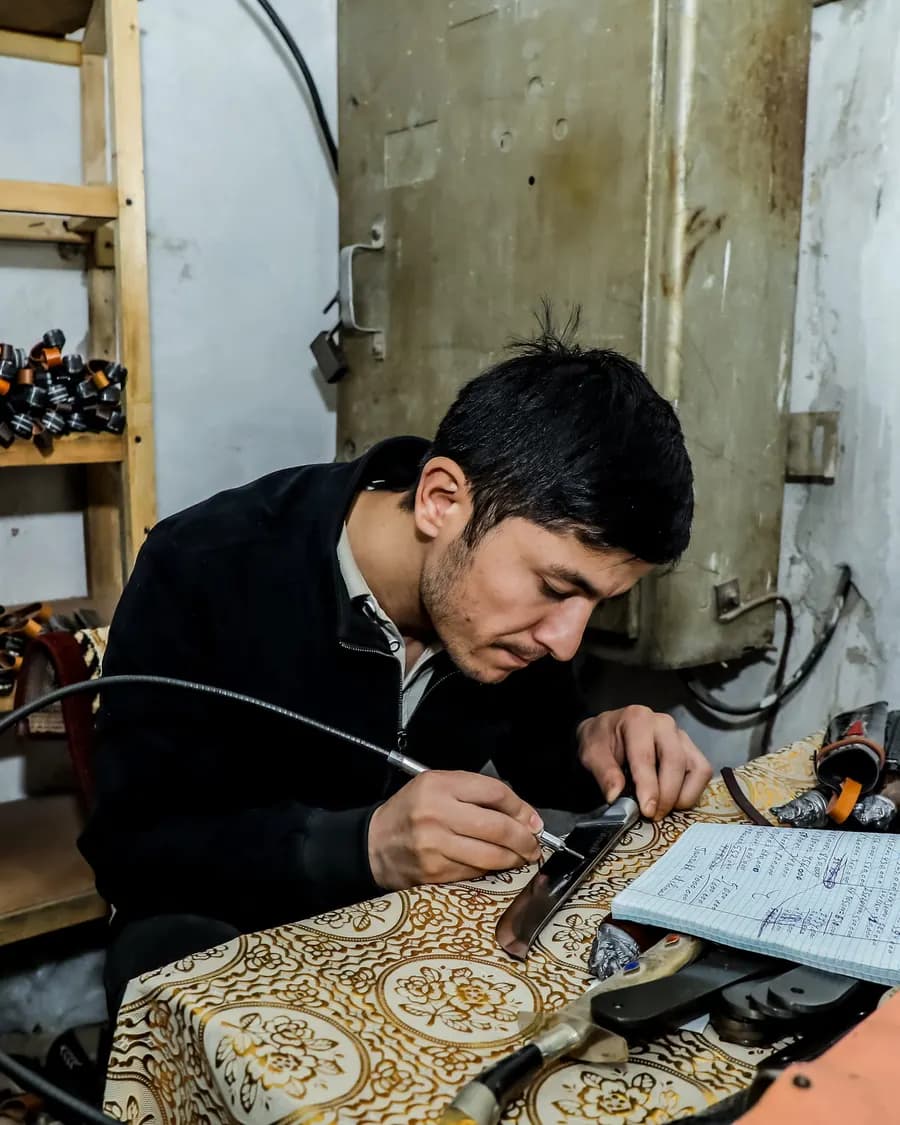
Chust adds a careful craft stop to the northern Fergana Valley: pichoq knives, doʻppi embroidery, and a Namangan-side route that makes sense only when real workshop access is checked.
Voir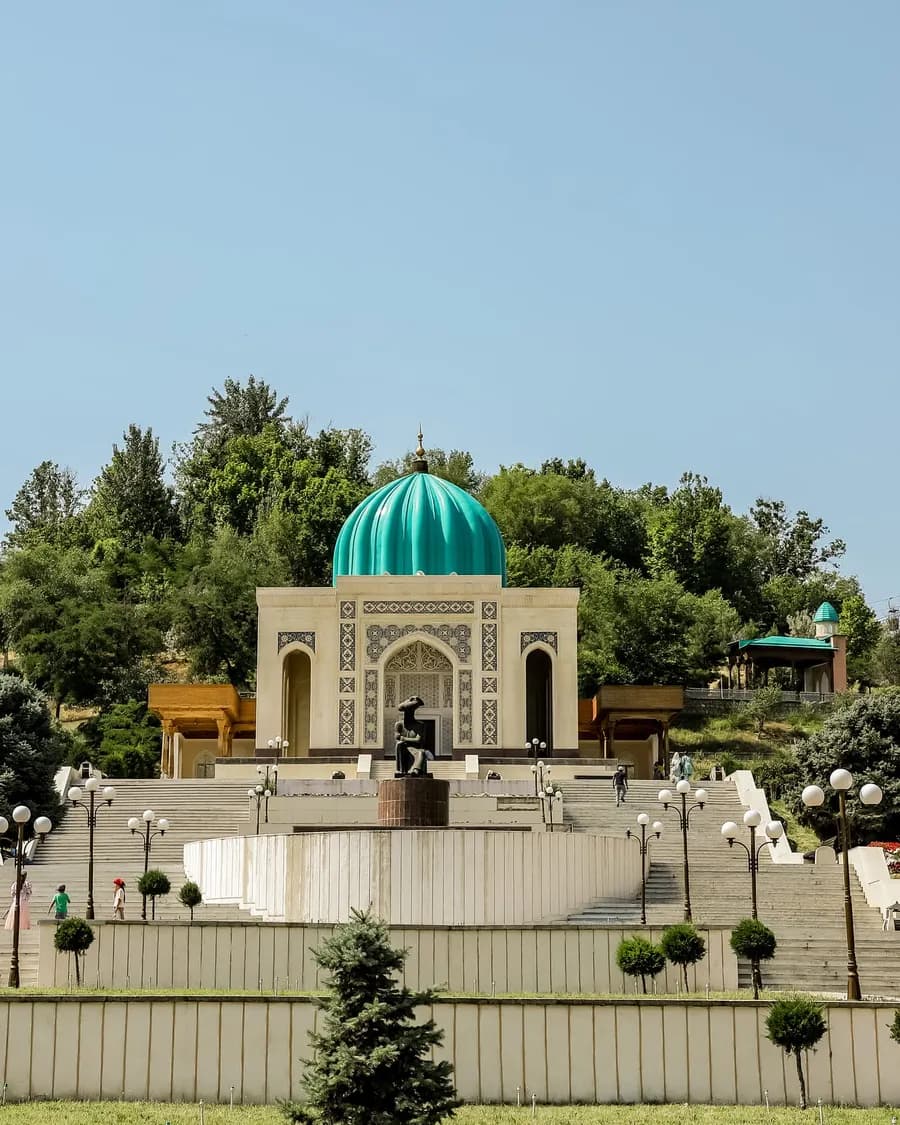
Andijan gives the Fergana Valley route an eastern cultural stop: Babur Memorial Park, Jomeh when access is clear, museum time, city food and street life, and onward choices toward Namangan or the wider valley.
VoirFergana gives the Valley route a useful urban interval: Regional Museum context, tree-lined streets, park or market time, and roads toward Margilan, Rishtan, Kokand, Andijan, or Chust.
Voir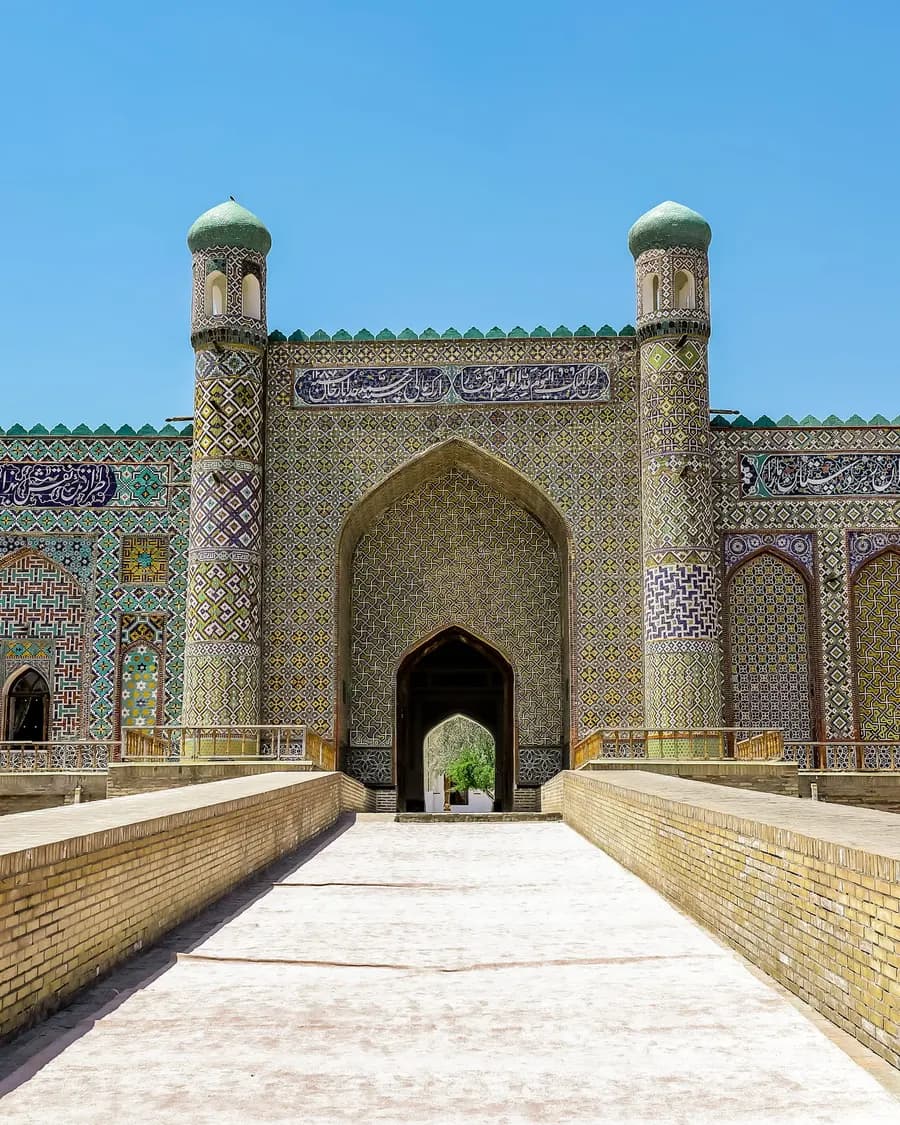
Kokand brings palace history into the Fergana Valley route before the day continues toward Margilan silk and Rishtan ceramics.
VoirLa ville en détail
Temps de marche, lieu de nuit et quand les sorties à la journée ont du sens.
2–3 nights is usually enough when the old core or main anchors get a full walking window. City tone: “Flowers, park life, and northern Valley roads”.
Commencez d'abord par la promenade urbaine compacte. Les sorties seulement après que le centre se soit posé — sinon l'arrêt ressemble à un transfert avec des monuments collés.
Restez assez près pour un retour du soir à pied ou un court transfert. Thé, dîner et un second passage dans les rues restent ainsi faciles sans brûler le lendemain matin.
Sur demande
Nous aidons les agences à poser un rythme réaliste et à choisir le bon mouvement suivant — sans précipiter les lieux qui comptent.