TourLink
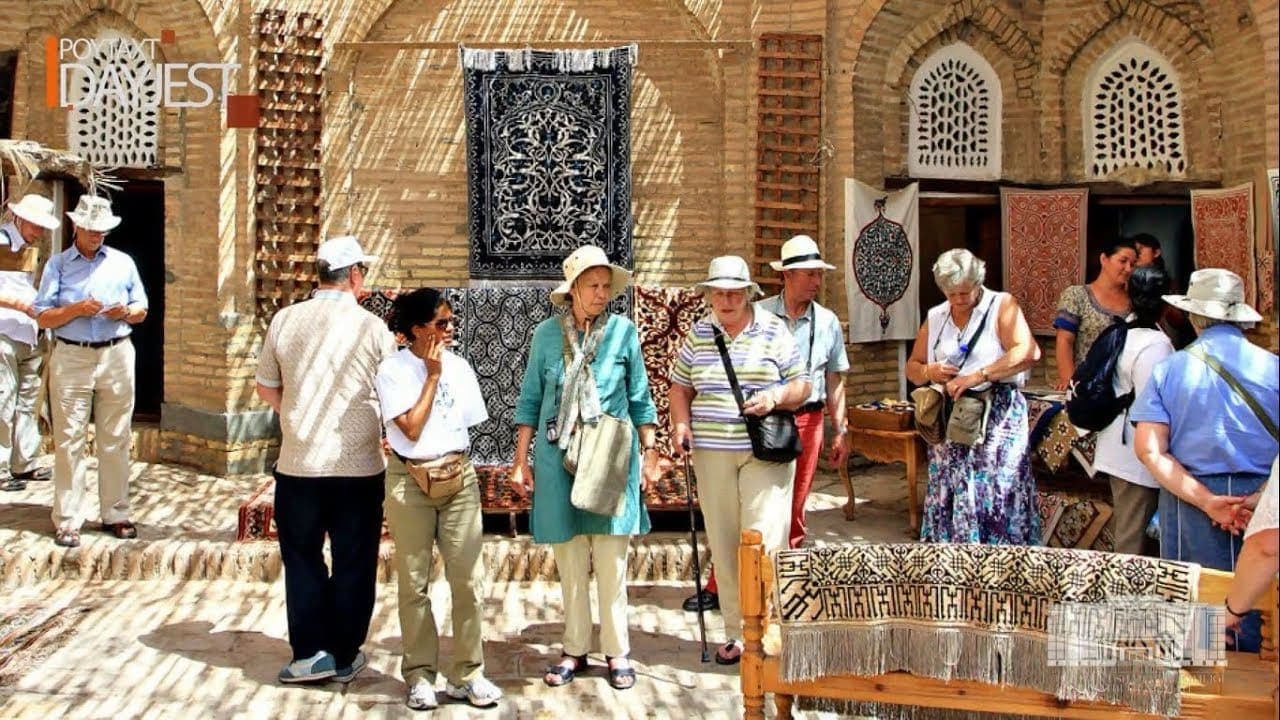
Samarkand opens with scale and color. Bukhara slows the rhythm to courtyards and workshops. Khiva closes the arc inside intact walls — a route built for first-time Central Asia travelers who want depth without rushing.
Route logic
Start in Samarkand for the visual climax, continue to Bukhara for living tradition, finish in Khiva for intimacy. Desert transfers between cities become part of the story rather than dead time.
Registan, Shah-i-Zinda, and observatory visits set the historical frame before the route slows down.
Craft quarters, family plov, and evening walks through trading domes anchor the middle of the journey.
Itchan Kala at dusk, Ark fortress context, and optional desert camp nights close the route with atmosphere.
Day by day
A working frame for the route — days can shift, expand, or leave room for wine, crafts, and slower evenings.
Silk Road classics · 7 days · Samarkand → Khiva
Airport or train transfer, settle in, and an evening walk toward Registan when the light softens on the tilework.
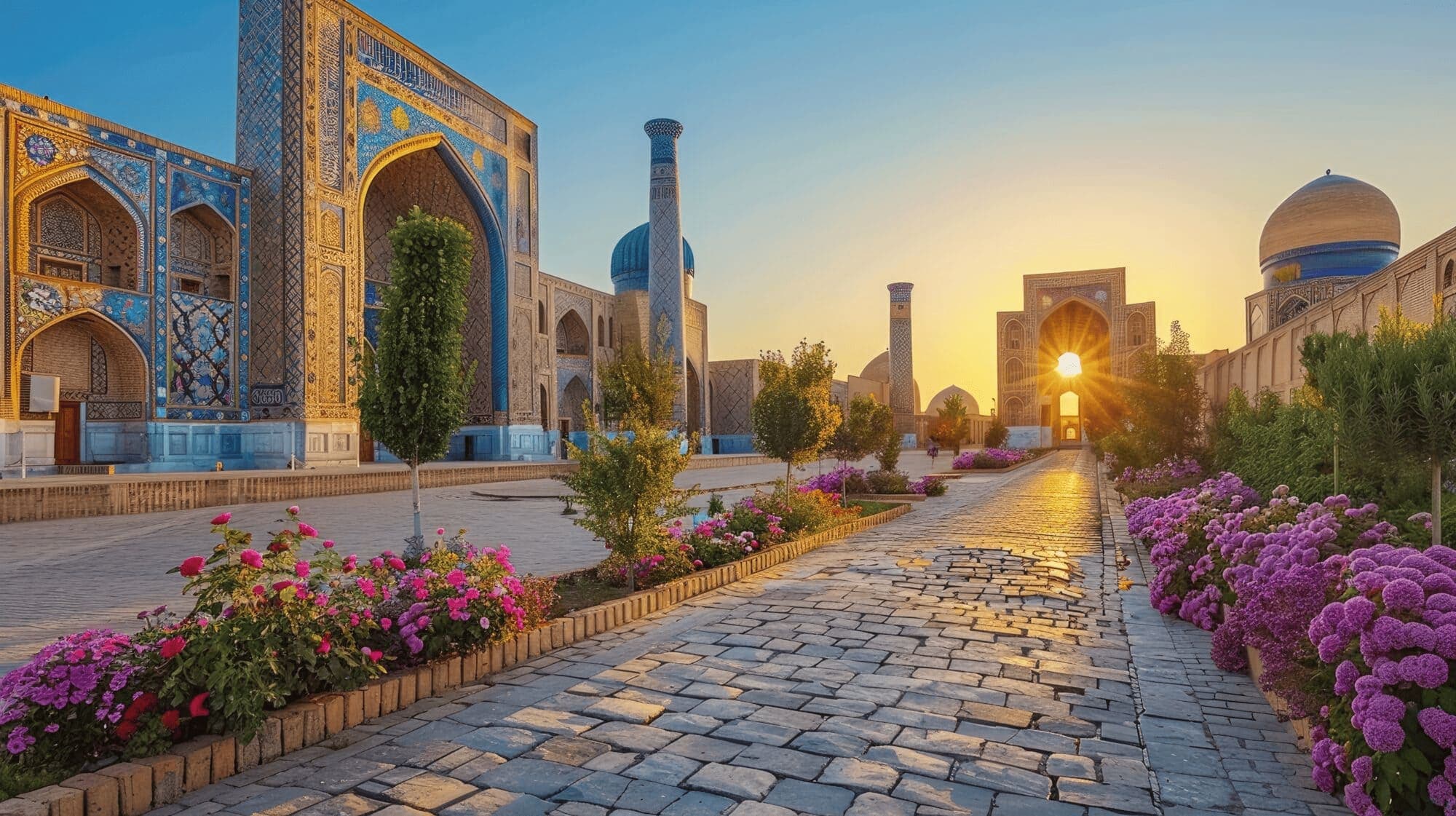
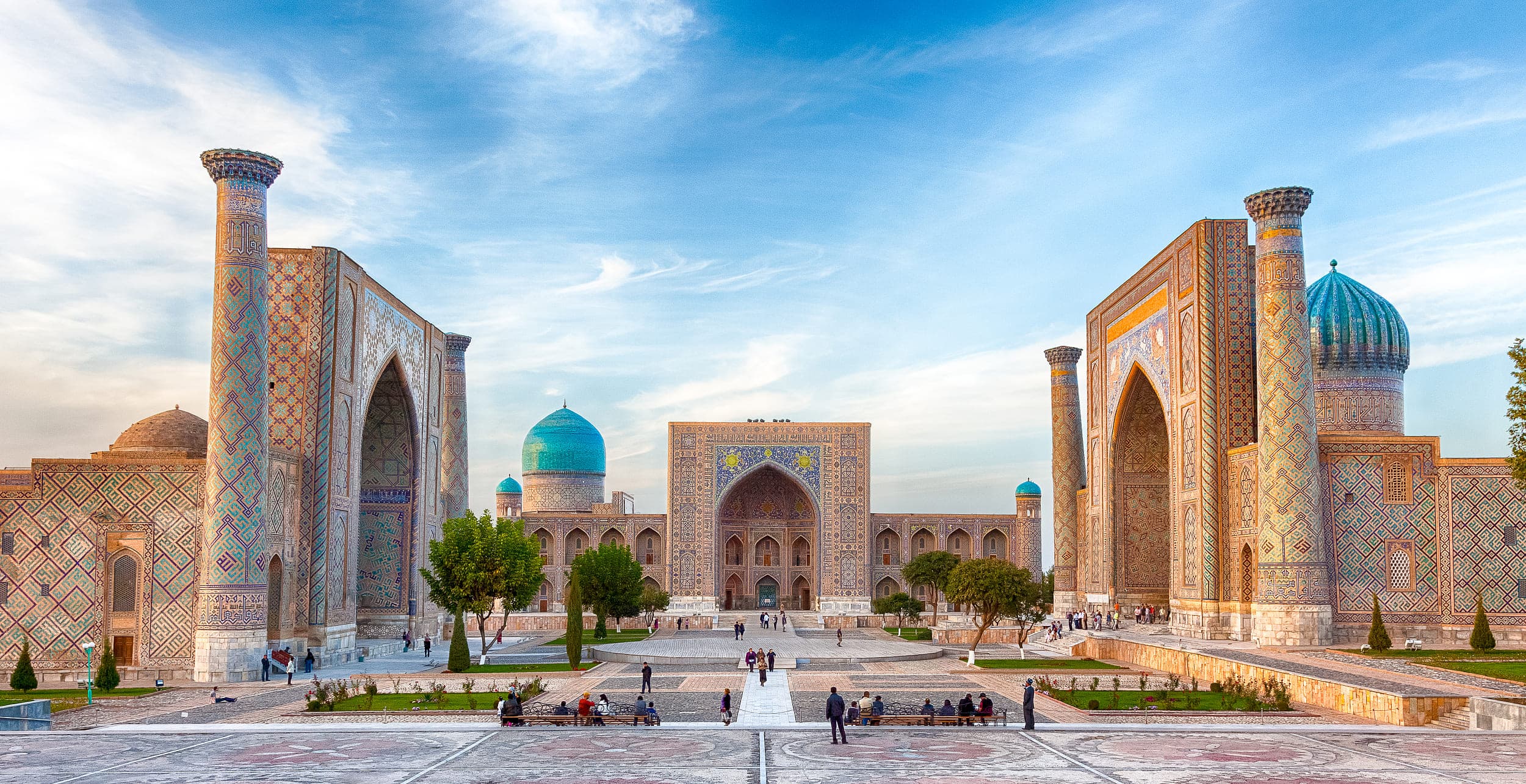
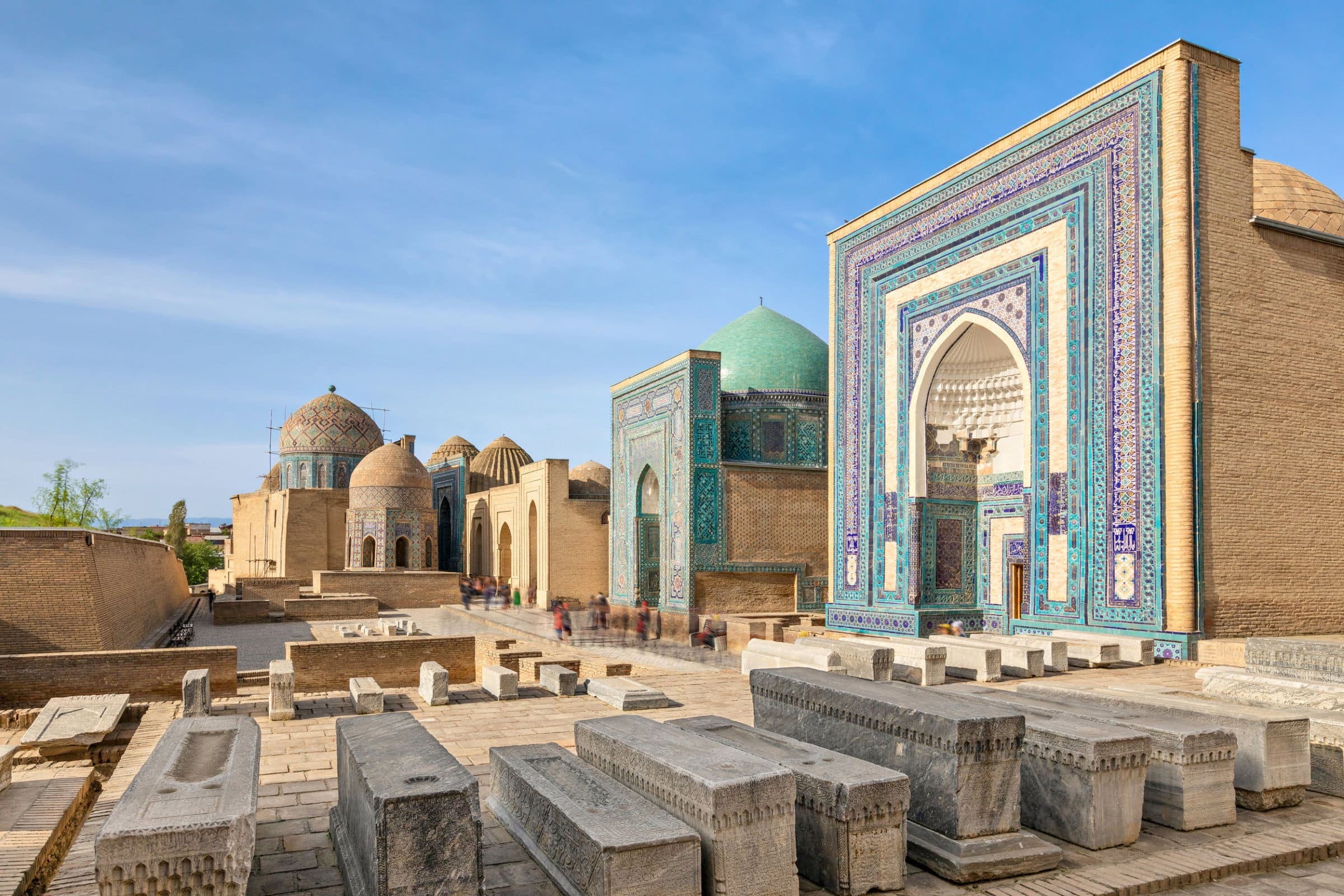
Morning at Registan for scale and color, afternoon along Shah-i-Zinda, optional observatory visit before a quieter evening.
Desert road day with a lunch stop. Evening arrival into Bukhara's old city — trading domes and a first courtyard walk.
Craft quarters, family plov, and an unhurried pass through the old trading axes before night settles on Lyabi-Hauz.
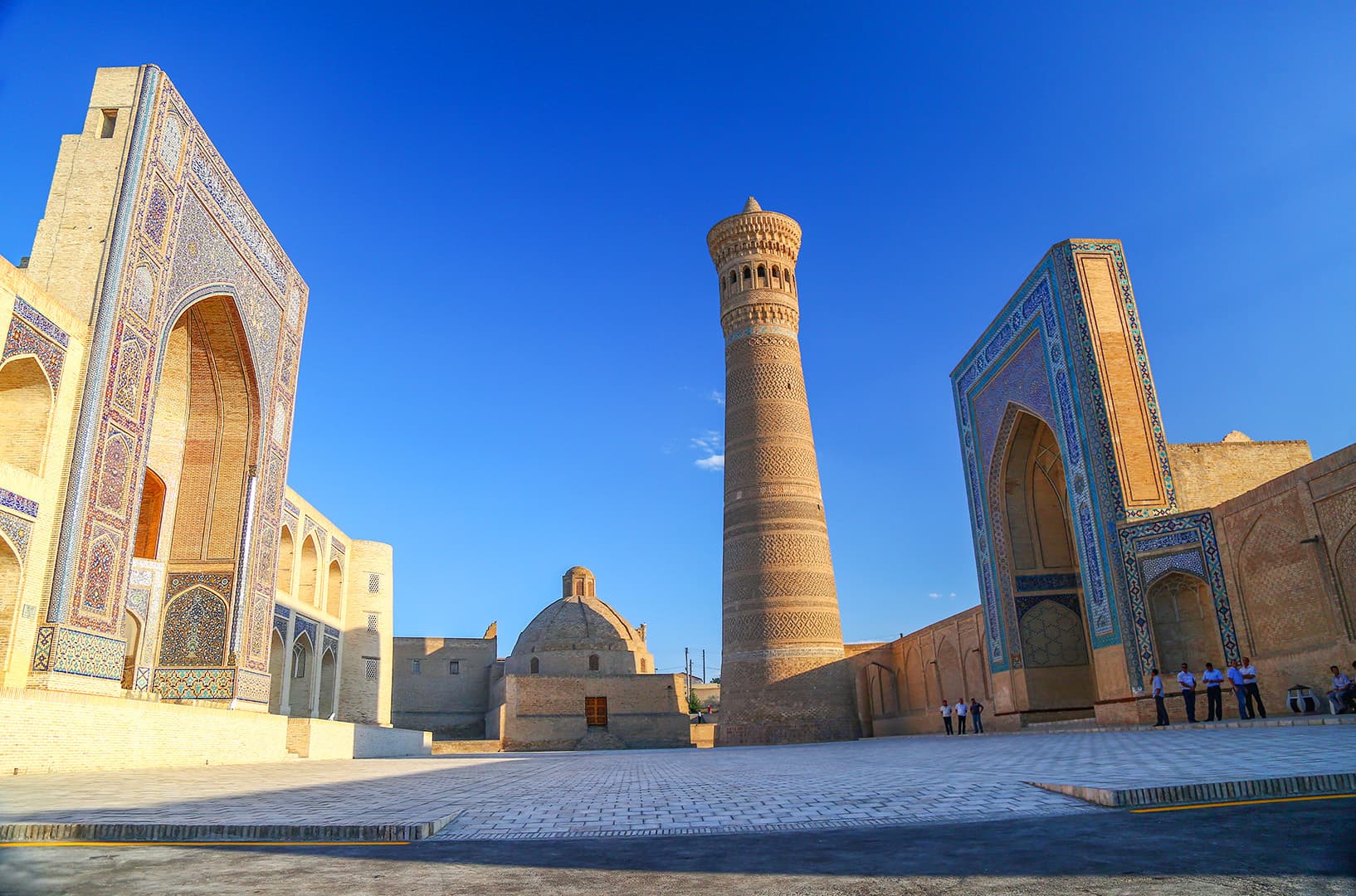
Morning context at the Ark fortress, then the long desert transfer that makes Khiva feel earned by evening.
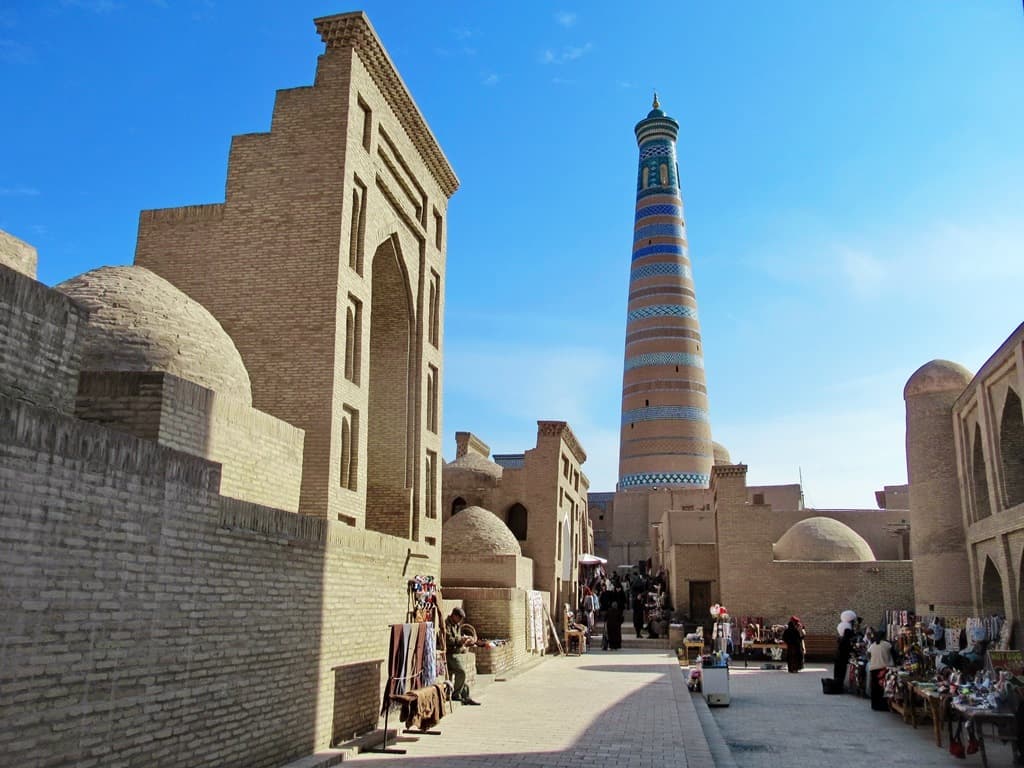
A full day inside the walls — lanes, minarets, and evening light when tour groups thin out and the city softens.
Morning buffer in Khiva, then transfer toward Urgench airport or onward connection — coordinator stays reachable until you fly.
Route map
Interactive map with the ordered stops of this route.
Explore
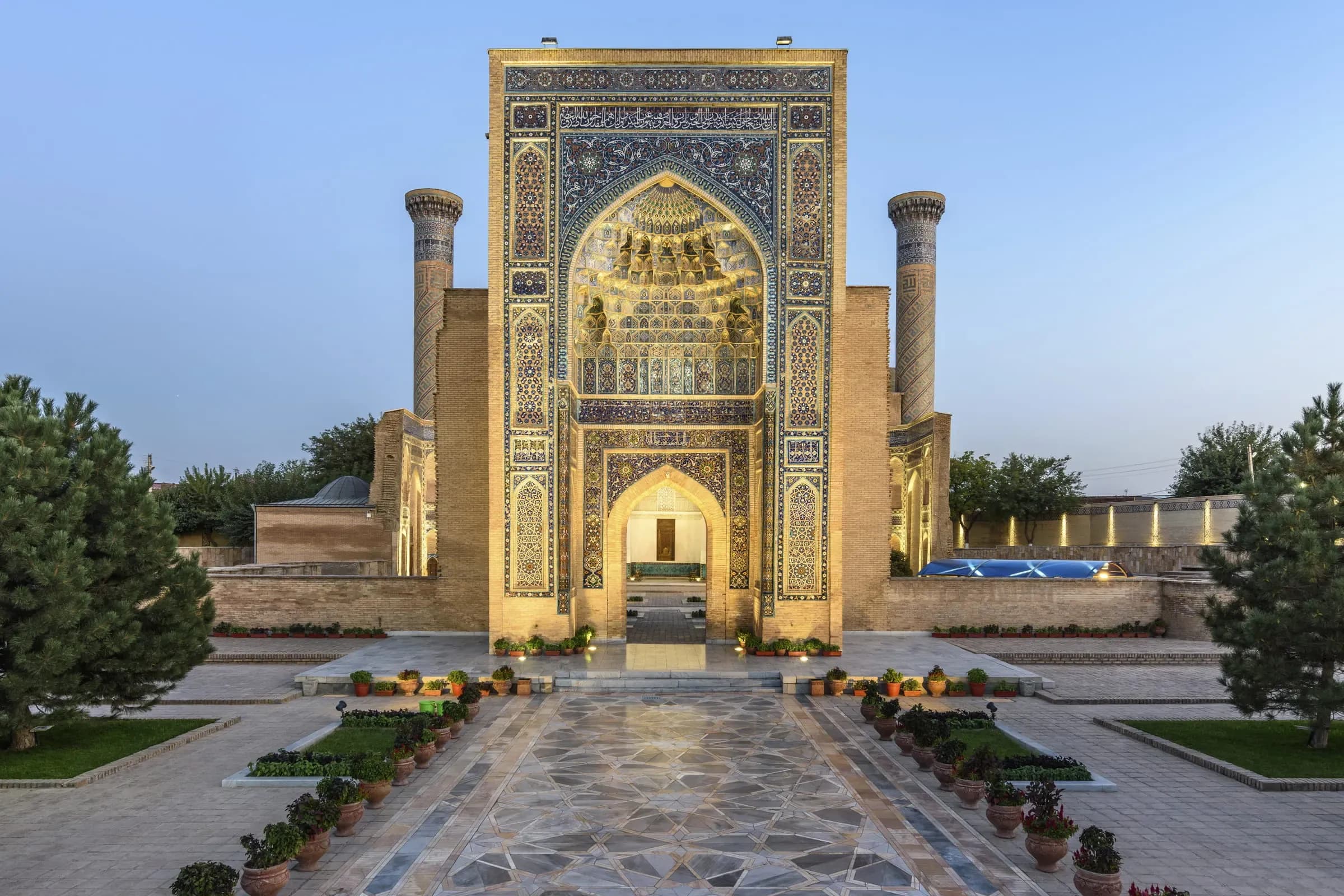
Samarkand
Registan may be the first image travelers carry of Uzbekistan, but Samarkand is wider than one square. The day leads on to Shah-i-Zinda, Gur-e-Amir, Bibi-Khanym, Siab Bazaar, old lanes, early trains from Tashkent, Afrasiab beneath today's city, and the scientific story around Ulugh Beg's observatory.
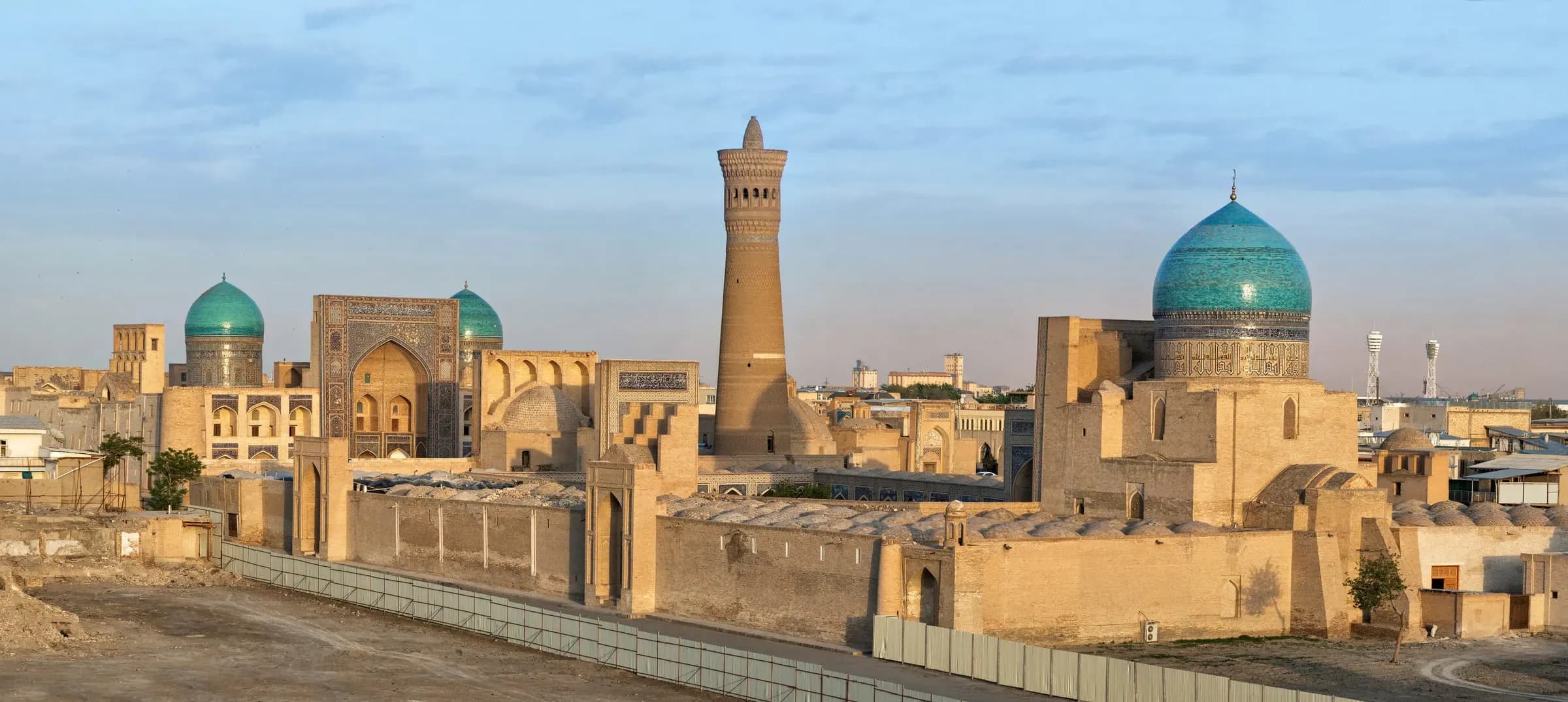
Bukhara
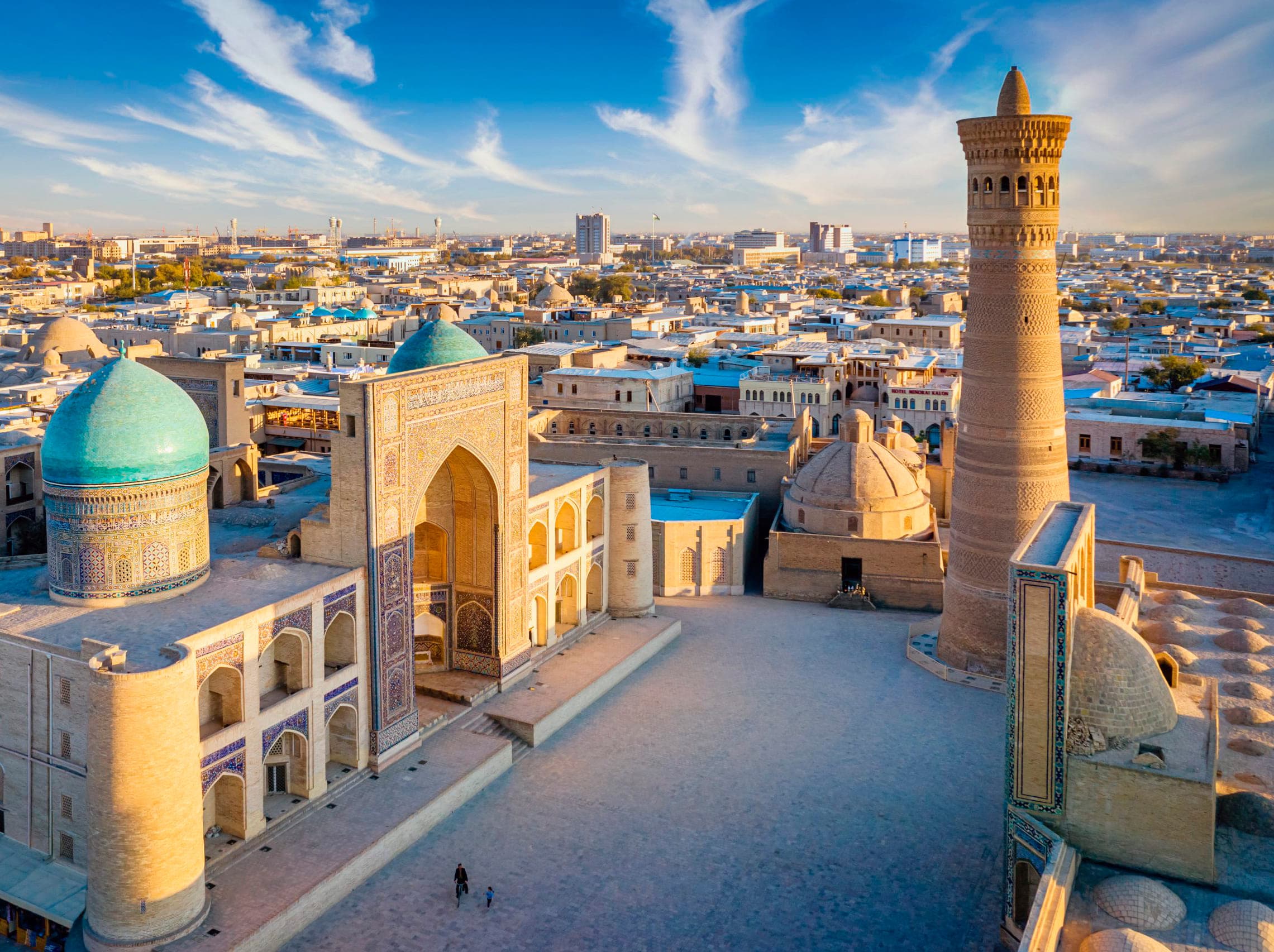
Bukhara does not open from one square. The old center comes together through short transitions: a shaded trading dome, a carved doorway, tea beside Lyabi-Hauz, then the sudden vertical line of Kalyan Minaret above the lanes.
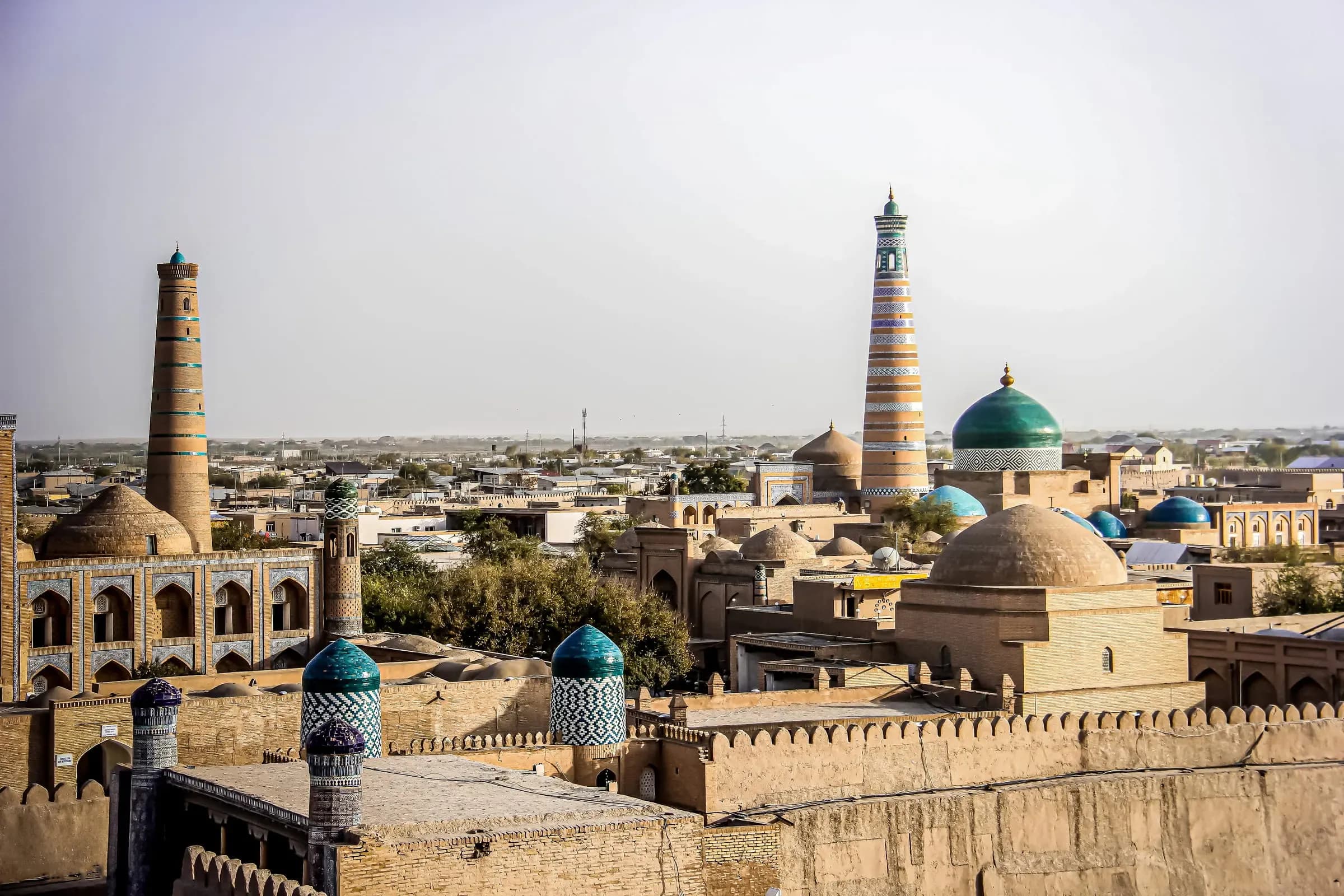
Khiva
Khiva works best when you return inside the walls during the day: first the gates and Kalta Minor, then Juma Mosque, palace courtyards, carved doors, workshops, and a meal in the old town before the route decides whether to stay in the city or continue across Khorezm.
Registan
Three madrasas, monumental facades and evening illumination — the defining image of the Silk Road.
Ark Fortress
Bukhara's ancient royal citadel overlooking the old town — museums, courts and panoramic views.
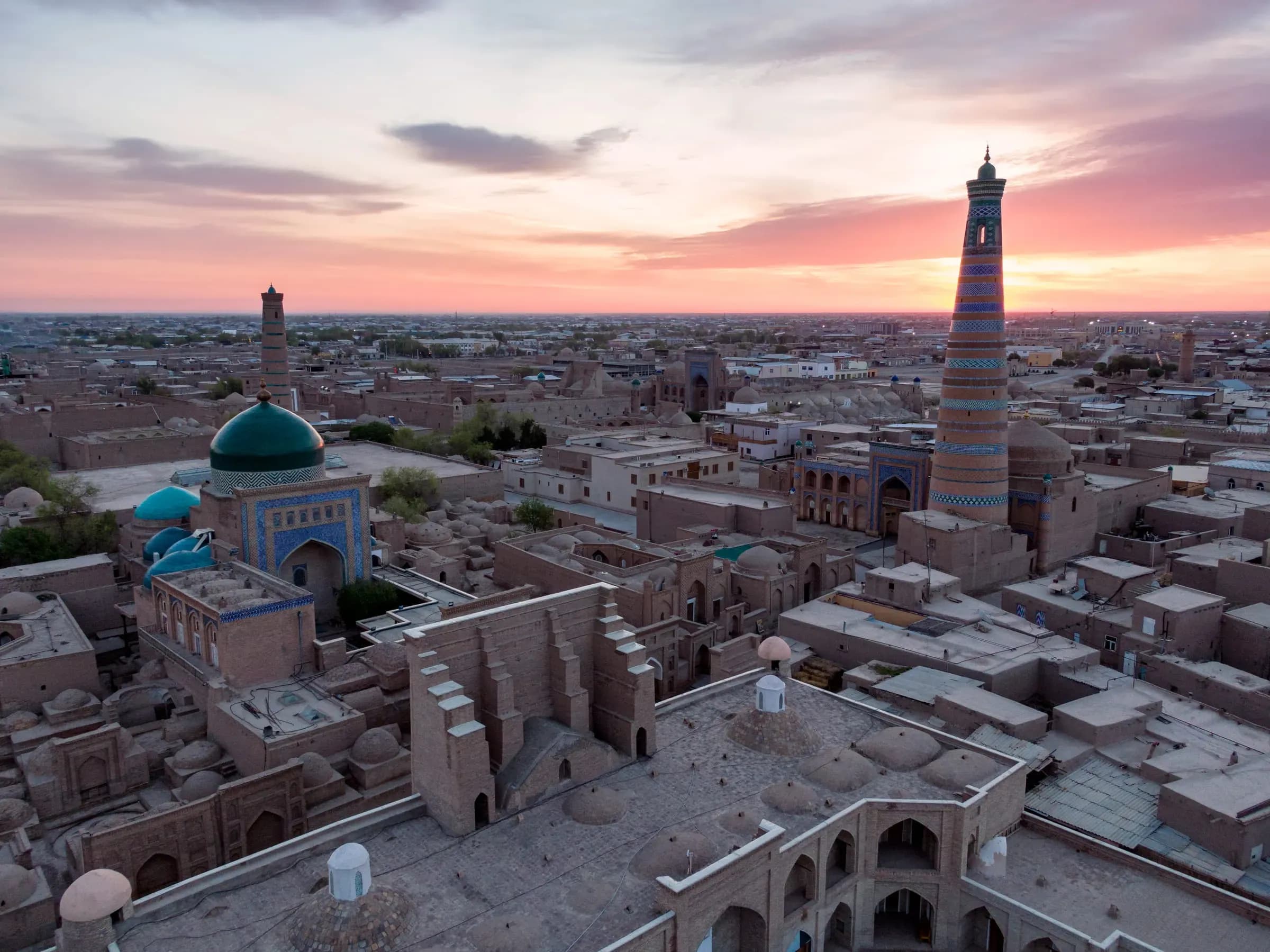
Itchan Kala
Itchan Kala is where Khiva becomes a walking city: gates, clay lanes, Kalta Minor, Juma Mosque, courtyards, workshops, and museum rooms stay inside one set of walls.
Experiences
Two to three hours on foot with a context-first guide who reads Samarkand through Registan, not around it.
Afternoon session with transport from the city — three to five pours with food pairing and winery history.
Lunch experience with a host family or master oshpaz — stories, tea, and the social ritual behind Uzbekistan's national dish.
Two-hour guided loop at dusk — the best time when stone glows and residents reclaim the alleys.
Ninety minutes inside the Ark with a historian guide who connects emirs, revolutions, and today's museum city.
More inspiration
Seven days covering Tashkent, Samarkand, and Chimgan/Charvak — enough context for a return trip to Bukhara and Khiva.
Explore routeFour to five days inside Bukhara — copper, silk, wood, and the plov courts that still define evening life.
Explore routeThree to four focused days in Itchan Kala with fortress context and optional desert extension.
Explore routeShare dates, group size, and hotel level — we will build a bookable itinerary around the same city order and experiences.