
TourLink
About
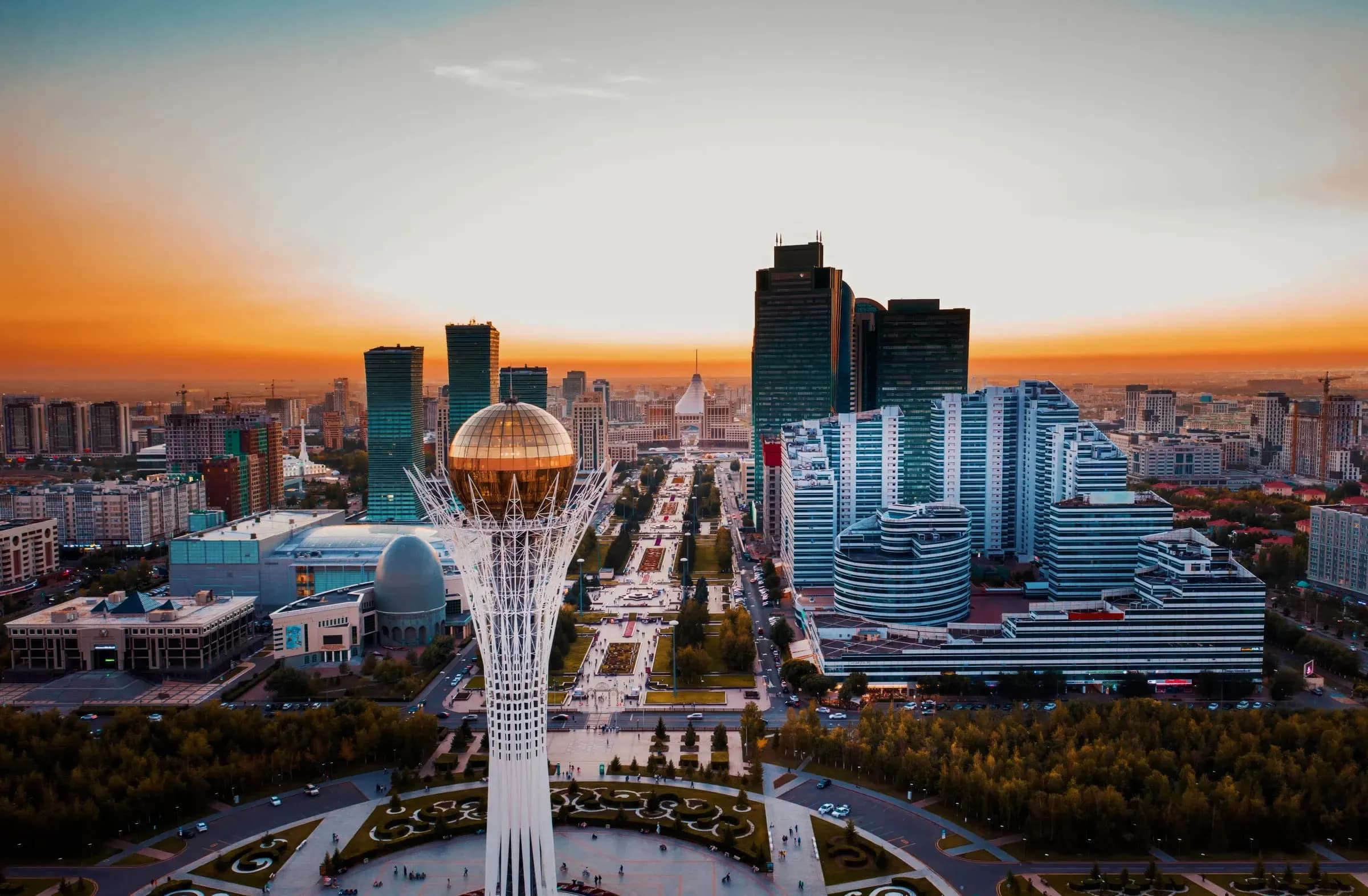
Uzbekistan is home: courtyards, bazaar rhythm, and Silk Road cities held in one readable route.
Uzbekistan opens through a few anchor cities: arrival in Tashkent, the classic rail line through Samarkand and Bukhara, then the slower choice west to Khiva or onward extensions.
Rail between Tashkent, Samarkand and Bukhara; a paced west turn to Khiva; extra days only when Fergana, the south or Karakalpakstan belong in the brief.
Agencies and travelers who want a classic Silk Road spine, then one honest extension when season and group pace allow it.
Route logic
Uzbekistan opens through a few anchor cities: arrival in Tashkent, the classic rail line through Samarkand and Bukhara, then the slower choice west to Khiva or onward extensions.
Route rhythm
Decide what belongs to the classic city line and what needs extra days. Transport choices become clearer once the route rhythm is set.
Tashkent, Samarkand and Bukhara connect well by rail, so the day stays focused on the city, the guide and the right pace.
Route cities
The map keeps the first route leg visible: the capital, the two main Silk Road cities, Khiva in the west, and Nukus when the journey continues into Karakalpakstan.
Living moments
Not tour categories: route moments we use to shape guided time, meals, craft stops, and quiet hours.
The road from Termez toward Boysun is part of the shift from southern plain to mountain village.
Upgrade Programme attention shows Omonxona is developing, while each service still needs a date-specific check.
The tree gives Sayrob its first visible anchor when the visit is handled with care.
Museum time turns the village story into something you can see up close.
The spring belongs as natural and cultural memory, with quiet etiquette around sacred places.
The archaeology extension belongs only when distance, heat, access, and guide explanation are realistic.
Tour programs
Use these as planning shapes. Each route can be adjusted around dates, pace, access, and group format.
Tourist regions
We group Uzbekistan by travel logic, not by administrative borders: gateway cities, heritage corridors, craft valleys, mountain access, and desert extensions.
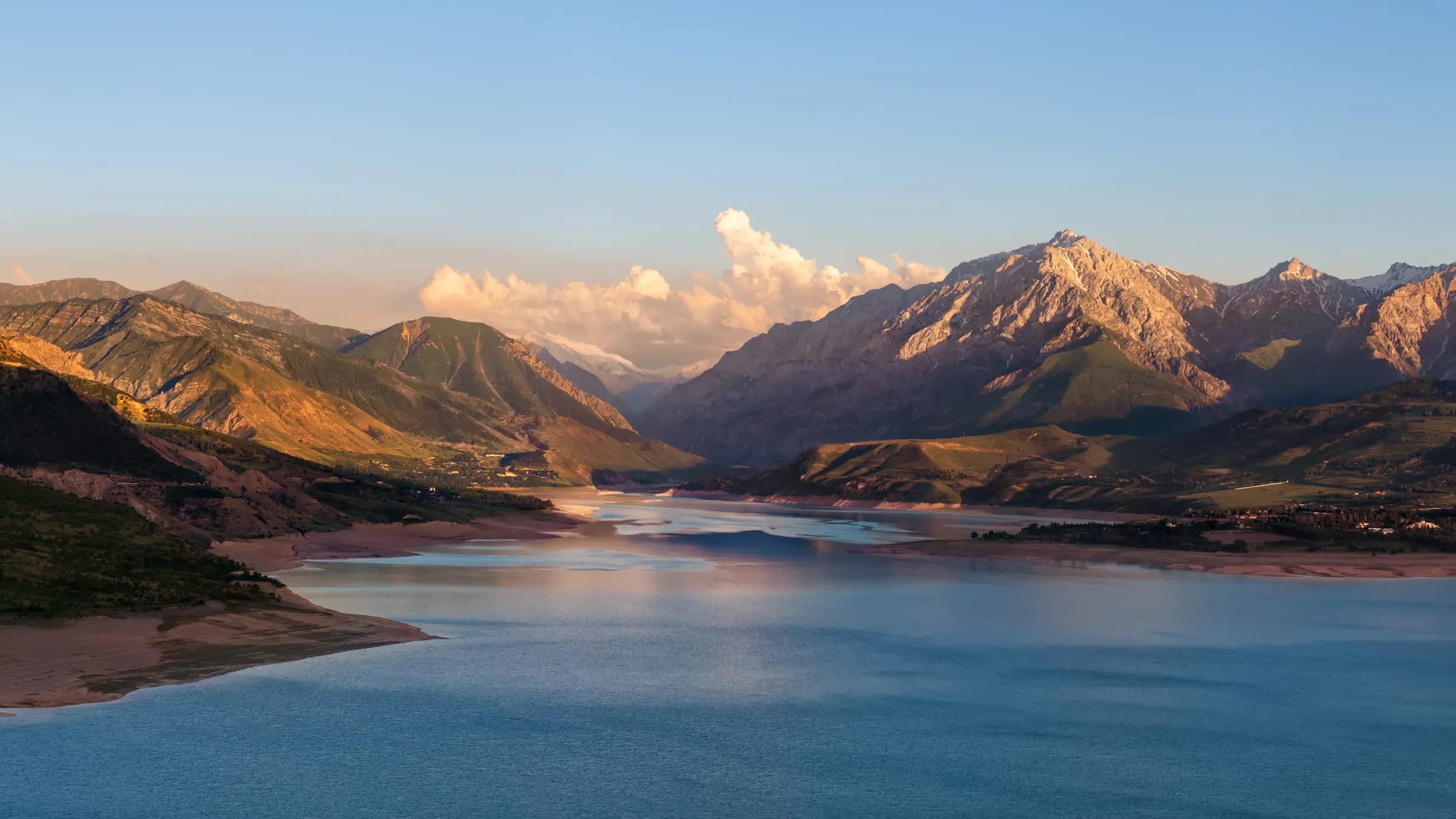
Tashkent & Chimgan links the capital with old Tashkent, Chorsu, the metro, museums, Charvak water, and nearby foothill roads.
View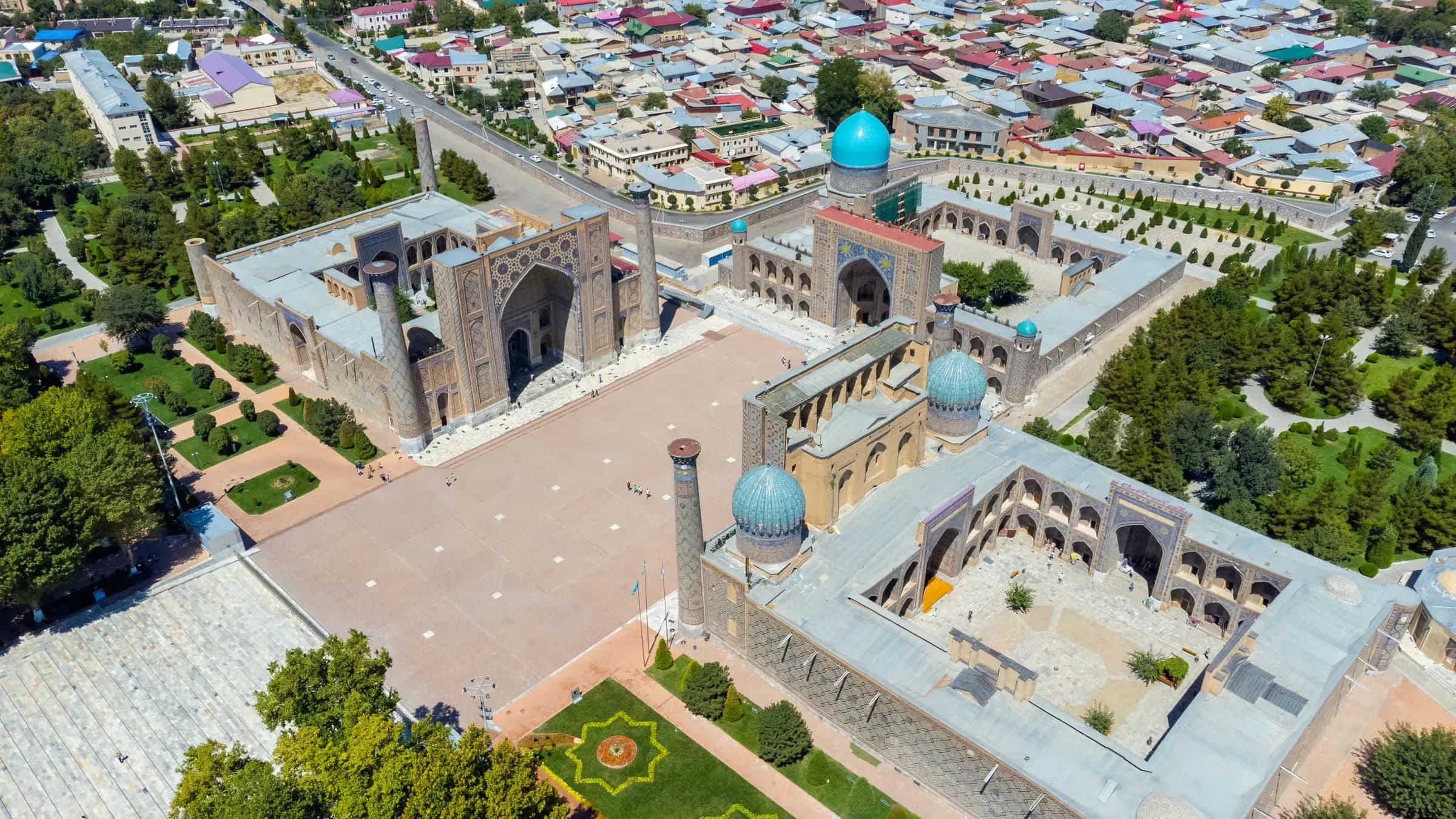
Samarkand region starts with Registan, Shah-i-Zinda, and the bazaar, then opens to Afrosiab, Ulugh Beg Observatory, Konigil, Urgut, and Bukhara-bound rail.
View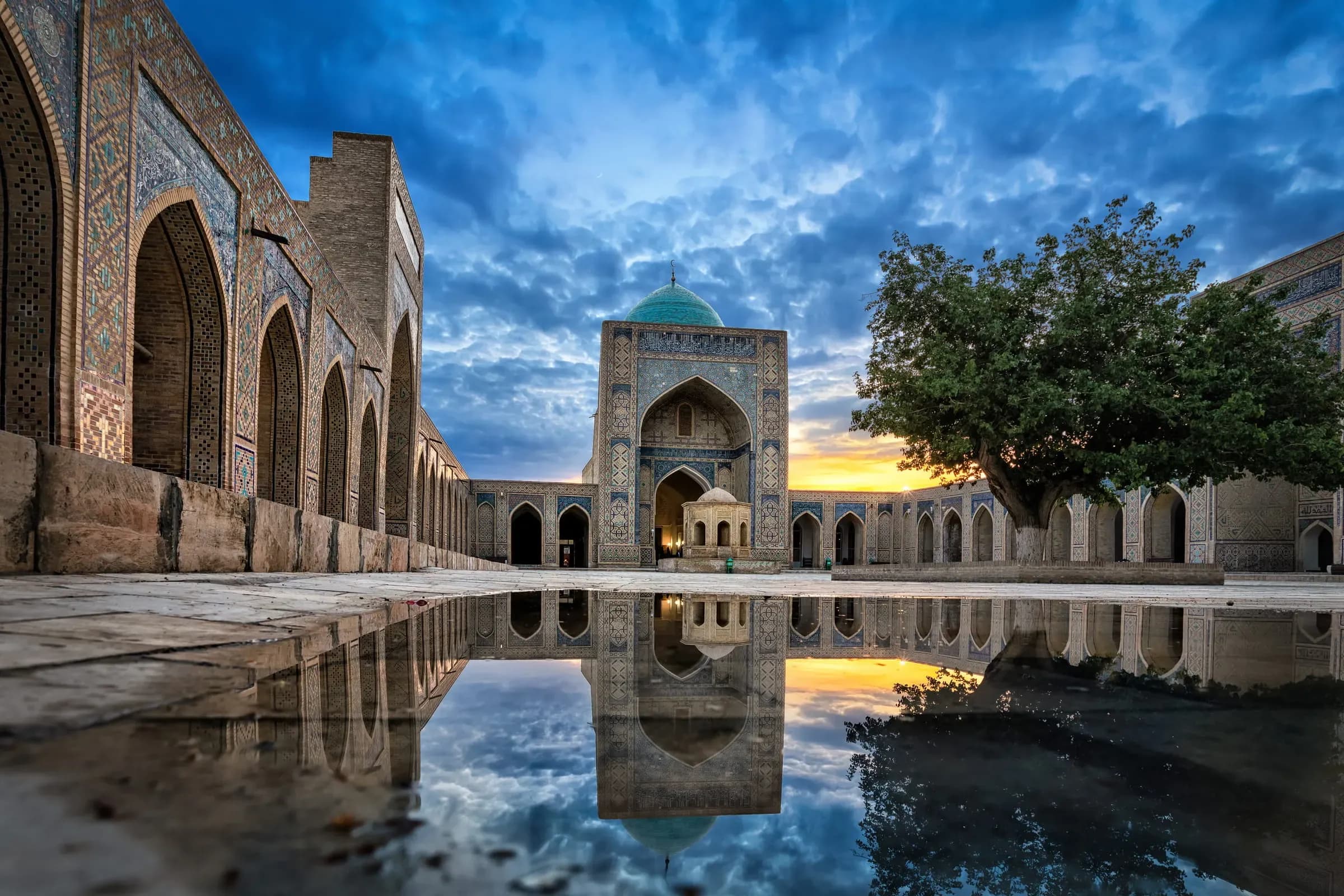
Bukhara region starts in the old city, then widens to Gijduvan ceramics, Sitorai, Naqshband, Chor-Bakr, archaeology, and the road to Khiva.
View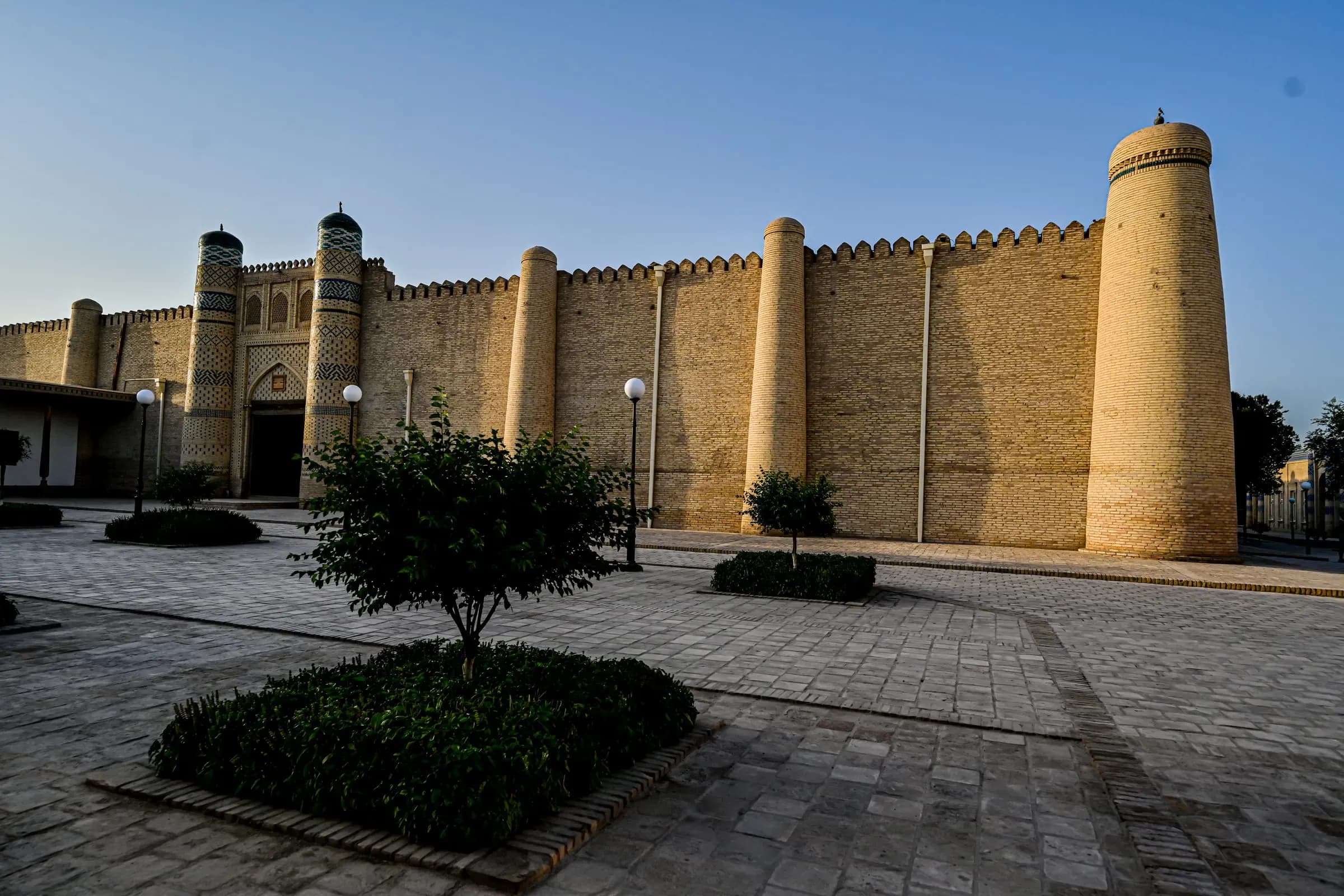
Khorezm leads the route to Khiva and farther west: Itchan Kala, Kalta Minor, Juma Mosque, desert fortresses, and the Aral Sea road define the region.
View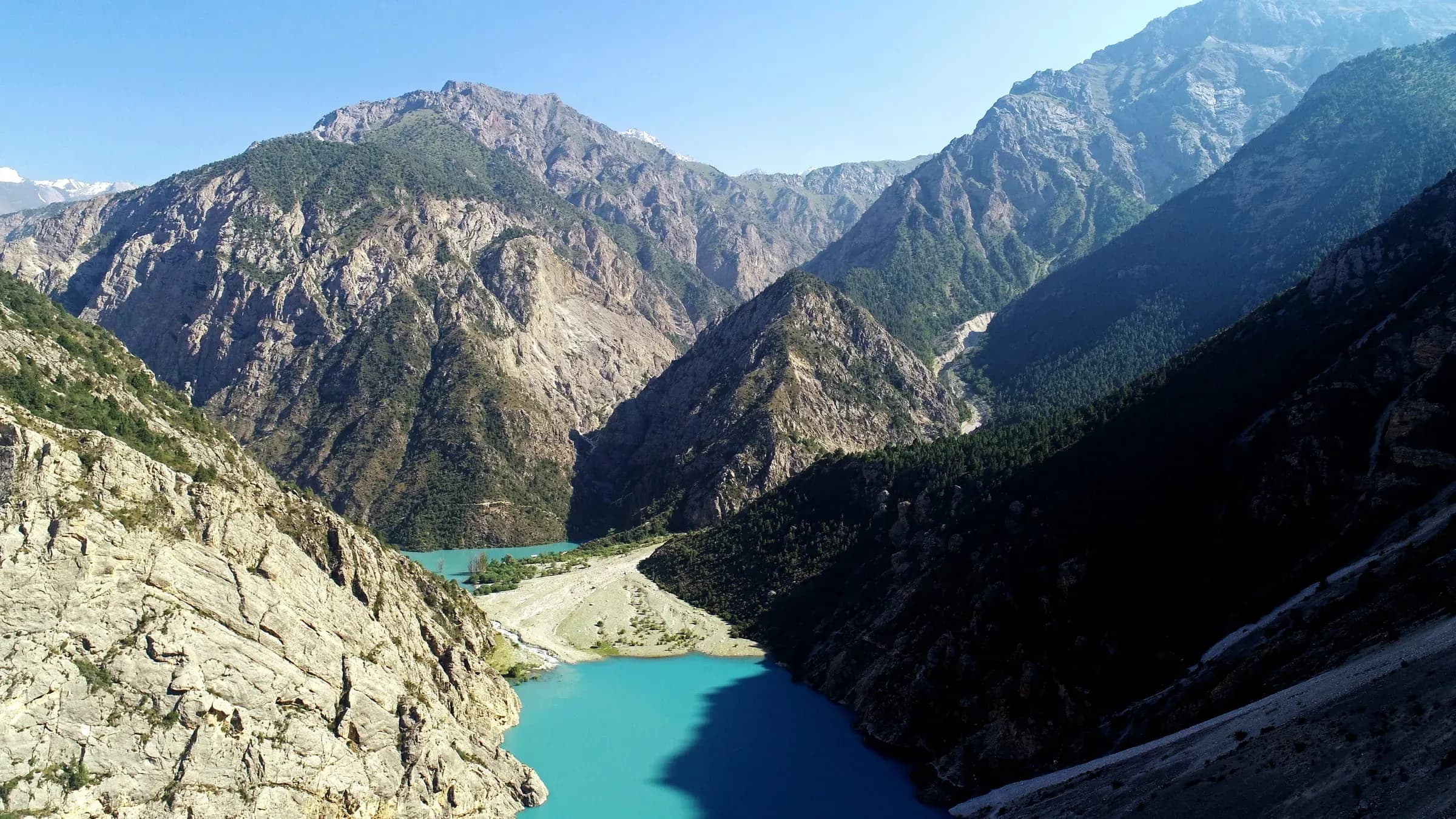
A craft-and-heritage valley route from Tashkent: Kokand palace history, Margilan silk workshops, Rishtan ceramics, and the road over Kamchik Pass.
View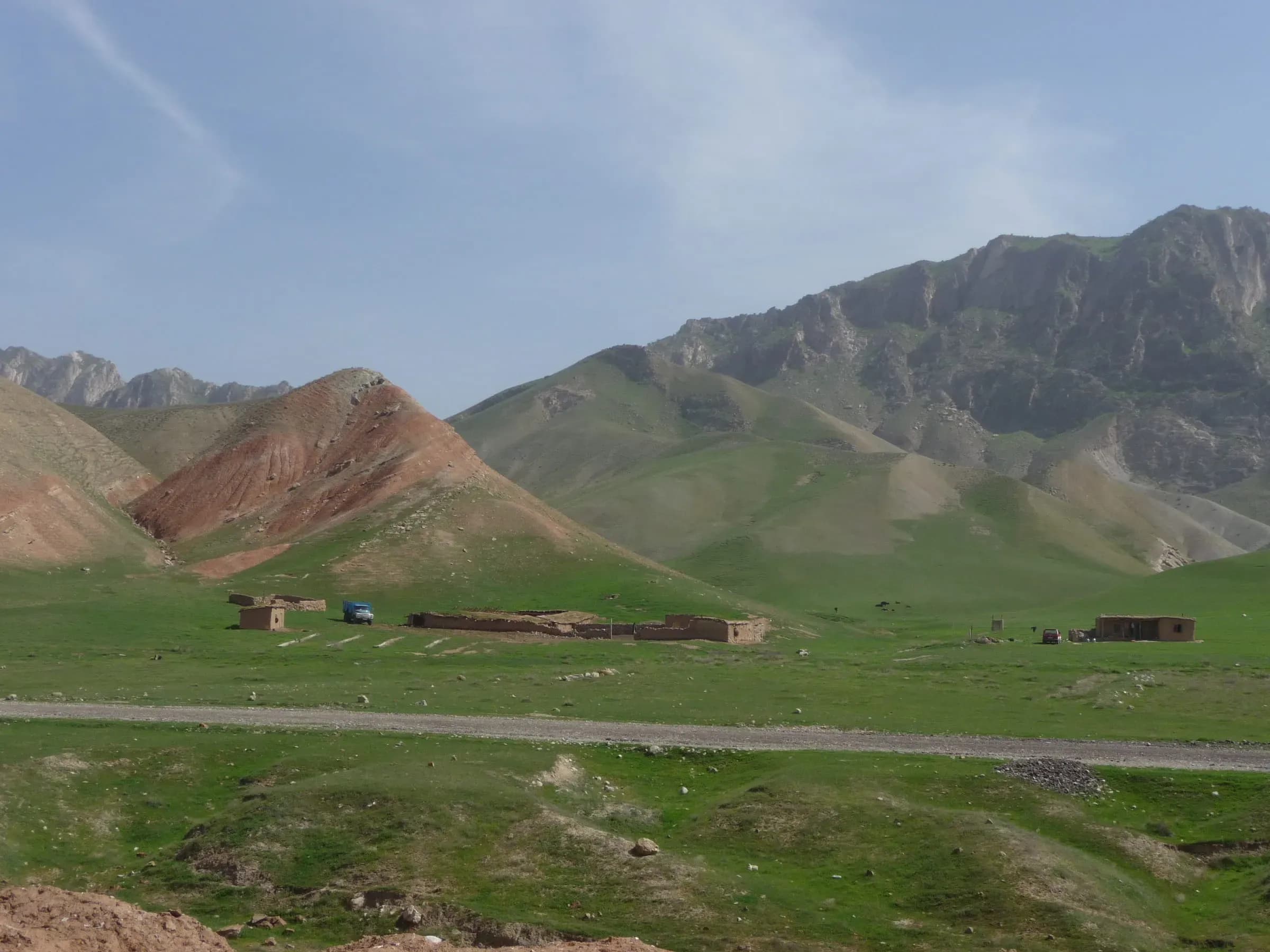
Surkhandarya adds Uzbekistan's far south to the route: Termez archaeology, the Amu Darya, Islamic memorials, Boysun culture, and mountain roads.
View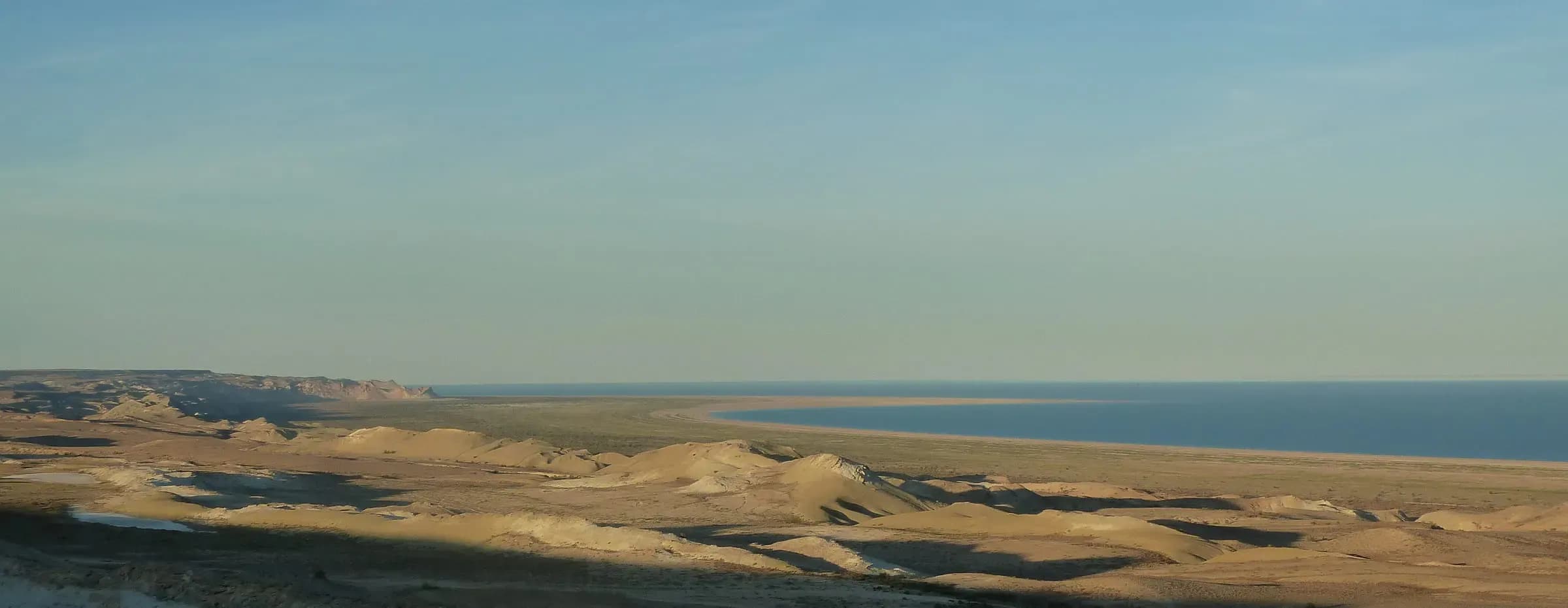
Karakalpakstan and the Aral Sea extend the Uzbekistan route through Nukus museums, Moynaq, Mizdakhan, Chilpyk, Ellikqala fortresses, and the road beyond Khiva.
View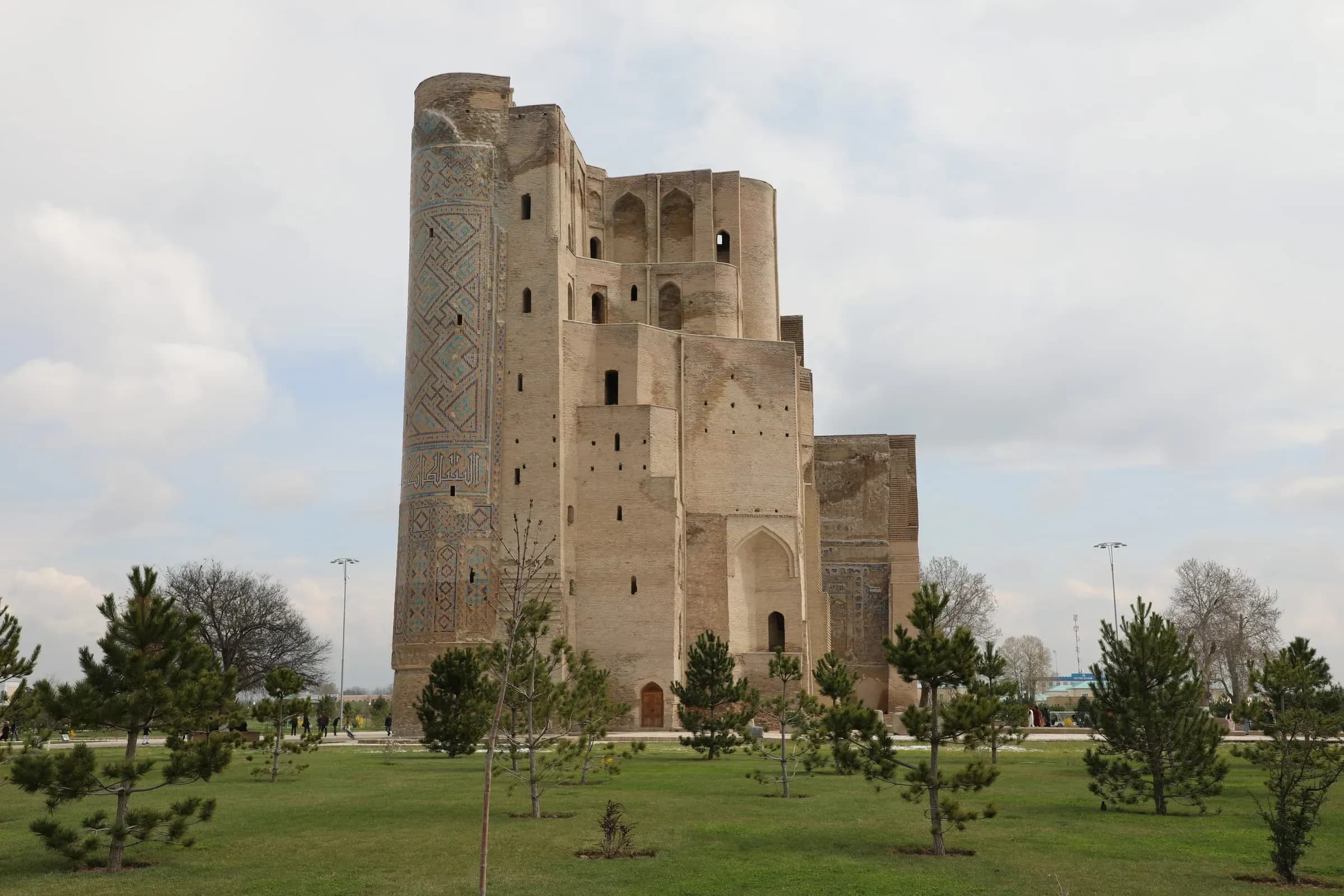
Kashkadarya starts south of Samarkand with Shakhrisabz, then opens toward Qarshi, Kitab, Langar Ata, Gissar foothill roads, and Surkhandarya.
View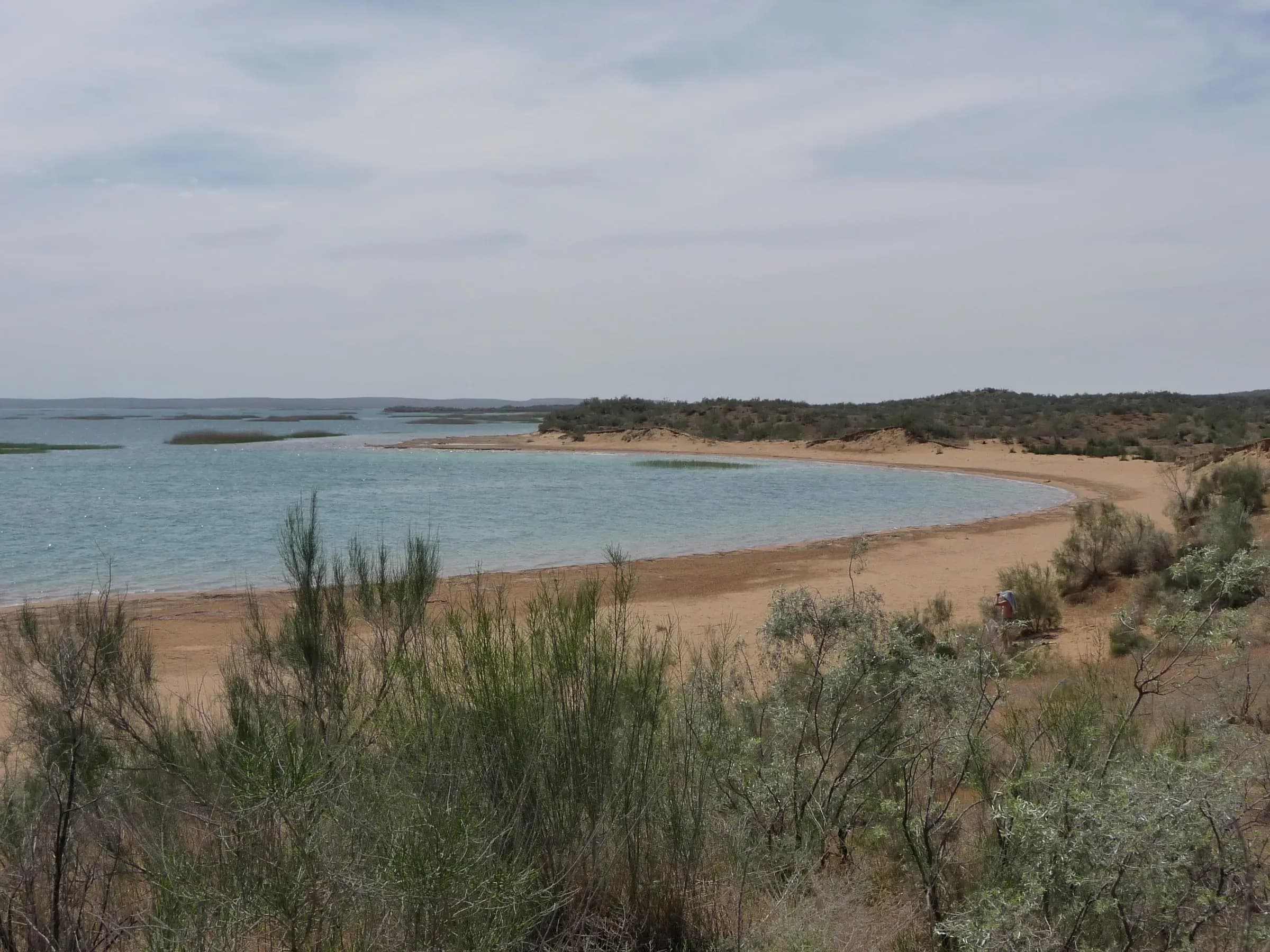
Between Samarkand, Bukhara, and Khiva, this desert-edge route links Rabat-i Malik, Sarmyshsay, Nurata, Aydarkul, and Sentyab: portals, stored water, rock art, lake shore, foothill villages, and night air.
View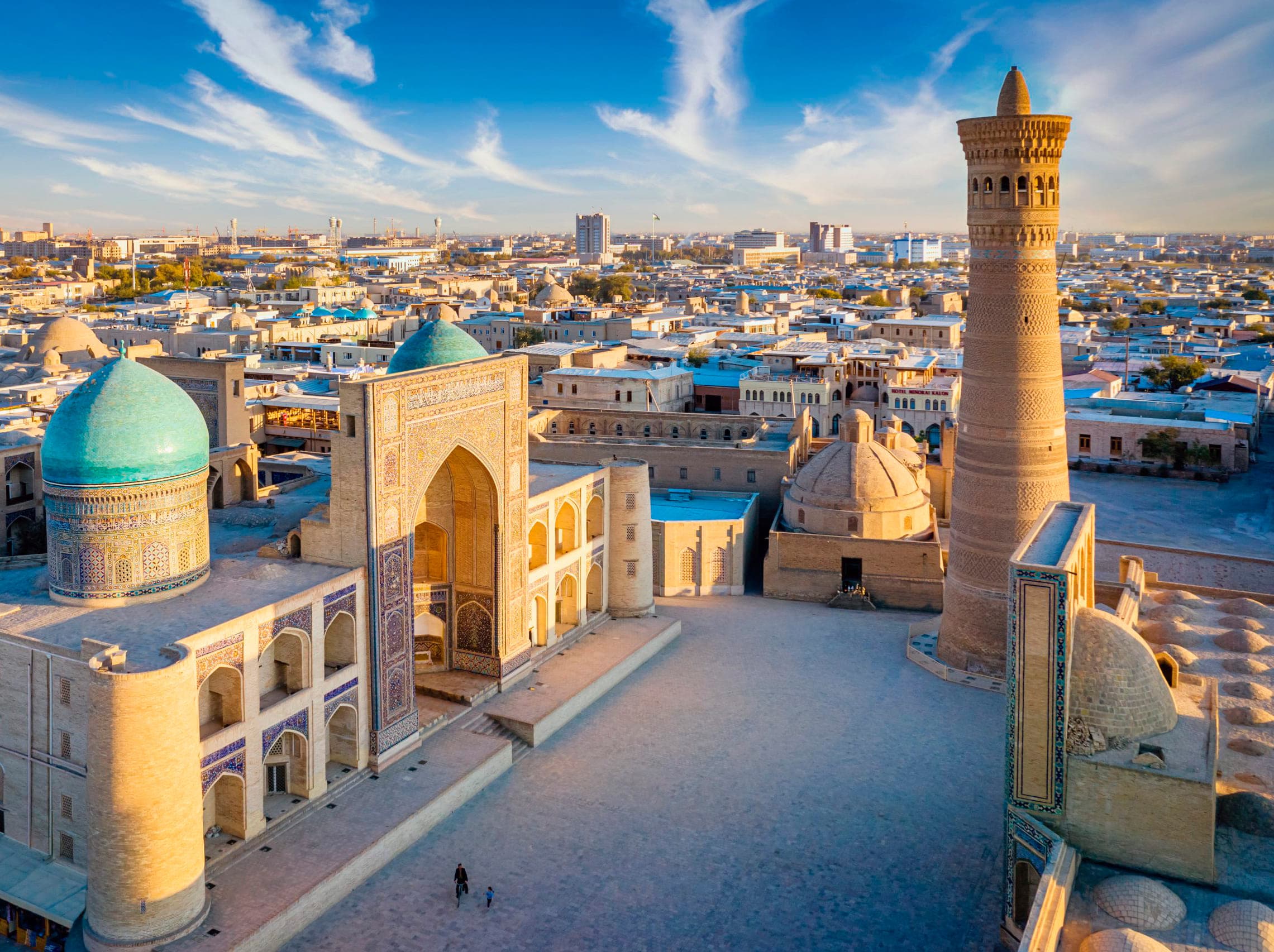
Between Zaamin, Bakhmal, and Gallaorol, this Jizzakh mountain route links Duoba, Novqa, Muzbuloq, and Uzunbuloq with village hosts, rural roads, pilgrimage context, and nature stops confirmed close to travel.
ViewWhen to go
Uzbekistan is generous, but not neutral. Spring and autumn carry the classic cities; summer asks for early starts, mountains, or a different pace.
The country wakes up. Blossoms, clear light, and crossable desert routes make March to May the easiest first window.
June can work with early starts. July and August are better for mountain breaks or routes built carefully around heat.
Heat softens, bazaars fill with fruit, and the heritage cities become walkable again. September and October are the strongest months.
Cold, quiet, and lower-demand. Winter suits travelers who prefer empty courtyards and do not mind a coat.
Planning basics
Visa Check by passport Many passports enter visa-free; others can use the official e-visa. Check the rule by passport before booking.
Money Som, with cash backup The Uzbek som is local currency. Cards work in cities; cash remains useful in bazaars and smaller stops.
Safety Comfortable city travel Tourist cities are calm and visitor-friendly. We still plan walking time, transfers, and evening movement deliberately.
Transport Rail plus transfers Afrosiyob rail connects major cities; flights and private transfers cover longer distances and route extensions.
Routes in detail
Use these notes to brief clients on transfers and overnight logic in Uzbekistan.
For a first programme, 7–10 nights usually holds: keep the classic spine readable, then add one extension only if the season and group pace allow it. Use “The heart of the Silk Road” as the brief for what the country actually sells.
Plan long road or rail legs as part of the product, not leftovers between hotels. Evening or overnight moves, buffer mornings, and one clear anchor per day keep Uzbekistan sellable for agencies.
Split the trip into readable chapters: heritage days, then one nature or foothill pause, then return to the main city line. Clients remember clarity more than packing every highlight into one week.
Start with a conversation
Tell us your dates, pace, and what you want to understand. We will shape a route around the season, distances, and local team.