TourLink
Plov marks the days that matter. Somsa gets you through all the others.
From 11 to 14, until it runs out
Morning until lunch
From 6 to 9, only on occasion
Two dishes carry the reputation of Uzbek cuisine abroad, and at home they play opposite roles. Plov marks the days that matter. Somsa gets you through all the others.
01
Plov, or osh in Uzbek, is rice cooked in the fat and juices of everything cooked before it. The order is the whole recipe.
Oil is poured into the kazan, or tail fat is rendered, and heated until it smokes. The meat is browned in it — usually lamb, sometimes beef. Then onions, then carrots: they are cut into long batons and never grated. Yellow carrots go in as often as orange ones; cooks say they are sweeter and hold their shape better. Then water, cumin, barberries and whole heads of garlic. This base simmers until it darkens, and it has a name of its own: zirvak.
Only now does the rice go on top. In an even layer, without stirring. From below it soaks up the zirvak; from above the steam finishes it. An experienced cook can hear from the sound of the kazan that the rice is ready.
All over the country people repeat that the name «palov osh» is made up of the first letters of its ingredients: onion, carrot, meat, fat, salt, water, rice. Linguists do not accept this version. People tell it anyway, and with pleasure.
The word itself came through Persian polow, and its family is wide: from Spanish paella to Indian biryani. Ibn Sina (Avicenna), the physician born near Bukhara in the tenth century, is credited with one of the first descriptions of the dish, which is why some cooks call him the father of plov. It is a legend, but a beautiful one.
02
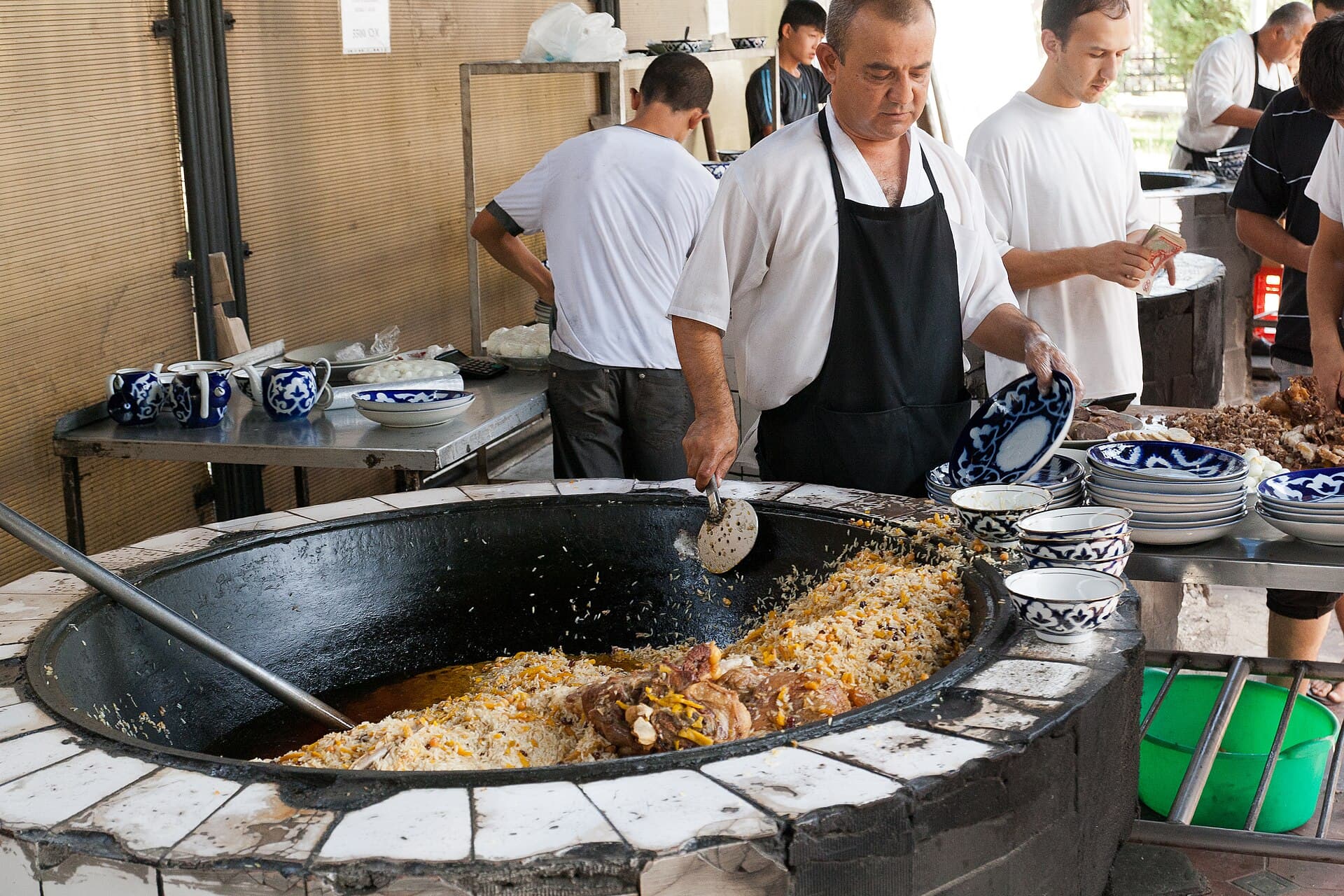
Plov is food for people, not for the family. The cook is called an oshpaz, and it is a profession of its own: he works outdoors at a kazan for fifty kilograms of rice or more, and can feed several hundred people from one pot on his own.
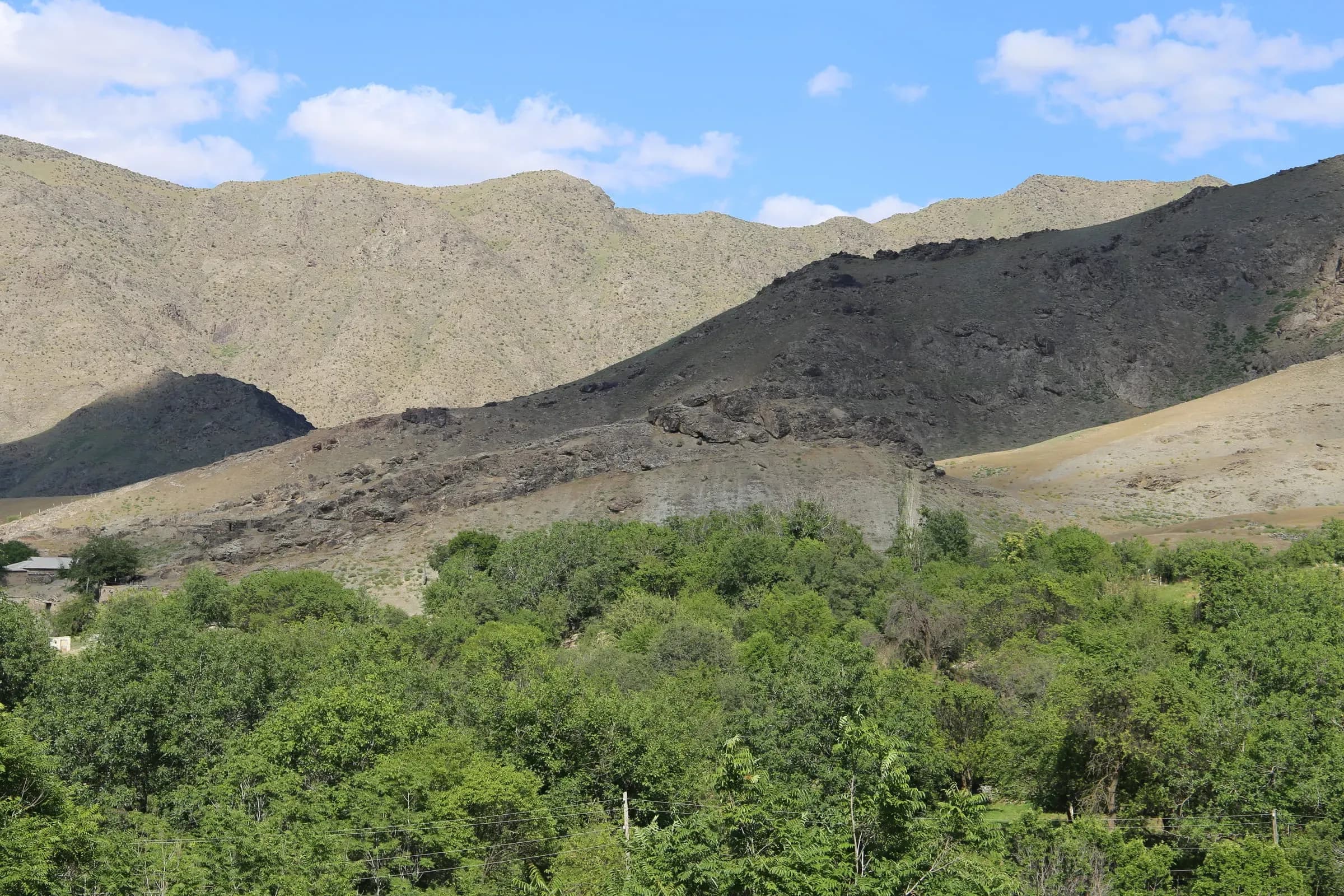
The most vivid example is the morning plov, oshi nahor. It is served roughly from six to nine in the morning, after the dawn prayer, to mark a wedding or another big family event. Men come, sit down, eat and leave for work. Nobody lingers. Declining an invitation is almost an insult, and in wedding season a man may be expected at two or three plovs in a single morning. The more people come, the higher the family stands in the eyes of the neighbours, which is why such mornings gather hundreds of guests.
Eat. We'll talk later, when everyone has gone.
Plov is cooked for the birth of a child, for funerals and memorials, to seal a deal, and on Thursdays simply for no reason.
03
Fergana plov is the one a visitor meets most often: the rice, meat and carrots are mixed before serving, and everything is one colour.
Samarkand plov is layered and stays layered. Rice at the bottom, then carrots, meat on top; nothing is mixed, and every layer is visible. It is lighter, with less oil, and people from Samarkand will explain to you in detail why theirs is the right one.
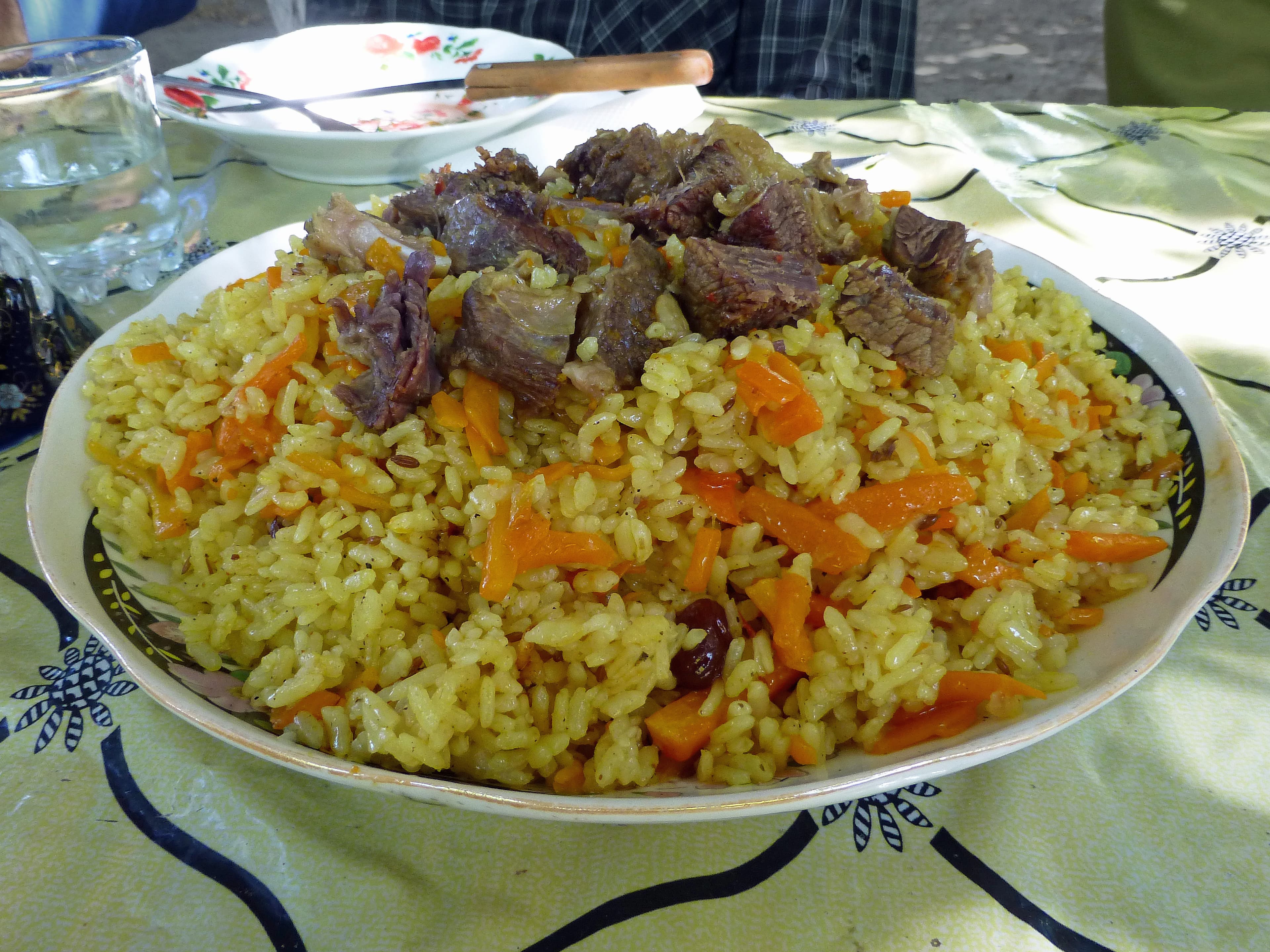
Bukhara has a version that is simmered rather than fried, sometimes called sofi: the meat and carrots are not browned but slowly stewed.
Wedding plov, tuy oshi, is the loaded version: quail eggs, kazy, chickpeas, raisins, whole garlic. In Khorezm they add dried apricots. There is also chaikhana plov, cooked in a kazan so big that the crispy crust from the bottom becomes a prize of its own.
Everywhere plov is served with achichuk, thinly sliced tomatoes with onion, and green tea. The tea is not optional. Plov is heavy with fat, and tea is needed as a counterweight.
04
Plov is lunch. Serious plov places open around eleven, sell until the kazan is empty, and close. Arriving at four in the afternoon means arriving to a scraped-out pot and a shrug.
The best-known place in Tashkent is the Central Asian Plov Centre by the TV tower, called Besh Qozon after the five kazans at the entrance. In Samarkand it is Osh Markazi. Both are worth visiting to watch the process, not just to eat. But plov in small nameless places is often better, especially in the Fergana Valley.
05
Somsa is the opposite. A baked pastry for a few thousand som, eaten standing up without asking anyone's permission.
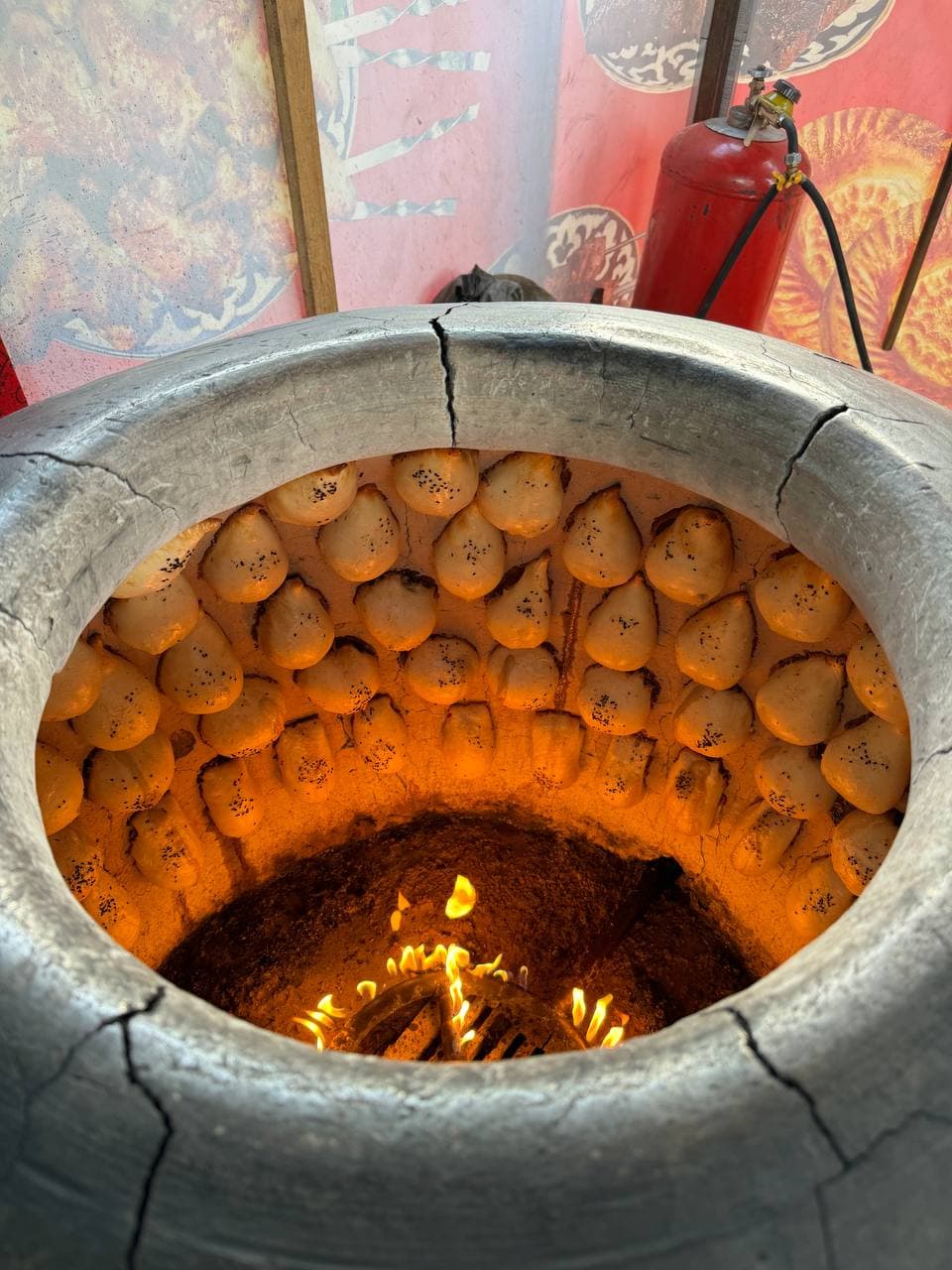
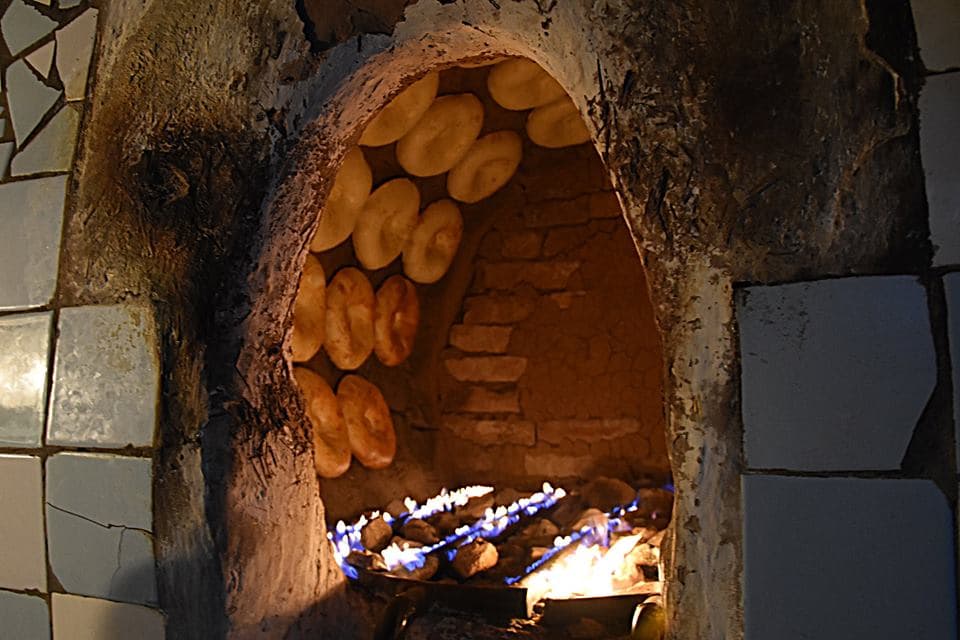
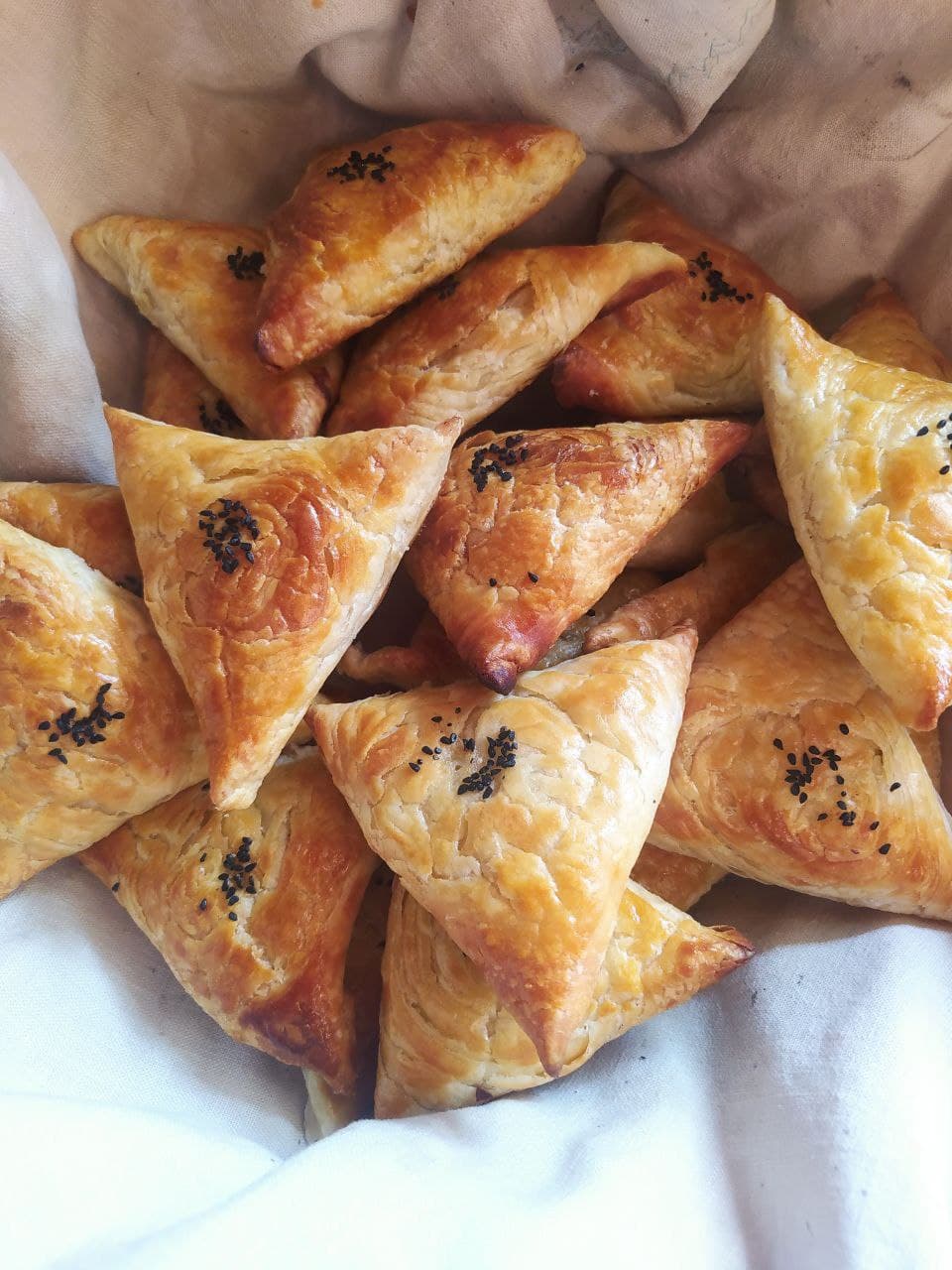
The dough is either rough and flaky or plain and stiff. The filling is wrapped, brushed with egg yolk, sprinkled with sesame or nigella and slapped onto the inner wall of the tandoor. The pastry bakes from the heat of the wall, while fat from the filling drips onto the coals below — hence the smoky smell. After fifteen to twenty minutes the baker takes the somsa off with a hook on a long pole.
The fillings follow the calendar. Lamb with onion is always there: chopped meat, lots of onion and tail fat that melts and turns the filling almost into soup. In autumn and winter comes pumpkin somsa, with onion and a pinch of sugar, and many here rate it above the meat one. In spring the bakeries switch to green somsa: young wild greens and herbs, sometimes with jusai, garlic chives.
06
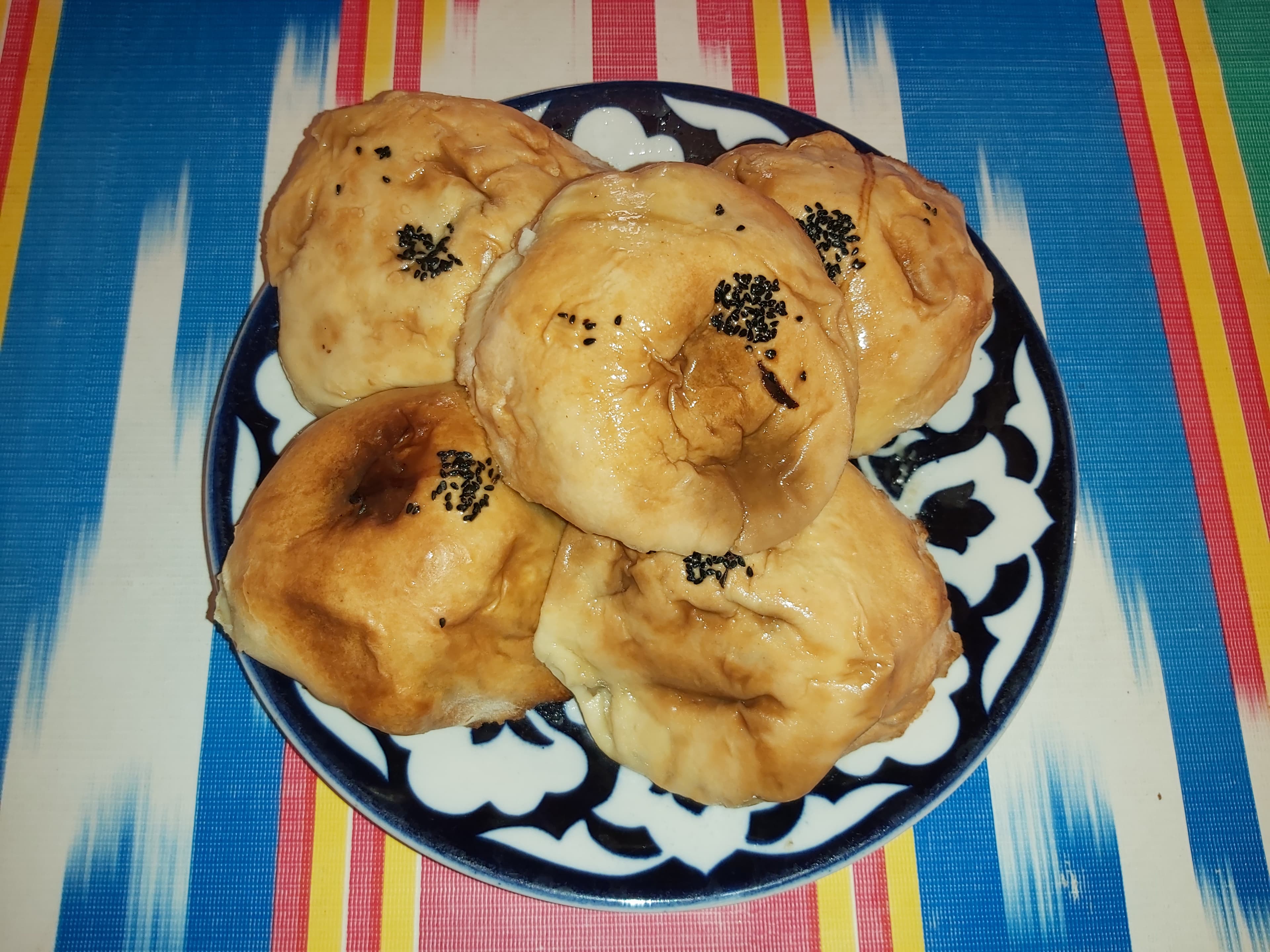
Somsa straight from the tandoor is dangerous. The fat inside is much hotter than the dough suggests, and locals have a standard method: first bite off a small corner, let the steam out, drink the juice, and only then eat. Somsa comes with black tea, vinegar, or nothing at all.
Bakeries keep their own schedule. Many fire the tandoor once in the morning, and when the last tray comes out, the day is over. In Tashkent there are places with a queue at eight in the morning and a locked door by one in the afternoon.
07
The difference between them holds in practice too. Nobody invites guests over for somsa. Nobody eats plov alone at a bus stop.
Hours
Share
A tour on this topic
Five days with a night in a family home. Morning plov is part of the programme if it coincides with a wedding in the mahalla — and in the valley it almost always does.
More on the topic