
TourLink
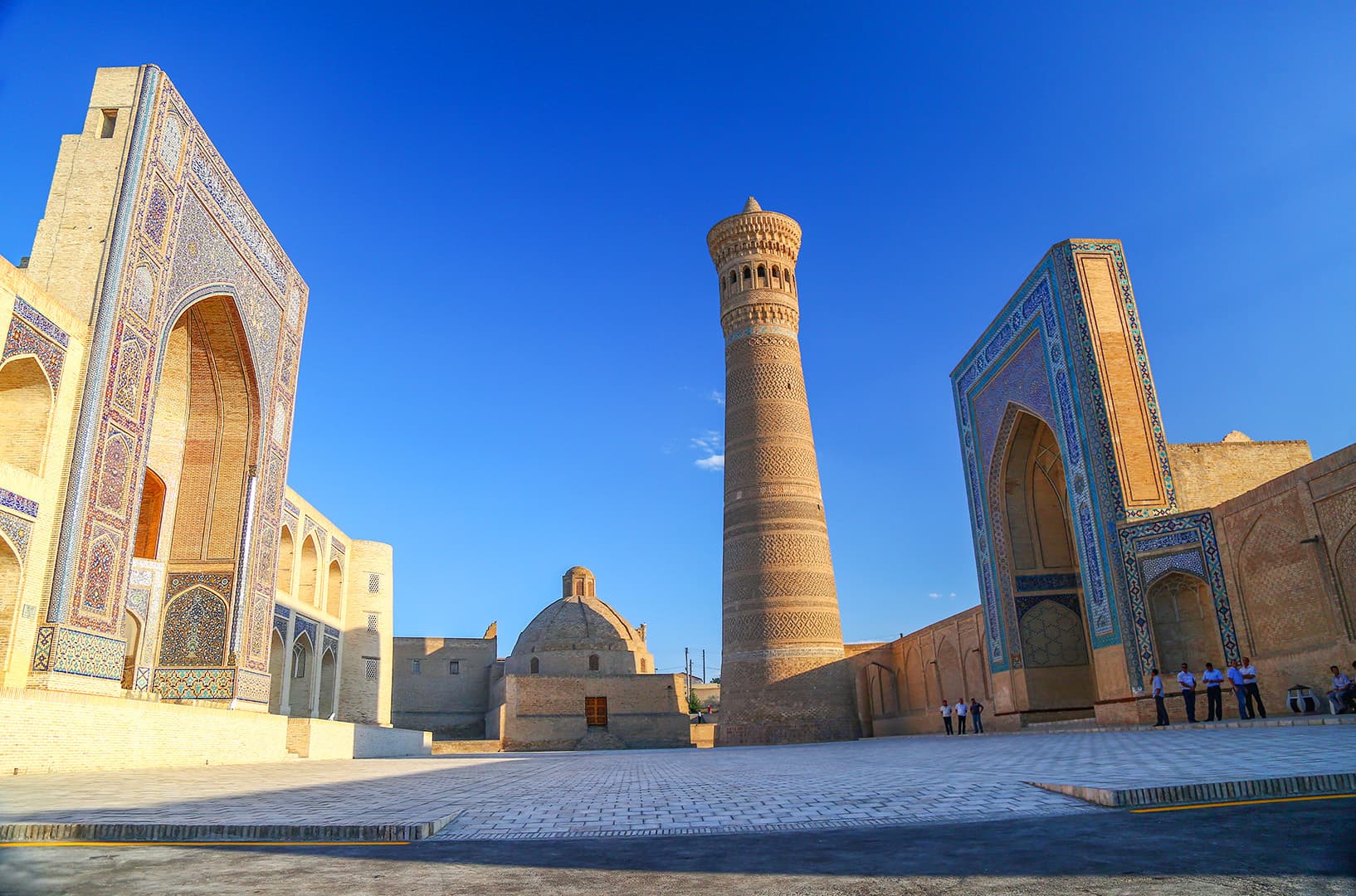
Plov at six in the morning, tea for no reason and neighbours who decide everything together. Traditions are easiest to understand not in a museum but at the table.
Plov from 6 to 9
Bazaar and workshop
Table, dutar, conversation
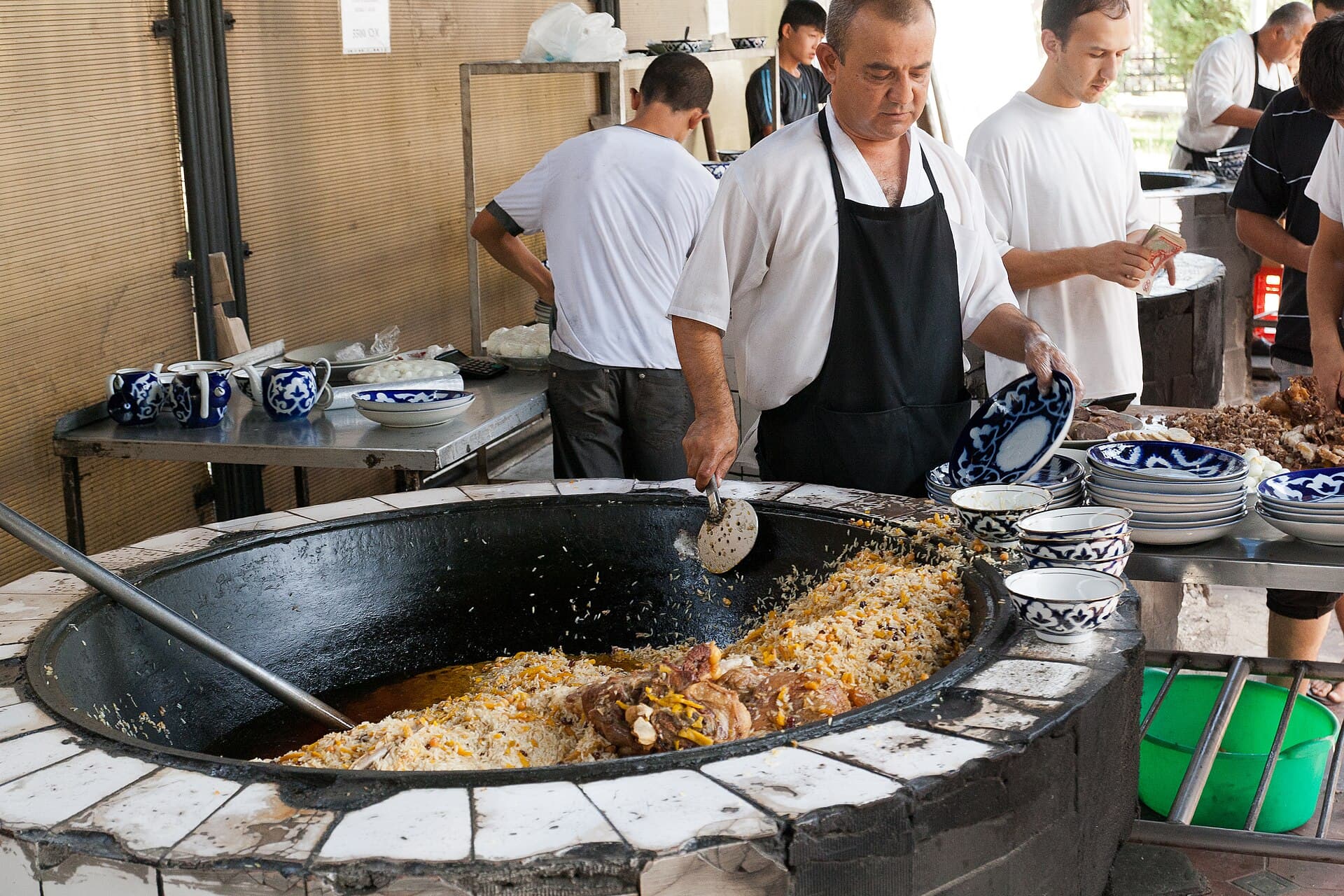
At six in the morning the courtyard smells of smoke and carrots. Our neighbour Ulugbek stands by a big cast-iron kazan with a long skimmer and directs two young men who are hauling water. Forty guests are expected, and all of them will come before nine, because after that they have to go to work.
This is not a holiday and not a show for tourists. This is how almost everything is marked in Uzbekistan: a wedding, the birth of a child, a memorial anniversary. The plov is cooked from the night before, eaten quickly, and everyone goes their way.
01
The morning plov starts at six and ends at nine. Men come — neighbours, colleagues, relatives. They sit at long tables in the courtyard, eat for twenty minutes, drink tea, get up and leave. No speeches.
Here the rice is not mixed with the meat until the last moment. In Fergana plov is fluffy and loose; in Samarkand it is served in layers and nobody touches it with a spoon until it is on the table. You can argue endlessly about which is right — and the locals do.
Eat. We'll talk later, when everyone has gone.
My piala was filled only a third of the way. At first I thought they were being stingy. Then it was explained: a full piala is poured for someone they want to get rid of quickly. If they pour you a little, it means you will come back for more, and the host will get one more chance to talk with you.
02
A mahalla is several hundred houses and a small council that looks after them. The council has a chairman, an office and a shared fund. Almost everything goes through it: who needs help with repairs, who is getting married this month, where a pipe needs fixing.
Houses here face inwards. From the street you see a blank wall and a door, while all of life happens in the courtyard: a tree, a table, a carpet on the ground and a teapot that has not gone cold since morning.
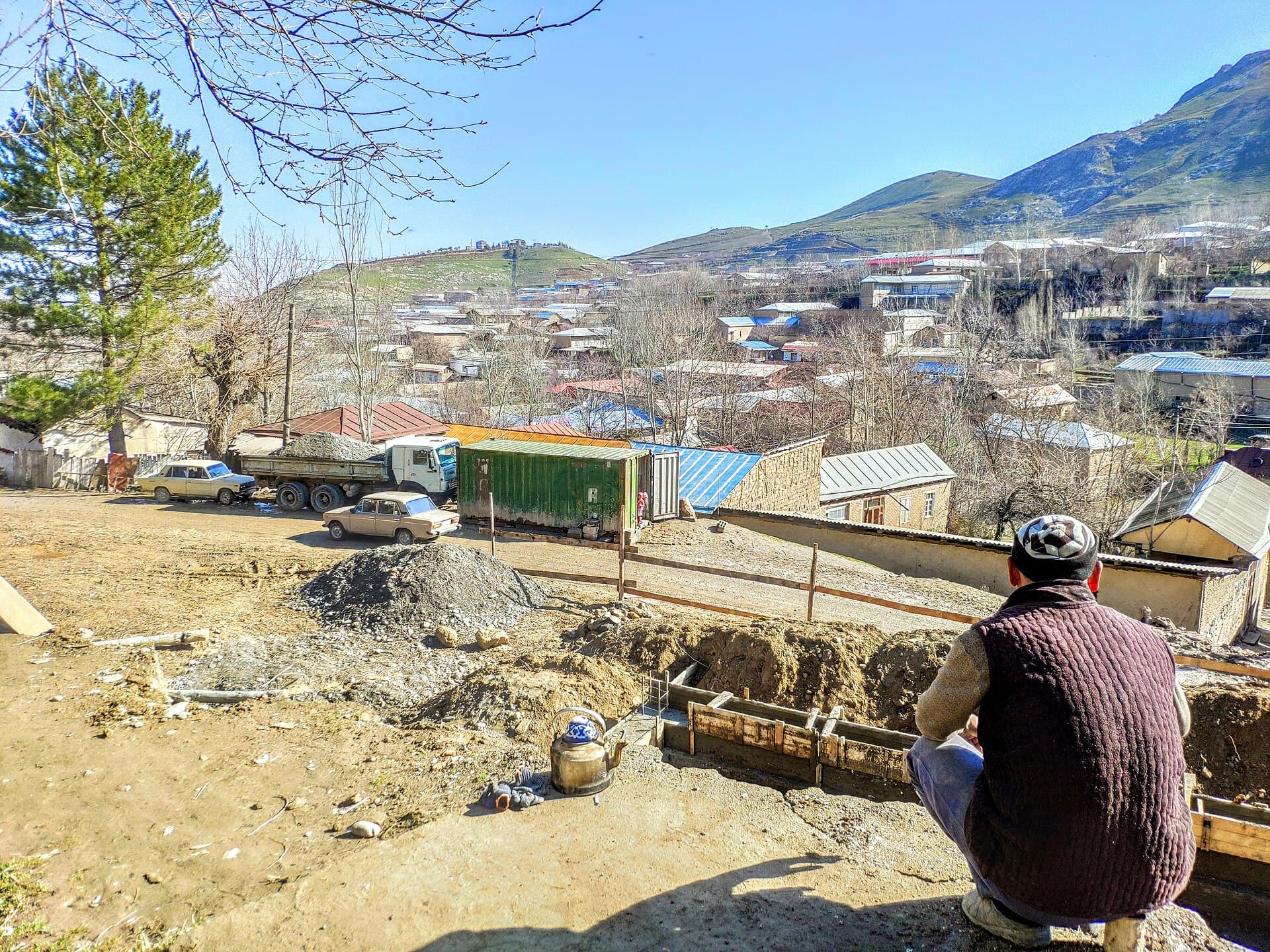
If you are walking down such a street and someone invites you into their courtyard, it is not a polite formality — they really mean it. Say no, and the person will be more upset than you expect.
A guest is greater than your father.
03
By ten in the morning the courtyard empties and everyone heads to the bazaar. It opens at six and stays busy until evening, but the best goods are gone by noon.
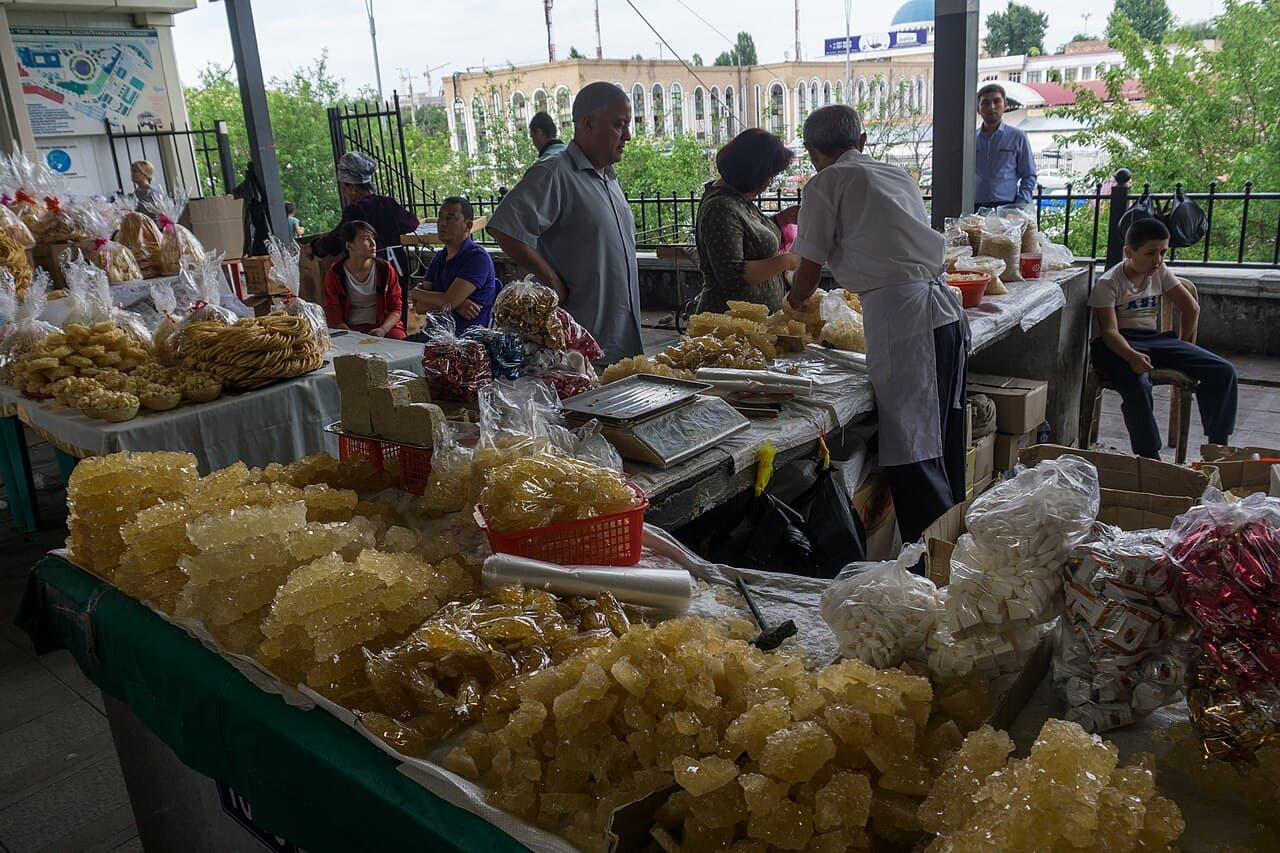
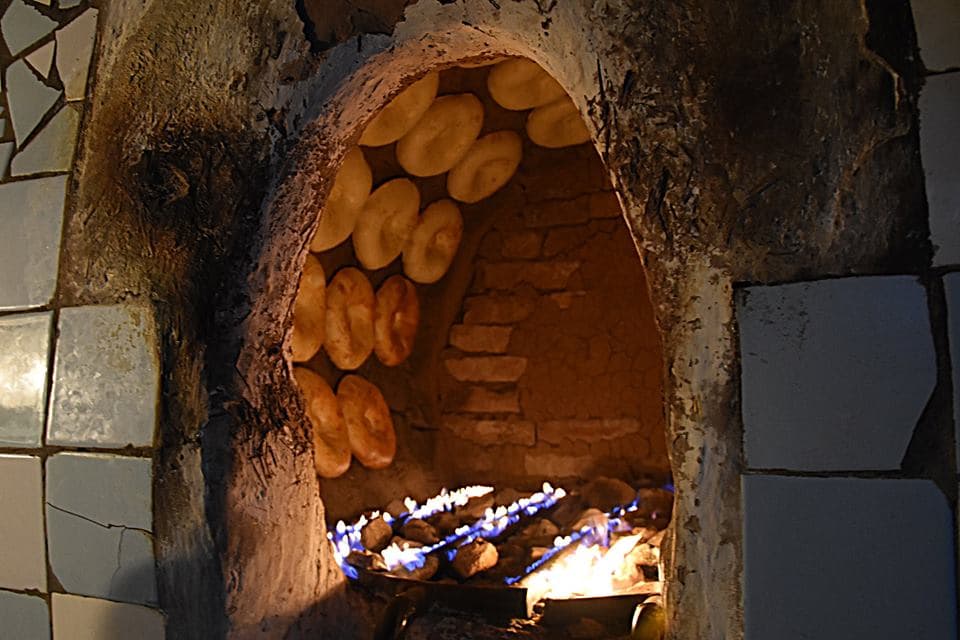
The bread row. Flatbreads are stacked into piles while still hot. The Tashkent ones are thicker; the Samarkand ones are dense and keep for weeks.
Dried fruit. Tasting is free and generous. Refusing feels awkward, but nobody will be offended.
Spices. Cumin for plov, barberries, ground red pepper. A bag of cumin costs less than a dollar.
Haggling at the bazaar is normal and even expected — sellers usually knock off ten to fifteen percent. In a craftsman's workshop, however, haggling is out of place: the price is named once.
04
After lunch we drove to a workshop. Families work together: the father at the potter's wheel, the son preparing the clay, the daughter-in-law painting. Outside apprentices are rarely taken — they teach their own.
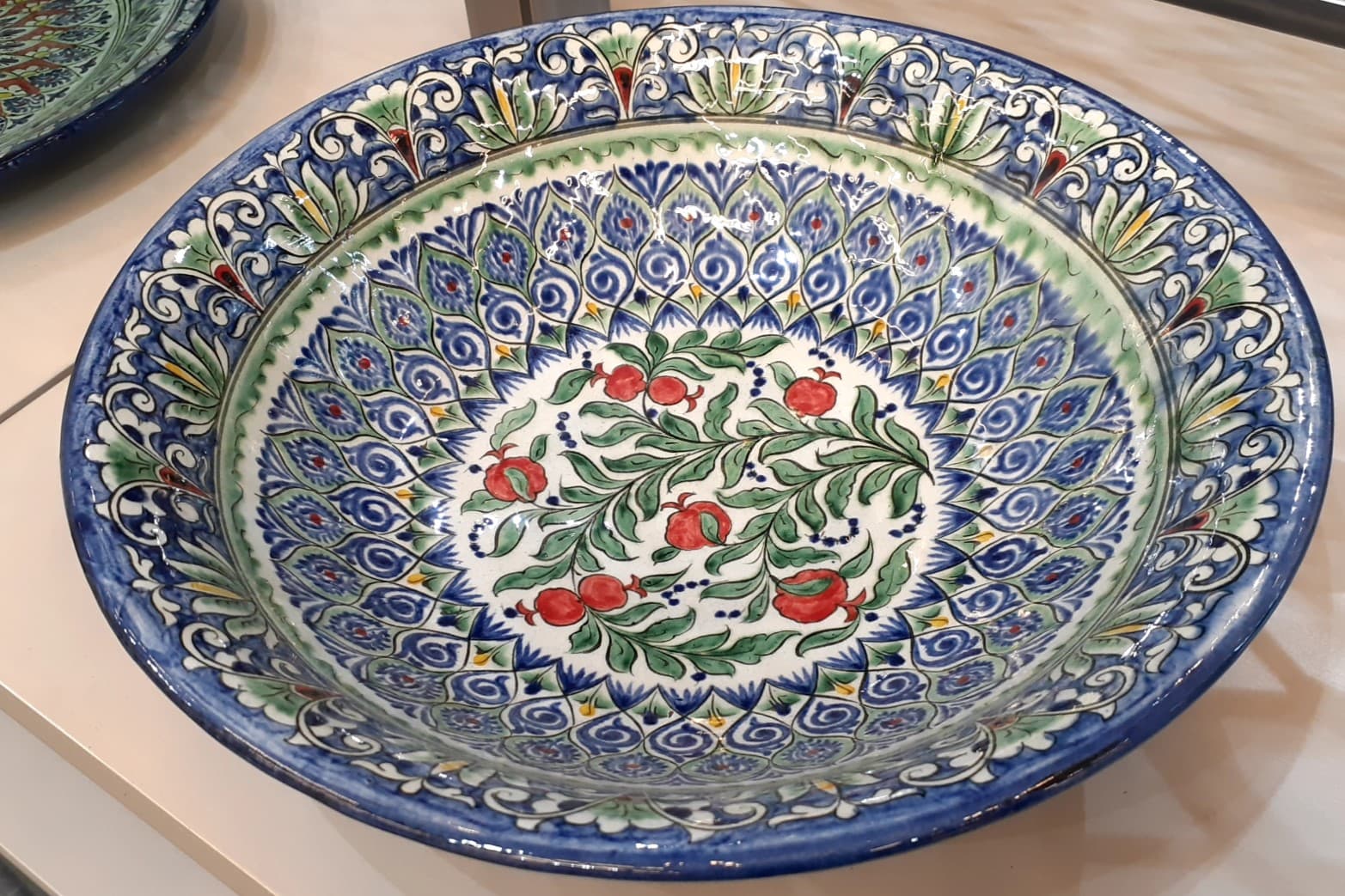
The story is similar with fabric. The threads are dyed before the cloth is woven, so the pattern has blurred edges. It is not a defect but a sign of handwork: on factory fabric the edges are sharp.
Embroidery — large panels with flowers — used to be made for a daughter's wedding: the mother began when the girl was small and finished by the time she married. Few do this now, but such panels hang in almost every home.
05
The main day of the year is March 21, Navruz, the welcoming of spring. For it people make sumalak, a sweetish paste of sprouted wheat: it cooks in a kazan for about twelve hours, and all night long the women take turns stirring it with a wooden paddle. A few pebbles are placed on the bottom so the paste does not burn — whoever finds one in their portion will have luck all year.
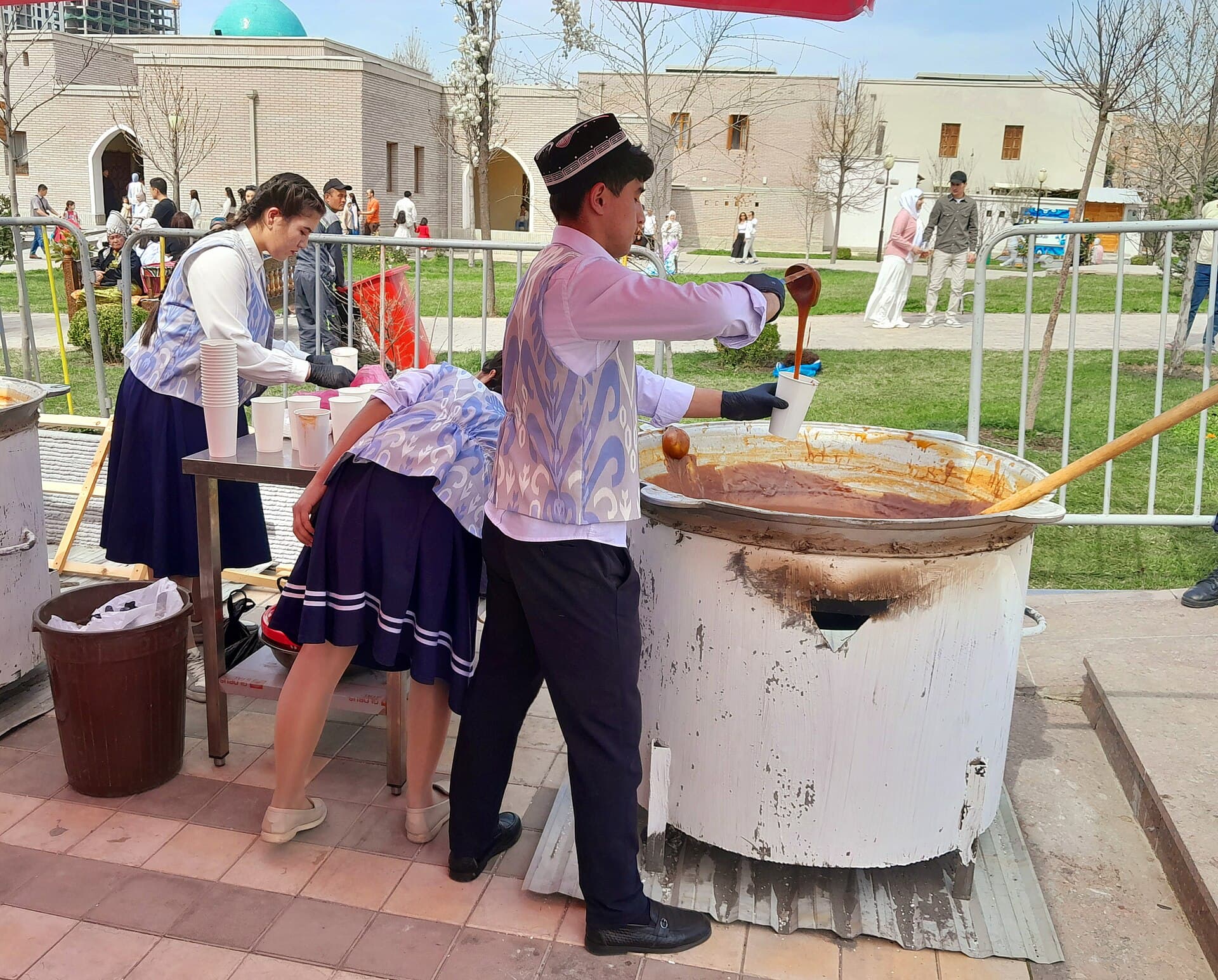
Besides Navruz there are two big religious holidays, Ramadan Hayit and Kurban Hayit. They follow the lunar calendar, so each year their dates move about eleven days earlier. During the Hayits workshops and museums keep shorter hours, and trains are packed with people travelling to relatives. Better not to schedule intercity transfers on these dates.
06
By nine in the evening the table in the courtyard is laid again, but this time without hurry. Someone brings a dutar, a long-necked two-stringed lute. They play softly; the songs are old, not everyone understands the words, but everyone sings along.
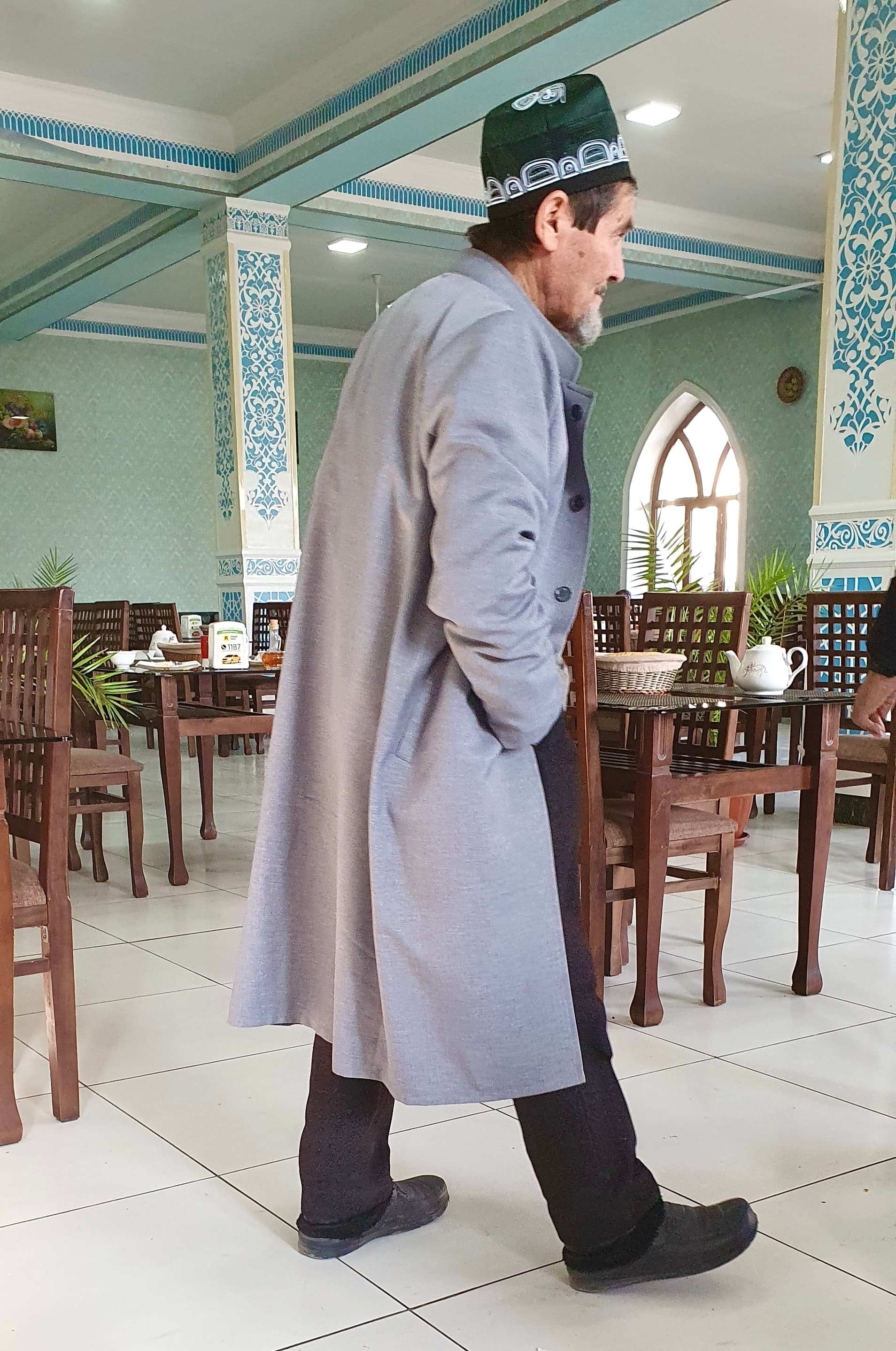
The conversation goes round the table and always reaches you: where you are from, whether you are married, how you liked the plov. You don't have to answer in detail, but staying silent would be strange.
07
Six simple rules
Nobody checks any of this, and a mistake will be forgiven. But the difference between a tourist who is tolerated and a guest who is invited into the yard consists of roughly these six points.
Share
A tour on this topic
Five days with a night in a family home, morning plov and two workshops where you work with your hands instead of watching from the side.
More on the topic