TourLink
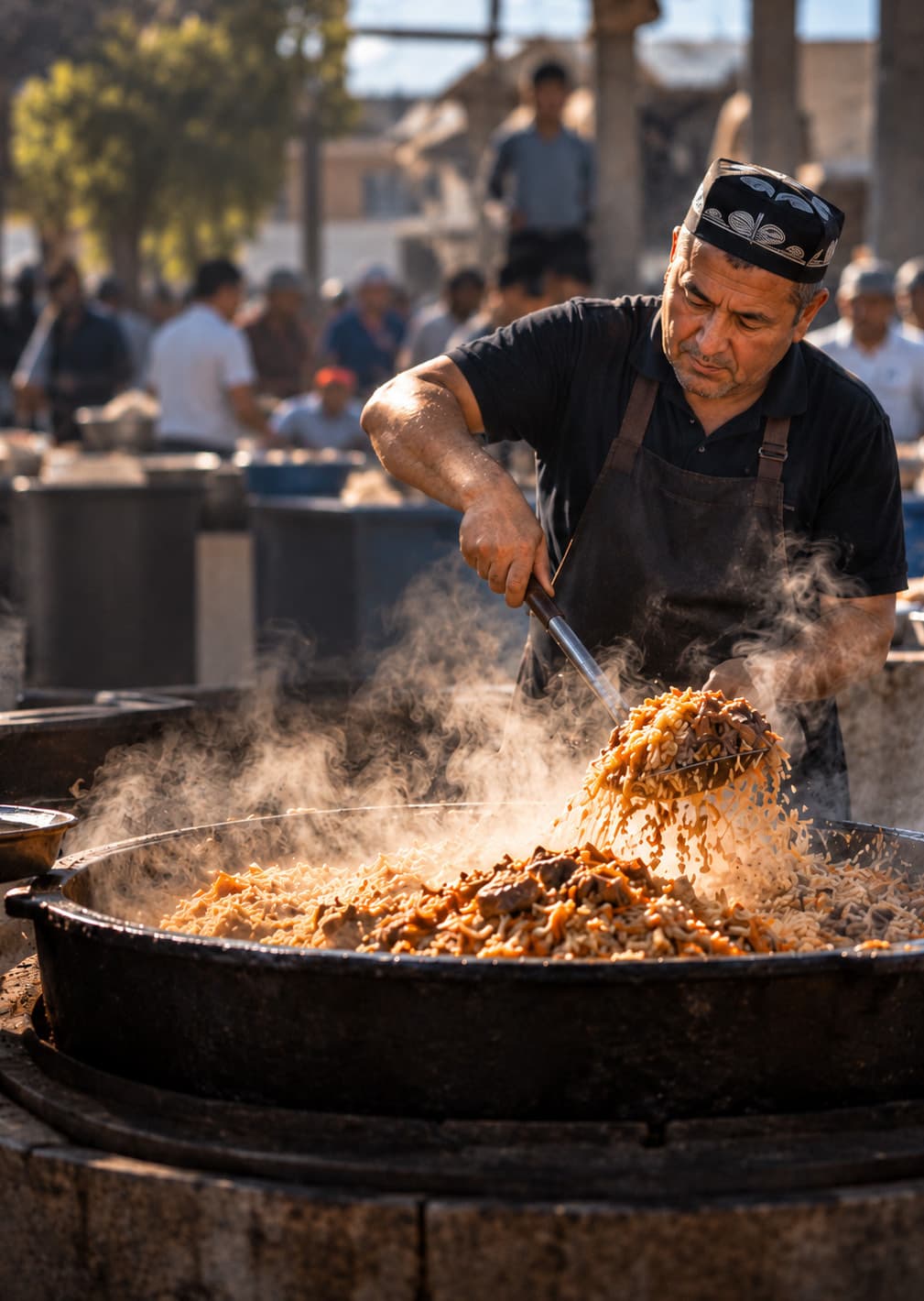
More than a dish — a whole culture
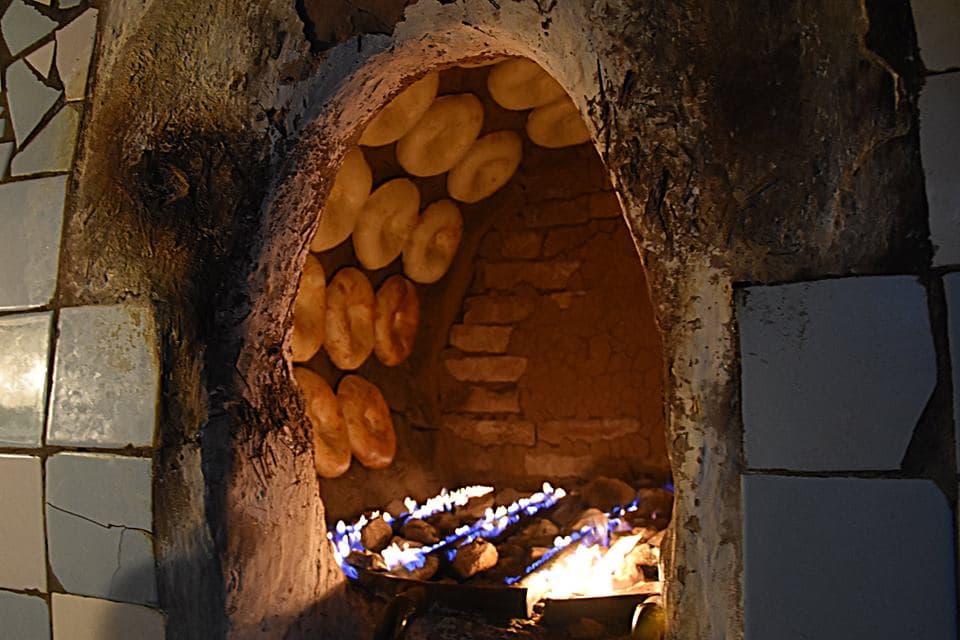
The base that absorbs flavour and aroma
Gives the dish its character and brings the ingredients together
Turn plov into a reason to come together
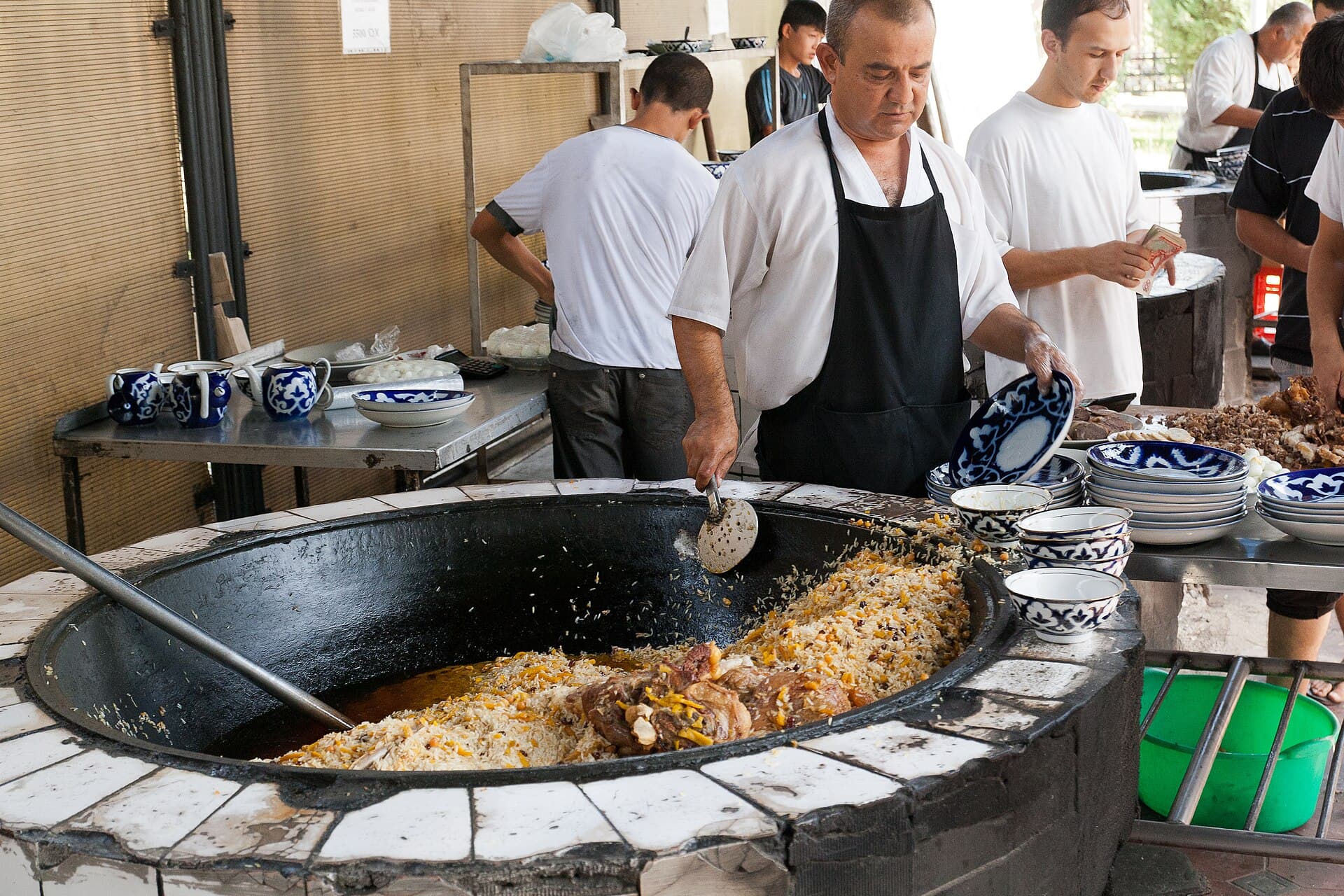
Ask several people who love cooking plov what a good result should be like. The conversation will quickly move beyond a list of ingredients to questions about rice, carrots, fire, the order of the steps and the moment when the dish is ready to serve.
01
A familiar name does not mean the same taste. In Uzbek tradition, plov is tied to shared meals, welcoming guests and important occasions.
Rice, meat, vegetables and spices form the base, while knowledge is passed on through practice and participation.
Flavour · fire · people
02
Do not begin by searching for the “most authentic” plov. Ask where it is cooked, for what occasion and for whom. The same dish can be a family meal, a celebration, a chaikhana favourite or part of a wedding.
You will quickly understand not only how it tastes, but the role it plays in everyday life. Sometimes the occasion, the rhythm of cooking and the people gathered around the kazan matter more than the ingredient list.
03
The word “plov” does not describe a single recipe but a family of traditions. Tashkent, Samarkand, Bukhara, Fergana and Khorezm versions differ in rice, meat, how vegetables are cut, ingredients added and the dish served.
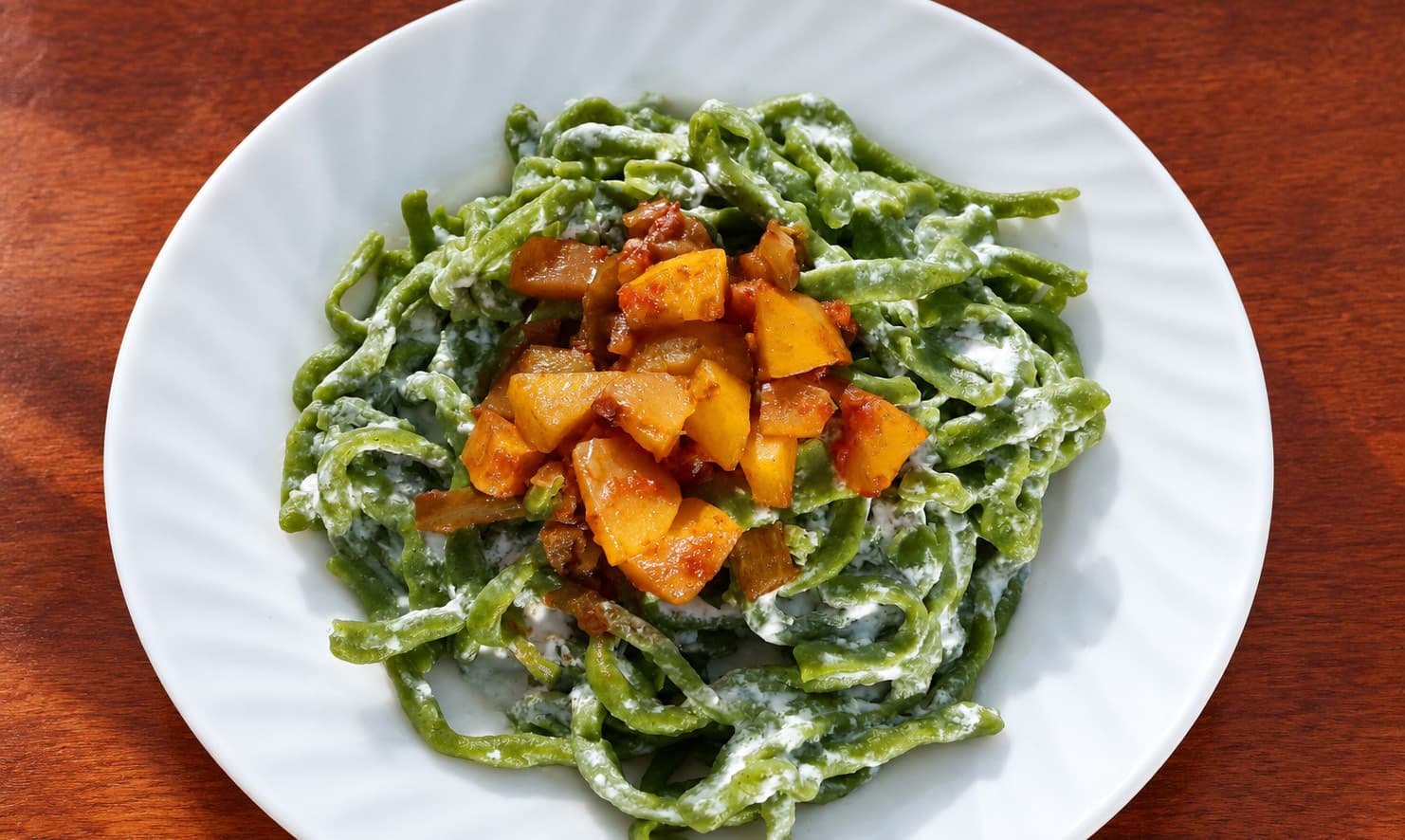
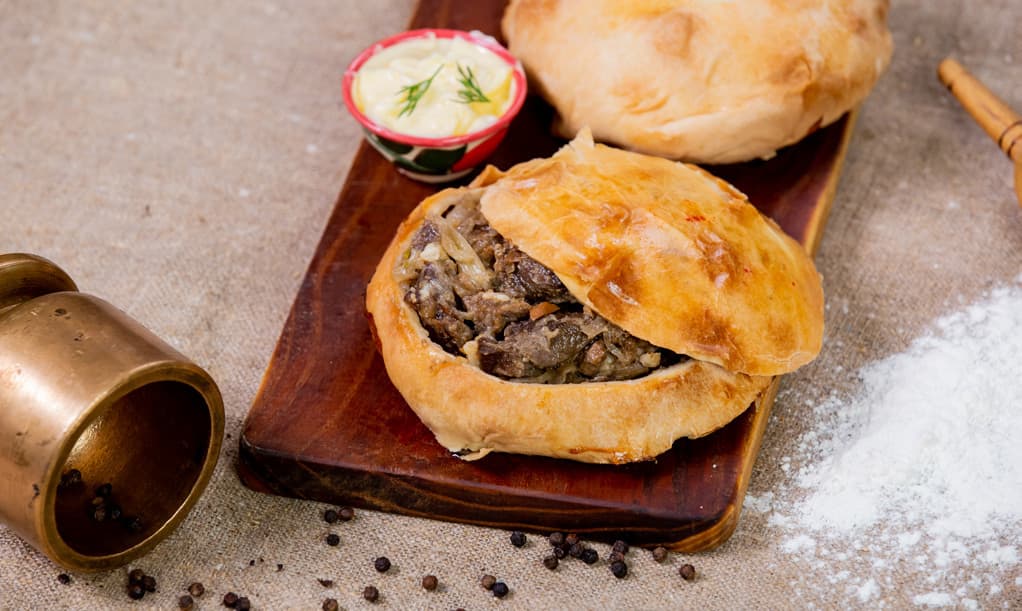
These differences matter not because one version is more “real” than another, but because they show how one culinary idea changes from region to region while keeping its local character.
04
Plov brings people together not only as a dish, but as a way of sharing time. It is served in a simple chaikhana and at large family gatherings alike. Bread, salads, tea and conversation are rarely far away.
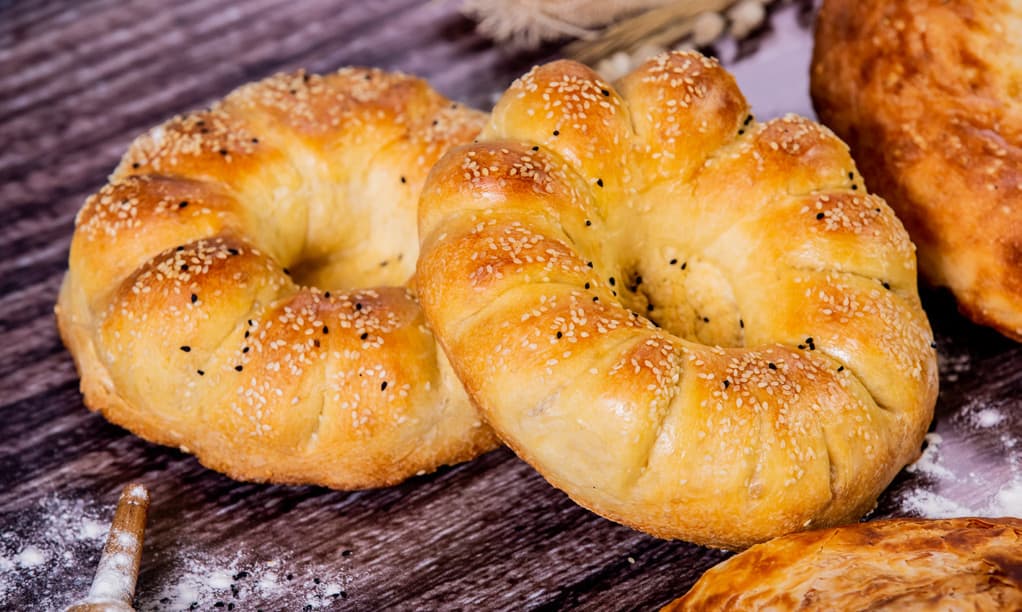
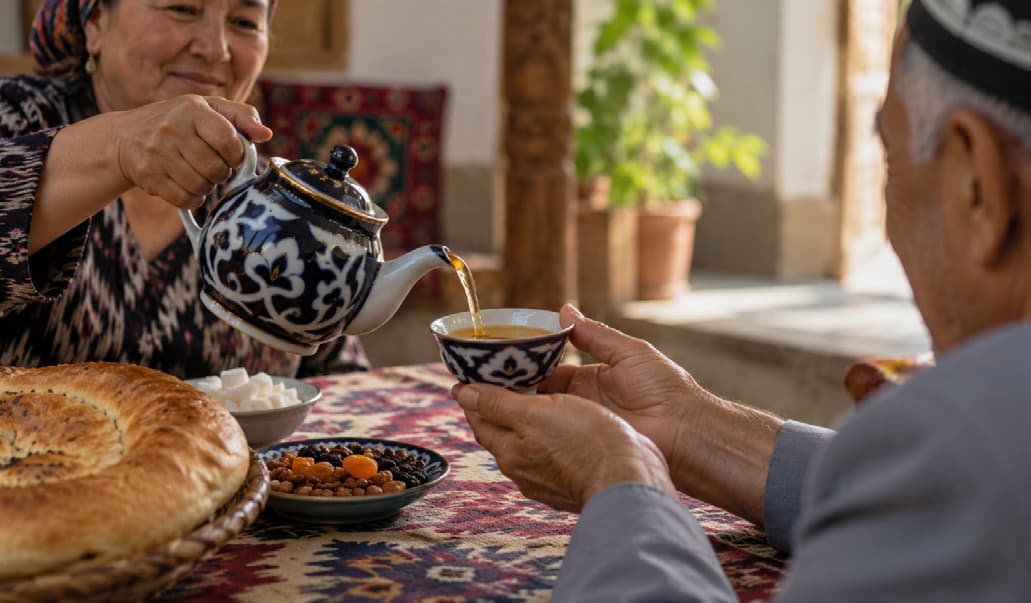
That is part of what makes it special: plov seldom exists apart from meeting, hospitality and a shared table where everyone can find a place.
Practical
Share
A tour on this topic
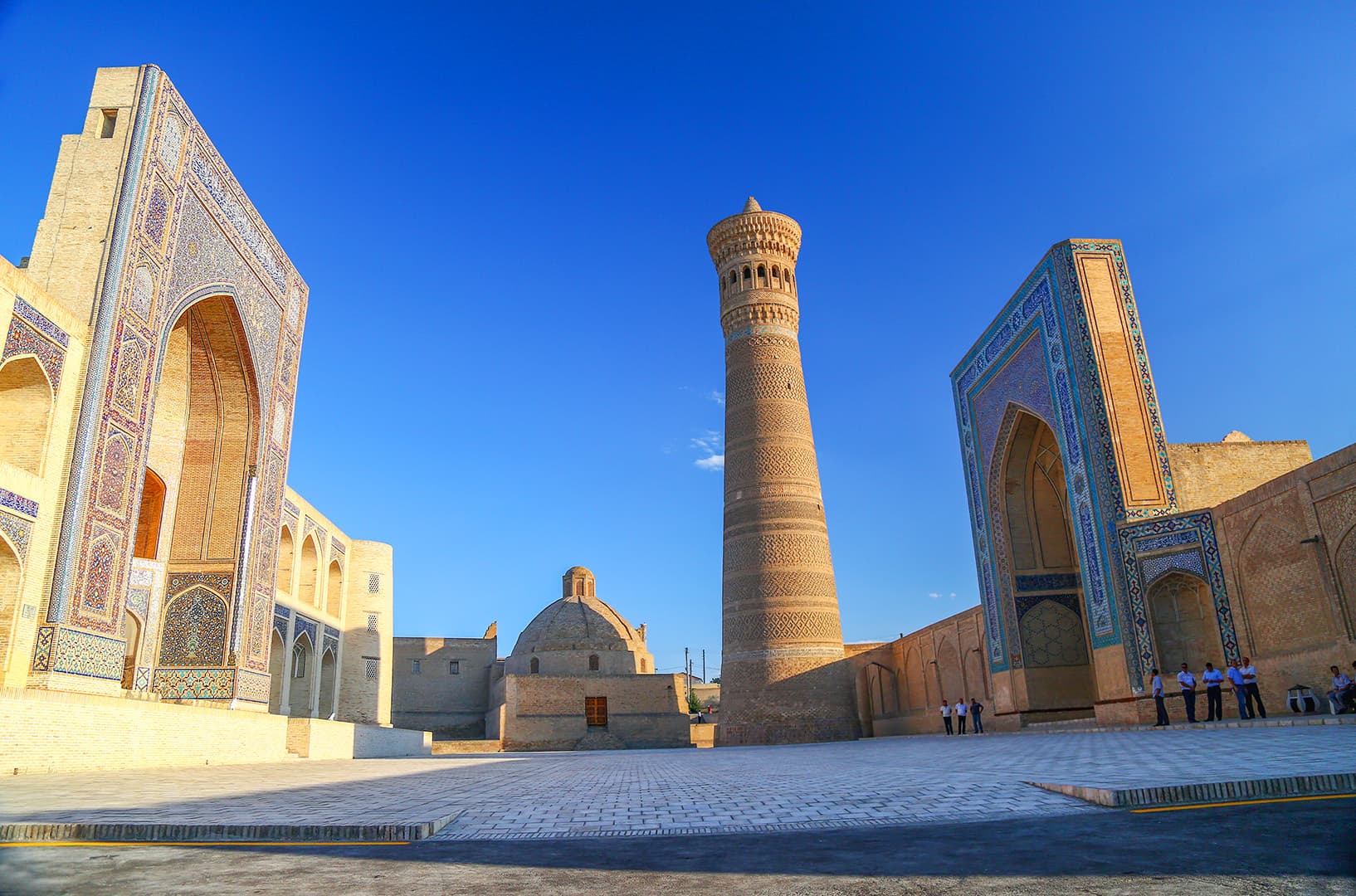
Eleven days on a private tour from the Fergana Valley to Samarkand, Bukhara and Khiva, with silk in Margilan, ceramics in Rishtan and handmade paper in Samarkand.
More on the topic