TourLink
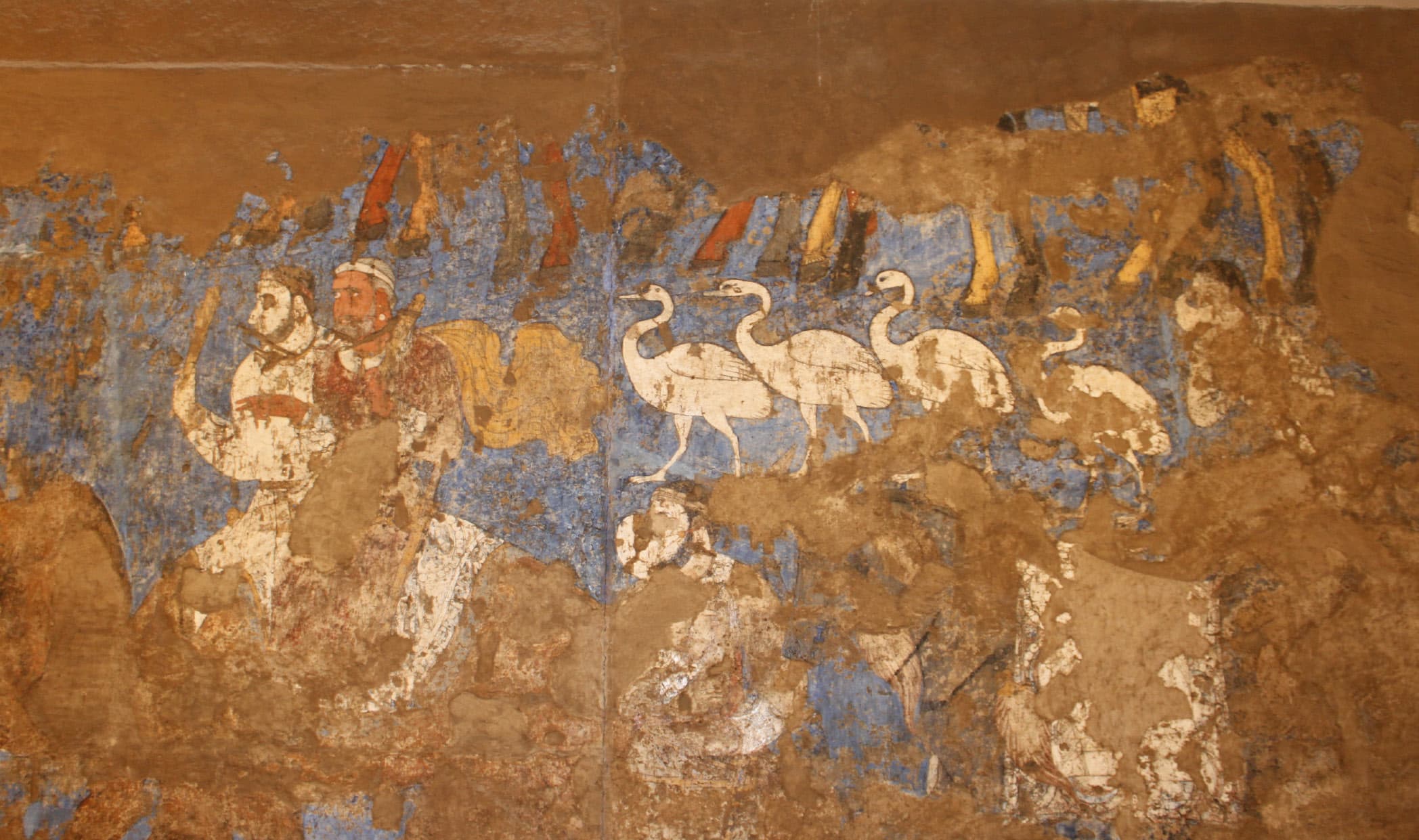
By the 7th century, Samarkand was already a major city, with a history built layer by layer.
Wall paintings of the 7th century
Three façades the city is known by
14th–17th centuries
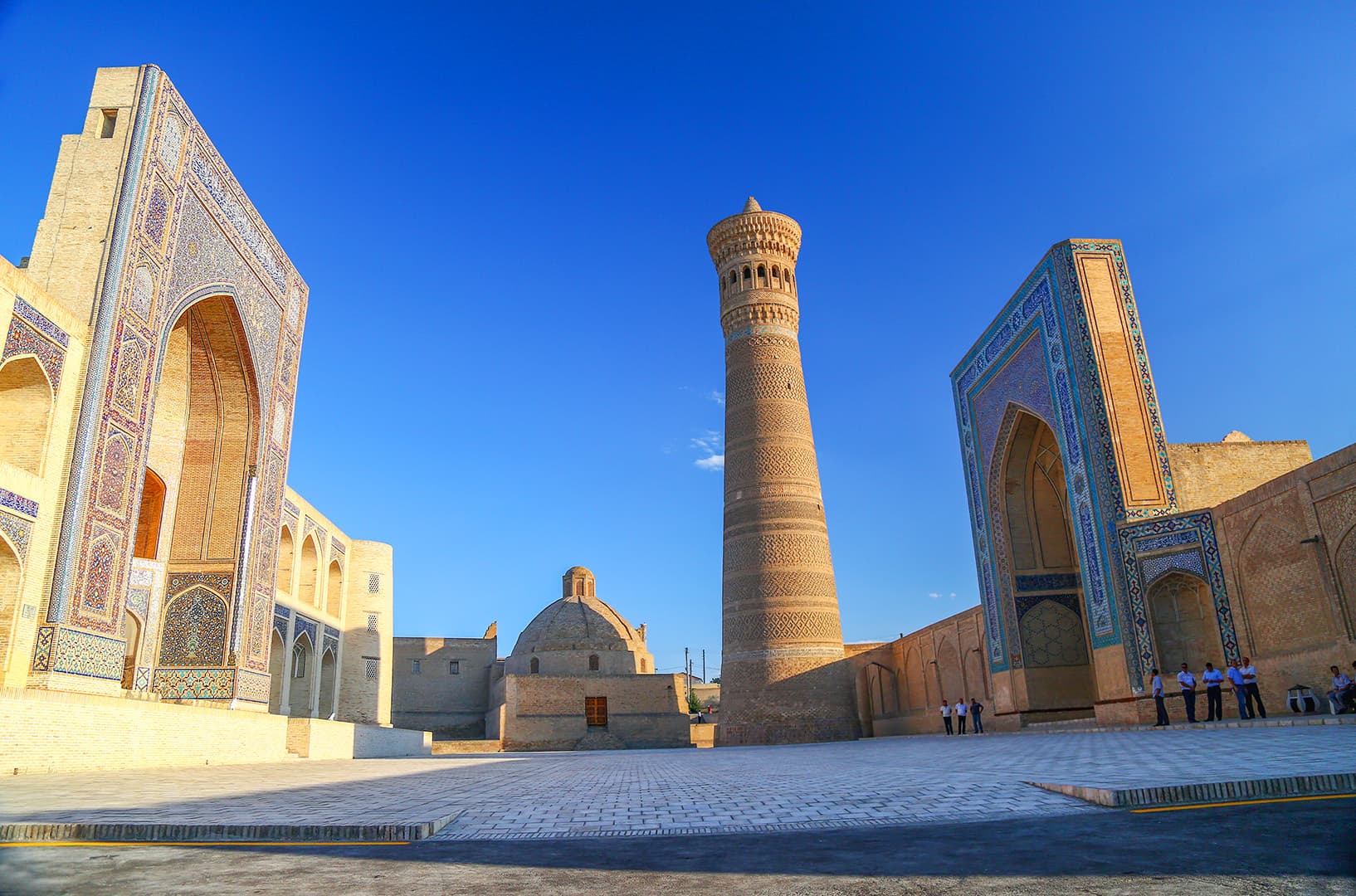
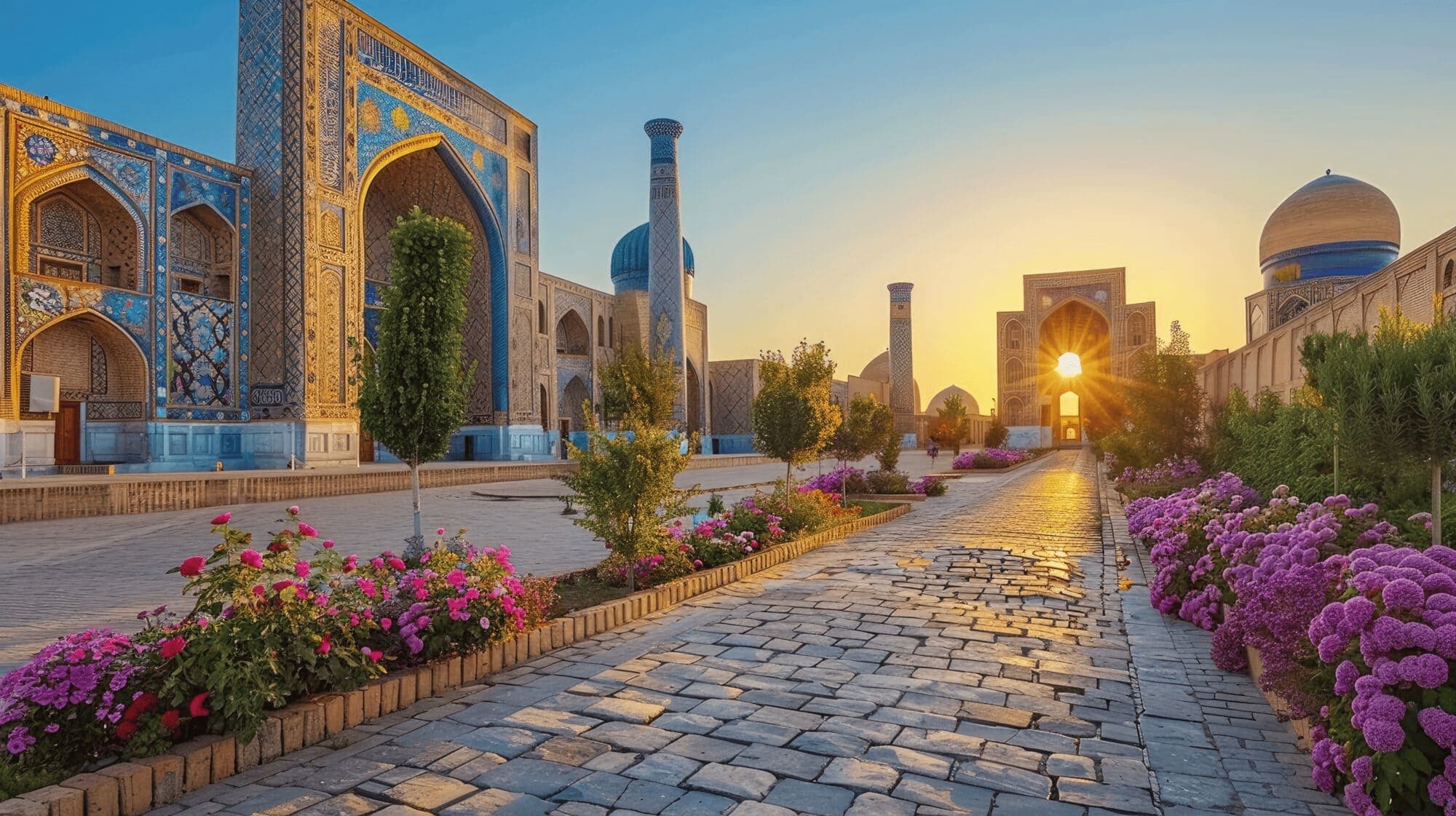
Samarkand has an instantly recognisable face: the three façades of Registan, the soaring arches, the blue ceramics. But the city's story begins long before this familiar postcard view. By the 7th century, Samarkand was already a major city, with a history built layer by layer.
01
Registan is the view Samarkand is recognised by: three façades, soaring arches and blue ceramics. It is the image most often carried home from the city.
The celebrated Timurid ensembles belong to the 14th–17th centuries. They are one of the great chapters in the city's history, but not the first one.
02
In the 7th century, wall paintings appeared at Afrasiab, ancient Samarkand. They show processions, gifts and visitors from afar.
These paintings evoke an urban culture, trade connections and courtly life centuries before the celebrated Timurid ensembles.
03
Researchers read traces of connections across Asia in the details of these paintings, although interpretations of individual scenes do not always agree.
That is part of their appeal: the past here does not come as a single finished version. It teaches us to distinguish what is known, what is inferred and what still remains a mystery.
Two layers of one city
After Afrasiab, the familiar view of Registan reads differently: as one chapter of a much longer story.
Share
A tour on this topic
Eight days through Tashkent, Khiva, Bukhara and Samarkand, with Registan, Shah-i-Zinda and the Afrasiab Museum.
More on the topic