TourLink
Most of what a visitor takes for personal warmth here is arranged collectively. From the neighbours to the teahouse.
Decides more than the city
Never cut, never placed upside down
March 21, the main day of the year
Ask an Uzbek where he is from, and you may hear the name of the block before the name of the city. Most of what a visitor takes for personal warmth here is arranged collectively. Below is how it works: from the neighbours to the teahouse.
01
The mahalla is a block of several hundred houses. It has its own council, an elected chairman and a long memory. The mahalla organises weddings and funerals, settles quarrels between families, knows who is out of work and who is ill, and decides which family to help this month.
For a guest this means the following. When a neighbour carries a tray of food into a house in mourning, she is not improvising. She is doing what the mahalla expects of her. Hence the attention to a visitor: you are invited into the yard not out of politeness, but because this is how any guest is treated.
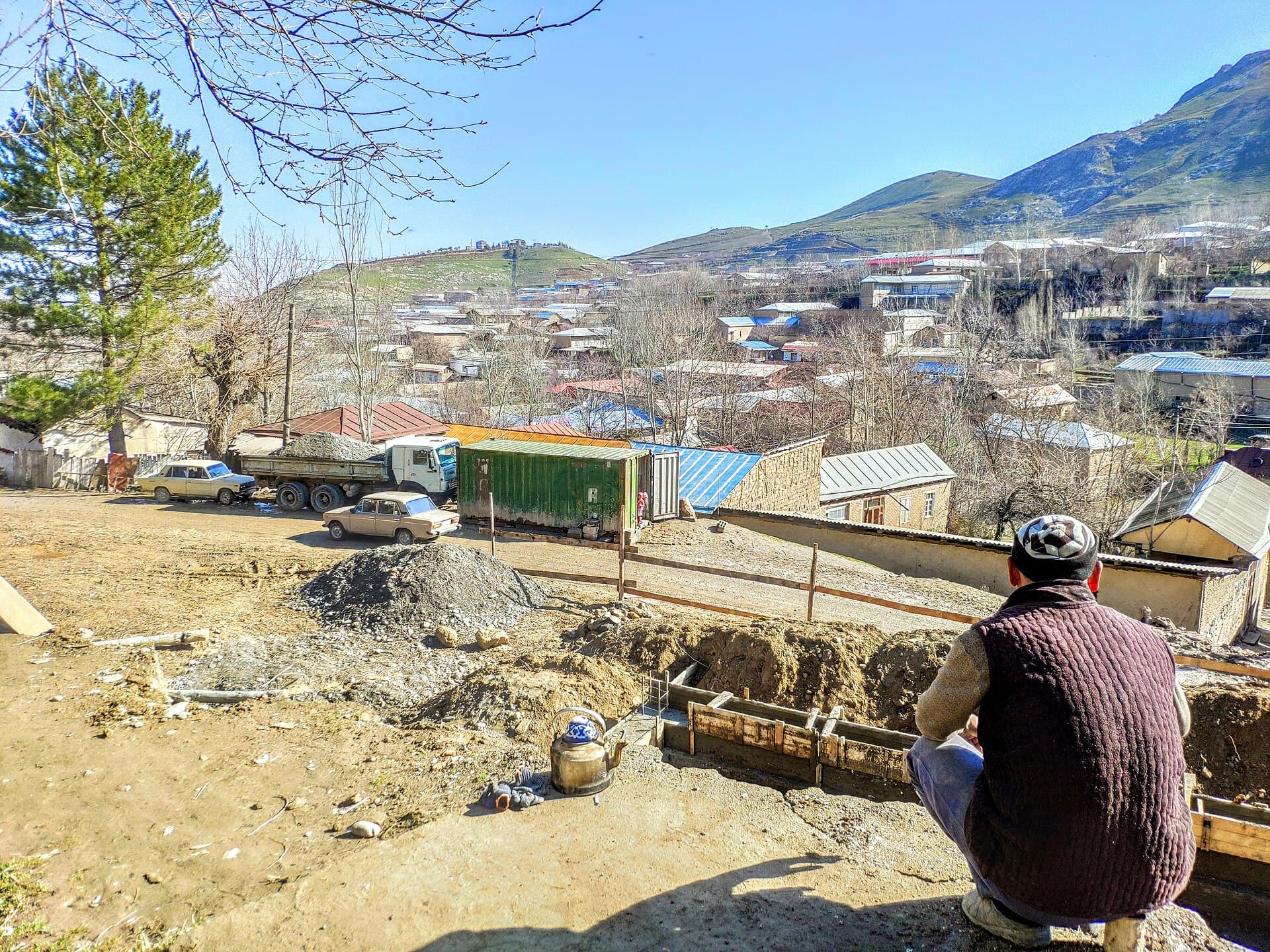
Before Navruz in March every block holds a khashar: a day when everyone comes out to sweep, clean the aryk canals, whitewash tree trunks and fix what winter broke. Nobody is paid for it. A traveller who happens to be nearby is usually handed a broom.
02
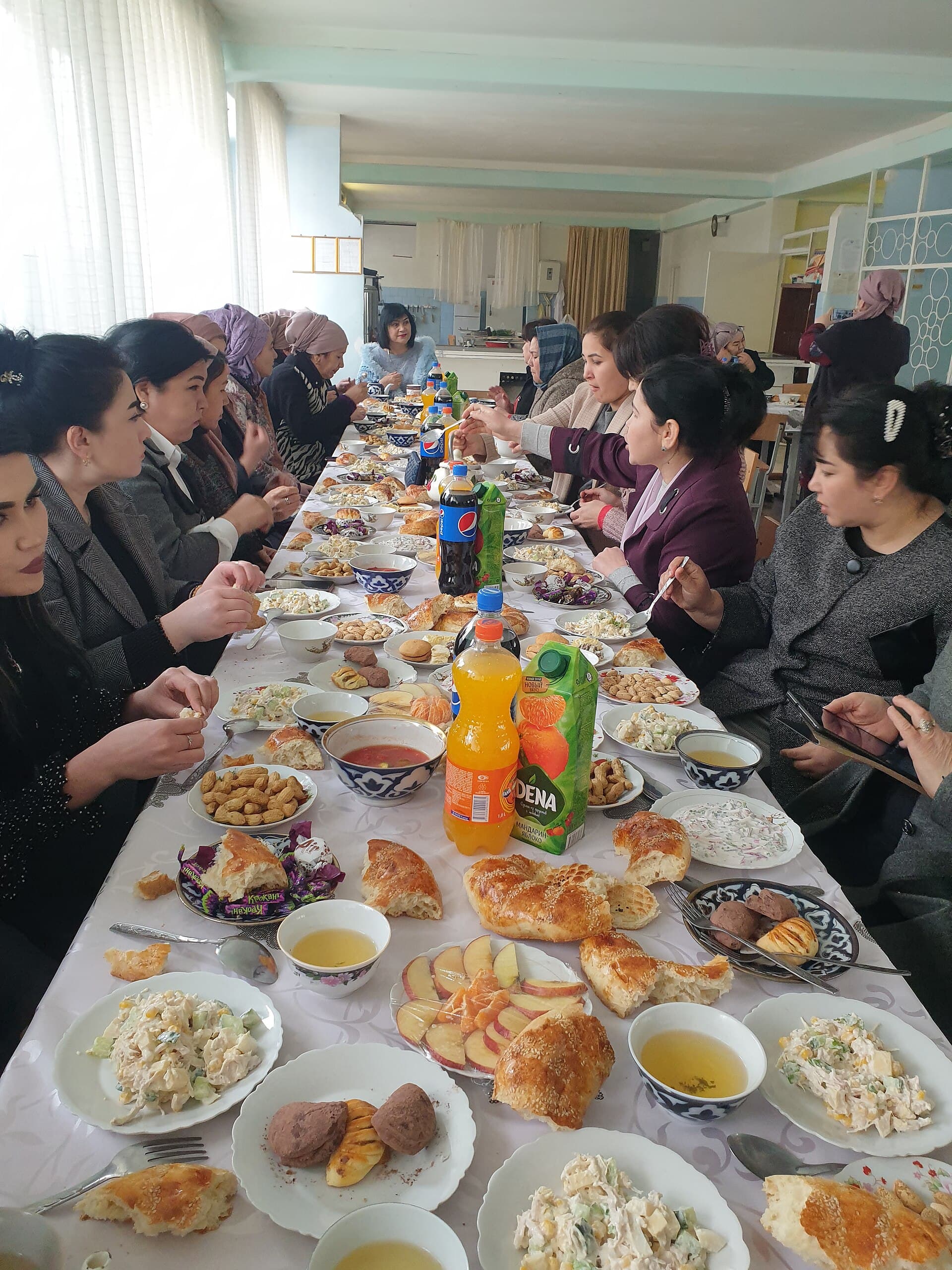
The Uzbek table has more rules than it seems, and almost none of them are said out loud.
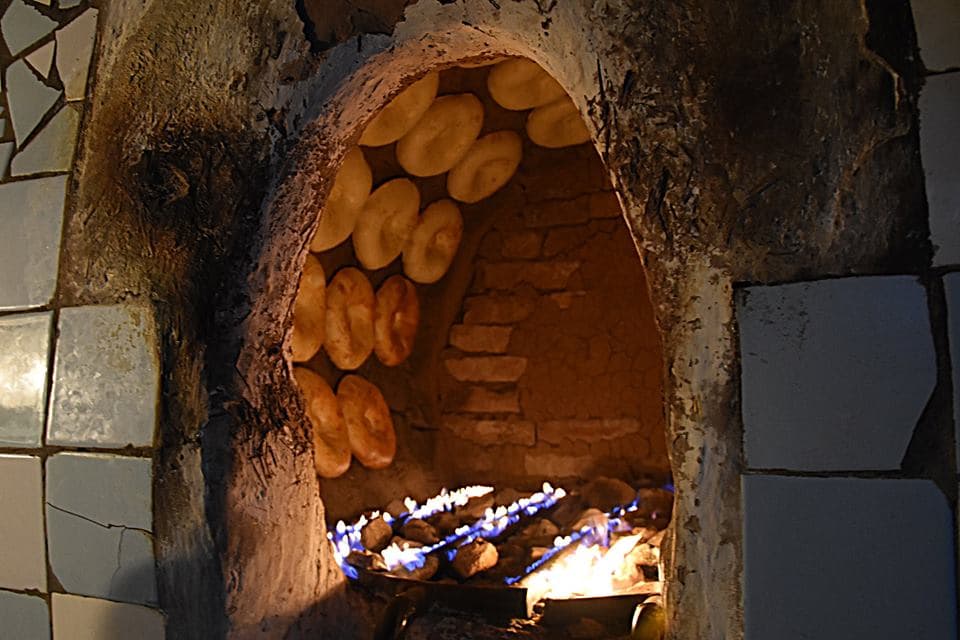
Bread comes first. The round flatbread is torn by hand, never cut, and never placed on the cloth bottom-up. If bread falls to the floor, it is picked up, touched to the forehead and set aside. When someone leaves for a long time, they are sometimes given a bite of a flatbread, and the rest is kept at home until their return.
Tea is poured little by little. A guest poured half a piala hears a request to stay: the host wants to top up, and to top up means to talk once more. A piala filled to the brim is the opposite hint. Before pouring, the host returns the first piala to the teapot two or three times. This mixes the brew, and the action has its own name, but you do not need to memorise it.
The seating is not random. The place farthest from the door, the tor, belongs to the eldest or the most respected. The youngest sits closest to the entrance, to get up for whatever is needed. The young stand when an elder enters. When greeting, they put a hand to the heart, and any thing is handed to an elder with both hands.
03
Family life is marked out by rites, and the whole block gathers for each.
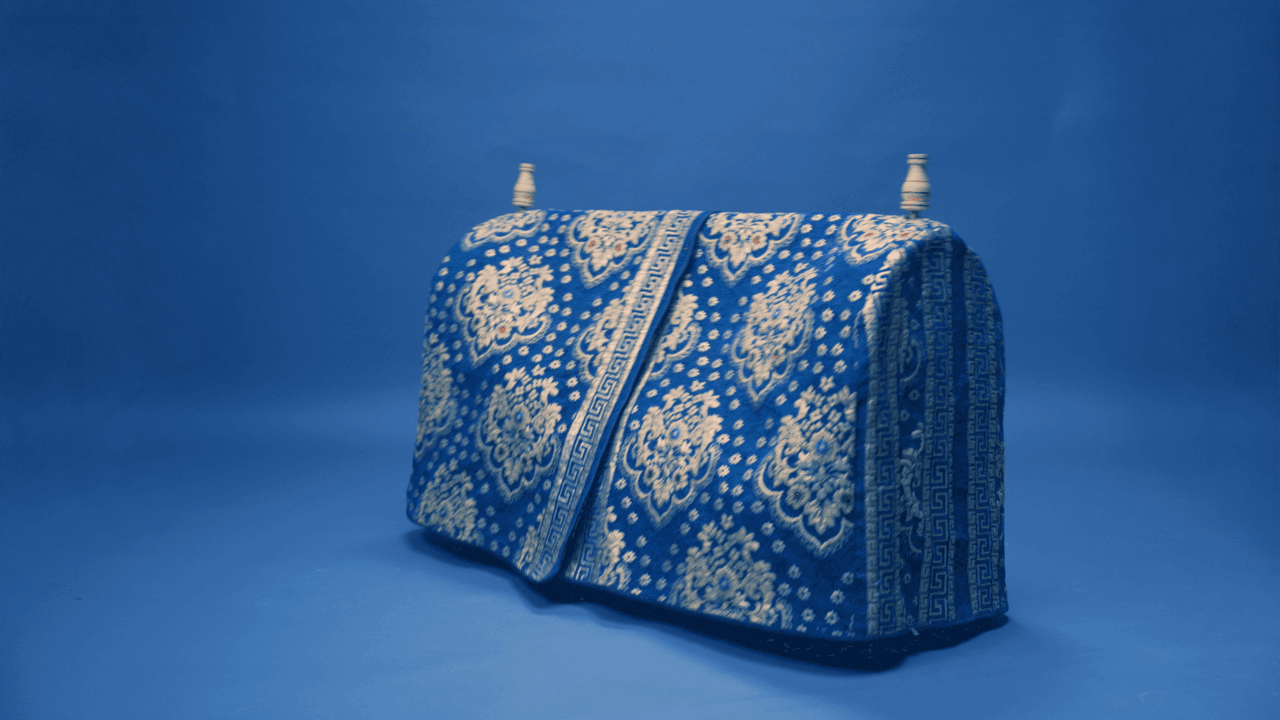
The first cradle. A week or forty days after the birth, the mother's relatives bring a carved wooden cradle, already with bedding and sweets. Circumcision. Boys are circumcised between three and nine years old, and for many families it is the biggest celebration they will give in their lives, apart from the wedding.
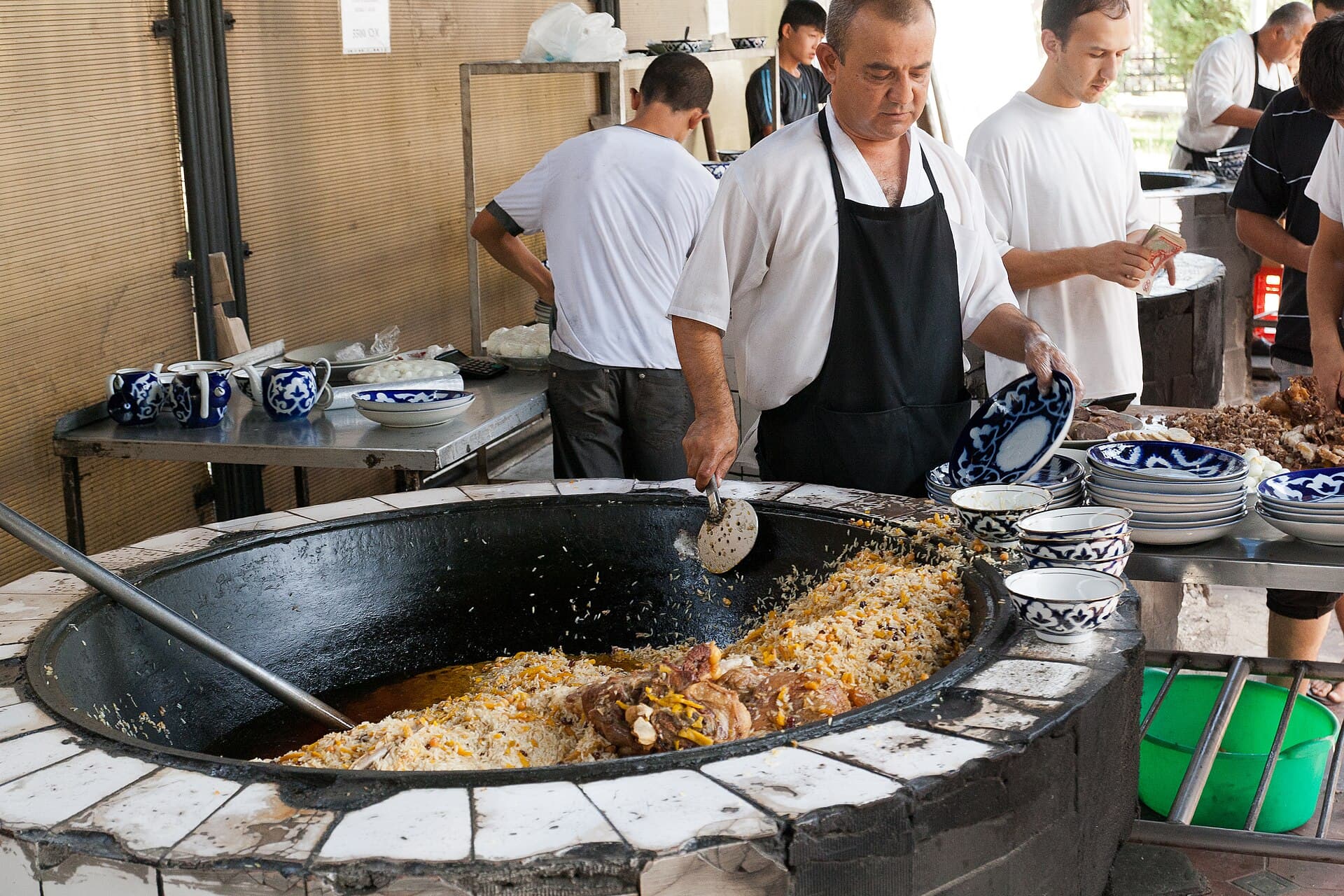
The wedding lasts several days and consists of stages a visitor usually does not see: the matchmakers' visits, the engagement, the bride's farewell to her parents' house. On the wedding day or the morning after comes the morning plov, from six to nine, after the first prayer. It is a men's gathering. Hundreds may come, eat in twenty minutes and leave for work.
Funerals and the memorials that follow at set intervals are arranged just as strictly, and the mahalla runs them.
04
Navruz falls on the spring equinox, March 21, and is a day off. The holiday is older than Islam in these lands by many centuries; under Soviet rule it was not allowed for decades, and after 1991 it returned as the most widely celebrated day of the year.
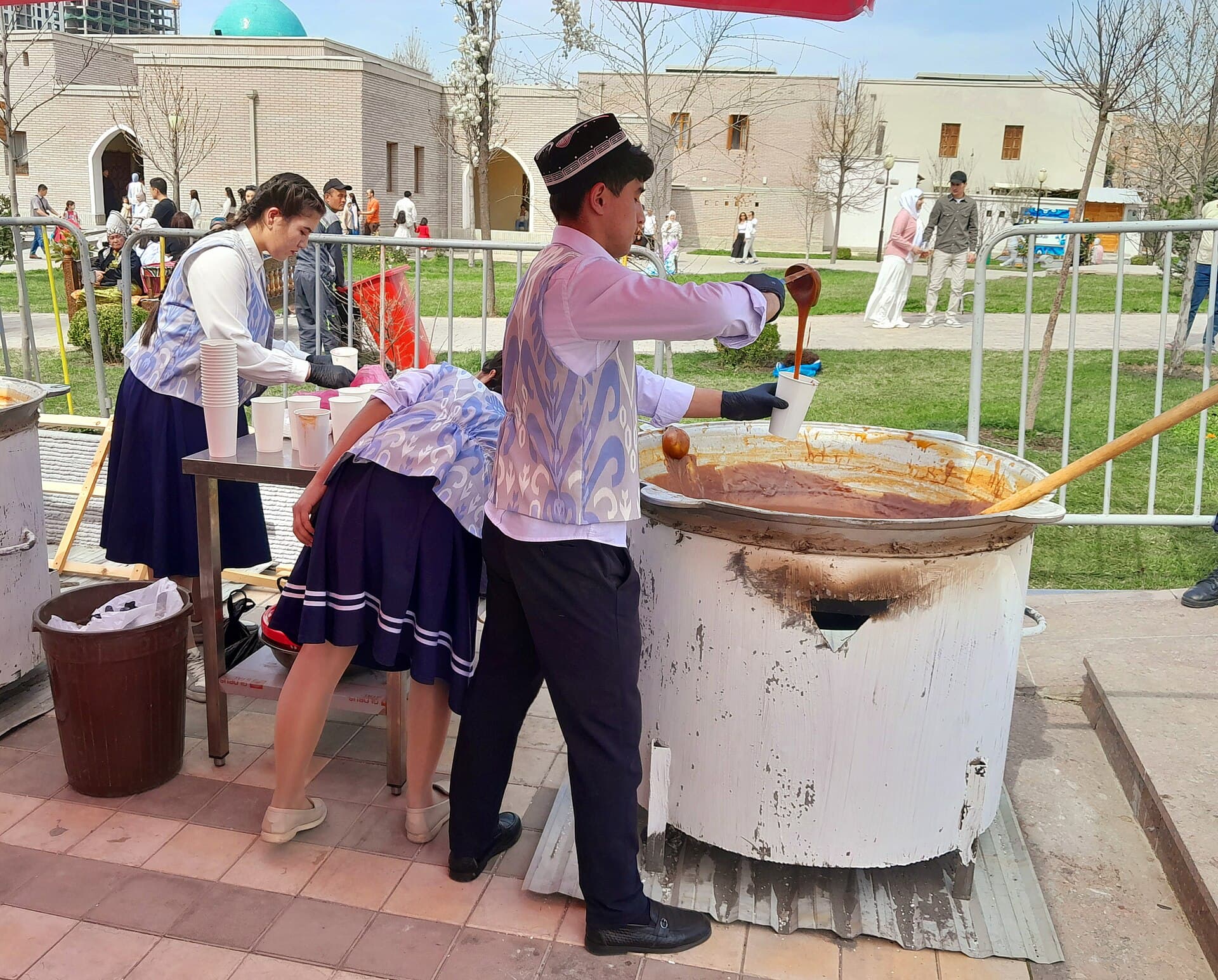
Its dish is sumalak, a paste of sprouted wheat and flour. It is cooked in a huge kazan over an open fire for most of the day and all night. Women take turns stirring. Pebbles or walnuts are placed on the bottom so the paste does not burn, and if one ends up in your portion, your wish will come true. The most capricious part is sprouting the wheat: the sprouts must reach a few centimetres and no more, or the sumalak turns bitter.
Around it are horse games, wrestling, street fairs and the custom of making peace with everyone you quarrelled with before the new year begins.
05
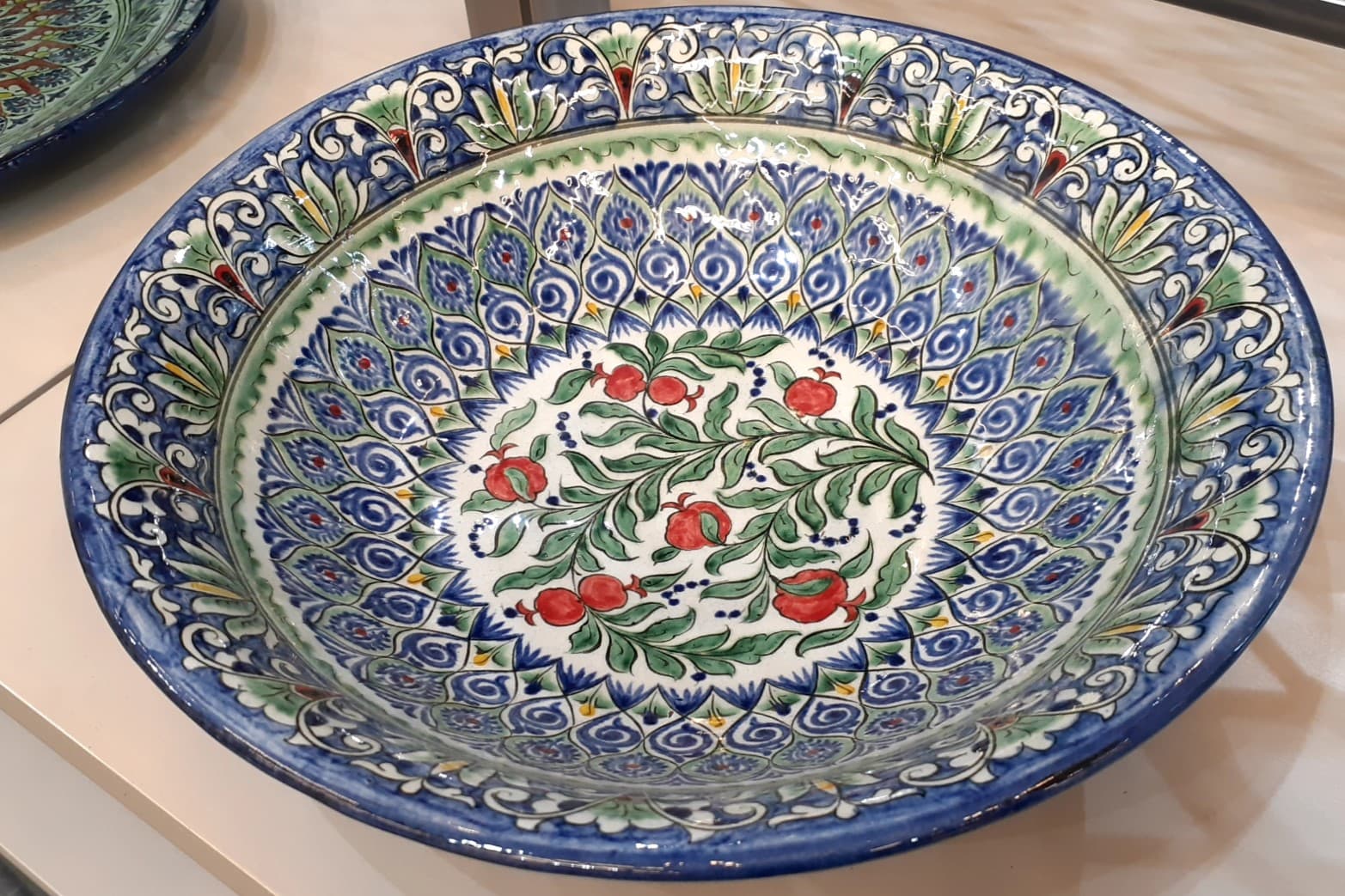
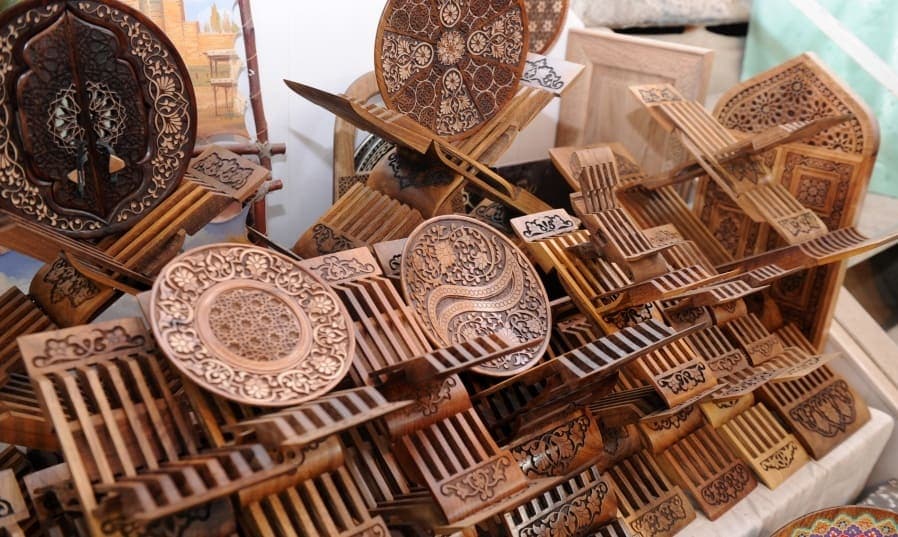
Craft here is tied to place, and nobody considers it anything special. The black tubeteika with four white pepper pods is from Chust in the Fergana Valley, yet men wear it all over the country. Brown-and-ochre ceramics with green glaze are from Gijduvan near Bukhara. The bright blue, almost cobalt, is from Rishtan, where the colour comes from the ash of desert plants, so every workshop's shade is slightly its own.
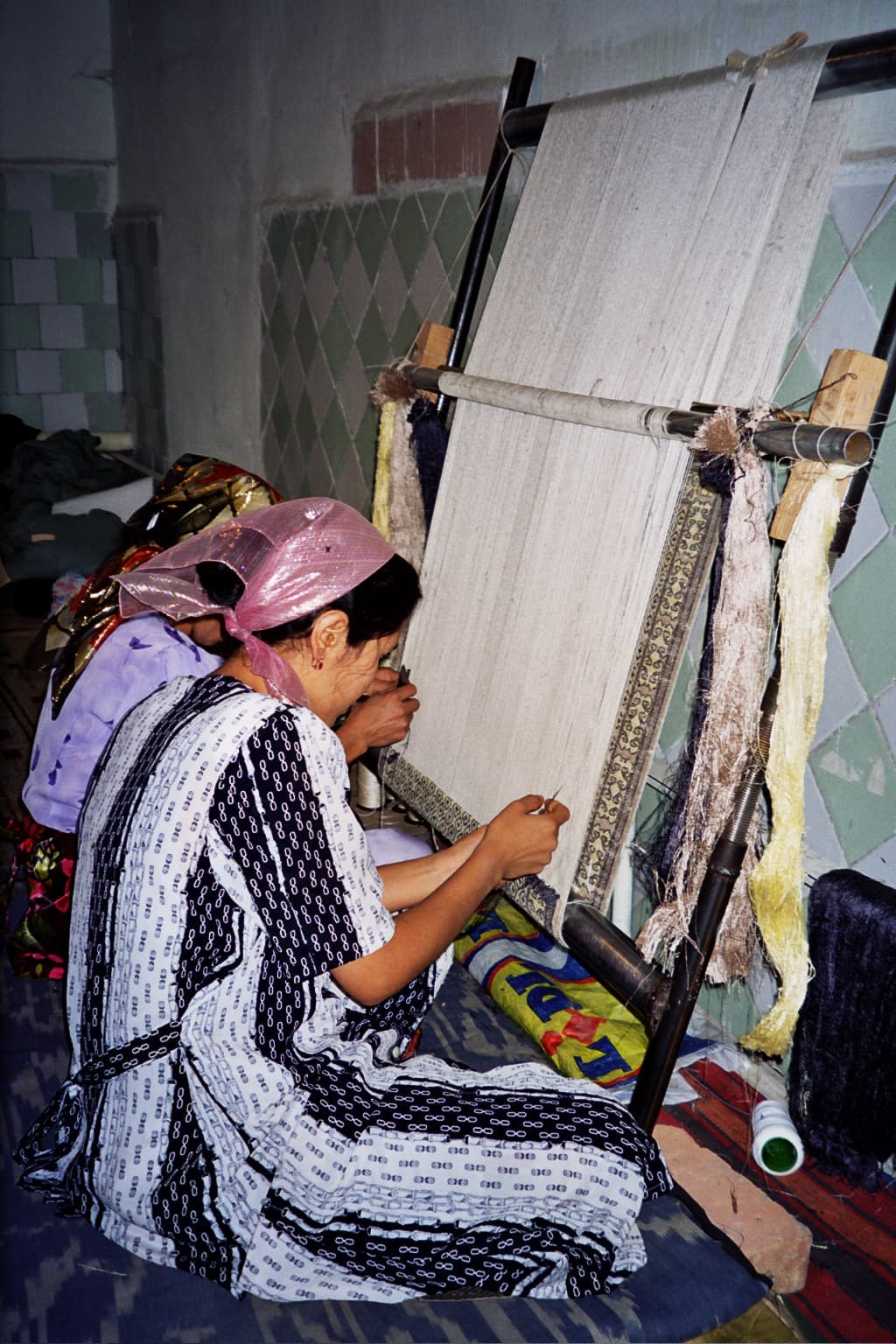
Silk with a blurred pattern is woven in Margilan, and the whole path from silkworm to finished fabric still happens in one city. The threads are dyed before weaving, so the edges of the pattern blur. The local name of the technique translates as «cloud», and that is exact. In 2017 UNESCO noted Margilan's craft centre as an example of a tradition kept alive, not only described.
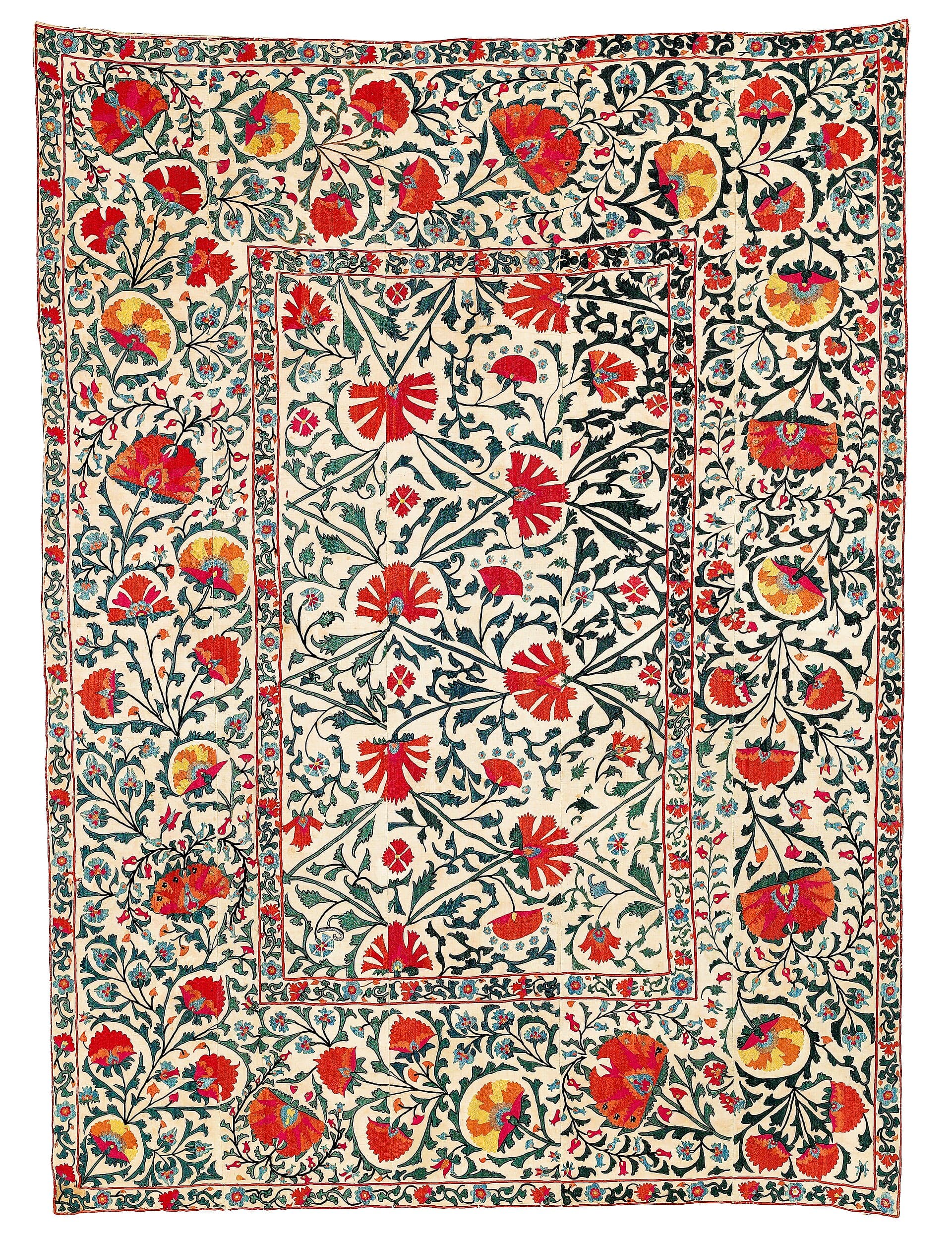
Suzani, the big embroidered panels, were once made for the wedding by the women of the bride's family. Now they are mostly merchandise, but on the old panels you can still read the pomegranate and the almond — signs meant to bring children and protection.
06
The chaikhana is a place where the day slows down. It used to be a male space: by an aryk or under old plane trees, wooden platforms covered with carpets, low tables. Men sit with their legs tucked, drink green tea, eat plov or shurpa and argue for hours.
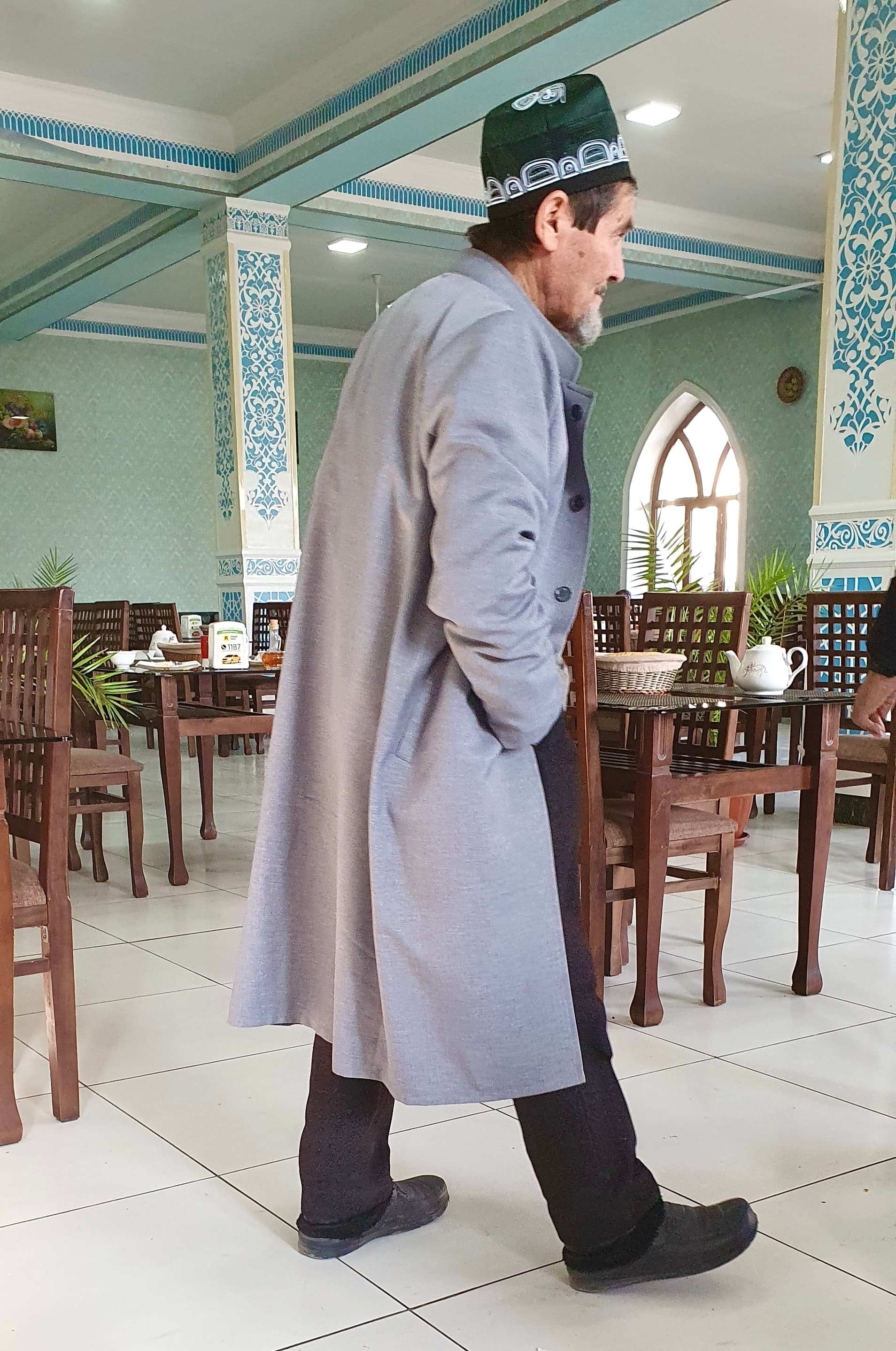
In Tashkent cafés have largely taken over this role. In small towns the chaikhana works just as it did a hundred years ago, and a foreigner who sits on the platform will usually be talking to someone within the first five minutes.
07
Six simple rules
Nobody checks any of this, and a mistake will be forgiven. But the difference between a tourist who is tolerated and a guest who is invited into the yard consists of roughly these six points.
Share
A tour on this topic
Five days with a night in a family home, morning plov and two workshops where you work with your hands instead of watching from the side.
More on the topic