TourLink
About
Surkhandarya is clearest when the far south is not squeezed between the classic cities.
Plan Surkhandarya as a southern part of the journey, not a quick detour. Termez gives the archaeology and river context; Boysun belongs when the route can carry the mountain road.
Termez, Boysun, and the farther stops should not be placed between the classic cities as a quick insert. Road time, season, heat, and site rules decide the order before the itinerary is confirmed.
Agencies and travellers who need Surkhandarya as a readable stop — strong places, honest pacing, and logistics that hold.
Route logic
Plan Surkhandarya as a southern part of the journey, not a quick detour. Termez gives the archaeology and river context; Boysun belongs when the route can carry the mountain road.
Distance, heat, access
Termez, Boysun, and the farther stops should not be placed between the classic cities as a quick insert. Road time, season, heat, and site rules decide the order before the itinerary is confirmed.
Use Termez for museum context, Old Termez, Fayaz Tepa, Karatepa, Zurmala, and the first Islamic memorial stops near the Amu Darya.
Key places
The map should keep both parts of the southern route visible: Termez for archaeology and the Amu Darya, Boysun for the mountain continuation.
Region character
Surkhandarya does not repeat Samarkand, Bukhara, or Khiva. Here the route turns toward Termez, the Amu Darya, archaeological sites, memorial complexes, and the mountain culture of Boysun. «Surkhandarya is clearest when the south becomes its own part of the journey.»
Main places
Termez holds archaeology, museum context, the Amu Darya, and memorial complexes. Boysun adds mountains, villages, canyons, and living cultural memory.
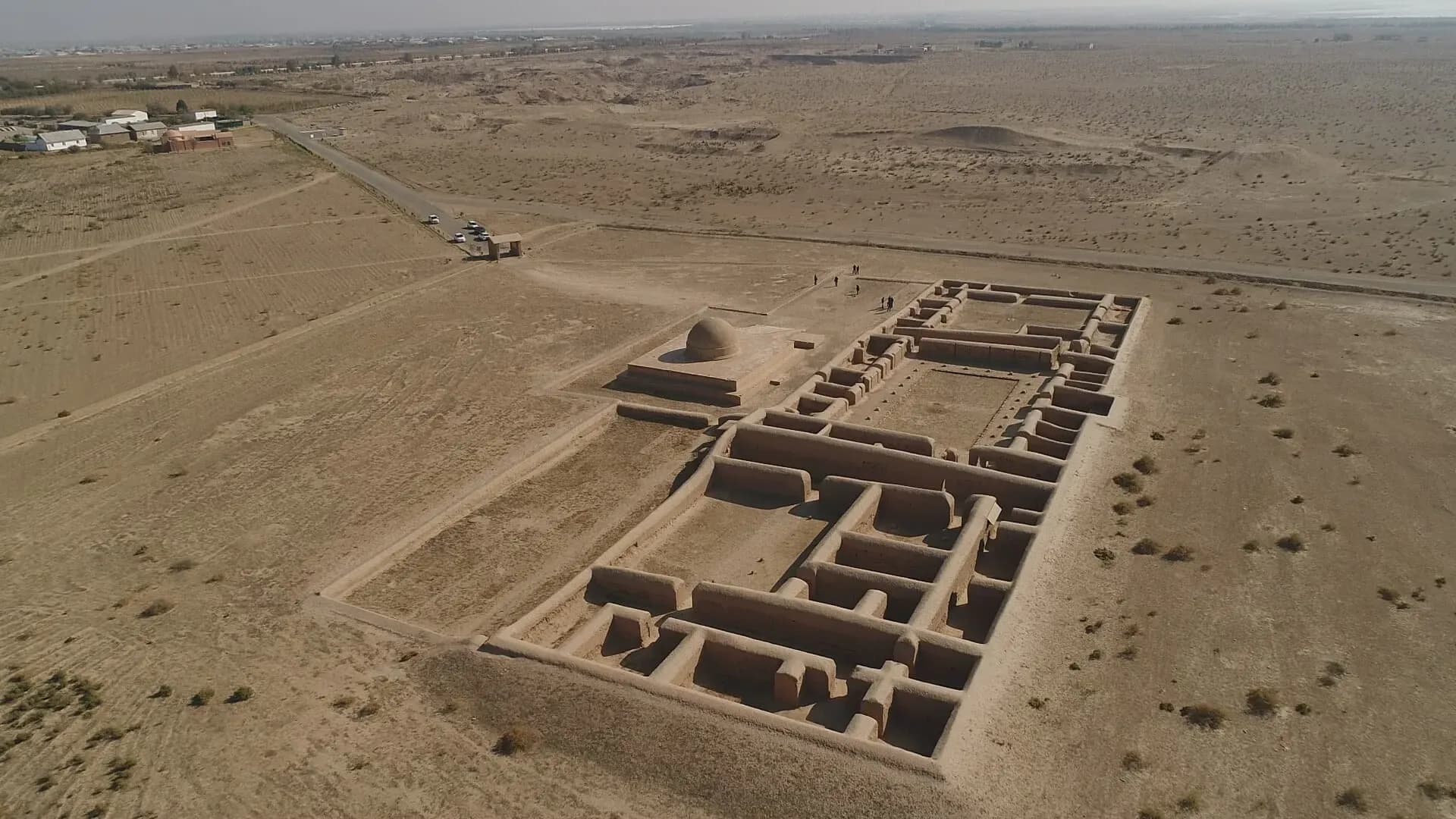
Termez changes the pace of an Uzbekistan journey. Here the route moves from classic city monuments to Ancient Termiz, Buddhist monastery sites, the archaeology museum, shrine courtyards, and the Amu Darya edge. It feels strongest when the first stop gives context before you go ou
Open place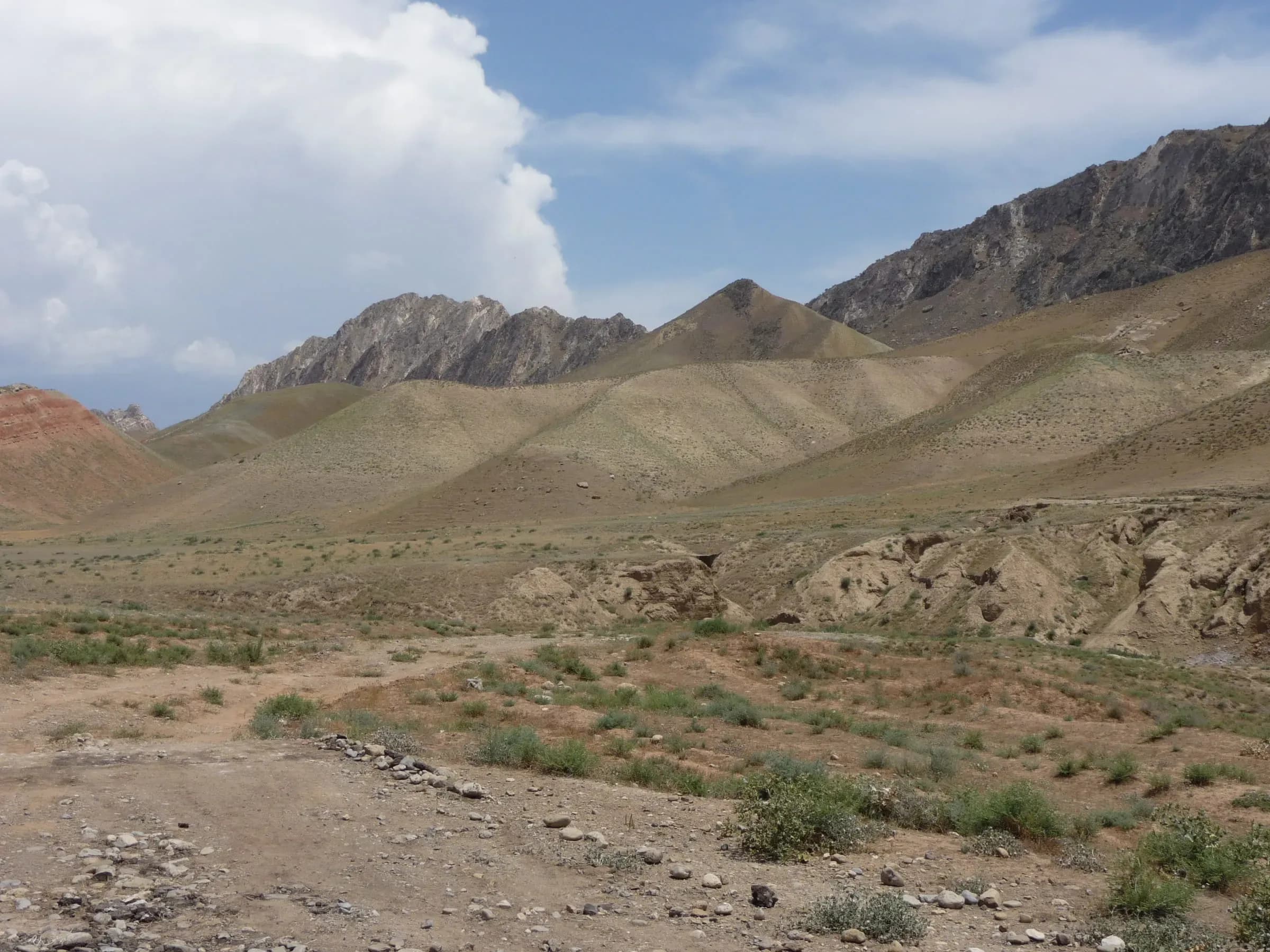
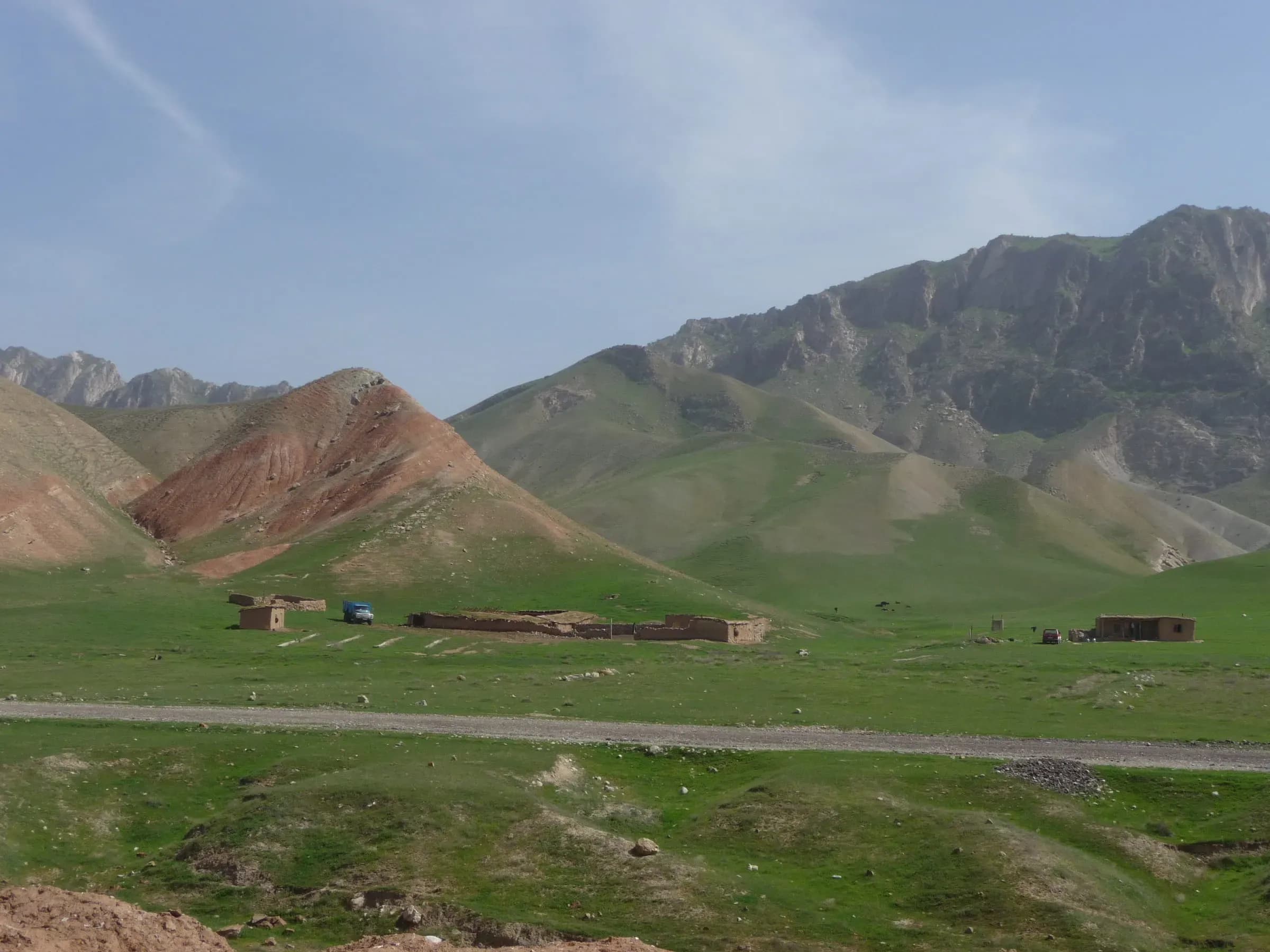
After Termez, the road to Boysun changes the southern route: open archaeological ground gives way to ridges, village roofs, songs, embroidery, tandoor bread, and a cultural space recognized by UNESCO as intangible heritage. Boysun belongs in the route as a careful mountain-and-cu
Open placeWhat to see
Start with Old Termez, the museum, Fayaztepa, Karatepa, Zurmala, Sultan Saodat, and Al-Hakim at-Termezi; add Baysuntau only when the route can carry the mountain road.
After Termez, Baysuntau changes the southern route from open archaeological ground to mountain roads above Boysun: ridges, ravines, cave context, village courtyards, and seasonal access that should be checked before the route is confirmed.
Open place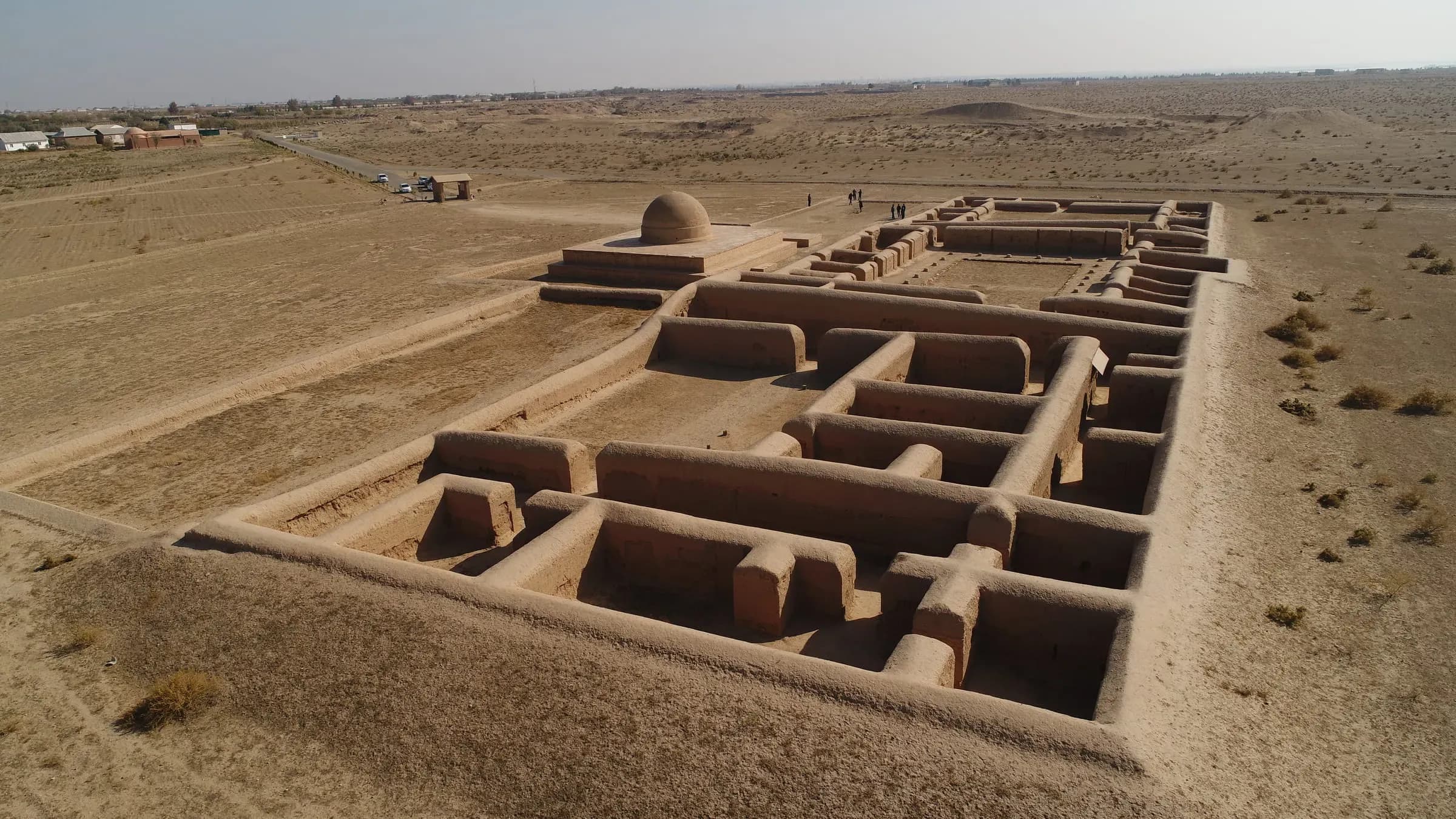
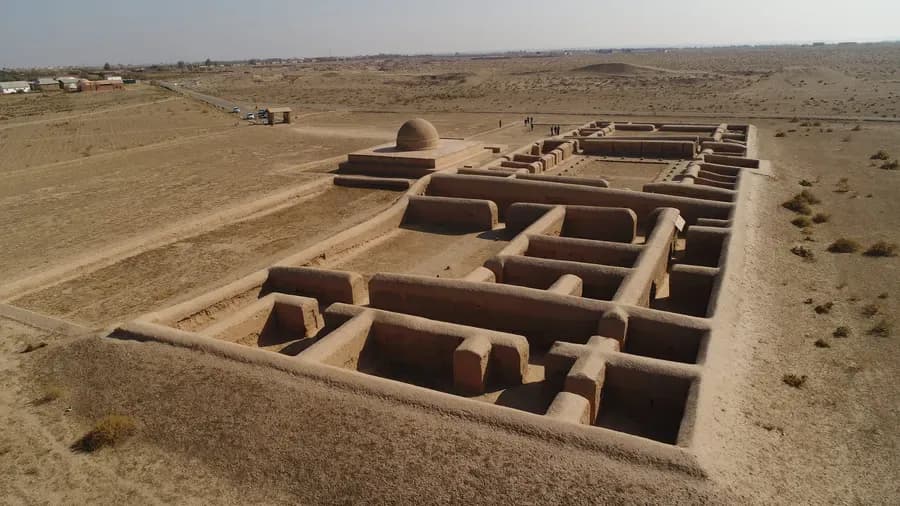
Ancient Termiz gives the Termez route its older scale. West of the modern city, citadel traces, Buddhist sites, stupa remains, shrine routes, and the Amu Darya edge connect the museum, Fayaz Tepa, Zurmala, and later memorials into one southern landscape.
Open placeRegion in detail
Pace, season, and how this region connects to the next stop.
3–5 days usually works if you keep one strong core and treat outer stops as deliberate choices. The region brief is “Termez archaeology, the Amu Darya, and Boysun mountains”.
Use neighbouring cities as clean handovers: arrive with a calm first night, leave after one completed chapter, and avoid stacking two long transfers on the same day.
Heat, altitude, road condition, and opening hours change the product more than the brochure list. Build the region around what stays comfortable for the group that week.
On request
We help agencies set a realistic pace and choose the right extensions — without rushing the places that matter.