
TourLink
About
After Termez, the road to Boysun changes the southern route: open archaeological ground gives way to ridges, village roofs, songs, embroidery, tandoor bread, and a cultural space recognized by UNESCO as intangible heritage.
Boysun fits best when it stays tied to Termez: the road leaves archaeology for village life and Baysuntau, then returns to the city that handles hotels, transport, and the wider Surkhandarya route.
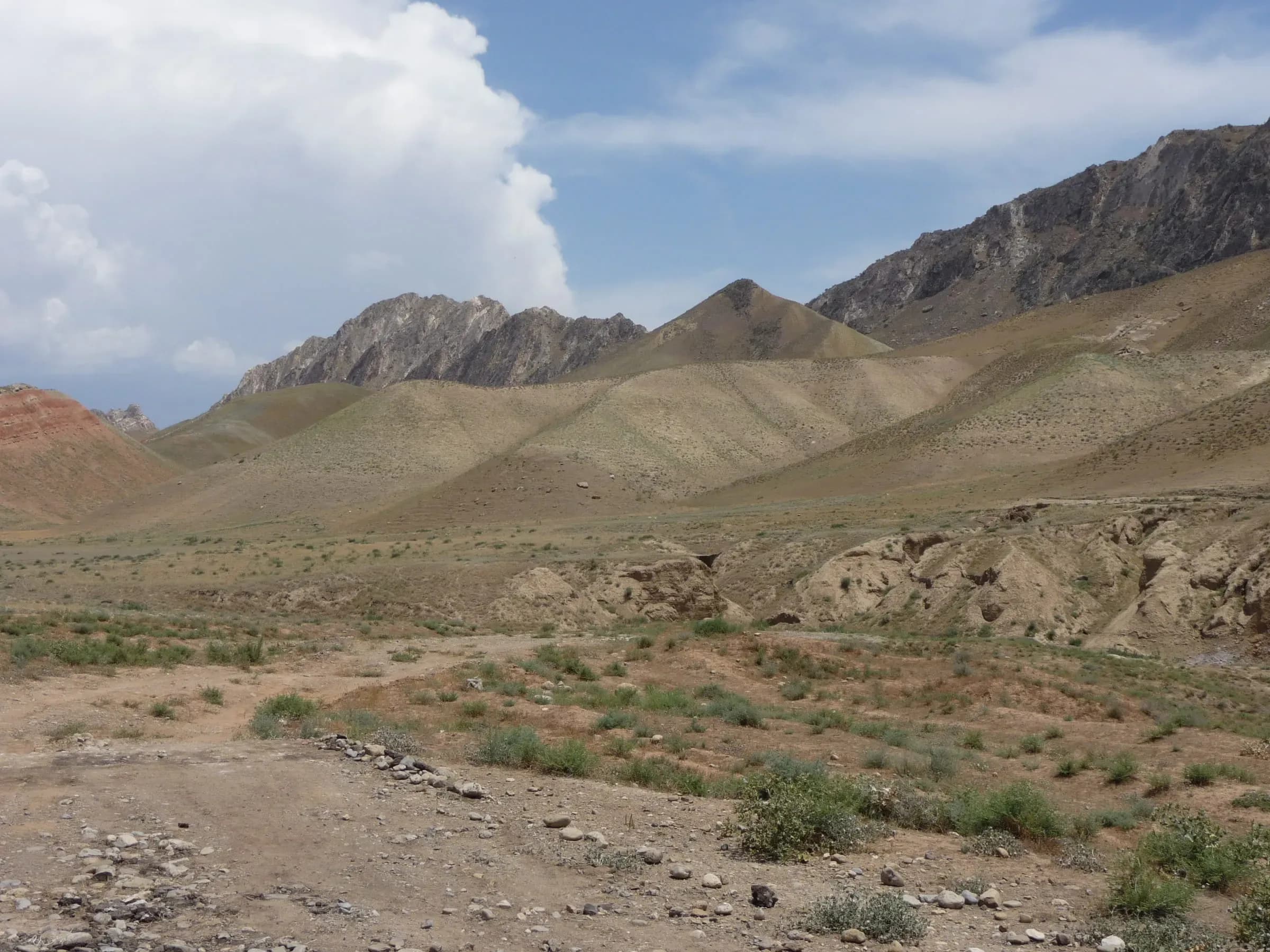
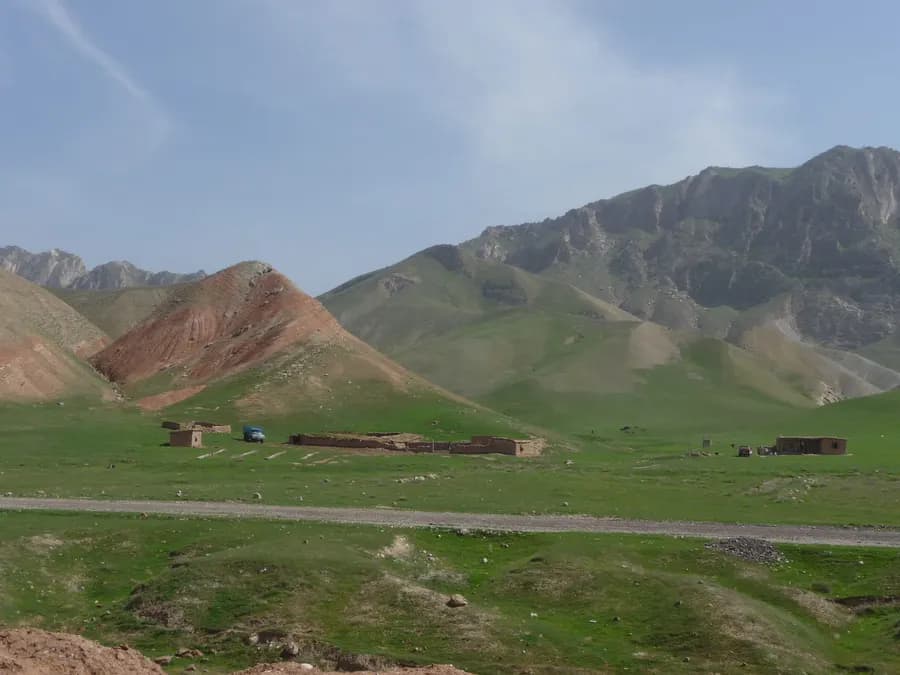
The drive from Termez explains Boysun before you arrive: heat gives way to foothill air, village roofs, red earth, and the first view toward Baysuntau.
Agencies and travellers who need Boysun as a readable stop — strong places, honest pacing, and logistics that hold.
Getting around
Boysun fits best when it stays tied to Termez: the road leaves archaeology for village life and Baysuntau, then returns to the city that handles hotels, transport, and the wider Surkhandarya route.
On the road
The drive from Termez explains Boysun before you arrive: heat gives way to foothill air, village roofs, red earth, and the first view toward Baysuntau.
The first stop in Boysun needs time for courtyards, tandoor bread, local voices, and the first view toward Baysuntau.
Route points
The map keeps Boysun between the practical Termez start and the mountain landscape around Baysuntau.
What to see
Start with Baysuntau as the main landscape anchor. Caves, festival dates, village meetings, and Omonkhona belong only when access, season, and local arrangements are clear.
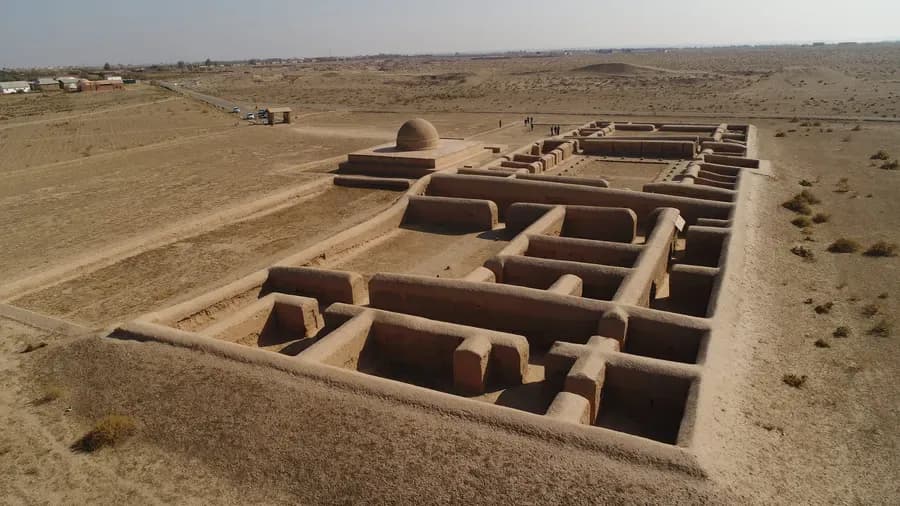
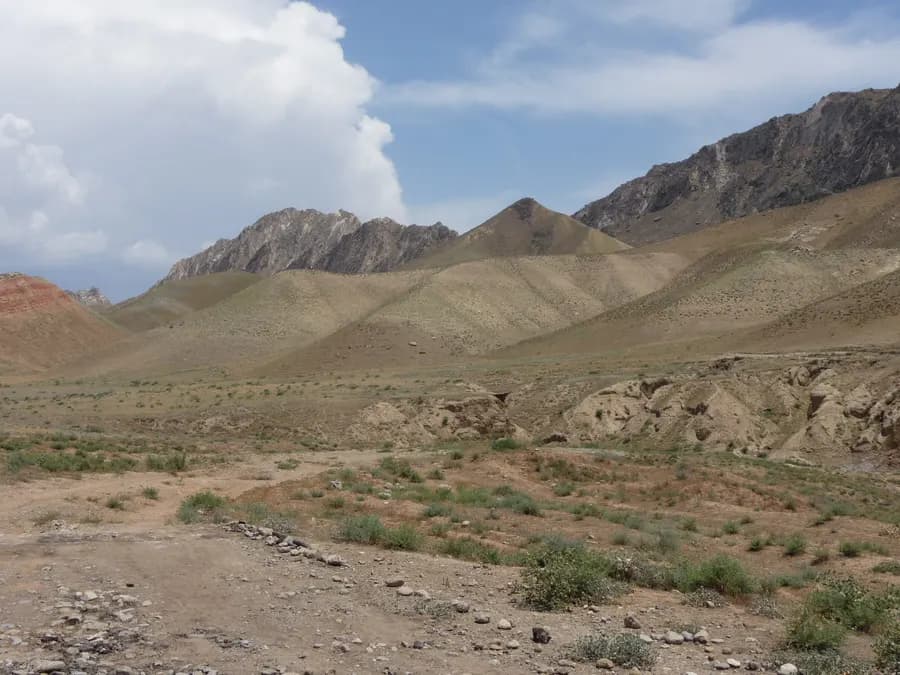
After Termez, Baysuntau changes the southern route from open archaeological ground to mountain roads above Boysun: ridges, ravines, cave context, village courtyards, and seasonal access that should be checked before the route is confirmed.
Open placeLocal moments
Boysun stays with you through small, living details: bread from a tandoor, a pattern in cloth, a remembered song, and cooler air on the road back from the slopes.
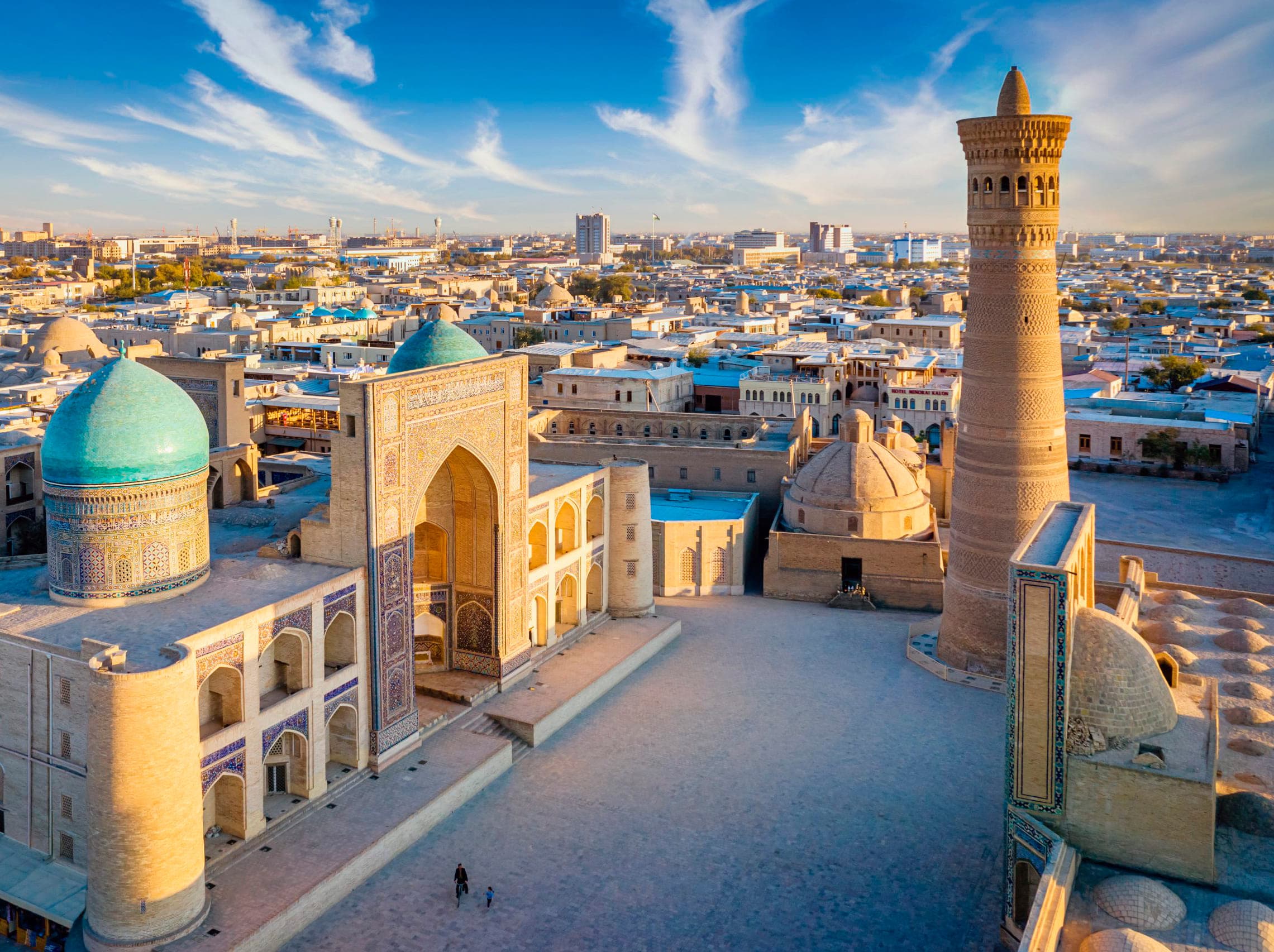
The road to Boysun moves the route from river heat and archaeology toward red slopes, village roofs, and the cooler air below Baysuntau.
In Boysun, tea, bread from the tandoor, cloth in someone's hands, and a remembered song bring the mountains close without turning local culture into a show.
When the spring festival calendar fits, Boysun gathers music, dress, food, games, and mountain setting together. Dates and local hosts should be confirmed before the route is finalized.
Before you go
Boysun should not read as one more stop after Termez. It changes the southern route when the mountain road, living traditions, local hosts, and season are planned with care.
The road sets the visit before the town appears. Heat, red earth, slopes, and village roofs prepare a different pace from the archaeological route around Termez.
In Boysun, heritage is strongest beside the people who carry it.
Music, embroidery, bread, and courtyard conversation matter most when they remain close to local hosts, not staged as a quick demonstration.
Mountain roads, village meetings, and festival timing need current checks. Boysun feels better when the route follows real local conditions rather than a fixed checklist.
Add Boysun when the route after Termez can slow down: the mountain road, a courtyard pause, a local voice, and the cooler air below Baysuntau.
Before you go Where to start
Mountain-and-culture town in Surkhandarya, usually paired with Termez.
Main reason to come
UNESCO-recognized intangible cultural space, village life, music, craft memory, and Baysuntau landscapes.
Season and access
Spring and autumn are easiest; festival travel needs current date and host confirmation.
Route role
Mountain-and-culture continuation after the archaeology around Termez.
After Boysun
Termez remains the natural place for flights, hotels, archaeology, and the wider Surkhandarya route before or after Boysun.
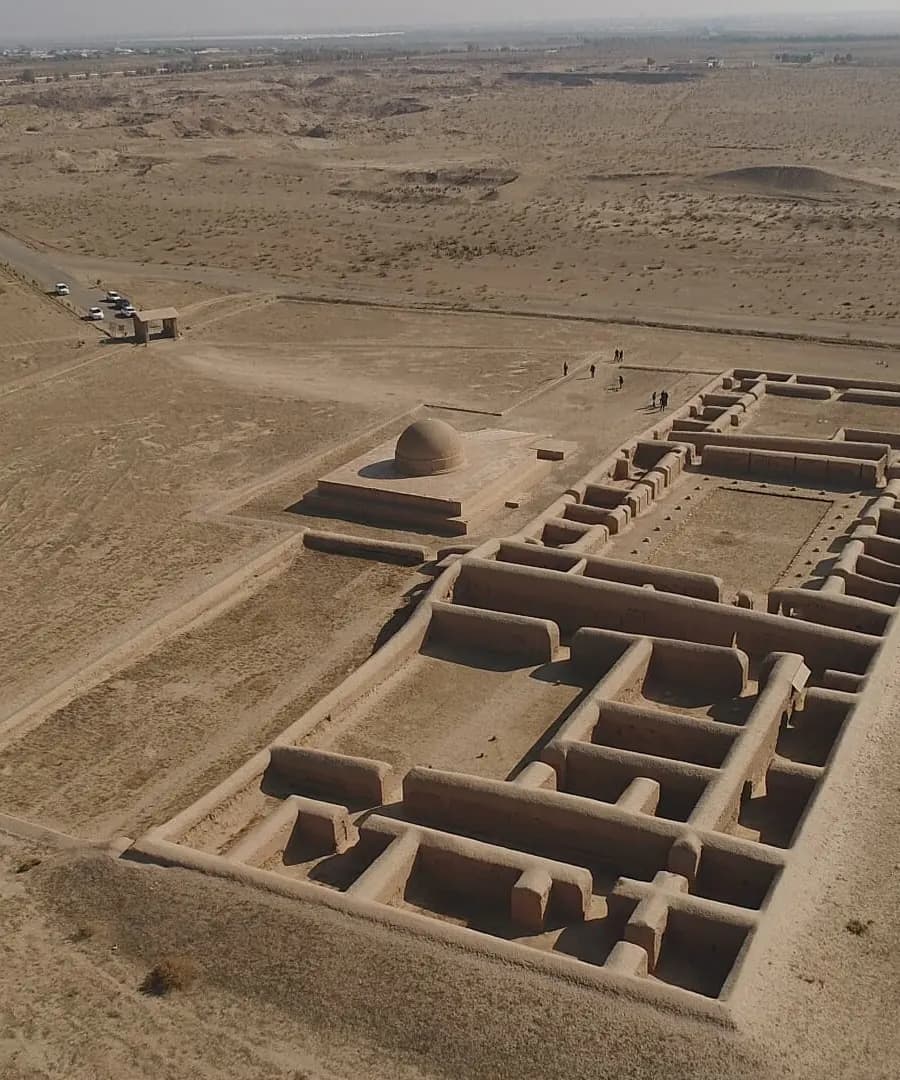
Termez takes the Uzbekistan route south to Ancient Termiz, Buddhist sites, shrine courtyards, the archaeology museum, and the road toward Boysun.
ViewCity in detail
Walking time, overnight location, and when day trips make sense.
2–3 nights is usually enough when the old core or main anchors get a full walking window. City tone: “Mountain culture, red earth, and living memory”.
Start with the compact city walk first. Day trips only after the centre has settled — otherwise the stop feels like a transfer with monuments attached.
Stay close enough for an evening return on foot or a short transfer. That keeps tea, dinner, and a second pass through the lanes easy without burning the next morning.
On request
We help agencies set a realistic pace and choose the right next move — without rushing the places that matter.