
TourLink
About
Termez changes the pace of an Uzbekistan journey.
Termez is not a one-square city. The modern center helps you start, but the main route spreads toward Ancient Termiz, Buddhist sites, shrine courtyards, and Boysun if the southern route continues.
The archaeology museum, Old Termez, Fayaz Tepa, Zurmala, Sultan Saodat, and the Amu Darya edge make more sense when the route begins with what each place is and why it sits outside the modern center.
Agencies and travellers who need Termez as a readable stop — strong places, honest pacing, and logistics that hold.
Getting around
Termez is not a one-square city. The modern center helps you start, but the main route spreads toward Ancient Termiz, Buddhist sites, shrine courtyards, and Boysun if the southern route continues.
How to approach it
The archaeology museum, Old Termez, Fayaz Tepa, Zurmala, Sultan Saodat, and the Amu Darya edge make more sense when the route begins with what each place is and why it sits outside the modern center.
The archaeology museum helps place Kushan, Buddhist, and Islamic material before the route moves to Old Termez and the open-air sites.
City anchors
The map keeps the modern city, the archaeology museum, Ancient Termiz, and the onward road visible together, so the southern route does not become a set of isolated stops.
What to see
Start with the places that explain Termez from the ground up: Ancient Termiz, museum rooms, Buddhist remains, clay ruins, and shrine courtyards outside the modern center.
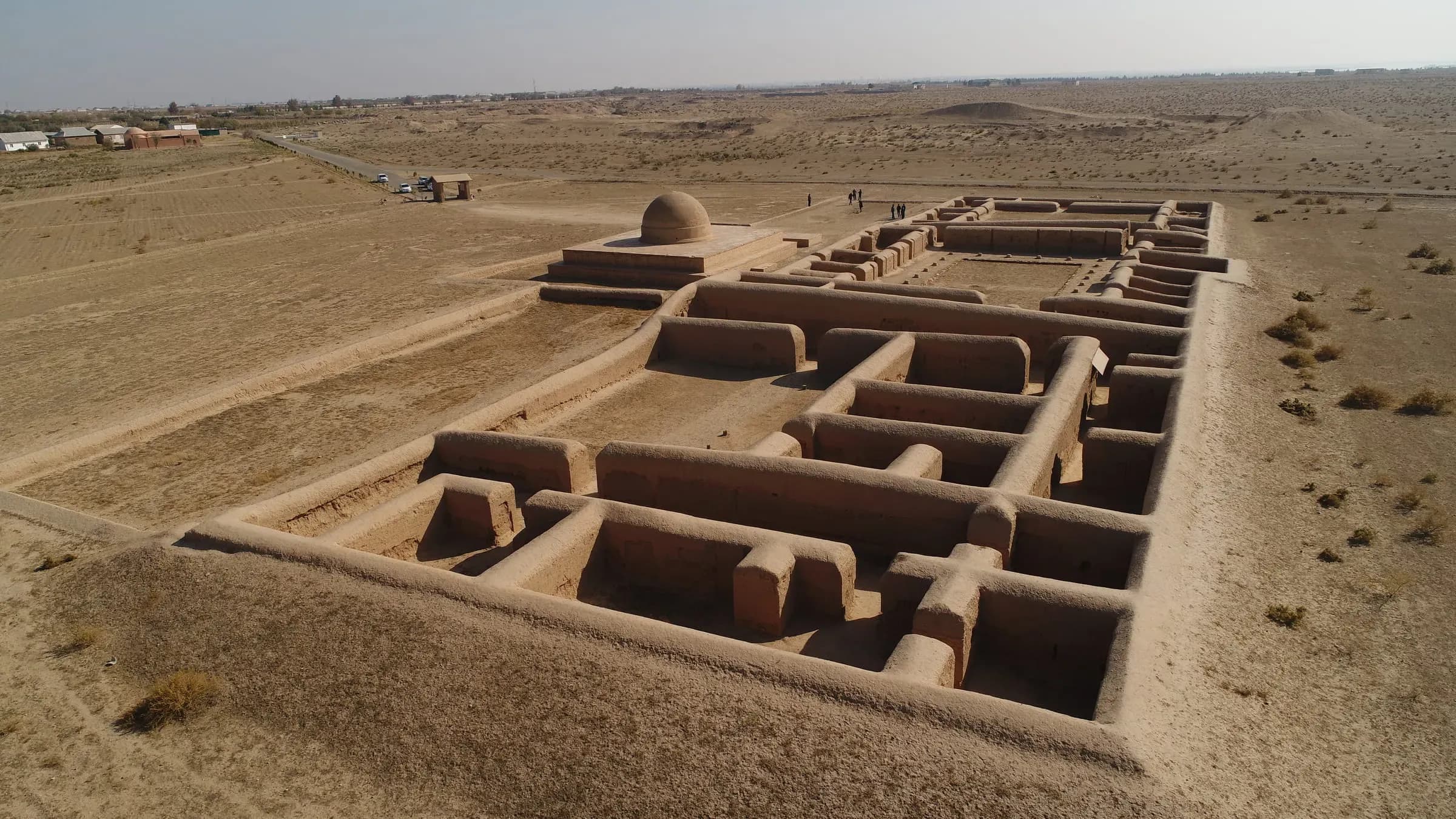
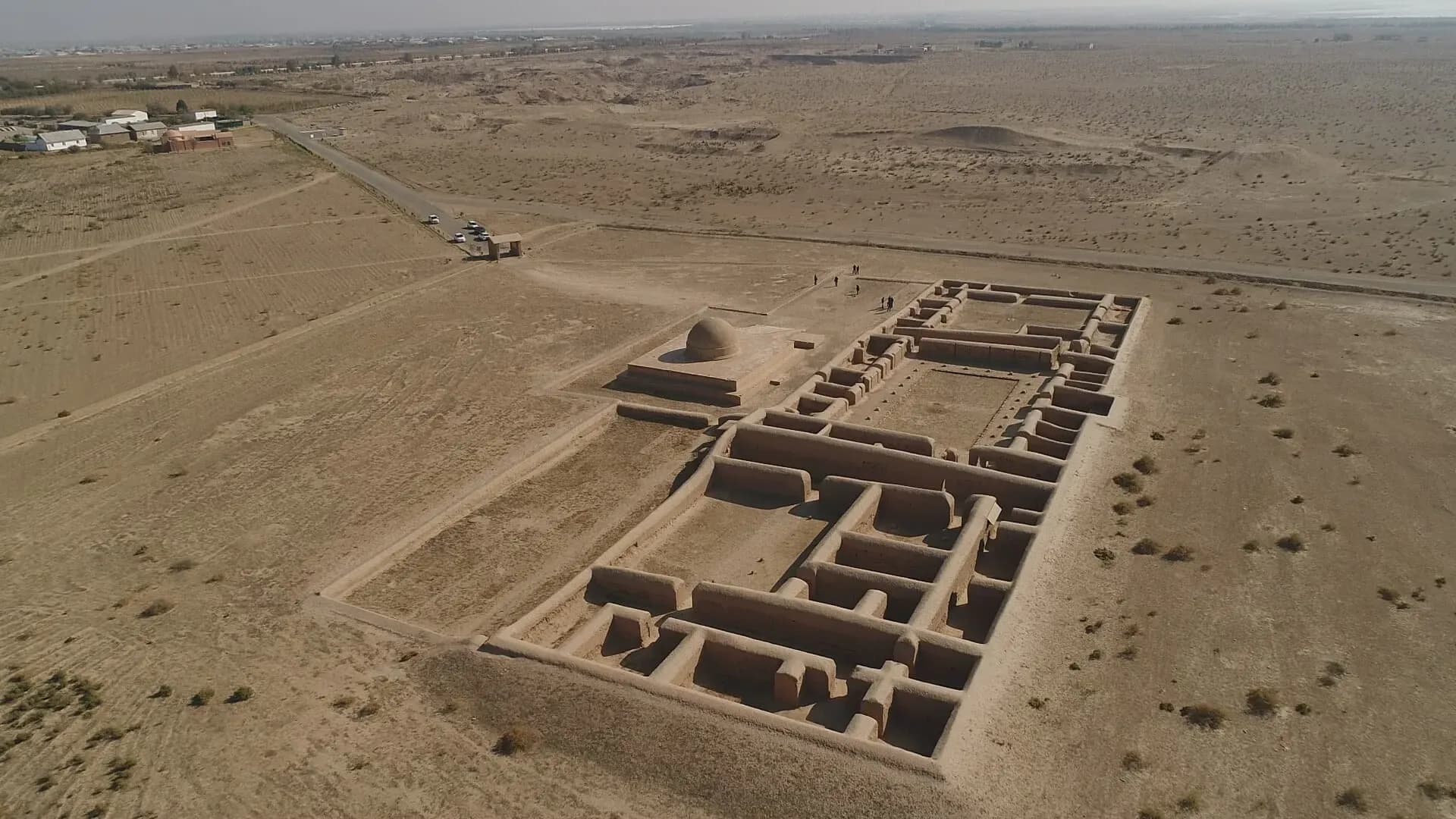
Ancient Termiz gives the Termez route its older scale. West of the modern city, citadel traces, Buddhist sites, stupa remains, shrine routes, and the Amu Darya edge connect the museum, Fayaz Tepa, Zurmala, and later memorials into one southern landscape.
Open place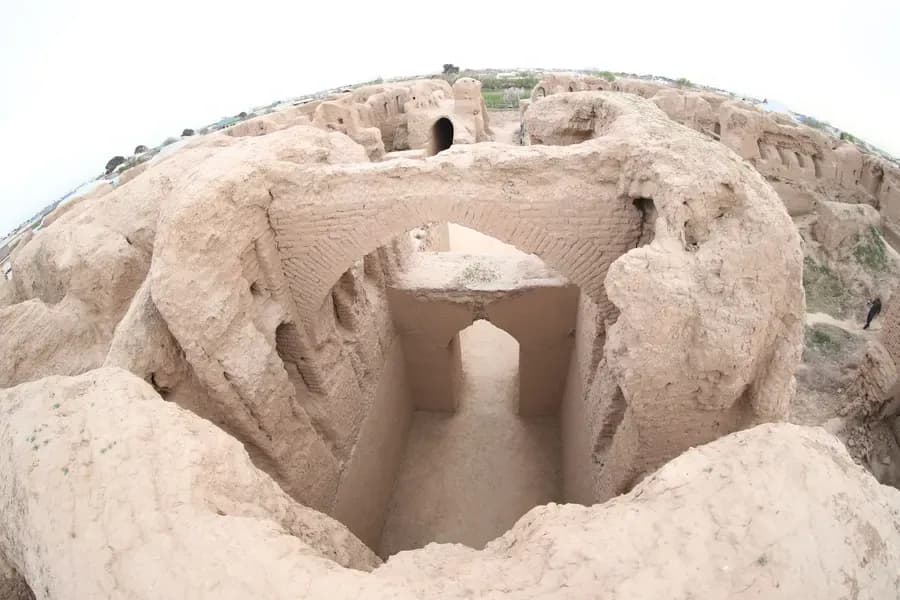
Start here when the Termez route needs context before the open sites. The museum connects Buddhist fragments, Kushan-era material, ceramics, stone objects, and maps with the places outside the city, from Fayaz Tepa to Zurmala and Ancient Termiz.
Open place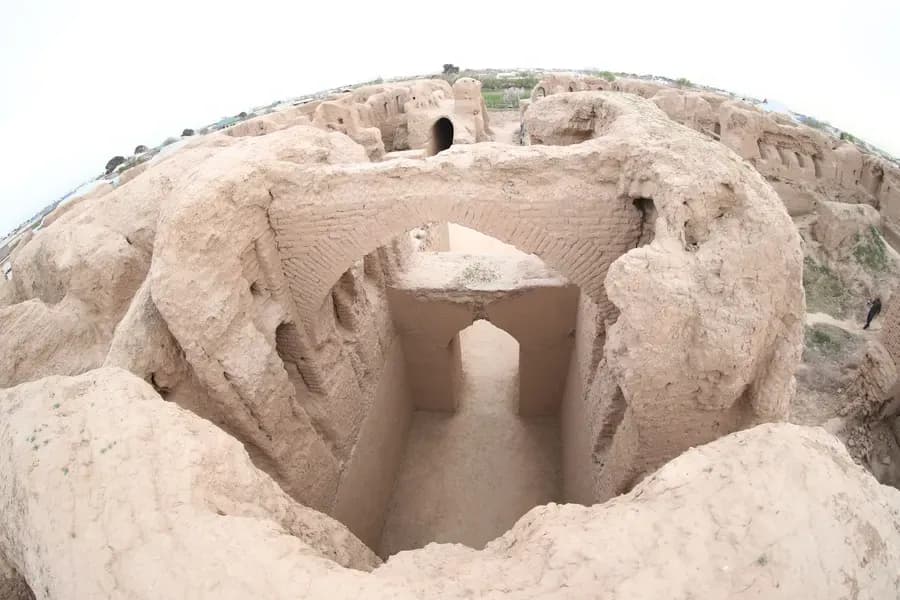
Fayaz Tepa gives Termez a different kind of scale: not a portal or skyline, but a Buddhist monastery site on open ground near Old Termez. Low walls, stupa remains, and museum context help the southern route turn from monuments to archaeology.
Open place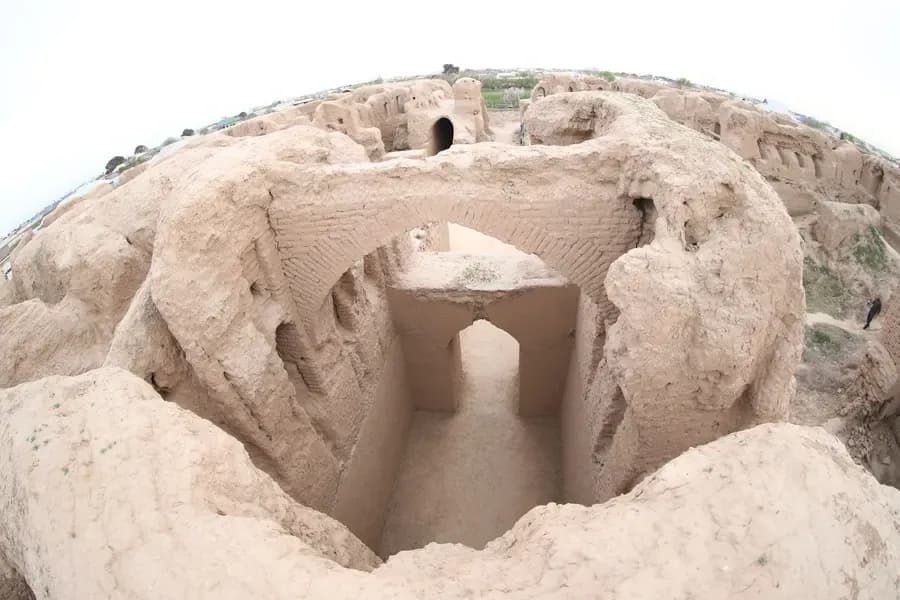
Zurmala gives Termez's Buddhist past one clear surviving form: a rounded brick stupa near the Ancient Termiz archaeological area. It is easier to understand after the museum and beside Fayaz Tepa, when finds, monastery walls, and the stupa support the same story.
Open place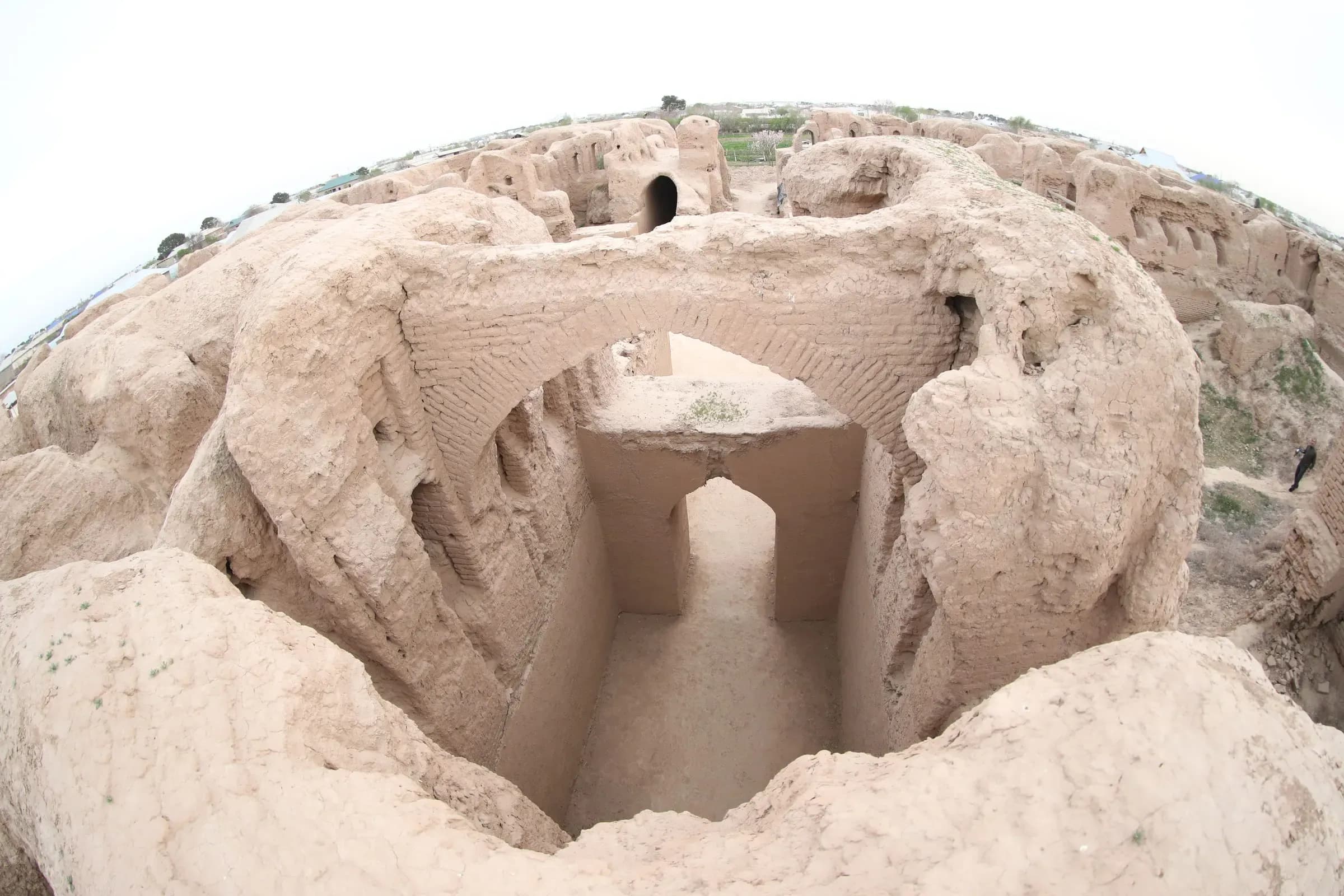
Kirk Kiz brings the Termez route to a square clay ruin near the city: walls, corner forms, corridors, and a "forty girls" legend that should be heard as legend, not as settled history.
Open place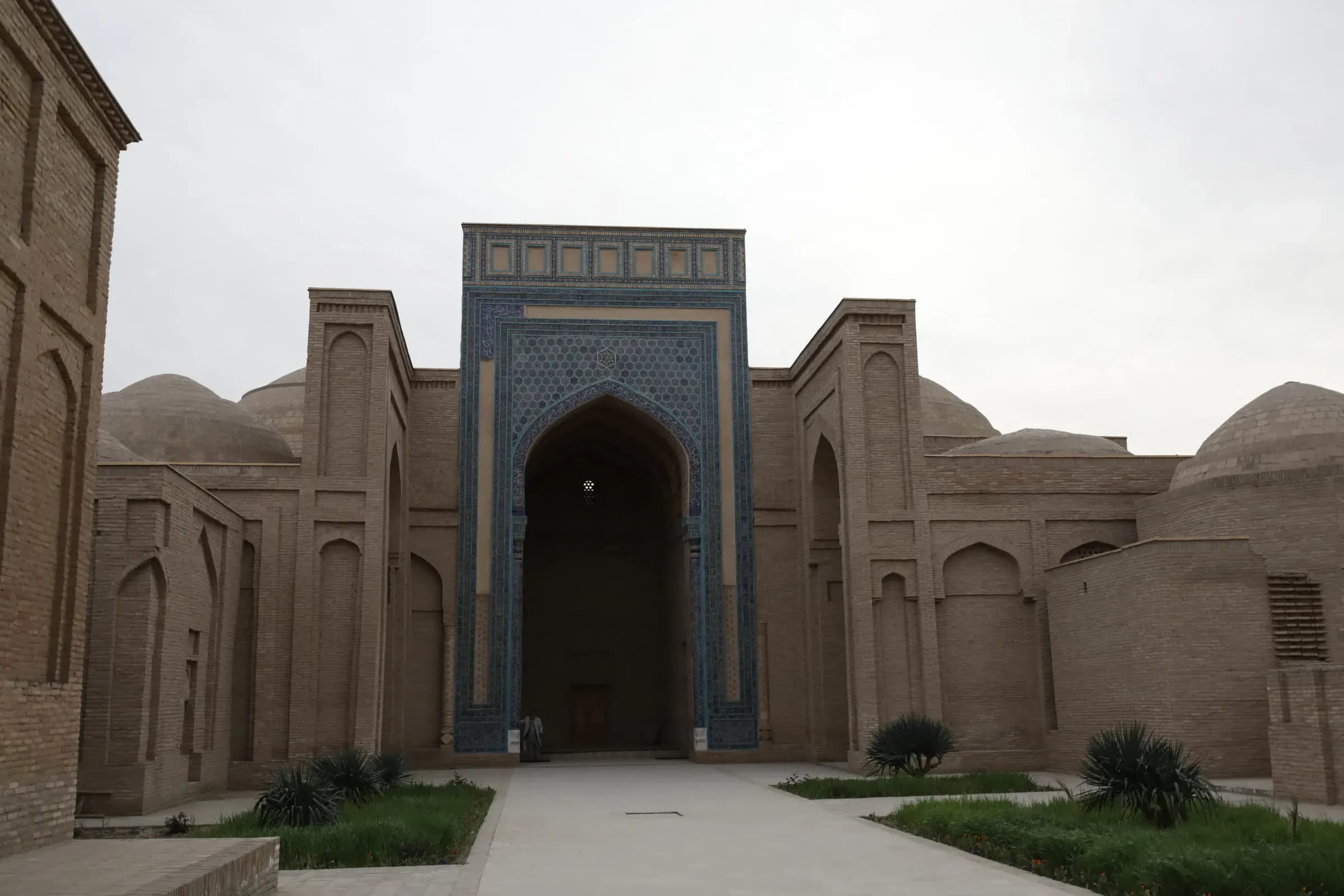
Sultan Saodat brings brick mausoleums, ayvans, and a long courtyard into the Termez route. Built around the burial places of the Termez Seyyids over several centuries, the complex adds an Islamic memorial setting after the Buddhist and Kushan sites.
Open place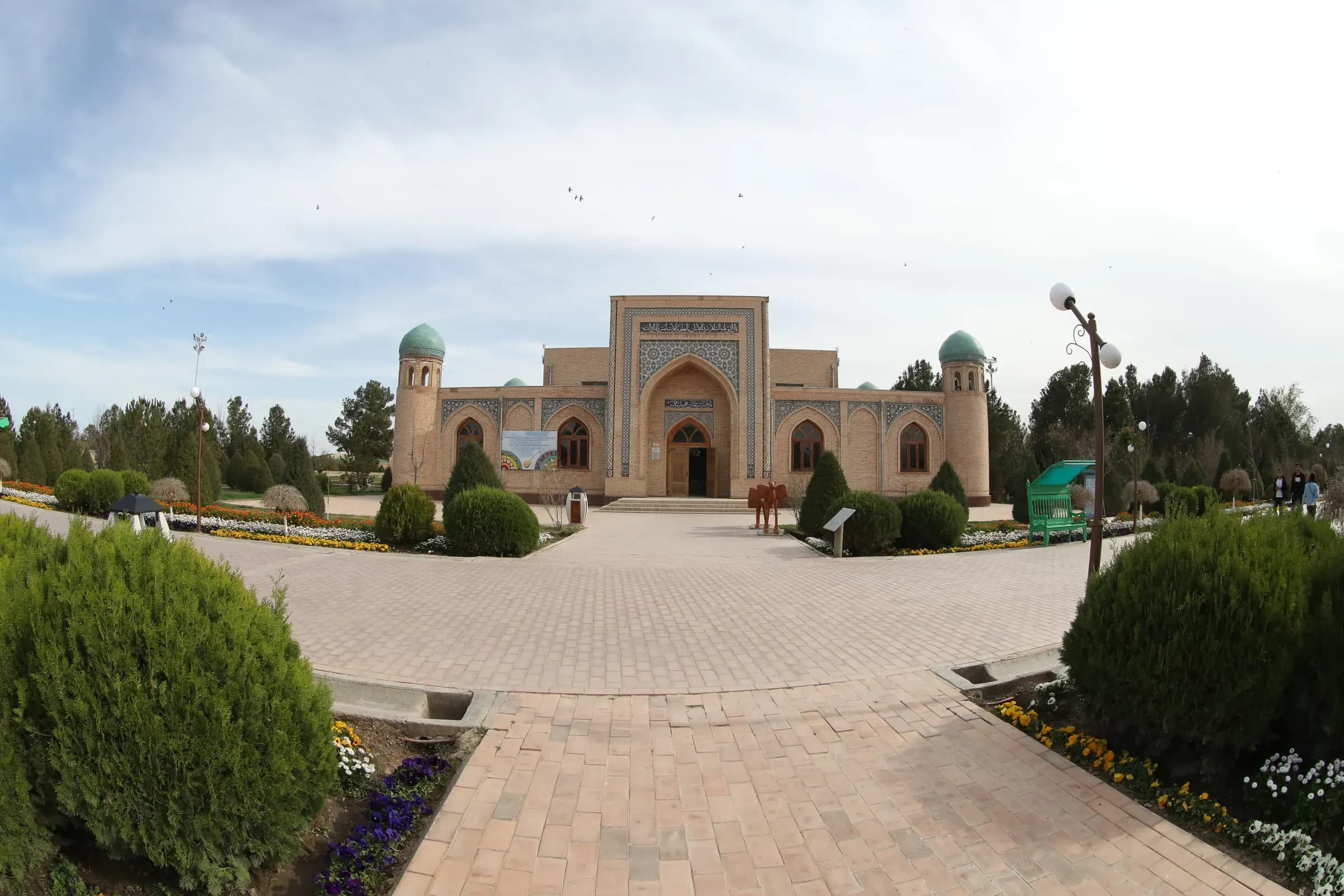
Al-Hakim at-Termizi Mausoleum adds the scholarly and pilgrimage side of Termez to the southern route. Near Ancient Termiz, the complex gathers the mausoleum, mosque, khanaqah, and the memory of the scholar remembered as Termez-ota.
Open placeRoute moments
Termez is not only a list of monuments: museum rooms before the sites, clay walls under open sky, shrine courtyards, and the Amu Darya close to the southern edge.
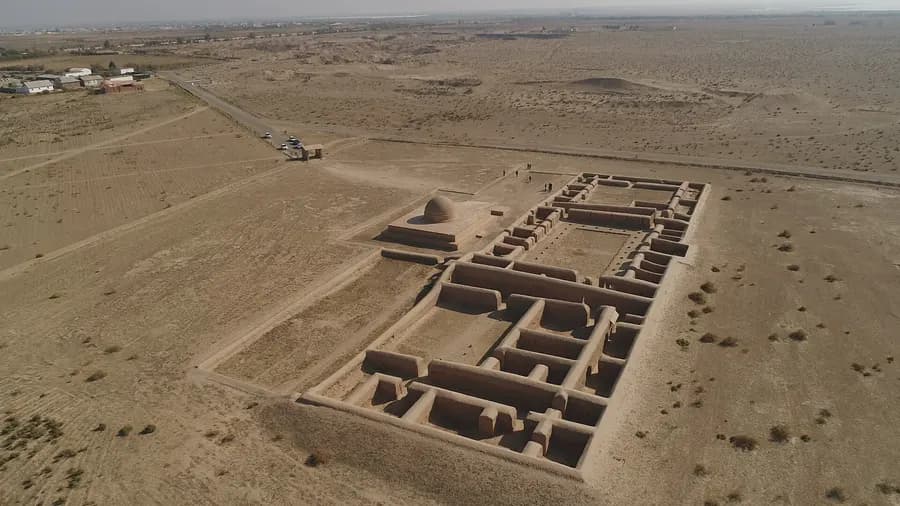
Museum rooms give the ruins outside Termez a first shape: Kushan material, Buddhist fragments, ceramics, and the questions to carry toward Old Termez.
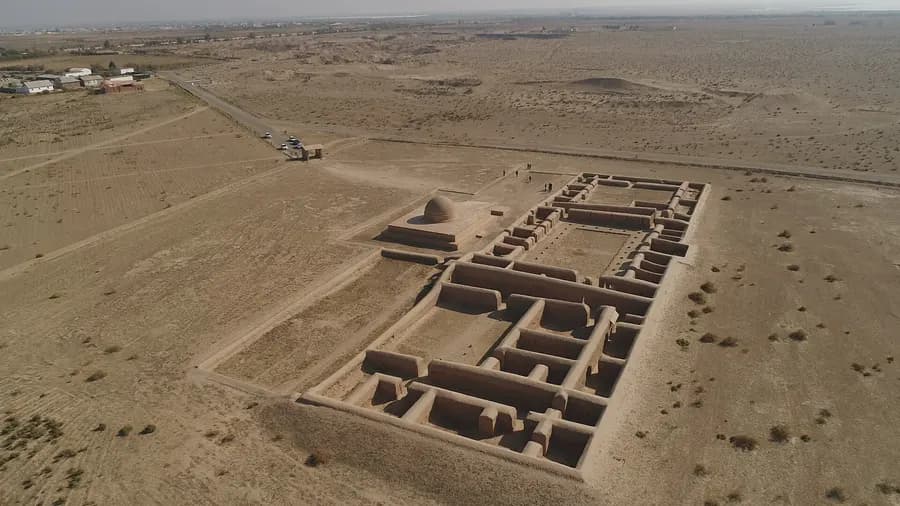
Outside the modern city, Ancient Termiz turns history into ground underfoot: low walls, citadel traces, Buddhist sites, and the wider southern landscape.
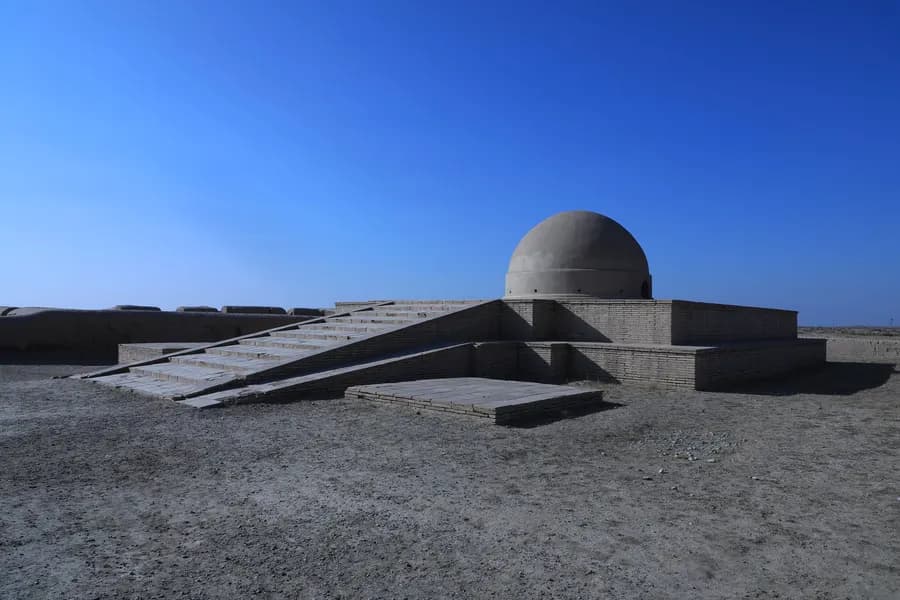
Fayaz Tepa, Kara Tepa, and Zurmala ask for a careful look: clay walls, stupa traces, and fragments that become clearer after the museum.
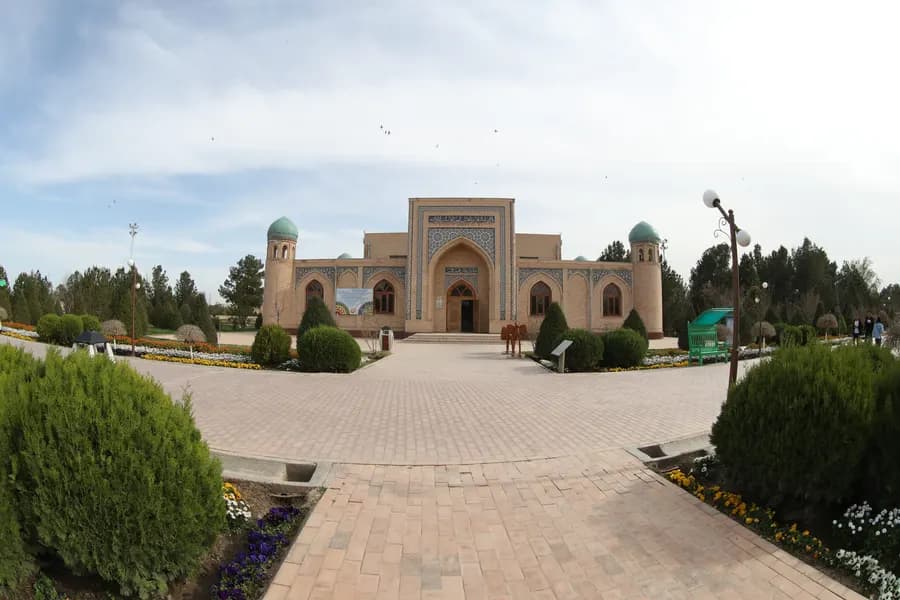
Sultan Saodat and Al-Hakim at-Termezi bring the route into brick courtyards, prayer spaces, and people remembered in Termez after the open archaeological sites.
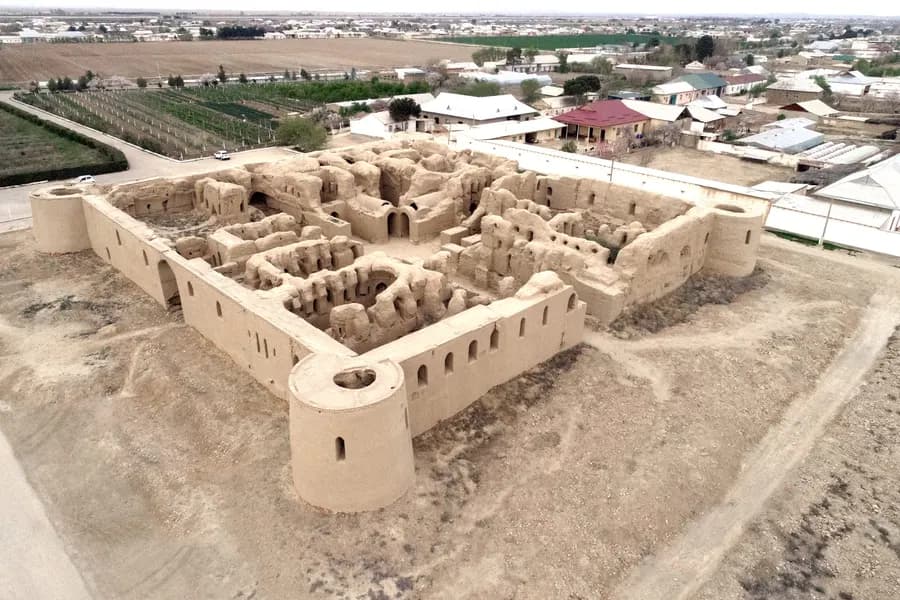
Kirk Kiz adds a different ruin to the Termez route: square clay walls, uncertain stories, and the need to separate legend from what the site can actually show.
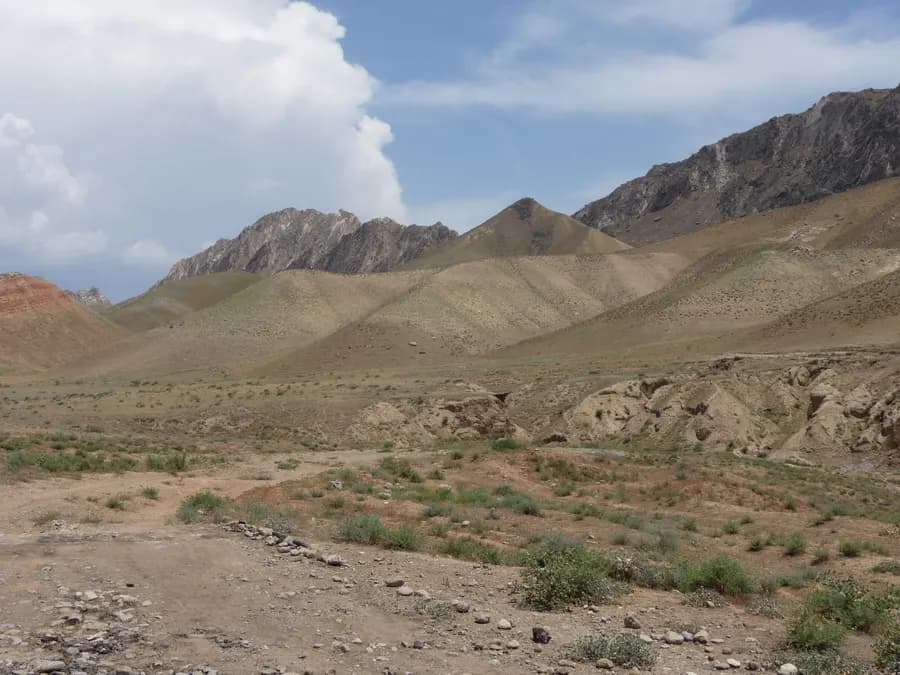
When the route continues, Boysun moves Surkhandarya from Termez archaeology toward ridges, village roads, music, and a cooler mountain setting.
Before you go
Termez needs a calmer plan than a quick add-on after the classic cities. Start with the museum or an introductory stop, then move to Ancient Termiz, Buddhist remains, shrine courtyards, and the route toward Boysun with heat and access in mind.
The archaeology museum or another introductory stop helps set the order before you leave the modern city. After that, Ancient Termiz, museum material, and the open sites do not feel like separate fragments.
In Termez, the route turns from monument cities toward the older south.
Old Termez, Fayaz Tepa, Kara Tepa, and Zurmala need a slower look: low walls, clay, stupa traces, and open ground make sense when you know what survived.
Sultan Saodat and Hakim at-Termizi bring the route into brick courtyards, prayer spaces, and people remembered in Termez after the open archaeological sites.
Come when the southern route matters, not as a quick detour. Termez needs museum context, heat-aware timing, and access checks for open sites.
Before you go Where to start
Begin in the modern city or at the archaeology museum before continuing to Ancient Termiz and the open-air sites.
Main reason to come
Buddhist and Kushan-era archaeology around Ancient Termiz, with Islamic memorials adding the later city story.
Season and access
Spring and autumn are easier for open ground; hot months need earlier site visits, water, and current access checks.
Route role
Southern Uzbekistan extension after the classic cities, with Boysun as a separate continuation when the route includes the mountains.
After Termez
Boysun changes Surkhandarya from archaeological city sites to ridges, red earth, village roads, music, and mountain culture. It belongs as a planned continuation, not a spare stop.
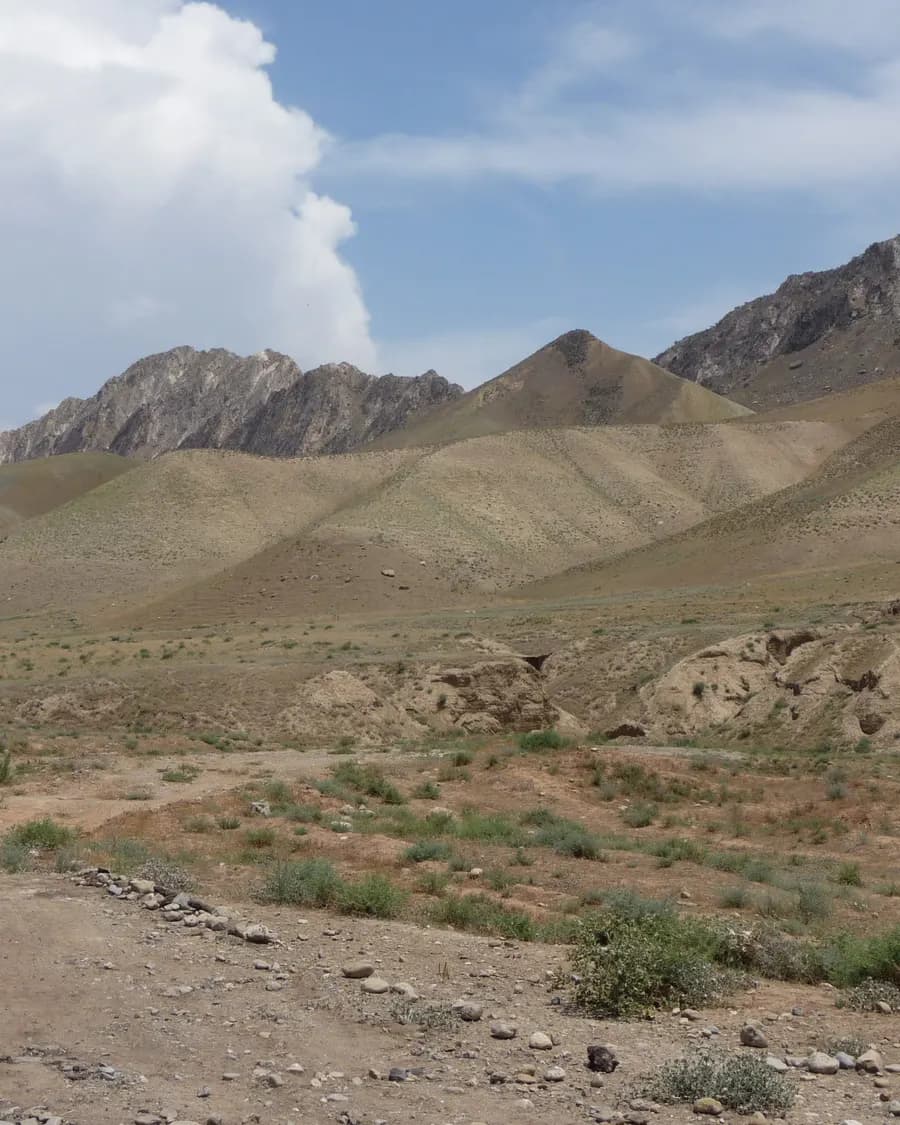
After Termez, Boysun takes the southern route toward Baysuntau ridges, village courtyards, music, craft memory, and mountain roads.
ViewCity in detail
Walking time, overnight location, and when day trips make sense.
2–3 nights is usually enough when the old core or main anchors get a full walking window. City tone: “Ancient Termiz, Buddhist sites, and the Amu Darya edge”.
Start with the compact city walk first. Day trips only after the centre has settled — otherwise the stop feels like a transfer with monuments attached.
Stay close enough for an evening return on foot or a short transfer. That keeps tea, dinner, and a second pass through the lanes easy without burning the next morning.
On request
We help agencies set a realistic pace and choose the right next move — without rushing the places that matter.