
TourLink
About
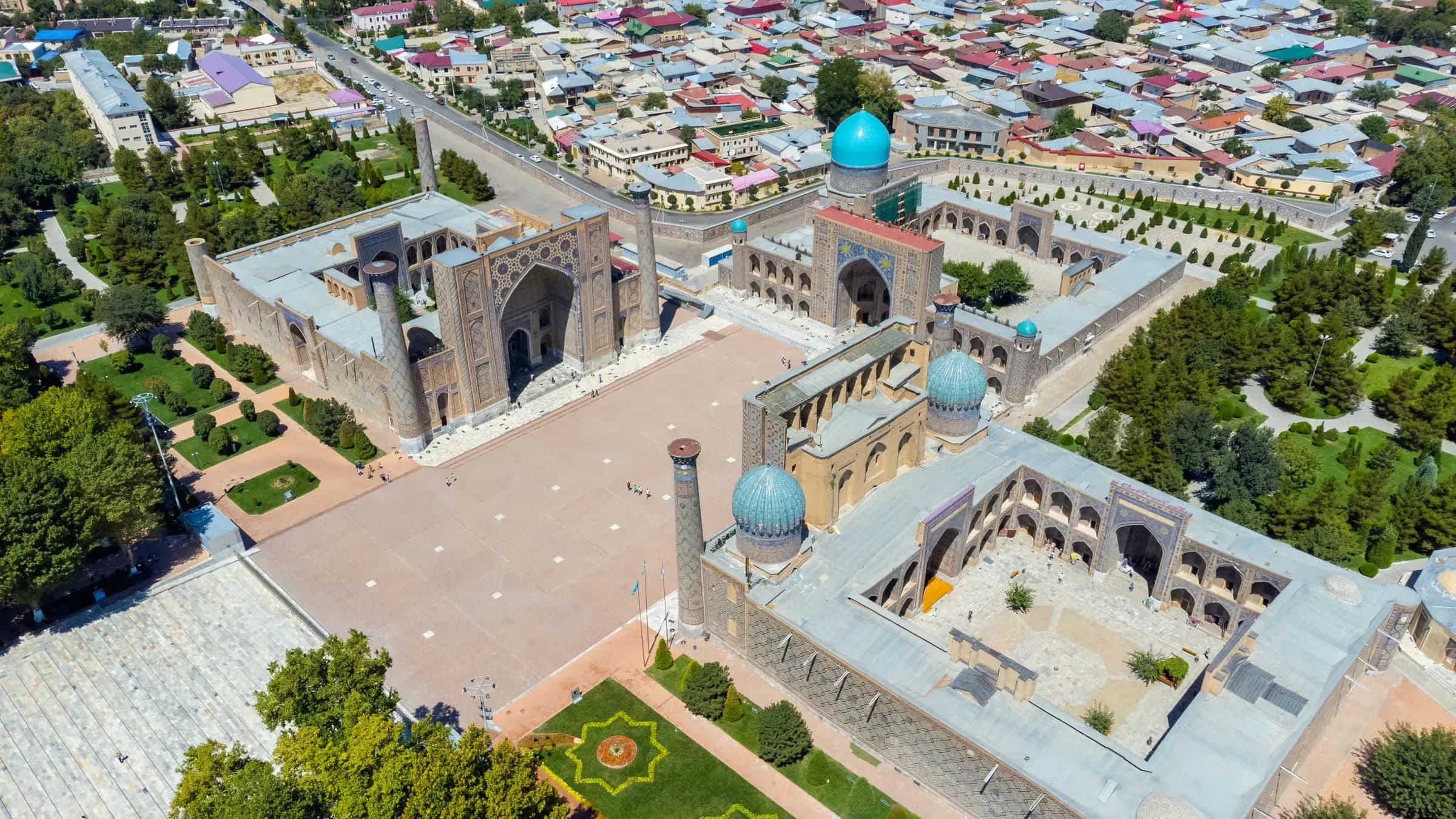
Start with Samarkand city: Registan, Shah-i-Zinda, Bibi-Khanym, Siab Bazaar, Gur-e-Amir, Afrosiab, and Ulugh Beg Observatory make a clear first day.
Samarkand region is clearer when the route first gives the city time, then chooses one wider continuation. Leave room for the old city, main monuments, bazaar, Afrosiab, and Ulugh Beg Observatory; after that, choose Konigil, Urgut, pilgrimage places, a village road, or the train to Bukhara.
Samarkand can look easy on the map, but the better day gives the city time and chooses one outer outing before the route continues to Bukhara.
Agencies and travellers who need Samarkand as a readable stop — strong places, honest pacing, and logistics that hold.
Getting around
Samarkand region is clearer when the route first gives the city time, then chooses one wider continuation. Leave room for the old city, main monuments, bazaar, Afrosiab, and Ulugh Beg Observatory; after that, choose Konigil, Urgut, pilgrimage places, a village road, or the train to Bukhara.
Route rhythm
Samarkand can look easy on the map, but the better day gives the city time and chooses one outer outing before the route continues to Bukhara.
The high-speed train gives a clear opening, but the region should not be compressed into a transfer: the first day needs room for the old city, the bazaar, and an unhurried story.
Main places
The visible points keep the first city day clear; Konigil, Urgut, Imam al-Bukhari, village roads, and the train to Bukhara show how the region continues beyond the square.
Region character
Samarkand region is held together by contrast: the country's most recognizable monuments stand close together, but the journey deepens when archaeology, a workshop, the bazaar, pilgrimage places, and the road toward Bukhara join them. «Samarkand region is clearer when Registan becomes the beginning, not a replacement for the whole route.»
Where the region begins
Samarkand is the natural beginning of the region. From there, the route chooses one continuation: Konigil for craft, Urgut for the market and mountain side, pilgrimage places for a calmer outing, village roads, or the train to Bukhara.
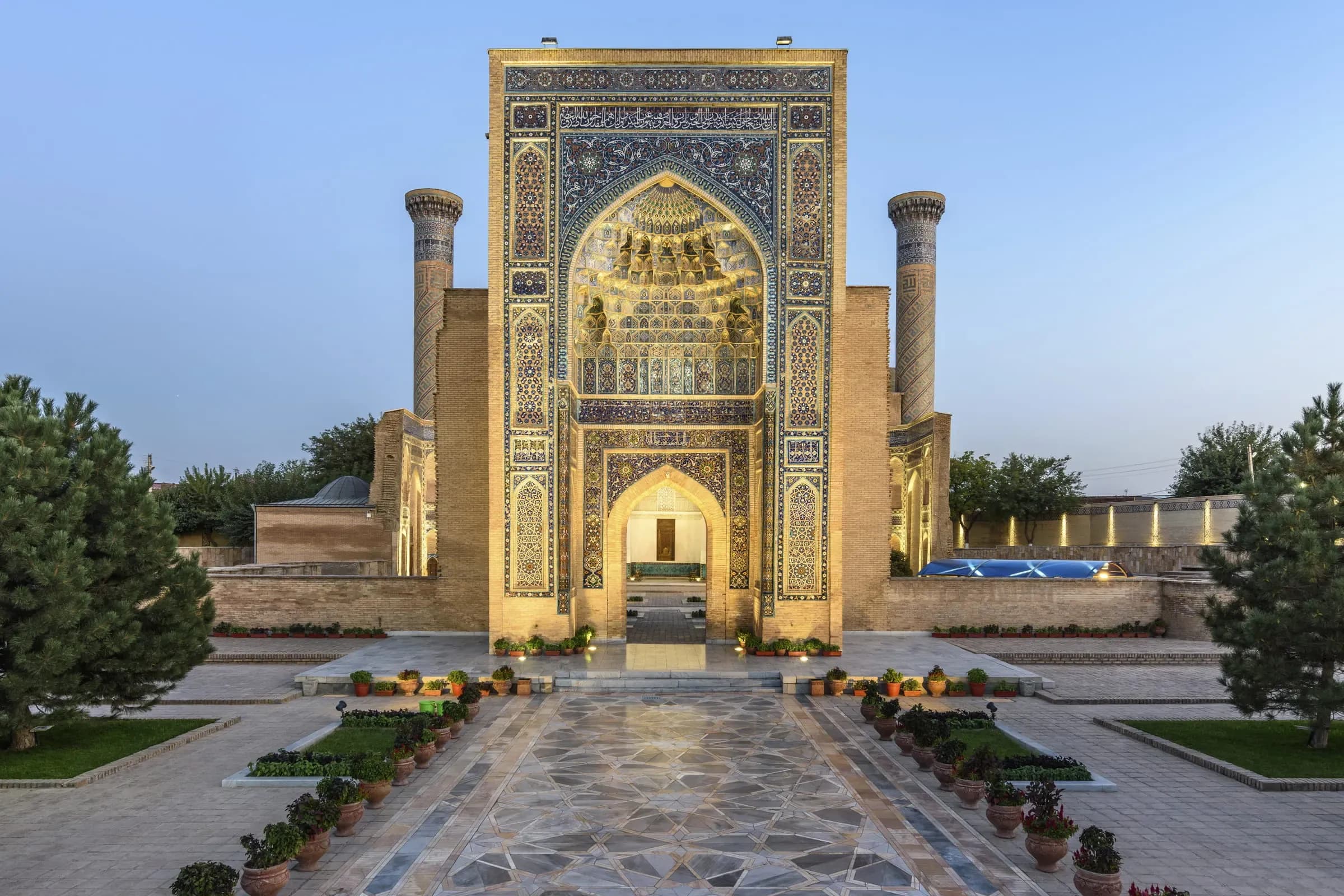
Registan may be the first image travelers carry of Uzbekistan, but Samarkand is wider than one square. The day leads on to Shah-i-Zinda, Gur-e-Amir, Bibi-Khanym, Siab Bazaar, old lanes, early trains from Tashkent, Afrasiab beneath today's city, and the scientific story around Ulu
Open placeWhat reveals the region
The first places are Registan, Shah-i-Zinda, Bibi-Khanym, Gur-e-Amir, Afrosiab, Ulugh Beg Observatory, and Siab Bazaar. Then the meaning shifts: Konigil, Urgut, Imam al-Bukhari, Saint Daniel, Silk Road Samarkand, Tersak, and Chor-Chinor help show the region beyond a single city day.
The Tayloq-side mahalla setting explains Bogizagon as a small countryside turn after Samarkand, with the visit kept modest and place-specific.
Open placeThe Qo‘shrabot-side ovul setting explains Pangat as a small northern place with a local welcome, a short walk, and a return tied to Samarkand.
Open placeYangijoy’s village setting gives the stop its local scale. A developing tourism village near Samarkand, not a fixed attraction list.
Open placeThe first reason to stop in Omonqoton is the shift in air: the road leaves Samarkand’s city rhythm and begins to feel open, cooler, and slower.
Open placeThe Hazrati Dovud setting is the main reason Oqsoy should not be treated as a casual mountain stop. It brings sacred meaning to the Nurobod road and asks the route to slow down.
Open placeThe Urgut road is the first reason Tersak feels different from Samarkand. The road leaves the city scale, the air opens, and the village gives the visit a calmer pace.
Open placeRoute shapes
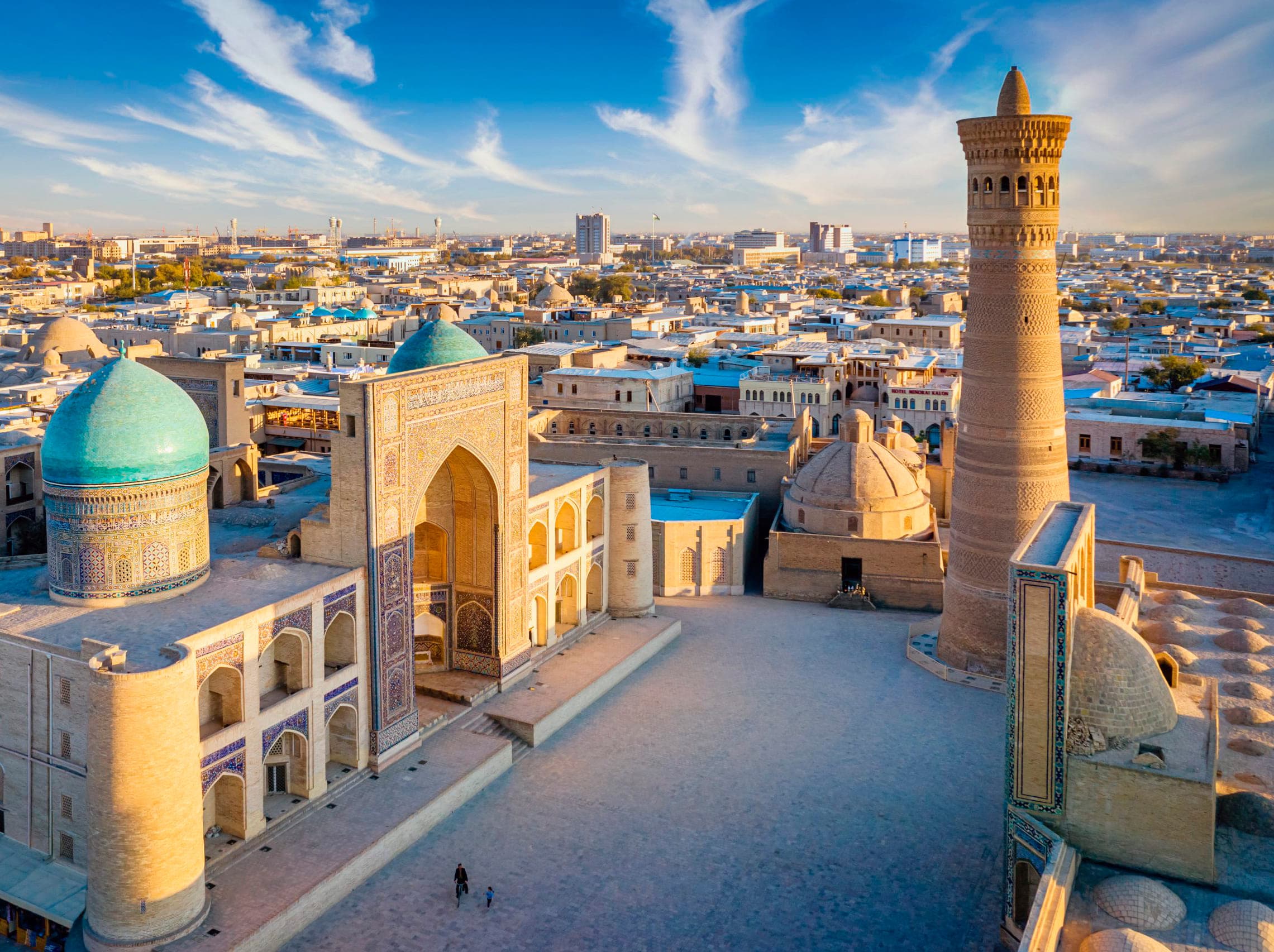
Samarkand often becomes the strongest memory of the trip, but a good route does not end at Registan. It leaves room for archaeology, craft, a pilgrimage outing, or a calm train continuation to Bukhara.
Region in detail
Pace, season, and how this region connects to the next stop.
3–5 days usually works if you keep one strong core and treat outer stops as deliberate choices. The region brief is “City monuments, craft, archaeology, and the road to Bukhara”.
Use neighbouring cities as clean handovers: arrive with a calm first night, leave after one completed chapter, and avoid stacking two long transfers on the same day.
Heat, altitude, road condition, and opening hours change the product more than the brochure list. Build the region around what stays comfortable for the group that week.
On request
We help agencies set a realistic pace and choose the right extensions — without rushing the places that matter.