
TourLink
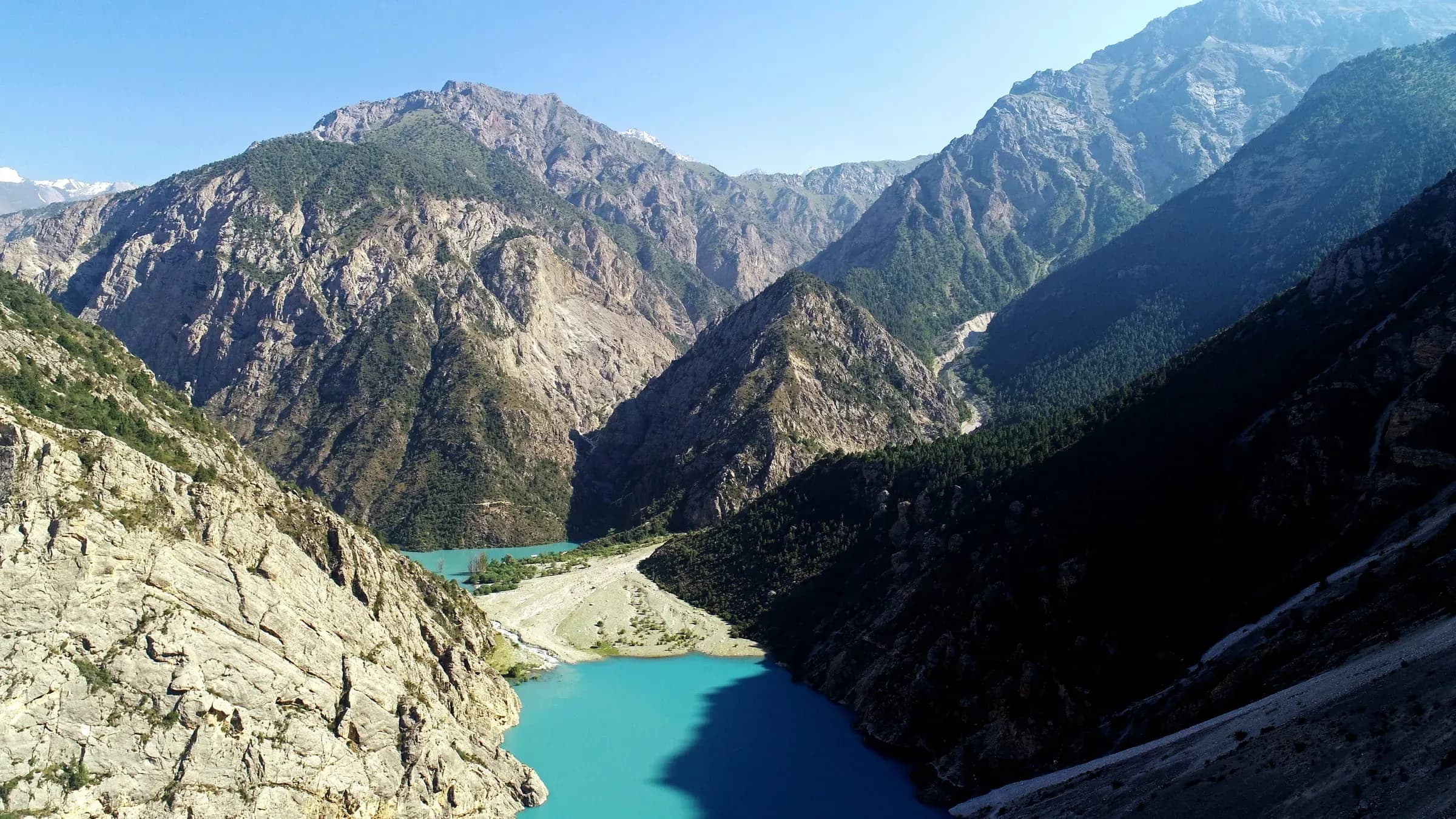
About
The Fergana Valley works best as an extension from Tashkent: the road over Kamchik Pass, Kokand palace history, Margilan silk workshops, and Rishtan ceramics give the first route a clear shape.
After Kamchik Pass, keep the first valley day clear: Kokand for palace history, Margilan for silk process, and Rishtan for ceramics. Wider valley places need their own time.
Use Kokand, Margilan, and Rishtan as the first clear shape: palace history, silk process, then ceramics. Add Fergana city, Andijan, Namangan, Chust, Kuva, or Shahimardan only when the itinerary has room for a broader valley day.
Agencies and travellers who need Fergana Valley as a readable stop — strong places, honest pacing, and logistics that hold.
Getting around
After Kamchik Pass, keep the first valley day clear: Kokand for palace history, Margilan for silk process, and Rishtan for ceramics. Wider valley places need their own time.
First route
Use Kokand, Margilan, and Rishtan as the first clear shape: palace history, silk process, then ceramics. Add Fergana city, Andijan, Namangan, Chust, Kuva, or Shahimardan only when the itinerary has room for a broader valley day.
Road conditions, rail choice, weather, and the first overnight point affect how much time remains for the valley after Tashkent.
Valley anchors
The map keeps the first route tight: Kokand for palace history, Margilan for silk process, and Rishtan for ceramics before wider valley extensions.
Region character
After Uzbekistan's landmark cities, the Fergana Valley turns the route toward workshops, markets, and craft towns, where silk and ceramics are seen as processes rather than finished pieces. «When Kokand, Margilan, and Rishtan each get enough time, the route comes together: palace history, silk process, then ceramics.»
Cities and craft towns
Kokand, Margilan, and Rishtan give the first route a clear shape: palace history, silk process, and ceramics. Add wider valley places only when the trip has enough days.
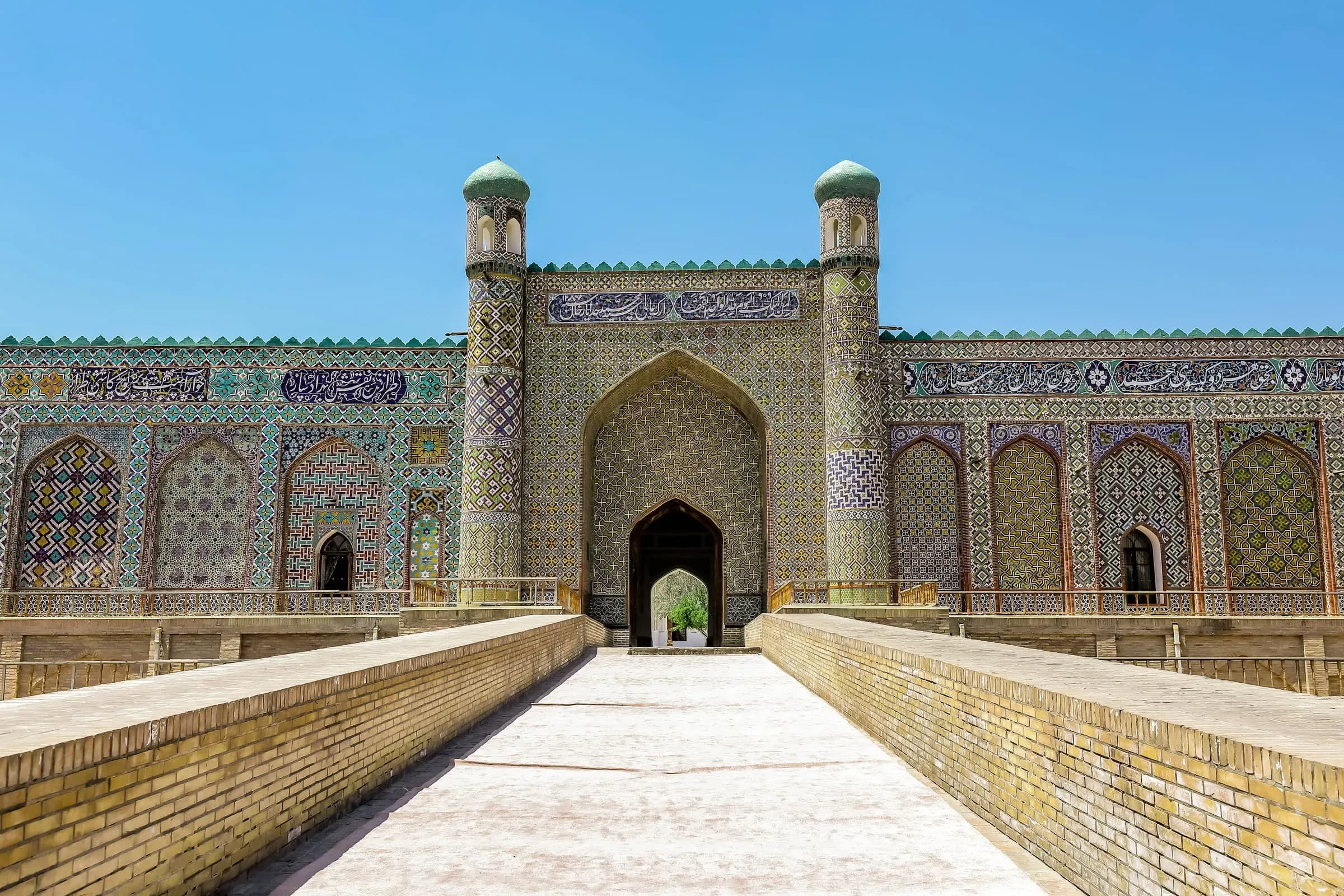
In Kokand, the Fergana Valley route turns to a former khanate capital: Khudoyar Khan Palace, Jameh Mosque, madrasah courtyards, khanate memorials, Kokand Craft House, and the road onward to Margilan silk and Rishtan ceramics.
Open place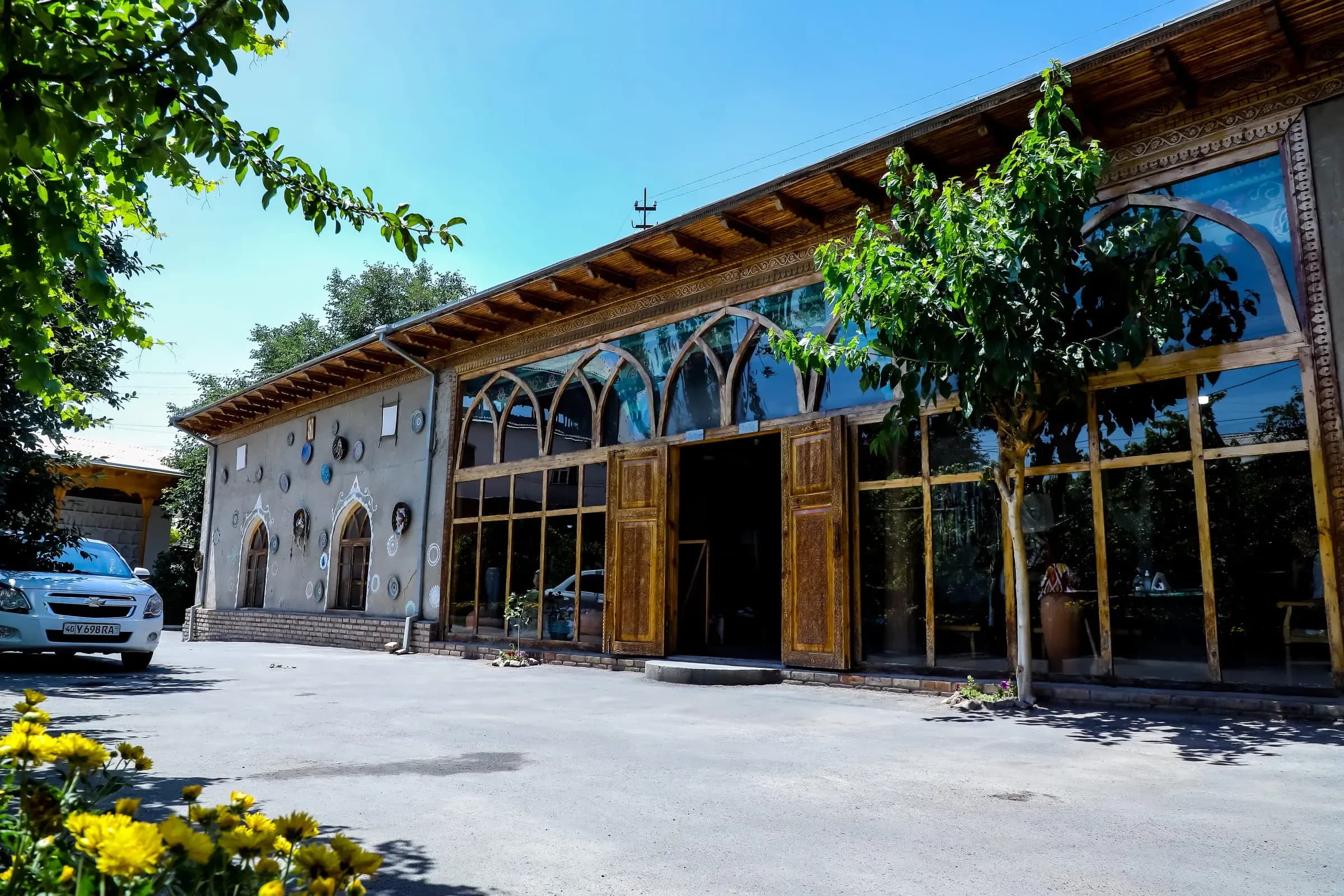
Start with Yodgorlik because it makes silk visible: cocoons, thread, dye, looms, fabric, and artisans at work. Then widen the visit carefully with the craft centre, atlas and adras, Said Ahmad-Khoja, Pir Siddiq, Kumtepa Bazaar, and the road toward Rishtan or Kokand.
Open place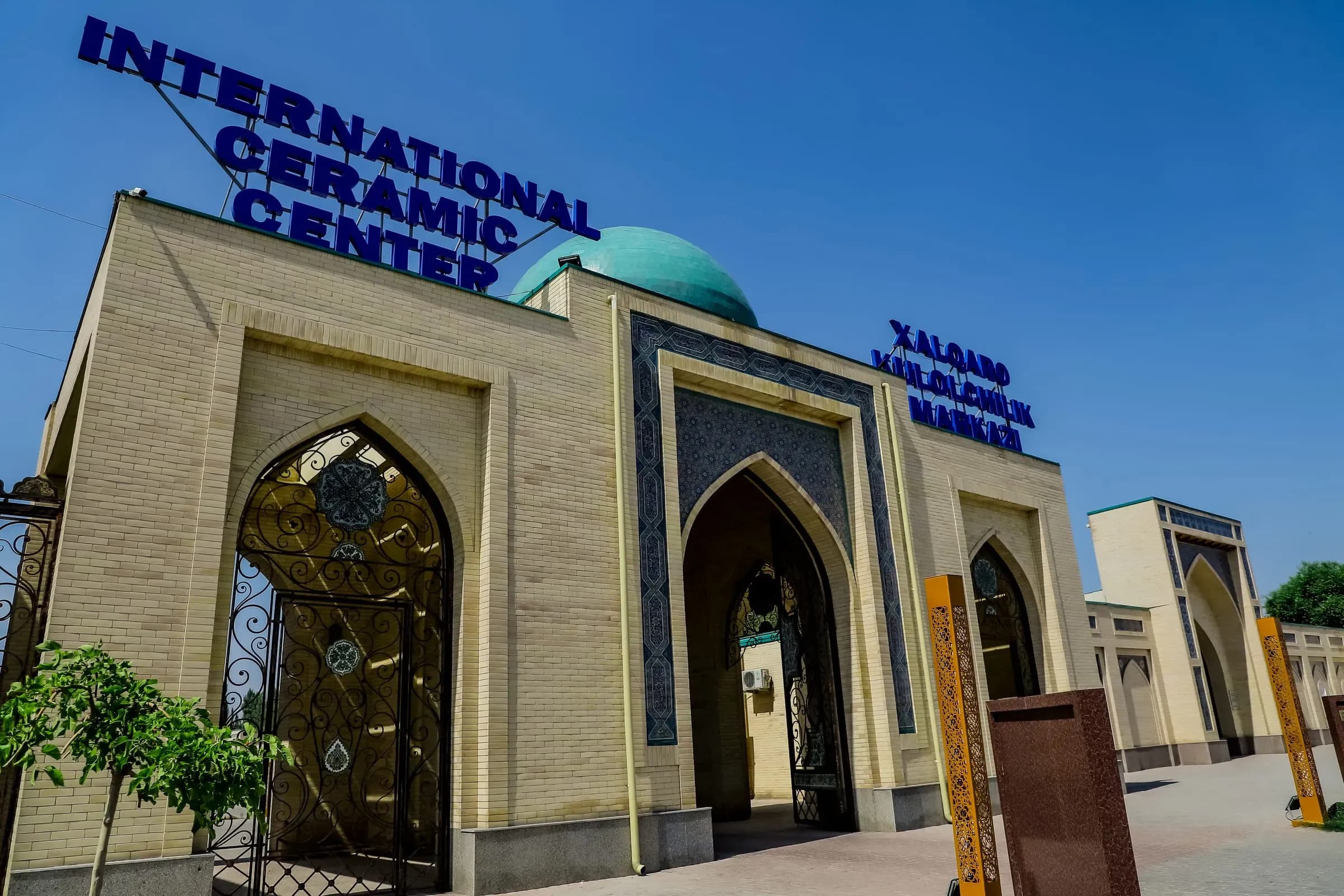
Rishtan is easiest to understand when you see the work before the finished bowl: clay on the wheel, a pattern before firing, blue-green glaze, shelves of drying pieces, and the artisans who keep the local school alive.
Open place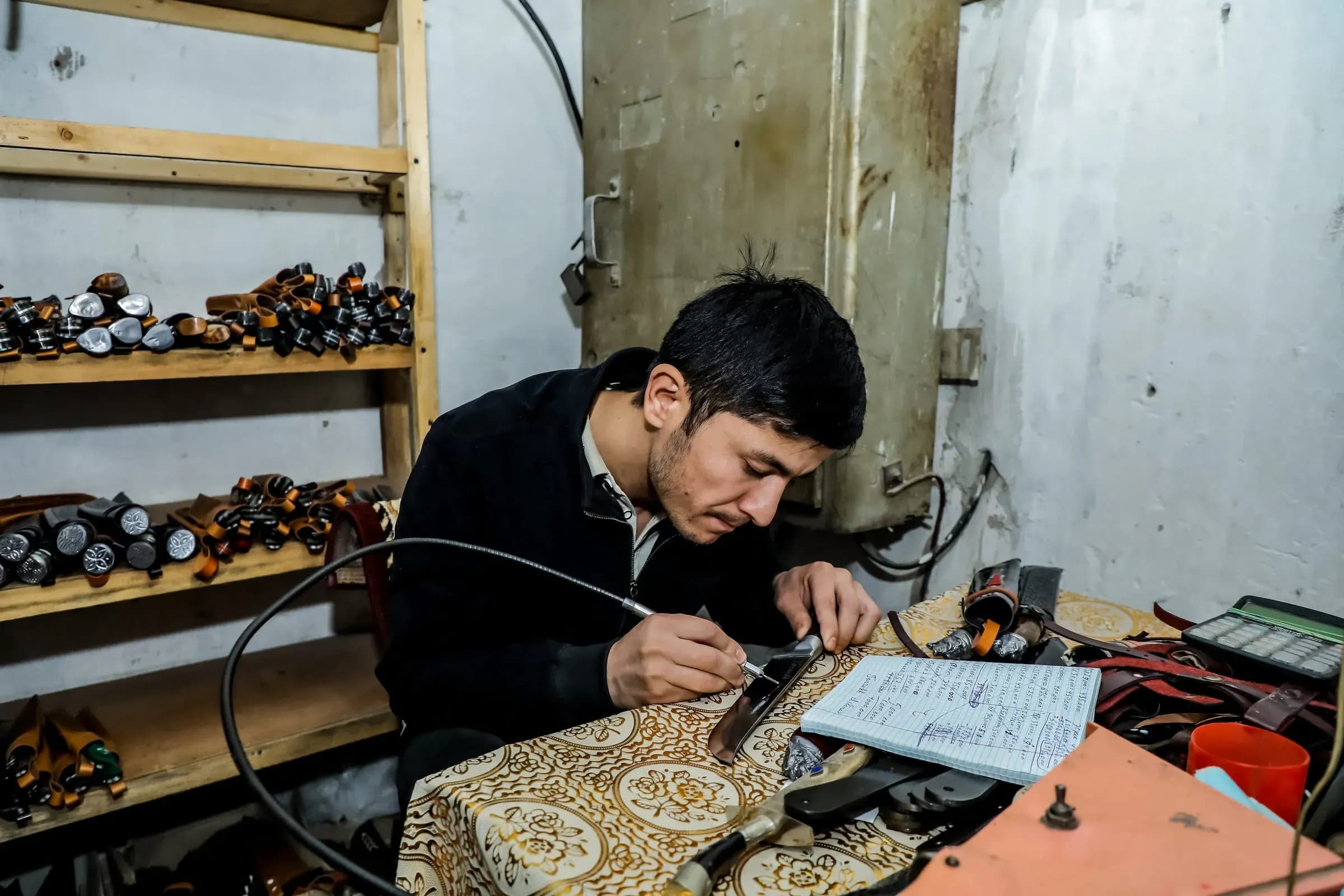
Chust is not a broad sightseeing city. It earns its place when the route can slow down for one clear craft encounter: a pichoq maker, doʻppi work, or a market pause explained by a local host or guide.
Open place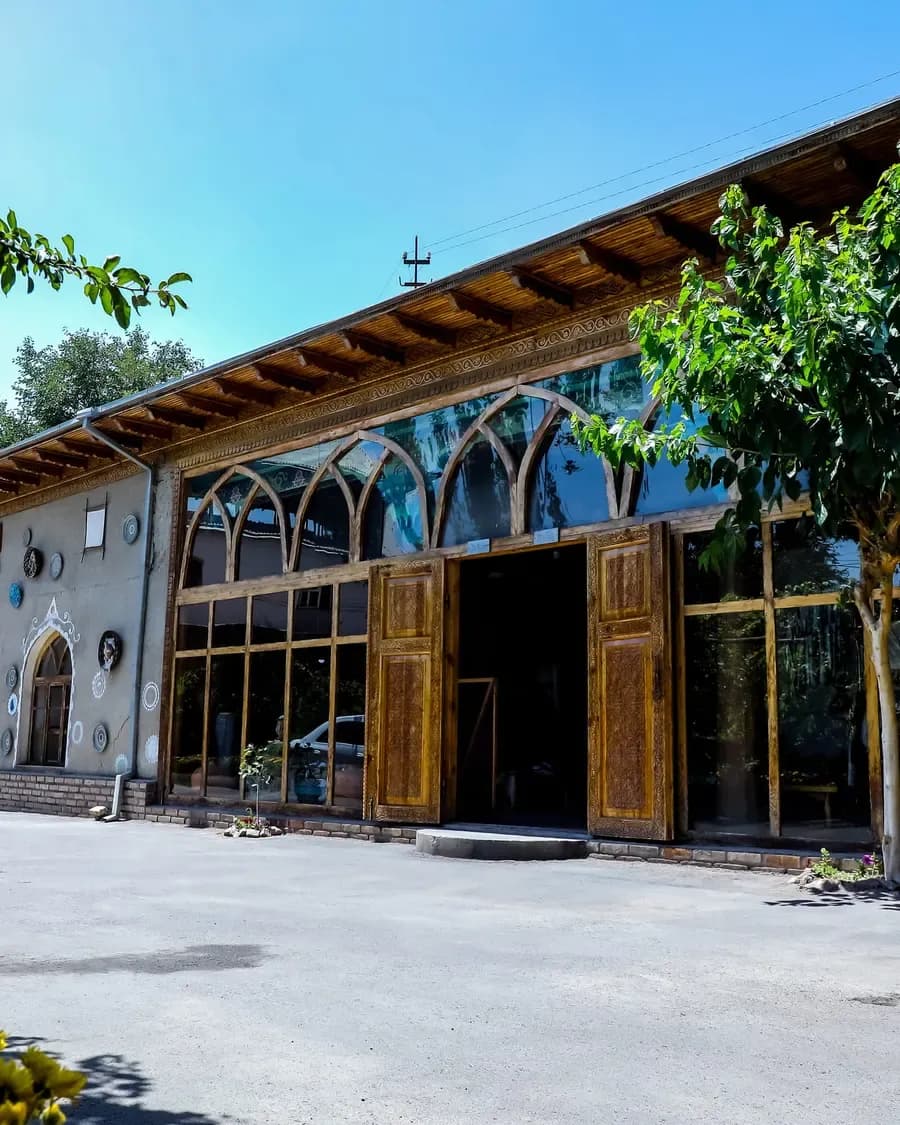
Fergana is not the valley's palace, silk, or ceramics headline. It helps in another way: as an arrival city, an overnight stop, a museum introduction, and a measured place to choose the next road through the Valley.
Open placeWhat to see
The route starts with Kokand heritage, then moves toward Margilan silk and Rishtan ceramics. Wider-valley places should be added only when access, timing, and their role in the itinerary are clear.
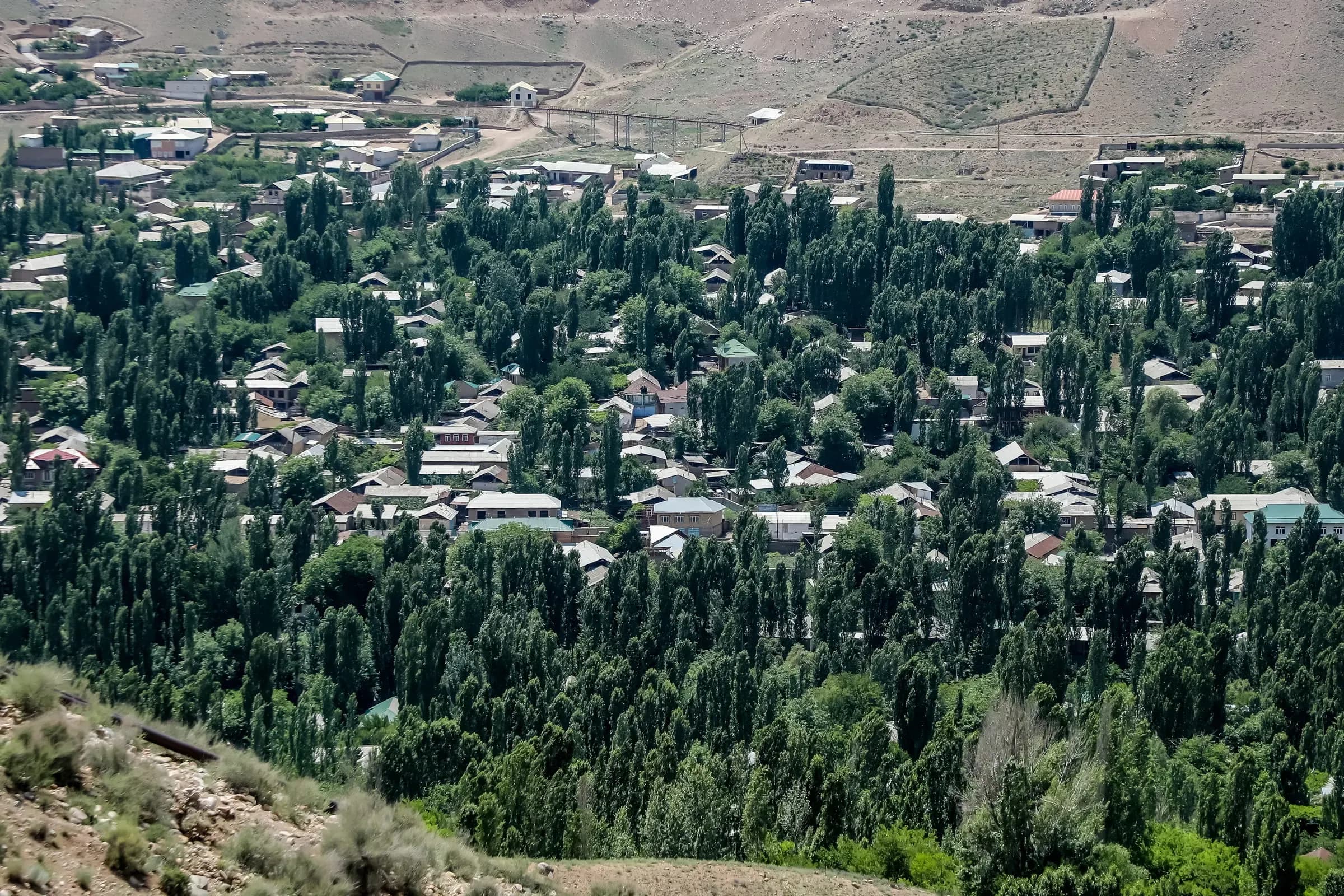
Chodak is strongest when the welcome stays small and real. A cup of tea, a simple meal, a short walk, or a conversation can give the stop human scale, but only when that meeting is genuinely arranged for the date.
Open place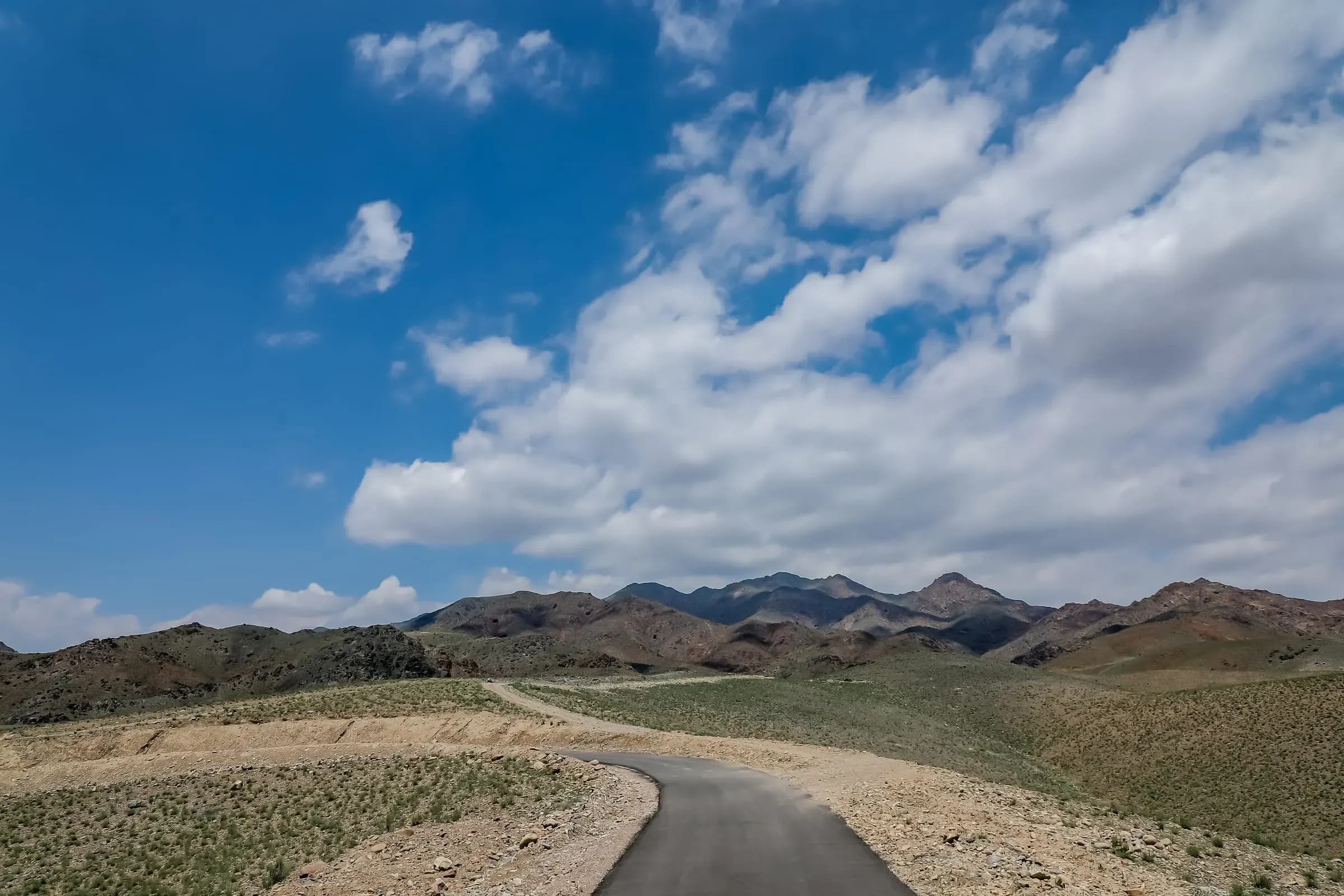
Chodak should be read through the road, not only through the map point. Namangan sets the timing, Pop gives the district frame, and the mountain approach decides how calm the village stop can feel.
Open place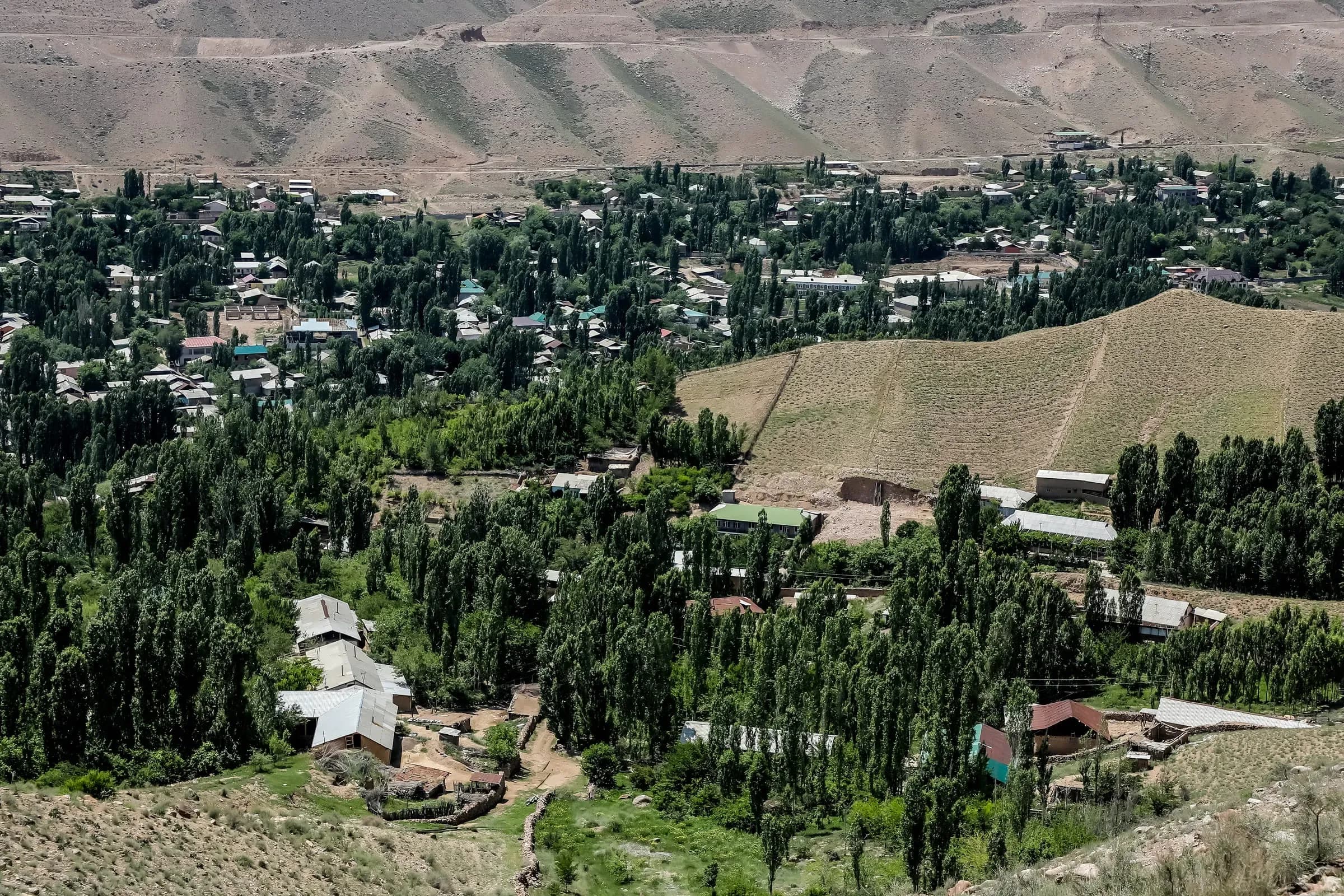
The status gives Chodak a clear place on the tourism map, but the visit should still begin with the village itself: mountain air, the Chodaksoy valley, gardens, springs, and local welcome.
Open place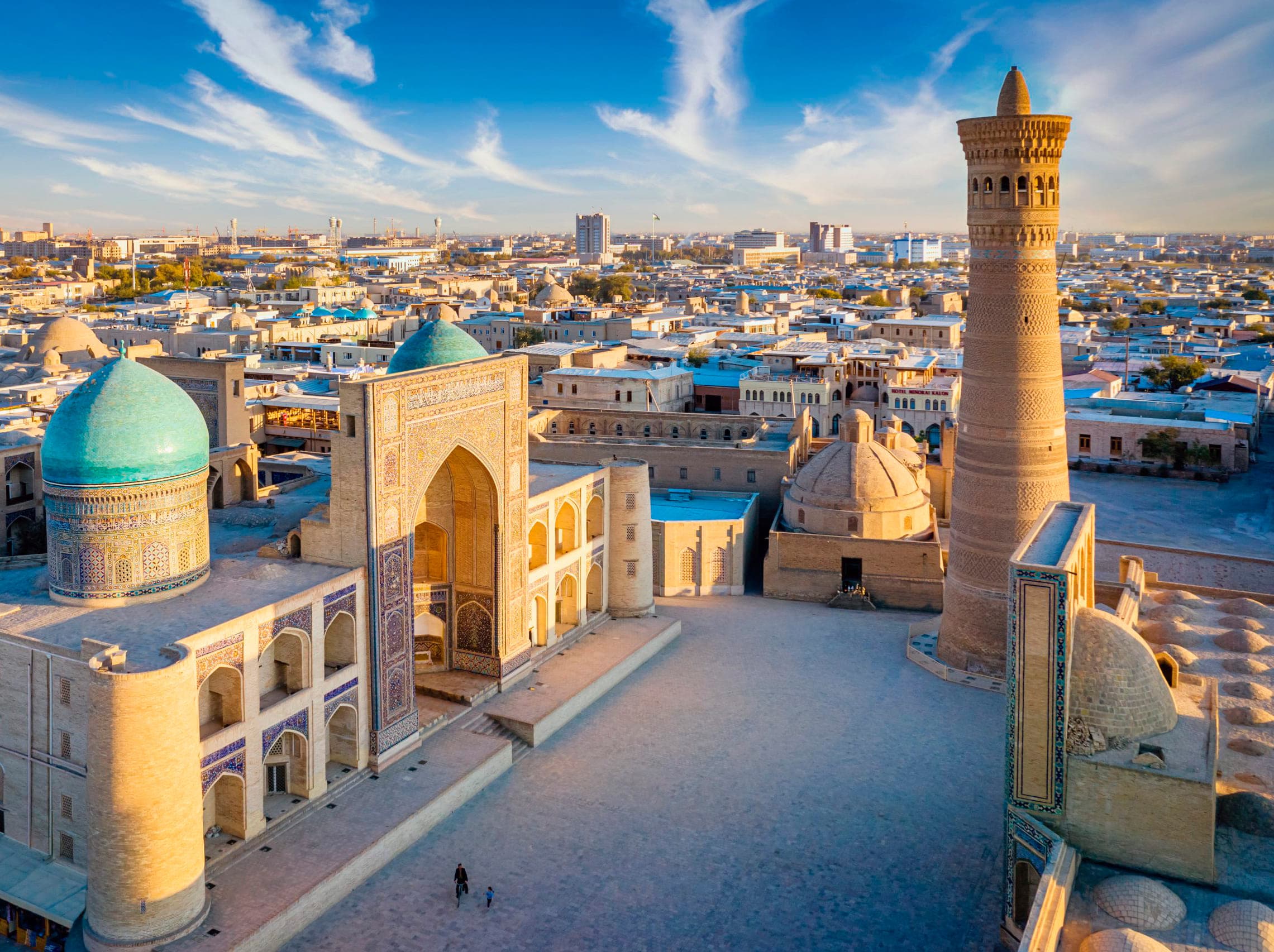
Nanay should not promise a staged program unless the details are real for the travel date. When tea, simple food, craft context, folklore, or a local conversation is confirmed, the village stop becomes warmer and more memorable.
Open placeNanay makes sense when the road is treated as part of the visit. Start with Namangan, let Yangiqo‘rg‘on set the district orientation, and leave enough time for the village stop and return.
Open placeNanay’s tourism-village status should point travelers toward a real village setting, not a large attraction claim. Read the status through the air, the mountain-side road, local hospitality, and the pace of the community.
Open placeRegion in detail
Pace, season, and how this region connects to the next stop.
2–3 days usually works if you keep one strong core and treat outer stops as deliberate choices. The region brief is “Palace history, silk workshops, and Rishtan ceramics”.
Use neighbouring cities as clean handovers: arrive with a calm first night, leave after one completed chapter, and avoid stacking two long transfers on the same day.
Heat, altitude, road condition, and opening hours change the product more than the brochure list. Build the region around what stays comfortable for the group that week.
On request
We help agencies set a realistic pace and choose the right extensions — without rushing the places that matter.