
TourLink
About
Fergana is not the valley's palace, silk, or ceramics headline.
Fergana belongs in an itinerary when the valley needs an easier urban interval between stronger anchors. The Regional Museum can give context; the city's broad streets, park life, and market stops keep the visit human; the next road points to Margilan silk, Rishtan ceramics, Kokand heritage, Andijan, or Chust.
Let Kokand, Margilan, and Rishtan carry the palace, silk, and ceramics story. Fergana helps when the journey needs arrival breathing space, a museum explanation, or a quieter night between craft towns and eastern-Valley choices.
Agencies and travellers who need Fergana as a readable stop — strong places, honest pacing, and logistics that hold.
How Fergana fits
Fergana belongs in an itinerary when the valley needs an easier urban interval between stronger anchors. The Regional Museum can give context; the city's broad streets, park life, and market stops keep the visit human; the next road points to Margilan silk, Rishtan ceramics, Kokand heritage, Andijan, or Chust.
Route shape
Let Kokand, Margilan, and Rishtan carry the palace, silk, and ceramics story. Fergana helps when the journey needs arrival breathing space, a museum explanation, or a quieter night between craft towns and eastern-Valley choices.
The museum can frame archaeology, ethnography, natural history, clothing, instruments, and Silk Road trade before travelers move into silk, ceramics, or palace history.
City point
The city sits south of Margilan and west of Andijan. Museum hours, market timing, theatre access, guide language, and onward roads need a current check close to travel.
City moments
These moments keep the city modest and useful: a museum-led orientation, the road toward Margilan and Rishtan, and one light market or park stop before the Valley continues.
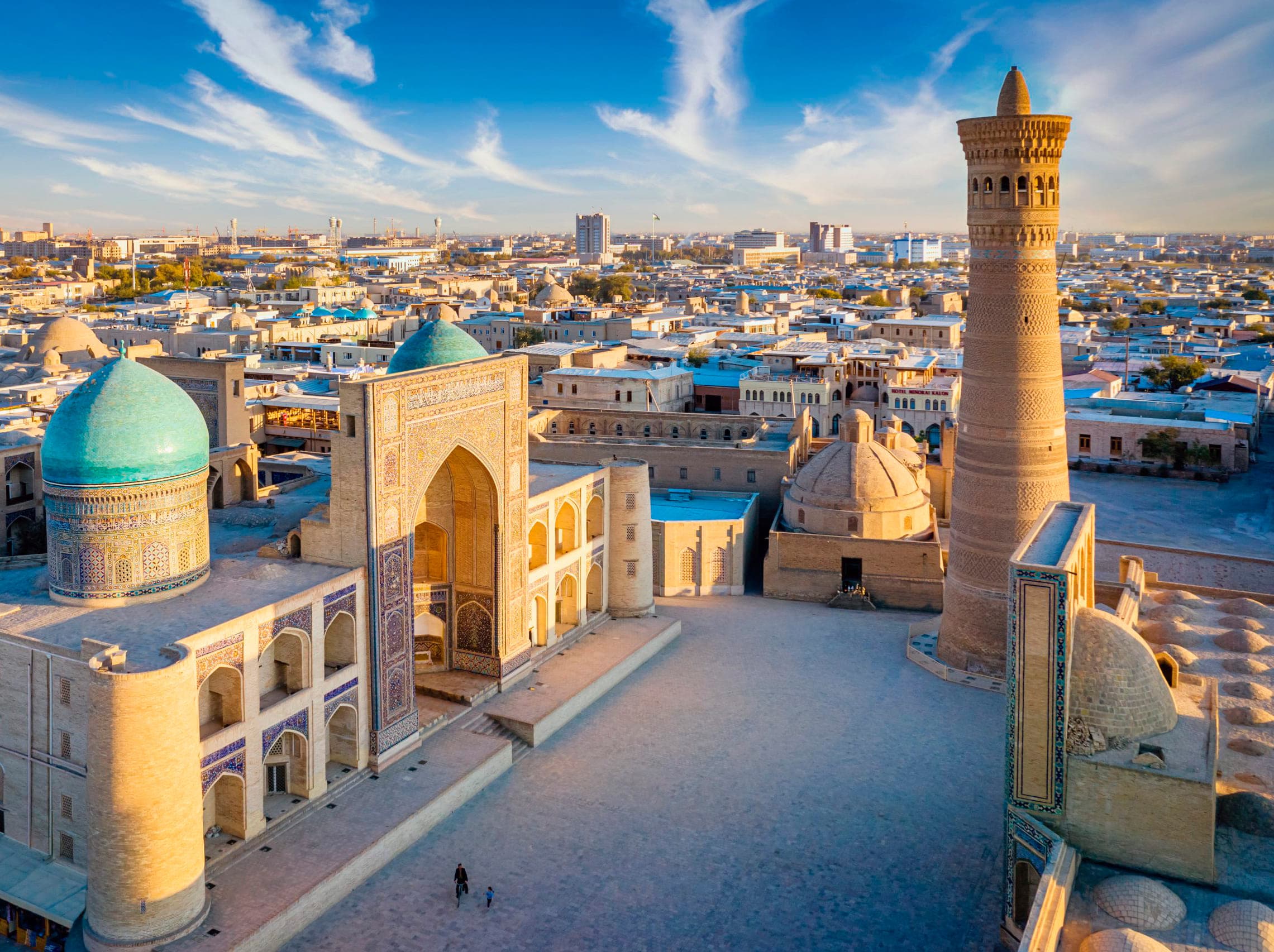
The Regional Museum can explain archaeology, clothing, instruments, and trade before the route turns toward craft or heritage towns.
From Fergana, the route can turn toward Margilan's looms or Rishtan's blue-green ceramics while the city stays a practical stop, not the craft headline.
A short park walk, market stop, tea, fruit, or simple meal gives the Valley route a human interval before the next town.
Before you go
Fergana is strongest when it stays practical: a green, service-rich city where the route can settle, gather context, and continue without losing time to a weak sightseeing list.
Fergana helps when the Valley route needs an easier place to arrive, sleep, regroup, or understand the region before the craft towns.
Fergana adds value when it steadies the Valley route, not when it tries to become the headline.
The Regional Museum can introduce archaeology, ethnography, natural history, clothing, instruments, and trade before travelers meet silk, ceramics, or palace history elsewhere.
A park, market, boulevard, or theatre exterior can add texture, but one selective city stop is usually stronger than a long list of minor sights.
Choose Fergana for a practical urban stop, museum context, and a clearer onward road through the Fergana Valley.
At a glance Route role
Arrival city or overnight stop with museum context and onward Valley roads.
Main stop
The Regional Museum is the clearest Fergana attraction to verify first.
Nearby anchors
Margilan, Rishtan, Kokand, Andijan, and Chust carry the stronger surrounding stories.
Current checks
Museum hours, market timing, theatre access, guide language, and roads need same-week confirmation.
Nearby route choices
Fergana is strongest beside its better-known neighbors: Margilan for silk, Rishtan for ceramics, Kokand for palace history, and Andijan or Chust when the route opens farther east.
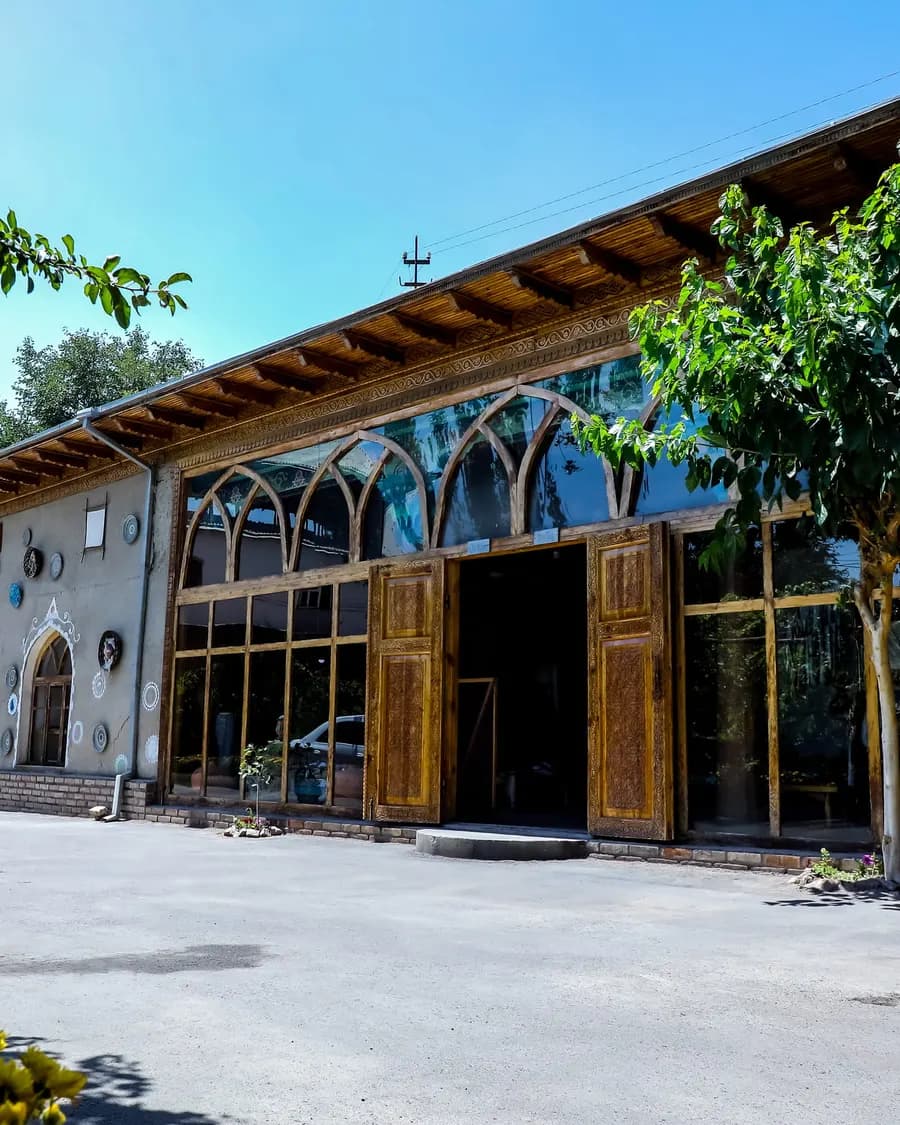
Margilan is the Fergana Valley's silk town: Yodgorlik, atlas and adras workshops, the craft centre, and routes toward Kokand history and Rishtan ceramics.
View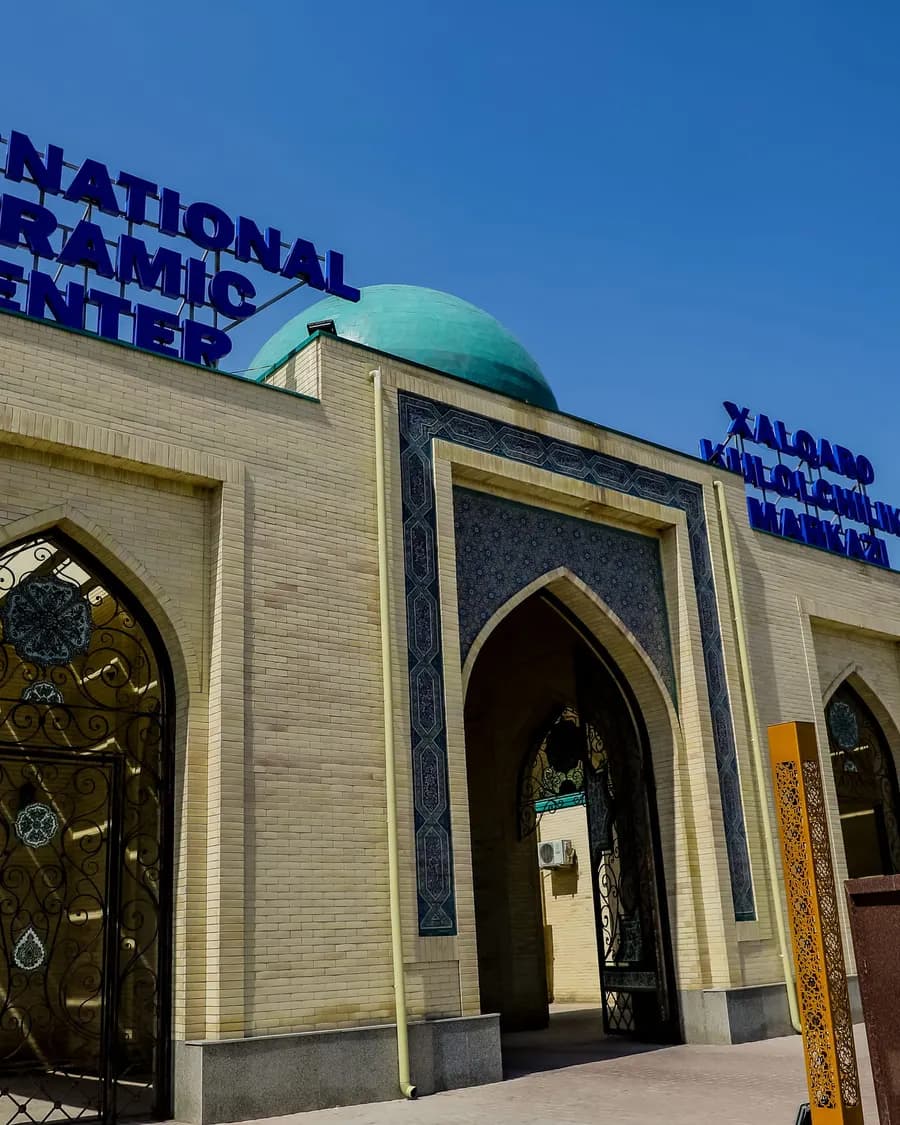
Rishtan is the Fergana Valley's ceramics town: the International Ceramics Center, working studios, blue-green glaze, and route links to Kokand and Margilan.
View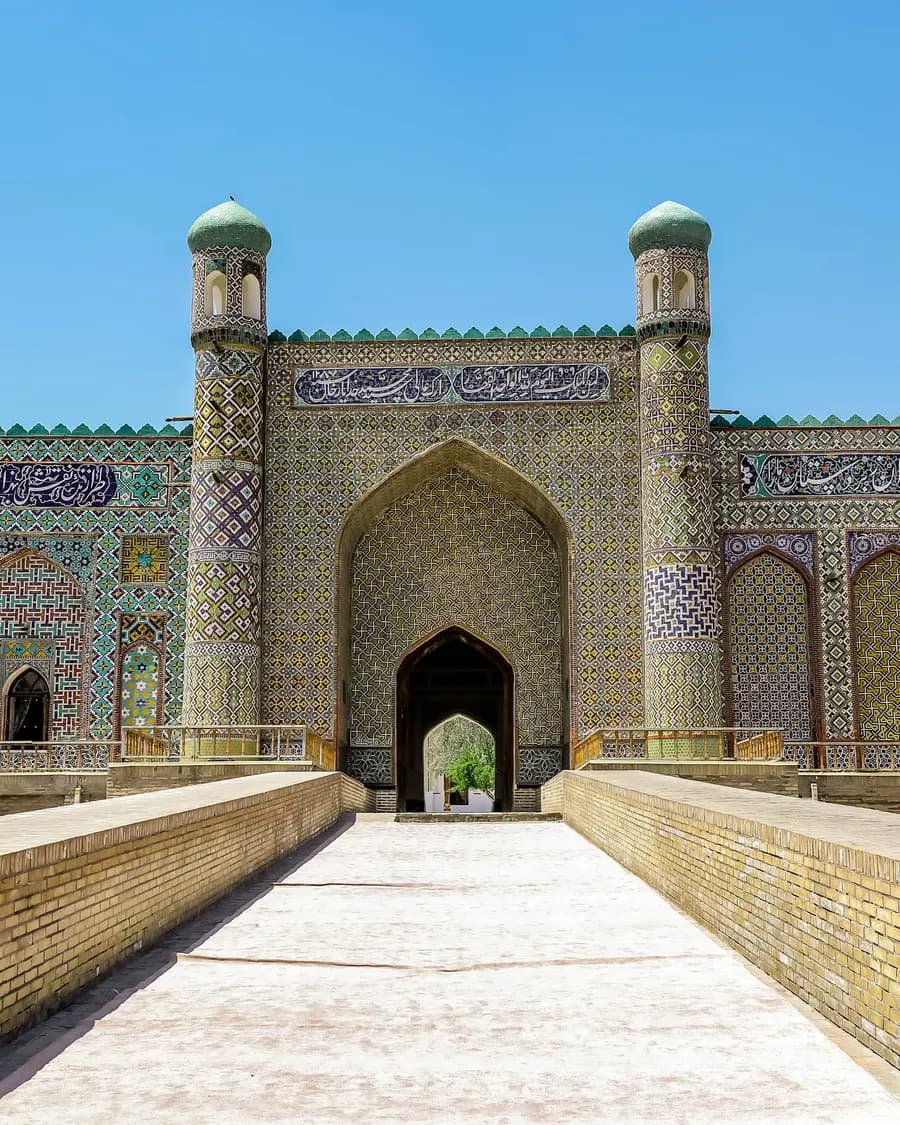
Kokand brings palace history into the Fergana Valley route before the day continues toward Margilan silk and Rishtan ceramics.
View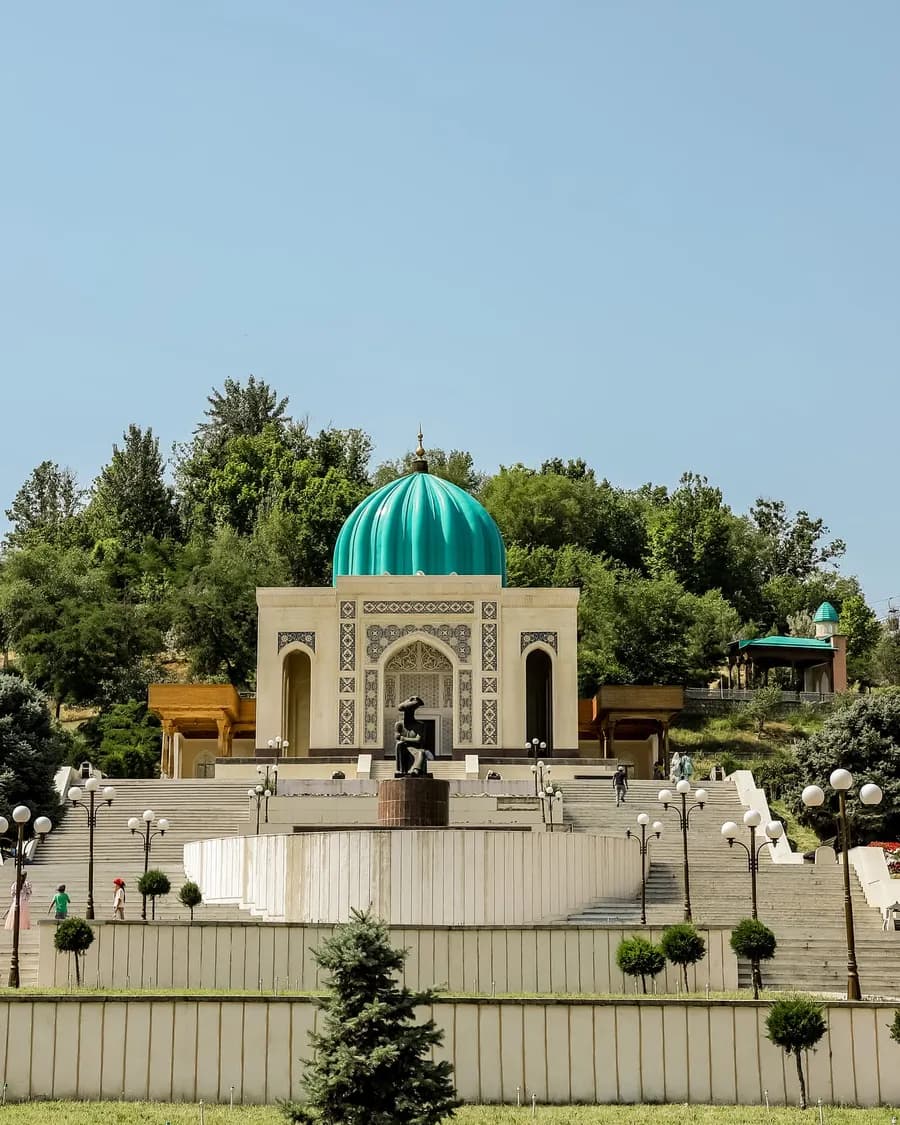
Andijan gives the Fergana Valley route an eastern cultural stop: Babur Memorial Park, Jomeh when access is clear, museum time, city food and street life, and onward choices toward Namangan or the wider valley.
View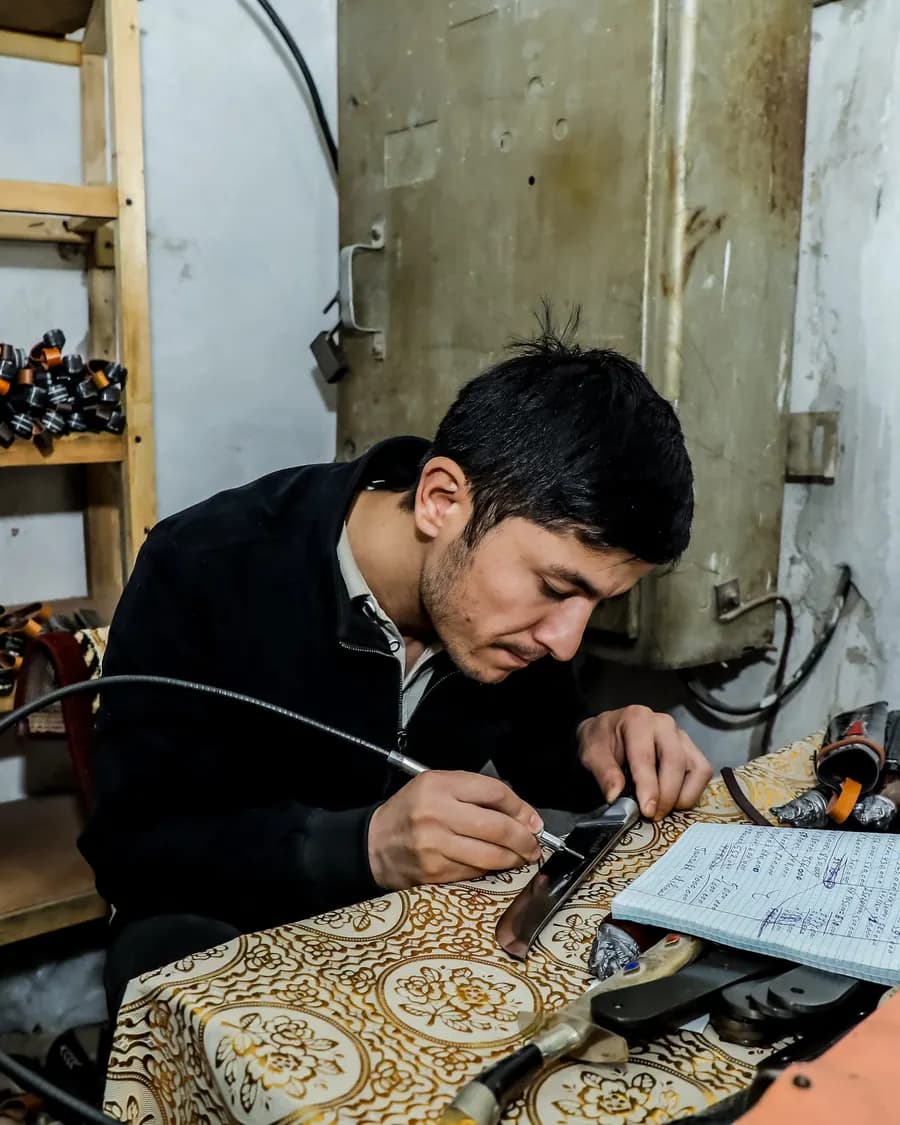
Chust adds a careful craft stop to the northern Fergana Valley: pichoq knives, doʻppi embroidery, and a Namangan-side route that makes sense only when real workshop access is checked.
ViewCity in detail
Walking time, overnight location, and when day trips make sense.
one focused city day plus overnight is usually enough when the old core or main anchors get a full walking window. City tone: “A practical city stop in the Fergana Valley”.
Start with the compact city walk first. Day trips only after the centre has settled — otherwise the stop feels like a transfer with monuments attached.
Stay close enough for an evening return on foot or a short transfer. That keeps tea, dinner, and a second pass through the lanes easy without burning the next morning.
On request
We help agencies set a realistic pace and choose the right next move — without rushing the places that matter.