
TourLink
About
Andijan is the valley city where Babur's memory gives the visit its clearest shape.
Andijan makes sense when the journey has a reason to continue beyond the classic craft line. Babur memory leads the stop; Jomeh, museums, and the road toward Namangan work best when they have enough time to feel connected.
Begin with Babur Memorial Park and the house-museum context. Add Jomeh when current timing and access allow it, then let the route decide whether Andijan is an overnight stop, a day visit, or a bridge toward Namangan.
Agencies and travellers who need Andijan as a readable stop — strong places, honest pacing, and logistics that hold.
How Andijan fits
Andijan makes sense when the journey has a reason to continue beyond the classic craft line. Babur memory leads the stop; Jomeh, museums, and the road toward Namangan work best when they have enough time to feel connected.
Route shape
Begin with Babur Memorial Park and the house-museum context. Add Jomeh when current timing and access allow it, then let the route decide whether Andijan is an overnight stop, a day visit, or a bridge toward Namangan.
Babur Memorial Park, the house-museum story, the monument, and literary memory make Andijan more than a transit stop.
Eastern Fergana point
The map places Andijan east of Kokand, Margilan, and Rishtan. It shows how the valley widens toward Namangan while the familiar craft-and-palace route remains to the west.
What to see
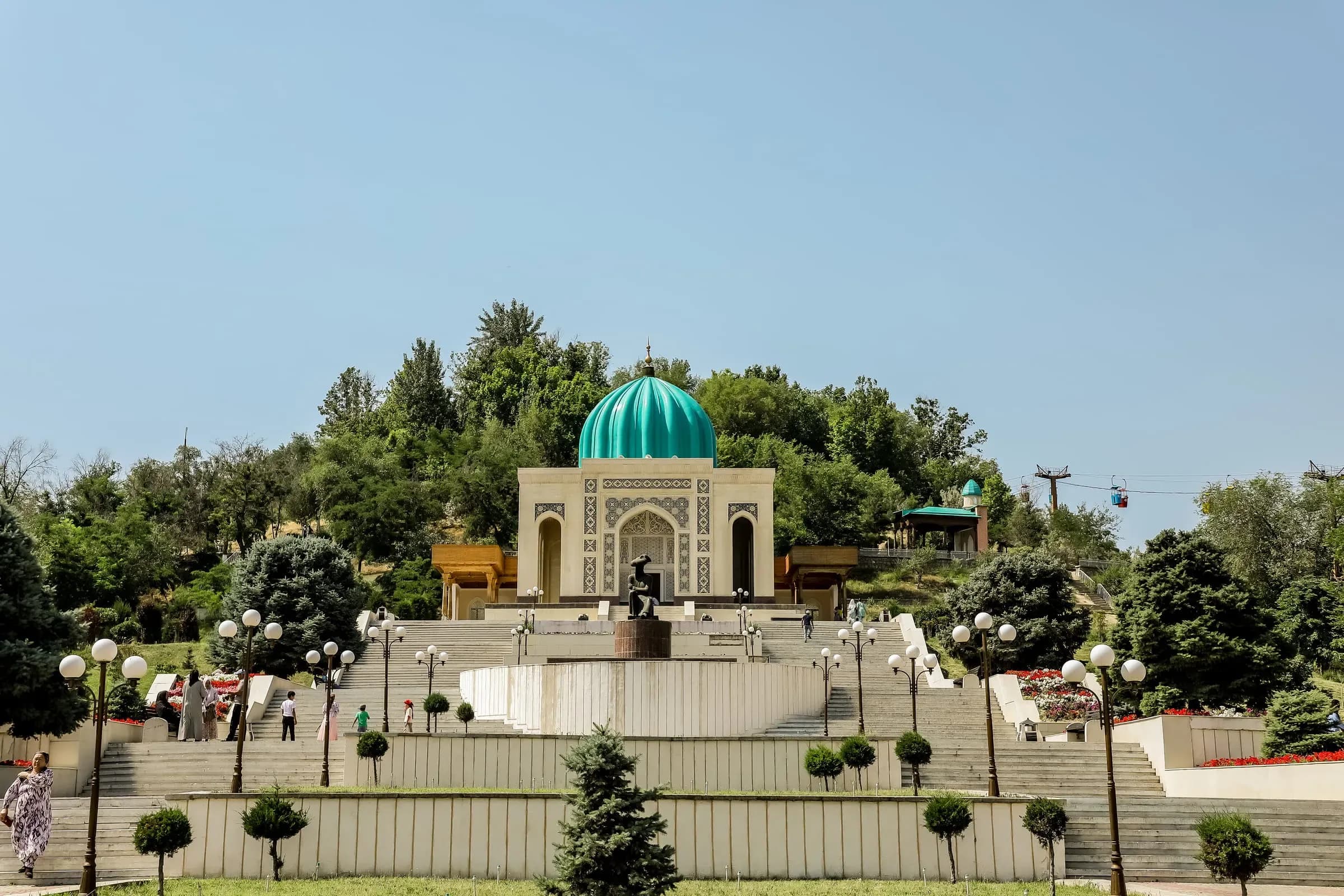
Babur Memorial Park is the clearest first Andijan anchor. Jomeh and museum time can deepen the visit when current sources, access, and opening conditions are checked.
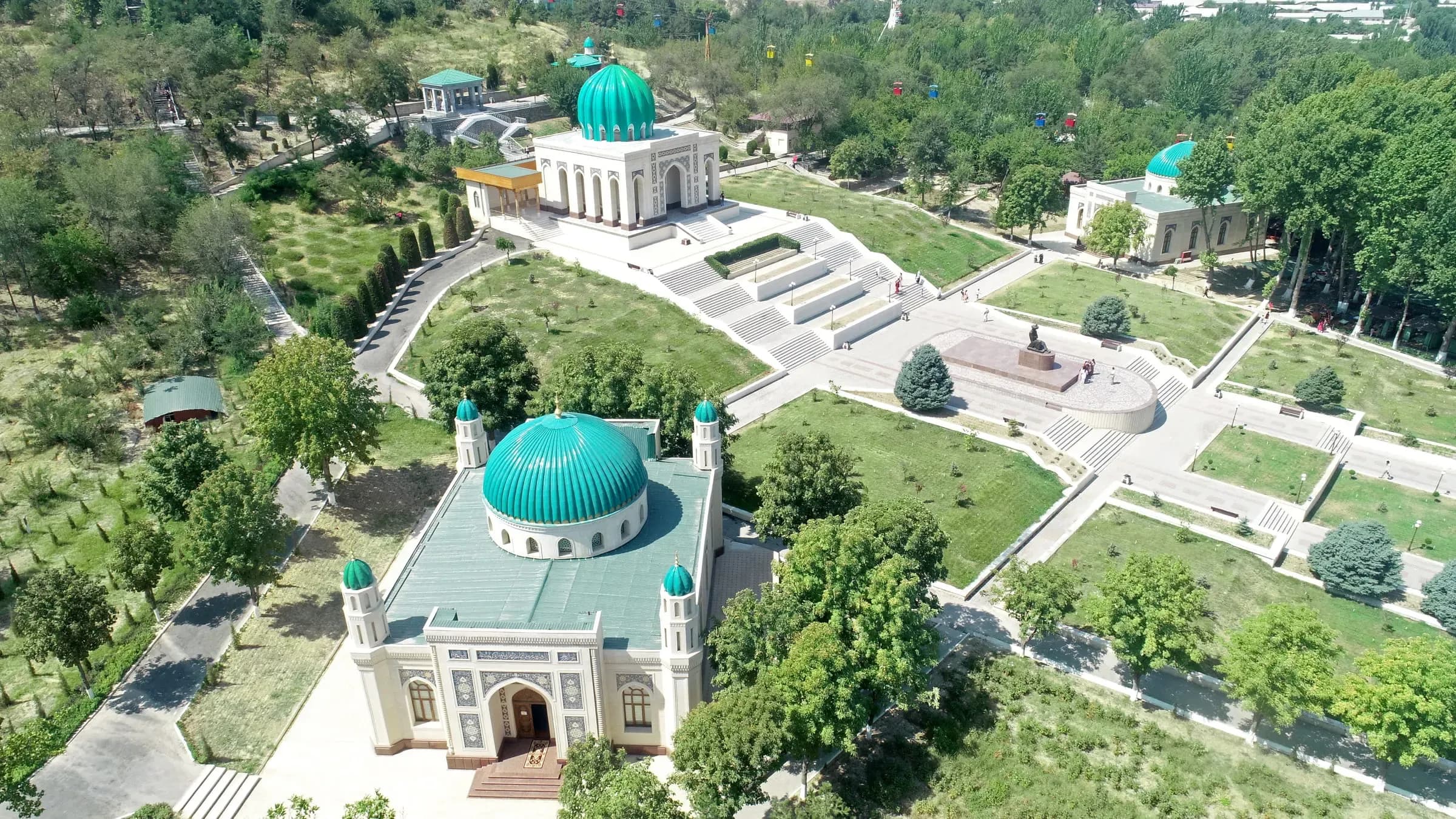
Above Andijan, Bogishamol hill gathers the city's Babur memory into a place you can walk: formal gates, rising steps, a green-domed memorial, the equestrian monument, museum material when rooms are open, and trees along the slope. Start here when Andijan needs a clear purpose in
Open place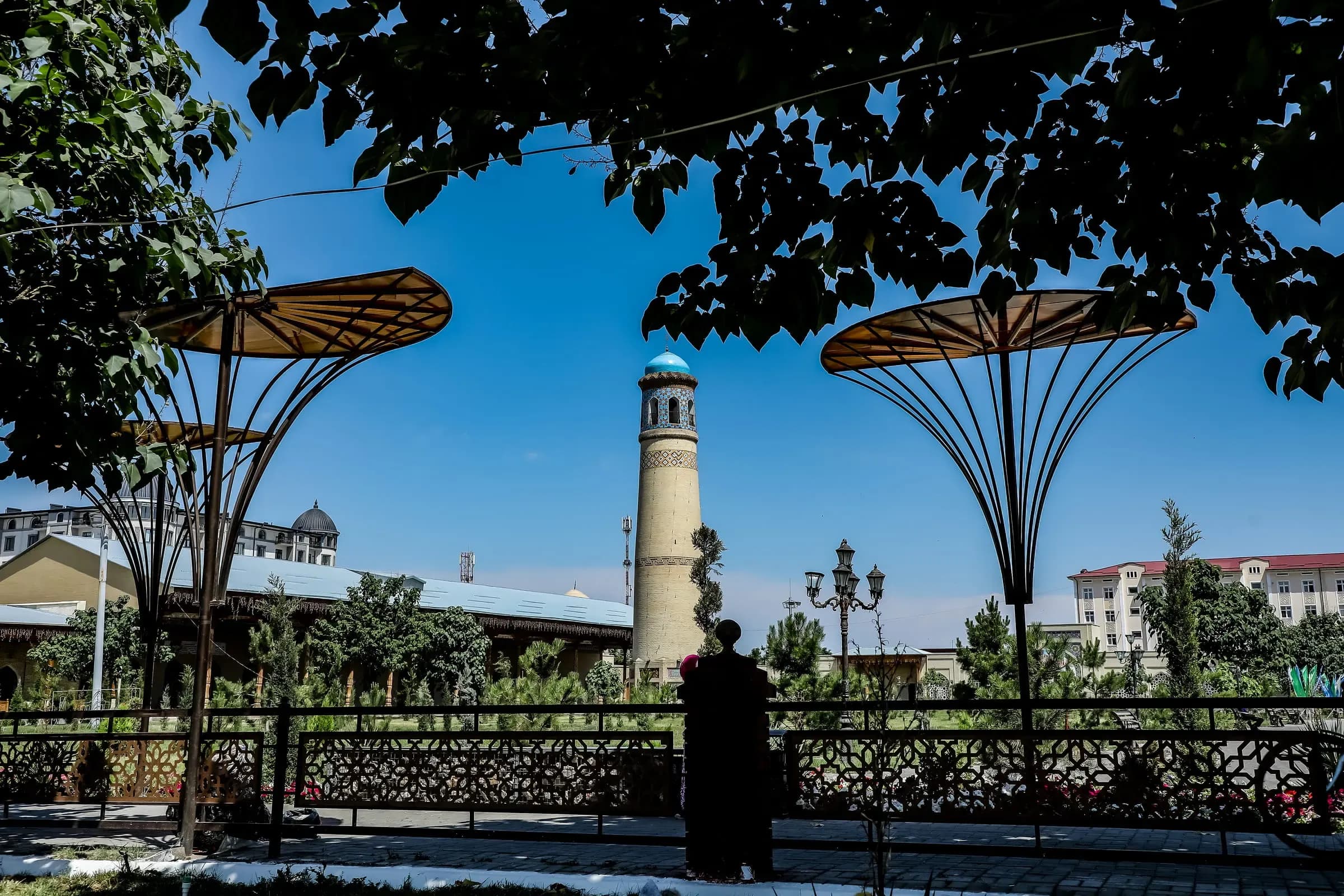
In central Andijan, Jomeh brings the old part of the city into view: a minaret above garden shade, a broad courtyard, carved wooden columns, painted ceilings, and rooms where literary and art displays may be open. Together with Babur Memorial Park, it lets the eastern Fergana rou
Open placeCity moments
These three city moments keep Andijan grounded: Babur memory, a careful Jomeh courtyard pause, and a short street-life break before the valley road continues.
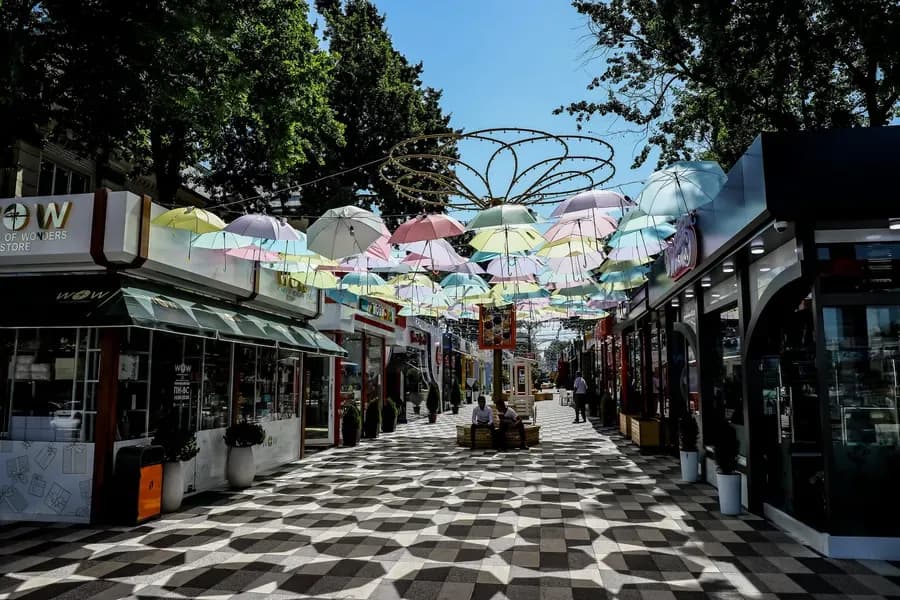
Between Babur, Jomeh, and the onward road, leave time for a short street walk, tea, fruit, bread, or a simple local meal.
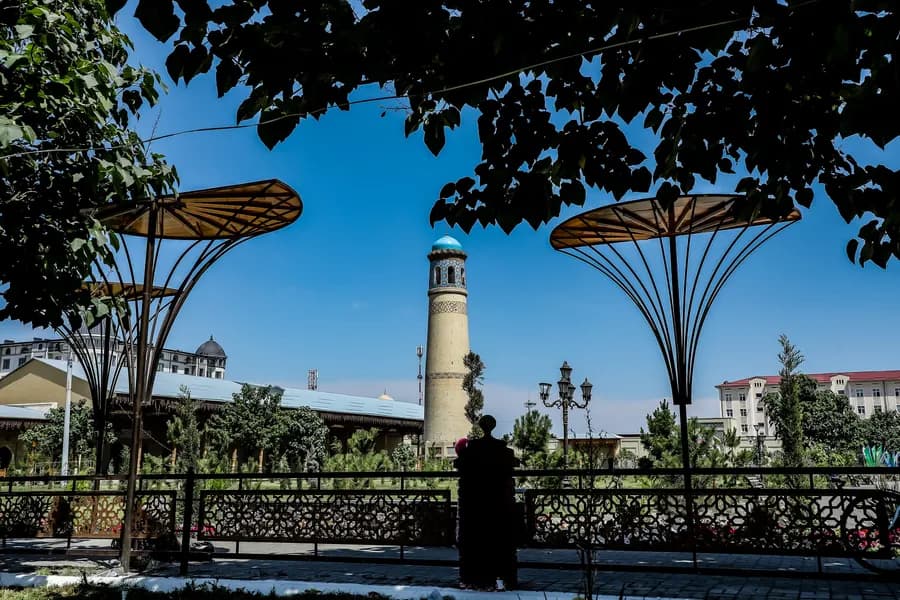
When the visit is confirmed locally, the courtyard, mosque, madrasah, and minaret give Andijan a calm architectural pause.
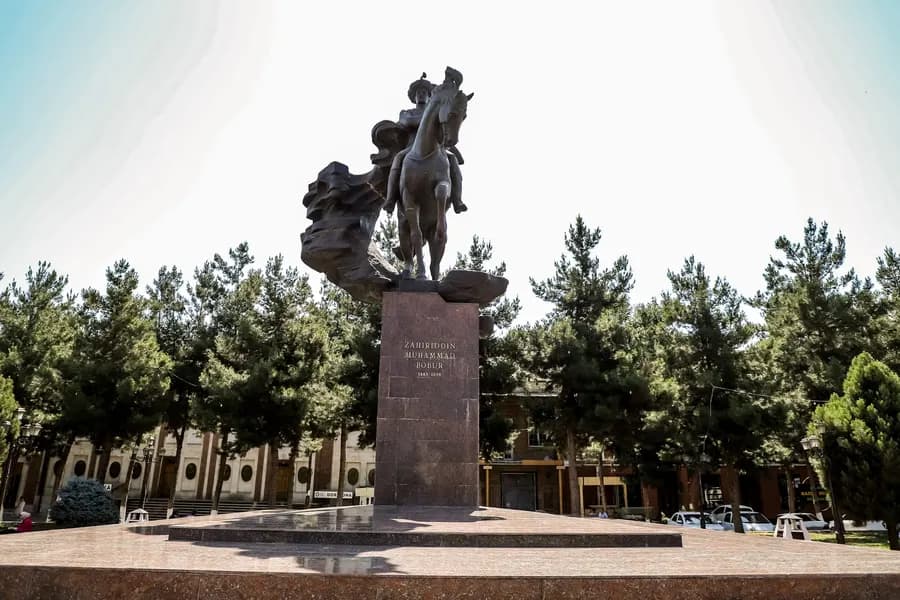
Begin at Babur Memorial Park, where the monument, garden setting, and house-museum context give Andijan its clearest first note.
Before you go
Andijan earns its place when the route has a real reason: Babur memory, one careful architectural stop, city texture, and a clear decision about the eastern side of the Fergana Valley.
Babur Memorial Park, the house-museum context, and the city's literary memory explain why Andijan belongs in the itinerary.
Andijan is clearest when Babur memory opens the visit and the eastern valley road gives it purpose.
The Jomeh complex and museum stops can deepen the visit, but access, prayer time, opening rules, and group flow should be checked before they are promised.
A short street walk, tea, bread, fruit, or a calm local meal helps Andijan feel like a living city, not just a Babur note.
Choose Andijan when the Fergana Valley route has a real reason for Babur, Jomeh, and an eastern-valley decision, not when the program only needs one more city name.
At a glance Route role
Eastern Fergana Valley city for Babur memory, Jomeh context, museums, and route decisions.
Main identity
Babur Memorial Park and the house-museum story give the city its clearest travel meaning.
Access checks
Jomeh, museums, national-house visits, and pilgrimage stops need current timing, access, and visitor-condition checks.
Route pace
A deliberate day stop or overnight works better than a rushed extra between the main western-valley anchors.
Fergana Valley continuations
Andijan widens the eastern side of the valley, while Kokand, Margilan, and Rishtan remain the main palace, silk, and ceramics anchors to pair with it.
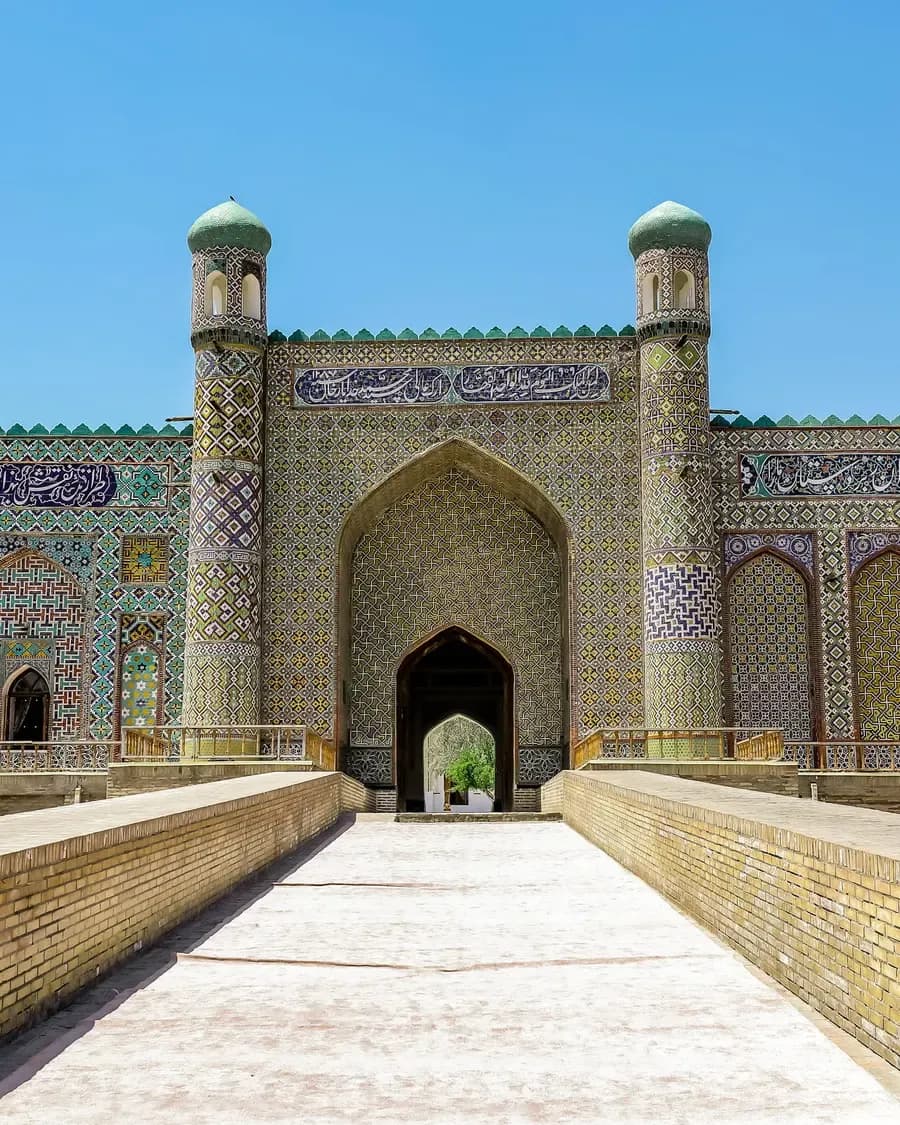
Kokand brings palace history into the Fergana Valley route before the day continues toward Margilan silk and Rishtan ceramics.
View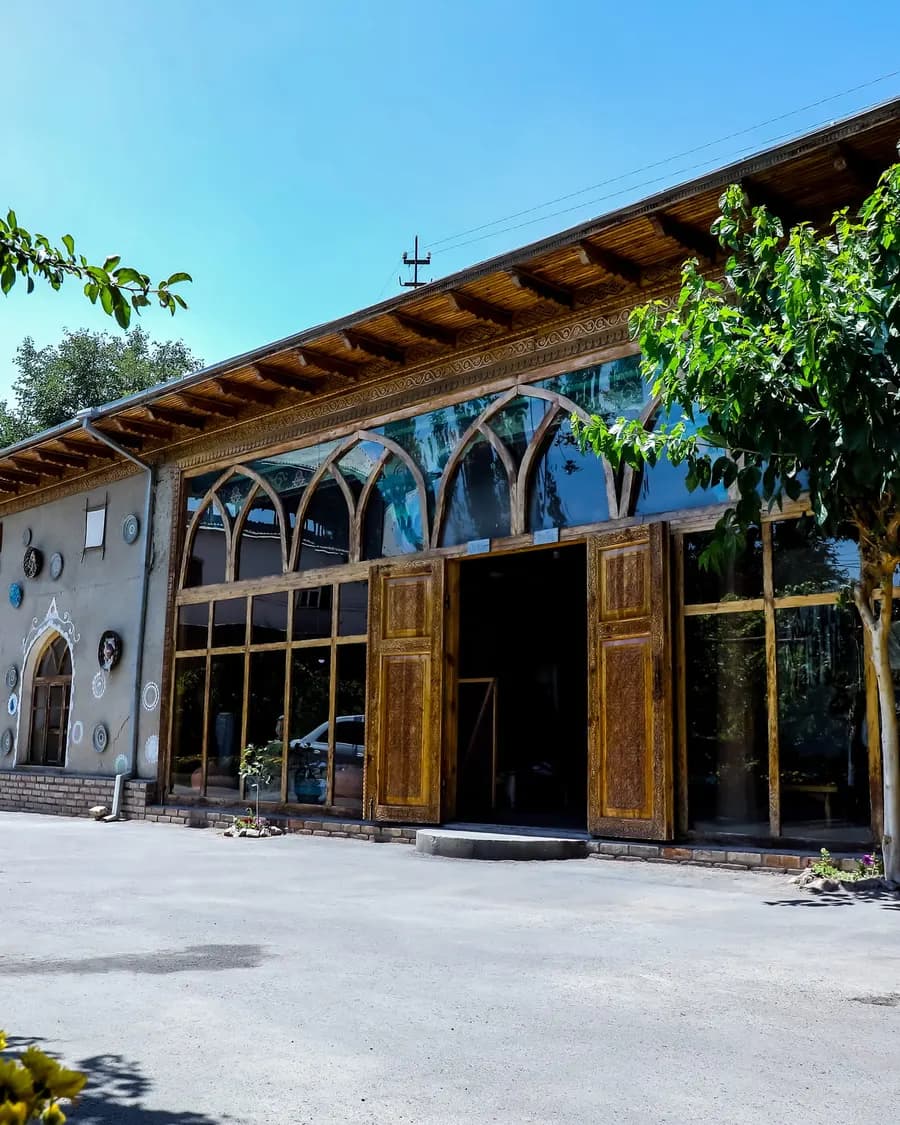
Margilan is the Fergana Valley's silk town: Yodgorlik, atlas and adras workshops, the craft centre, and routes toward Kokand history and Rishtan ceramics.
View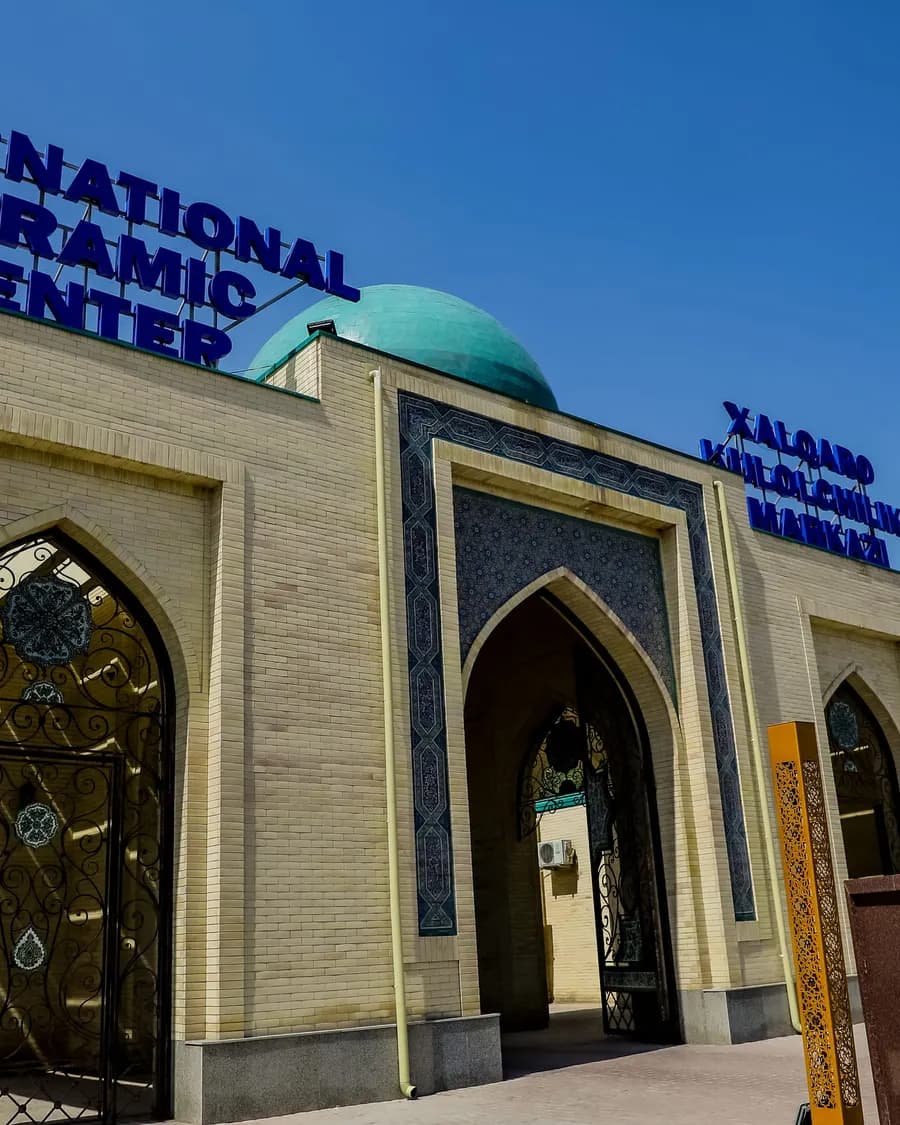
Rishtan is the Fergana Valley's ceramics town: the International Ceramics Center, working studios, blue-green glaze, and route links to Kokand and Margilan.
ViewCity in detail
Walking time, overnight location, and when day trips make sense.
2–3 nights is usually enough when the old core or main anchors get a full walking window. City tone: “Babur memory at the eastern edge of the Fergana Valley”.
Start with the compact city walk first. Day trips only after the centre has settled — otherwise the stop feels like a transfer with monuments attached.
Stay close enough for an evening return on foot or a short transfer. That keeps tea, dinner, and a second pass through the lanes easy without burning the next morning.
On request
We help agencies set a realistic pace and choose the right next move — without rushing the places that matter.