
TourLink
About
Start with Yodgorlik because it makes silk visible: cocoons, thread, dye, looms, fabric, and artisans at work.
Margilan is clearest when the route begins with silk but does not stop at one factory. Yodgorlik gives the first visible process; the craft centre, atlas and adras, bazaar life, and nearby heritage stops give the town its wider shape.
Yodgorlik is the clearest first anchor because the process is visible. The rest of Margilan should be added selectively, with access and timing checked before the route is finalized.
Agencies and travellers who need Margilan as a readable stop — strong places, honest pacing, and logistics that hold.
How to plan Margilan
Margilan is clearest when the route begins with silk but does not stop at one factory. Yodgorlik gives the first visible process; the craft centre, atlas and adras, bazaar life, and nearby heritage stops give the town its wider shape.
Route order
Yodgorlik is the clearest first anchor because the process is visible. The rest of Margilan should be added selectively, with access and timing checked before the route is finalized.
Begin where the process is visible: thread, dye, looms, fabric, and artisans at work. That gives the city a clear first shape without turning the stop into shopping.
City map
The map places Margilan on the valley craft route: Kokand gives the historical opening, Margilan carries silk, atlas and adras, and Rishtan continues with ceramics.
What to see
Yodgorlik is the first anchor here. Around it, the craft centre, atlas and adras, Said Ahmad-Khoja, Pir Siddiq, Khonakhan Mosque, and Kumtepa Bazaar can widen Margilan when access and timing are checked.
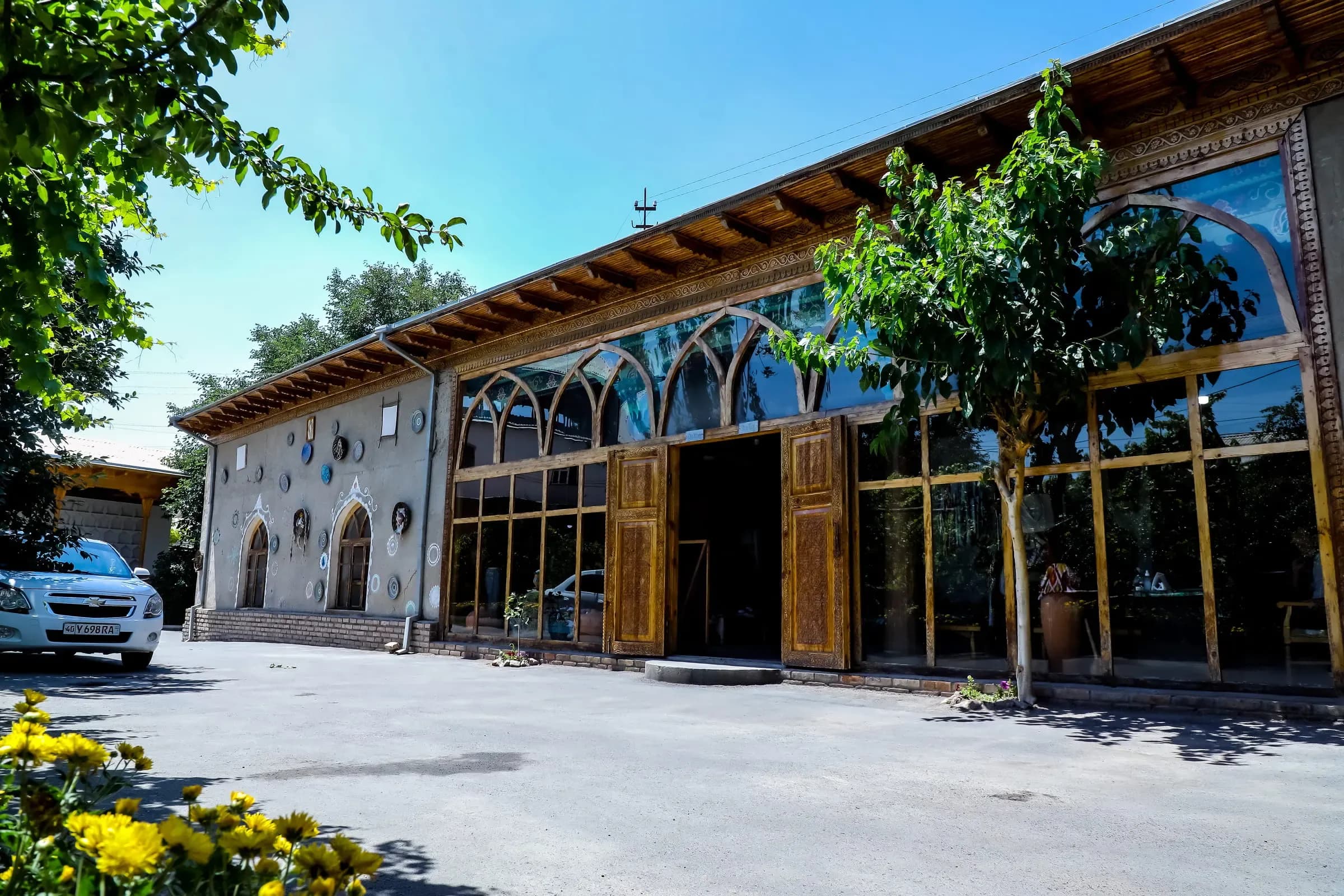
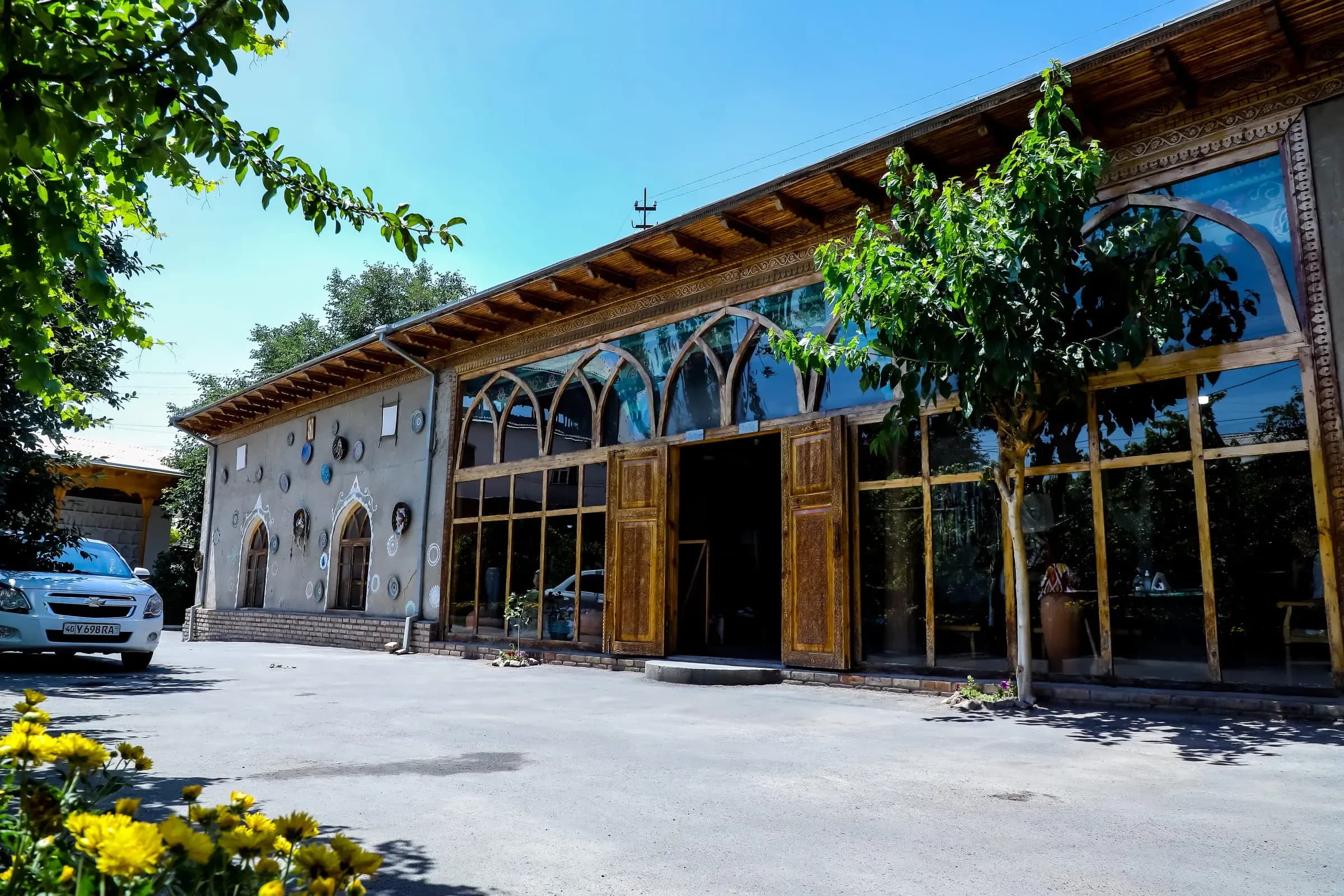
At Yodgorlik, the silk process stays close: thread is drawn from the cocoon, color is prepared, looms are at work, and artisans explain how Margilan fabric takes shape.
Open placeCraft route
Silk becomes clearer through thread, dye, atlas and adras, looms, workshop access, and careful time with makers.
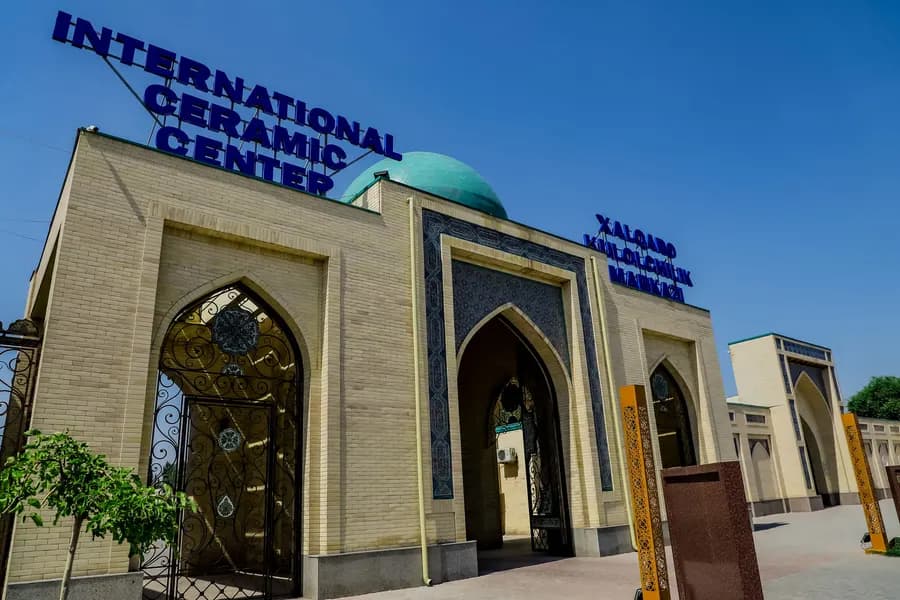
Rishtan is clearest beside Margilan and Kokand: silk process, palace history, and ceramics give the valley route three different reasons to stop.
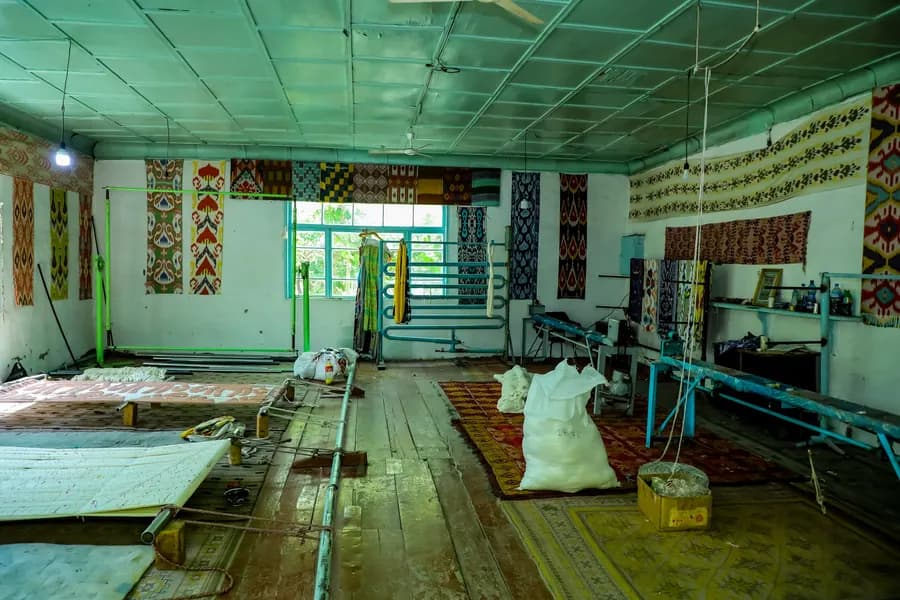
At Yodgorlik, silk becomes visible before it becomes fabric: cocoons, thread, dye, looms, atlas and adras, and artisans who make the process easy to follow.
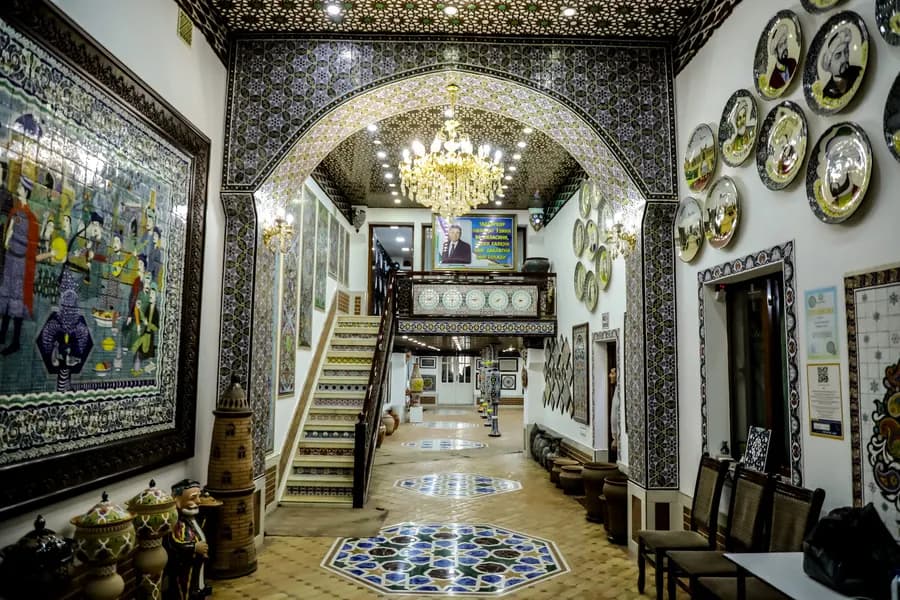
In the workshop, wet clay and raw silk are in the air. The master dips the brush, and a blue pattern appears on the white bowl. You stand close enough to see thread become fabric by hand, not on a factory line.
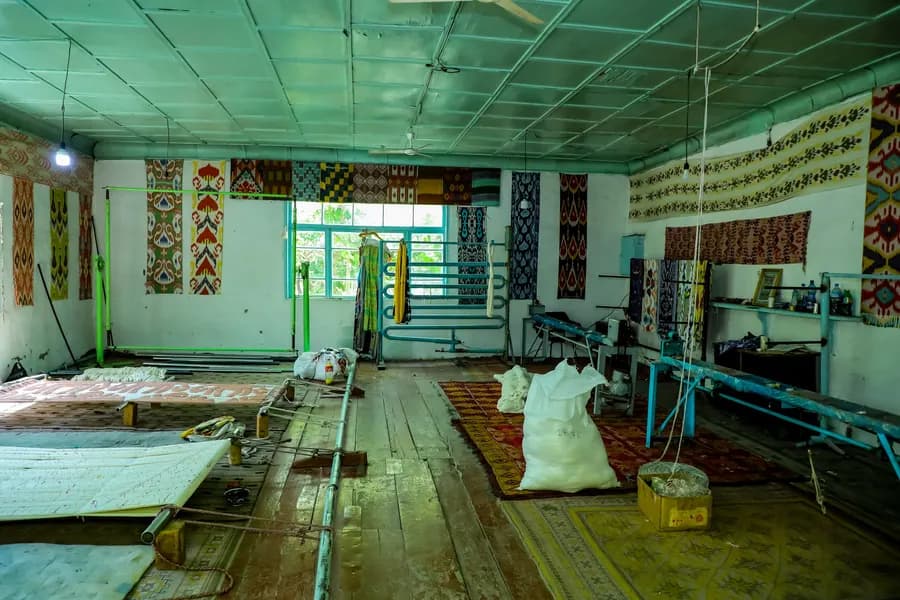
The Fergana Valley smells of mulberry in Margilan, where silk is still drawn from cocoons, and of the blue glaze in Rishtan that no other kiln repeats. You move through working towns, not museum sets.
Before you go
Yodgorlik gives the clearest first look at Margilan, but the city should not be reduced to a sales stop. Its value is the process around silk: thread, dye, atlas and adras, training, workshops, and the people who keep the craft active.
Margilan becomes clear when the visit follows the material: cocoons, thread, dye, loom, fabric, and the makers who connect the stages.
Margilan begins with silk, but it does not end at the factory.
Atlas and adras, training, workshops, exhibitions, and preservation work show why the city matters beyond one factory visit.
Said Ahmad-Khoja, Pir Siddiq, Khonakhan Mosque, and Kumtepa Bazaar can broaden Margilan when access and timing are checked.
Start with Yodgorlik, then add one checked continuation: craft centre, atlas and adras, a heritage stop, or Kumtepa Bazaar.
Before you go Where to start
Start with Yodgorlik, then add one checked continuation for a longer route.
Main craft
Silk, atlas and adras, dye, looms, the craft centre, and workshops.
Visit window
Year-round craft stop; workshop access and demonstrations should be checked close to the visit.
Route role
Silk town between Kokand's palace history and Rishtan ceramics.
Route connections
Kokand adds palace and mosque context; Rishtan adds ceramic workshops. Margilan gives the route its silk, atlas and adras centre.
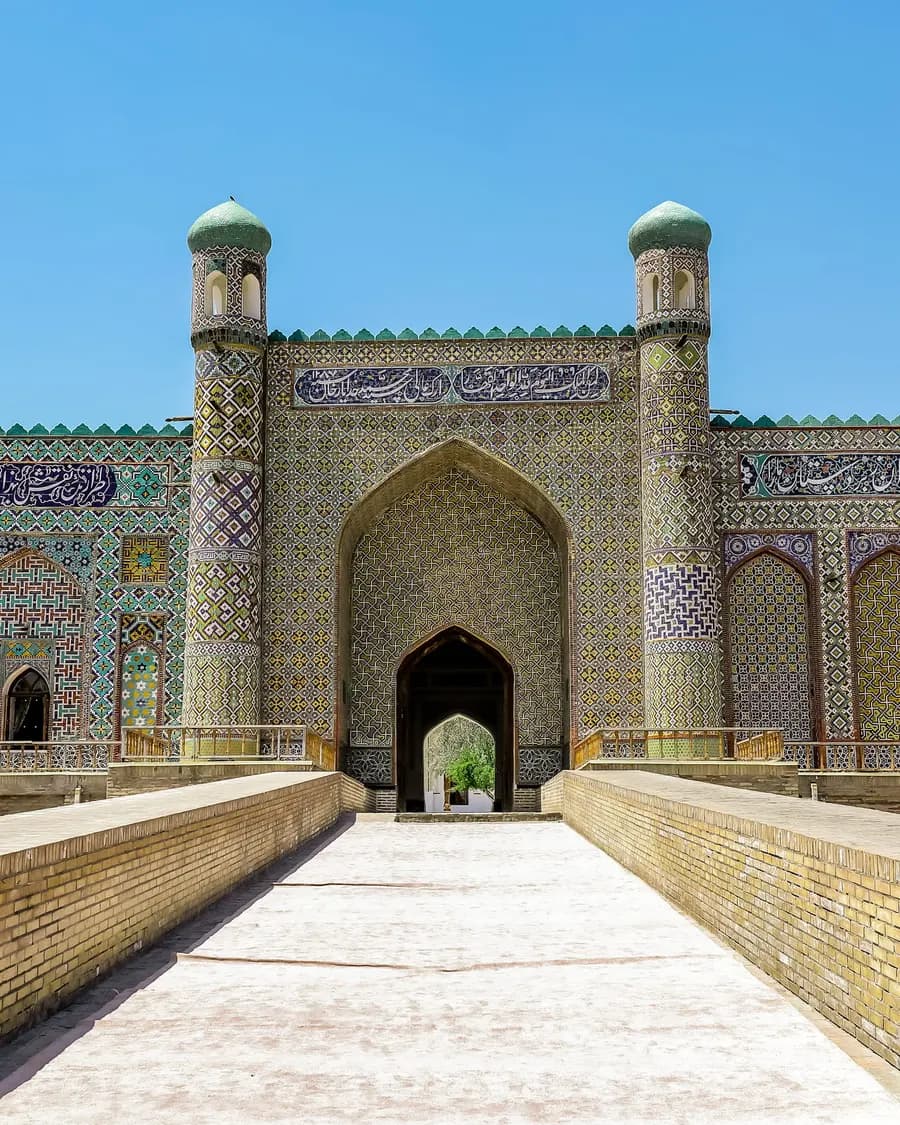
Kokand brings palace history into the Fergana Valley route before the day continues toward Margilan silk and Rishtan ceramics.
View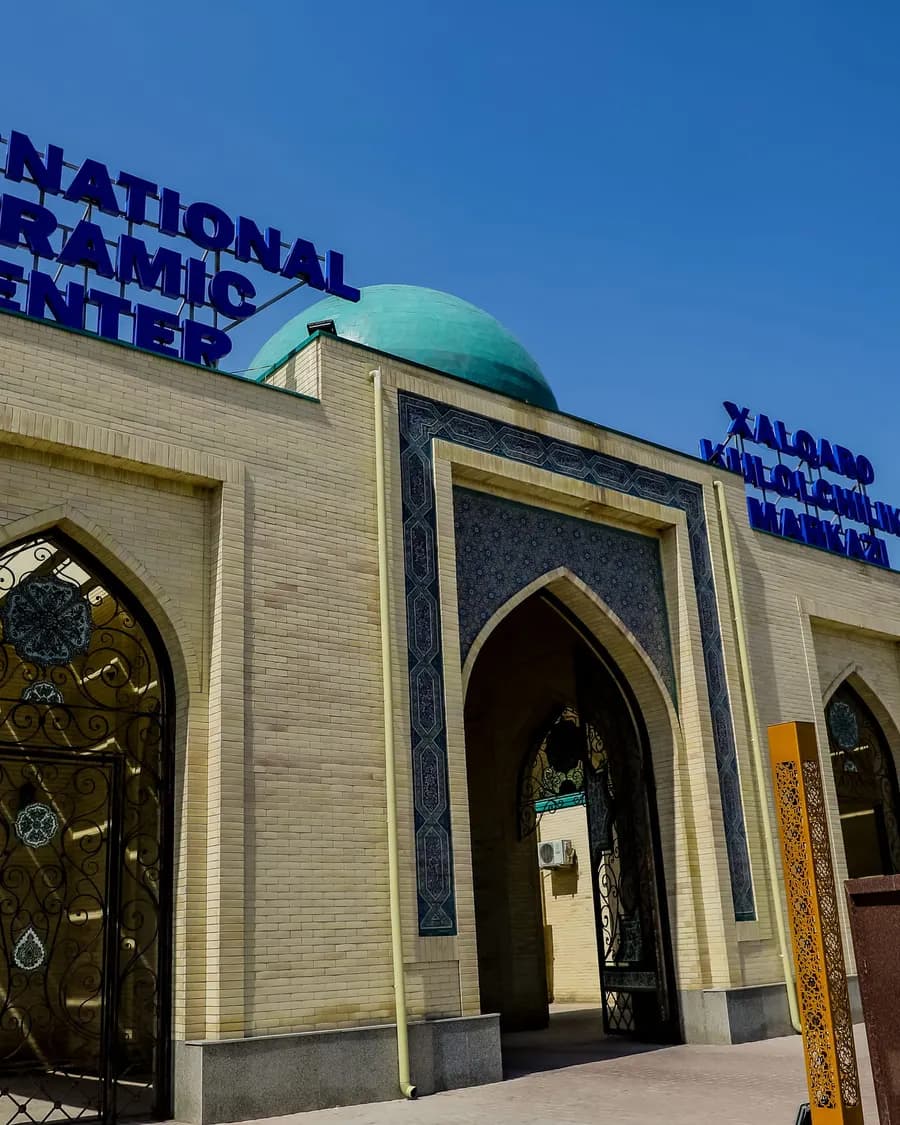
Rishtan is the Fergana Valley's ceramics town: the International Ceramics Center, working studios, blue-green glaze, and route links to Kokand and Margilan.
ViewCity in detail
Walking time, overnight location, and when day trips make sense.
one focused city day plus overnight is usually enough when the old core or main anchors get a full walking window. City tone: “Silk workshops, atlas and adras, and the craft route through the valley”.
Start with the compact city walk first. Day trips only after the centre has settled — otherwise the stop feels like a transfer with monuments attached.
Stay close enough for an evening return on foot or a short transfer. That keeps tea, dinner, and a second pass through the lanes easy without burning the next morning.
On request
We help agencies set a realistic pace and choose the right next move — without rushing the places that matter.