
TourLink
About
At Chorsu in the morning, Tashkent is already awake: bread steam, spice rows, metro doors opening below the market dome.
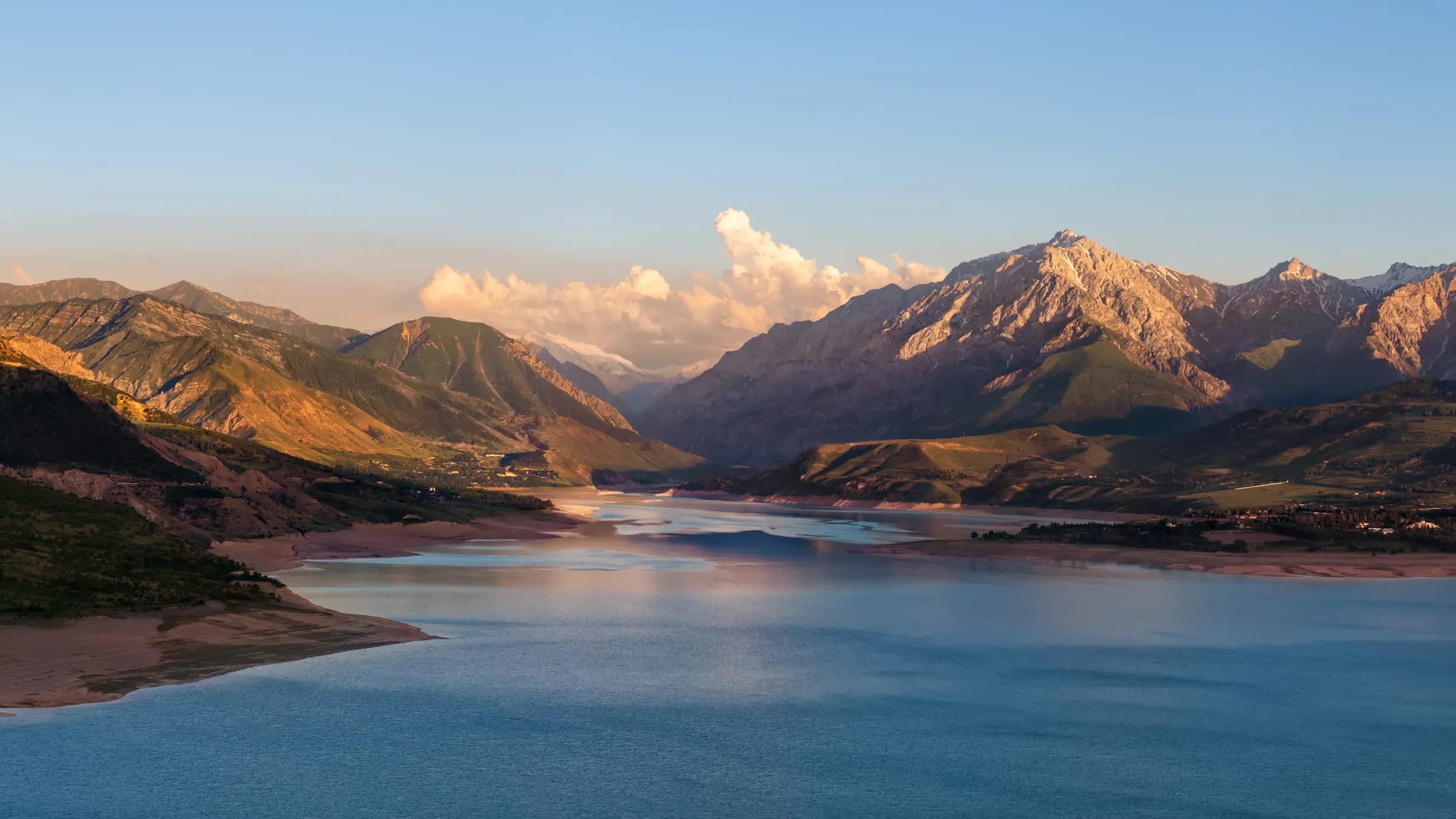
Tashkent is the easiest place to arrive, settle in, and find the first rhythm of the journey. Chimgan, Charvak, Amirsoy, Beldersay, Alaichak, and Ugam-Chatkal should be chosen by season, weather, road timing, traveler pace, and how much mountain time the day can comfortably hold.
Tashkent gives the route its first city start; Chimgan and Charvak add one nearby foothill outing, while Amirsoy, Beldersay, Alaichak, and Ugam-Chatkal fit best when season, weather, and pace leave enough room.
Agencies and travellers who need Tashkent & Chimgan as a readable stop — strong places, honest pacing, and logistics that hold.
Getting around
Tashkent is the easiest place to arrive, settle in, and find the first rhythm of the journey. Chimgan, Charvak, Amirsoy, Beldersay, Alaichak, and Ugam-Chatkal should be chosen by season, weather, road timing, traveler pace, and how much mountain time the day can comfortably hold.
Route rhythm
Tashkent gives the route its first city start; Chimgan and Charvak add one nearby foothill outing, while Amirsoy, Beldersay, Alaichak, and Ugam-Chatkal fit best when season, weather, and pace leave enough room.
The first night, old-city context, metro, markets, museums, and the rail line toward Samarkand help the journey begin calmly.
On the route
The map shows where the city day ends and where the mountain or lake outings begin, so the move from Tashkent to the foothills does not become a rushed transfer.
Region character
Tashkent & Chimgan is clearest when the capital remains the beginning and the foothills are chosen by season and time: Tashkent gives context, while Chimgan, Charvak, Amirsoy, Beldersay, Alaichak, and Ugam-Chatkal show how quickly the route can leave the city. «Tashkent & Chimgan becomes clearer when the capital remains the beginning and the mountains are a chosen pause, not another checklist stop.»
Where to start
The capital, Chimgan, Charvak, Amirsoy, Beldersay, Alaichak, and Ugam-Chatkal sit close enough to shape the first chapter. The point is to choose the right continuation, not to collect every stop in one day.
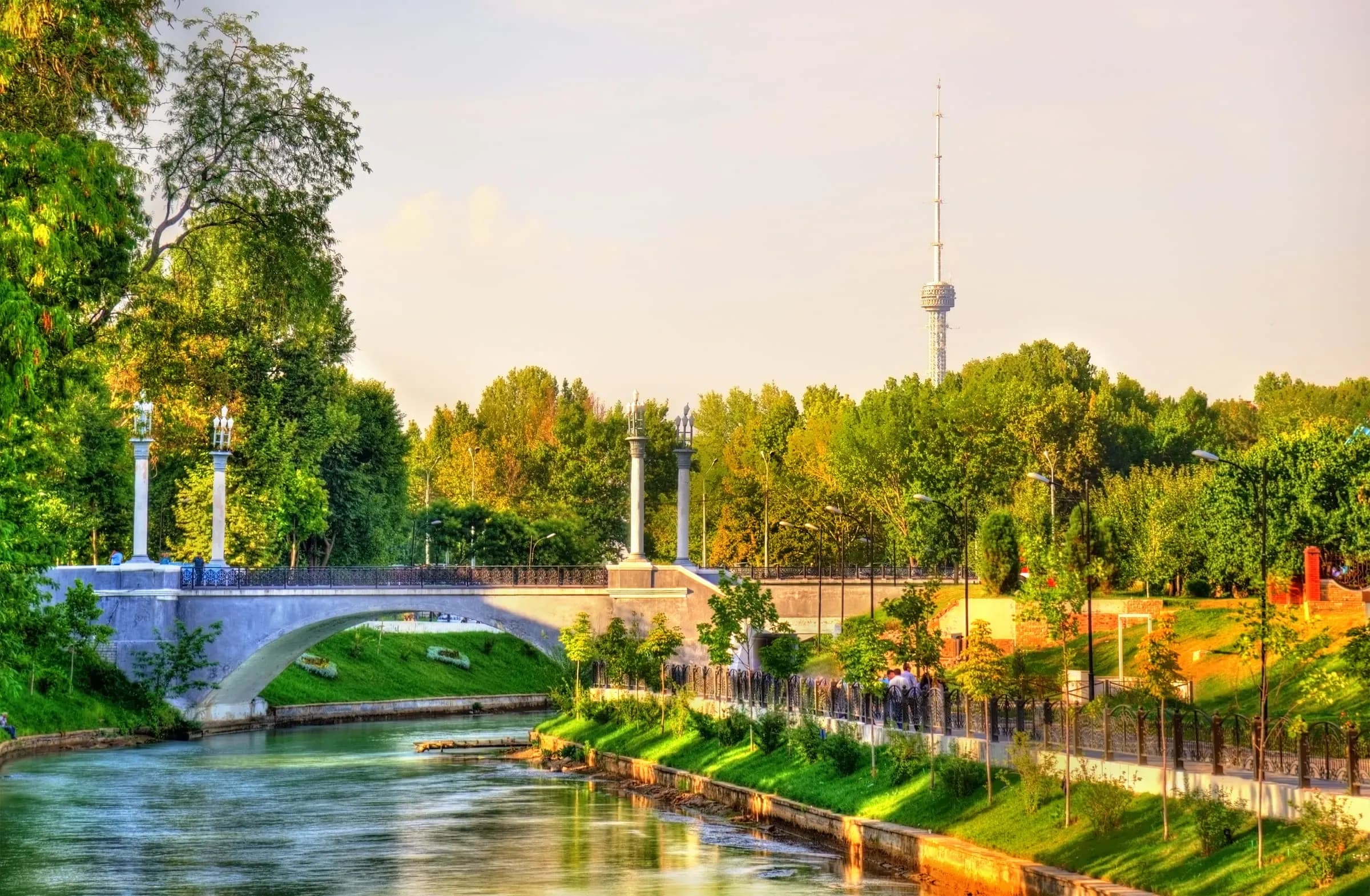
Tashkent often begins with motion: an early flight, a train platform, the smell of bread near Chorsu, then the metro, museums, and wide avenues. It is not Uzbekistan’s postcard city, and that is why it matters. The city helps you enter the country in the present tense: through Ha
Open place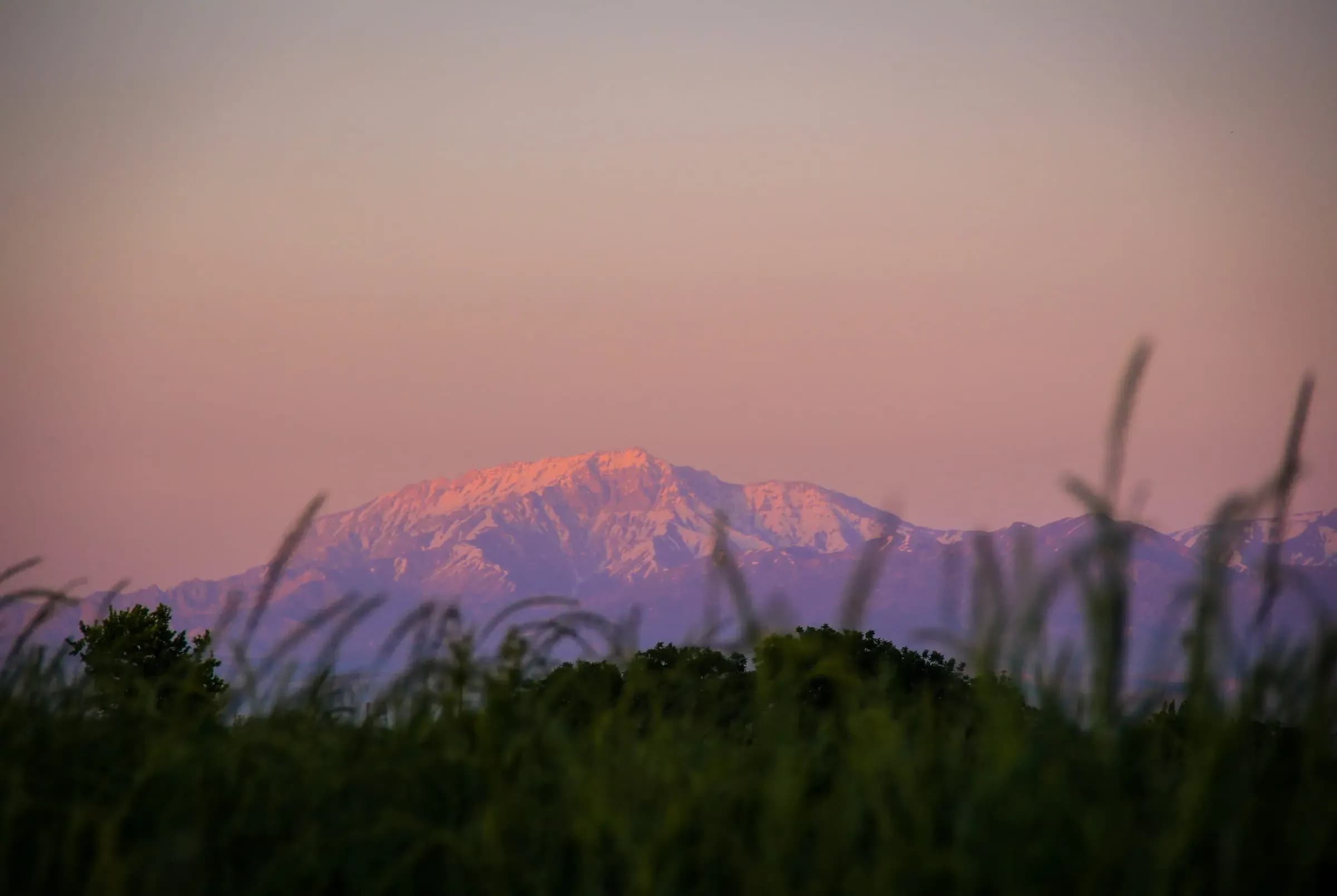
Chimgan is where a Tashkent day opens into the foothills. The road follows the Chirchiq valley toward open slopes, Charvak light, resort roads, and guided gorges, so the visit feels best when one mountain plan is chosen before leaving the capital.
Open placeWhat to see
Old-city context, bazaar rhythm, metro interiors, craft detail, mountain slopes, Charvak water, resort roads, and Ugam-Chatkal nature stand out when the day does not become a checklist.
A Yakkatut visit belongs in the route when the meeting point, welcome format, comfort details, and return timing are clear.
Open placeBurchmulla and the Koksu side help place Yakkatut in Bo‘stonliq without turning nearby geography into its own stop.
Open placeThe Charvak side helps place Yakkatut inside the Bo‘stonliq mountain-reservoir route without turning it into a resort stop.
Open placeKumushkon and nearby Chashma can make a calm two-village Parkent outing when both stops fit.
Open placeClean air, village roads, and everyday routines give Kumushkon its human scale.
Open placeOfficial tourism-village status gives Kumushkon a clear Parkent route role near Tashkent.
Open placeThe most useful Chashma detail is simple: where the visit actually begins. It may be the spring side, a road point, the village center, or a tea table, but the answer should be clear before leaving Tashkent.
Open placeChashma feels clearer when it is not treated as a lone marker. Nearby Kumushkon gives the Parkent outing a second village point, as long as both stops are suitable for the travel date.
Open placeThe first thing to understand about Chashma is the name. It points toward water and gives the village stop a gentle reason to slow down, even before the route adds tea or nearby Kumushkon.
Open placeArashan should be treated as a separate mountain decision beyond the Ertoshsoy village stop. It needs current local guidance, suitable transport, and a safety-first call on the travel day.
Open placeErtoshsoy’s softer value is sensory: cleaner air, water, green-season slopes, and a simple local table when it is arranged for the date. This stop should feel like a village pause, not a fixed attraction.
Open placeThe Ertoshsoy road is the first real filter for the visit. Before the village becomes part of the plan, the road, the vehicle, the weather, and the return window need to make sense together.
Open placePrograms
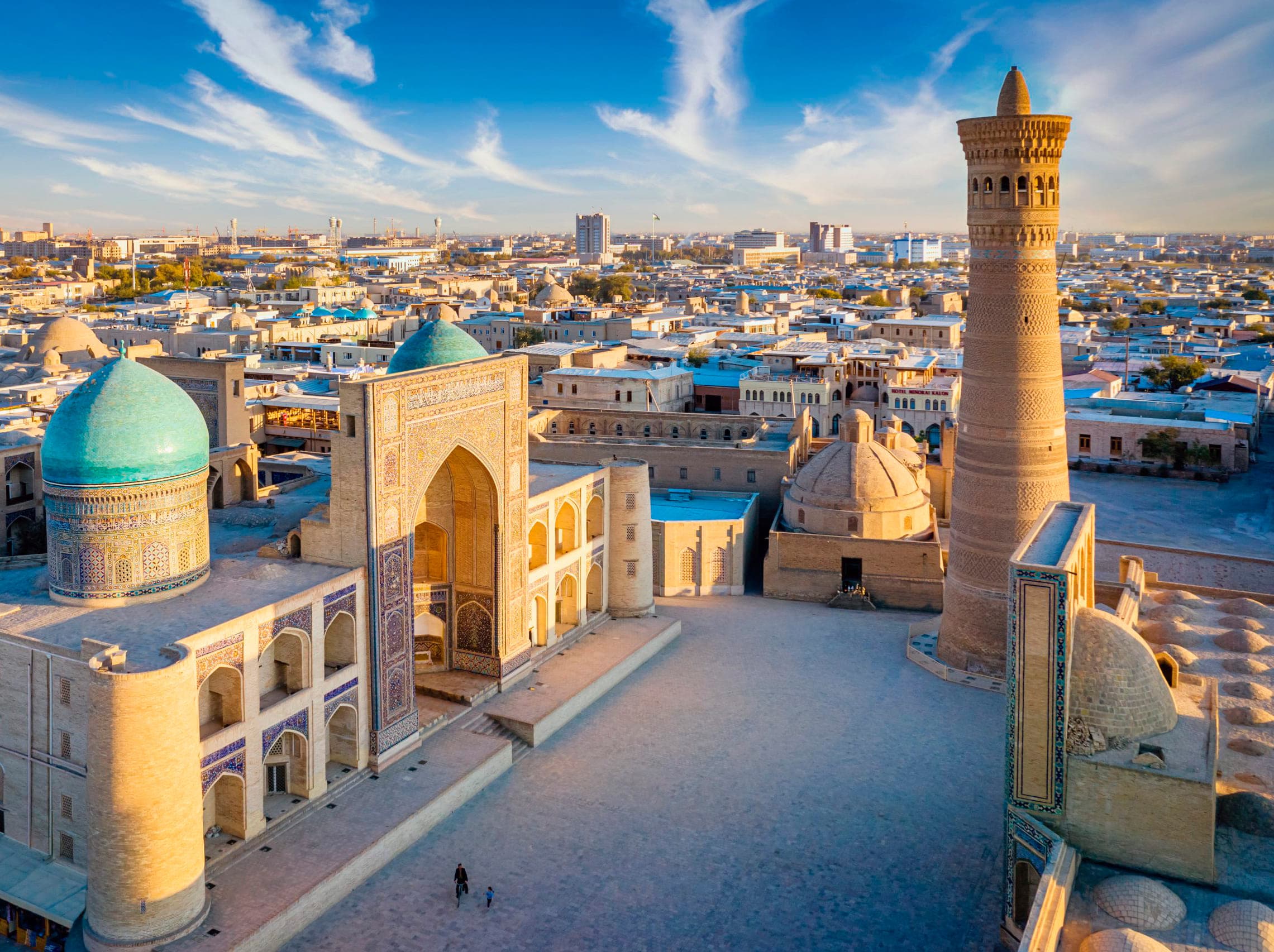
Tashkent & Chimgan usually becomes the beginning of the route: arrival in the capital, old-city context, a short mountain pause, or a calm continuation toward Samarkand, Bukhara, and Khiva.
Region in detail
Pace, season, and how this region connects to the next stop.
2–3 days usually works if you keep one strong core and treat outer stops as deliberate choices. The region brief is “Capital rhythm, mountain air, and foothill routes”.
Use neighbouring cities as clean handovers: arrive with a calm first night, leave after one completed chapter, and avoid stacking two long transfers on the same day.
Heat, altitude, road condition, and opening hours change the product more than the brochure list. Build the region around what stays comfortable for the group that week.
On request
We help agencies set a realistic pace and choose the right extensions — without rushing the places that matter.