TourLink
About
Chimgan is where a Tashkent day opens into the foothills.
Start and return through Tashkent, then choose one mountain shape before departure: slope views, Charvak water, a resort road, or a guided gorge and national-park route.
Choose the mountain day before leaving the capital: first foothill air, Charvak water, a resort road, or a guide-led route into Gulkam or Ugam-Chatkal.
Agencies and travellers who need Chimgan as a readable stop — strong places, honest pacing, and logistics that hold.
Getting around
Start and return through Tashkent, then choose one mountain shape before departure: slope views, Charvak water, a resort road, or a guided gorge and national-park route.
Before departure
Choose the mountain day before leaving the capital: first foothill air, Charvak water, a resort road, or a guide-led route into Gulkam or Ugam-Chatkal.
Hotels, airport, rail, restaurants, and first guide orientation stay in the capital, which keeps the mountain road clear and the return simple.
Route view
The map keeps the capital and the foothills together, so the outing has a clear start and return instead of a loose scenic loop.
What to see
Start with the mountain setting: Chimgan slopes and Greater Chimgan give the area its shape; Charvak adds water; Amirsoy and Beldersay bring resort roads; Gulkam and Ugam-Chatkal need guide-led planning and current conditions.
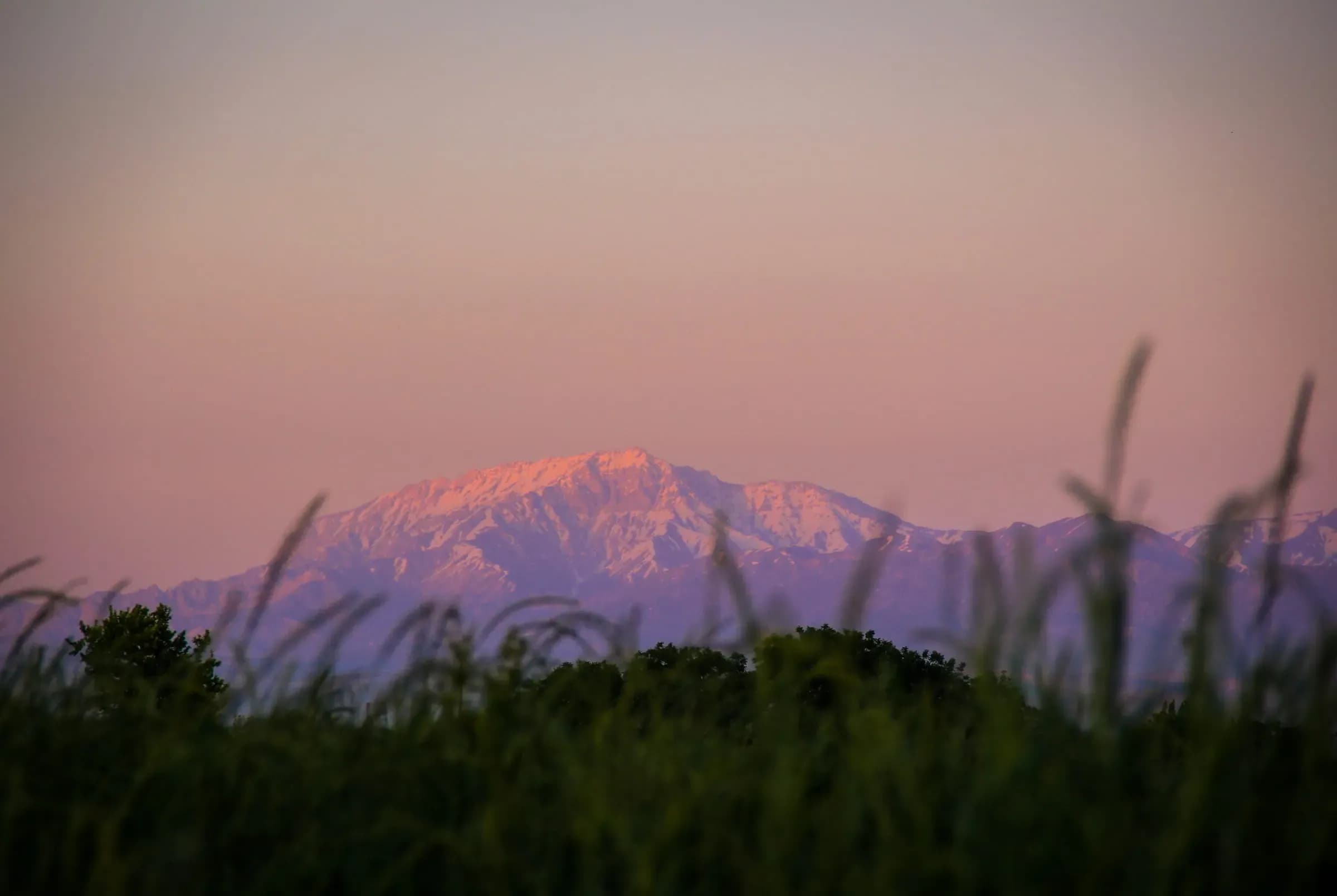
Chimgan is where the road out of Tashkent begins to feel mountainous: grass at the edges, ridges ahead, and Greater Chimgan holding the skyline. A good visit starts with one clear intention, whether you come for open views, slope air, a resort road, or a guided walk.
Open place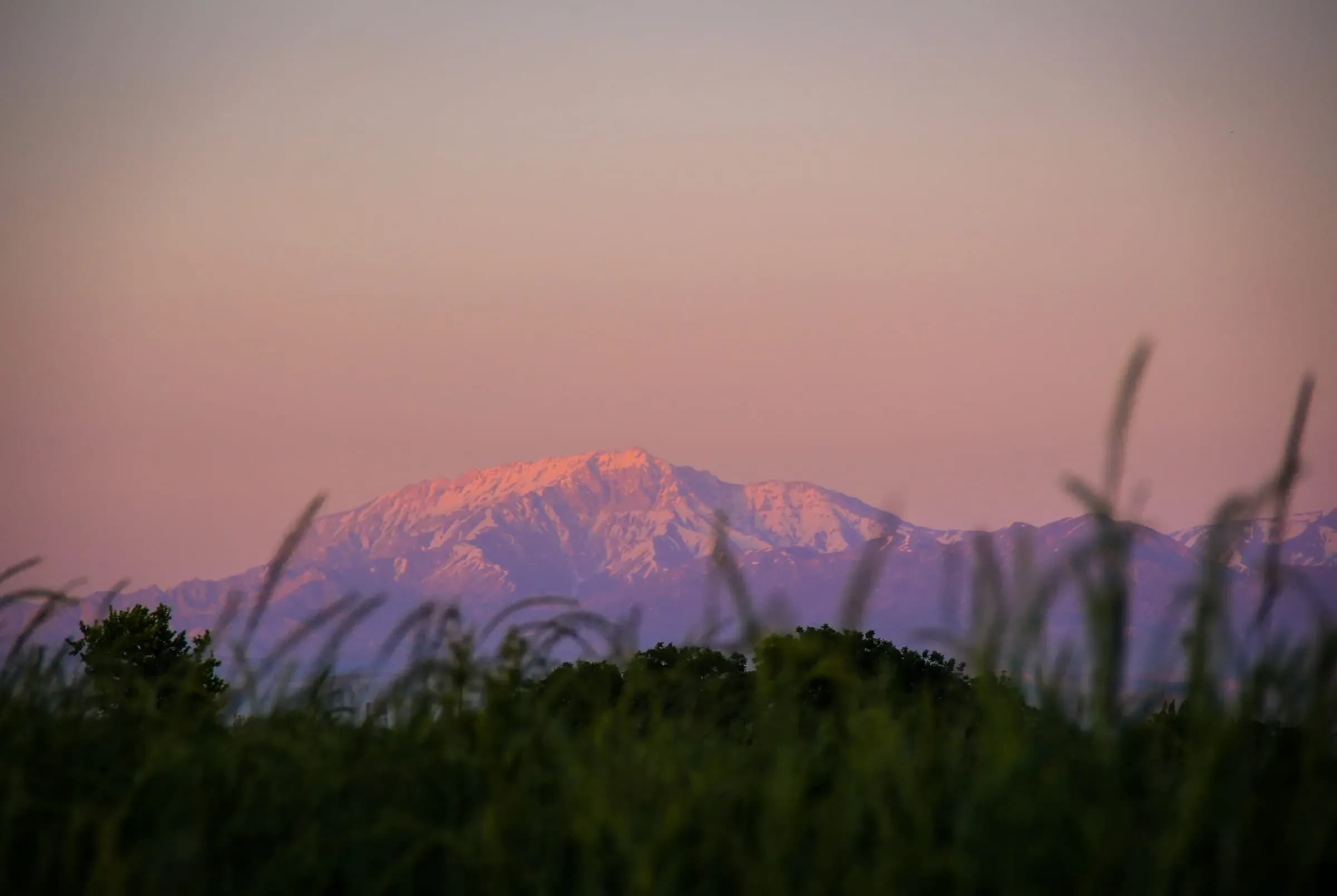
Greater Chimgan is the peak that makes the Chimgan road feel suddenly vertical. From below, it gives the foothills their skyline and a reason to leave Tashkent's heat; for prepared hikers, it belongs only in a guided plan shaped by weather, daylight, and route conditions.
Open place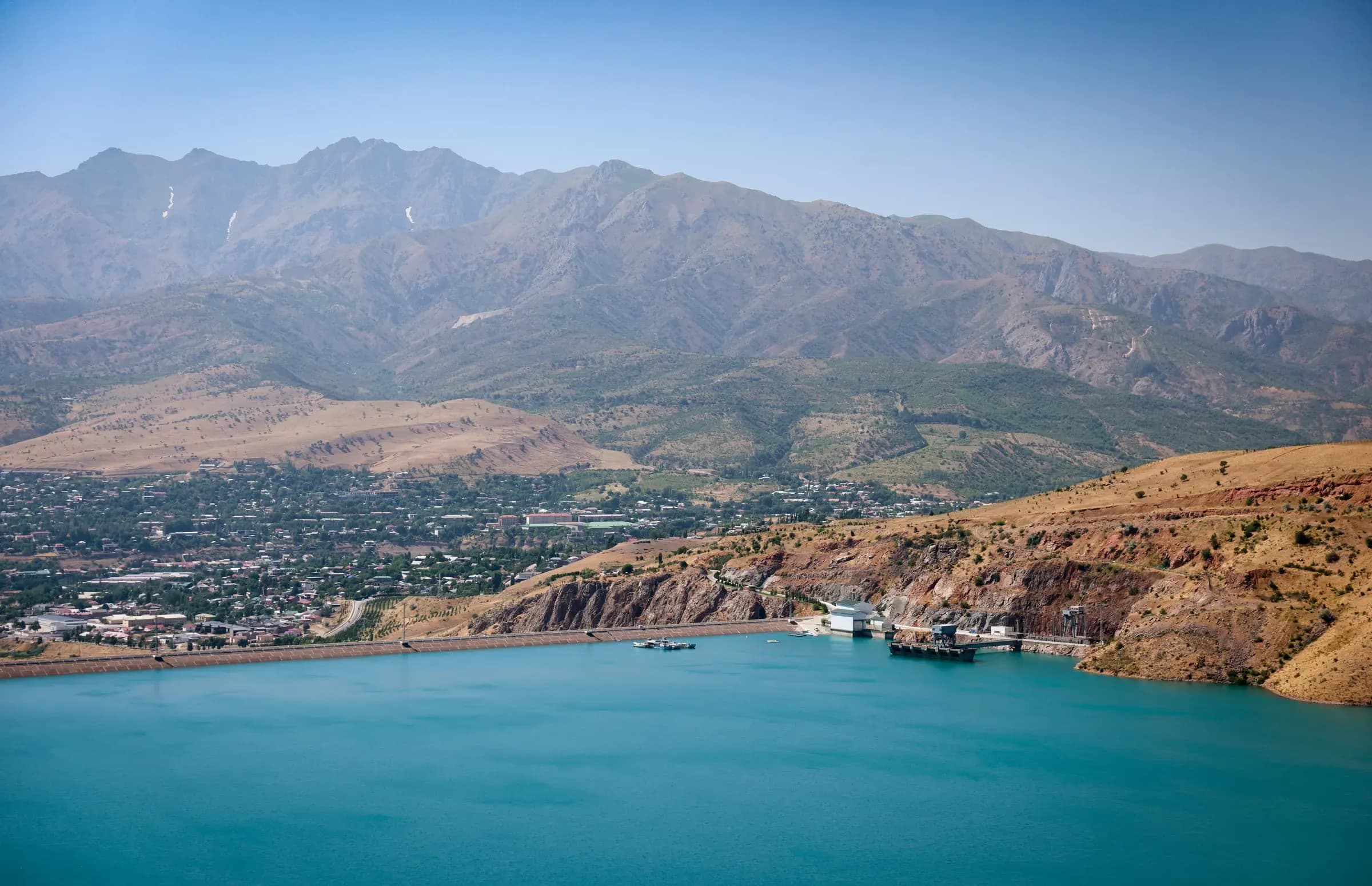
Charvak Reservoir changes a Chimgan outing from slope views to water and open horizon. Come first for the reservoir itself: a viewpoint, a shore meal, or a seasonal recreation stop, with swimming or boating decided locally by weather, operator, and water safety conditions.
Open place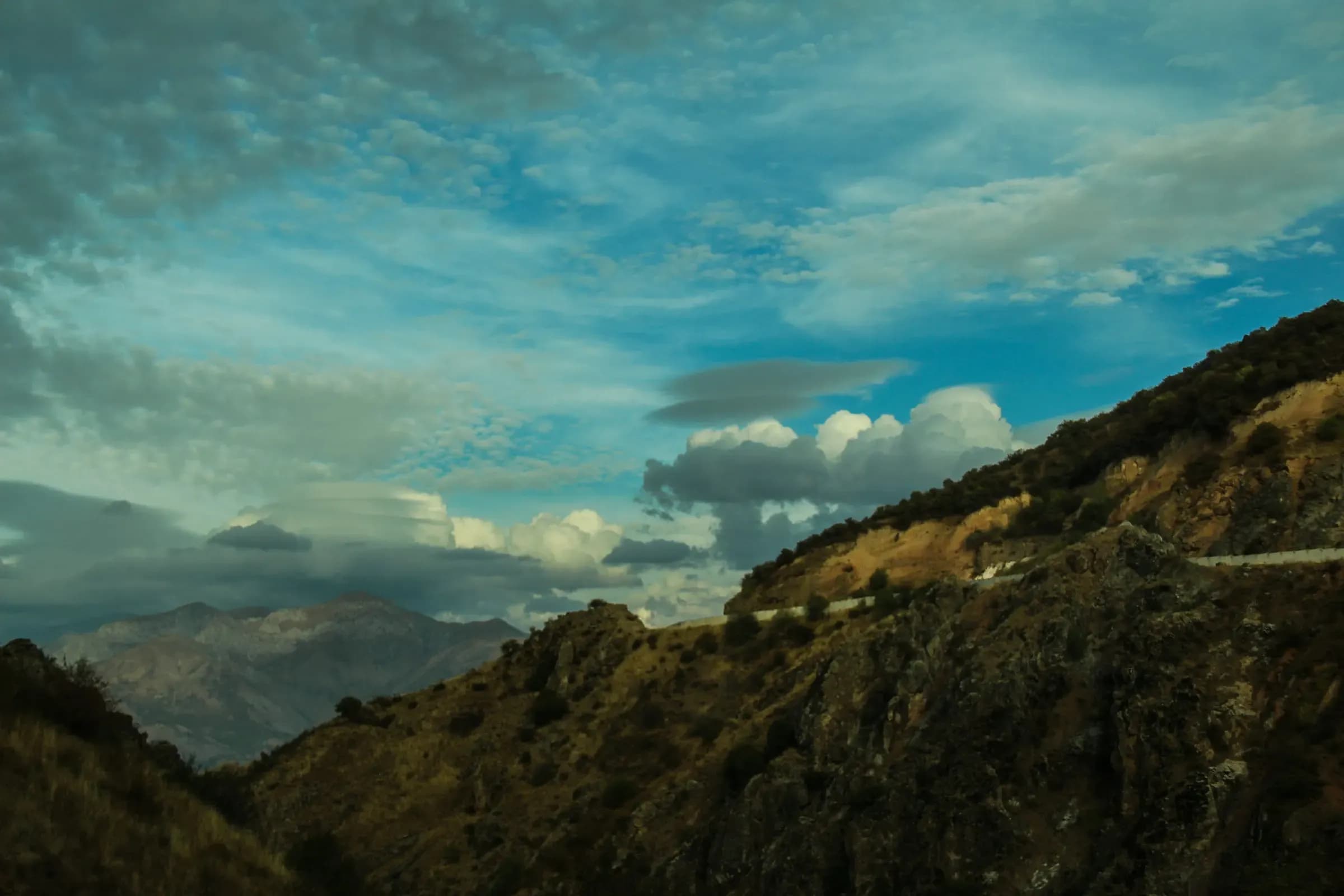
Above the Chimgan road, Amirsoy gives the mountains a more settled resort shape: a gondola view when lifts are running, a snow-season slope, a family activity, or a meal with ridge air around it. The right visit stays flexible because weather and cableway operations can change qu
Open place
Above Chimgan, Beldersay changes the mountain outing from a broad valley view into steeper slope air. When the lifts are operating, the visit can rise above the road; when they are not, the route still needs a clear reason: winter snow, a warm-season gorge walk, or a quiet high s
Open place
This is not a casual add-on beside the resort entrance. Beldersay needs a mountain-minded visit: access checked close to travel, weather respected, a guide who can read faint carved lines, and enough restraint to leave the stones untouched.
Open place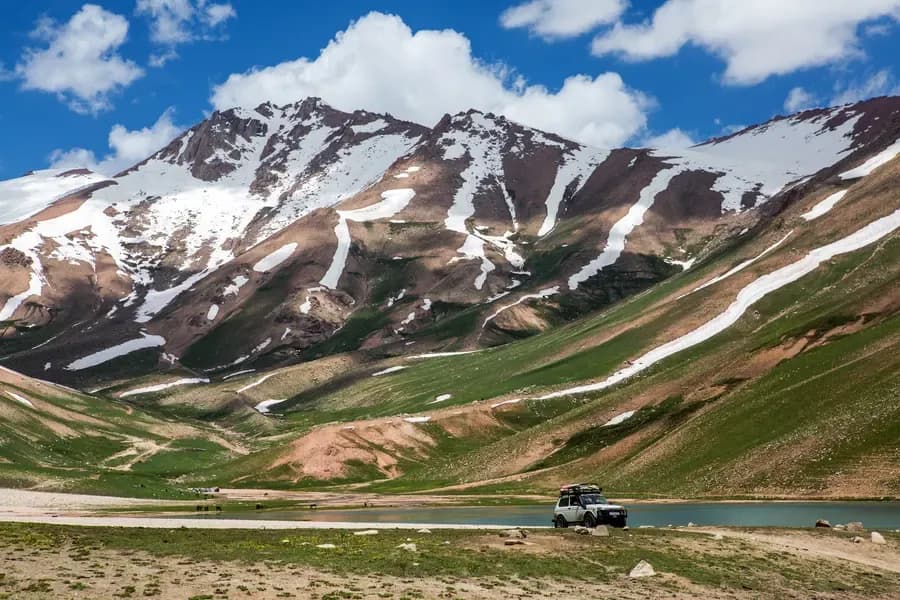
Paltau suits travelers who want the mountain day to leave the reservoir road and enter a narrower canyon. Check the approach close to travel, wear shoes for wet stone and uneven ground, and treat the waterfall as a guided stop within the wider Charvak, Burchmulla, and Ugam-Chatka
Open place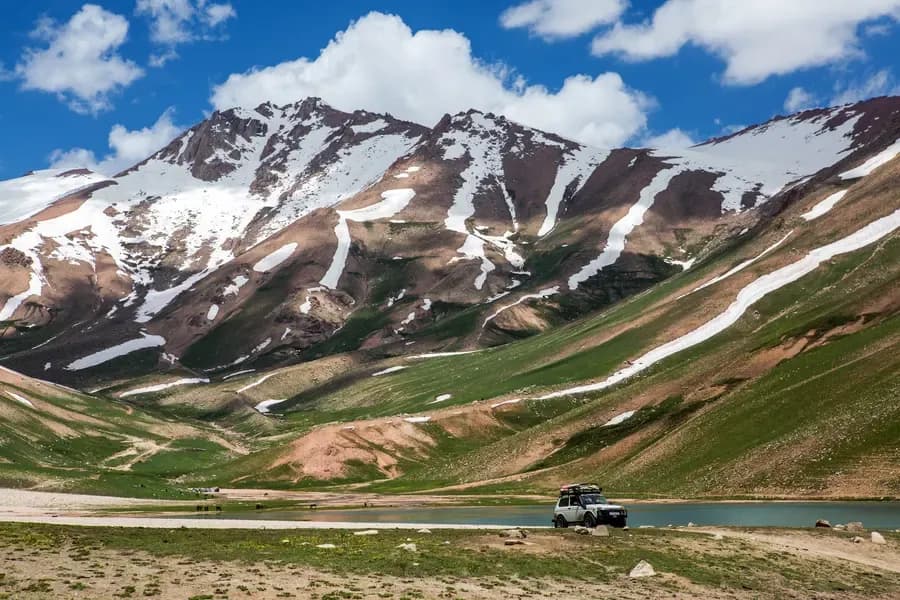
Obi-Rakhmat takes the Chimgan mountain route into a much older time scale. Near the Paltau and Charvak side of the western Tien Shan, a modest cave entrance leads into a record of Paleolithic strata, stone tools, and rare human evidence. Treat it as a quiet archaeology stop: ask
Open place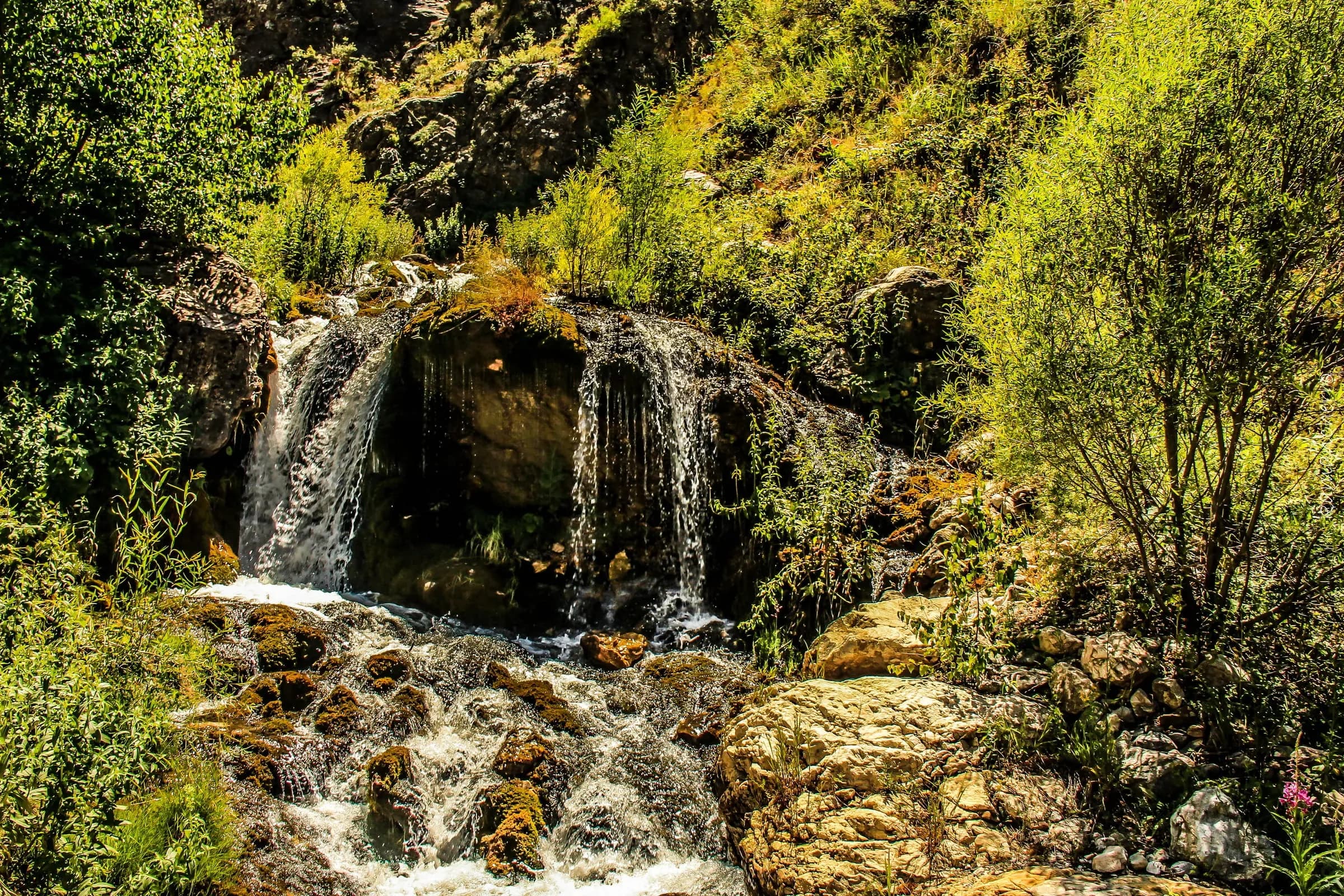
Gulkam shifts a Chimgan outing from open mountain views into water, boulders, and narrow rock walls. Go only after a local guide has checked weather, water level, footwear, group ability, and daylight for the canyon route.
Open place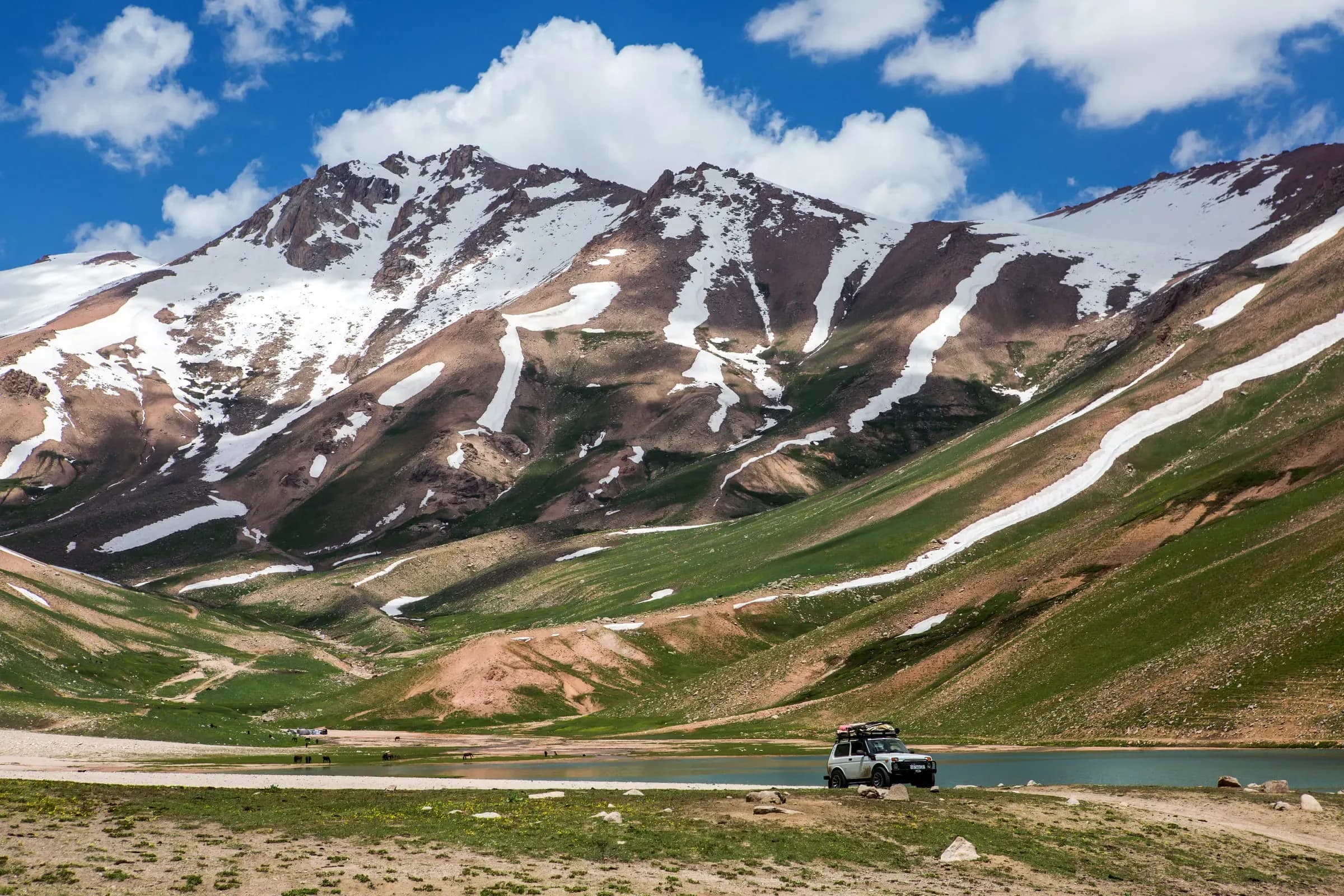
Ugam-Chatkal gives the Chimgan route its real scale: Western Tien Shan ridges, deep valleys, mountain rivers, juniper slopes, and protected zones that cannot be treated like an ordinary roadside stop. A good visit begins with the right accessible side of the park, not with the id
Open place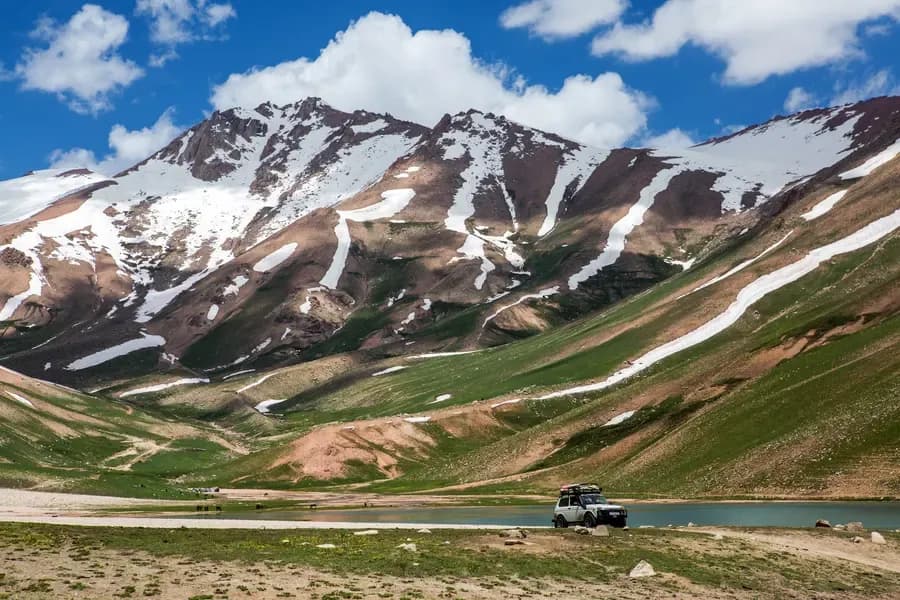
Urungach is the mountain-lake choice for travelers who can give the Chimgan route a longer seasonal outing. When the water is high, the lower lake turns cold jade-turquoise; beyond it, a higher lake and changing road conditions make the visit a careful Bostanlyk plan rather than
Open place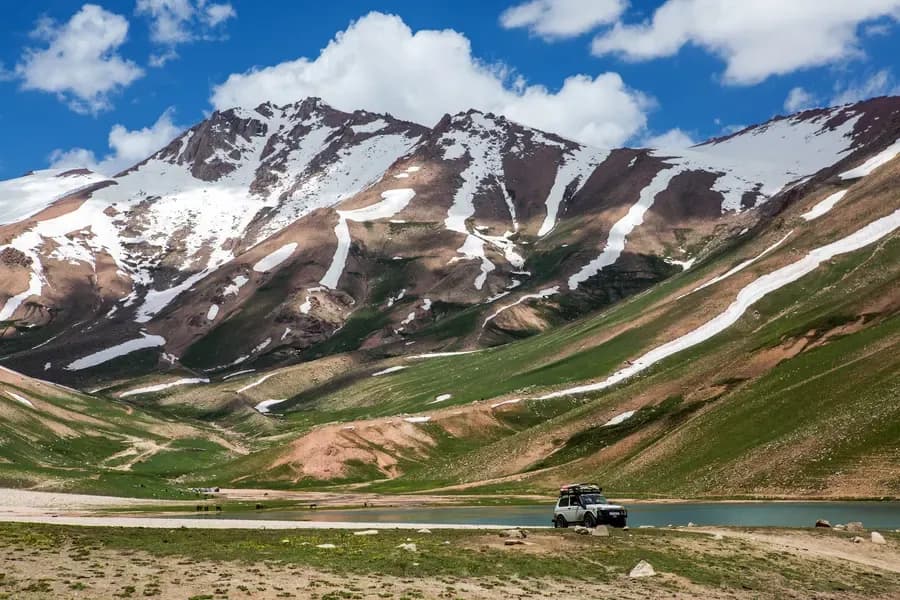
Khodjikent does not need to fill half a day. It needs the right light, a guide who can help the eye find the carved lines, and a visit calm enough to keep hands, water, chalk, shoes, and staged photos away from the stone.
Open placeMountain moments
The outing can stay soft or become more active: first air after Tashkent, Charvak water, Beldersay height, Amirsoy facilities, Gulkam with a guide, or a winter plan shaped by snow and schedules.
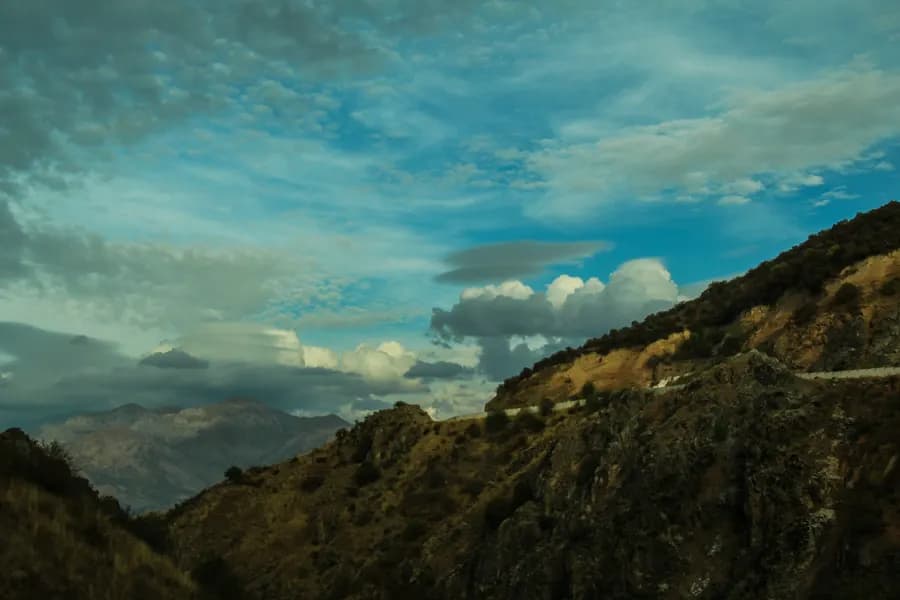
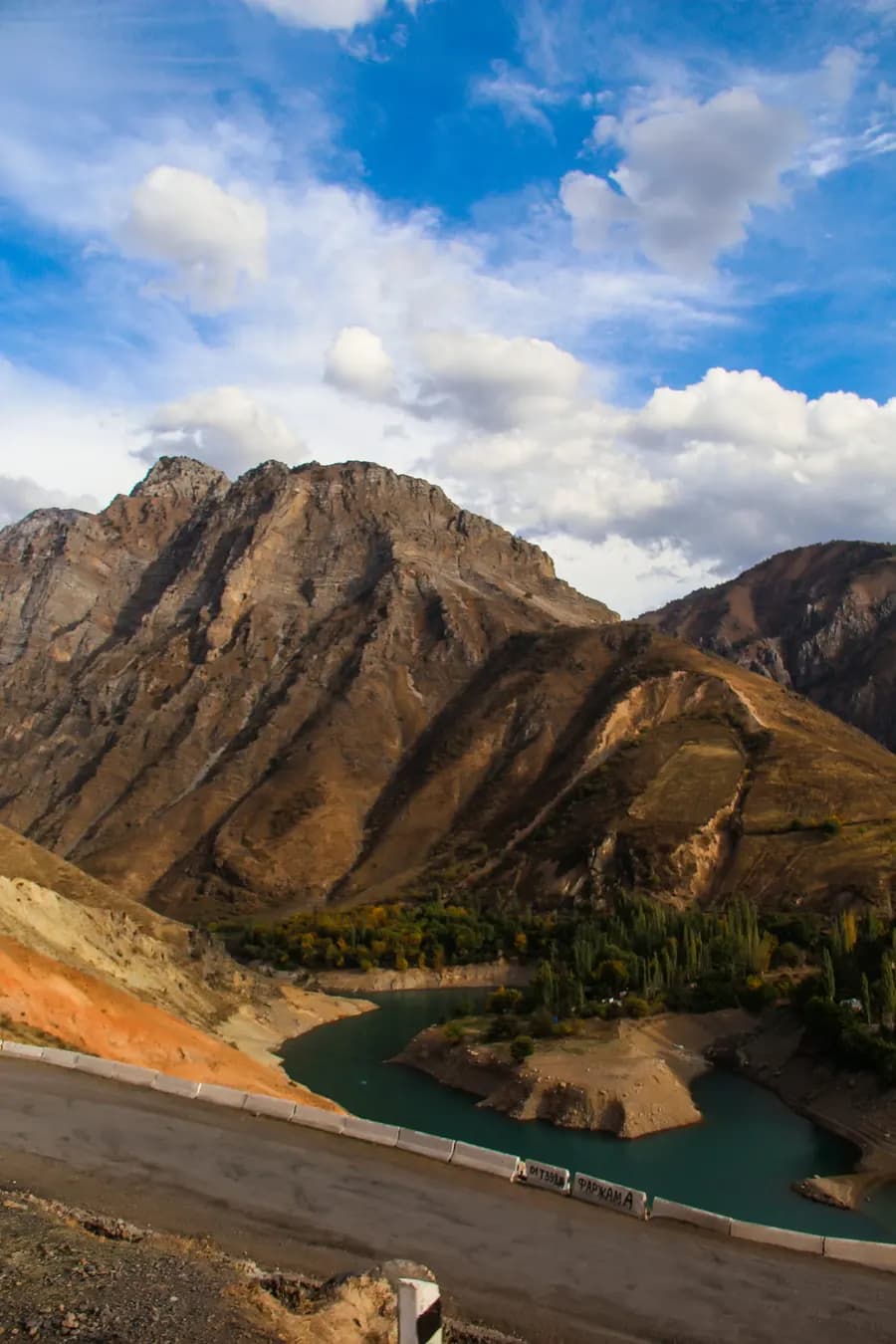
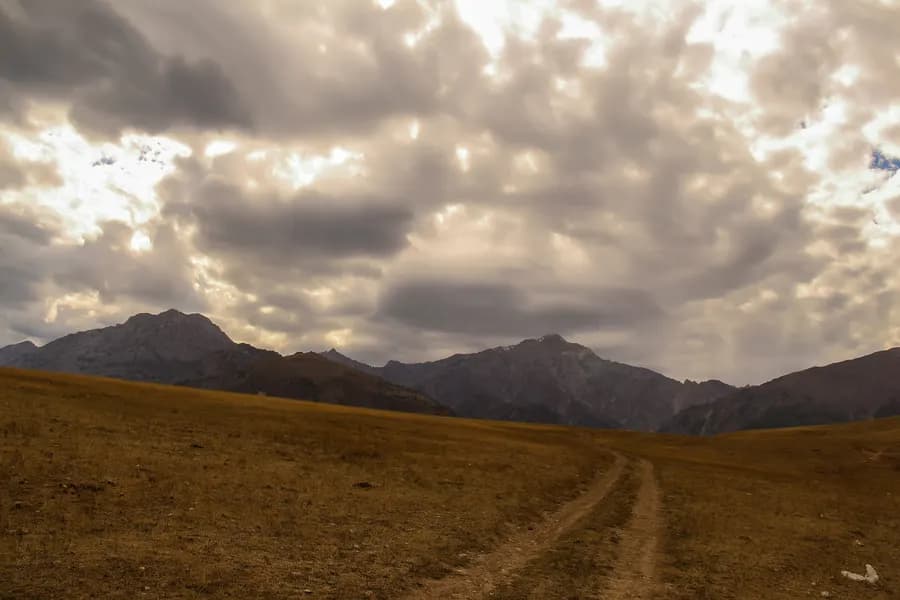
The capital road gives way to foothill air, dry grass, open slopes, and the first sense that the Uzbekistan route has stepped outside the city.
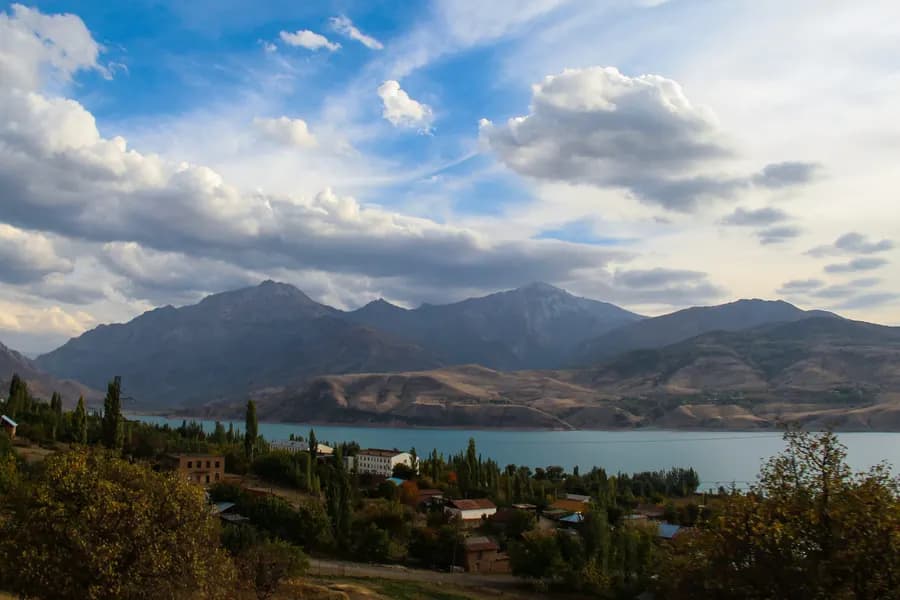
The reservoir adds blue water under dry ridges, shore light, and a wider mountain view before the road returns to Tashkent.
When the lift is running, Beldersay raises the view over the slopes and gives the mountain day height without turning it into a hard hike.
Amirsoy suits travelers who want a more structured mountain stop, resort facilities, and a clear access check before leaving Tashkent.
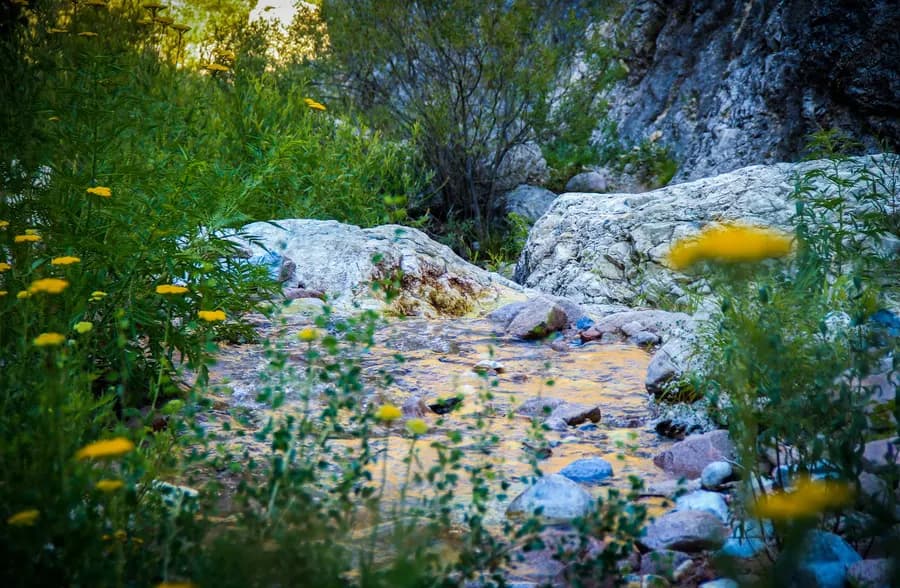
Gulkam belongs in the plan only when weather, water, footing, boulders, and local guidance make the gorge a responsible choice.
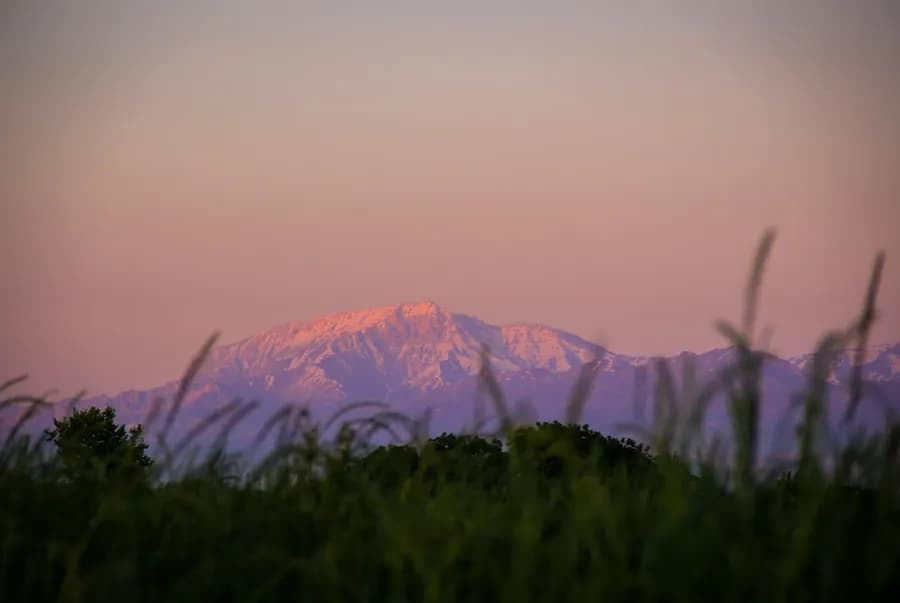
Winter can make Chimgan crisp and quiet, but snow, road safety, lift schedules, and resort readiness shape whether the day should stay soft or active.
Before you go
The road is close to Tashkent, but the mountain area changes the pace of the trip. A good Chimgan day is not a race through every name on the map; it is a clear choice shaped by weather, road time, trail conditions, and the mood of the group.
Begin with the feeling you want from the day: open slopes, Charvak water, a resort road, or a guide-led gorge. Trying to force them all into one outing usually makes the mountains feel rushed.
The capital stays close, but the air changes fast.
Mountain roads, weekends, weather, lifts, snow, and trail access can change the right plan, so the final version should be checked close to departure, especially for Gulkam, Ugam-Chatkal, and winter routes.
Keeping Tashkent as the return point makes Chimgan easier to fit around flights, trains, museums, meals, and the next heritage-city route.
Choose one clear mountain focus, then let the road, weather, and local guidance decide how far the day should go.
Before you go Place type
Foothill and resort area above Tashkent, planned as a mountain outing rather than an urban stop.
Mountain character
Chimgan slopes, Charvak water, resort roads, dry ridges, snow lines, and guide-led gorges.
Season and access
Spring and autumn suit lighter walks; summer brings cooler air; winter depends on snow, roads, and operating schedules.
Route role
The closest mountain continuation for Tashkent stays before or after the longer Silk Road route.
Nearby routes
Tashkent holds arrivals, hotels, rail, restaurants, and museums while Chimgan gives the route its close mountain turn.
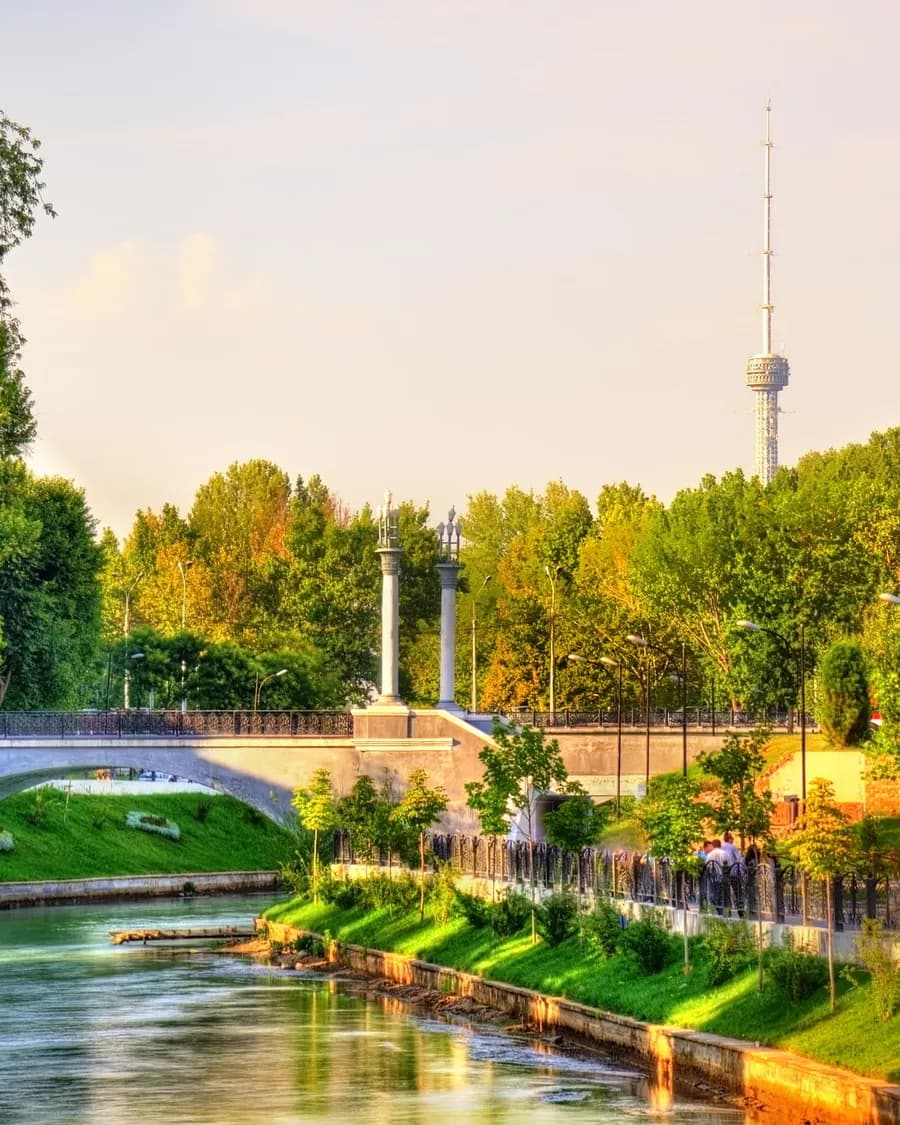
Uzbekistan's capital brings together Khast Imam, Chorsu, metro stations, museums, broad avenues, and the road toward Chimgan.
ViewCity in detail
Walking time, overnight location, and when day trips make sense.
one focused city day plus overnight is usually enough when the old core or main anchors get a full walking window. City tone: “Mountain air after Tashkent”.
Start with the compact city walk first. Day trips only after the centre has settled — otherwise the stop feels like a transfer with monuments attached.
Stay close enough for an evening return on foot or a short transfer. That keeps tea, dinner, and a second pass through the lanes easy without burning the next morning.
On request
We help agencies set a realistic pace and choose the right next move — without rushing the places that matter.