TourLink
Road portals, rock art, Chashma spring, desert lake, and foothill villages
About
Between Samarkand, Bukhara, and the Kyzylkum, this region turns the journey from monument streets toward open land.
Start with Rabat-i Malik and the Sardoba on the Navoi road, then continue toward Sarmyshsay rock art, Chashma in Nurata, Aydarkul shore, and Sentyab's foothill village paths before the Kyzylkum night.
Together they show why this is not only a transfer road: caravanserai brick and stored water, dark petroglyph stone, Chashma spring, blue lake edge, and village paths below the Nuratau foothills.
Agencies and travellers who need Nurata, Aydarkul & Kyzylkum as a readable stop — strong places, honest pacing, and logistics that hold.
Getting around
Start with Rabat-i Malik and the Sardoba on the Navoi road, then continue toward Sarmyshsay rock art, Chashma in Nurata, Aydarkul shore, and Sentyab's foothill village paths before the Kyzylkum night.
Main anchors
Together they show why this is not only a transfer road: caravanserai brick and stored water, dark petroglyph stone, Chashma spring, blue lake edge, and village paths below the Nuratau foothills.
The Karakhanid portal and nearby Sardoba turn the Navoi road into a Silk Road stop of brick, heat, shade, and stored water.
Route anchors
The map shows the sequence: Rabat-i Malik and the Sardoba on the Navoi road, Sarmyshsay rock art, Chashma in Nurata, Aydarkul shore, and Sentyab below the Nuratau foothills.
Region character
Nurata, Aydarkul, and the Kyzylkum edge sit between monumental cities and open land. The value here is not another grand facade, but the shift into spring water, petroglyph stone, village hospitality, lake wind, and distance. «The middle of Uzbekistan can be quiet without feeling empty.»
Region anchors
The route starts clearest with these five anchors. Wider journeys can use Navoi or Karmana road context, continue toward Yangikazgan yurt-camp roads, or touch longer Kyzylkum edges such as Uchkuduk only when timing and local access make sense.
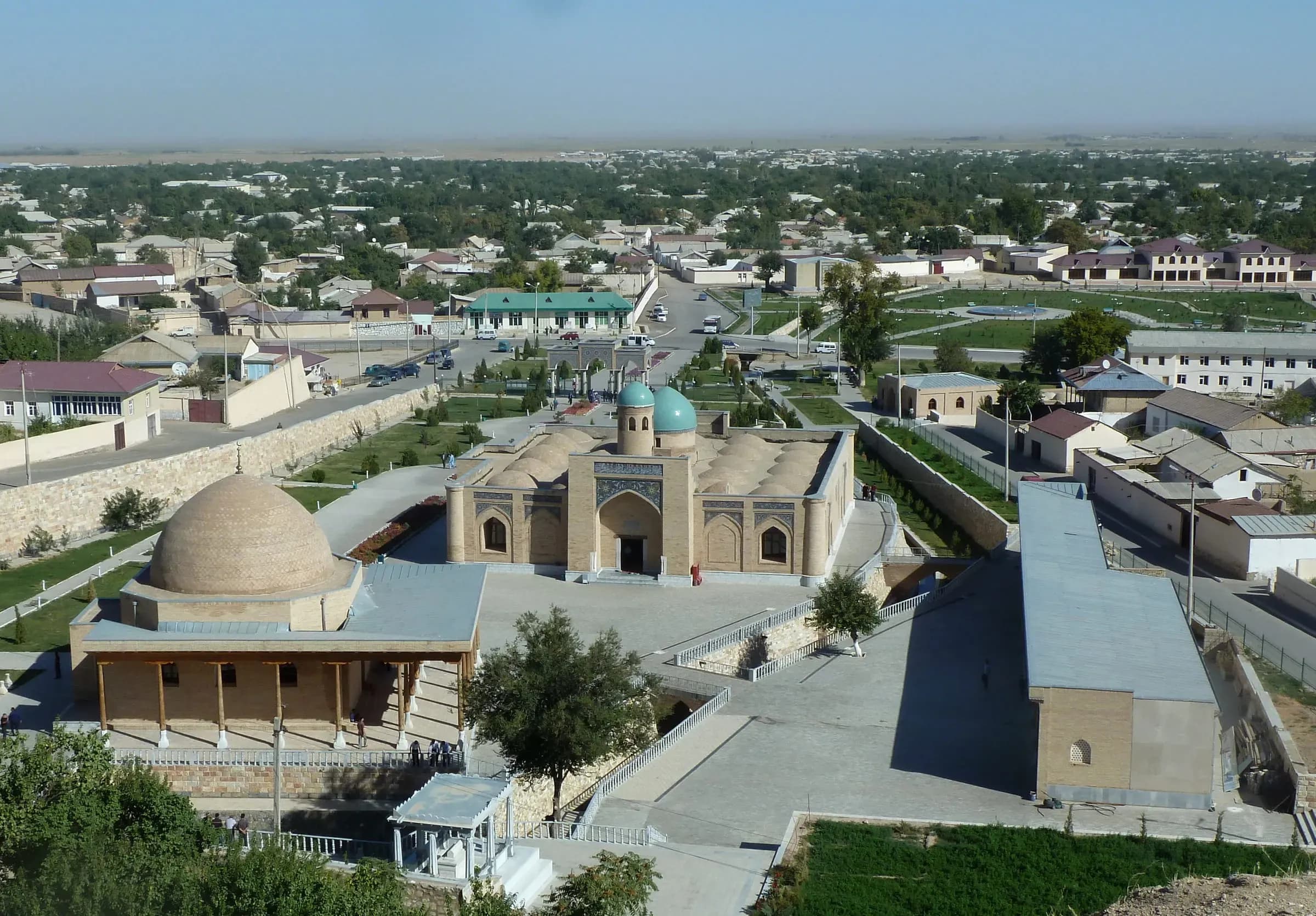
Nurata gives the desert route a first moment of water and shade. At Chashma, spring water, the mosque courtyard, fish in the pool, and the old fortress hill make the town feel calm before the road turns toward Aydarkul or Sentyab.
Open place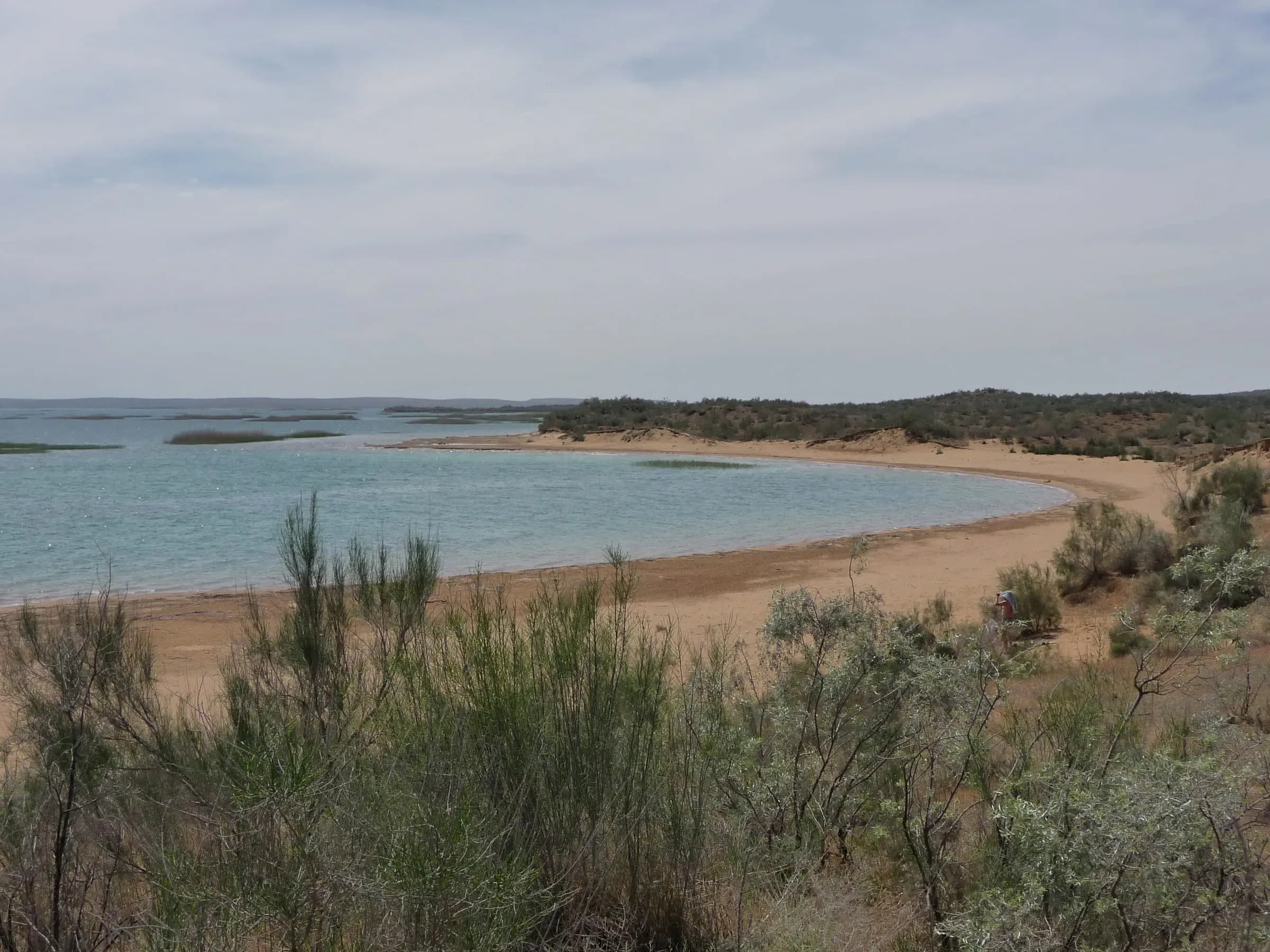
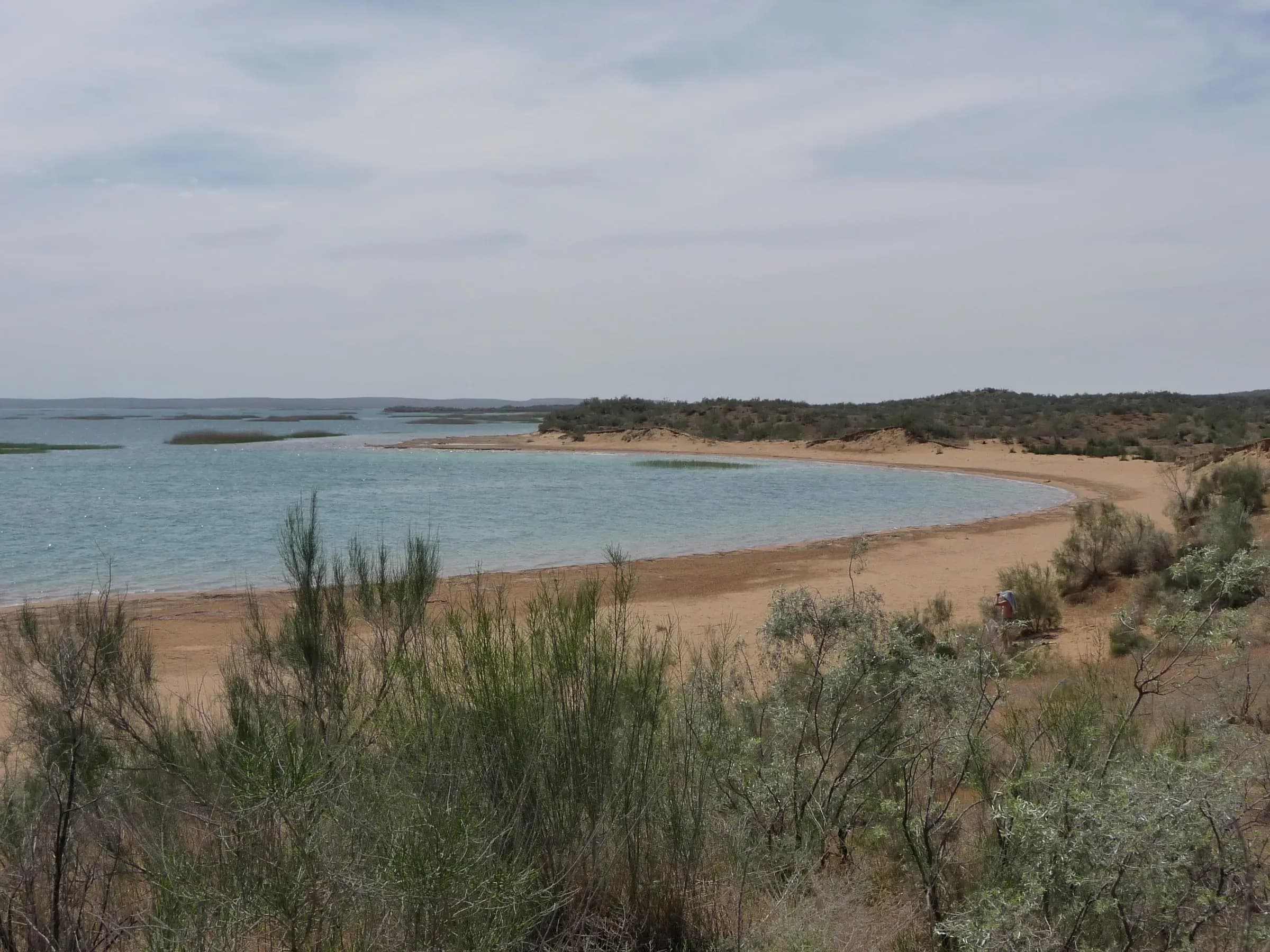
Aydarkul is the lake stop on the Kyzylkum road: open shore, reeds in the wind, soft sand, seasonal bird movement, and a route back toward Nurata or Sentyab.
Open place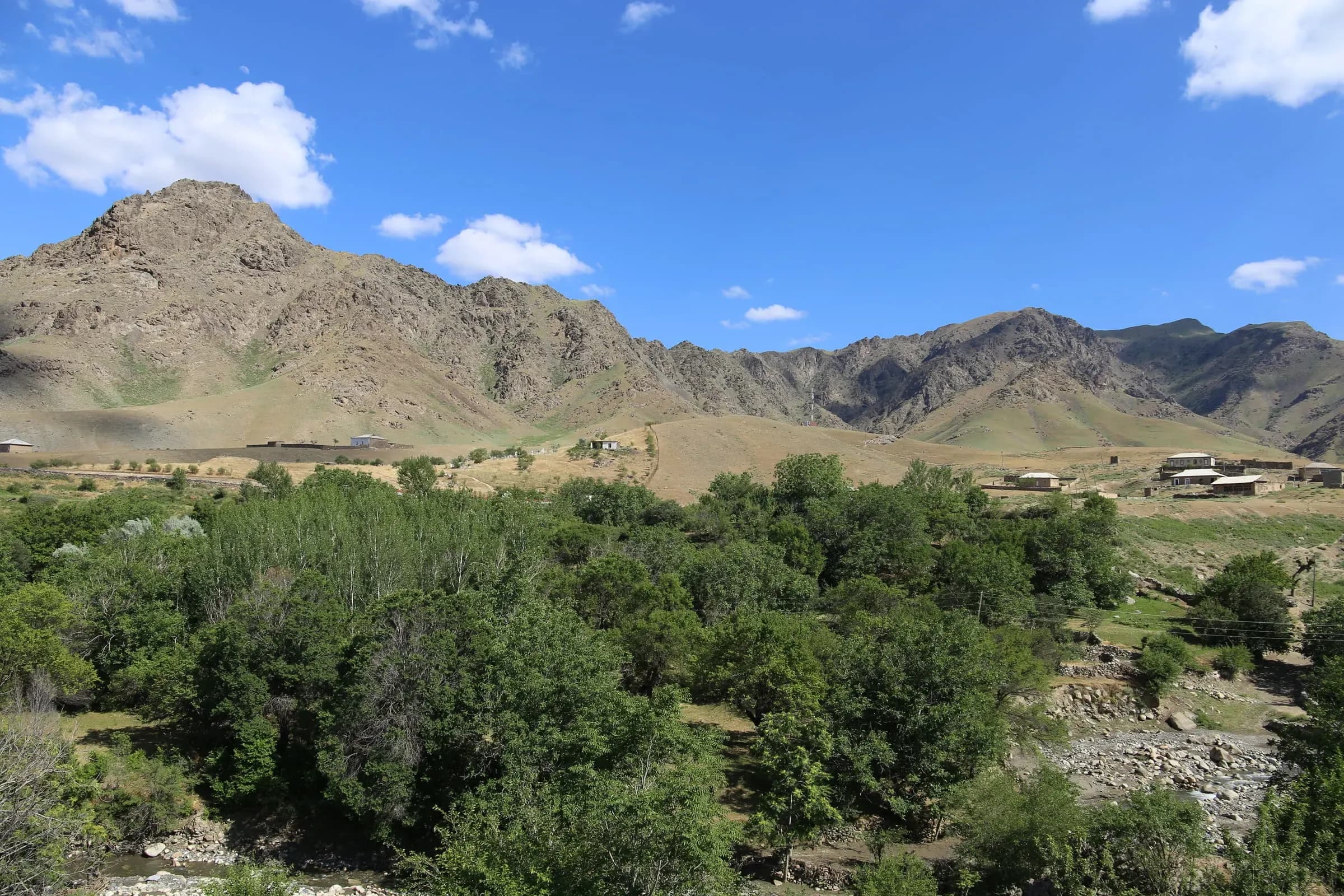
Sentob sits below the Nuratau slopes where the road from Nurata begins to loosen toward Aydarkul and the Kyzylkum. Stone walls, narrow lanes, garden shade, and household tables make the stop feel personal before the route opens again to lake, reeds, sand, and desert air.
Open place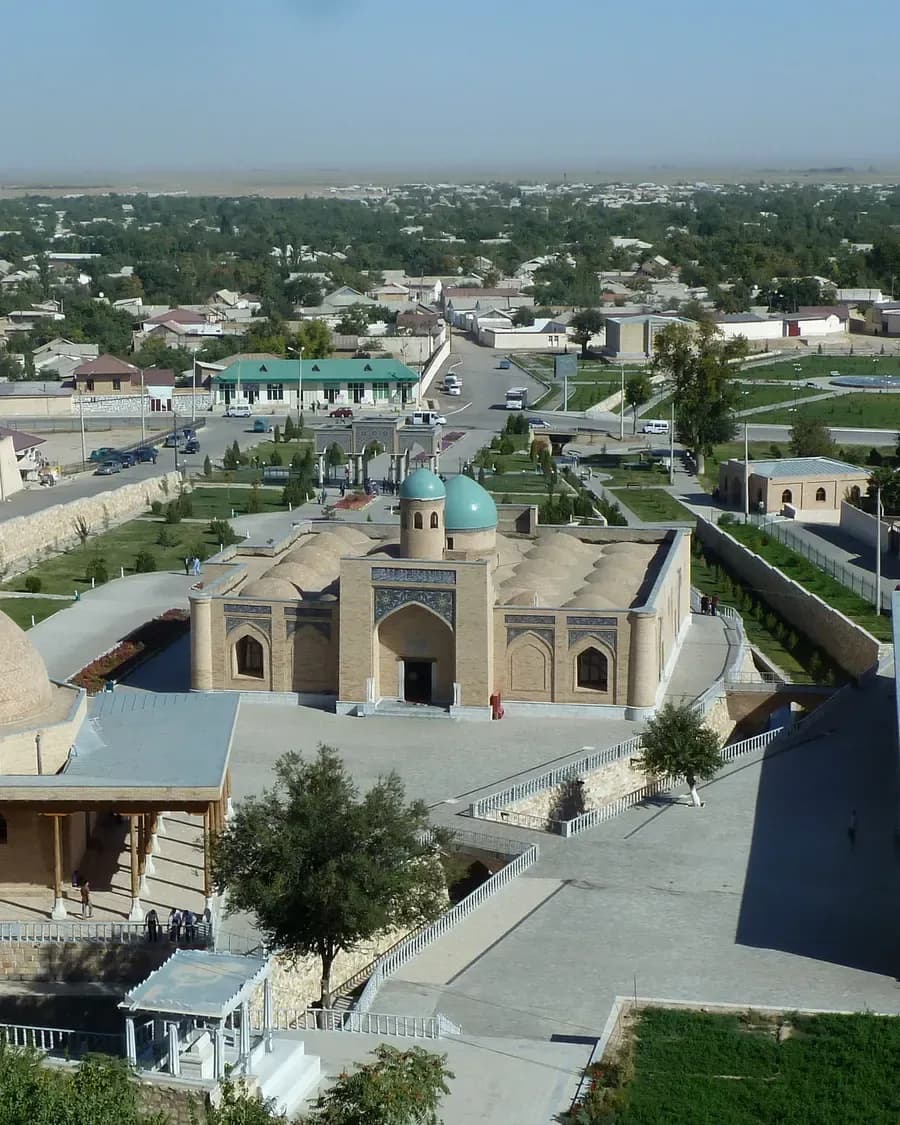
On the road between Nurata, Aydarkul, and the Kyzylkum, Sarmyshsay turns a wide route toward close stone. The gorge holds animal figures, hunting scenes, symbols, and later inscriptions under dark patina, so the strongest visit is guided, unrushed, and hands-off around the rock.
Open place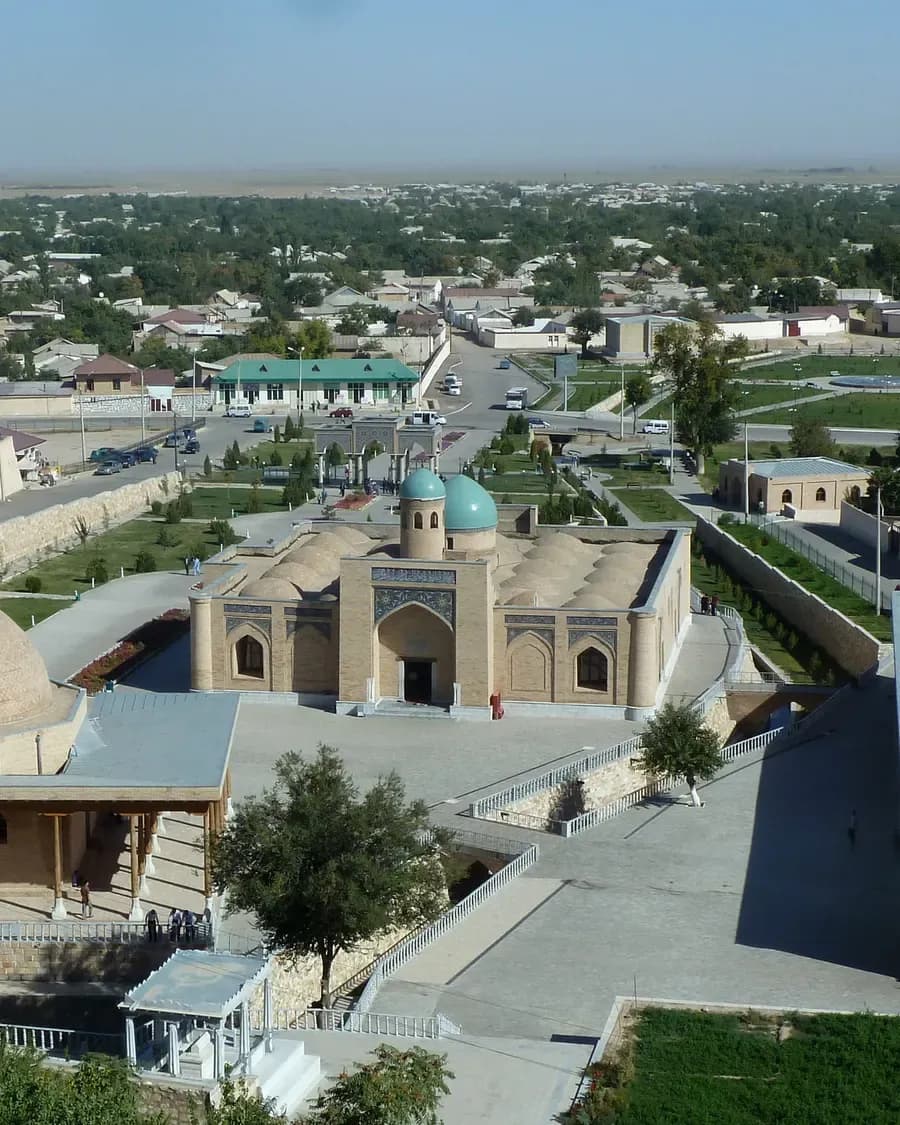
Near Navoi, Rabat-i Malik is a place to read the road rather than a city to walk through. The surviving caravanserai portal gives the plain a threshold; the nearby sardoba explains the water, shade, and rest that made movement possible.
Open placeWhat to see
The strongest moments are simple and physical: portal brick, stored water, carved stone, cool spring sound, sand, birds, stone paths, firelight, and conversations at a table.
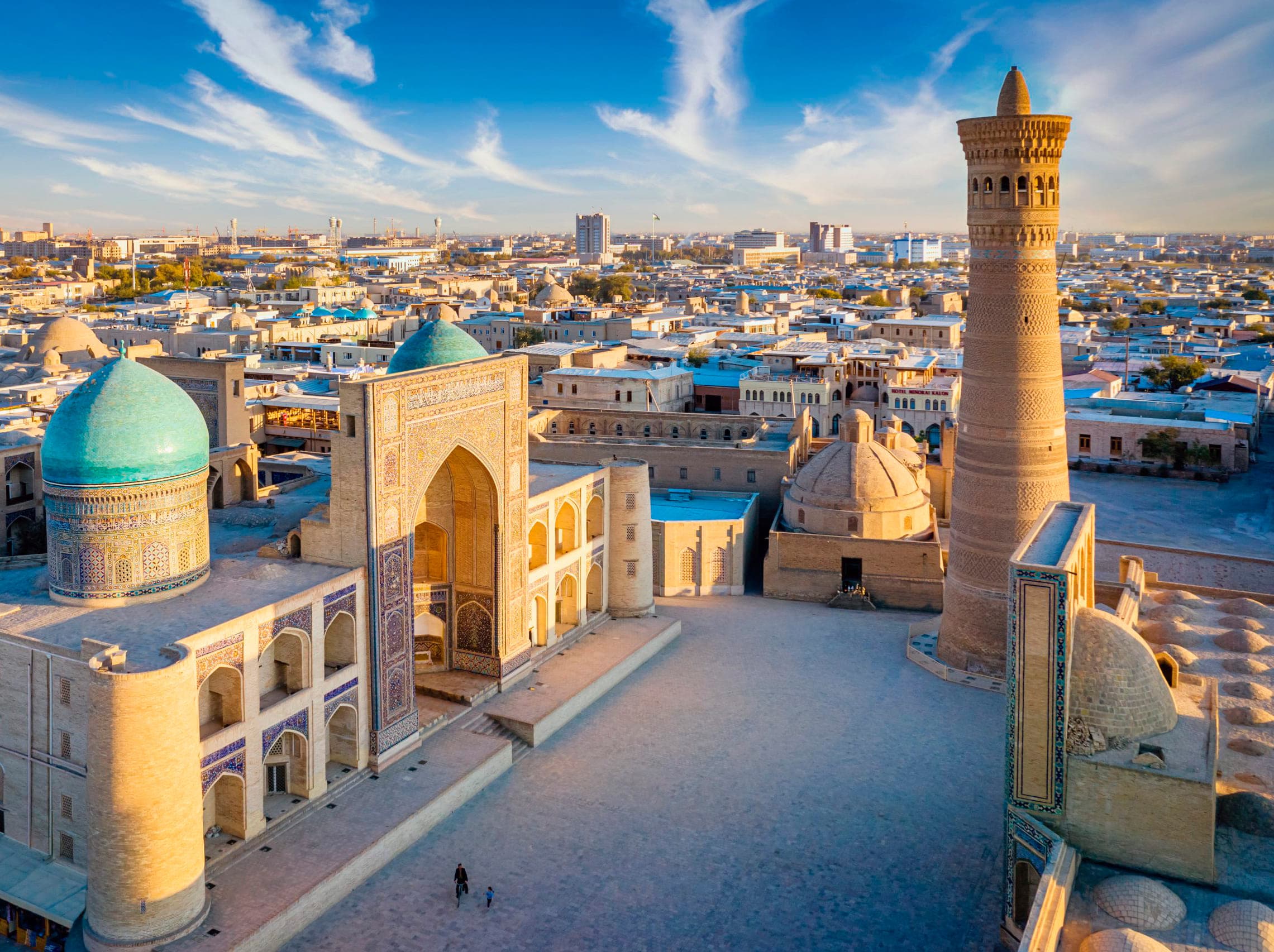
Kichiksoy opens first as a village setting. Kattasoy MFY, the approach road, and the quiet lanes give the stop its scale before any meal, craft, or longer pause is added.
Open placeBegin with the village before adding the table, craft, music, or a longer stay. Mushkan needs a little space: mountain air, open village edges, and the slower approach from the Nurota side.
Open placeBegin with the village itself. Angidon sits high in Khatirchi District, where the air, slopes, and slower road make the stop feel different from the lower Navoi line.
Open placeThis stop explains the movement around Kichiksoy: first the village pause, then nearby Mushkan, and finally the return toward Nurata, Sentob, Chuya, or Aydarkul.
Open placeThis stop gives Kichiksoy a little more meaning without turning the village pause into a lecture: the road in, the Nurota-side landscape, and the reason Mushkan belongs nearby.
Open placeThis stop is about movement around Mushkan: nearby Kichiksoy, the return toward Nurata, and the choice to add Sentob or Chuya only when the journey has enough time.
Open placeRegion in detail
Pace, season, and how this region connects to the next stop.
2–4 days usually works if you keep one strong core and treat outer stops as deliberate choices. The region brief is “Road portals, rock art, Chashma spring, desert lake, and foothill villages”.
Use neighbouring cities as clean handovers: arrive with a calm first night, leave after one completed chapter, and avoid stacking two long transfers on the same day.
Heat, altitude, road condition, and opening hours change the product more than the brochure list. Build the region around what stays comfortable for the group that week.
On request
We help agencies set a realistic pace and choose the right extensions — without rushing the places that matter.