
TourLink
About
On the road between Nurata, Aydarkul, and the Kyzylkum, Sarmyshsay turns a wide route toward close stone.
Sarmyshsay starts with close rock-art attention, while Nurata, Aydarkul, and Sentyab keep the stop inside the wider desert-edge route.
The map keeps the gorge practical: rock art, spring water, lake shore, and foothill village roads can sit in one careful route.
Agencies and travellers who need Sarmyshsay as a readable stop — strong places, honest pacing, and logistics that hold.
Getting around
Sarmyshsay starts with close rock-art attention, while Nurata, Aydarkul, and Sentyab keep the stop inside the wider desert-edge route.
Visit pace
The map keeps the gorge practical: rock art, spring water, lake shore, and foothill village roads can sit in one careful route.
Dark patina, carved animals, guide context, and careful steps make the verified site anchor useful without promising an entrance or walking line.
Route anchors
The points hold the archaeological stop beside water, lake, and village anchors that give the route balance.
What to see
For travelers, Sarmyshsay starts with the gorge itself: petroglyph walls, dark patina, careful footwork, and guide context around fragile stone.
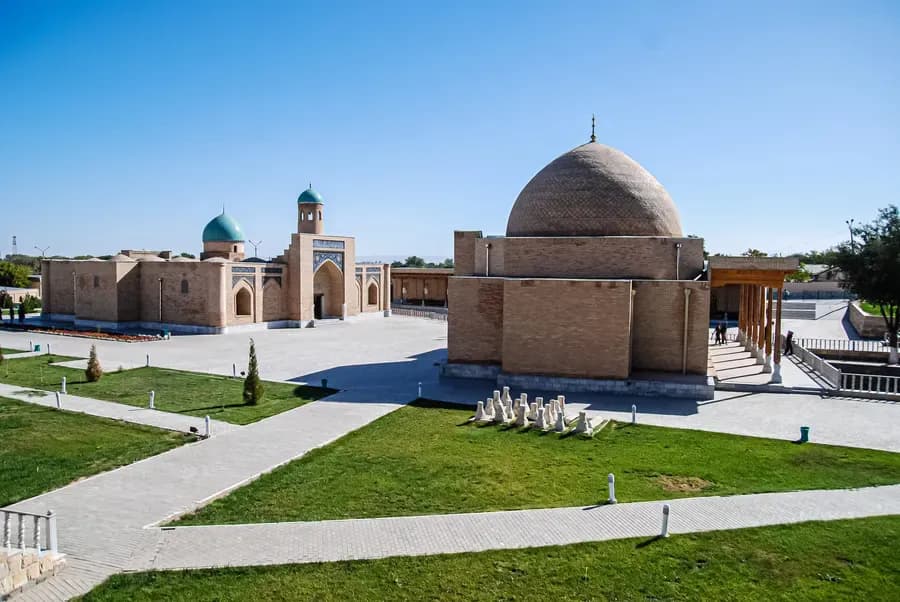
On the Nurata and Kyzylkum route, Sarmyshsay turns a transfer stop into a close look at ancient stone. A guide helps the animal figures, hunting scenes, and later marks come into view while the visit stays quiet and protective.
Open placeHow it feels
A good Sarmyshsay visit combines guide interpretation, changing light, and low-impact movement so the gorge becomes legible while the rock remains untouched.
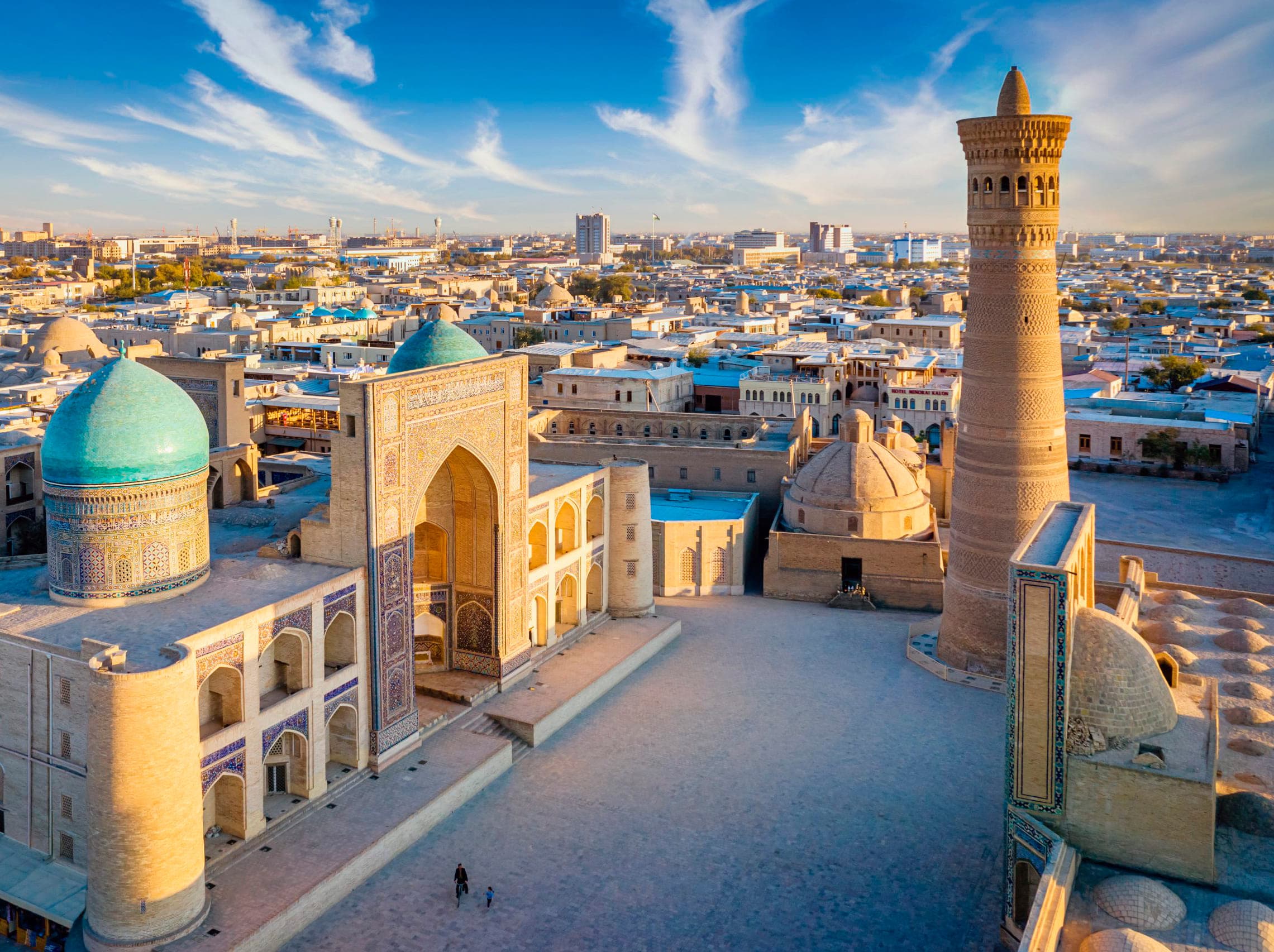
A guide helps the animal lines, hunting scenes, and later marks separate from the dark patina while the visit stays hands-off around the stone.
Softer light and patient looking make hoof shapes, animal bodies, and shallow cuts easier to read before the route returns to open road.
Careful footing, no touching, no chalk, and guide-led interpretation keep the petroglyph surfaces protected while the gorge becomes legible.
Before you go
The main image is immediate: dark rock faces carrying animal movement, human traces, symbols, and later marks. What matters is the way you look, walk, and leave the surfaces unchanged.
The gorge is led by carved lines rather than monument size: animals, people, tools, symbols, and marks that become visible as the eye adjusts.
At Sarmyshsay, the important detail often appears after the first look.
Dark stone, changing shade, and angled sun make the visit slow down. Some details appear only after the first scan has passed.
The site needs respectful distance. A good visit keeps hands, chalk, carving, and off-path pressure away from the rock surfaces.
Sarmyshsay fits when the Nurata and Kyzylkum route needs archaeology, quiet attention, and a guide's explanation before continuing toward spring water, lake shore, foothill village, or desert road.
Before you go Anchor
Rock-art gorge in Navoi region on the Nurata, Aydarkul, and Kyzylkum route.
Main magnet
Petroglyphs with animal outlines, hunting scenes, human figures, symbols, later inscriptions, and dark patina.
Care
Fragile rock surfaces need careful walking, no touching, no chalk, and guide-led interpretation.
Route fit
Guided archaeology stop before or after Nurata, Aydarkul, Sentyab, and the Kyzylkum road.
Where to continue
After the rock-art stop, the route can turn to Chashma water in Nurata, the open Aydarkul shore, or Sentyab's foothill paths and courtyard meals.
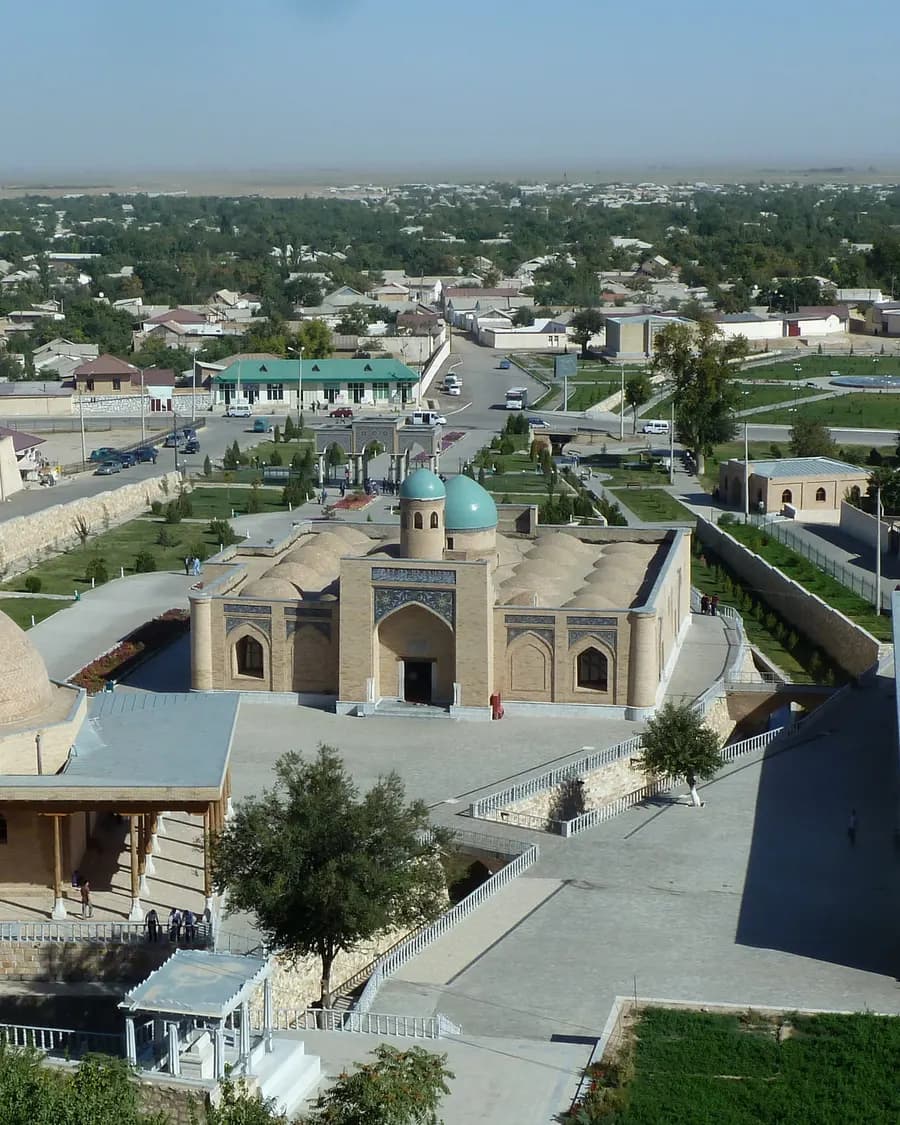
Nurata is the spring town before the Kyzylkum road: Chashma water, mosque shade, Nur Fortress above town, and the onward road to Aydarkul or Sentyab.
View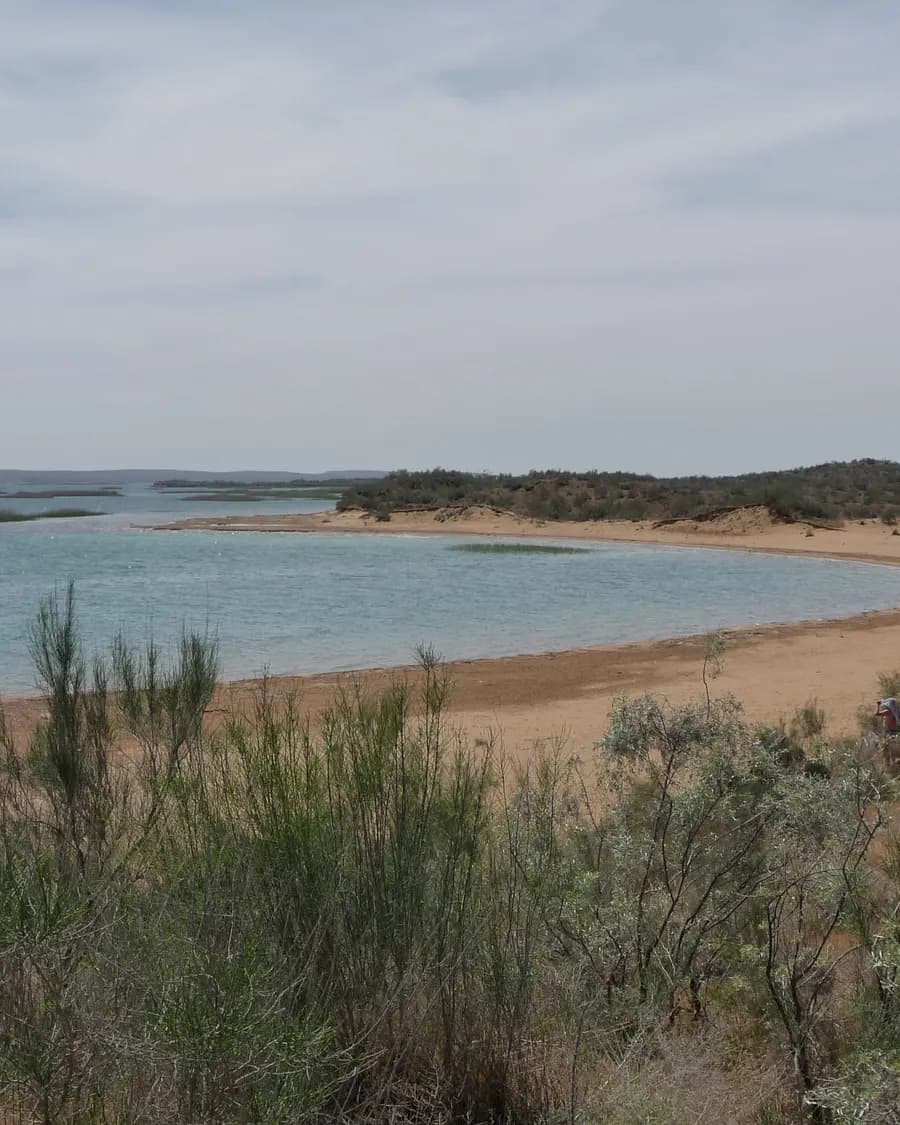
Aydarkul is the lake stop on the Kyzylkum road: open shore, reeds in the wind, soft sand, seasonal bird movement, and a route back toward Nurata or Sentyab.
View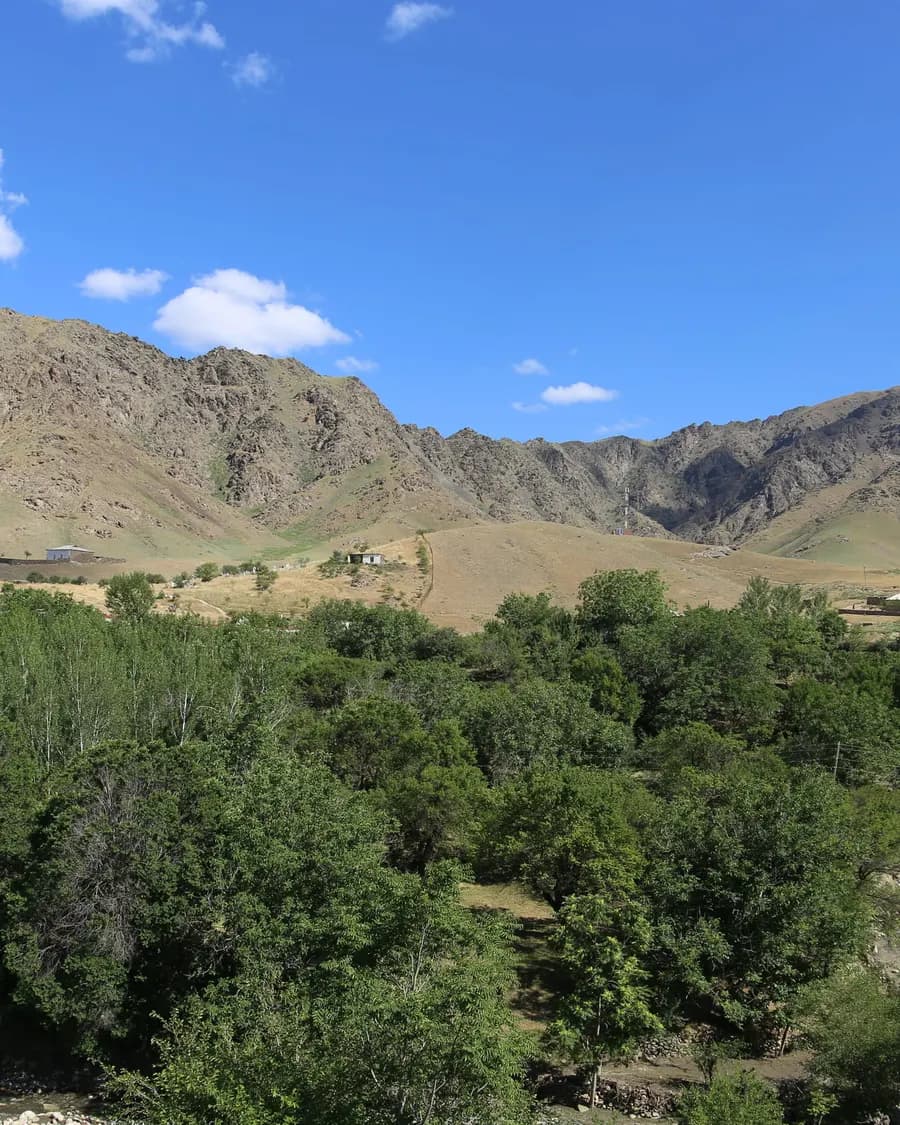
Sentob slows the Nurata-Aydarkul road at village scale: stone walls, shaded courtyards, garden produce, and Nuratau foothill views.
ViewCity in detail
Walking time, overnight location, and when day trips make sense.
one focused city day plus overnight is usually enough when the old core or main anchors get a full walking window. City tone: “A rock-art gorge between Nurata, Aydarkul, and the Kyzylkum road”.
Start with the compact city walk first. Day trips only after the centre has settled — otherwise the stop feels like a transfer with monuments attached.
Stay close enough for an evening return on foot or a short transfer. That keeps tea, dinner, and a second pass through the lanes easy without burning the next morning.
On request
We help agencies set a realistic pace and choose the right next move — without rushing the places that matter.