
TourLink
About
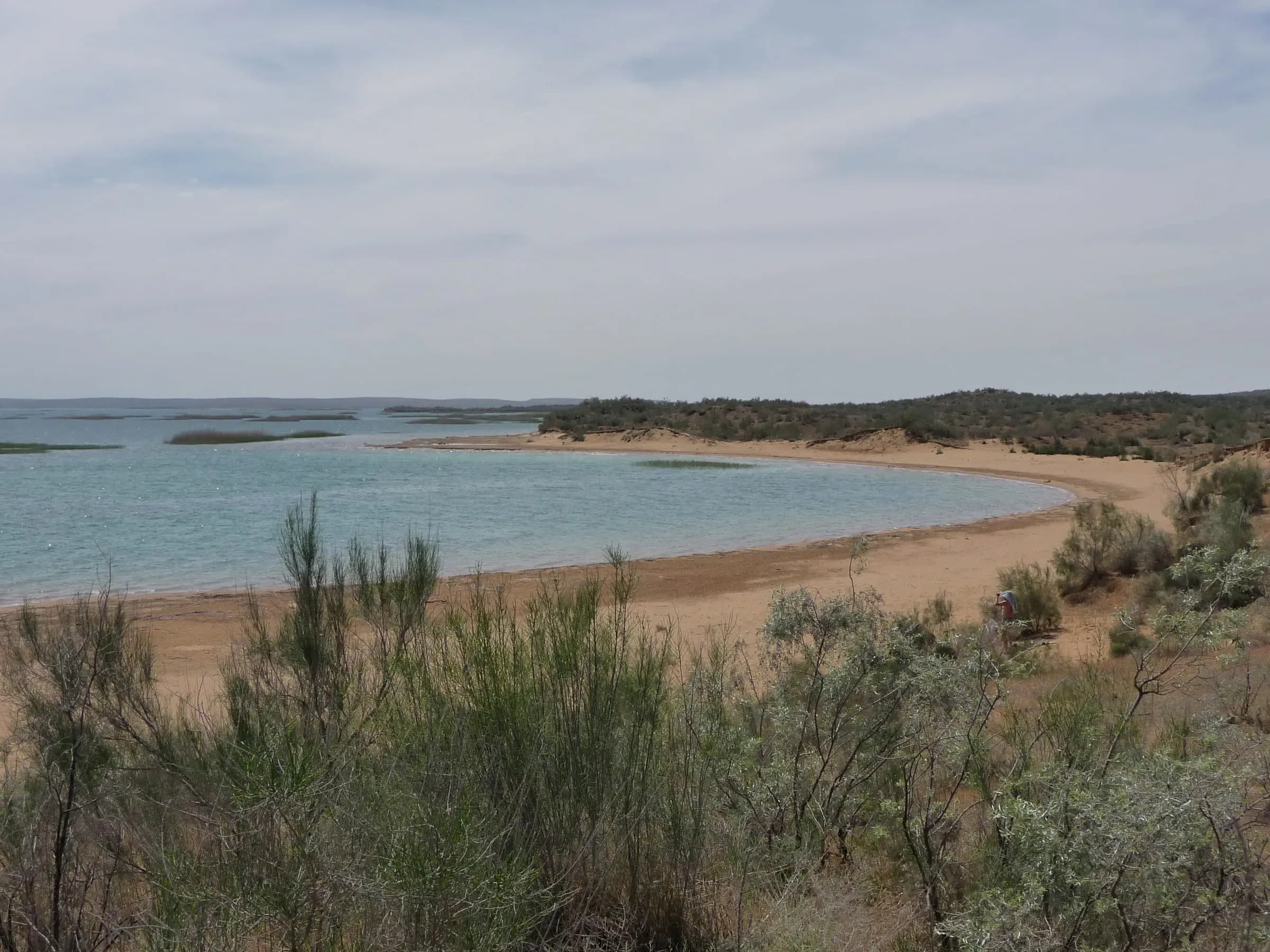
Aydarkul is the lake stop on the Kyzylkum road: open shore, reeds in the wind, soft sand, seasonal bird movement, and a route back toward Nurata or Sentyab.
After towns and courtyards, Aydarkul changes the pace: water, reeds, wind, and open shore set up the return toward Nurata or Sentyab.
After courtyards and streets, Aydarkul shifts the journey to wind over water, reed sound, distant birds, and a slower horizon.
Agencies and travellers who need Aydarkul as a readable stop — strong places, honest pacing, and logistics that hold.
Getting around
After towns and courtyards, Aydarkul changes the pace: water, reeds, wind, and open shore set up the return toward Nurata or Sentyab.
Lake route
After courtyards and streets, Aydarkul shifts the journey to wind over water, reed sound, distant birds, and a slower horizon.
Water color, reeds, soft sand, and open wind give the Kyzylkum route a kind of space no courtyard can provide.
Route points
The map keeps the lake beside Nurata and Sentyab, so the shore feels like part of the route, not a detached landscape stop.
What to see
Start with the lake itself: reeds, pale shore, bird movement, yurt-camp roads, and the wide Kyzylkum edge give Aydarkul its main travel reason.
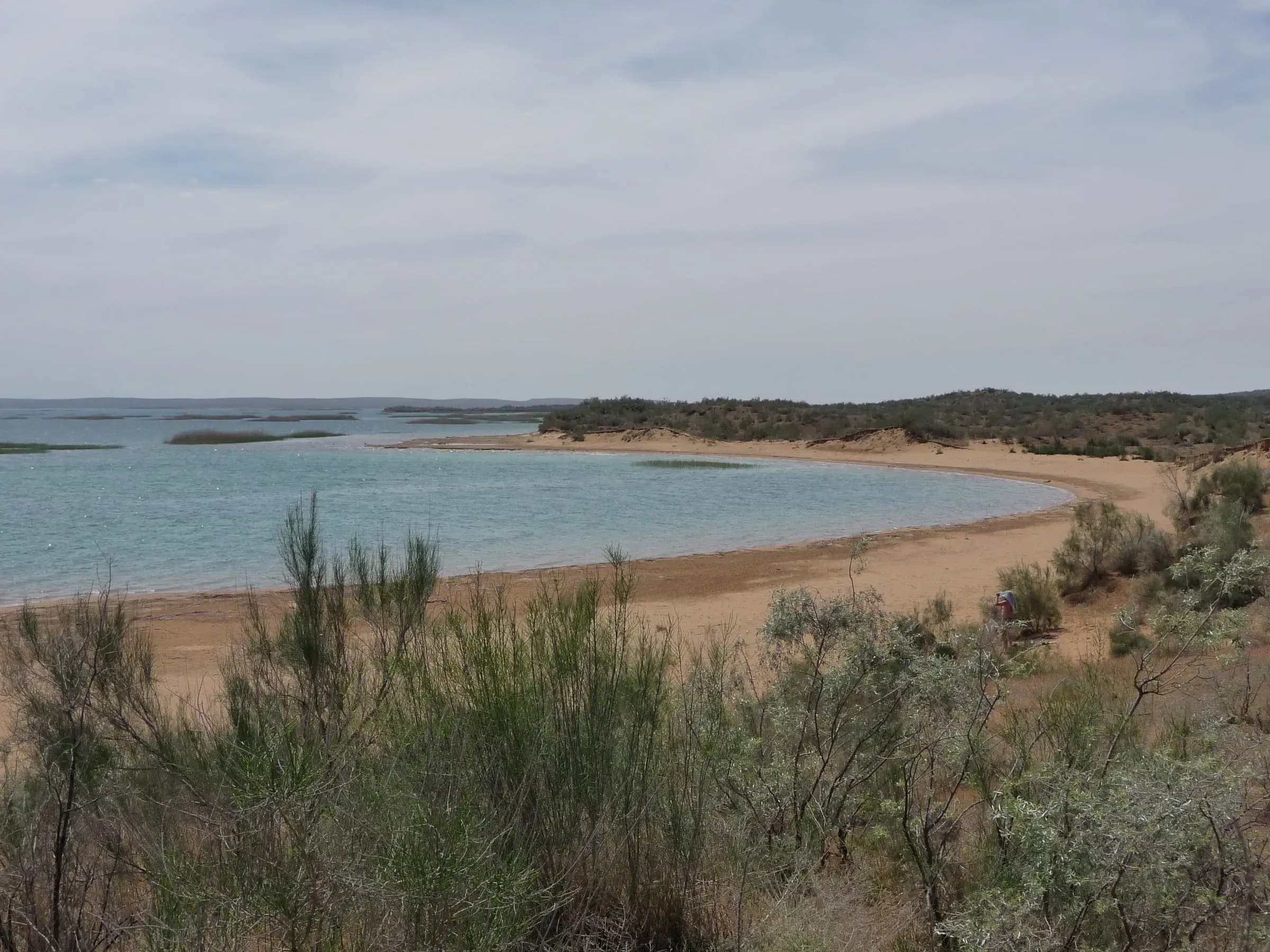
Aydarkul Lake changes the middle of the journey. After courtyards, monuments, and long road sections, the route reaches open water, reed beds, pale sand, and a horizon that gives the day more space.
Open placeLake moments
Aydarkul is best understood through small outdoor moments: the road from Nurata, reed shore, bird movement, a softer hour by the water, a camp edge when the right place fits, and the night sky.
Chashma water and Nurata's fortress hill make the road toward Aydarkul feel like a sequence, not just a transfer to the shore.
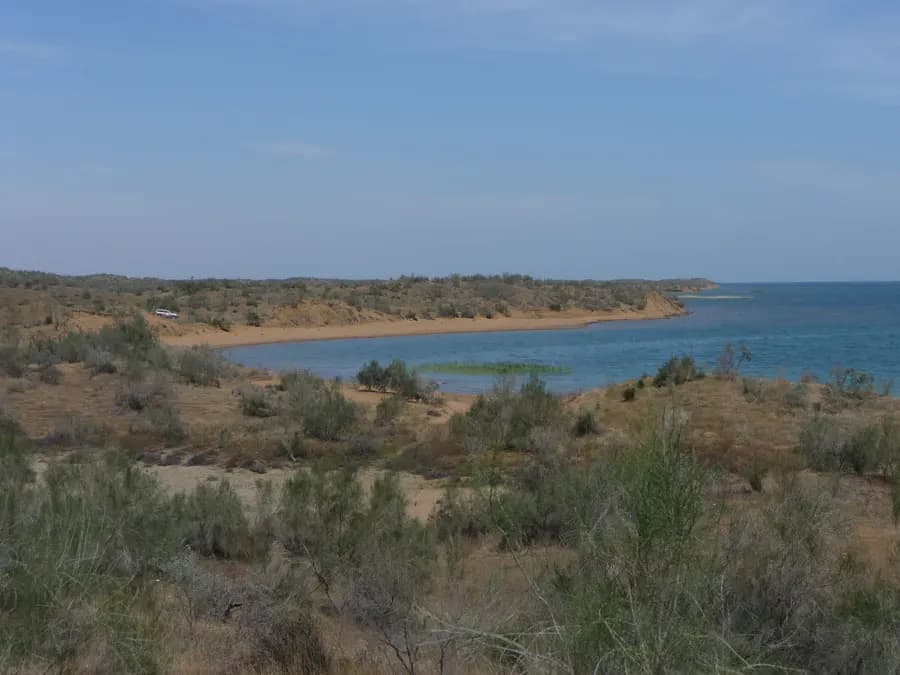
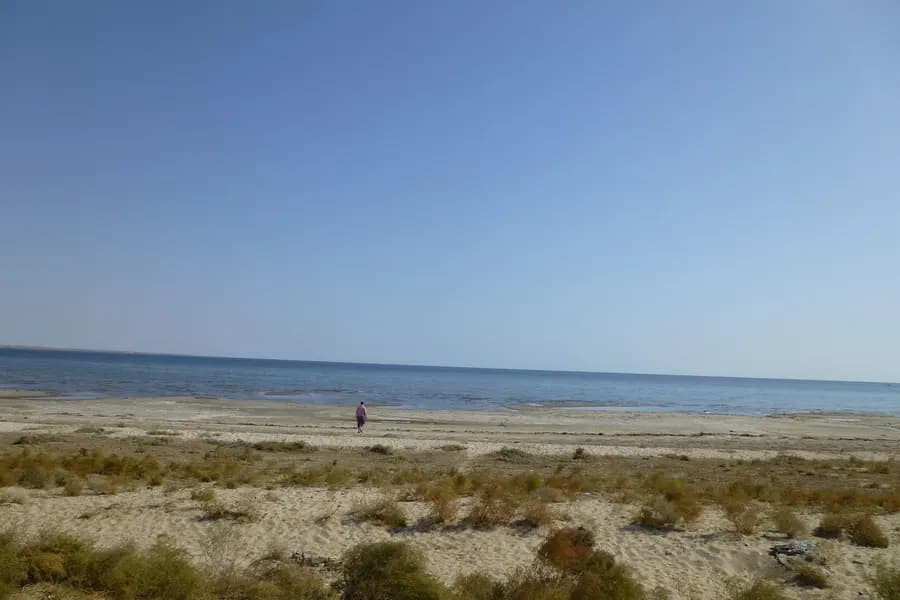
Reeds, pale sand, and wind over the water make the lake feel close before the route turns back toward Nurata or Sentyab.
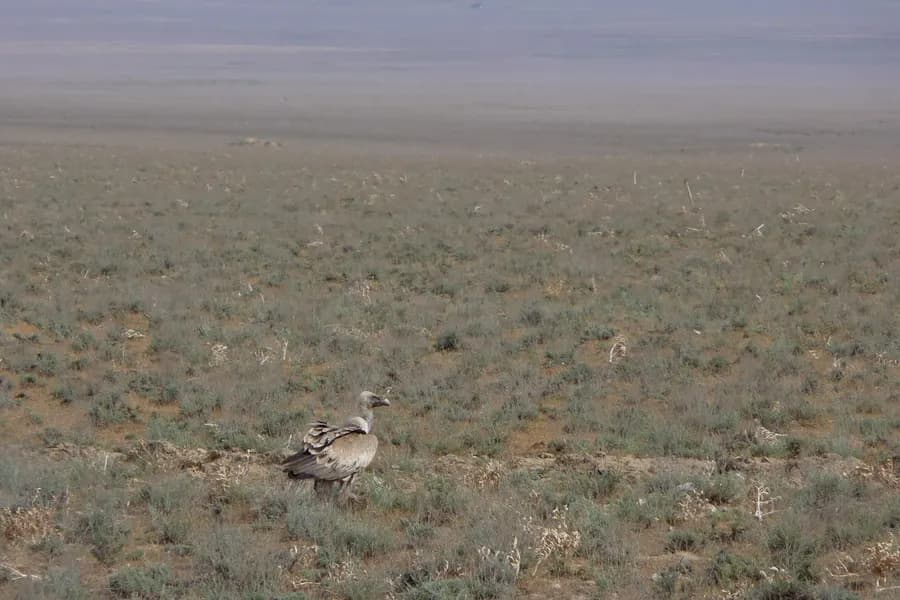
Calls, wing movement, and reeds in the wind can make the shore feel alive, while sightings still depend on season, weather, and where the route reaches the lake.
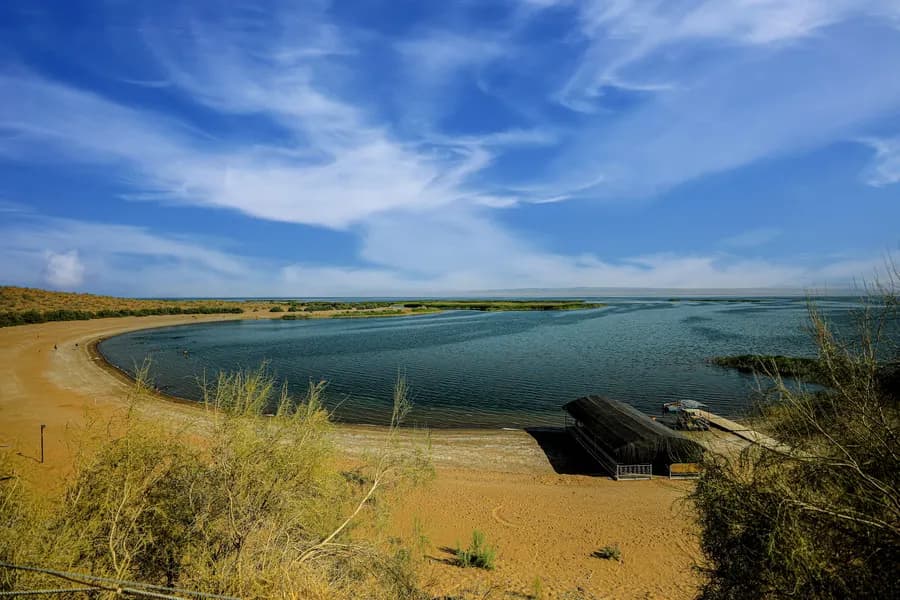
When the heat eases, water colour, reed sound, and the pale shore can do more for the visit than a rushed midday stop.
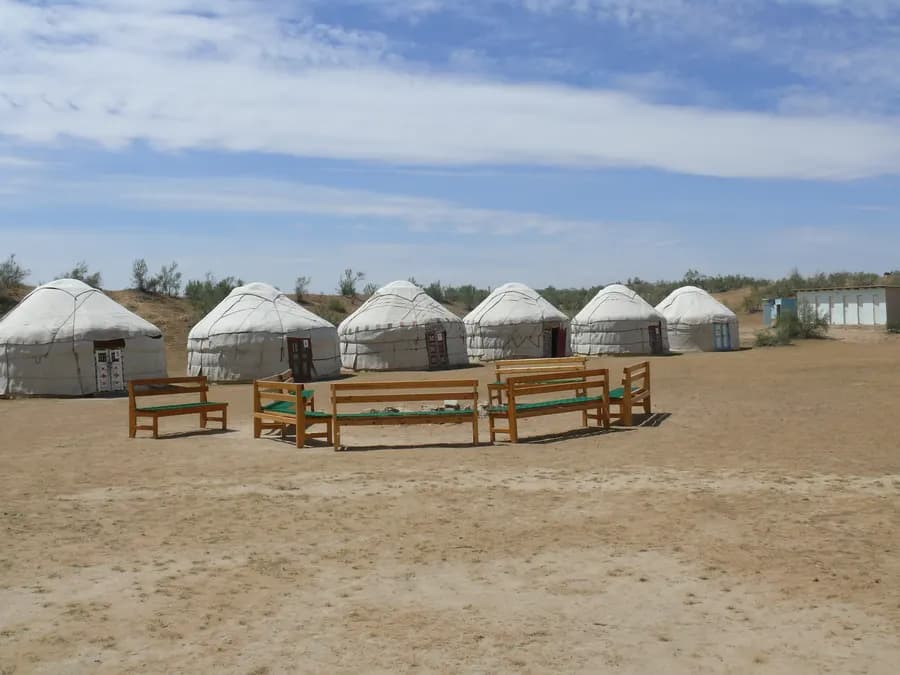
If the right camp fits the route, yurt light, open space, and lake air can turn Aydarkul from a shore stop into an overnight desert edge.
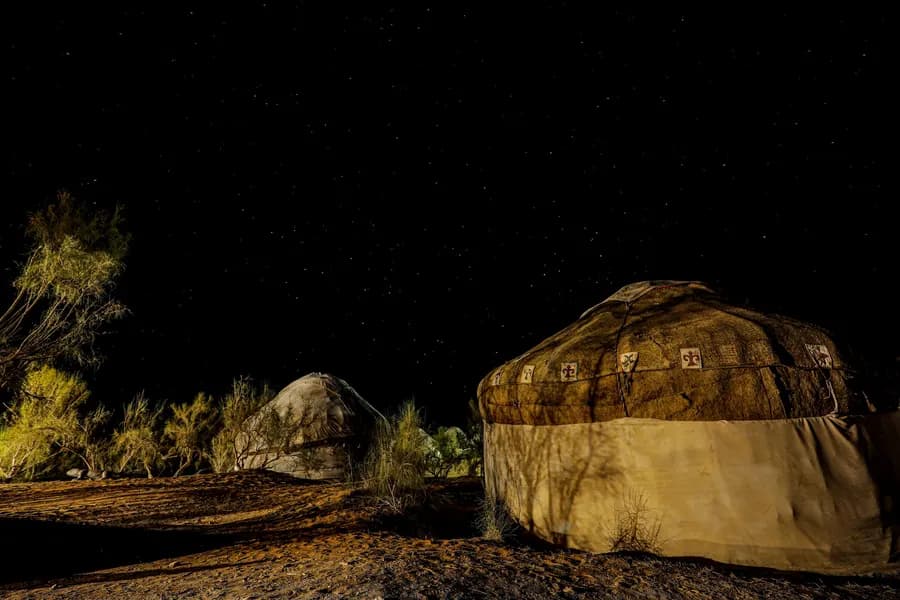
When the route includes a suitable camp or evening stop, Aydarkul can turn from shore light to dark sky, cooler air, and quiet water.
Before you go
Aydarkul is where the desert road suddenly reaches water. Reeds move in the wind, pale sand runs to the shore, and the long drive between towns becomes a place to stop rather than a transfer to get through.
The shore is more than a quick photo stop. Reeds, birds, wind, and sand need a little time before the scale of the lake becomes clear.
Here the long Kyzylkum road finally reaches water.
Wind, heat, and evening color change the Kyzylkum edge quickly. Softer hours usually make the shore calmer than a harsh midday stop.
Nurata and Sentyab keep Aydarkul from becoming an isolated view: spring water before the lake, foothill courtyards after it.
Aydarkul fits when the journey needs open air between heritage cities, with a lake shore that still leads back to Nurata, Sentyab, and the wider Kyzylkum road.
Before you go Place type
Desert-lake area on the Nurata, Aydarkul, and Kyzylkum route.
Why go
A desert lake with water colour, reed shore, pale sand, open air, and bird movement when conditions are right.
Season and pace
Milder shoulder-season air suits the shore best; summer needs shade, water, and heat-aware timing.
Route role
Open landscape stop between Nurata's spring town, Sentyab's foothills, and the great-city line.
Nearby routes
Aydarkul works best as more than a single photo stop: Nurata brings Chashma water and the fortress hill before the shore, while Sentyab can return the journey to paths, bread, tea, and guesthouse tables after the lake.
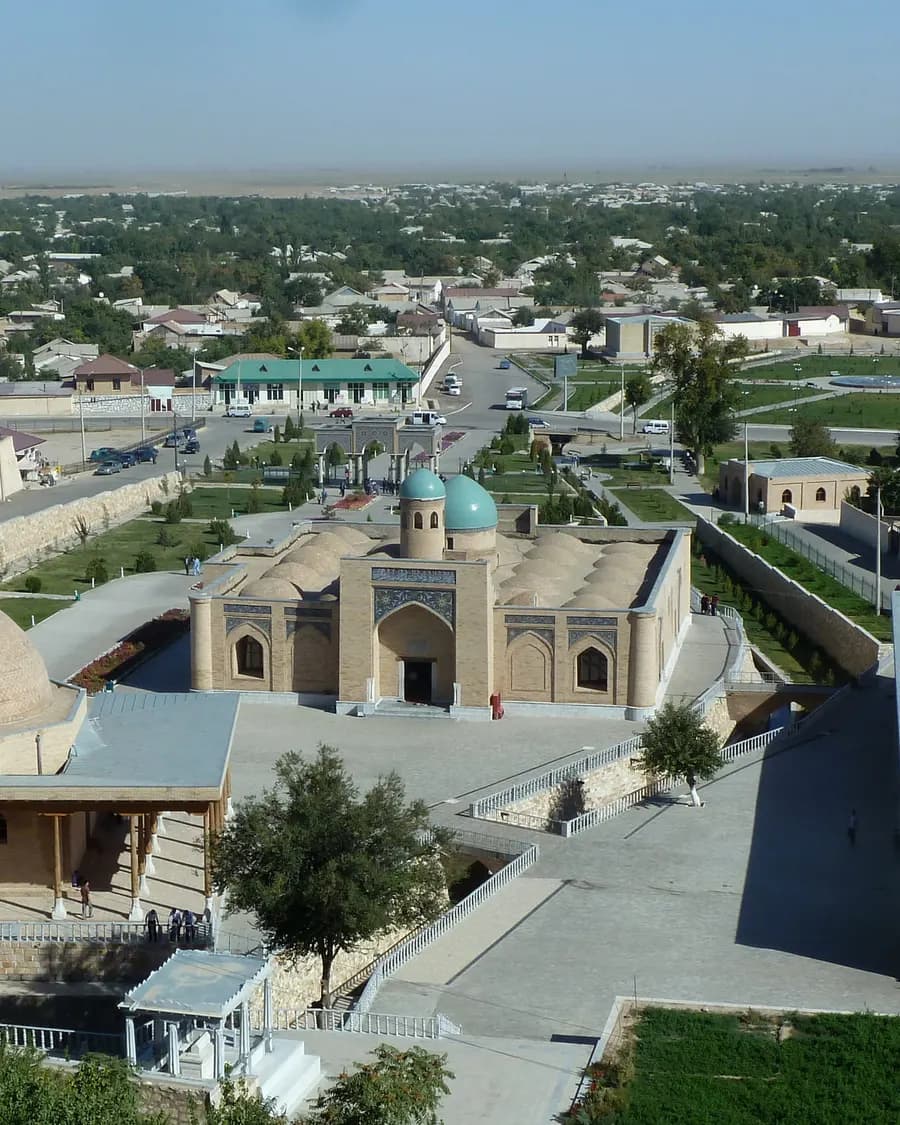
Nurata is the spring town before the Kyzylkum road: Chashma water, mosque shade, Nur Fortress above town, and the onward road to Aydarkul or Sentyab.
View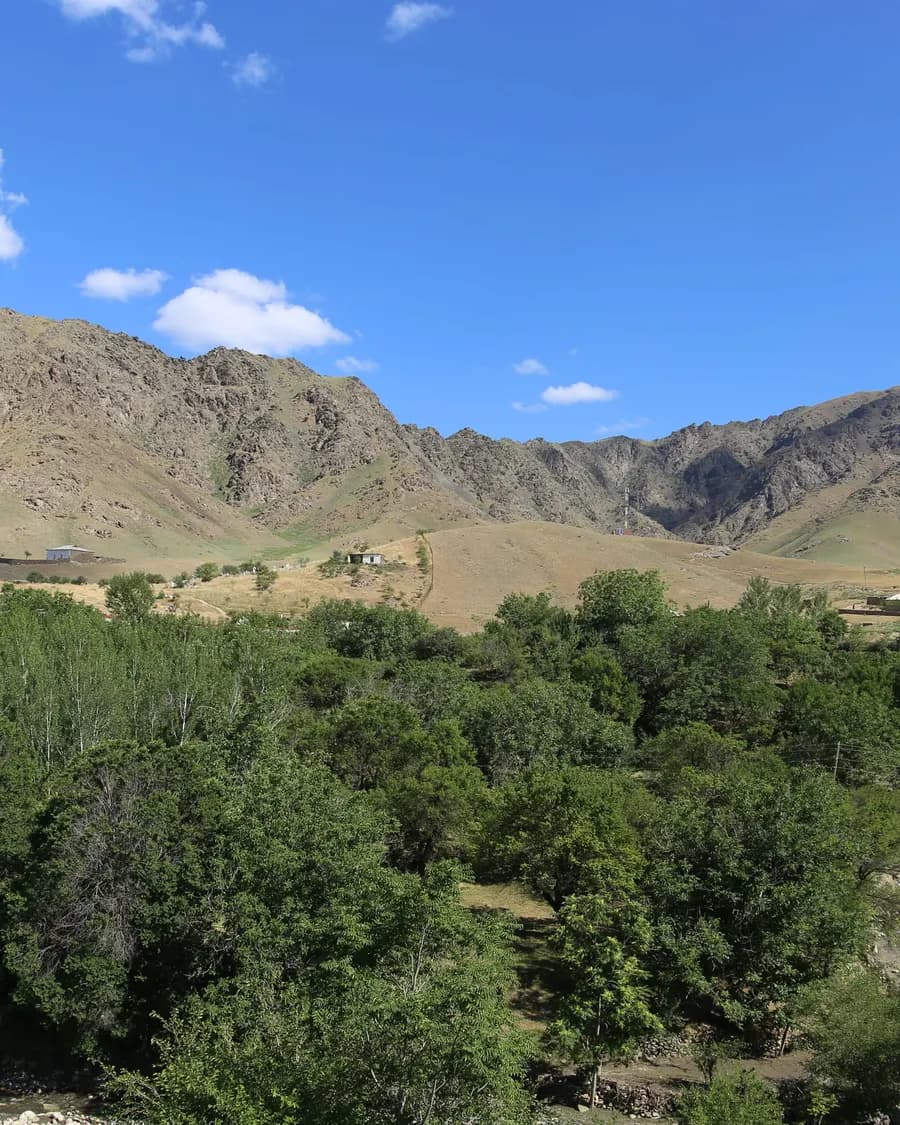
Sentob slows the Nurata-Aydarkul road at village scale: stone walls, shaded courtyards, garden produce, and Nuratau foothill views.
ViewCity in detail
Walking time, overnight location, and when day trips make sense.
one focused city day plus overnight is usually enough when the old core or main anchors get a full walking window. City tone: “Lake light on the Kyzylkum edge”.
Start with the compact city walk first. Day trips only after the centre has settled — otherwise the stop feels like a transfer with monuments attached.
Stay close enough for an evening return on foot or a short transfer. That keeps tea, dinner, and a second pass through the lanes easy without burning the next morning.
On request
We help agencies set a realistic pace and choose the right next move — without rushing the places that matter.