TourLink
About
Almaty does not need an immediate climb to feel shaped by the mountains.
Almaty is clearest when the city floor and the mountain edge stay in sequence, not in competition.
Give the first hours to arrival, streets, food, or a viewpoint. Then choose Kok-Tobe, the Medeu-Shymbulak road, or a longer regional route.
Agencies and travellers who need Almaty as a readable stop — strong places, honest pacing, and logistics that hold.
How to move
Almaty is clearest when the city floor and the mountain edge stay in sequence, not in competition.
What to decide
Give the first hours to arrival, streets, food, or a viewpoint. Then choose Kok-Tobe, the Medeu-Shymbulak road, or a longer regional route.
Traffic, hotel position, and arrival time decide how much of the first hours should stay in central Almaty.
City and ridge
The map keeps the city and close mountain anchors together. Charyn, Kolsai, Kaindy, Tamgaly, and Altyn-Emel need separate road timing beyond this city frame.
What to see
The live public anchors are Kok-Tobe, Medeu, and Shymbulak. They show three versions of Almaty: quick viewpoint, high valley, and lift road.
Medeu is the point where Almaty stops feeling only urban. The road lifts into a cooler valley, the sports complex gives the mountains a clear focal point, and Shymbulak begins just beyond it.
Open placeShymbulak rises above the Medeu valley on Almaty's southern mountain edge. In one outing, the city gives way to gondola stations, colder air, ridge views, cafes or walking paths, and winter slopes when the season allows. Treat it as the mountain part of the day: check weather, li
Open placeKok-Tobe rises close enough to central Almaty to feel like part of the city, but high enough to set the skyline against the Trans-Ili Alatau. In clear air, it gives a useful orientation view before a market, museum, dinner, or a separate Medeu-Shymbulak mountain plan.
Open placePanfilov Park is a small central green space with more weight than its size suggests. Trees and benches soften the street noise, the Memorial of Glory asks for a respectful pause, and Ascension Cathedral gives the park its most recognizable wooden silhouette.
Open placeAscension Cathedral rises from the trees of Panfilov Park with painted timber, domes, and an active church life behind the doors. It gives a central Almaty walk a strong architectural anchor while staying tied to the park, memorial paths, and city movement around it.
Open placeGreen Bazaar brings the city indoors around sellers arranging dried fruit, spice counters, fresh produce, canteens, and shoppers here for normal errands. After Panfilov Park or before Kok-Tobe and the foothills, it gives a central Almaty walk a warmer, more everyday pulse.
Open placeCity moments
These moments keep Almaty human before the route widens into the mountains: skyline, high air, and the first viewpoint.
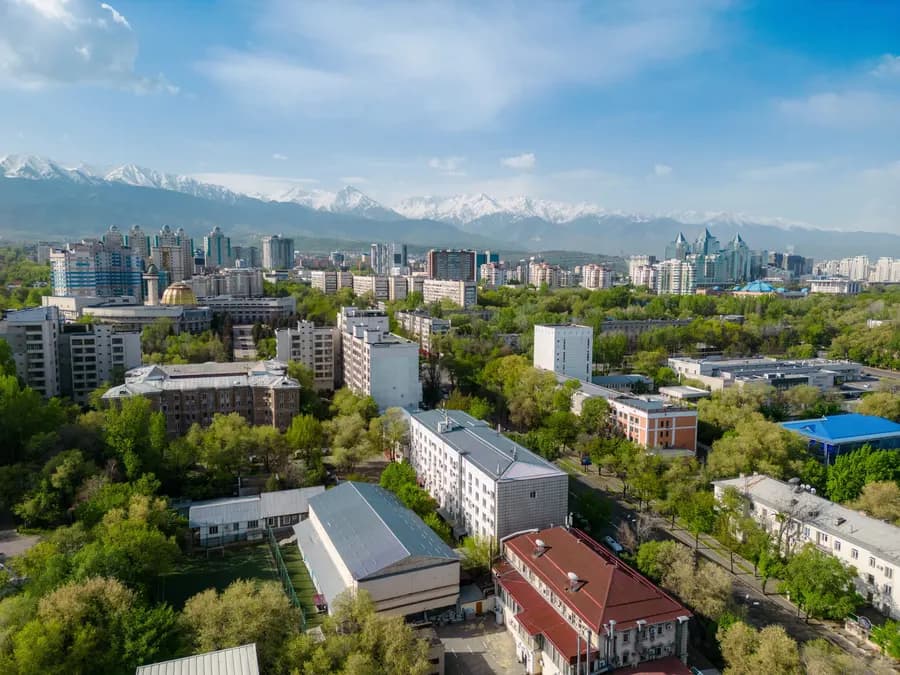
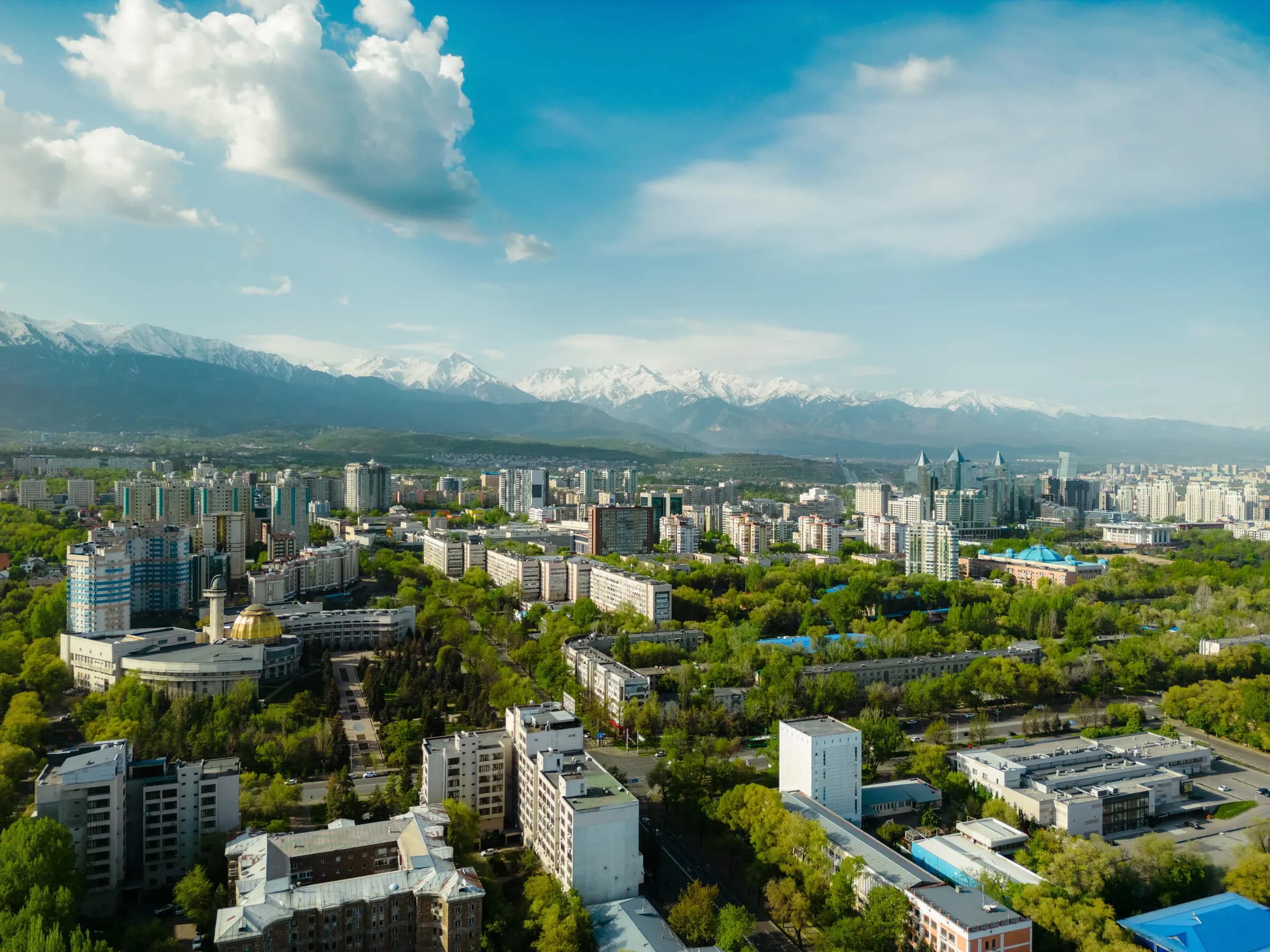
Green districts, broad avenues, and the Tian Shan behind them make Almaty's setting visible before any mountain road begins.
A lighter climb above the center gives travelers Almaty's shape: city grid, foothills, and mountain edge in one frame.
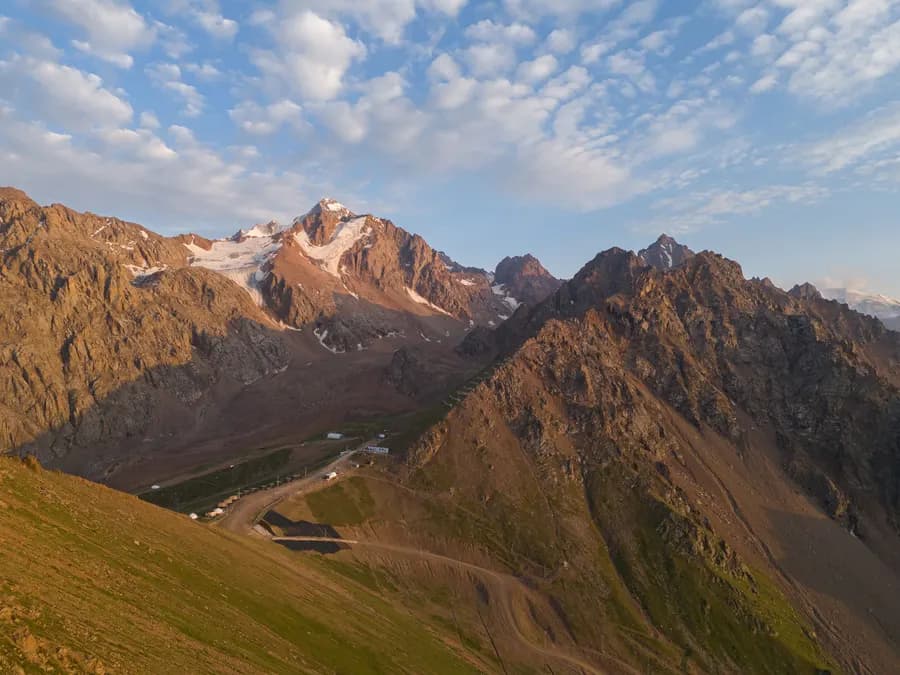
Treat the higher valley as a weather-aware climb: close to the city, but shaped by road time, lift status, visibility, and temperature.
Before you go
The city is comfortable, but it can lose its shape when every famous name is squeezed into one plan. Treat the city floor and the mountain edge as two related decisions.
A first walk, meal, or market hour helps travelers understand Almaty before the route points uphill.
Almaty opens best when the city explains the mountains before the road climbs into them.
Choose Kok-Tobe, or choose the Medeu-Shymbulak road; combining every high stop usually weakens the visit.
Charyn, Saty, Kolsai, Kaindy, Tamgaly, Altyn-Emel, and the Assy Plateau deserve route space, current road checks, and season-aware timing.
Stay with the city long enough to understand it, then widen the route only as far as the season, roads, and traveler energy support.
Good to know Stay
Two nights give a calm city visit and one close mountain choice; add more for Charyn, Kolsai, Kaindy, Tamgaly, or Altyn-Emel.
Route role
Arrival city, former-capital culture, and a natural start for southeast Kazakhstan's mountain routes.
Weather and roads
High-mountain and remote-road plans need same-week checks for lifts, snow, visibility, access, and drive time.
Nearby
After the city, the route can stay in the northern Tian Shan, cross to the capital, or continue south toward Kazakhstan's heritage corridor.
Saty makes the Kolsai and Kaindy route calmer: a village night, a guesthouse meal, an early road, and local checks before the lake valleys.
View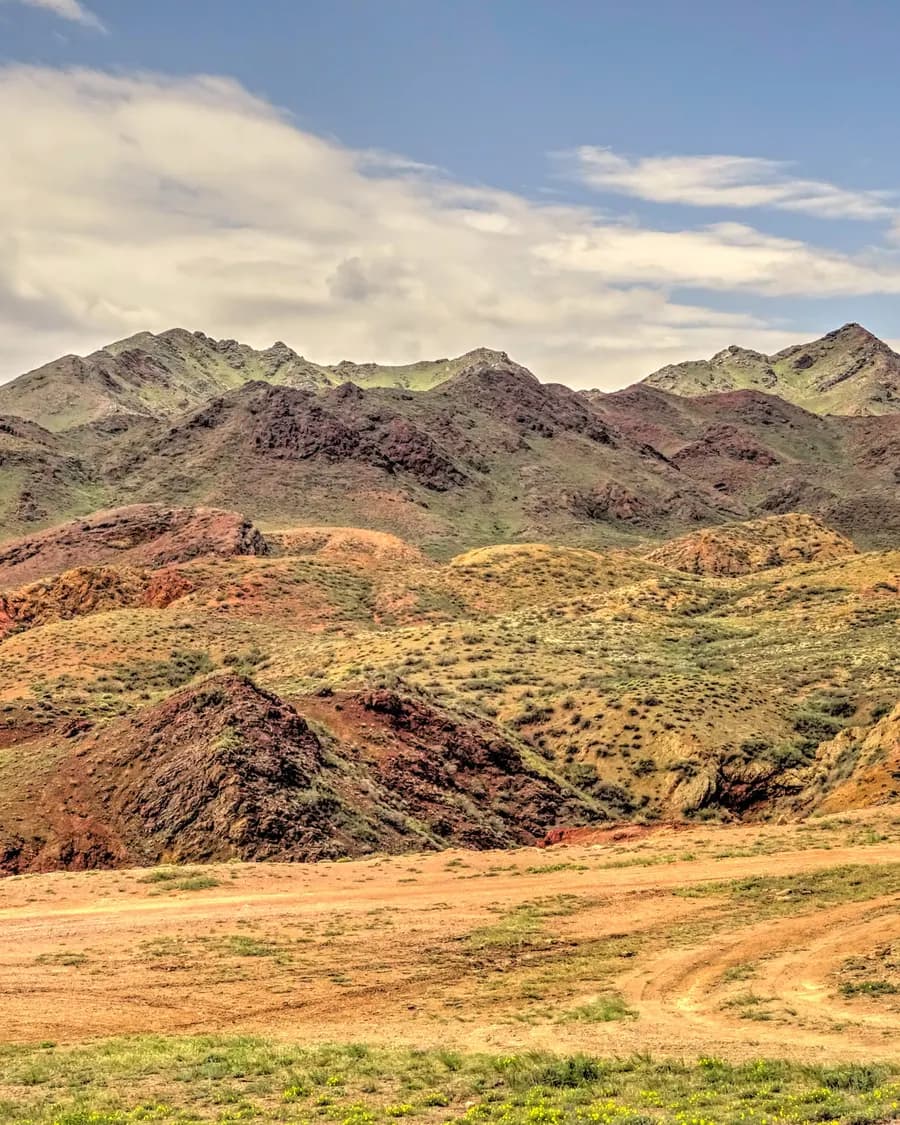
Charyn Canyon is the red-rock stop east of Almaty where Valley of Castles timing, park access, heat, and the next road all shape the route.
View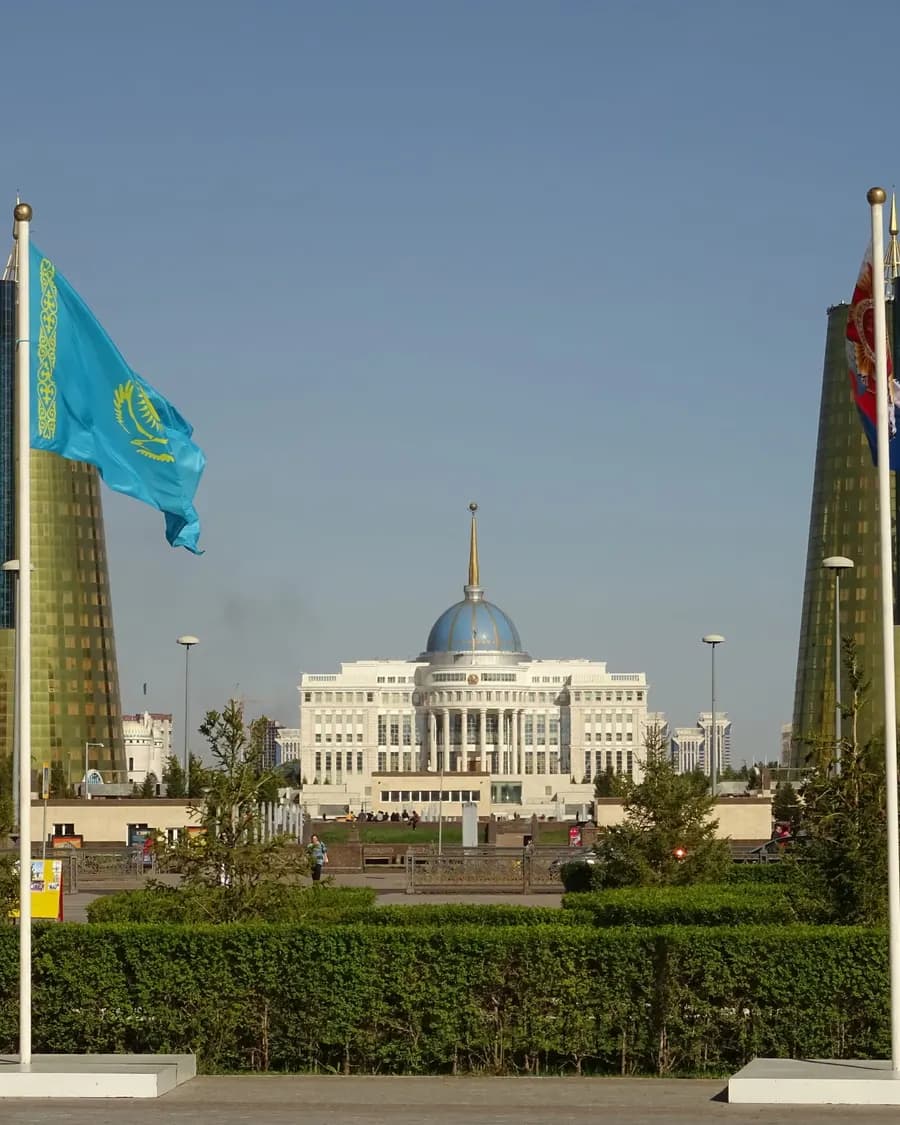
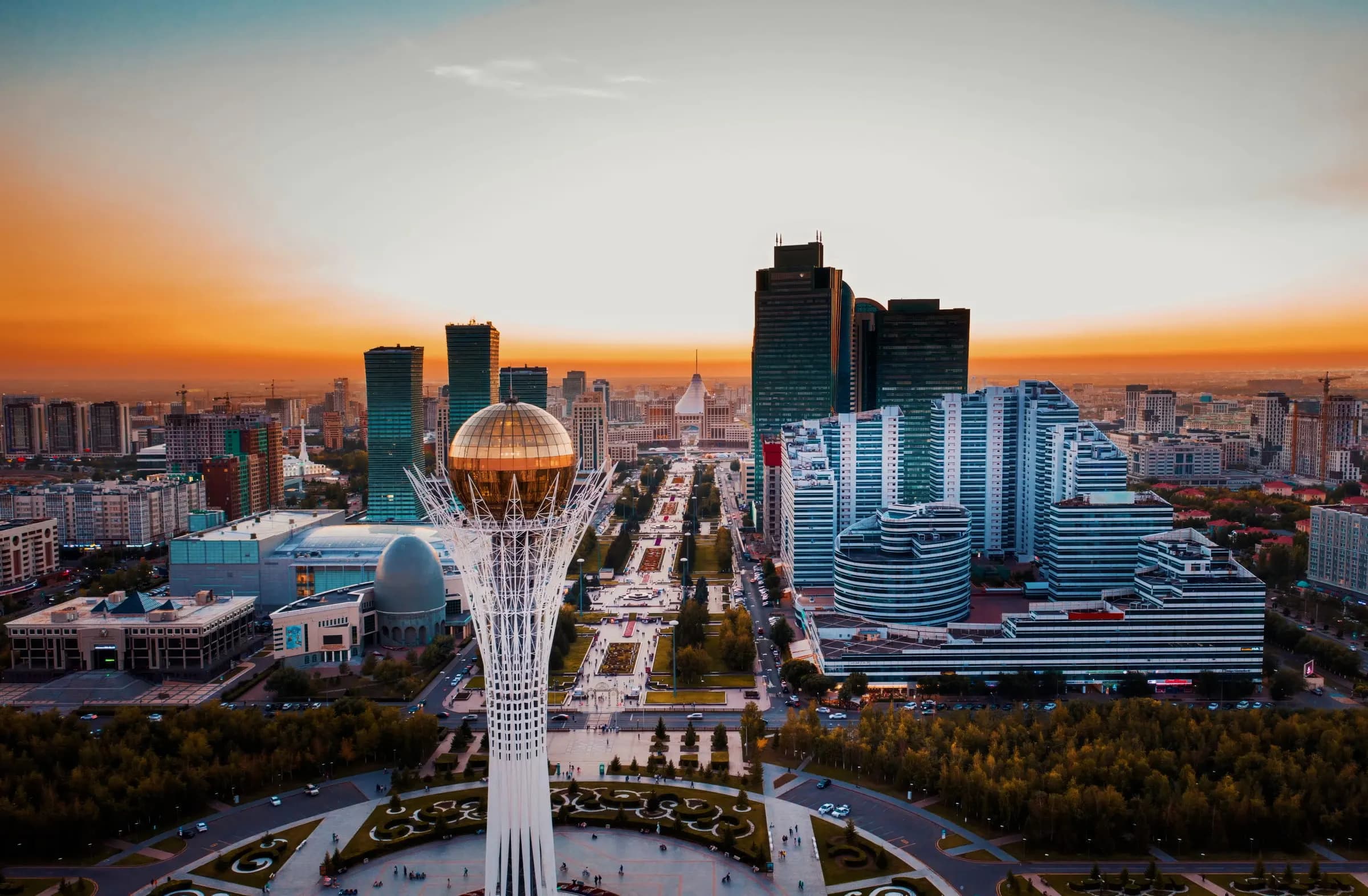
Astana brings Kazakhstan’s modern capital into the route: Baiterek on the Left Bank, Nur Alem, the National Museum, Ishim River wind, and northern continuations toward Burabay or Korgalzhyn.
ViewTurkistan brings southern Kazakhstan into focus through the Yasawi mausoleum, Azret Sultan, pilgrim courtyards, and roads toward Otrar, Sauran, and Shymkent.
ViewCity in detail
Walking time, overnight location, and when day trips make sense.
2–3 nights is usually enough when the old core or main anchors get a full walking window. City tone: “Foothill streets under the Trans-Ili Alatau”.
Start with the compact city walk first. Day trips only after the centre has settled — otherwise the stop feels like a transfer with monuments attached.
Stay close enough for an evening return on foot or a short transfer. That keeps tea, dinner, and a second pass through the lanes easy without burning the next morning.
On request
We help agencies set a realistic pace and choose the right next move — without rushing the places that matter.