
TourLink
About
Korgalzhyn gives the Astana journey its first wide nature turn: dry grassland, freshwater and saline lakes, reed edges, and migratory birds moving through a protected landscape.
Korgalzhyn is easiest to understand as a sequence from Astana: city departure, open steppe, the village gateway, then selected reserve or lake observation points after local checks.
Before departure, settle three questions: which reserve rules apply today, which observation area fits the season, and whether the return or overnight plan has enough daylight.
Agencies and travellers who need Korgalzhyn as a readable stop — strong places, honest pacing, and logistics that hold.
Getting around
Korgalzhyn is easiest to understand as a sequence from Astana: city departure, open steppe, the village gateway, then selected reserve or lake observation points after local checks.
What to decide
Before departure, settle three questions: which reserve rules apply today, which observation area fits the season, and whether the return or overnight plan has enough daylight.
Leaving Astana matters here. The boulevards give way to open grassland, and the long horizon prepares the visit before the first lake or reed edge appears.
Route map
The map uses one village marker and two broad nature markers. The reserve and lake points are orientation markers, not entrances, hides, shore-access promises, parking areas, or full driving tracks.
What to see first
Korgalzhyn is built around two nature anchors: the state reserve and the Tengiz-Korgalzhyn lake system. Treat them as protected landscapes, not casual roadside stops.
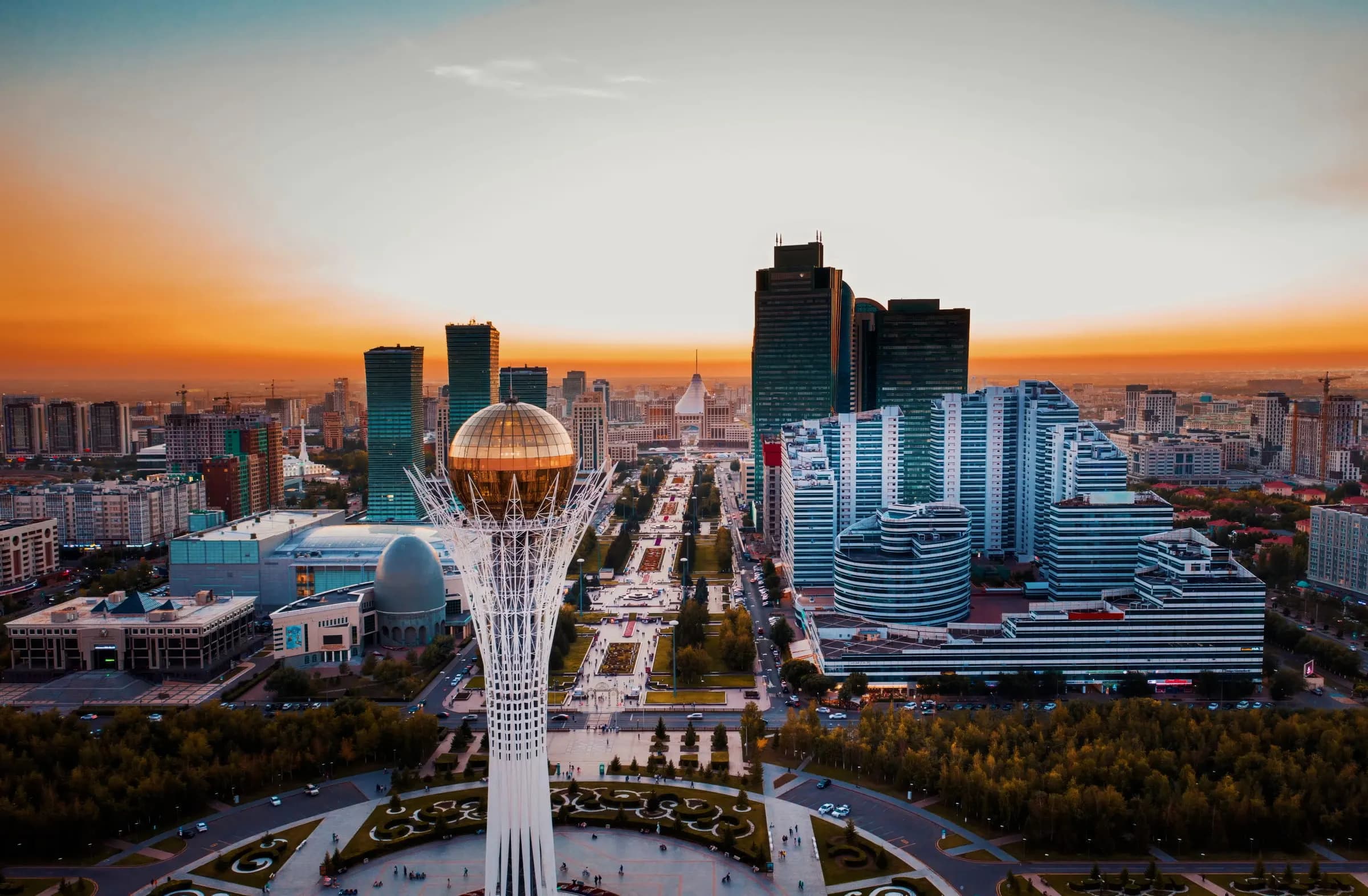
Korgalzhyn State Nature Reserve is not a sightseeing stop at the end of a road. It is a protected landscape of dry steppe, freshwater and saline waters, reed edges, and migratory birds, where the first responsibility is to visit without disturbing the place.
Open placeLake Tengiz gives the Korgalzhyn route its sense of water in open country. Fresh, saline, and brackish waters sit inside dry steppe, drawing the eye outward and reminding the traveler that good observation often happens from a respectful distance.
Open placeRoute moments
The road from Astana, the birdwatching season, and the guided reserve visit each give Korgalzhyn a different kind of patience.
With enough daylight, the capital gives way to open grassland, then to the first water and reeds before Korgalzhyn.
Binoculars, quiet, and flexibility matter here: migration, water level, wind, and heat decide what the wetlands can show.
A guide helps turn access rules, Saryarka's wetland value, and wildlife distance into a calmer, more respectful visit.
Before you go
Korgalzhyn rewards a slower way of looking. The route is strongest when access, season, road, and wildlife distance are treated as part of the experience.
Nearby places
Astana remains the practical arrival city. Burabay gives the region a different lake-and-forest continuation when the itinerary can support a separate northern turn.
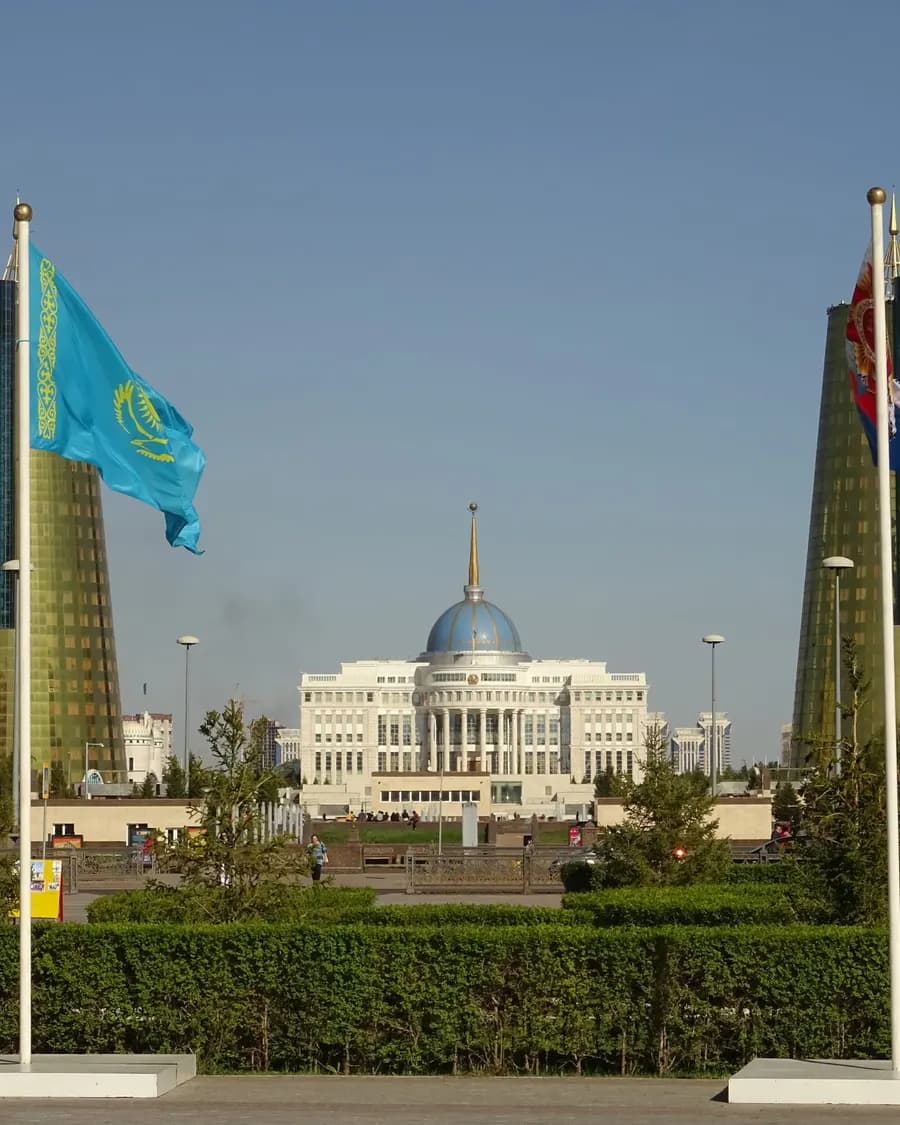
Astana brings Kazakhstan’s modern capital into the route: Baiterek on the Left Bank, Nur Alem, the National Museum, Ishim River wind, and northern continuations toward Burabay or Korgalzhyn.
ViewBurabay is the lake-and-pine place north of Astana where open steppe gives way to shore paths, granite silhouettes, and a calmer night around Lake Burabay.
ViewCity in detail
Walking time, overnight location, and when day trips make sense.
one focused city day plus overnight is usually enough when the old core or main anchors get a full walking window. City tone: “Steppe wetlands beyond Astana”.
Start with the compact city walk first. Day trips only after the centre has settled — otherwise the stop feels like a transfer with monuments attached.
Stay close enough for an evening return on foot or a short transfer. That keeps tea, dinner, and a second pass through the lanes easy without burning the next morning.
On request
We help agencies set a realistic pace and choose the right next move — without rushing the places that matter.