
TourLink
About
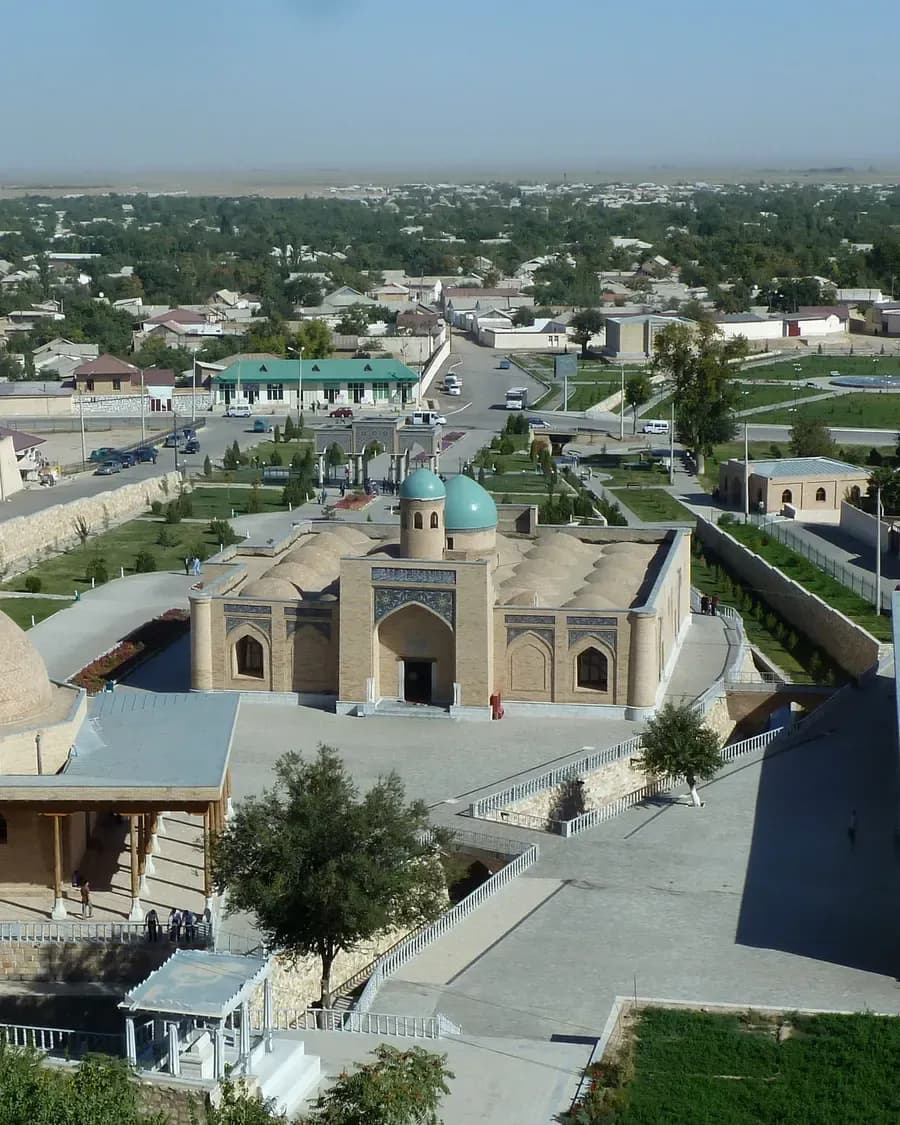
Mushkan sits in Nurota District on the mountain side of the Nurata, Aydarkul & Kyzylkum route.
The route links Mushkan with Kichiksoy, Nurata, and Sentob so the village stop stays close to the mountain-side road.
Keep Mushkan near Kichiksoy and Nurata before the route widens toward Sentob, Chuya, or Aydarkul.
Agencies and travellers who need Mushkan as a readable stop — strong places, honest pacing, and logistics that hold.
Route map
The route links Mushkan with Kichiksoy, Nurata, and Sentob so the village stop stays close to the mountain-side road.
Route role
Keep Mushkan near Kichiksoy and Nurata before the route widens toward Sentob, Chuya, or Aydarkul.
Start with Mushkan as a quiet mountain village stop.
Map note
Markers show approximate route anchors around Mushkan, Kichiksoy, Nurata, and Sentob.
What to see
Start with the village setting, then add the longer stay or the Kichiksoy-Nurata route role when they strengthen the visit.
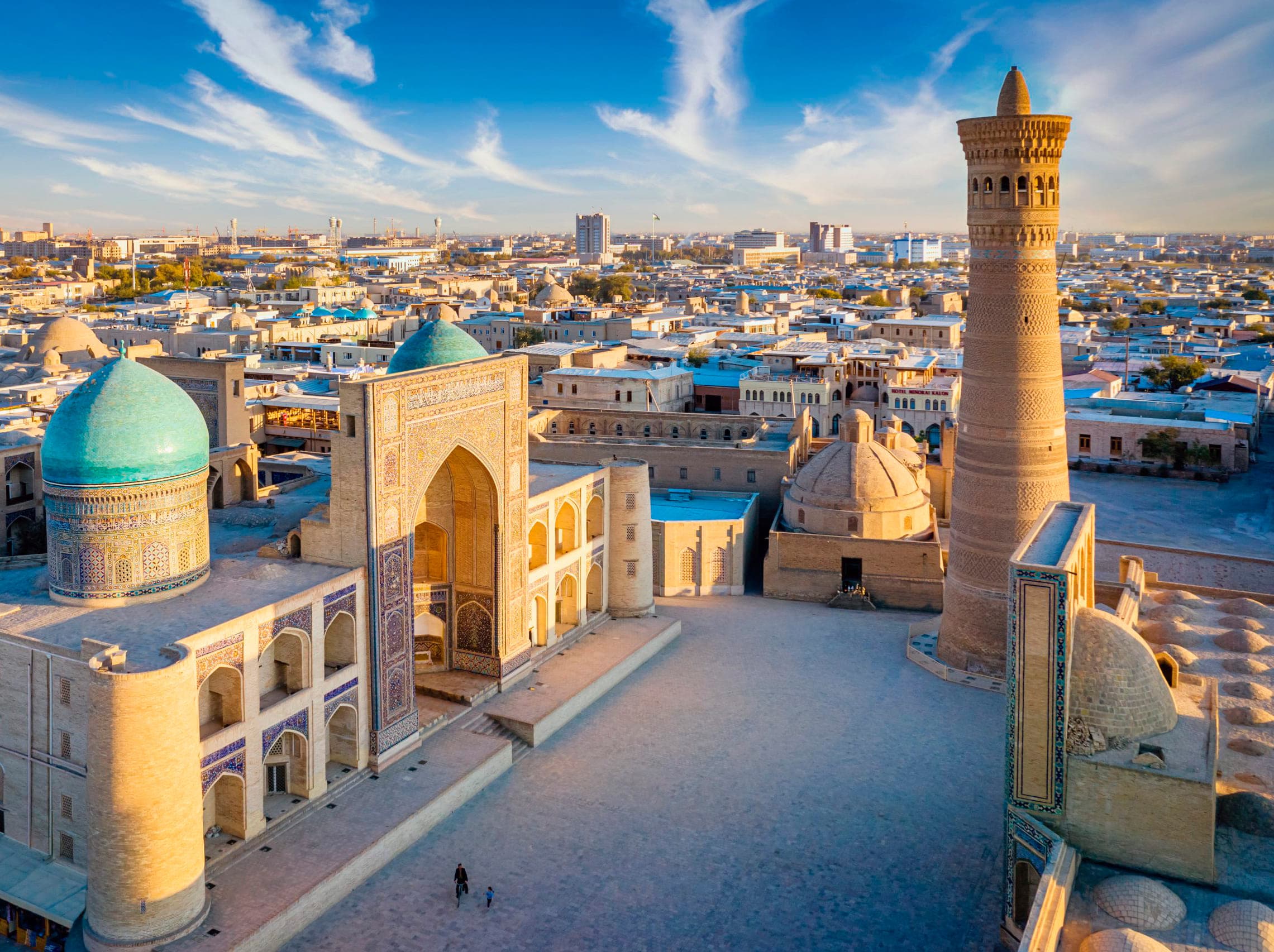
Begin with the village before adding the table, craft, music, or a longer stay. Mushkan needs a little space: mountain air, open village edges, and the slower approach from the Nurota side.
Open placeFor a longer stop, Mushkan is strongest around one center: a meal, a village night, or a yurt-style pause that still belongs to the village. Family homes and yurt camps belong here when they keep the traveler close to household life and the mountain-side setting.
Open placeThis stop is about movement around Mushkan: nearby Kichiksoy, the return toward Nurata, and the choice to add Sentob or Chuya only when the journey has enough time.
Open placeVillage moments
These moments keep the visit human: arrival from the Nurota side, a household table, bread or weaving, music, a seasonal dairy detail, and Kichiksoy nearby.
Let the road into Mushkan set the first rhythm: mountain side, village scale, and a slower arrival.
Keep an overnight simple: a village night, a meal, and unhurried time around the table.
A yurt-style setting should feel like part of the rural stop, not a separate show.
Bread-making, weaving, or music can give Mushkan its human center.
Camel or goat-milk traditions belong when the season makes them part of village life.
Pair Mushkan with Kichiksoy when the route can stay close and return toward Nurata without rushing.
Before you go
Mushkan is strongest when it has a modest role: a mountain village, a table, a craft or music moment, and one nearby continuation.
Mushkan is stronger when the traveler first notices streets, slopes, and the approach from the Nurota side.
Mushkan is strongest as a quiet village stop: mountain air, a household table, and one close continuation.
Bread, food, weaving, music, or a small household moment gives the stop a human center.
The village pairs best with nearby Nurota stops when the route returns cleanly to the regional line.
Choose Mushkan for a softer Nurota-side village stop, not for a crowded activity list.
Before you go Status
Nurota District tourism village on the quieter mountain side.
Setting
Mountain village atmosphere, road approach, and small rural scale.
People and table
Household food, bread-making, weaving, music, and village encounters carry the stop.
Route role
Pairs naturally with Kichiksoy, Nurata, Sentob, or Chuya when the route stays close.
Nearby route stops
Kichiksoy is the closest village pairing, Nurata anchors the wider route, and Sentob or Chuya can extend the mountain-village sequence.
Kichiksoy brings the Nurota village route down to village scale: Kattasoy MFY, a quiet road toward Mushkan, and a household table, bread, weaving, or music when it can be arranged.
View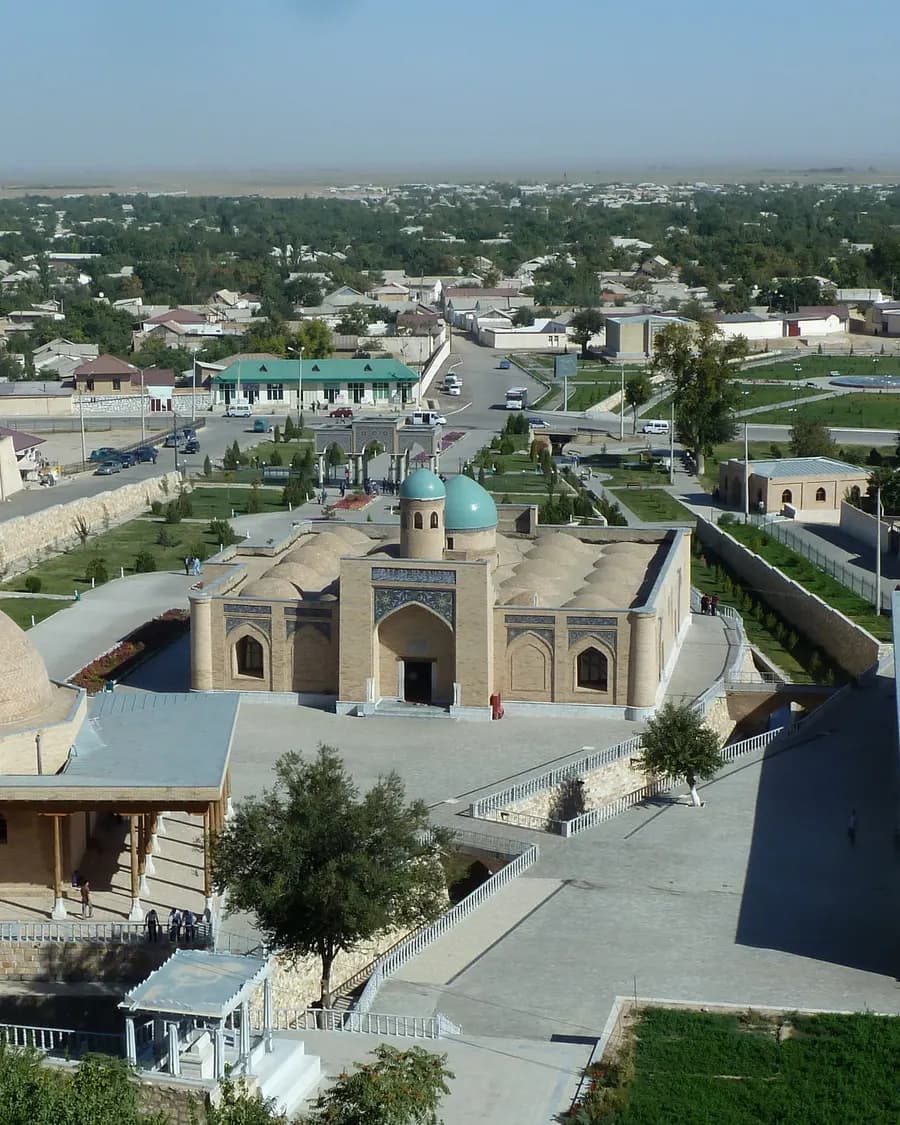
Nurata is the spring town before the Kyzylkum road: Chashma water, mosque shade, Nur Fortress above town, and the onward road to Aydarkul or Sentyab.
View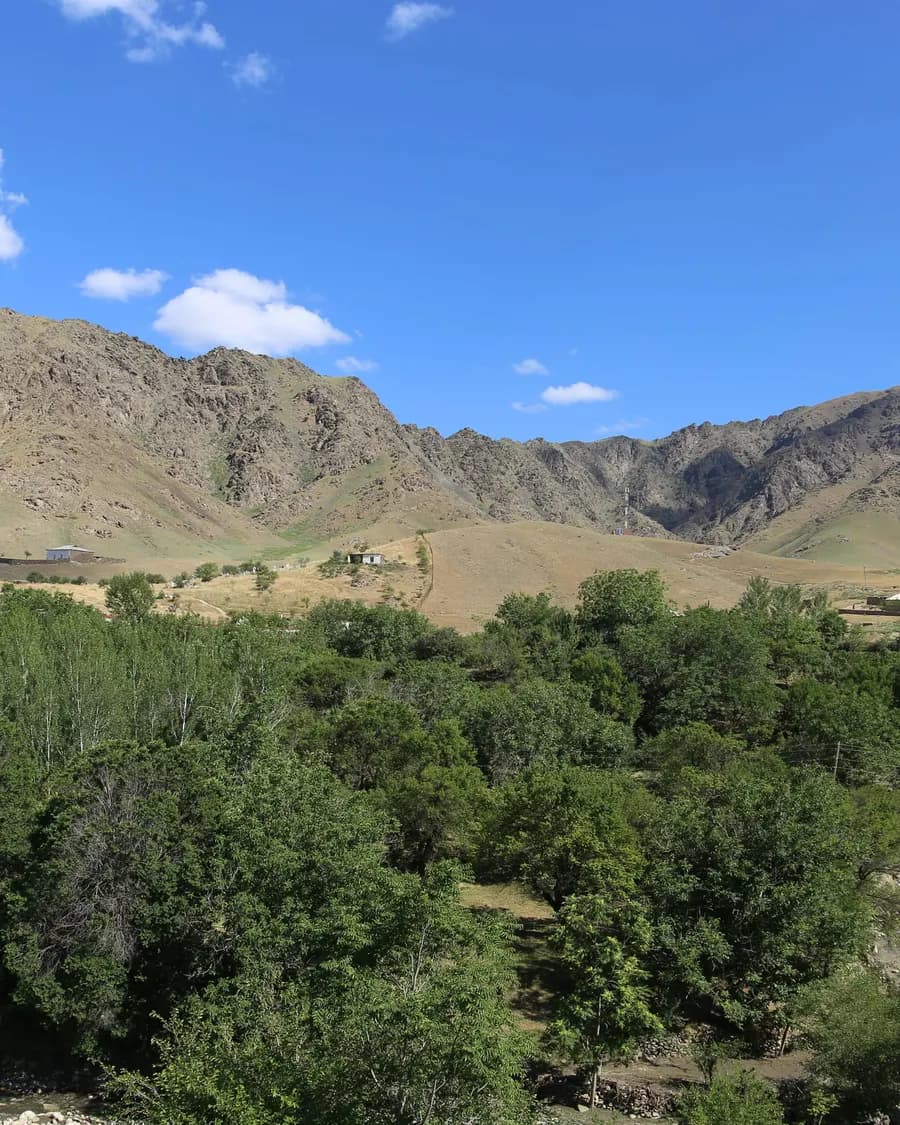
Sentob slows the Nurata-Aydarkul road at village scale: stone walls, shaded courtyards, garden produce, and Nuratau foothill views.
ViewChuya is a Nurata District tourism mahalla where foothill air, craft hands, qurut, bread, and carefully chosen ways to stay longer add a human stop near Nurata.
ViewCity in detail
Walking time, overnight location, and when day trips make sense.
one focused city day plus overnight is usually enough when the old core or main anchors get a full walking window. City tone: “A Nurota mountain village for bread, craft, music, and the Kichiksoy road”.
Start with the compact city walk first. Day trips only after the centre has settled — otherwise the stop feels like a transfer with monuments attached.
Stay close enough for an evening return on foot or a short transfer. That keeps tea, dinner, and a second pass through the lanes easy without burning the next morning.
On request
We help agencies set a realistic pace and choose the right next move — without rushing the places that matter.