
TourLink
Naqshbandi memory, sacred courtyards, and the Seven Pirs context
About
After the old-city walk, Bahauddin Naqshband Memorial Complex shows Bukhara through a sacred place of memory.
After the old-city walk, Bahauddin Naqshband Memorial Complex shows Bukhara through a sacred place of memory. Courtyards, water, marble detail, mosque space, and the Naqshbandi tradition make the visit a separate ziyorat setting with its own pace.
Keep this stop clear on the map and in the day plan — Naqshbandi memory, sacred courtyards, and the Seven Pirs context.
Agencies and travellers who need Bahauddin Naqshband Complex as a readable stop — honest timing and a clear place on the route.
On the map
One clear point for Bahauddin Naqshband Complex — Naqshbandi memory, sacred courtyards, and the Seven Pirs context.
Place
The map pin marks this attraction so the stop stays readable in the day plan.
Why this place matters
The main reason to come is clear: this is Bukhara's memorial place for Bahauddin Naqshband and the Naqshbandi tradition. In a Bukhara day, it changes the route from old streets and domes to courtyards, water, memorial detail, mosque space, and the respectful context of a living sacred site. «Here Bukhara moves beyond the old streets and becomes a place of memory.»
What you will see
The strongest sequence is simple: open courtyards, water, marble around the memorial, mosque and khanqah spaces, and the small human movements of a sacred site.
How to visit
This is an active sacred and memorial place, so the visit needs time, calm behavior, comfortable covered clothing, and an up-to-date check on photography rules and open areas.
What to add nearby
Sitorai Mokhi-Khosa pairs naturally as another outer Bukhara stop. The Ark, Bolo-Hauz, and Poi-Kalyan keep the central old-city context clear before or after the memorial drive.
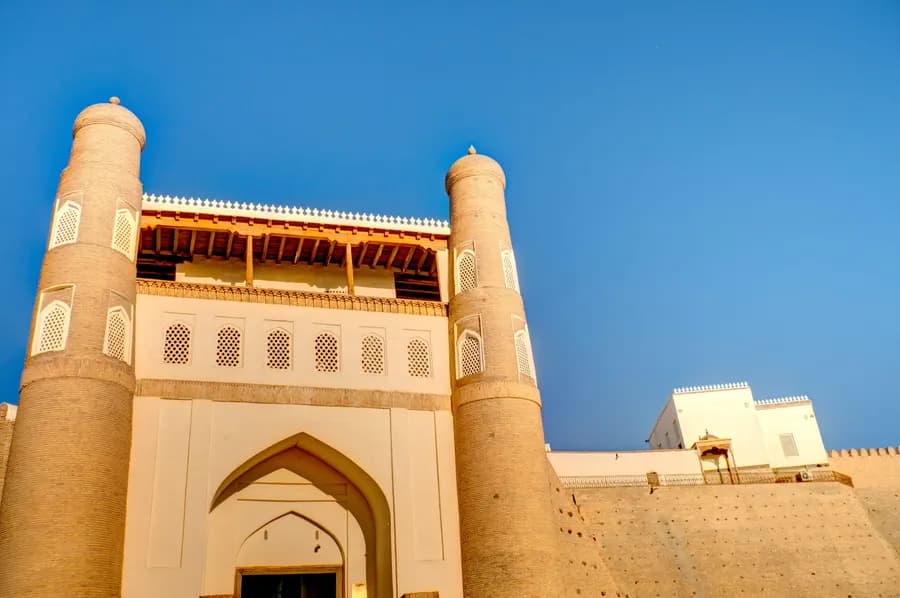
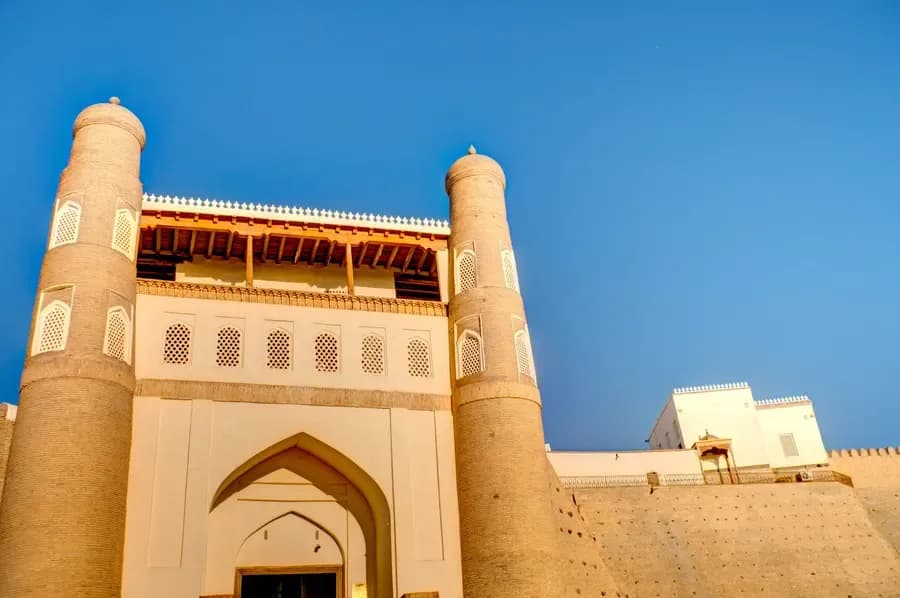
Fortress walls, museum rooms, a raised entrance, and Bolo-Hauz nearby show Bukhara's ruling side at the edge of the old city.
View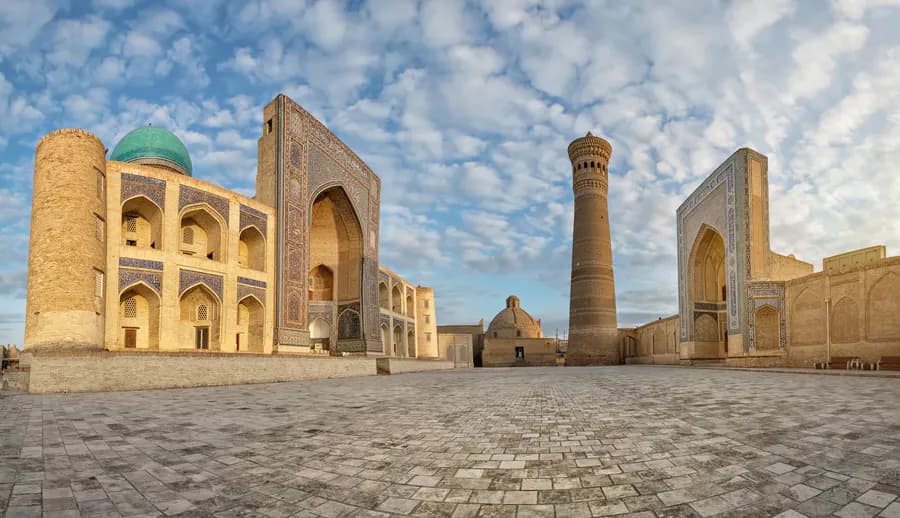
The Kalyan minaret, mosque, Miri-Arab Madrasah, brick courtyards, and old Bukhara lanes form the city's key ensemble.
View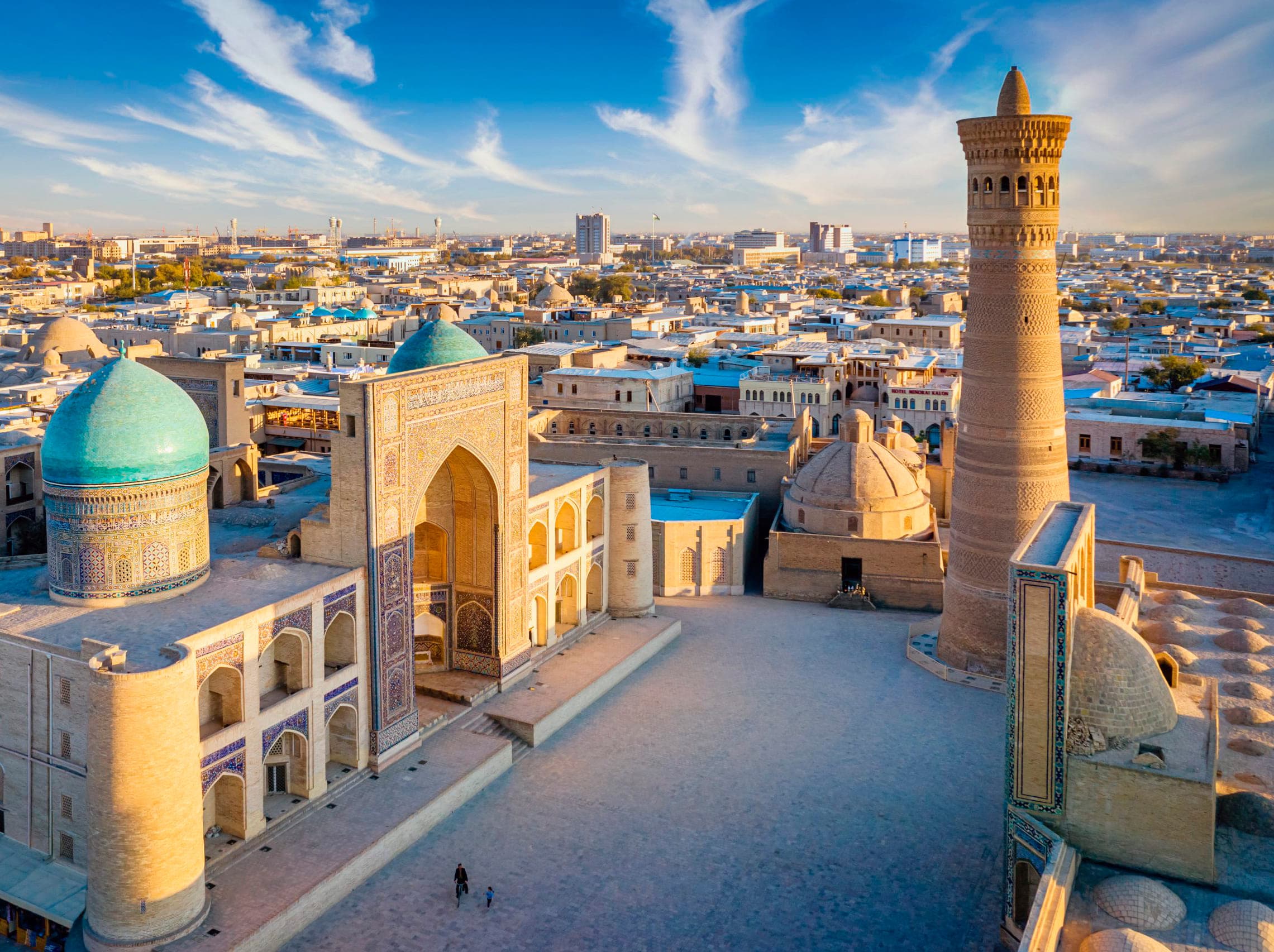
Garden paths, mirrored rooms, carved ganch, and applied art show Bukhara beyond the old city at the last emir's summer palace.
ViewA hauz, carved wooden columns, painted ceiling, and the Ark nearby make Bolo-Hauz one of Bukhara's easiest architectural pauses.
ViewPlace in detail
Timing, best hours, and how this stop fits neighbouring pins.
45–90 minutes is a practical range for most groups. Keep the stop readable: one clear arrival, one clear exit. Place tone: “Naqshbandi memory, sacred courtyards, and the Seven Pirs context”.
Prefer before the midday heat. That usually improves comfort, photos, and how the stop feels in the sequence around bukhara.
Treat it as one clear pin on the map: arrive intentionally, avoid sandwiching it between two rushed monuments, and keep the next move short enough that the group still has energy.
On request
We help agencies place this stop with realistic timing — without rushing the places that matter.