
TourLink
About
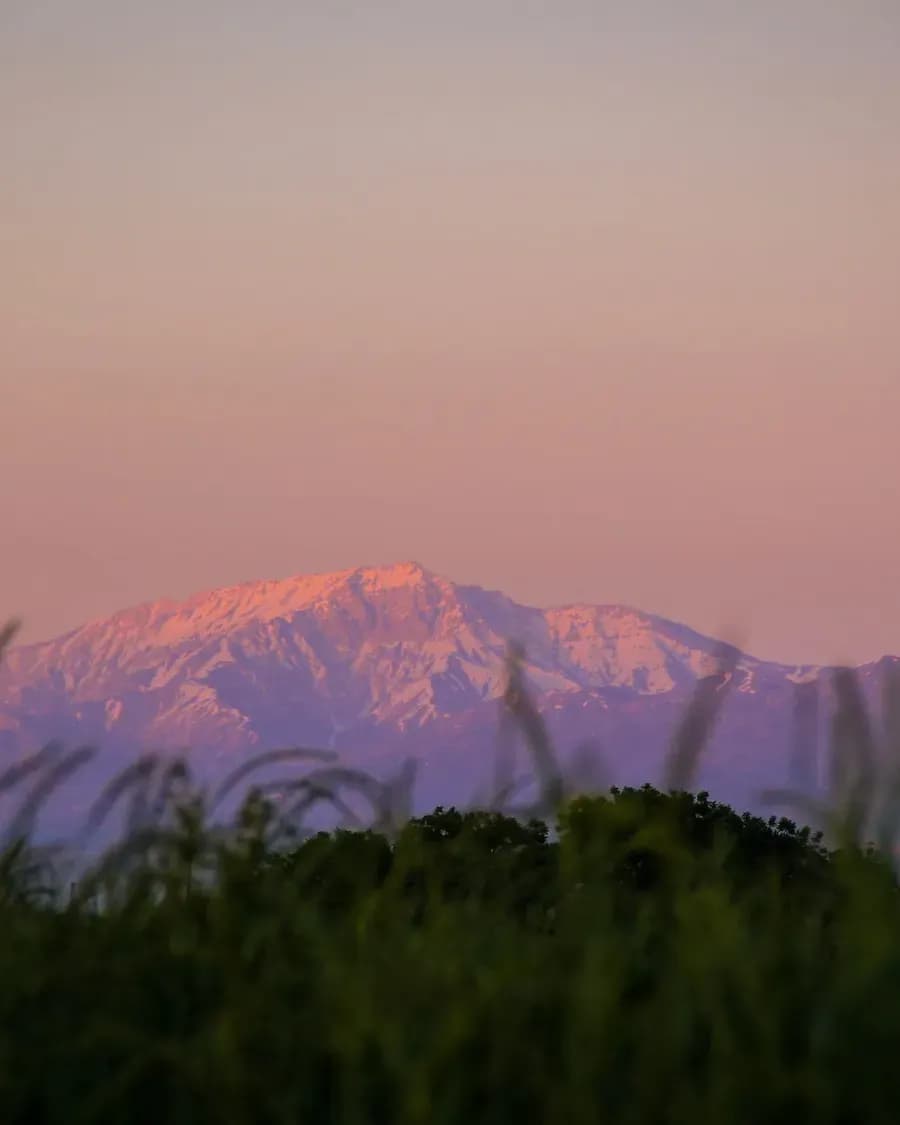
Ertoshsoy sits high on the Ohangaron side, where the road begins to matter as much as the stop itself.
Start from Tashkent, use Ohangaron as the district road, let Ovjazsoy soften the approach, and keep Ertoshsoy for a clear road and weather window.
Start from Tashkent, use Ohangaron as the district road, let Ovjazsoy soften the approach, and keep Ertoshsoy for a clear road and weather window.
Agencies and travellers who need Ertoshsoy as a readable stop — strong places, honest pacing, and logistics that hold.
Route logic
Start from Tashkent, use Ohangaron as the district road, let Ovjazsoy soften the approach, and keep Ertoshsoy for a clear road and weather window.
Route logic
Start from Tashkent, use Ohangaron as the district road, let Ovjazsoy soften the approach, and keep Ertoshsoy for a clear road and weather window.
A lower Ohangaron village pause before the road rises toward Ertoshsoy.
Map orientation
The marker orients the village area only; exact meeting point, spring approach, walking line, or higher-route access is set locally.
What shapes the stop
Read Ertoshsoy through the road first, then the air and water, then the separate higher-route choice.
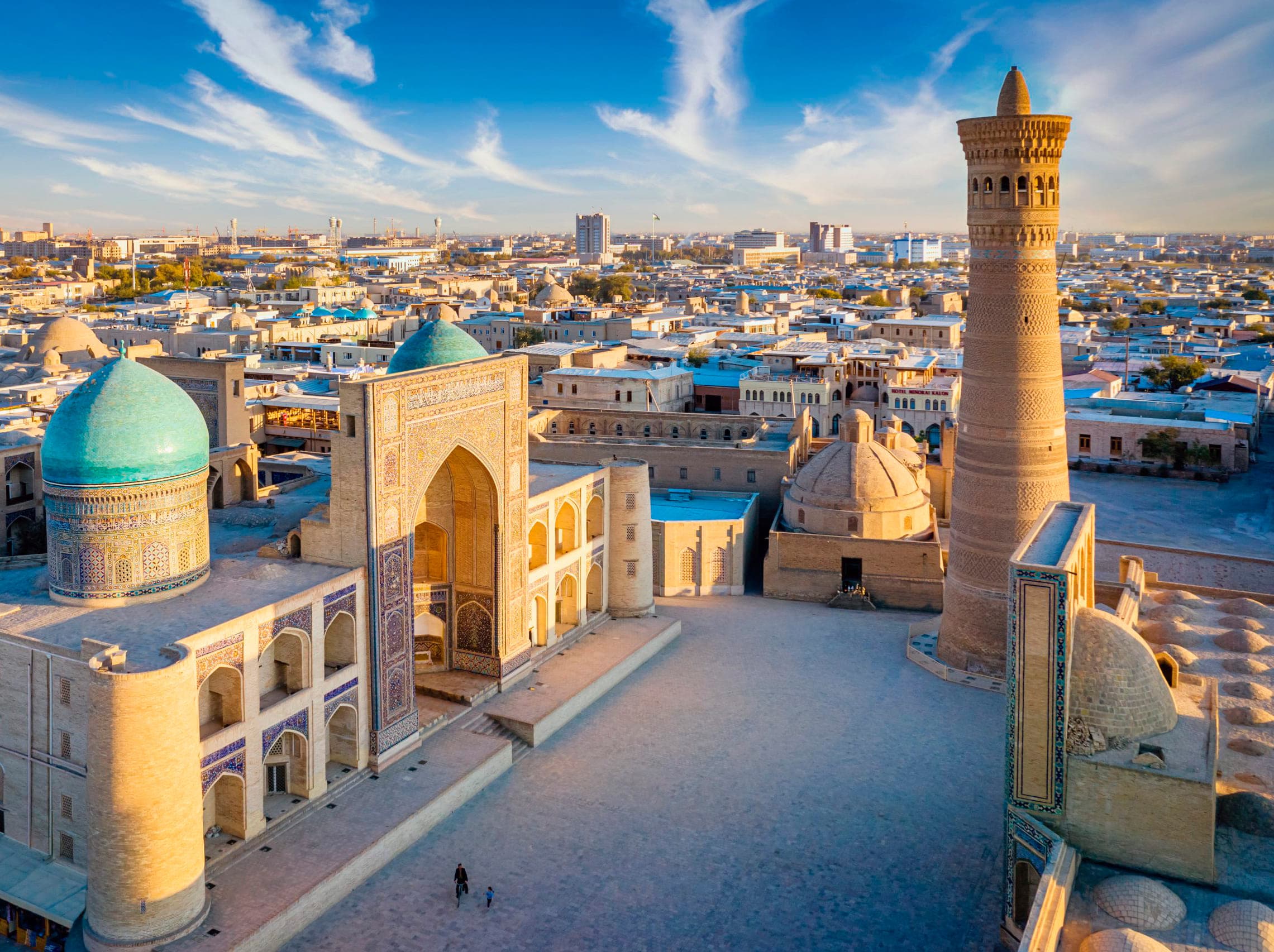
The Ertoshsoy road is the first real filter for the visit. Before the village becomes part of the plan, the road, the vehicle, the weather, and the return window need to make sense together.
Open placeErtoshsoy’s softer value is sensory: cleaner air, water, green-season slopes, and a simple local table when it is arranged for the date. This stop should feel like a village pause, not a fixed attraction.
Open placeArashan should be treated as a separate mountain decision beyond the Ertoshsoy village stop. It needs current local guidance, suitable transport, and a safety-first call on the travel day.
Open placeVillage moments
Six Ertoshsoy moments turn the road note into a village visit without promising details that still belong to the travel date.
The climb is part of the visit. If road, weather, or vehicle comfort is uncertain, keep Ertoshsoy for a calmer day.
Clean water, cooler air, and spring-summer greenery give the village its softest reason to pause.
Goat-milk products and a simple local table can make the stop feel human when arranged for the date.
Mountain weather can change the shape of Ertoshsoy quickly, so the route should breathe instead of chasing too much.
Arashan is a separate access and safety choice, not an automatic continuation from the village.
A wider return window keeps the remote road from turning a village pause into a rush.
Before you go
Ertoshsoy is worth considering when the road and the village setup match the travel date.
Ertoshsoy reads best when the journey is paced for the district road and the climb into the village.
Come for the mountain air and water, but let the road set the route rhythm.
Water, cooler air, green slopes, and local dairy can make the stop feel personal when the local details are set for the date.
Arashan and higher mountain roads should never become automatic add-ons to the village pause.
Keep Ertoshsoy in the route only when the road, weather, vehicle, and local details are current.
Before travel Status
Official tourism village in Ohangaron District.
Why go
Mountain air, clean water, seasonal greenery, and local dairy.
Season cue
Spring and early summer give the strongest green setting.
Local details
Road, weather, vehicle, food, meeting point, village details, and Arashan access.
Nearby stops
Ovjazsoy keeps the Ohangaron side quieter; Chimgan and Kumushkon show the better-known mountain and Parkent directions.
Ovjazsoy adds a quiet Ohangaron village stop: orchards, household life, and upper-slope air, with exact meeting details set close to travel.
View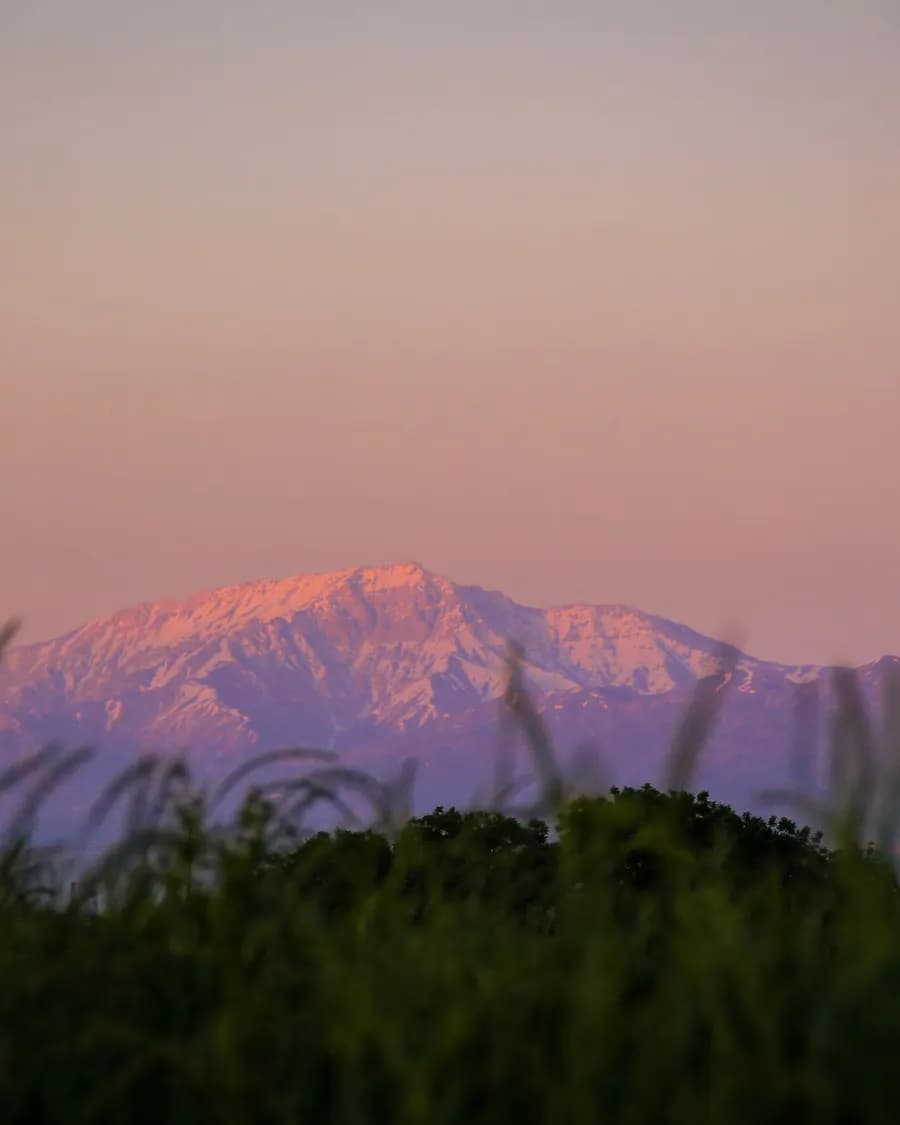
Chimgan gives Tashkent routes their closest mountain turn: foothill roads, Charvak water, open slopes, resort facilities, and guided gorge routes when conditions fit.
ViewKumushkon adds a Parkent village pause near Tashkent: cleaner air, everyday life, heritage cues, and nearby Chashma when the route has time.
ViewCity in detail
Walking time, overnight location, and when day trips make sense.
2–3 nights is usually enough when the old core or main anchors get a full walking window. City tone: “A high Ohangaron village for air, water, and a careful mountain route”.
Start with the compact city walk first. Day trips only after the centre has settled — otherwise the stop feels like a transfer with monuments attached.
Stay close enough for an evening return on foot or a short transfer. That keeps tea, dinner, and a second pass through the lanes easy without burning the next morning.
On request
We help agencies set a realistic pace and choose the right next move — without rushing the places that matter.