
TourLink
About
Semey is more than a short note on the way to the Altai.
Semey is easiest when the route stays compact: arrive by rail, road, or domestic flight; stay near the center; pair the literary museums with time by the Irtysh; and leave wider sensitive history to current access checks and careful guide interpretation.
A good Semey stop needs calm order rather than a long list: river orientation, Abai and Dostoevsky, one wider collection, and a respectful tone around difficult memory.
Agencies and travellers who need Semey as a readable stop — strong places, honest pacing, and logistics that hold.
Getting around
Semey is easiest when the route stays compact: arrive by rail, road, or domestic flight; stay near the center; pair the literary museums with time by the Irtysh; and leave wider sensitive history to current access checks and careful guide interpretation.
Visit rhythm
A good Semey stop needs calm order rather than a long list: river orientation, Abai and Dostoevsky, one wider collection, and a respectful tone around difficult memory.
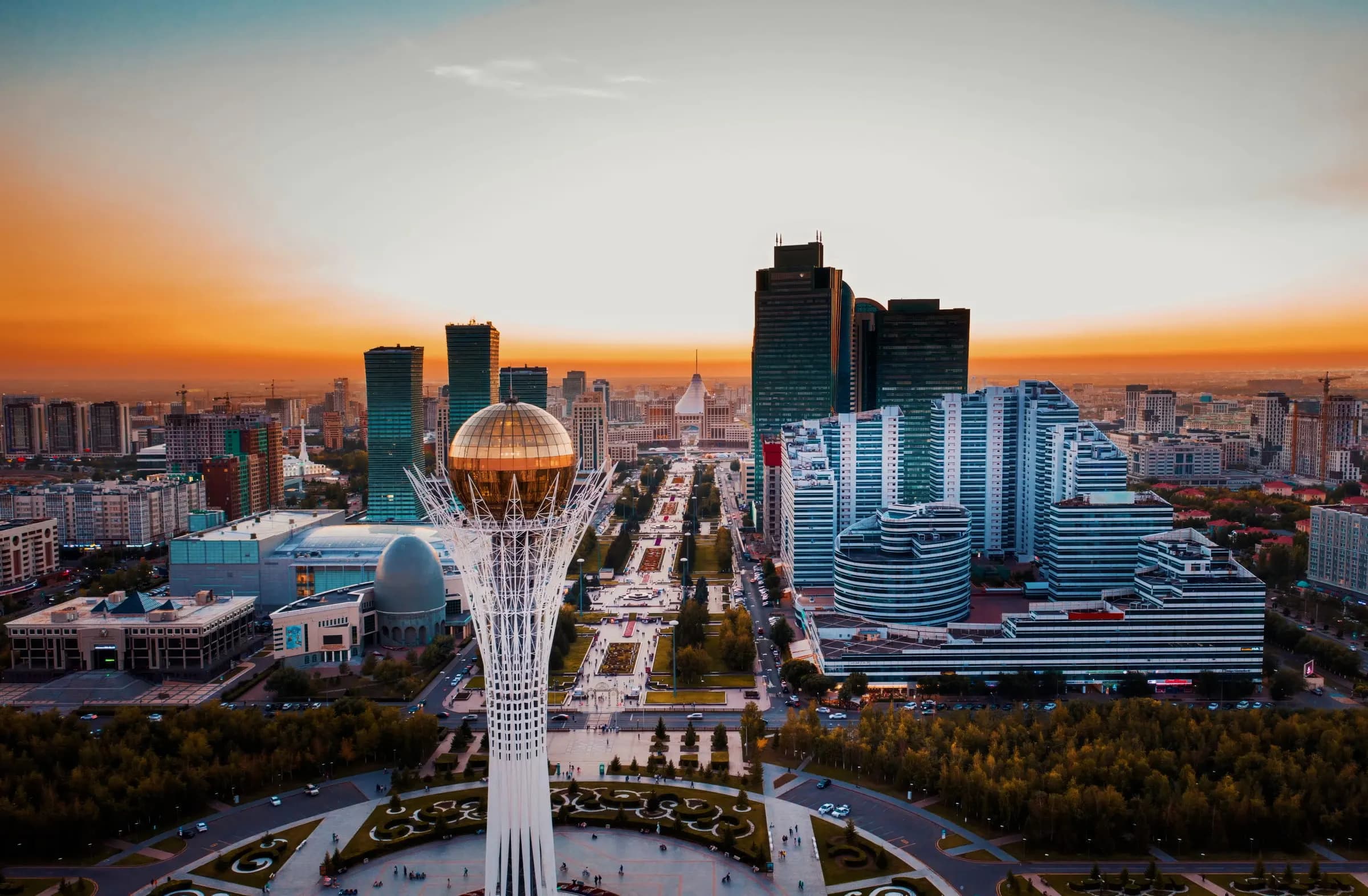
The river draws a clear line through Semey and grounds the cultural stop before the museum visits begin.
Map anchor
Use the city marker for first orientation. Museum addresses and riverfront meeting points should be checked locally before they become fixed walking stops.
What to see
A compact first visit can focus on Abai, Dostoevsky, the local history museum, the Irtysh, and the Nevzorov collection.
Semey rhythm
Semey becomes clearer in small moments: literature with a guide, the Irtysh at walking pace, and museum memory kept factual and humane.
Museum time and guide interpretation help Semey handle difficult history without unsafe routes or sensational language.
A simple river walk gives Semey air between museums and keeps the eastern route connected to daily city life.
A guided literary stop keeps Abai's museum, the city around it, and Kazakh intellectual memory in one careful visit.
Before you go
Semey is strongest when it is not forced into a museum list or a single memorial theme. Its value is the way literature, river life, and difficult memory share one eastern Kazakhstan city.
The Irtysh keeps Semey open. A short walk by the water gives the city scale and helps the museum visits feel connected to a living place.
Semey is strongest when the route slows enough for literature, river life, and difficult memory to stay separate and clear.
Abai belongs to Kazakh intellectual life; Dostoevsky belongs to another, more difficult exile story. Visiting both is strongest when their meanings are not blended into one general literary label.
Semey's modern history can be powerful, but the public route should stay careful: museums, verified interpretation, and access checked before anything beyond the city is proposed.
Come for a calm cultural pause on the Irtysh, not for a rushed checklist or sensational history.
At a glance Place
Semey sits on the Irtysh in eastern Kazakhstan, inside the East Kazakhstan & Altai tourist region.
Stay
Best as a measured cultural stop, not a rushed add-on to a long Altai road day.
Main story
Abai, Dostoevsky, local history, fine arts, and the river give the city its strongest traveler-facing shape.
Route role
Semey can sit between Oskemen, wider Abai Region memory, and longer East Kazakhstan itineraries.
Tone
Sensitive twentieth-century history needs factual guidance, current access review, and non-sensational language.
Where to continue
From Semey, the route usually returns toward Oskemen or continues into a wider East Kazakhstan plan. Katon-Karagay needs its own timing, road, and season checks before it becomes the next leg.
Oskemen gives East Kazakhstan an arrival point: the Irtysh and Ulba river setting, airport and rail access, and the road choice toward Ridder or Katon-Karagay.
ViewKaton-Karagay carries East Kazakhstan beyond Oskemen into protected Altai forest, river valleys, village quiet, and mountain roads that need unhurried time.
ViewCity in detail
Walking time, overnight location, and when day trips make sense.
one focused city day plus overnight is usually enough when the old core or main anchors get a full walking window. City tone: “Literary museums, the Irtysh, and memory handled with care”.
Start with the compact city walk first. Day trips only after the centre has settled — otherwise the stop feels like a transfer with monuments attached.
Stay close enough for an evening return on foot or a short transfer. That keeps tea, dinner, and a second pass through the lanes easy without burning the next morning.
On request
We help agencies set a realistic pace and choose the right next move — without rushing the places that matter.