
TourLink
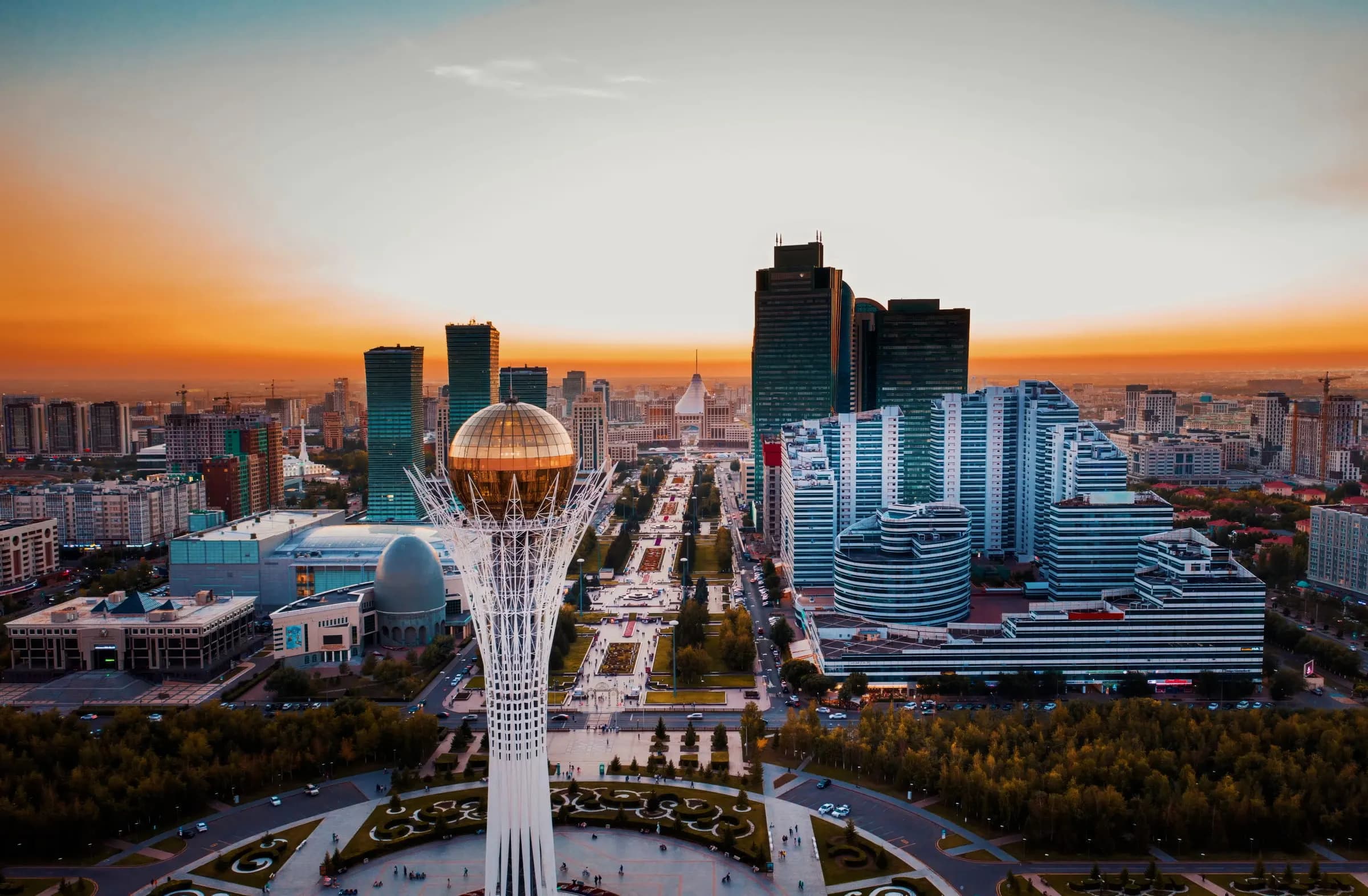
Pilgrimage courtyards, bazaar cities, and the warm southern road
About
South of the steppe, Kazakhstan changes temperature and pace.
The south works best as a sequence: Shymkent for arrival, market life, and practical overnights; Turkistan for sacred architecture and heritage time; Otrar, Sauran, Sayram, Arystan Bab, Akyrtas, or Aksu-Zhabagly when the route can carry the extra distance.
Shymkent, Turkistan, and the outer archaeological or mountain roads each ask for a different pace. The strongest routes keep those differences visible instead of folding the south into one long transfer.
Agencies and travellers who need Turkistan, Shymkent & the Southern Silk Road as a readable stop — strong places, honest pacing, and logistics that hold.
Getting around
The south works best as a sequence: Shymkent for arrival, market life, and practical overnights; Turkistan for sacred architecture and heritage time; Otrar, Sauran, Sayram, Arystan Bab, Akyrtas, or Aksu-Zhabagly when the route can carry the extra distance.
Route shape
Shymkent, Turkistan, and the outer archaeological or mountain roads each ask for a different pace. The strongest routes keep those differences visible instead of folding the south into one long transfer.
Shymkent gives the southern route its arrival point, market energy, food, hotels, and first overnight before the road turns toward Turkistan or the foothills.
Southern anchors
The map shows the current route anchors: Shymkent, its old-city and bazaar stops, Turkistan, the Yasawi mausoleum, and Azret Sultan. Otrar, Sauran, Sayram, Arystan Bab, Akyrtas, and Aksu-Zhabagly remain wider-route extensions until their own pages are opened.
Region character
Southern Kazakhstan turns a long-distance route into a lived corridor of shrines, markets, ruins, and foothill choices.
Region places
Turkistan gives the route its sacred heritage center; Shymkent keeps the journey practical, warm, and connected to markets, transport, and onward roads.
Turkistan slows the southern route around the blue dome of Khoja Ahmed Yasawi. In the square and the Azret Sultan reserve, brick, blue tile, pilgrim movement, and desert-edge light make the city the quiet center before the road turns to Otrar, Sauran, Shymkent, or Sayram.
Open placeShymkent shows the south through city life, not only monuments. Begin around the old-city and citadel area, follow the noise into Central and Upper Bazaar, then choose whether the road turns toward Turkistan, Otrar, Sayram, or the foothills.
Open placeWhat to see
The route usually begins with the Yasawi mausoleum and Azret Sultan in Turkistan, then uses Shymkent's old-city and bazaar stops to keep the south grounded in everyday life.
The Mausoleum of Khoja Ahmed Yasawi anchors Turkistan before anything else. Its Timurid dome, fired-brick mass, and wide courtyard carry the memory of the Sufi teacher while pilgrims, families, and travelers keep the place active today.
Open placeCentral Bazaar and the Upper Bazaar area show Shymkent at street-market pace. After Shym Qala and the old-city area, the route can shift from citadel ground to bread counters, produce rows, bargaining voices, and people moving through the warm southern city.
Open placeBegin at Shym Qala, the open-air complex that makes Shymkent's citadel, shahristan, and rabad readable in one city walk. Its archaeological outline brings the 2,200-year city story into view before Central Bazaar adds bread rows, bargaining voices, and everyday movement.
Open placeAt Azret Sultan, the visit stays close to the Yasawi mausoleum but opens into the surrounding reserve-museum grounds. Open space, museum setting, and pilgrim movement help travelers understand why this part of Turkistan is treated as more than a single monument.
Open placeRegion in detail
Pace, season, and how this region connects to the next stop.
2–4 days usually works if you keep one strong core and treat outer stops as deliberate choices. The region brief is “Pilgrimage courtyards, bazaar cities, and the warm southern road”.
Use neighbouring cities as clean handovers: arrive with a calm first night, leave after one completed chapter, and avoid stacking two long transfers on the same day.
Heat, altitude, road condition, and opening hours change the product more than the brochure list. Build the region around what stays comfortable for the group that week.
On request
We help agencies set a realistic pace and choose the right extensions — without rushing the places that matter.