
TourLink
About
Sary-Mogul sits wide under the Trans-Alay range, with gravel tracks, low village roofs, cold air, and the road toward Tulpar-Kol and the Lenin Peak approach.
Read Sary-Mogul as one high-Alay choice. The route can stay with the village, continue toward Tulpar-Kol, or become a trekking plan, but the higher road needs its own conditions.
The first task is simple: arrive from Osh, read the valley, and see whether the higher road belongs in this route.
Agencies and travellers who need Sary-Mogul as a readable stop — strong places, honest pacing, and logistics that hold.
Getting around
Read Sary-Mogul as one high-Alay choice. The route can stay with the village, continue toward Tulpar-Kol, or become a trekking plan, but the higher road needs its own conditions.
Route choices
The first task is simple: arrive from Osh, read the valley, and see whether the higher road belongs in this route.
The drive from Osh carries the route into higher country. Road condition, daylight, and comfort should shape the first rhythm.
Route map
The map centers the verified village point. Tulpar-Kol, Traveller's Pass, and the Lenin Peak approach belong only when season, altitude, permits, and local support are current.
What to see first
Sary-Mogul Village and the Alay Valley are the honest first public anchor. Tulpar-Kol, passes, and longer trekking routes stay as route context until access, season, and road conditions are checked separately.
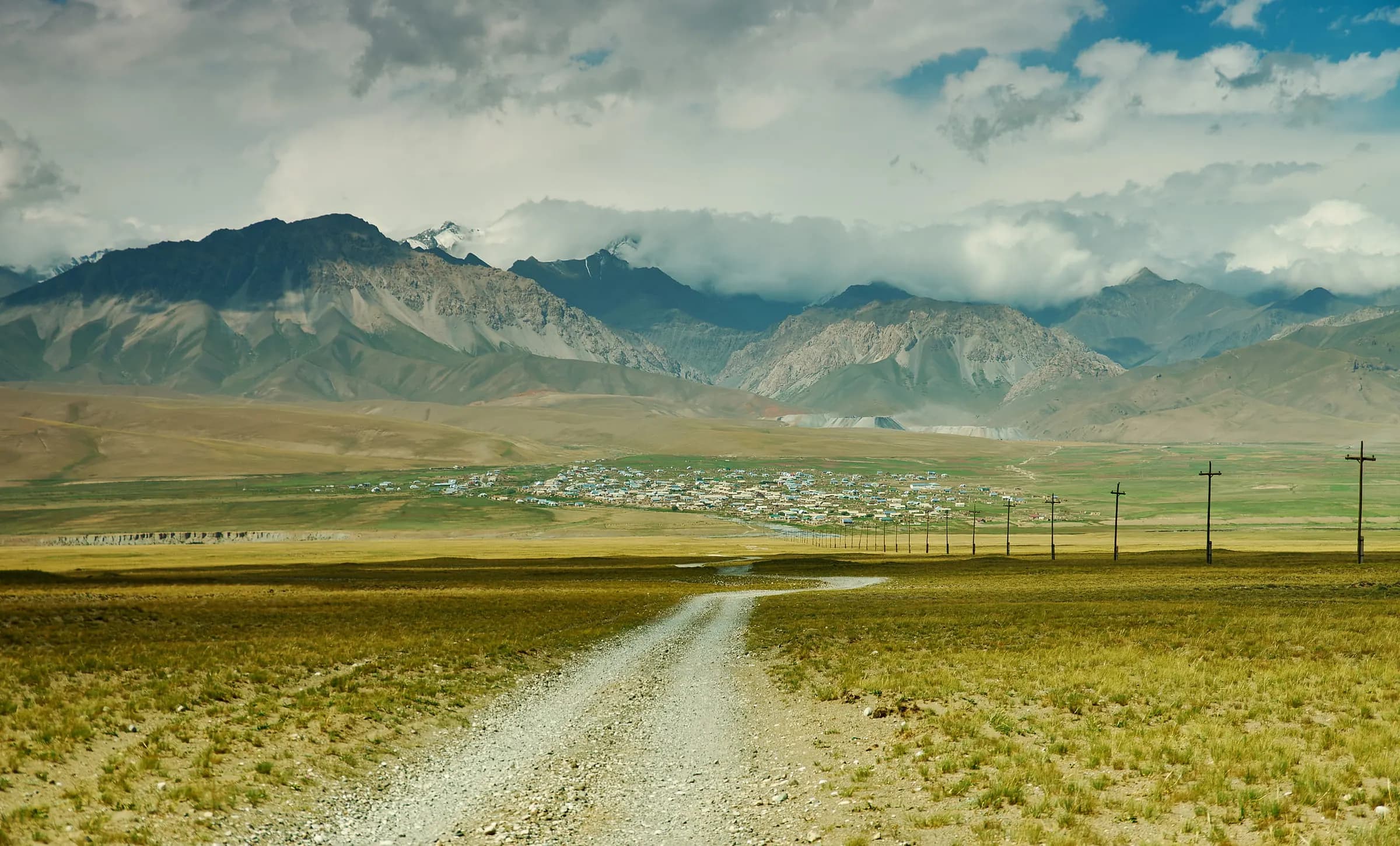
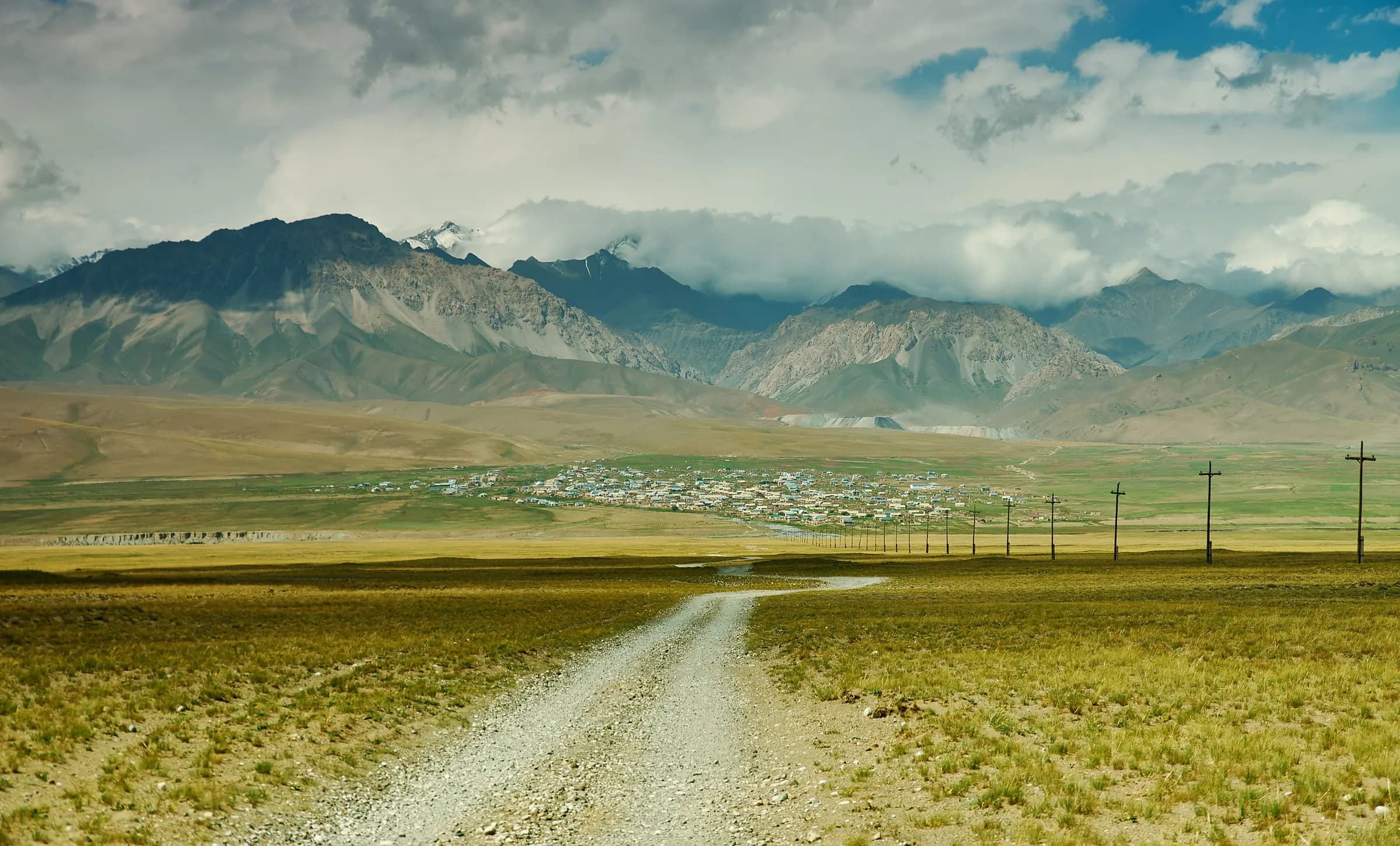
Sary-Mogul is a village landscape before it is a route choice: roofs low in the valley, poles beside the gravel road, and the Trans-Alay range rising behind it. From here, Tulpar-Kol, Traveller's Pass, and the Lenin Peak approach become real choices rather than names on a map.
Open placeAlay rhythm
Sary-Mogul is strongest when arrival, lake choices, and permit discipline each have their own place in the route.
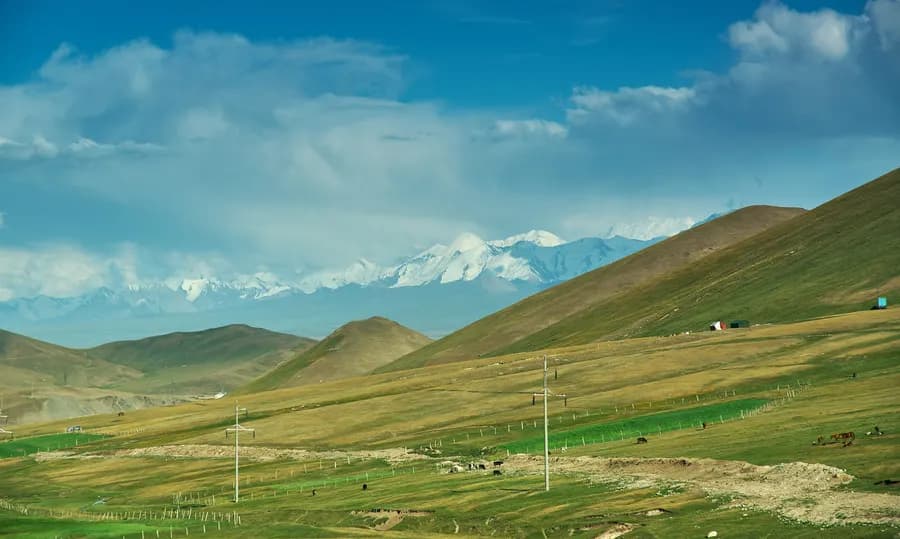
Check passes, permits, and altitude early
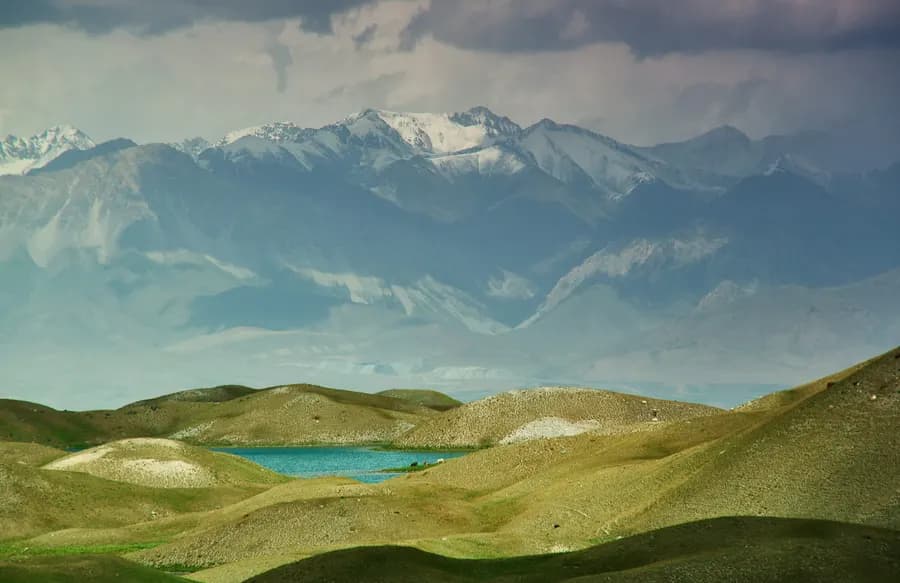
Decide Tulpar-Kol before the climb
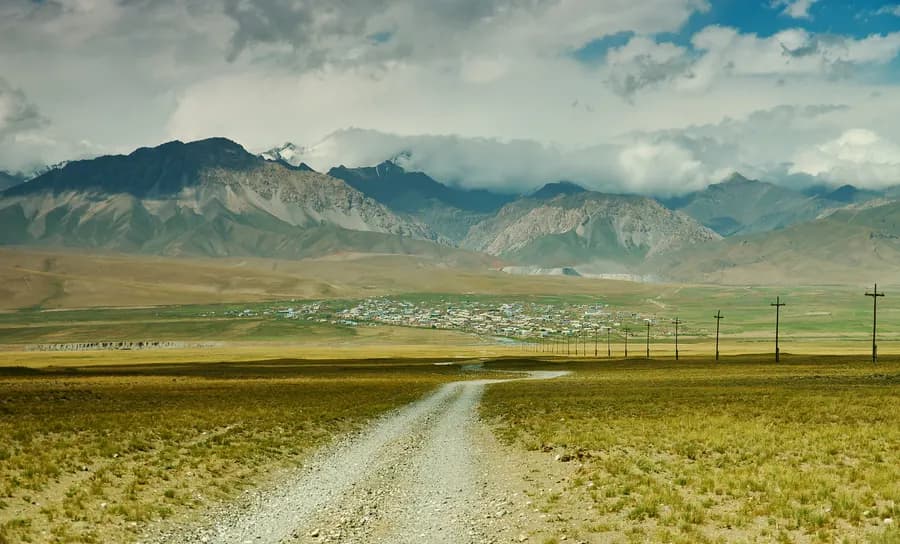
Arrive with the peaks in front
Before you go
Sary-Mogul needs practical care, but the place should stay visible: low roofs, valley light, host tables, and mountains that make the traveler choose carefully.
Sary-Mogul changes the scale of the southern route. The road opens into the Alay, the village stays low, and the Trans-Alay range begins to set expectations.
Sary-Mogul is strongest when the mountains are part of the plan, not just a scenic name beyond the southern road.
Guesthouse, yurt-camp, heating, food, toilets, and altitude readiness should be checked before the route promises a higher night or a long trekking day.
The lake, Traveller's Pass, and the Lenin Peak approach are not casual extensions. They need season, permits, acclimatization, and guide judgment.
Choose Sary-Mogul when the route can respect altitude, weather, host comfort, and the higher road.
At a glance Route role
High-Alay route anchor after Osh and Uzgen.
Main draw
Village scale below the Trans-Alay range, with Tulpar-Kol and Lenin Peak route choices nearby.
Access
Road condition, vehicle fit, comfort, and local support need current checks.
Season and pace
Longer treks are most realistic in the summer window; weather can change the higher road.
Route fit
Strongest with an overnight or a clear high-road plan, not as a rushed add-on from Osh.
Nearby places
Osh gives the southern route its main arrival and market memory. Uzgen keeps Karakhanid heritage close before the road turns higher.
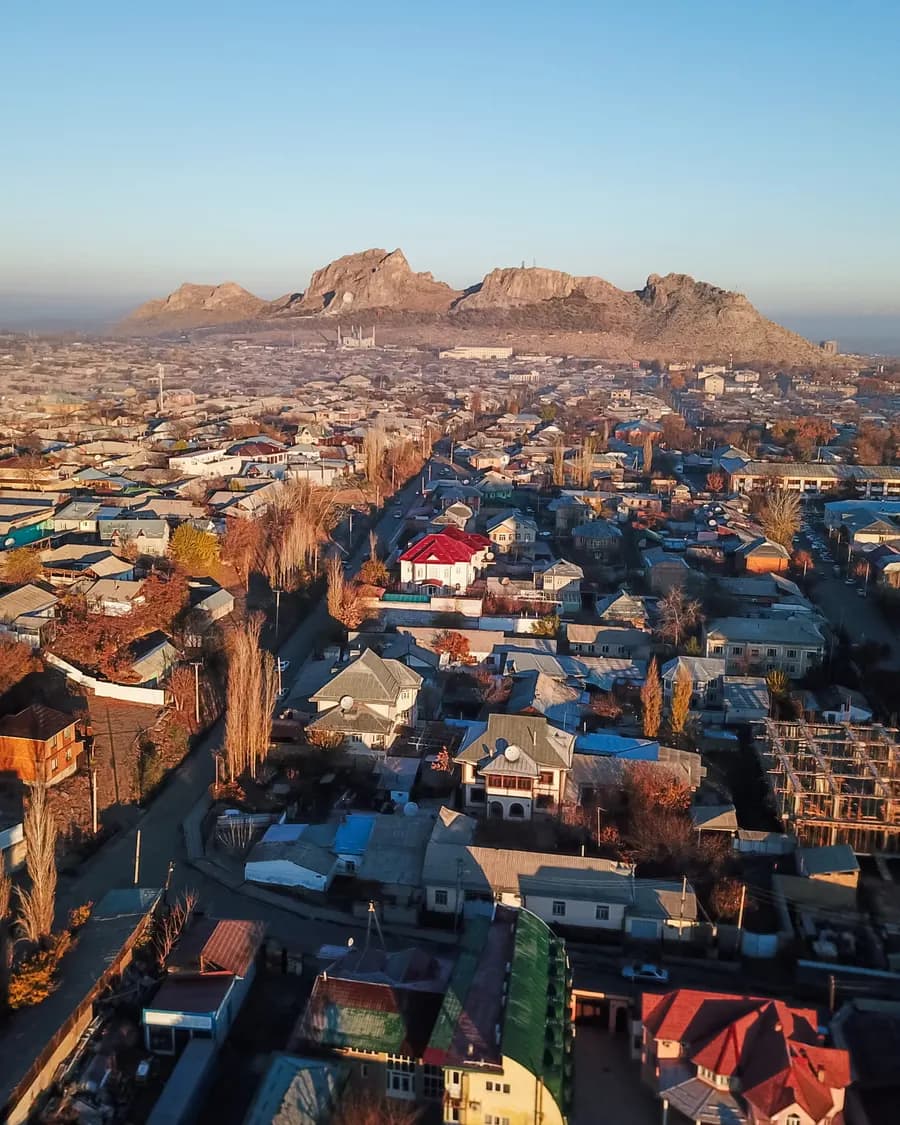
Osh is where Kyrgyzstan turns south: Sulaiman-Too above the city, bazaar lanes below it, and roads toward Uzgen, Alay, Sary-Mogul, and the Fergana edge.
View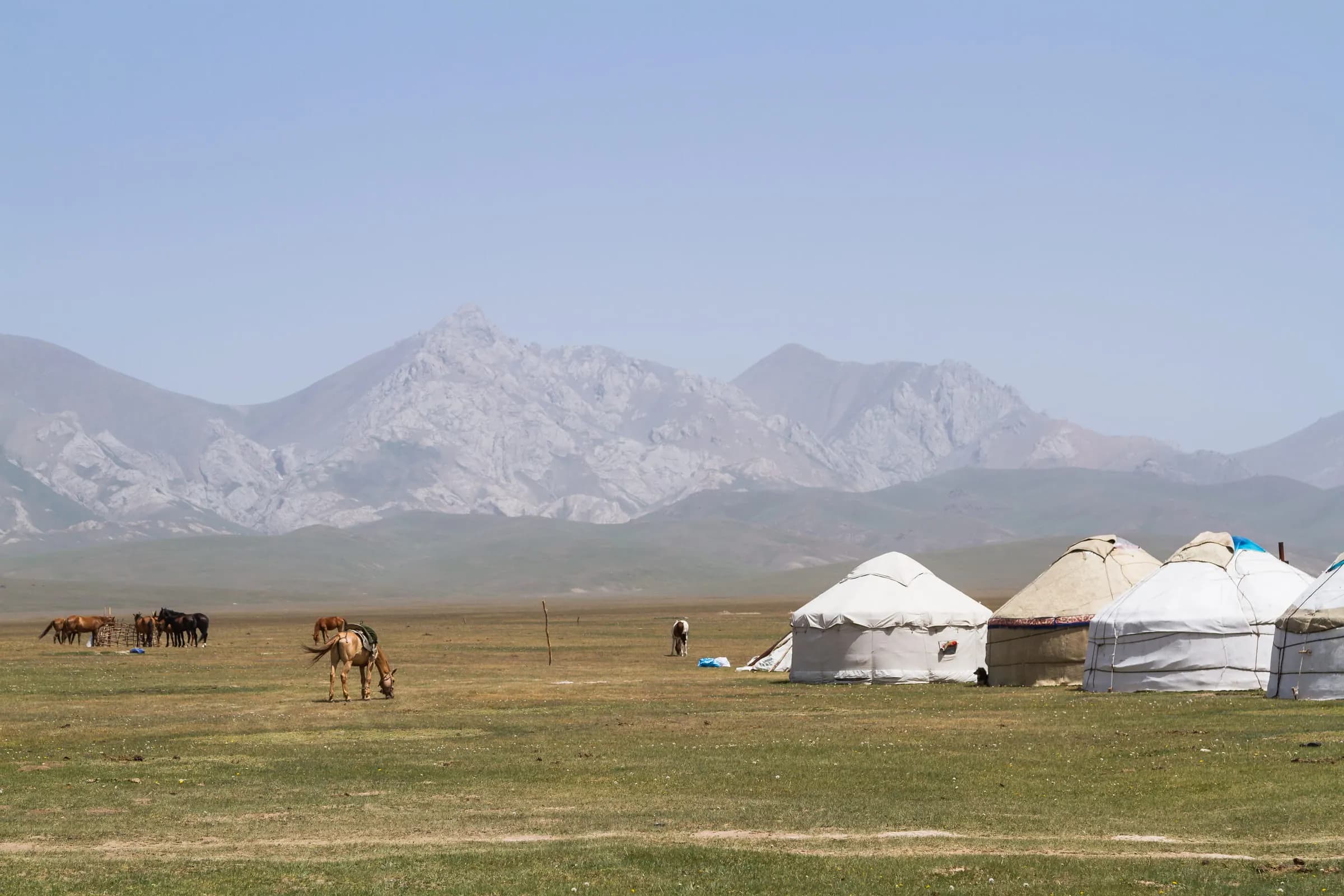
Uzgen is the Osh-side Silk Road town where Karakhanid brickwork, a compact town setting, and the return road turn one heritage stop into a calmer southern route choice.
ViewCity in detail
Walking time, overnight location, and when day trips make sense.
2–3 nights is usually enough when the old core or main anchors get a full walking window. City tone: “Alay village for high-road decisions”.
Start with the compact city walk first. Day trips only after the centre has settled — otherwise the stop feels like a transfer with monuments attached.
Stay close enough for an evening return on foot or a short transfer. That keeps tea, dinner, and a second pass through the lanes easy without burning the next morning.
On request
We help agencies set a realistic pace and choose the right next move — without rushing the places that matter.