
TourLink
About
Osh is where Kyrgyzstan turns south.
The city becomes easier to understand when Sulaiman-Too, the bazaar, and the next road each have a clear place in the visit.
Heat, stairs, market crowds, road distance, and early departures all change how Osh feels. A calm plan gives the city more than a transfer stop.
Agencies and travellers who need Osh as a readable stop — strong places, honest pacing, and logistics that hold.
Getting around
The city becomes easier to understand when Sulaiman-Too, the bazaar, and the next road each have a clear place in the visit.
Route planning
Heat, stairs, market crowds, road distance, and early departures all change how Osh feels. A calm plan gives the city more than a transfer stop.
Cooler hours, stairs, and respectful behavior make the sacred mountain feel like more than a viewpoint.
Orientation
Sulaiman-Too fixes the skyline. The bazaar adds daily movement. The southern roads show how the journey leaves the city.
What to see
Sulaiman-Too gives Osh its sacred mountain frame. The museum complex adds historical context when its halls are open, and the bazaar brings food, trade, and daily movement back to street level.
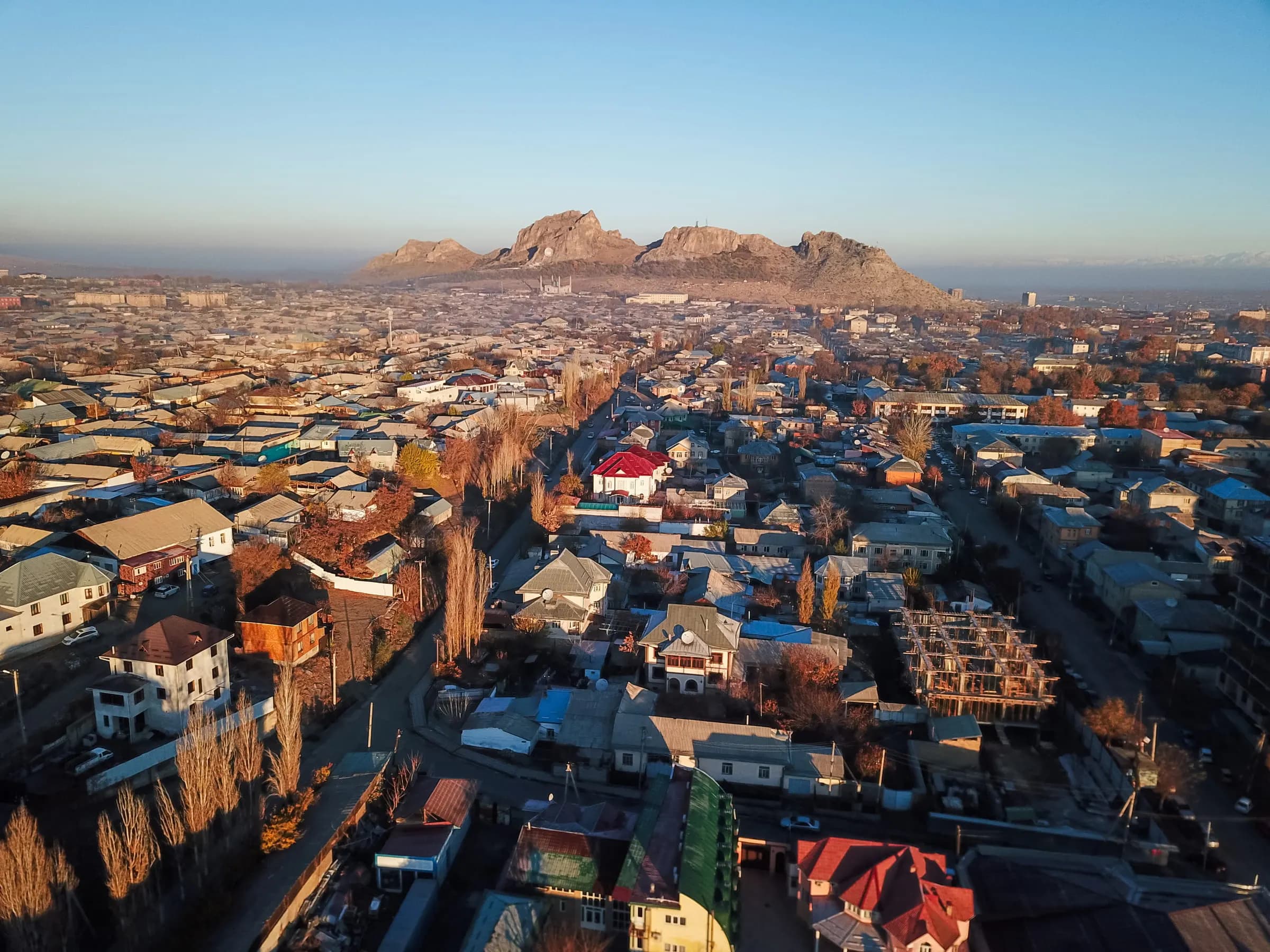
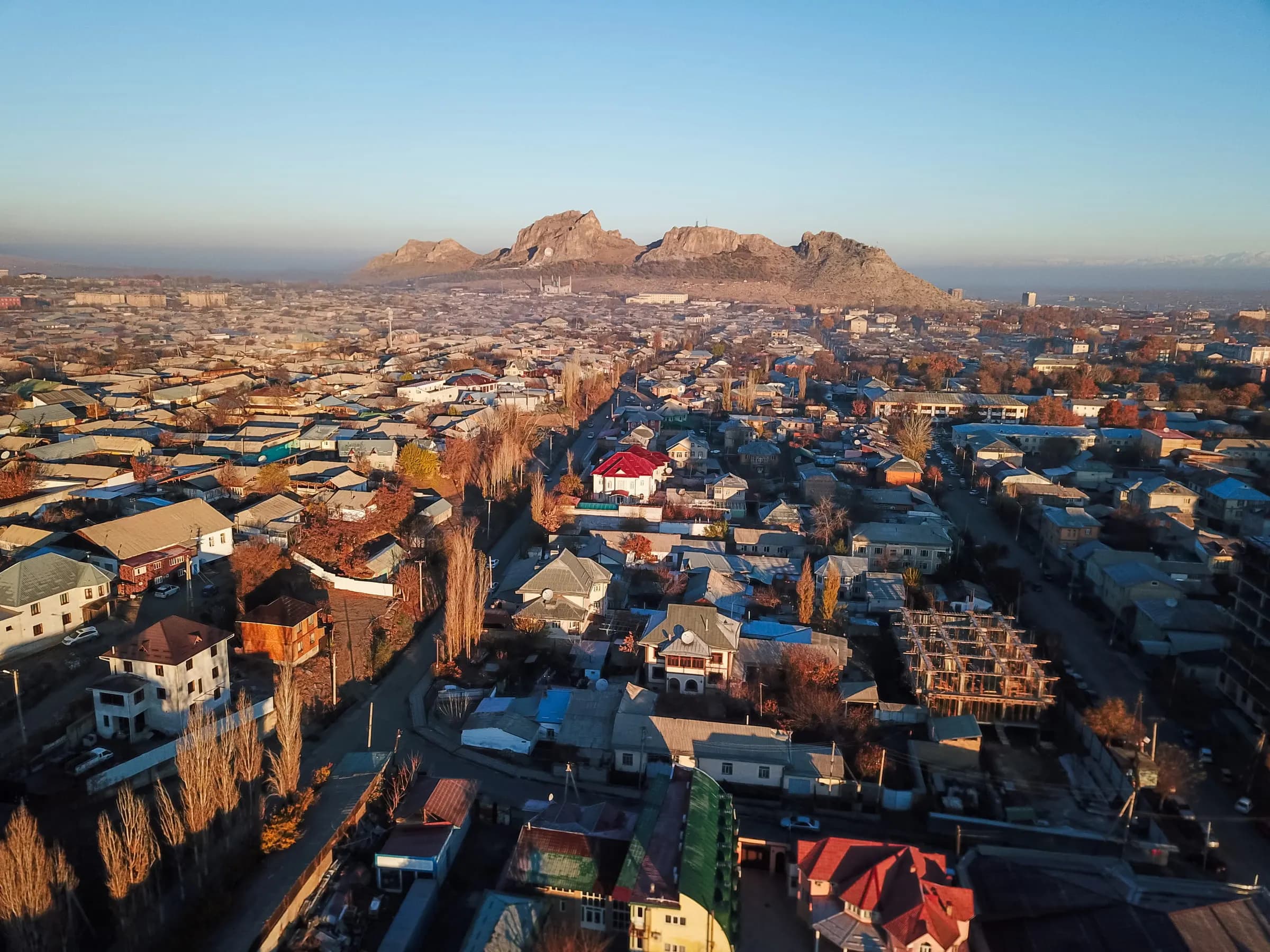
From Sulaiman-Too, Osh reads as bazaar roofs, valley roads, prayer spaces, and daily life beneath a World Heritage mountain. The visit feels best when the climb, heat, museum context, and nearby bazaar are given calm time.
Open place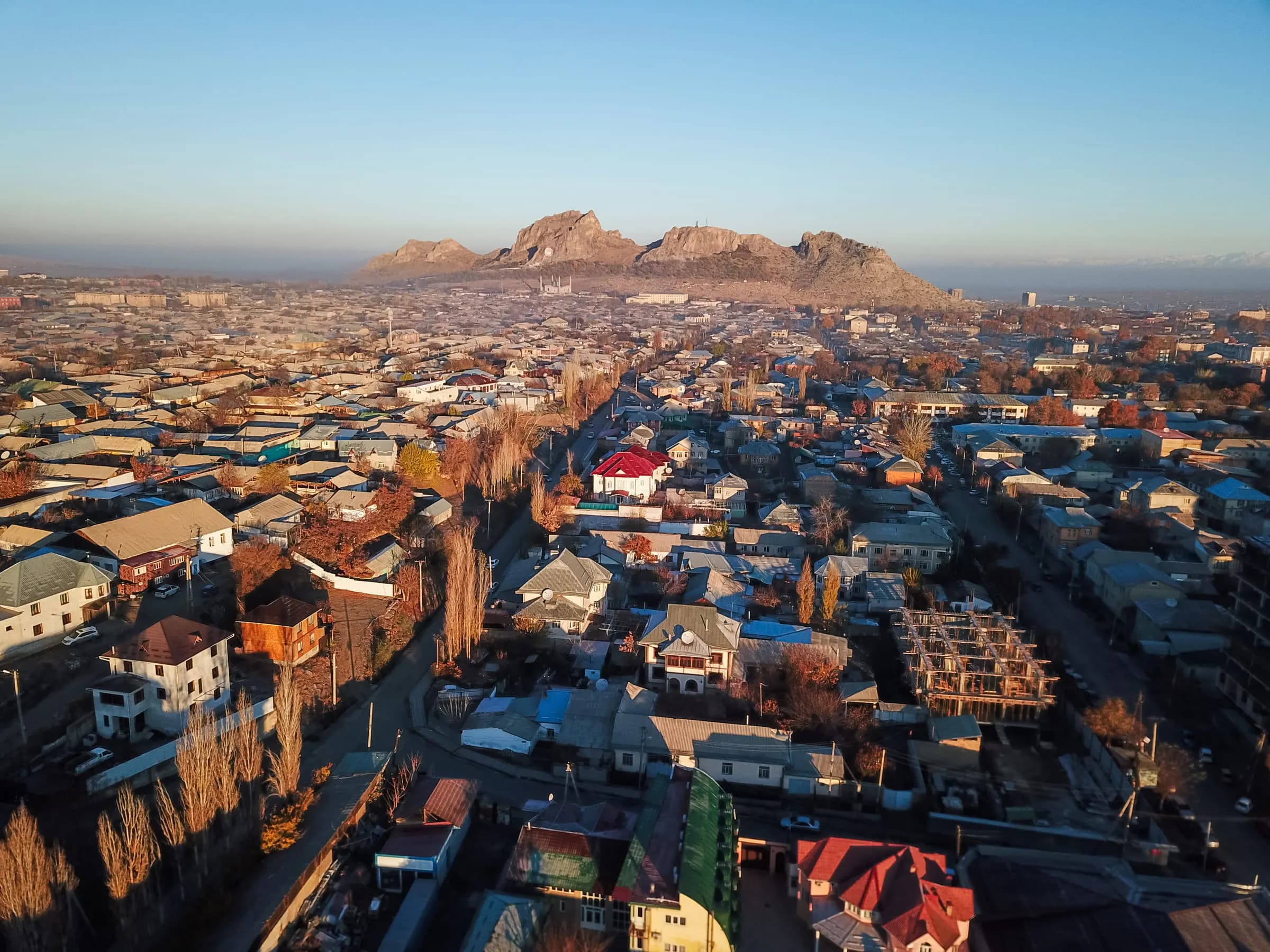
The museum complex gives Sulaiman-Too a historical frame when the group wants more than the view from the mountain. TourLink confirms access, halls, timing, and fit before adding it to the Osh day.
Open place
Osh Bazaar is the living counterpoint to Sulaiman-Too: a place of bread steam, spice color, crowded aisles, daily goods, and sellers moving through a city where trade still feels close and immediate. On a first visit, the strongest route is simple: food rows, a few daily-goods ai
Open place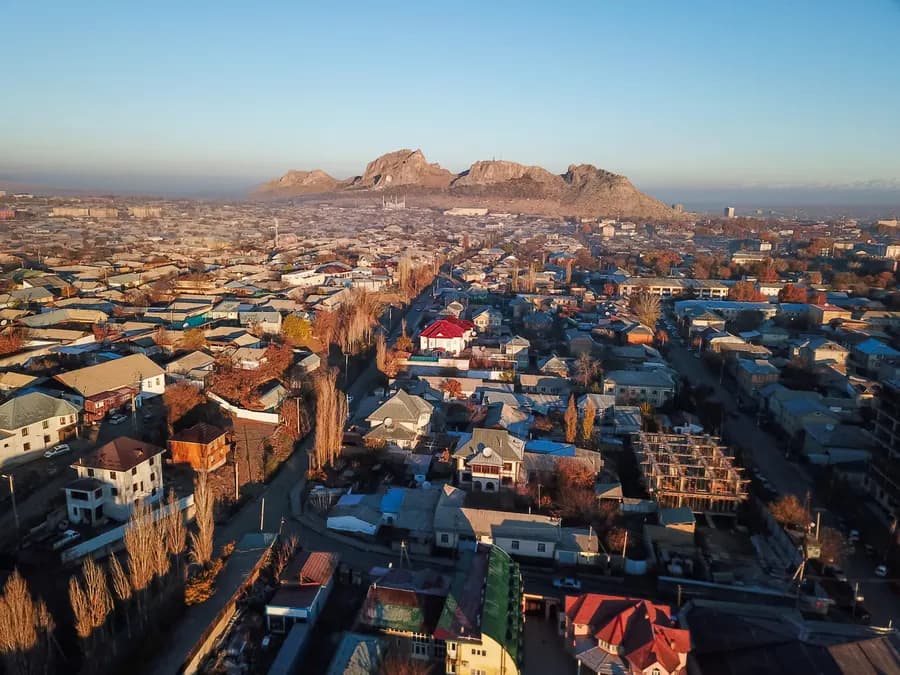
Asaf ibn Burhiya Mausoleum sits close to Osh's sacred mountain route. Local tradition links the place with the wise vizier of King Suleiman, while the visit itself stays grounded in a compact tomb chamber, a prayer room, and the etiquette of a living pilgrimage stop.
Open placeCity rhythm
These city moments keep Osh practical and alive: early mountain air, bazaar lanes, and one honest road decision for the south.
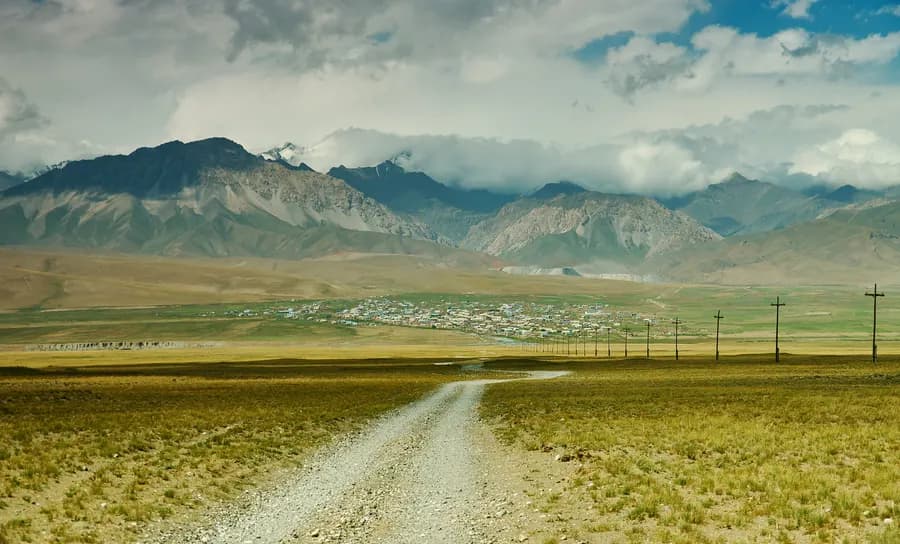
From Osh the journey can stay with Uzgen, climb toward Alay and Sary-Mogul, or return north; one clear choice protects the city visit.
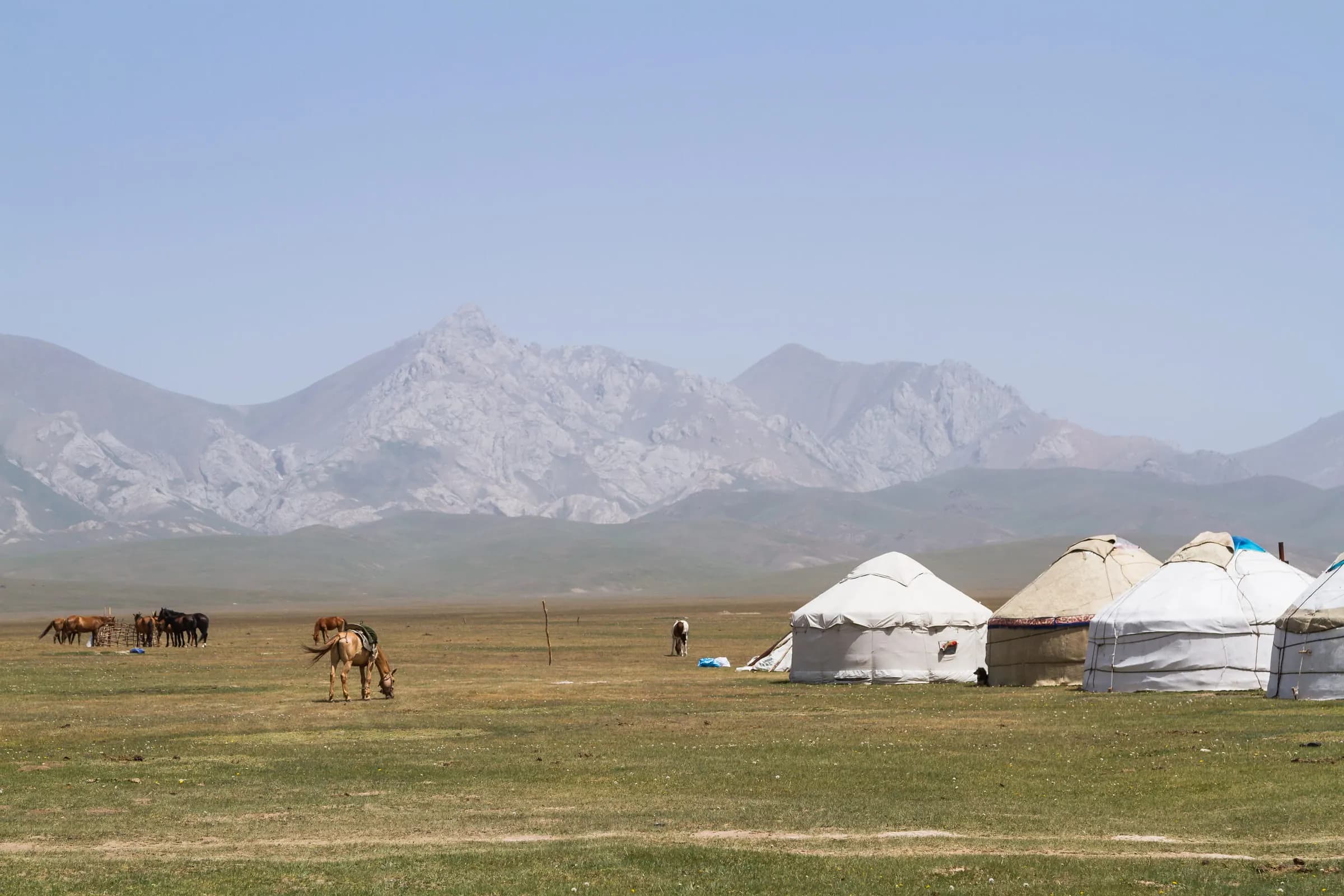
Bread, tea, cloth, and spice rows show the city at street level, where the southern route feels lived rather than staged.
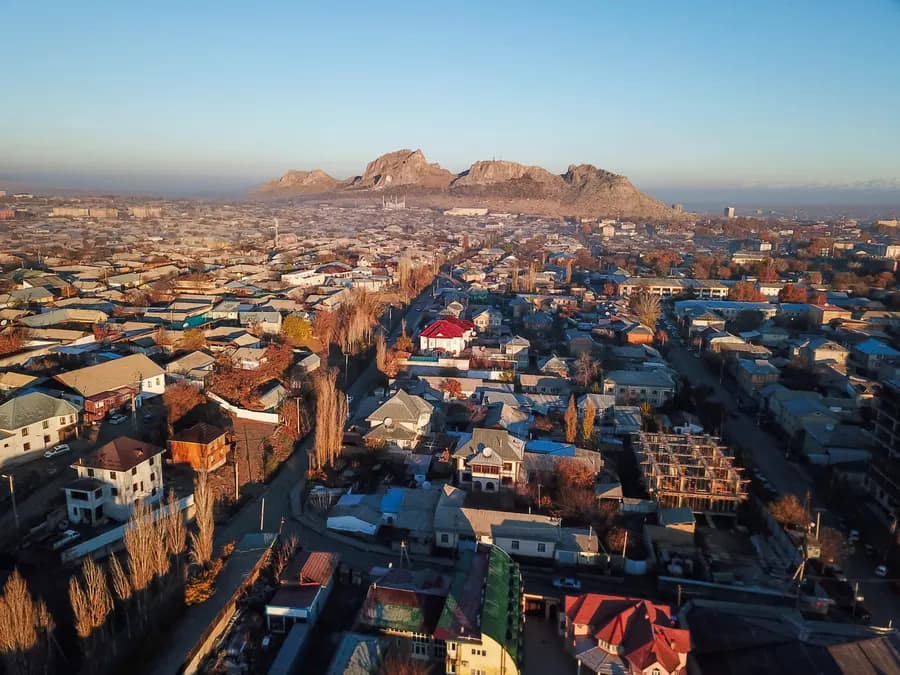
Go up while the air is easier and the city roofs are still quiet; the sacred mountain sets Osh in place before the bazaar grows loud.
Before you go
Osh loses its value when it is treated as a quick stop between flights and mountain roads.
The mountain is not only a view over the city. It brings pilgrimage memory, history, and everyday Osh into the same skyline.
Osh is clearest when the sacred mountain, the bazaar, and the road out each have their own weight.
The market is strongest when you move through bread, spices, tea, cloth, and household goods with a clear path, not a forced wander through crowds.
Southern Kyrgyzstan can turn toward heritage towns, high valleys, flights, or the long road north. Osh feels clearer when that choice is made before the plan is overloaded.
Treat Osh as a southern city first: mountain air, bazaar movement, and one clear onward choice.
Good to know Time in the city
One or two nights, depending on arrival time and the next road.
Main access
Osh International Airport and road links toward Uzgen, Alay, Sary-Mogul, and Bishkek.
Heat and timing
Warm months favor earlier mountain time and an unhurried market walk.
Where Osh leads next
Uzgen keeps the heritage route close. Sary-Mogul and the Alay side pull the journey higher. Bishkek brings the wider Kyrgyzstan route back to its northern rhythm.
Uzgen is the Osh-side Silk Road town where Karakhanid brickwork, a compact town setting, and the return road turn one heritage stop into a calmer southern route choice.
View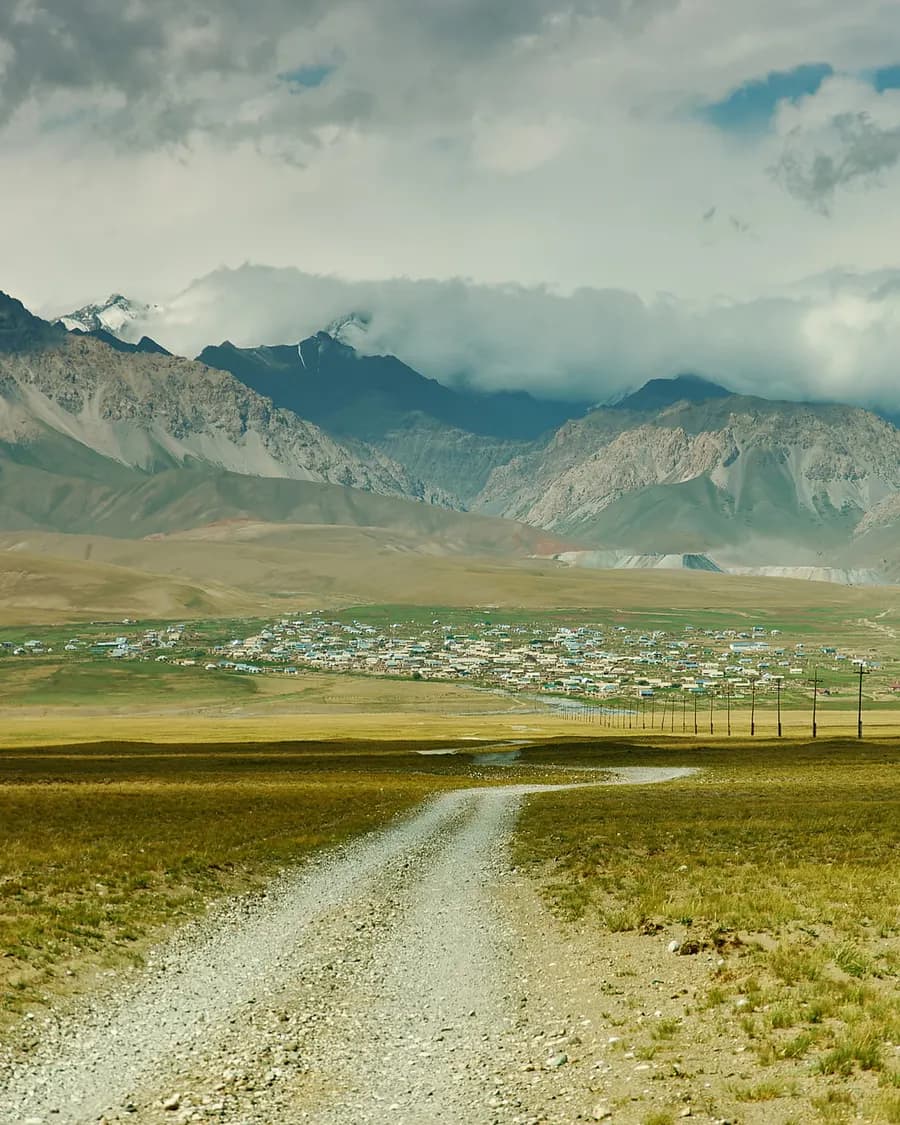
Sary-Mogul turns southern Kyrgyzstan toward the Alay: a high village below the Trans-Alay range, where Tulpar-Kol, mountain passes, permits, and weather need a deliberate plan.
View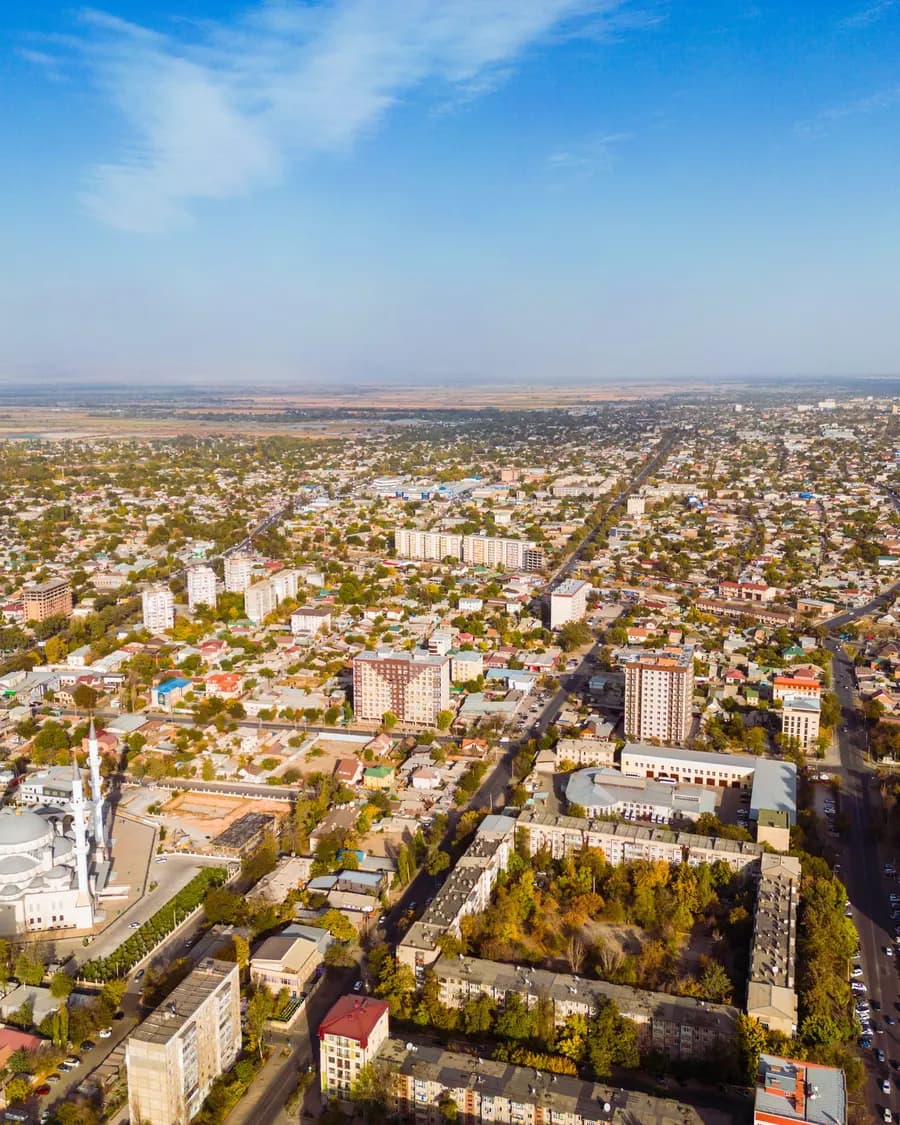
Bishkek gives Kyrgyzstan a calm first frame: Ala-Too Square, Osh Bazaar, museum time, cafe streets, and quick roads to the Chuy foothills.
ViewCity in detail
Walking time, overnight location, and when day trips make sense.
2–3 nights is usually enough when the old core or main anchors get a full walking window. City tone: “A southern Silk Road city under Sulaiman-Too”.
Start with the compact city walk first. Day trips only after the centre has settled — otherwise the stop feels like a transfer with monuments attached.
Stay close enough for an evening return on foot or a short transfer. That keeps tea, dinner, and a second pass through the lanes easy without burning the next morning.
On request
We help agencies set a realistic pace and choose the right next move — without rushing the places that matter.