
TourLink
About
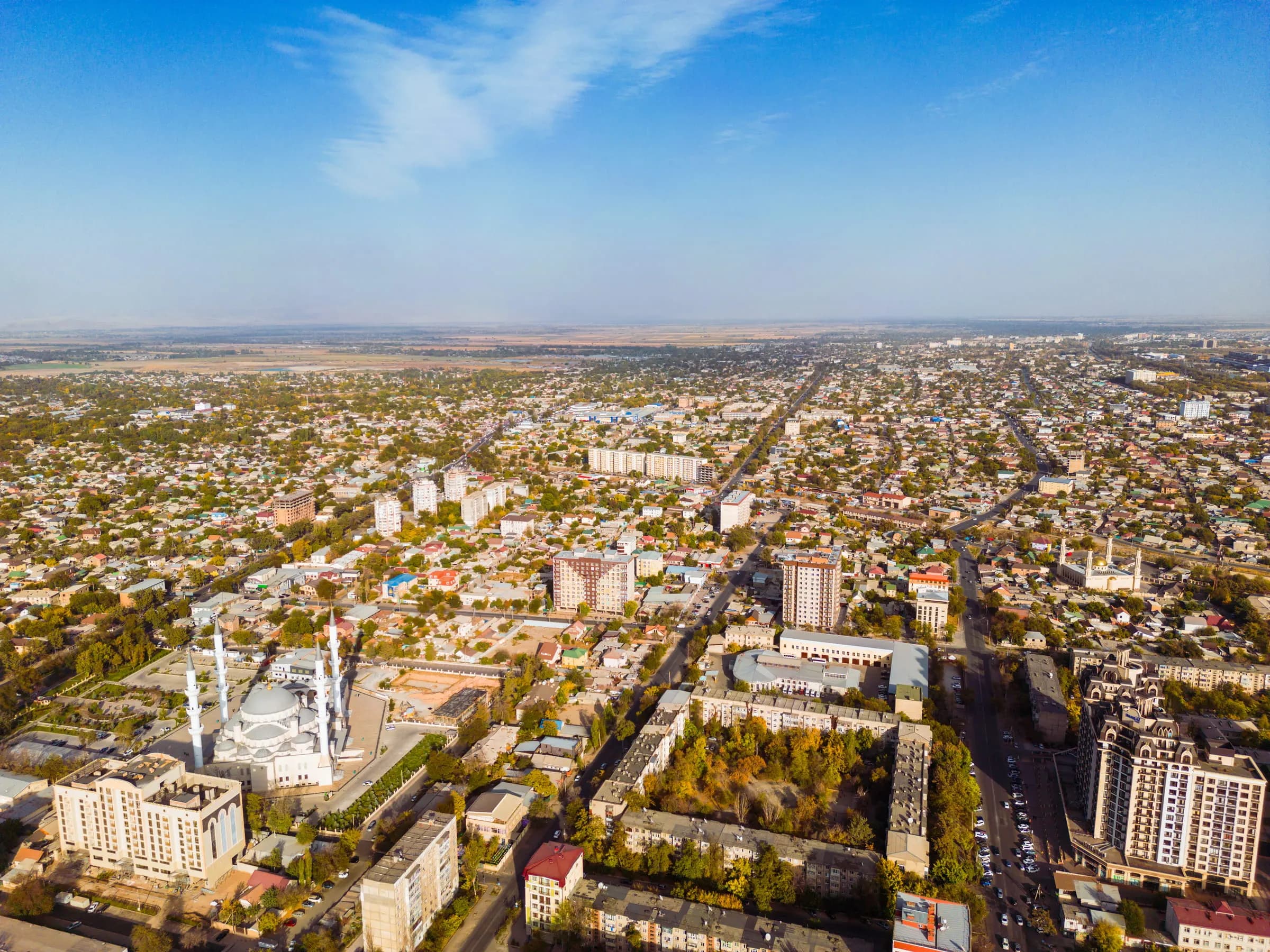
Bishkek gives Kyrgyzstan a calm first frame: Ala-Too Square opens the city, Osh Bazaar adds bread steam and market movement, and the Tian Shan sits close enough to shape the next road.
Bishkek is not a checklist city. It is where travelers understand the pace of Kyrgyzstan before the road reaches higher landscapes.
A first Bishkek stay feels clearer with one city focus and one outward choice. Keep the center unhurried, then decide whether the next road points to Burana, Ala-Archa, Issyk-Kul, or Manas Airport.
Agencies and travellers who need Bishkek as a readable stop — strong places, honest pacing, and logistics that hold.
Getting around
Bishkek is not a checklist city. It is where travelers understand the pace of Kyrgyzstan before the road reaches higher landscapes.
Route planning
A first Bishkek stay feels clearer with one city focus and one outward choice. Keep the center unhurried, then decide whether the next road points to Burana, Ala-Archa, Issyk-Kul, or Manas Airport.
The central square, museum setting, parks, and government buildings give first-time travelers a quick civic frame.
Orientation
Most first stays work around central Bishkek, then continue toward Burana, Ala-Archa, Issyk-Kul, or Manas Airport.
What to see
Start with Ala-Too Square, add museum context when its halls are open and useful for the visit, and let Osh Bazaar bring in the capital's food, trade, and daily movement.
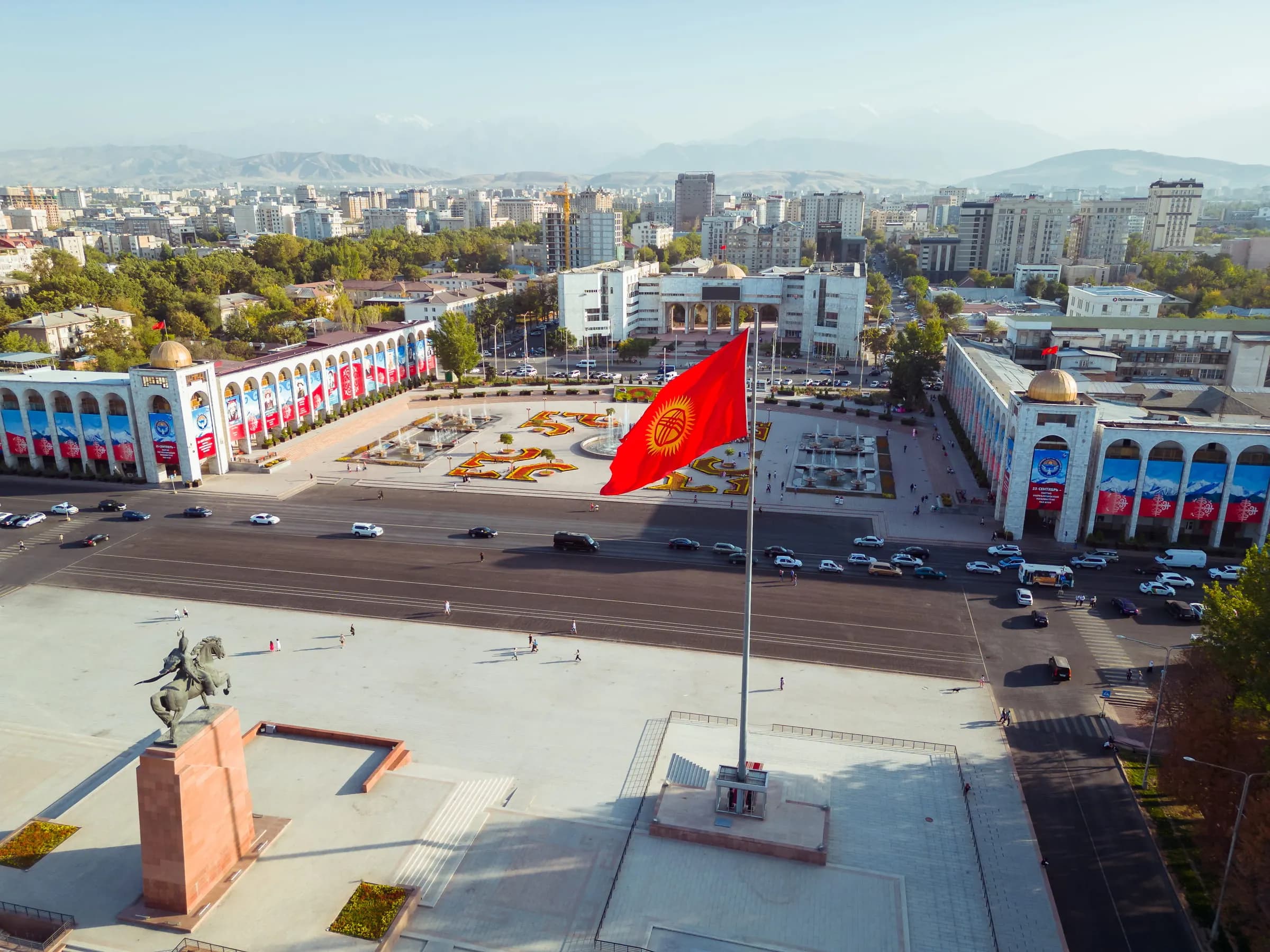
Ala-Too Square is the broad public room at the center of Bishkek: flags, fountains, formal buildings, the State History Museum nearby, and the Tian Shan line beyond the city when the air is clear. For a first visit, it gives the capital a quick spatial shape before the walk conti
Open place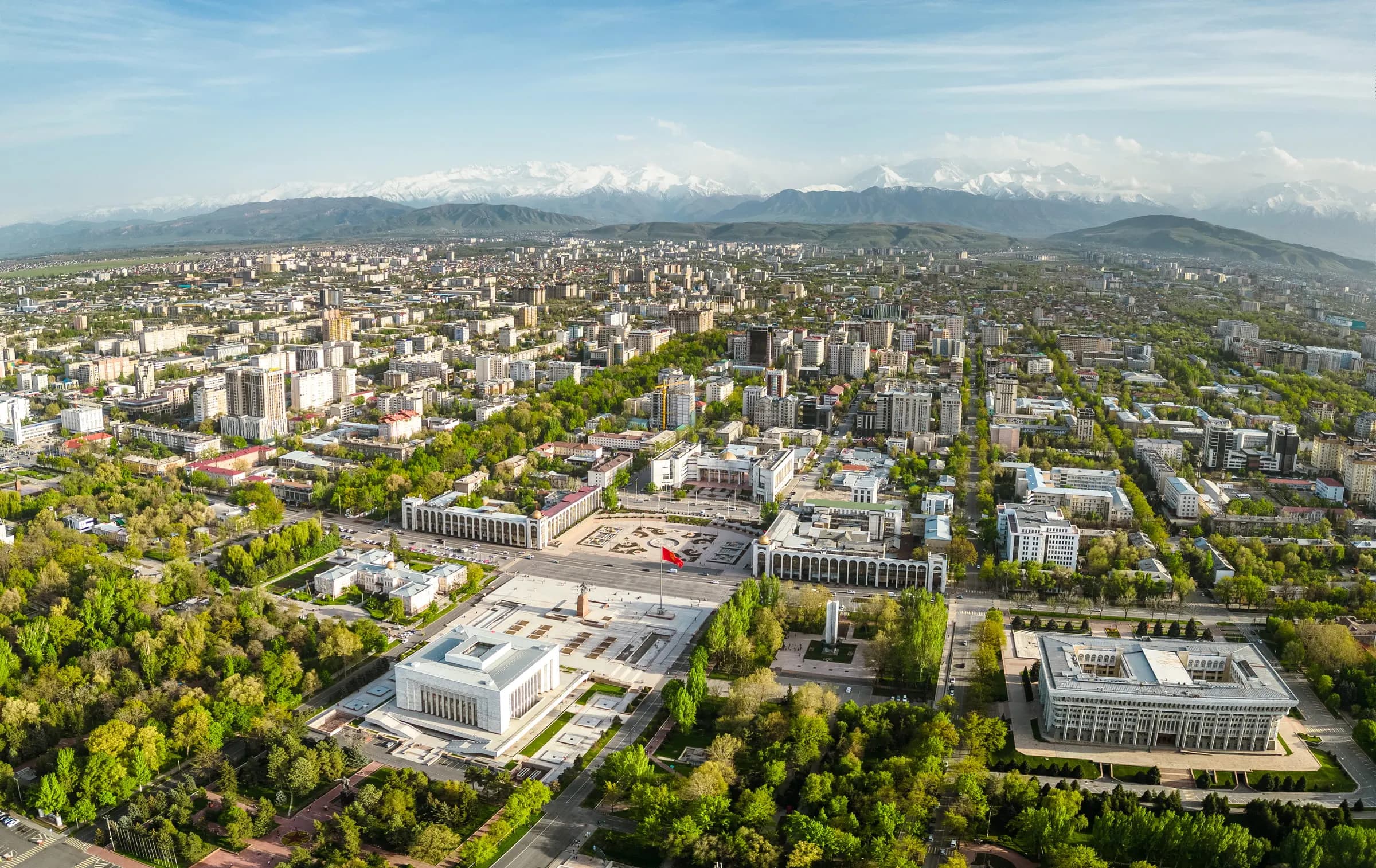
The State History Museum gives central Bishkek a quieter historical pause after the open space of Ala-Too Square. Treat it as a context stop: when the halls and access are current, it can help explain the country before the route continues toward parks, markets, valleys, lakes, o
Open place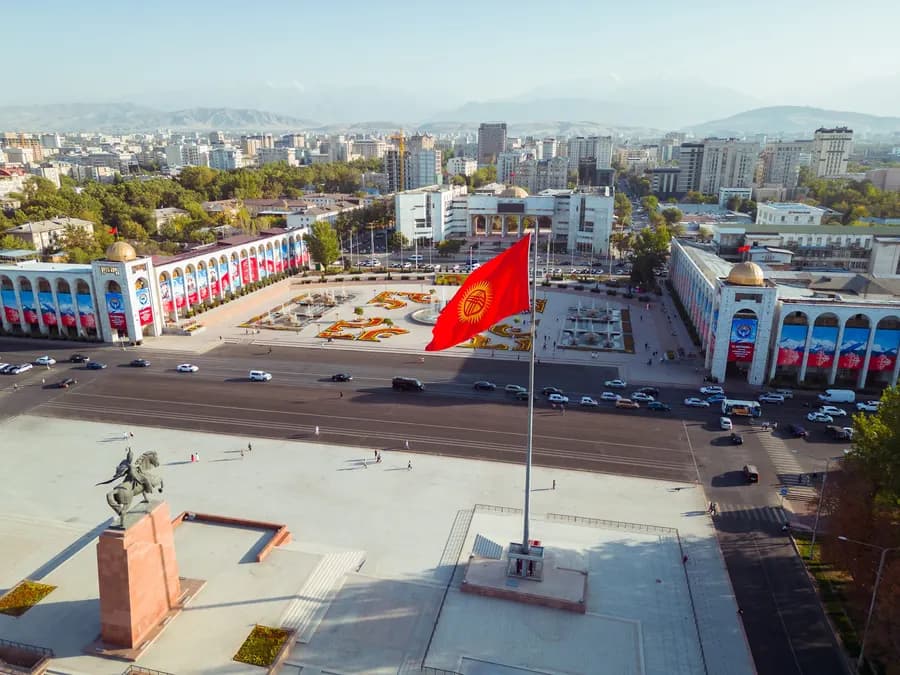
Osh Bazaar is Bishkek at street level: bread and spice rows, dry fruit, fabrics, small trades, sellers calling across counters, and shoppers moving between everyday goods. After Ala-Too Square or the museum, the market gives the city a warmer, busier voice.
Open placeCity rhythm
These three moments keep the capital human: a first square walk, a market morning, and one clear choice toward the foothills.
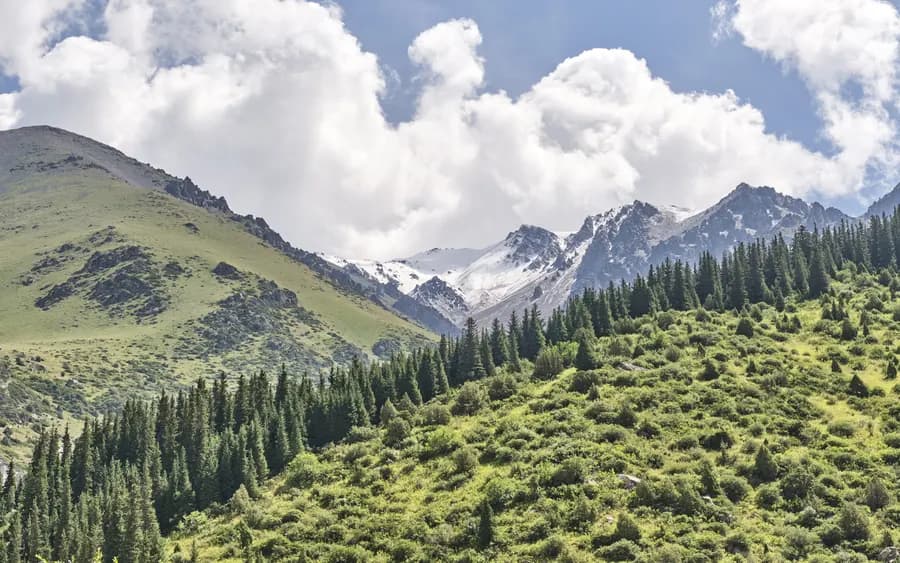
After the center, choose one clear outing: Ala-Archa for mountain air, Tokmok and Burana for heritage, or the Chuy road for a longer continuation.
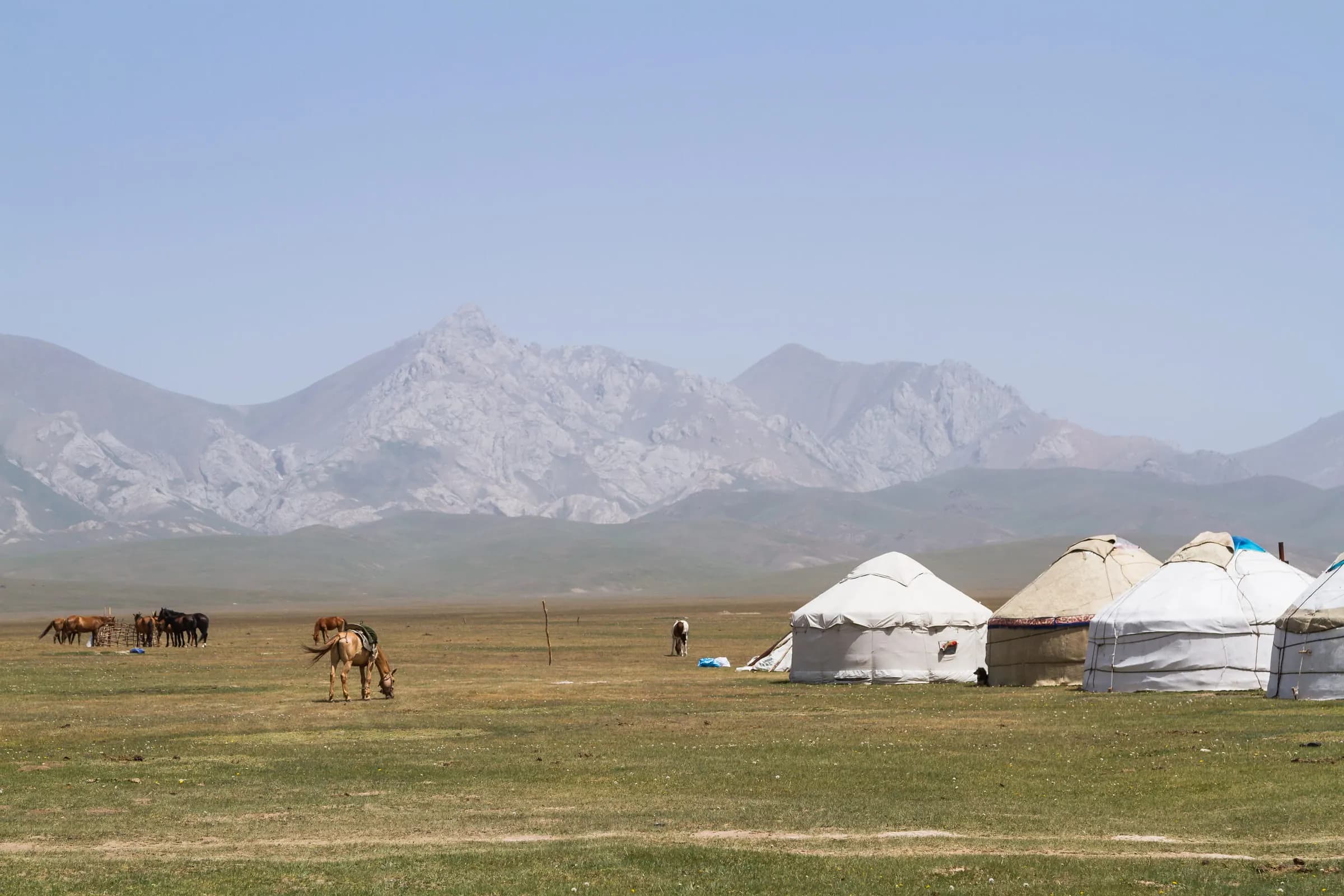
Bread steam, spices, dry fruit, and household stalls show the capital as a lived city before the road turns outward.
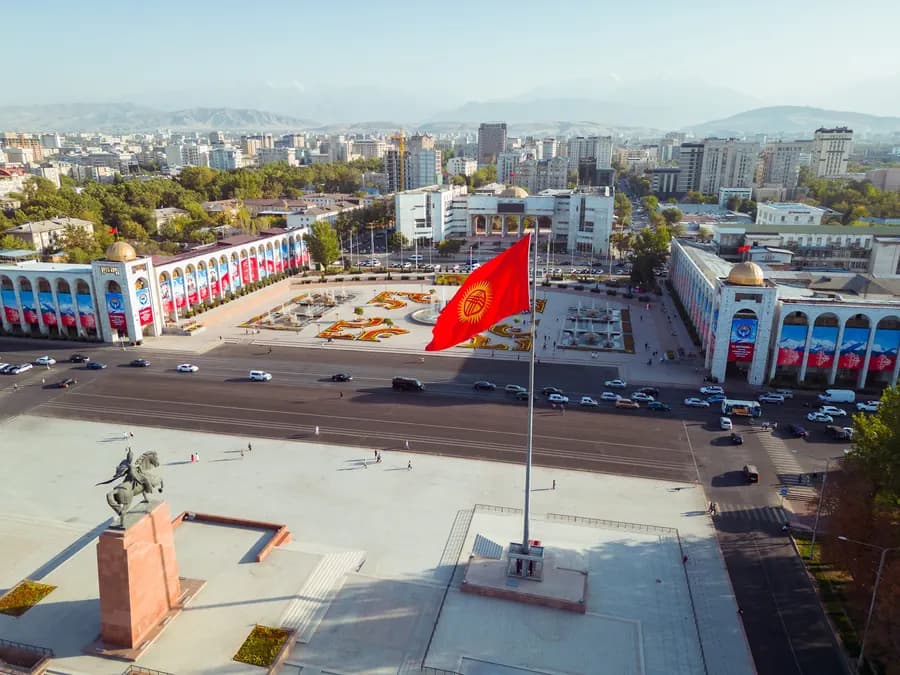
Start on Ala-Too Square, where the museum front, flag, fountains, and mountain horizon give Bishkek its first scale.
Before you go
Bishkek deserves enough time to feel like a capital, not only an airport transfer.
Ala-Too Square, the museum setting, parks, and nearby streets give the first city frame without turning the day into a forced march.
Bishkek is strongest when arrival turns into orientation.
Osh Bazaar matters because food, trade, household stalls, and busy lanes put the capital's everyday energy in one place.
Burana, Ala-Archa, Issyk-Kul, and Manas Airport pull the route in different directions. The route is calmer when the next road is chosen before more city stops are added.
Let Bishkek set the pace for Kyrgyzstan: a central walk, a market morning, and a next road chosen with care.
Planning notes Suggested stay
One or two nights, depending on arrival time and onward road plans.
Main access
Manas International Airport and road links through the Chuy Valley.
Season and pace
Spring and autumn are comfortable for city walks; summer days benefit from early starts.
Nearby
Tokmok and Ala-Archa sit close to the capital. Karakol and Osh become the next major route anchors when the itinerary expands.
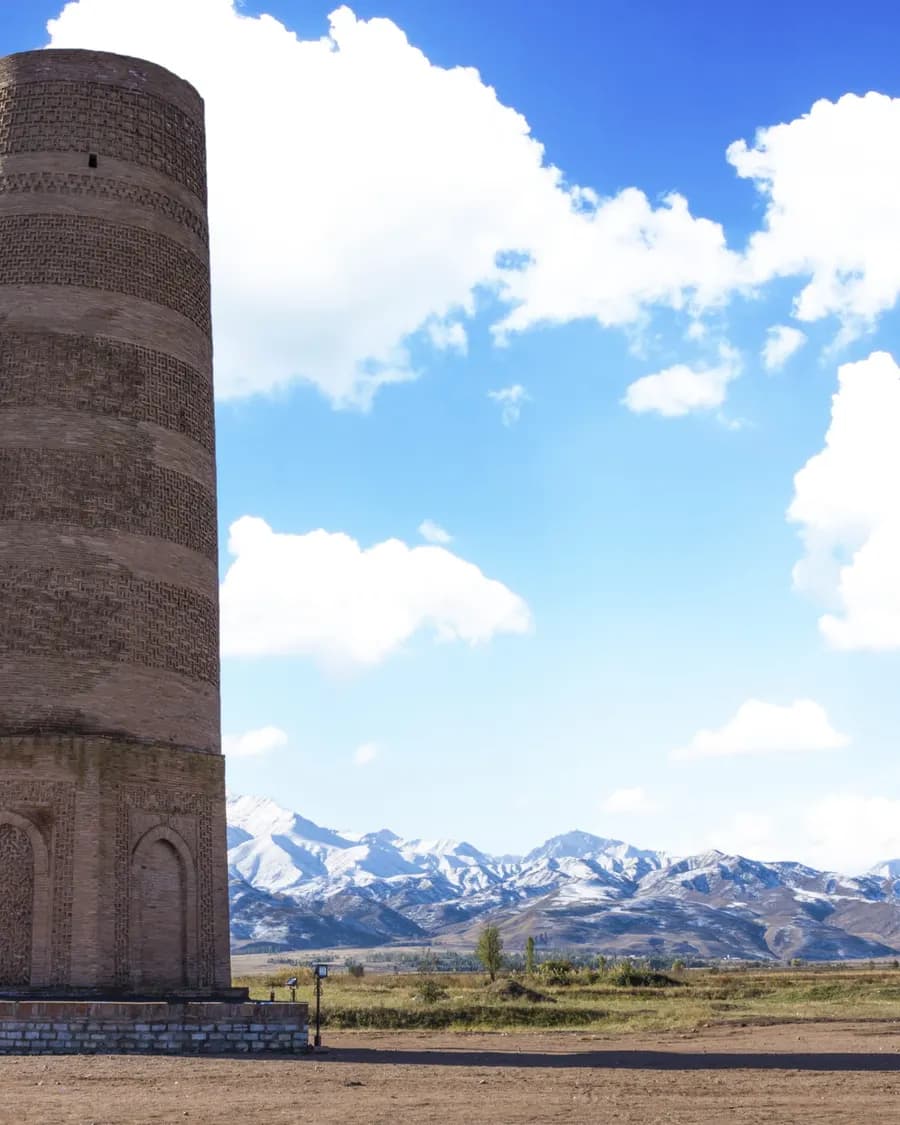
Tokmok gives the road east of Bishkek a clear Chuy Valley anchor: Burana Tower, Balasagun archaeology, open fields, and a route choice before Issyk-Kul or later Silk Road sites.
View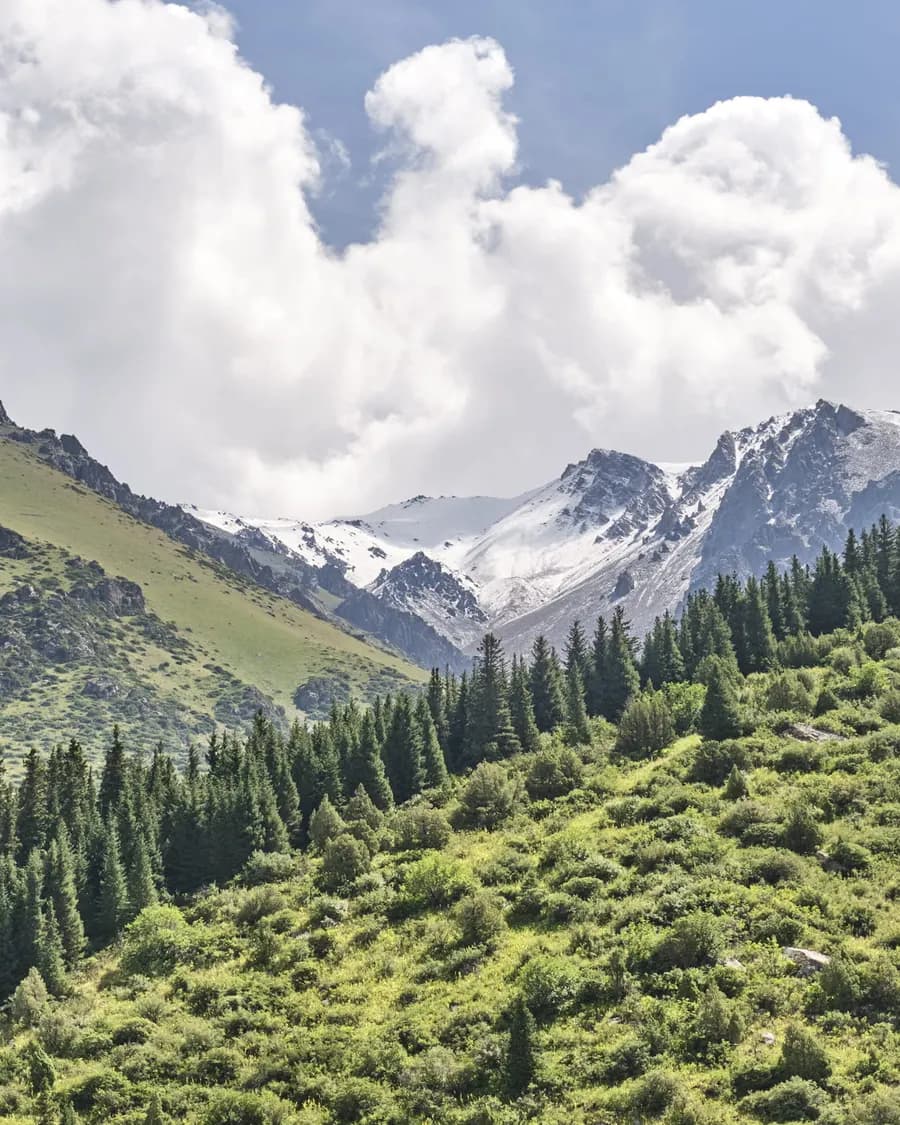
Ala-Archa is the national-park area south of Bishkek where the capital route turns toward a river gorge, juniper slopes, snowy ridges, and a walk chosen for current weather.
View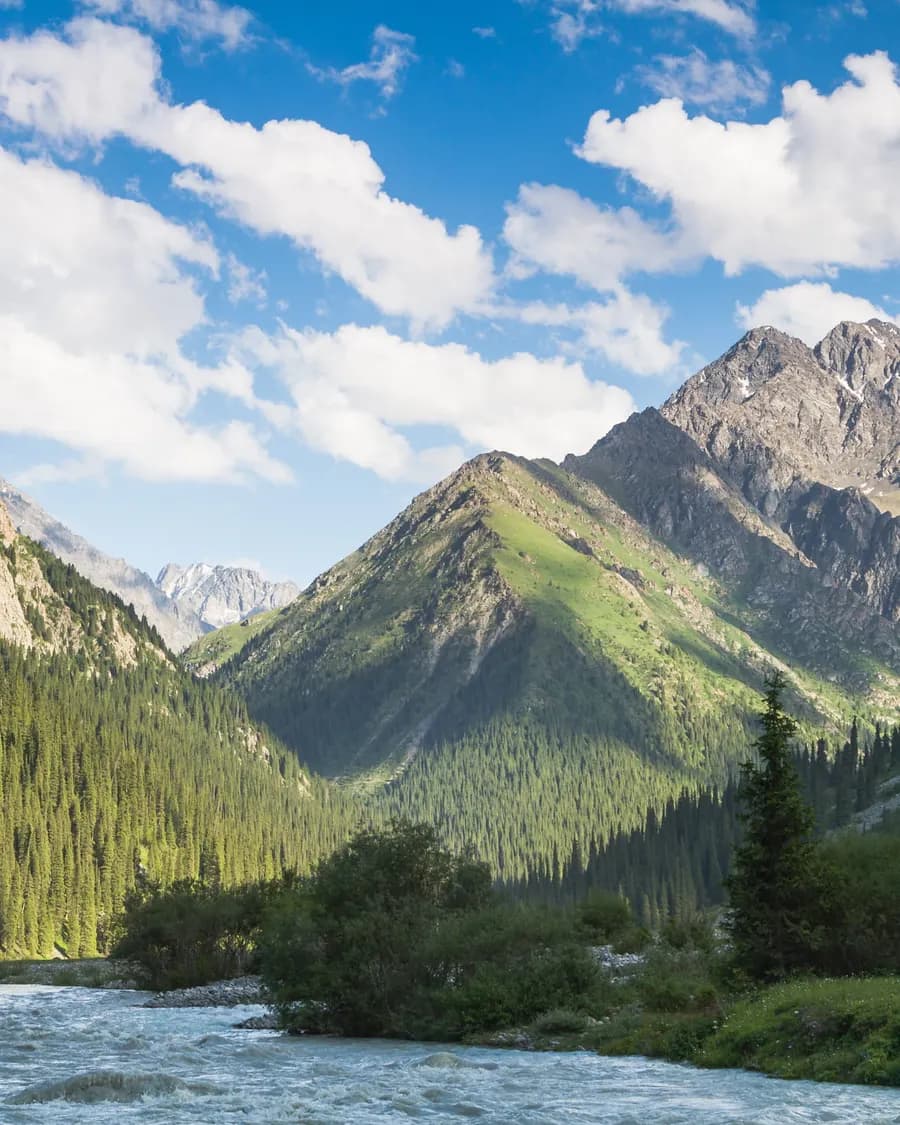
Karakol anchors eastern Issyk-Kul with Dungan food, timber religious landmarks, guesthouse streets, museum context, and measured choices toward valleys, hot springs, and high trails.
View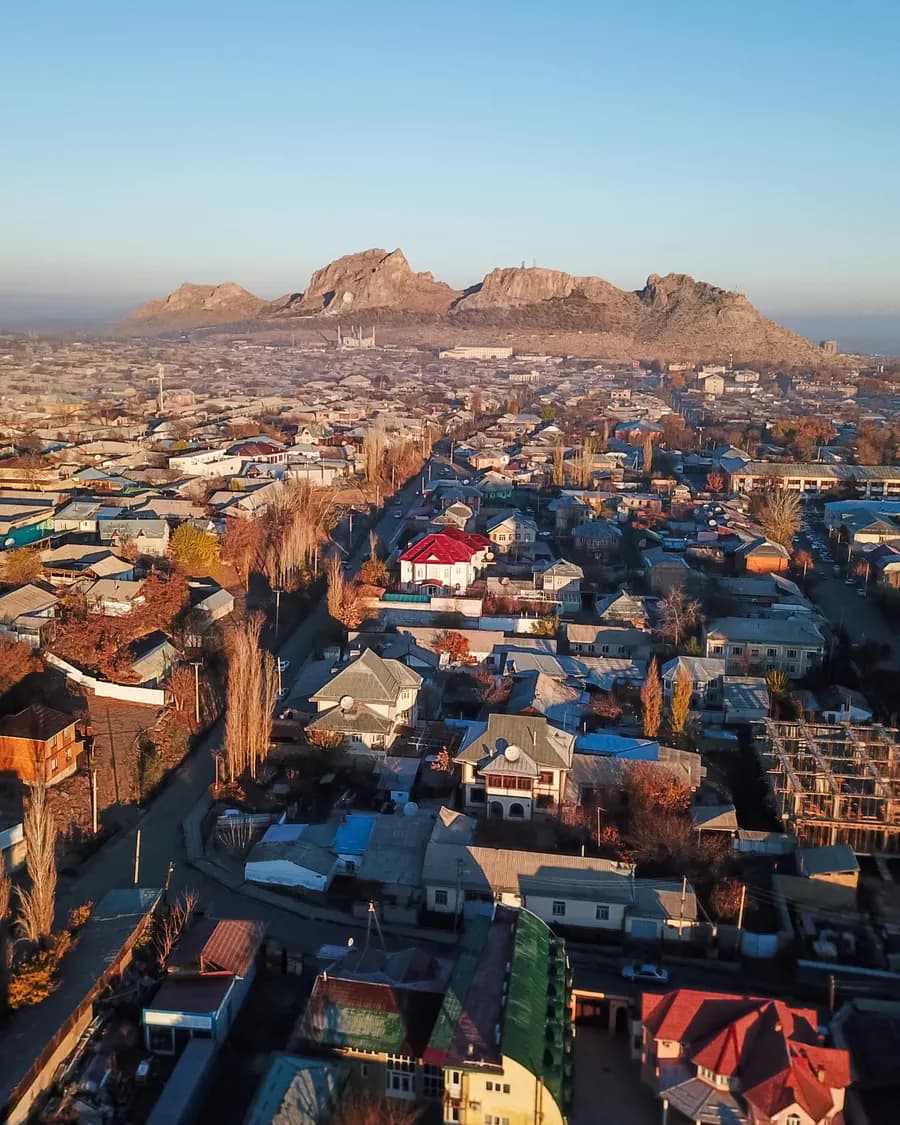
Osh is where Kyrgyzstan turns south: Sulaiman-Too above the city, bazaar lanes below it, and roads toward Uzgen, Alay, Sary-Mogul, and the Fergana edge.
ViewCity in detail
Walking time, overnight location, and when day trips make sense.
2–3 nights is usually enough when the old core or main anchors get a full walking window. City tone: “A capital with mountains at the edge”.
Start with the compact city walk first. Day trips only after the centre has settled — otherwise the stop feels like a transfer with monuments attached.
Stay close enough for an evening return on foot or a short transfer. That keeps tea, dinner, and a second pass through the lanes easy without burning the next morning.
On request
We help agencies set a realistic pace and choose the right next move — without rushing the places that matter.