
TourLink
About
Tokmok gives the first road east of Bishkek a reason to slow down.
Read Tokmok through movement: arrive from Bishkek, keep Burana as the main anchor, then choose whether the route returns west, continues to Issyk-Kul, or adds one Chuy archaeology extension after current checks.
Tokmok is close enough to Bishkek for a compact heritage outing, but the road beyond it still needs honest timing, weather awareness, and access checks.
Agencies and travellers who need Tokmok as a readable stop — strong places, honest pacing, and logistics that hold.
Getting around
Read Tokmok through movement: arrive from Bishkek, keep Burana as the main anchor, then choose whether the route returns west, continues to Issyk-Kul, or adds one Chuy archaeology extension after current checks.
Route rhythm
Tokmok is close enough to Bishkek for a compact heritage outing, but the road beyond it still needs honest timing, weather awareness, and access checks.
Plan the eastbound road with time for Burana, traffic, and the return or onward drive.
Route map
The map shows Tokmok, Burana, and Chuy archaeology extensions as orientation. It does not promise that every Chuy stop belongs in one visit.
What to see
Burana is the attraction that makes Tokmok clear. Other Chuy archaeological names should stay in route context until access, timing, and the reason for a separate stop are ready.
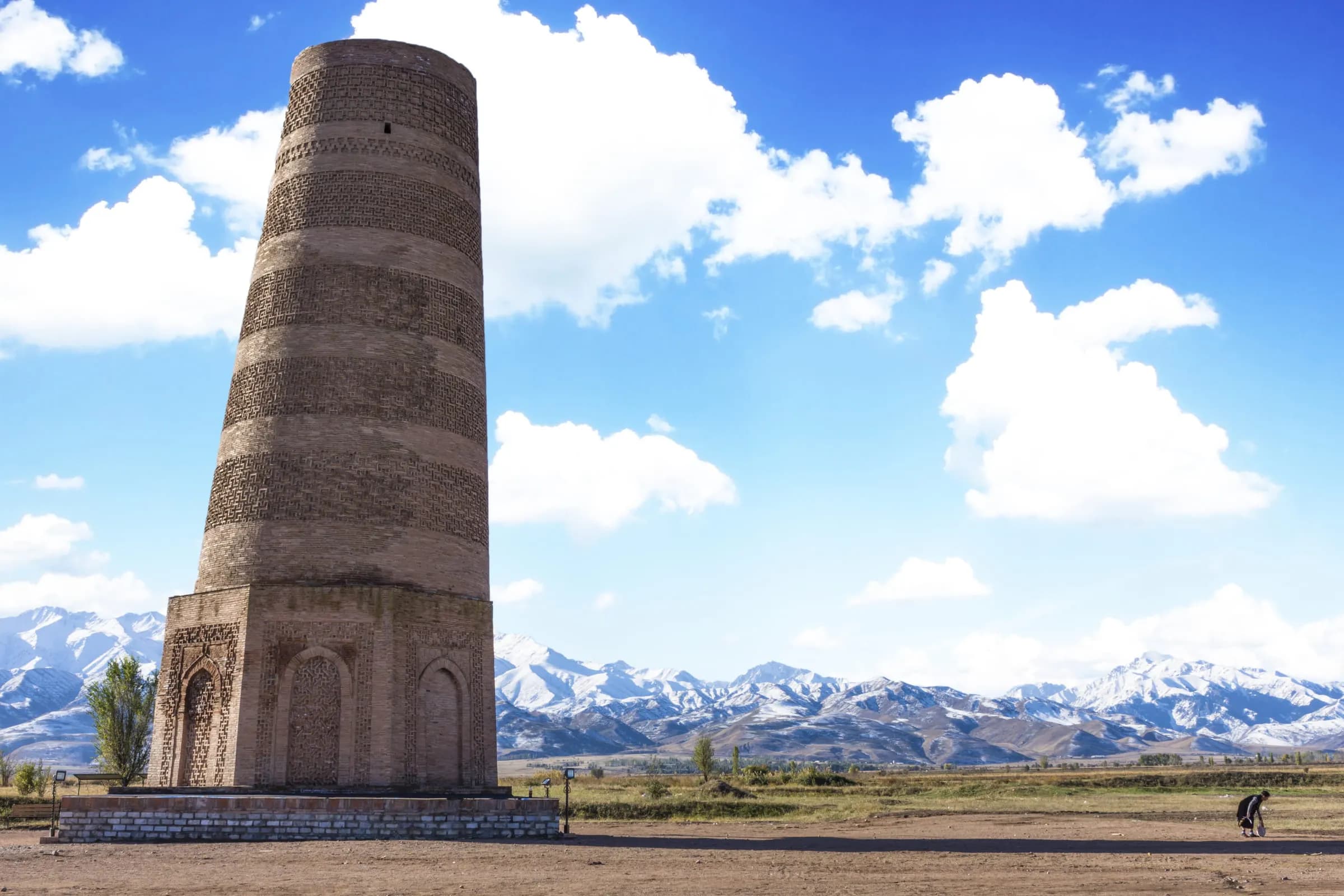
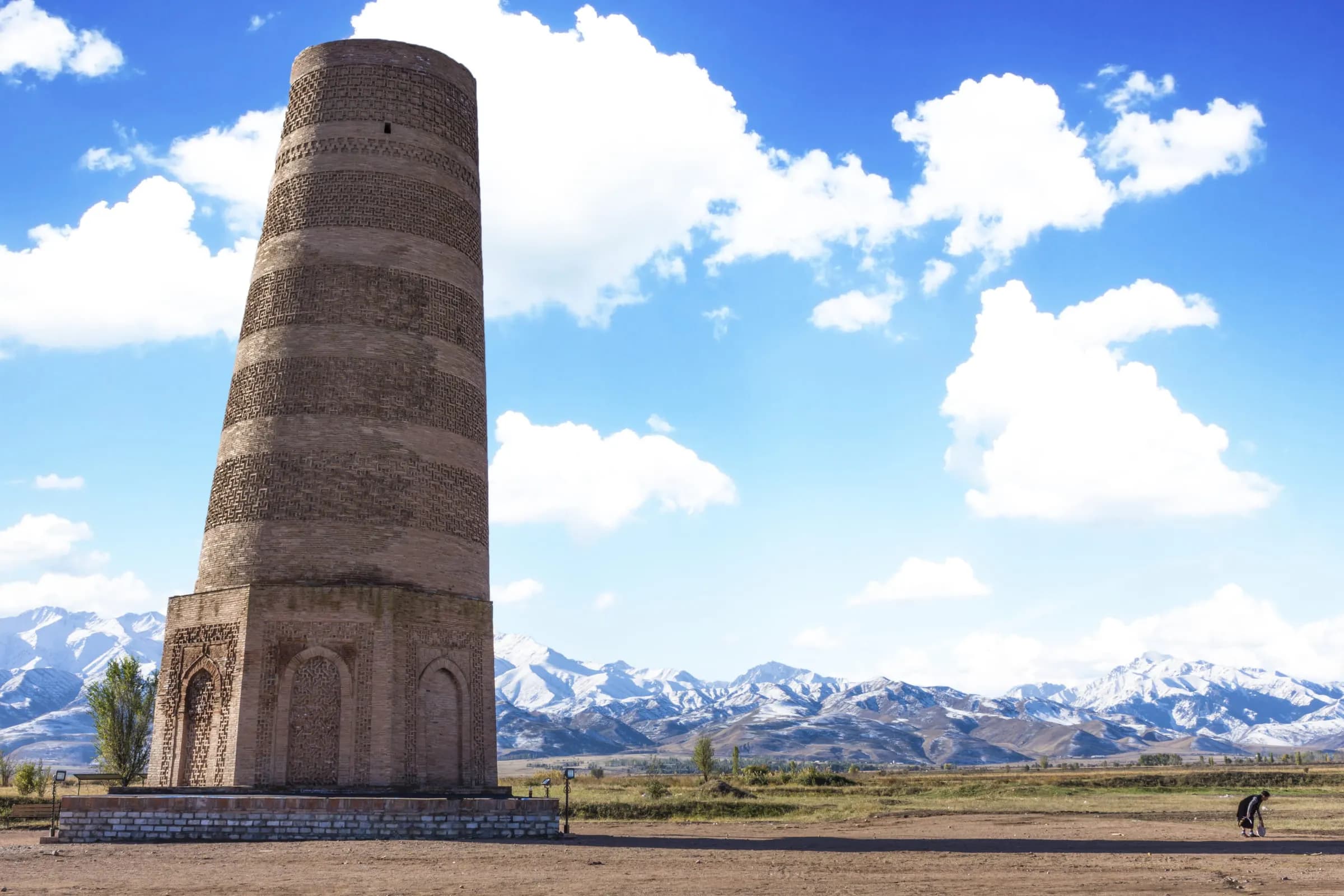
Burana is where the Tokmok road becomes more than a transfer east of Bishkek. The brick tower rises from open ground, the Tian Shan sits behind it, and the site keeps the memory of medieval Balasagun close enough to read without turning the stop into a long museum day.
Open place
Ak-Beshim is not a quick monument photograph. It is the archaeological site of Suyab, one of the Silk Road components around the Chuy Valley. Add it after Burana when there is time for explanation, a careful walk, and a clear reason to read more of the valley.
Open place
Krasnaya Rechka gives the Chuy plain a quieter archaeology stop after Burana and Ak-Beshim/Suyab. With the right context, the low traces of Navekat help the valley feel like a chain of city sites rather than one isolated landmark.
Open placeCity rhythm
Tokmok's rhythm comes from movement: first seeing the tower in the plain, walking the stone figures, and choosing what the road should do next.
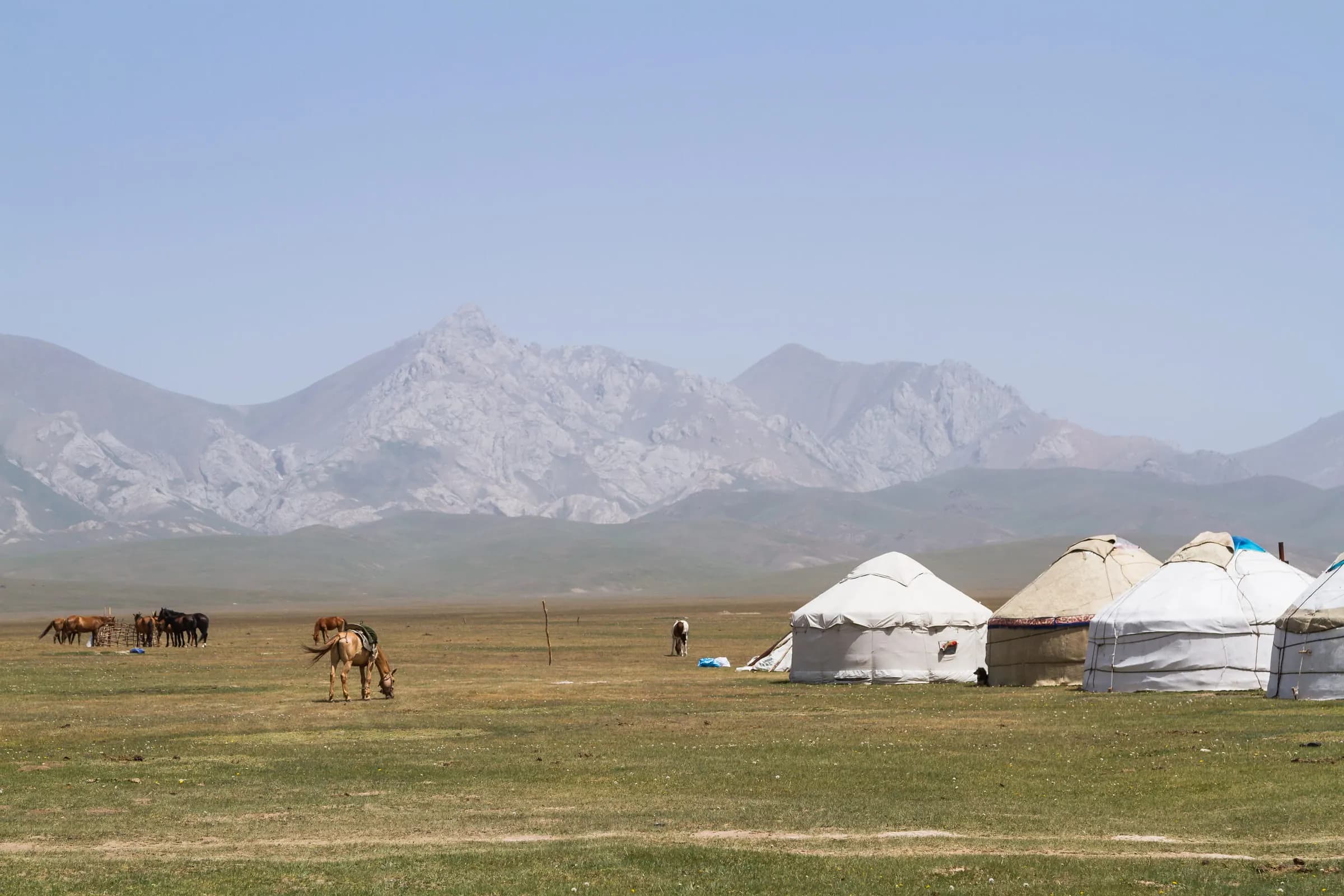
The tower appears before the visit becomes complicated: a vertical brick form, open ground, and the Chuy Valley around Tokmok.
The stone figures keep the stop from becoming only a tower view and help the wider Balasagun site feel closer.
After Burana, the route should make one clear choice instead of crowding every Chuy archaeology name into the same stop.
Before you go
Tokmok is strongest when the route gives it one clear job: make Burana and the Chuy Valley road understandable before the journey moves on.
Tokmok belongs in the route because it sits between Bishkek and the Chuy heritage stops. The value is not a long town list; it is the moment when the road gains history.
Tokmok works best as a modest town with one clear tower, open Chuy ground, and an eastbound road that knows where it is going.
Rushing the tower weakens the visit. Leave time for the first view, brick detail, balbal stones, museum context, and current access rules.
Ak-Beshim/Suyab and Krasnaya Rechka/Navekat can deepen the Silk Road story, but only when access, road time, and traveler interest support the extra stop.
Let Tokmok clarify Burana and the Chuy road, not become a long city list.
At a glance Route role
Tokmok gives the first eastbound road a clear reason to pause.
Main magnet
The tower and archaeological site are the reason to come here first.
Visit style
Most travelers use Tokmok as a focused stop rather than an overnight city.
Access checks
Check Burana access, museum rooms, heat, wind, and any extra archaeology close to the visit.
Next move
Choose one continuation so the Chuy road stays clear.
Nearby
Bishkek is the natural return point. Ala-Archa and Karakol belong when the route turns toward mountains, national-park time, or the Issyk-Kul road.
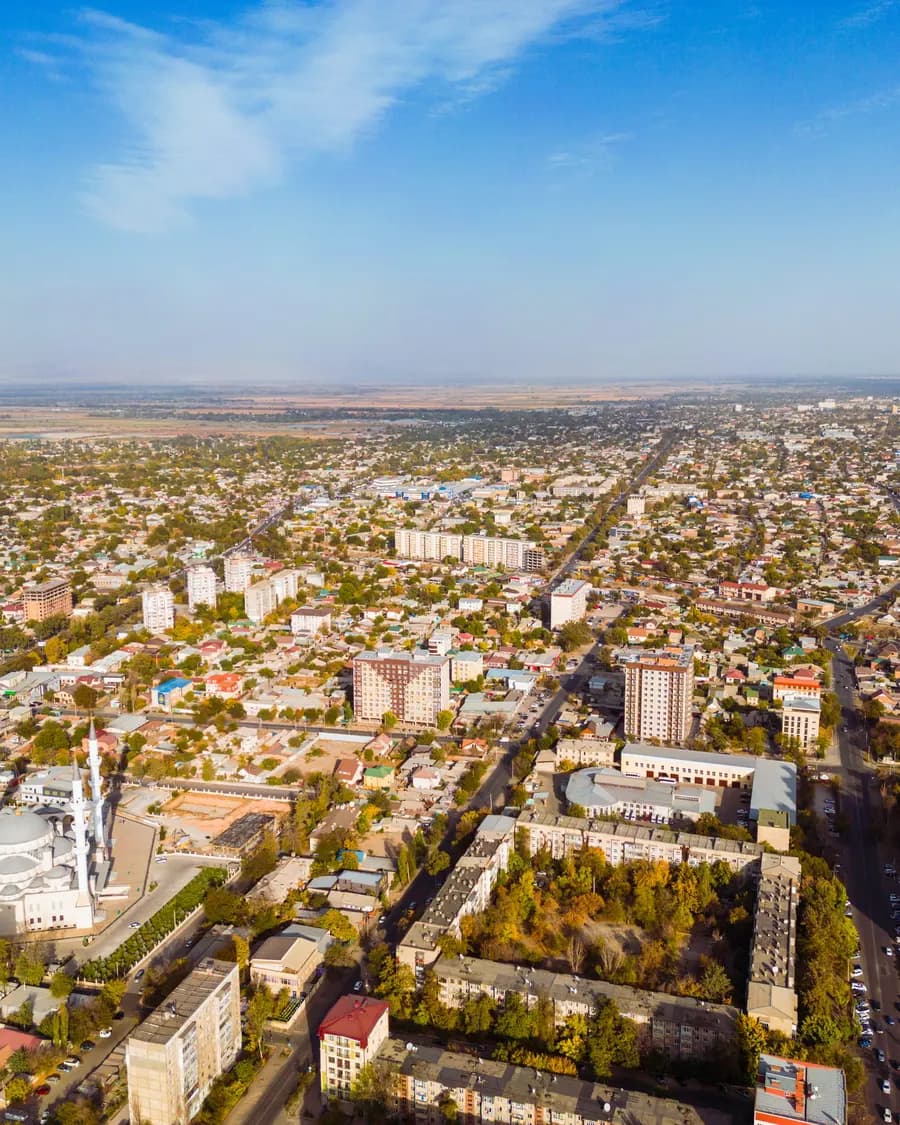
Bishkek gives Kyrgyzstan a calm first frame: Ala-Too Square, Osh Bazaar, museum time, cafe streets, and quick roads to the Chuy foothills.
View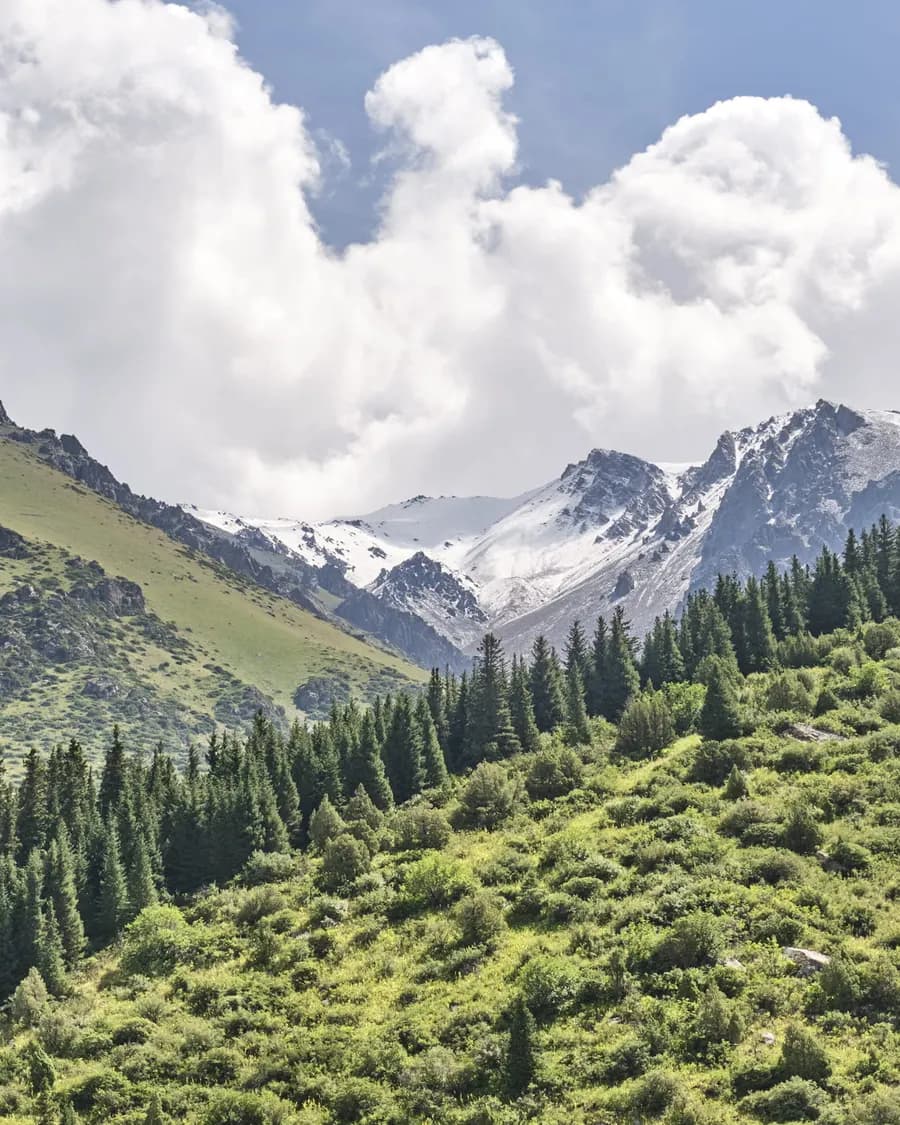
Ala-Archa is the national-park area south of Bishkek where the capital route turns toward a river gorge, juniper slopes, snowy ridges, and a walk chosen for current weather.
View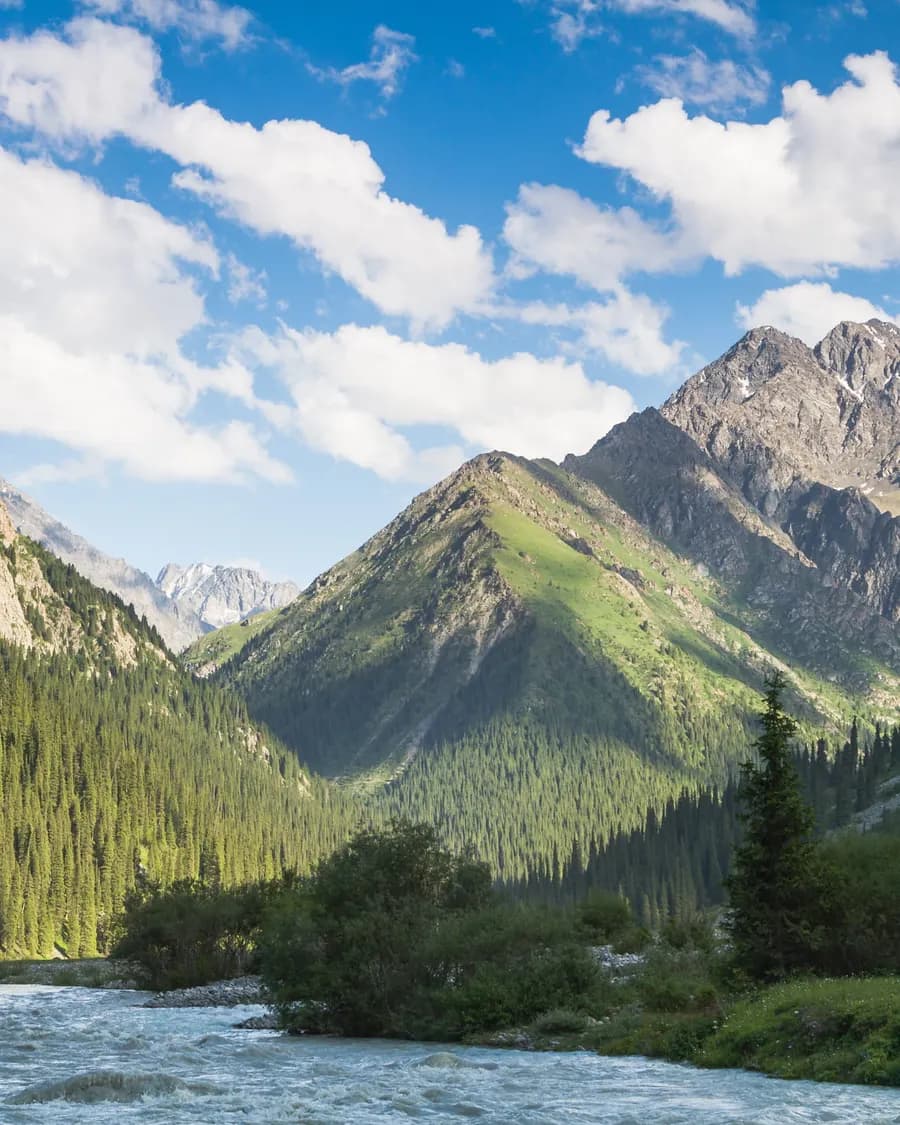
Karakol anchors eastern Issyk-Kul with Dungan food, timber religious landmarks, guesthouse streets, museum context, and measured choices toward valleys, hot springs, and high trails.
ViewCity in detail
Walking time, overnight location, and when day trips make sense.
one focused city day plus overnight is usually enough when the old core or main anchors get a full walking window. City tone: “A Chuy Valley stop for Burana and the road east”.
Start with the compact city walk first. Day trips only after the centre has settled — otherwise the stop feels like a transfer with monuments attached.
Stay close enough for an evening return on foot or a short transfer. That keeps tea, dinner, and a second pass through the lanes easy without burning the next morning.
On request
We help agencies set a realistic pace and choose the right next move — without rushing the places that matter.