
TourLink
About
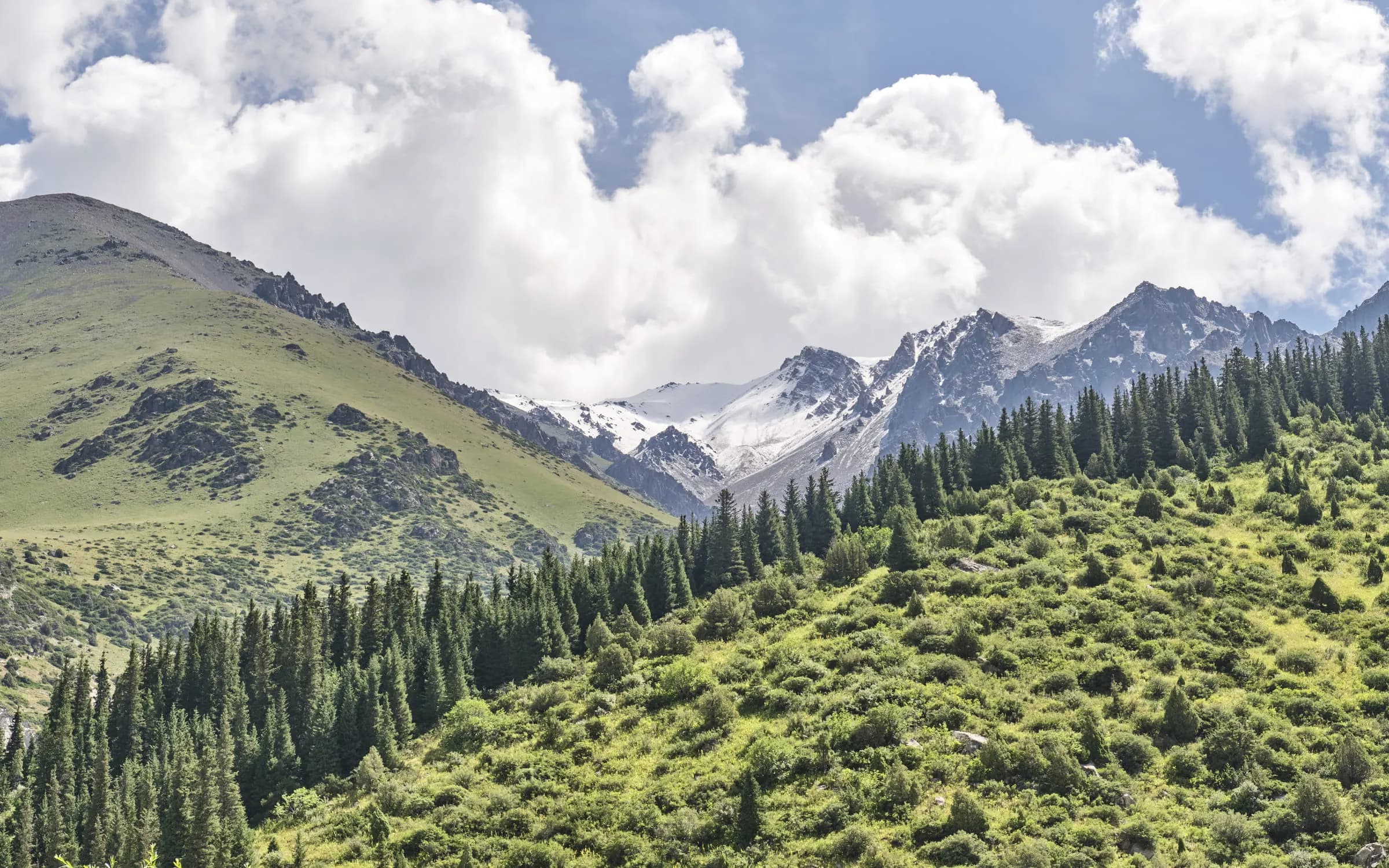
Ala-Archa is a mountain area rather than a built city.
Read Ala-Archa through movement rather than streets: start in Bishkek, drive south to the official park access area, choose one realistic walk, then return to the capital or leave Chuy heritage for a separate route.
Ala-Archa can be short and beautiful, but it loses clarity when every trail name and Chuy continuation is crowded into the same visit.
Agencies and travellers who need Ala-Archa as a readable stop — strong places, honest pacing, and logistics that hold.
Getting around
Read Ala-Archa through movement rather than streets: start in Bishkek, drive south to the official park access area, choose one realistic walk, then return to the capital or leave Chuy heritage for a separate route.
Route rhythm
Ala-Archa can be short and beautiful, but it loses clarity when every trail name and Chuy continuation is crowded into the same visit.
Most routes begin and end in Bishkek, so the park visit should respect traffic, daylight, and the return drive.
Route map
The map keeps the area clear: Bishkek is the usual start, Ala-Archa is the mountain turn, and Tokmok belongs to a different Chuy heritage move.
What to see
Ala-Archa National Park is the attraction that makes this area clear. The gorge, river paths, and higher routes should stay inside that park story until separate trail access and safety review justify more public pages.
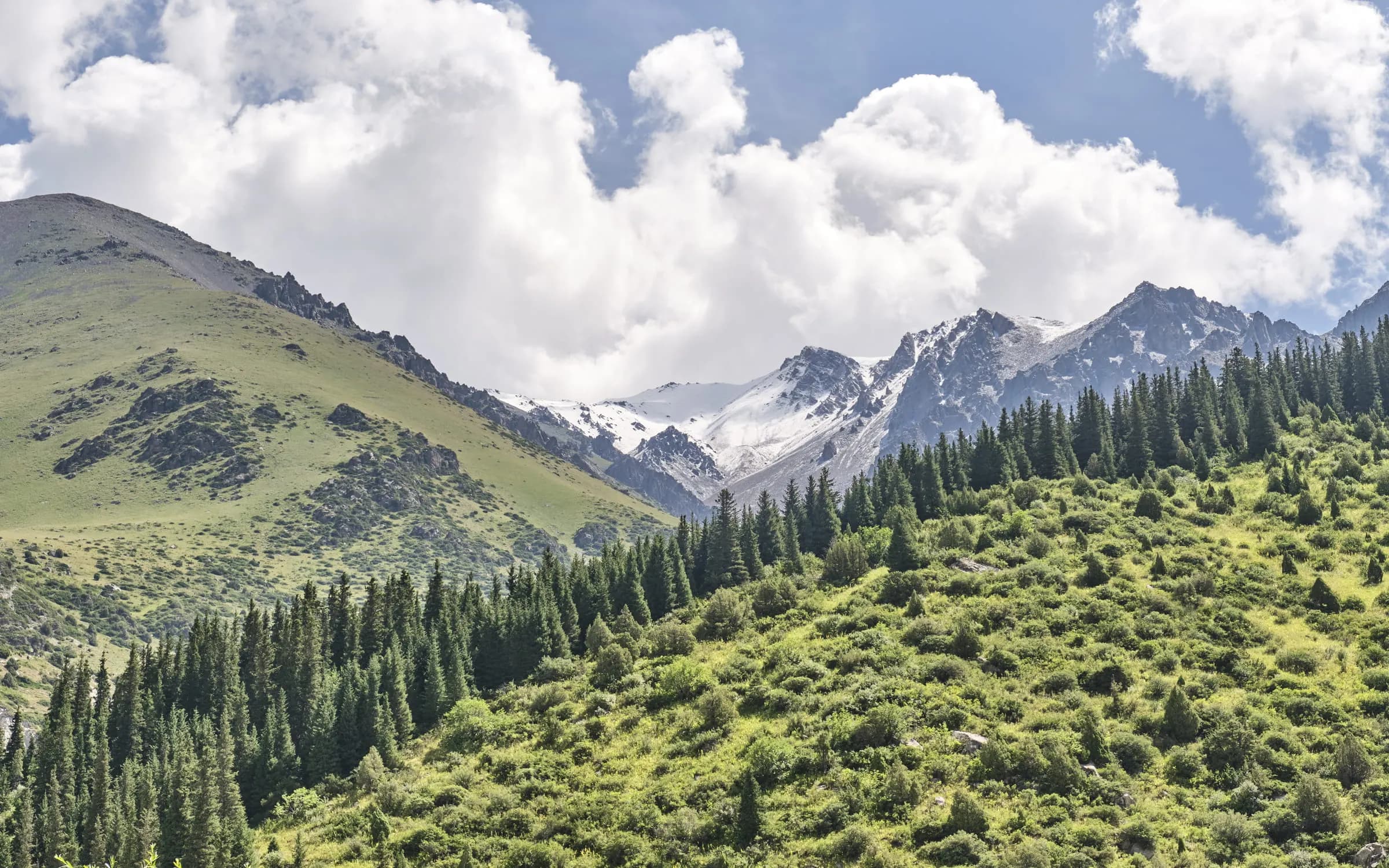
Ala-Archa is often the first place where travelers feel the Tian Shan after Bishkek. The road leaves the city for a river gorge, juniper slopes, and high ridges that can look close until the weather changes. It is easy to reach, but the park still asks for the right shoes, enough
Open placeCity rhythm
Ala-Archa becomes a real route moment when the traveler hears the river after the city, slows under the trees, and chooses a walk that fits the weather instead of chasing a list.
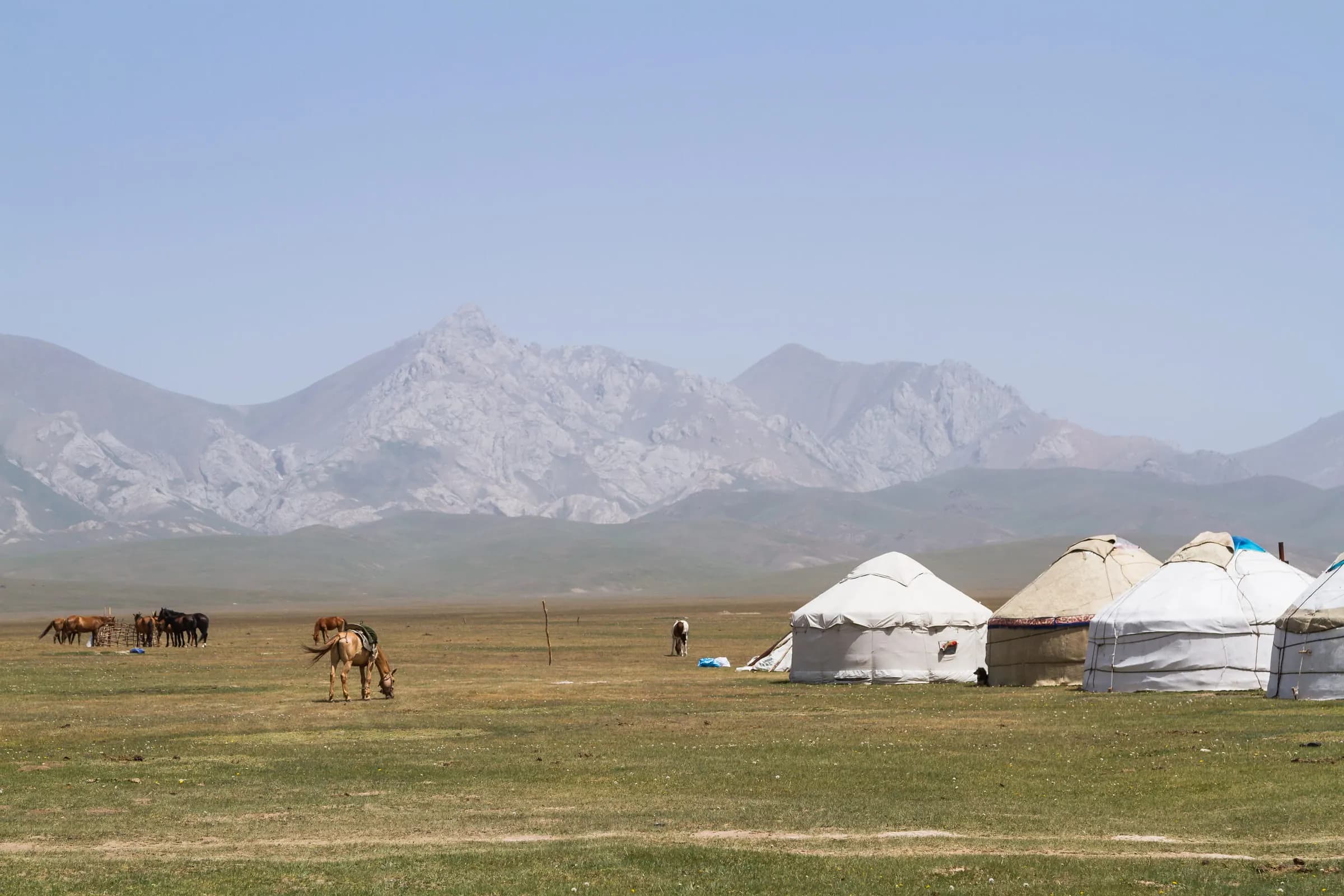
The city fades quickly once the road enters the gorge. Water comes first, then the valley opens enough for the mountains to feel close.
Short walks can still feel complete when the route stays with the river, trees, and slope instead of rushing toward a higher trail.
The strongest Ala-Archa visit is not the longest one. It is the walk that matches daylight, shoes, forecast, and the traveler's energy.
Before you go
Ala-Archa is close to Bishkek, but closeness should not make the visit careless. The area reads best when the route gives it one clear job: bring the traveler into the Tian Shan and choose a walking level with care.
Bishkek gives the route its natural start and return. That makes Ala-Archa easy to add, but the road, park access, and daylight still need attention.
Ala-Archa is close enough for a quick mountain outing, but it becomes memorable when the route admits that mountains decide part of the plan.
A soft river walk and a higher trail ask for different shoes, timing, weather, and confidence. A casual nature outing should not be stretched into a mountain promise.
Ak-Sai Waterfall, Ratsek Hut, glacier views, and winter access belong in the conversation only when current conditions, fitness, and local guidance support them.
Use Ala-Archa for the first mountain feeling near Bishkek, then let conditions decide how far the walk goes.
At a glance Route role
The area gives the capital a real Tian Shan turn without a long expedition.
Main anchor
The park, gorge, river, and ridges carry the public visit.
Visit style
A short walk and a longer hike need different timing.
Season and weather
Snow, heat, wind, road condition, and daylight shape the route.
Next move
Keep Chuy heritage and lake roads as separate decisions when time is tight.
Nearby
Bishkek is the natural return point after Ala-Archa. Tokmok belongs when the next route choice is Chuy heritage, while Karakol belongs to a wider Issyk-Kul and mountain continuation.
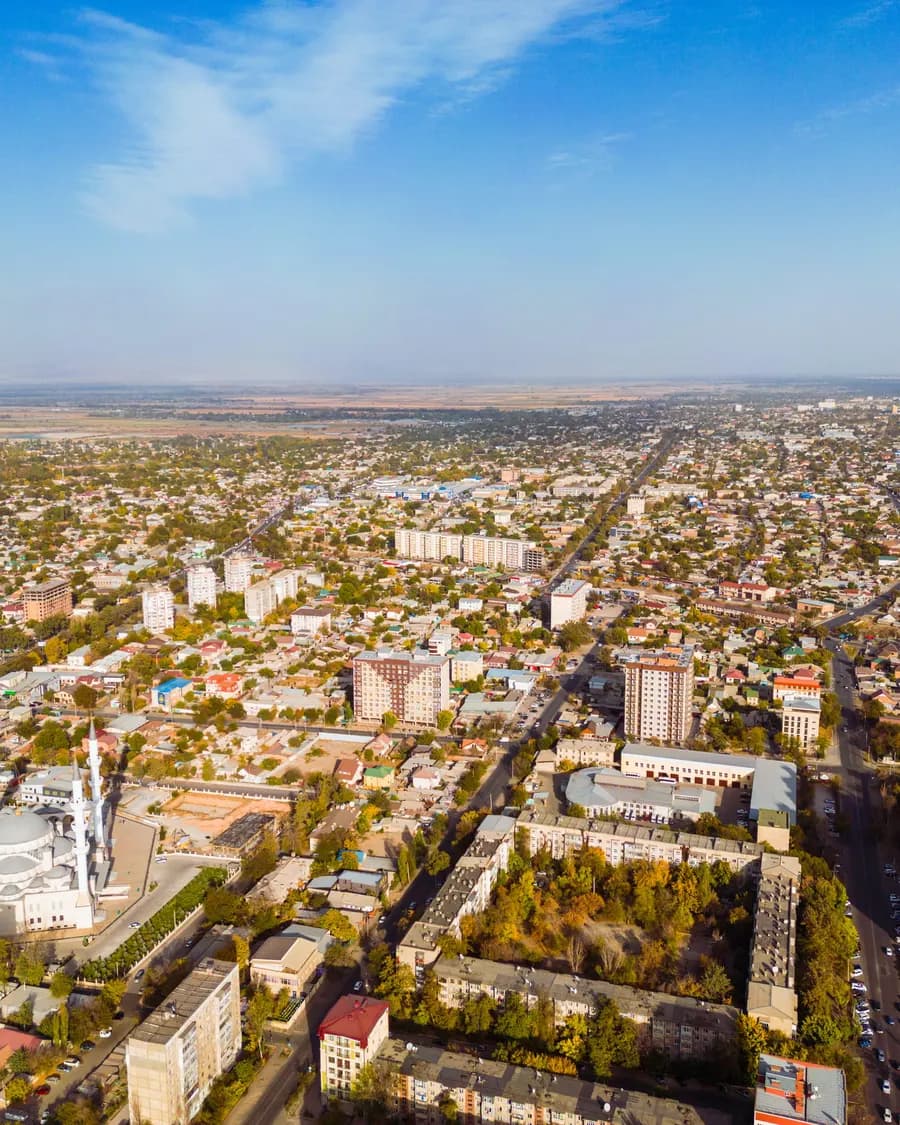
Bishkek gives Kyrgyzstan a calm first frame: Ala-Too Square, Osh Bazaar, museum time, cafe streets, and quick roads to the Chuy foothills.
View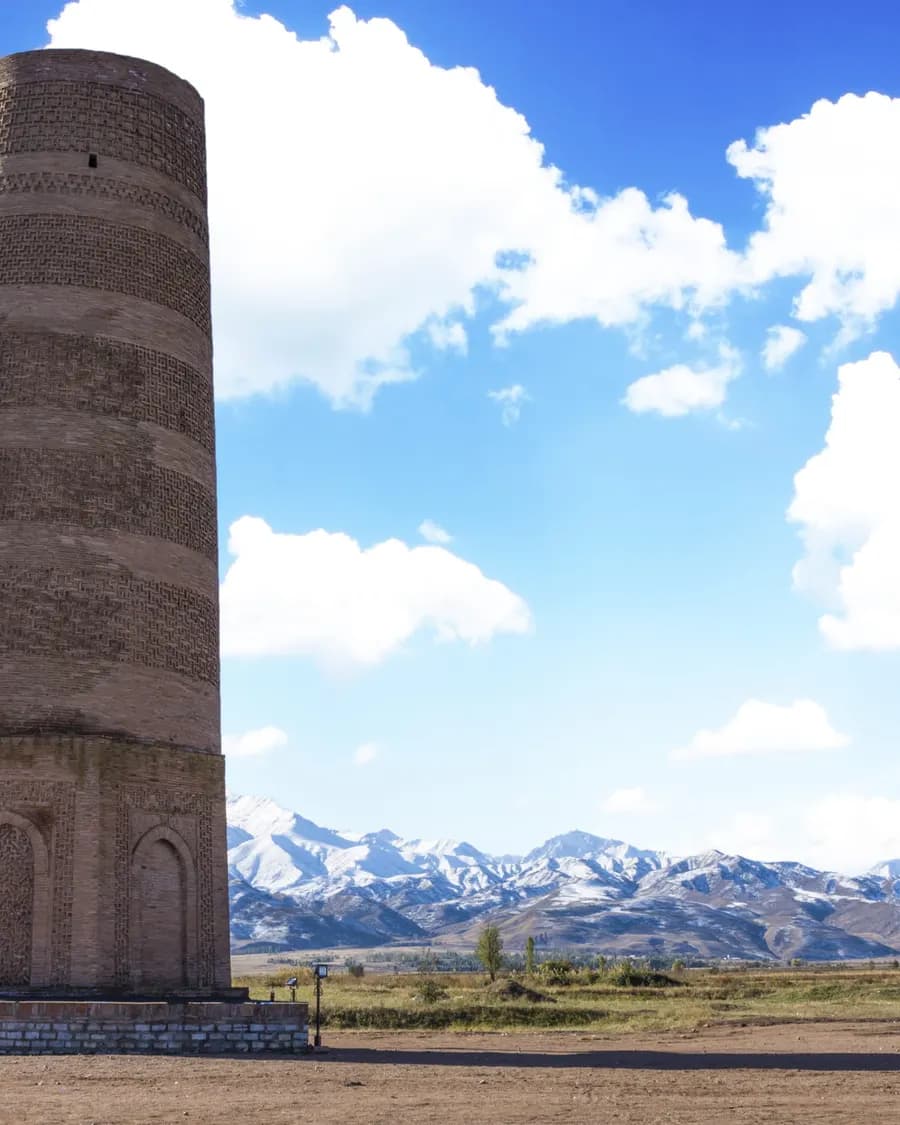
Tokmok gives the road east of Bishkek a clear Chuy Valley anchor: Burana Tower, Balasagun archaeology, open fields, and a route choice before Issyk-Kul or later Silk Road sites.
View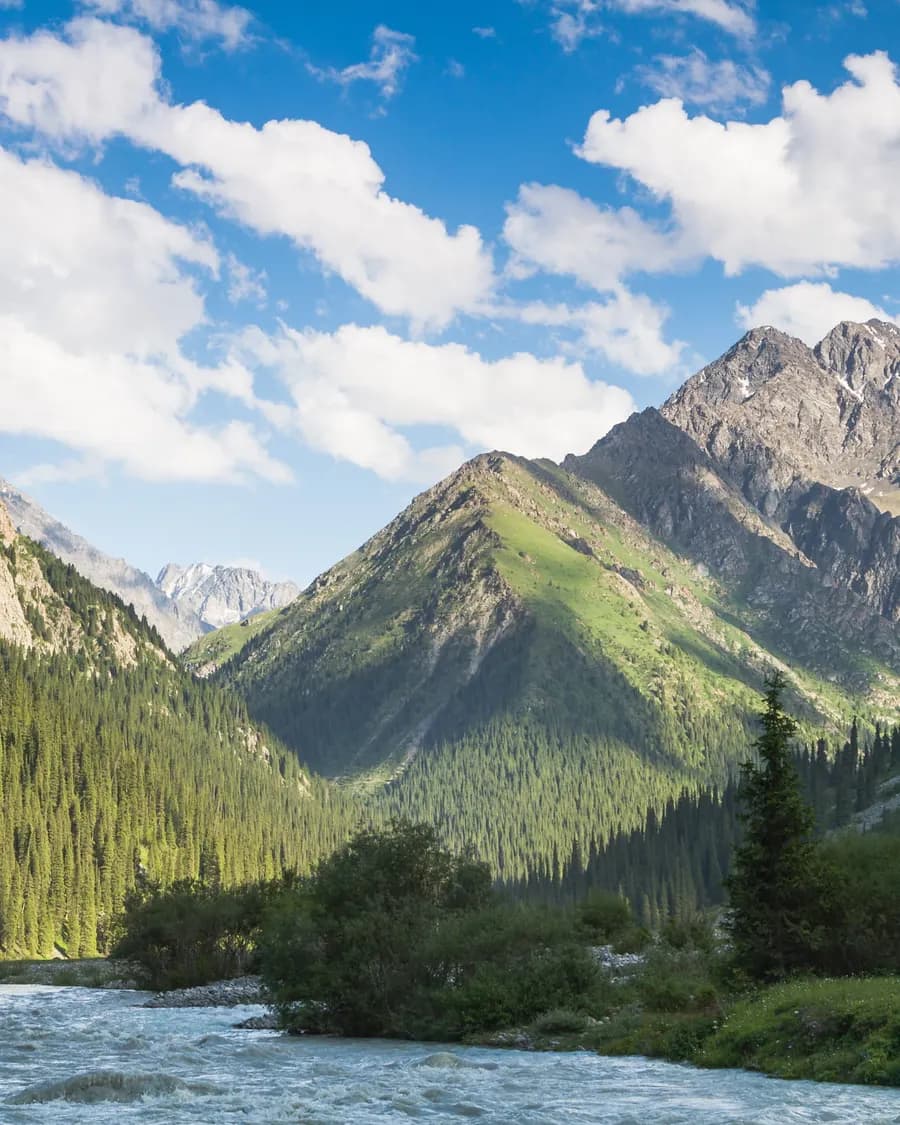
Karakol anchors eastern Issyk-Kul with Dungan food, timber religious landmarks, guesthouse streets, museum context, and measured choices toward valleys, hot springs, and high trails.
ViewCity in detail
Walking time, overnight location, and when day trips make sense.
2–3 nights is usually enough when the old core or main anchors get a full walking window. City tone: “Bishkek's closest mountain valley”.
Start with the compact city walk first. Day trips only after the centre has settled — otherwise the stop feels like a transfer with monuments attached.
Stay close enough for an evening return on foot or a short transfer. That keeps tea, dinner, and a second pass through the lanes easy without burning the next morning.
On request
We help agencies set a realistic pace and choose the right next move — without rushing the places that matter.