
TourLink
About
Karakol gives eastern Issyk-Kul its town rhythm before the route climbs higher.
Karakol is more than the place where mountain days begin. Food, side streets, the mosque, the cathedral, and museum context give the eastern route its human scale.
The town reads better when food, streets, mosque, and cathedral have their own pace before a valley road, hot spring trip, or trek changes the effort.
Agencies and travellers who need Karakol as a readable stop — strong places, honest pacing, and logistics that hold.
Getting around
Karakol is more than the place where mountain days begin. Food, side streets, the mosque, the cathedral, and museum context give the eastern route its human scale.
Planning
The town reads better when food, streets, mosque, and cathedral have their own pace before a valley road, hot spring trip, or trek changes the effort.
The mosque and cathedral show Karakol's multi-community story without turning the visit into a long museum day.
Orientation
Begin with the town, then choose Jeti-Oguz, Altyn-Arashan, Ala-Kol, or another mountain continuation only when season, road, and effort fit.
What to see
The Dungan Mosque and Holy Trinity Cathedral show Karakol's timber religious life; the Przhevalsky Museum adds historical context when current access fits the day.
Dungan Mosque is one of Karakol's clearest city landmarks: painted wooden detail, a modest courtyard, and a religious setting near the town center. It belongs beside Holy Trinity Cathedral and a slower Karakol walk, showing how communities, worship, food, and mountain roads meet
Open placeHoly Trinity Cathedral is Karakol's wooden Orthodox landmark: painted timber, garden shade, and a living church setting near the town center. It pairs naturally with the Dungan Mosque because the two places show different communities leaving visible marks in the same mountain tow
Open placePrzhevalsky Museum and Memorial gives Karakol a quieter historical edge outside the town center. After the Dungan Mosque, Holy Trinity Cathedral, and local food, the museum and memorial widen the story toward exploration, memory, and the eastern side of Issyk-Kul.
Open placeCity rhythm
These small choices sharpen the city day: look closer at the mosque and cathedral, then decide whether one mountain continuation belongs after the town.
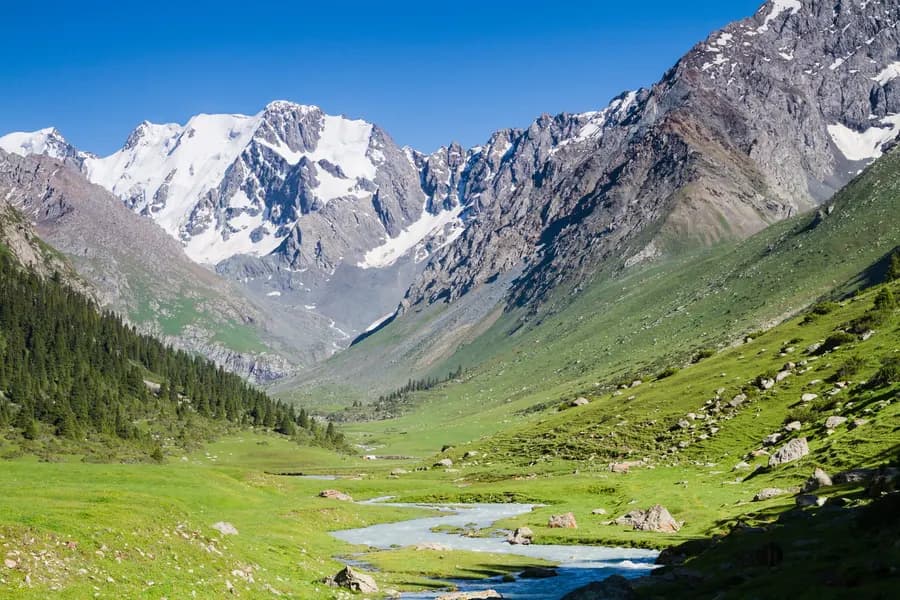
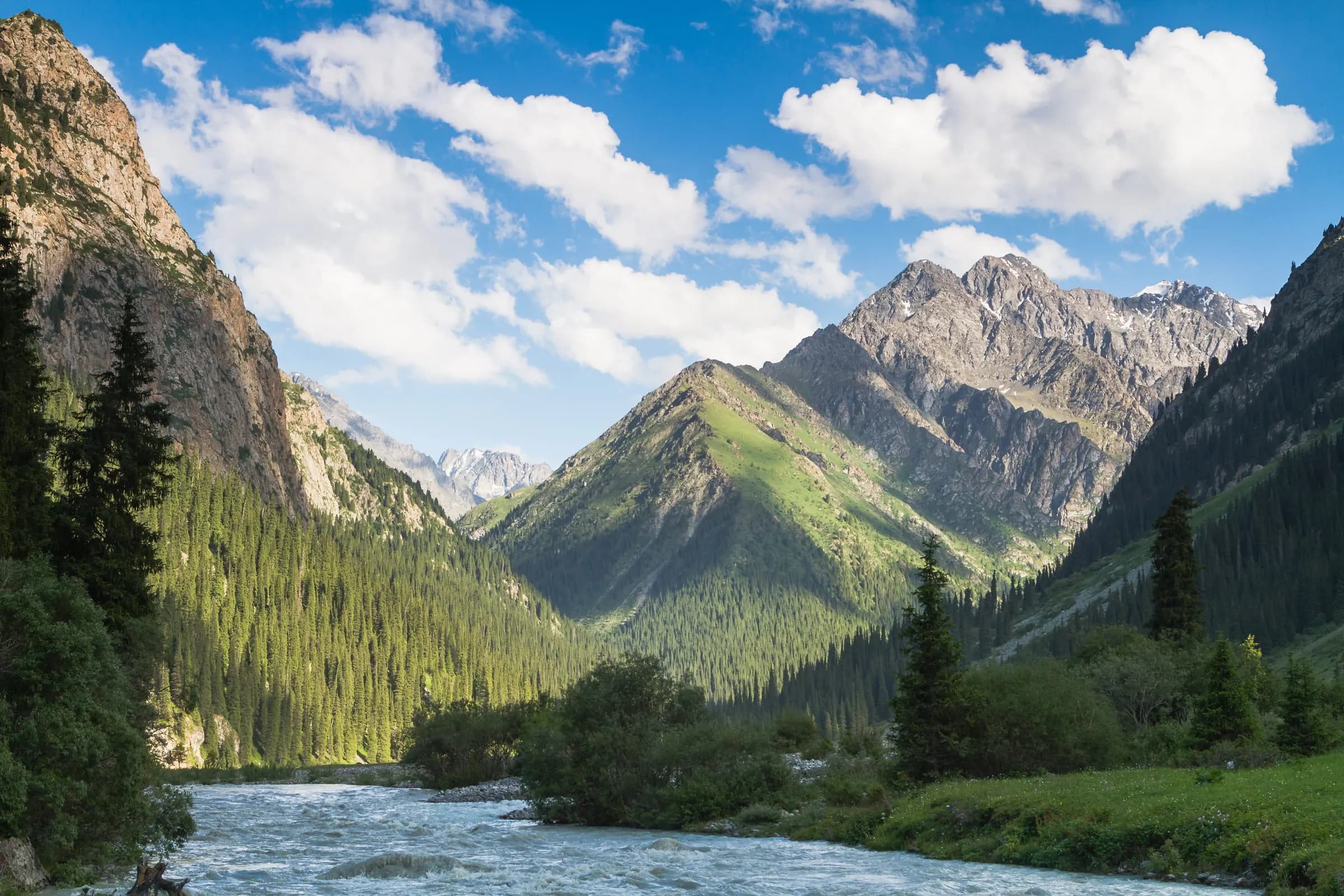
Hot springs, red-rock gorges, lake views, and high trails each ask for different timing, road conditions, and effort.
Garden shade, painted timber, and an active church setting slow the city walk between the mosque and the mountain road.
Painted wood, a quiet courtyard, and Chinese-influenced rooflines give Karakol a different texture from the lake road.
Before you go
Town time makes the eastern route warmer, clearer, and easier to pace.
Food, timber architecture, guesthouse streets, and museum context are part of Karakol's travel value, not filler before the mountains.
Karakol is where the mountain route becomes a place, not only a departure.
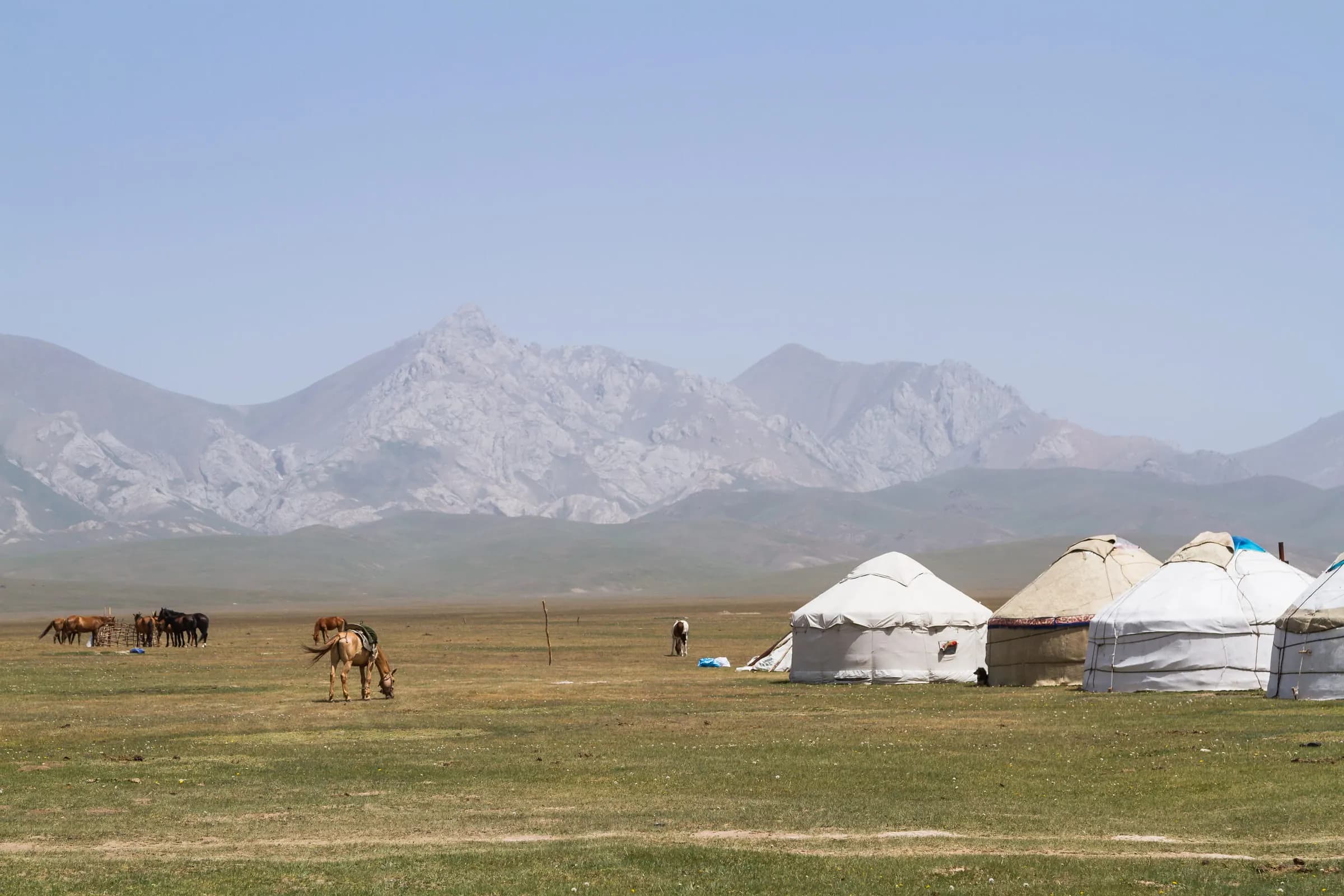
Jeti-Oguz, Altyn-Arashan, Ala-Kol, ski days, and treks ask for different seasons, roads, and traveler effort.
Stay long enough for the town to register, then add one mountain continuation when timing and conditions are honest.
Planning notes Suggested stay
Two nights usually keep the town and one mountain choice from competing with each other.
Main access
Road route around Issyk-Kul, usually from Bishkek or lake stops.
Season
City walks stay flexible; valleys, hot springs, ski days, and treks depend on weather and access.
Nearby
Cholpon-Ata and Bokonbayevo continue the Issyk-Kul circle; Bishkek resets the road, flight plan, or next Kyrgyzstan route.
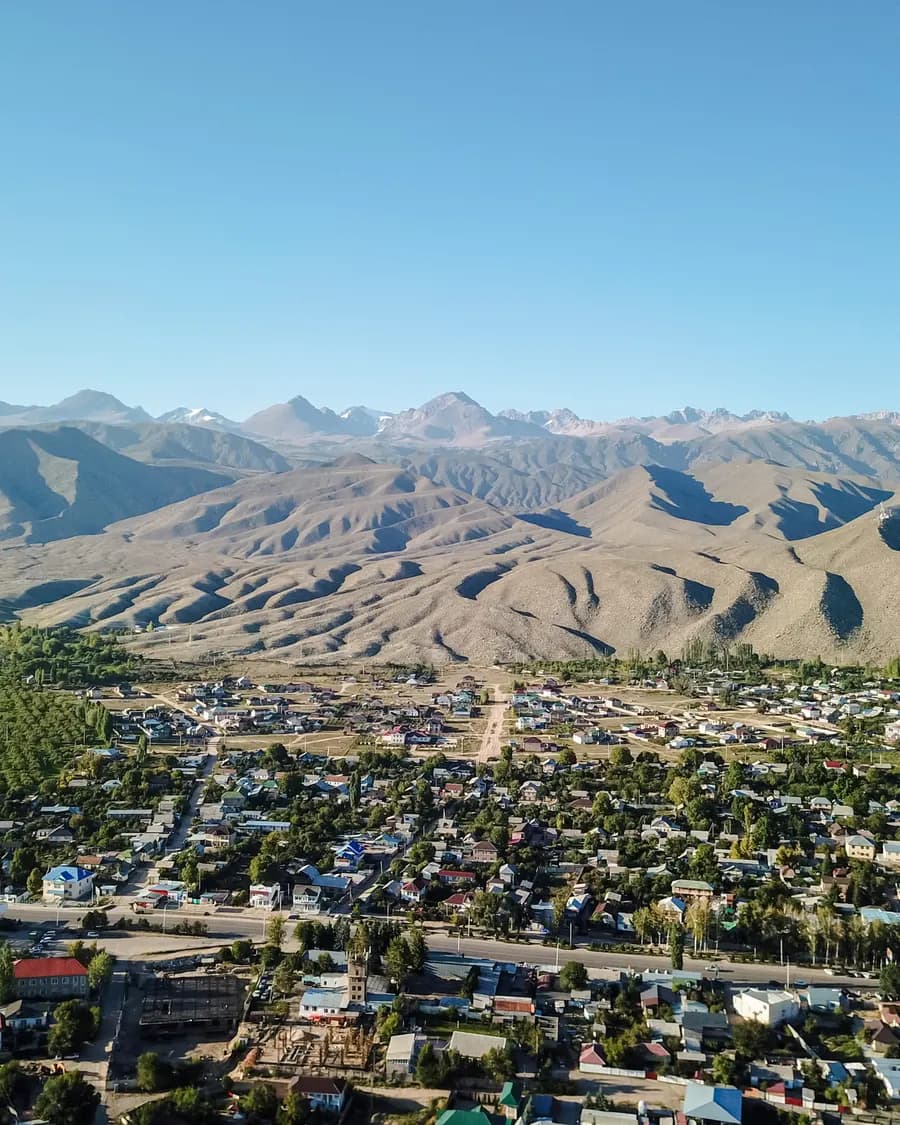
Cholpon-Ata gives the Issyk-Kul route a clear first pause by the water: resort streets, shore time, Ruh Ordo, petroglyphs above town, and a choice before the road continues toward Karakol or the south shore.
View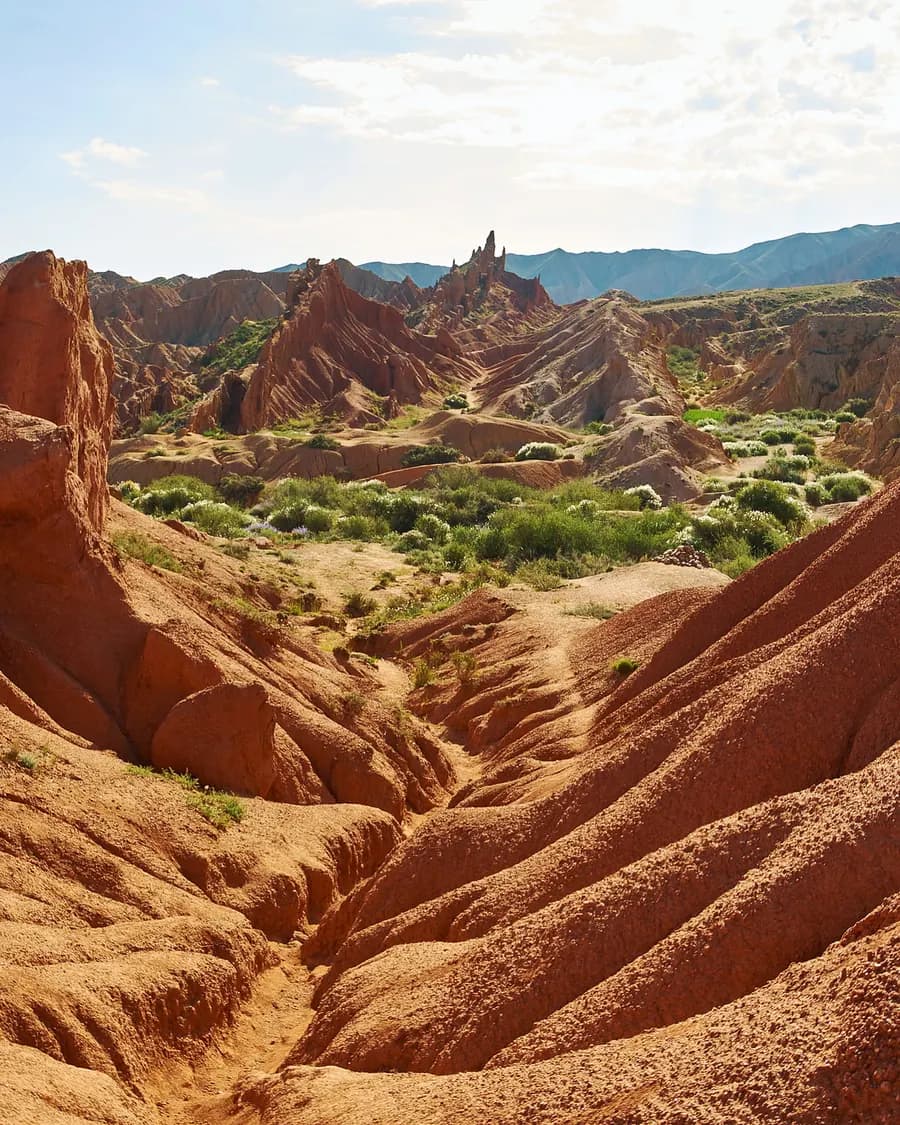
Bokonbayevo gives the Issyk-Kul loop a quieter pause: a south-shore village road, simple overnight rhythm, hosted culture when it is arranged well, and a clear choice between Skazka, Karakol, or the road back west.
View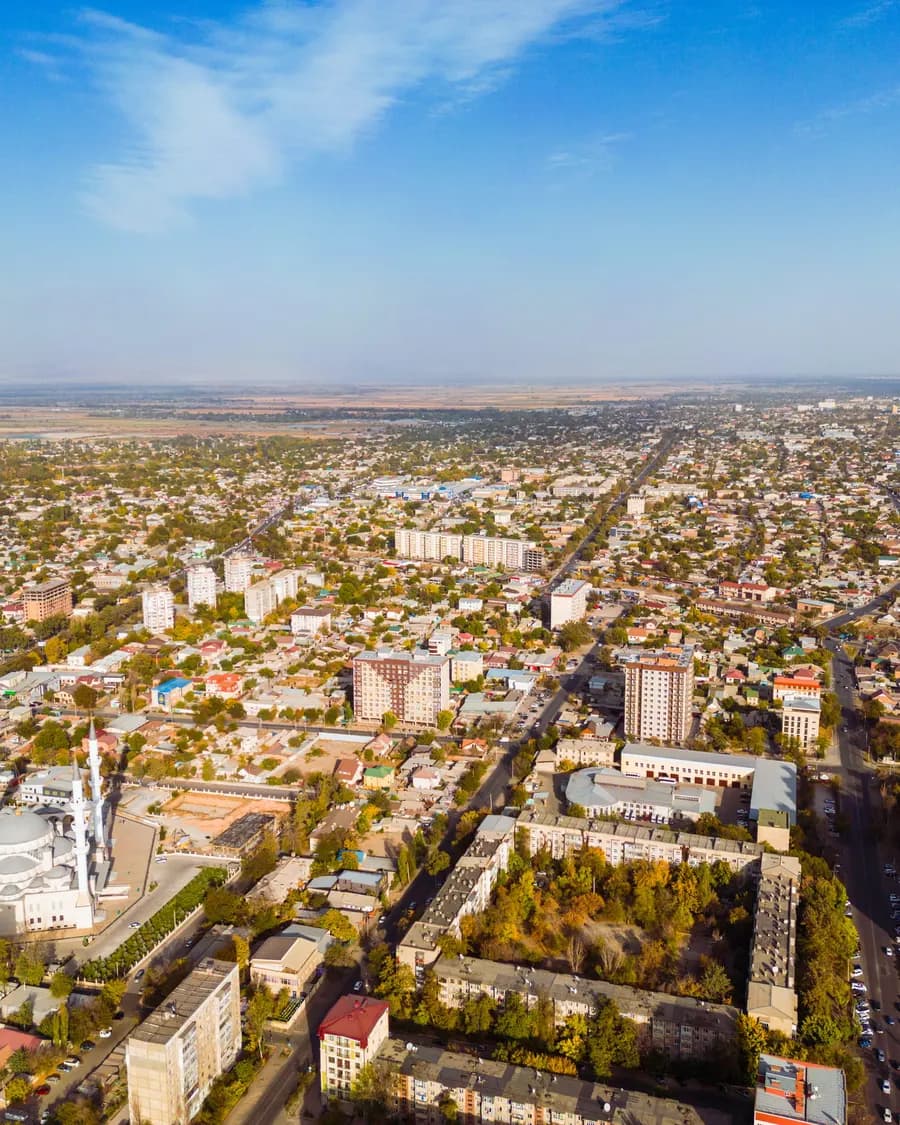
Bishkek gives Kyrgyzstan a calm first frame: Ala-Too Square, Osh Bazaar, museum time, cafe streets, and quick roads to the Chuy foothills.
ViewCity in detail
Walking time, overnight location, and when day trips make sense.
1–2 nights is usually enough when the old core or main anchors get a full walking window. City tone: “A timber-landmark town before the high valleys”.
Start with the compact city walk first. Day trips only after the centre has settled — otherwise the stop feels like a transfer with monuments attached.
Stay close enough for an evening return on foot or a short transfer. That keeps tea, dinner, and a second pass through the lanes easy without burning the next morning.
On request
We help agencies set a realistic pace and choose the right next move — without rushing the places that matter.