
TourLink
About
Bokonbayevo gives the Issyk-Kul route a slower south-shore voice.
Read Bokonbayevo through the road rather than through a monument list. The map keeps four ideas separate: the village point, the south-shore viewpoint, the north-shore return through Cholpon-Ata, and the eastbound move toward Karakol.
Bokonbayevo works best with one clear role: a short lake-road pause, a simple overnight, or a hosted cultural stop arranged with enough care.
Agencies and travellers who need Bokonbayevo as a readable stop — strong places, honest pacing, and logistics that hold.
Getting around
Read Bokonbayevo through the road rather than through a monument list. The map keeps four ideas separate: the village point, the south-shore viewpoint, the north-shore return through Cholpon-Ata, and the eastbound move toward Karakol.
Route rhythm
Bokonbayevo works best with one clear role: a short lake-road pause, a simple overnight, or a hosted cultural stop arranged with enough care.
Bokonbayevo usually makes sense after the route has already slowed into the south shore.
Route map
The route map keeps Bokonbayevo as a south-shore village point, then shows how the road can turn toward the viewpoint, Cholpon-Ata, or Karakol.
What to see
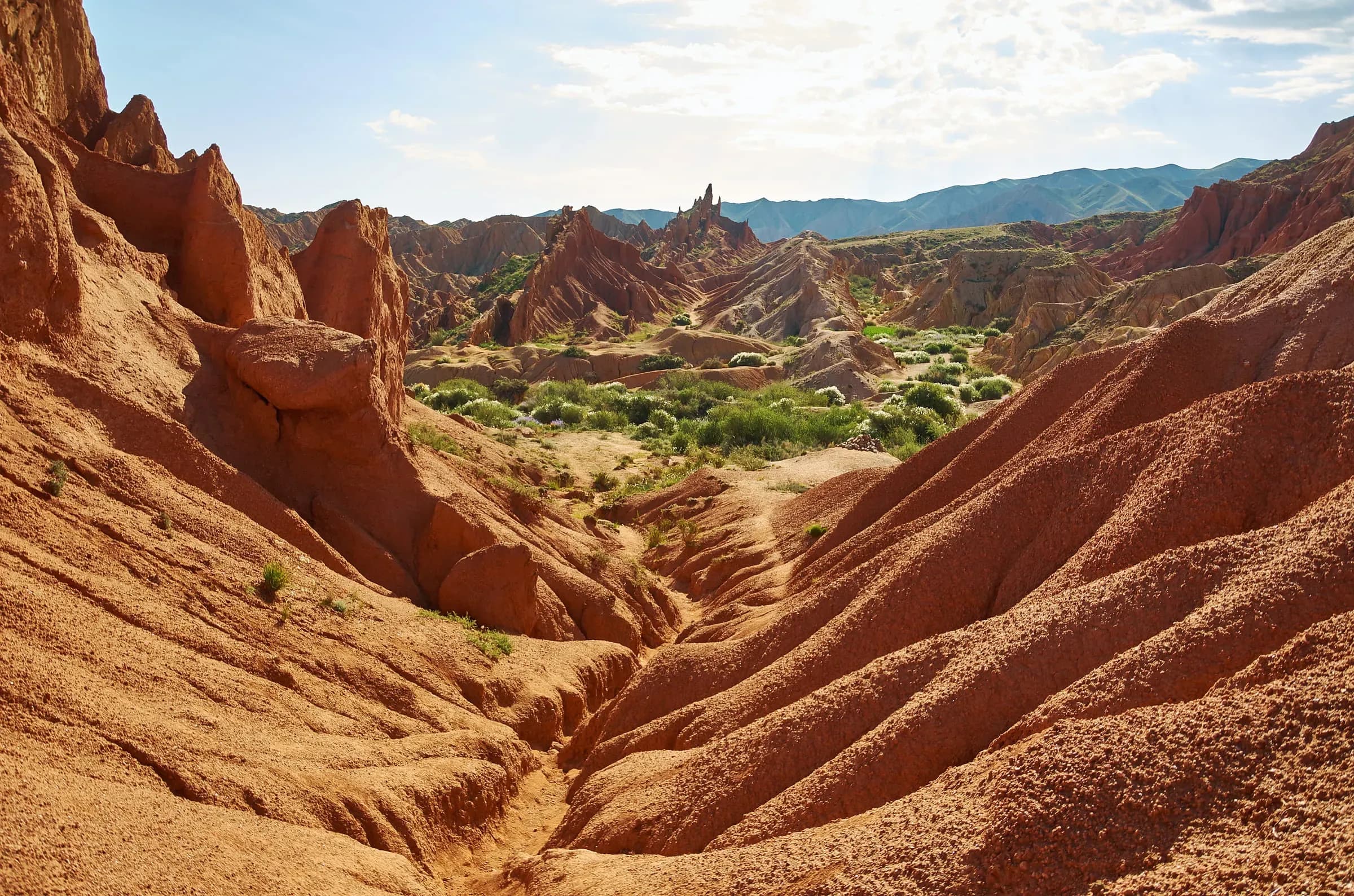
The south-shore viewpoint is the first public attraction anchor for Bokonbayevo. Skazka Canyon, Salbuurun culture, craft visits, beach stops, and canyon routes remain separate context until their own access, host, and source checks are ready.
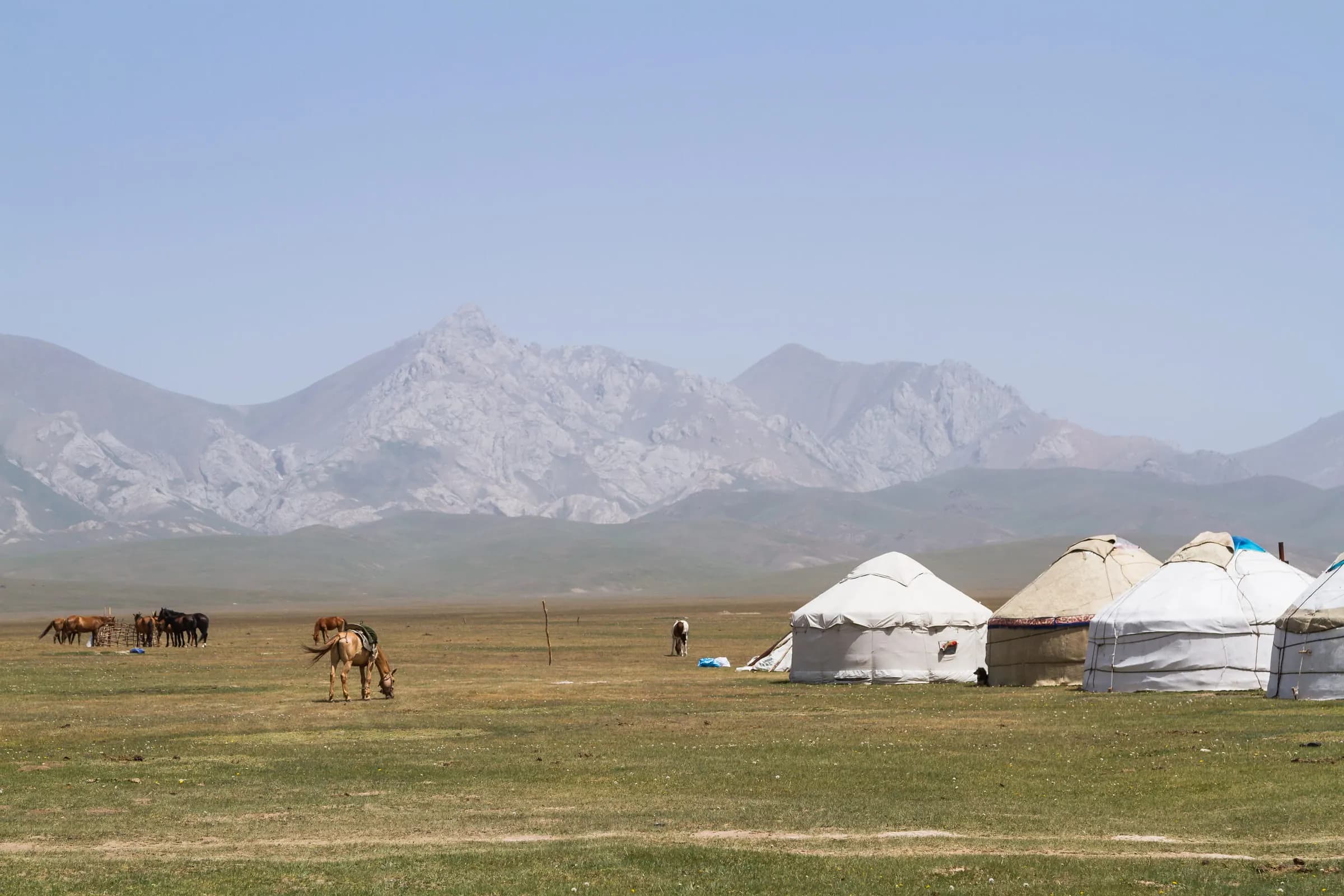
Near Bokonbayevo, Issyk-Kul stops feeling like only a resort lake. The road runs between open water, village houses, dry foothills, and south-shore turns, giving the route a quieter rhythm before it continues toward Skazka, Barskoon, or Karakol.
Open placeHow Bokonbayevo feels
Bokonbayevo is strongest when it slows the lake loop, keeps culture tied to real hosts, and gives Skazka or Karakol its own route choice.
The road near Bokonbayevo feels quieter than the resort shore: open lake, village edges, dry slopes, and a pause before the route moves on.
Salbuurun, felt, yurt, or family-hosted visits belong here only when the welcome, timing, and permissions are clear.
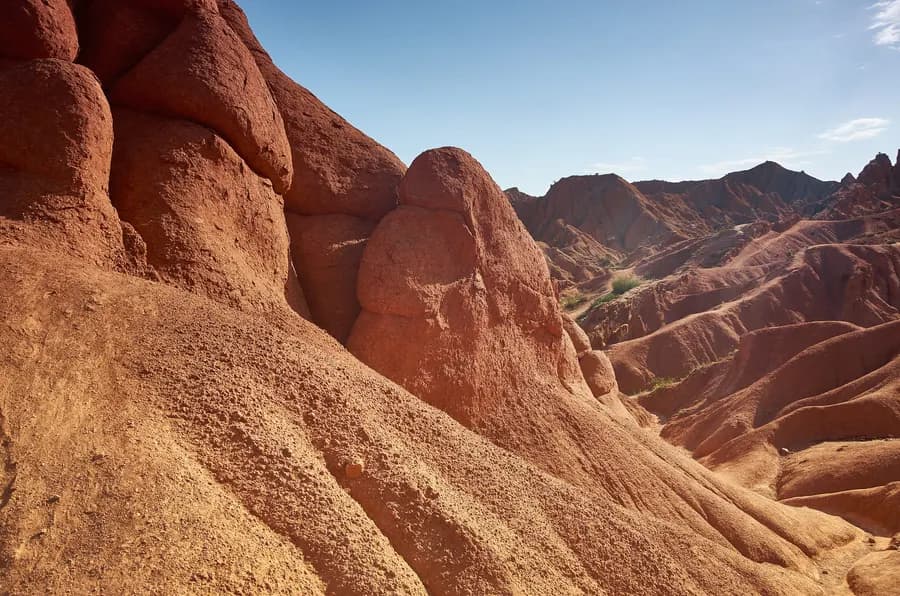
Treating Skazka as a quick add-on weakens both stops. The canyon deserves its own road time, light, and walking plan.
Before you go
Bokonbayevo is strongest when the route gives it one clear job. It can be a short south-shore pause, a simple overnight, or a hosted cultural stop; it becomes weaker when every canyon, craft, and lake idea is pressed into one visit.
Bokonbayevo makes sense when the Issyk-Kul loop has slowed from resort traffic into village road, open water, and dry south-shore slopes.
Bokonbayevo is not a stop to overload. It is where the Issyk-Kul route becomes quieter, more local, and more deliberate.
Salbuurun, craft, and yurt visits work only with real hosts and current permissions. They must never become staged filler.
The canyon is close enough to shape the route, but it needs its own light, walking surface, and road plan.
Let Bokonbayevo carry one south-shore role: pause, overnight, hosted culture, or the decision toward Skazka and Karakol.
At a glance Place
A village stop between the western lake road and the eastbound route toward Karakol.
Best role
Strongest when the route does not overload it with every nearby canyon and culture idea.
Character
Simple stays, local rhythm, and culture only when a real host is ready.
Access
Weather, road timing, host readiness, and canyon access need checking close to the visit.
Next choice
The next move needs to stay clear before adding more stops.
Nearby
Karakol is the main eastbound continuation for valleys, churches, Dungan history, and mountain access. Cholpon-Ata brings the route back to the north shore, while Bishkek remains the usual arrival or return city.
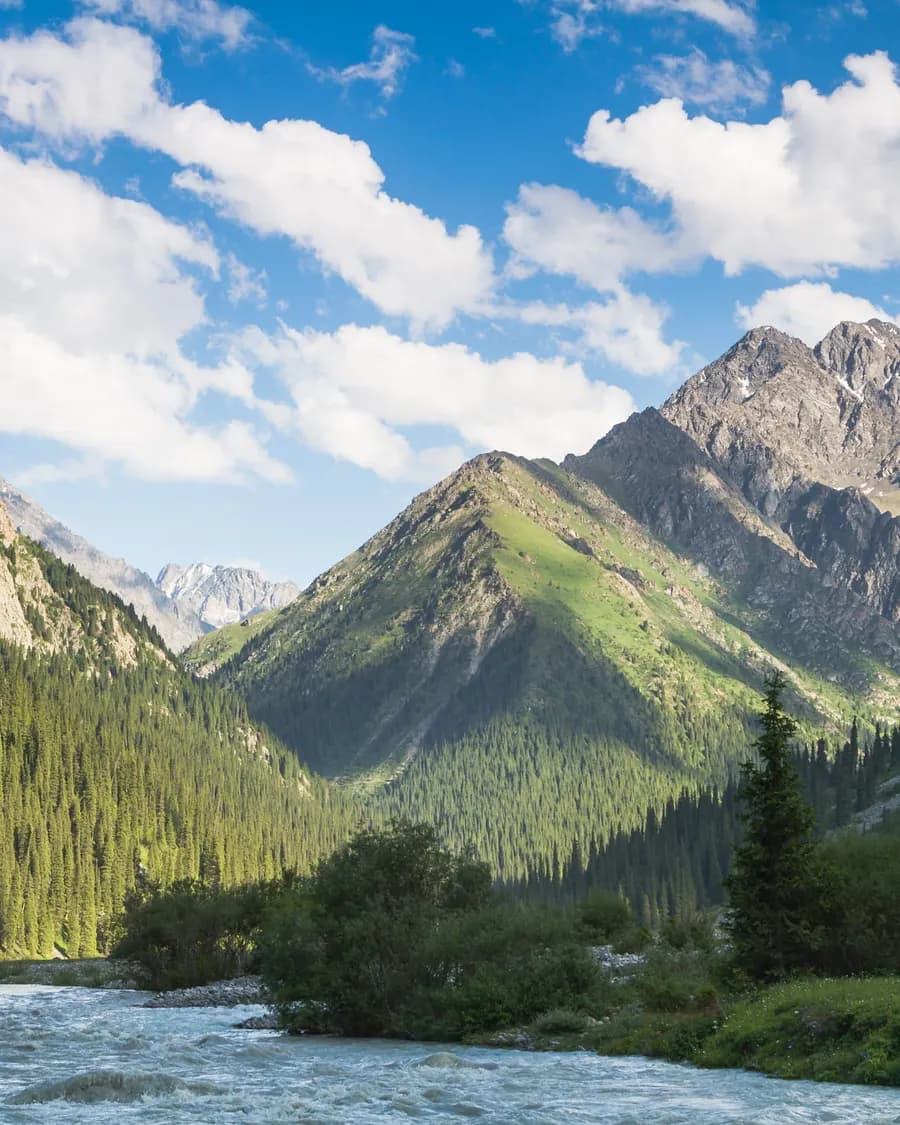
Karakol anchors eastern Issyk-Kul with Dungan food, timber religious landmarks, guesthouse streets, museum context, and measured choices toward valleys, hot springs, and high trails.
View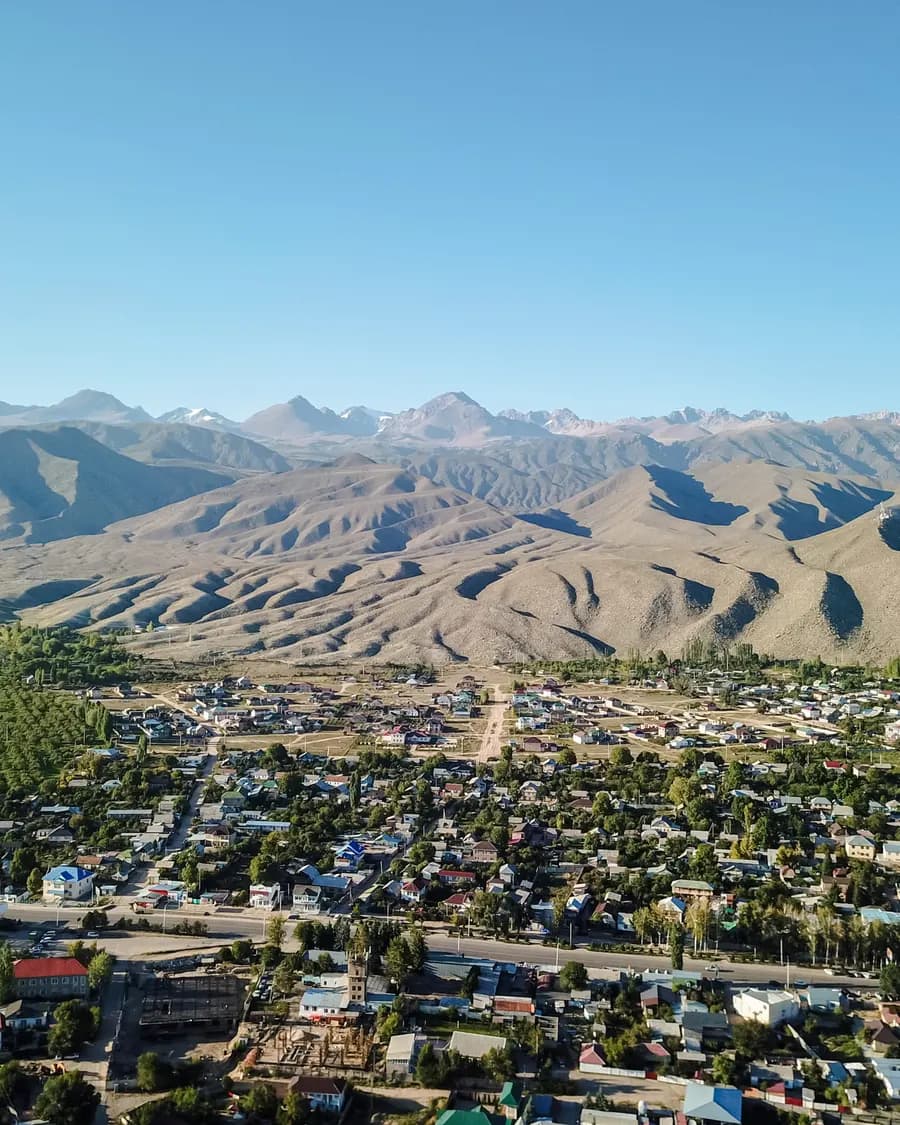
Cholpon-Ata gives the Issyk-Kul route a clear first pause by the water: resort streets, shore time, Ruh Ordo, petroglyphs above town, and a choice before the road continues toward Karakol or the south shore.
View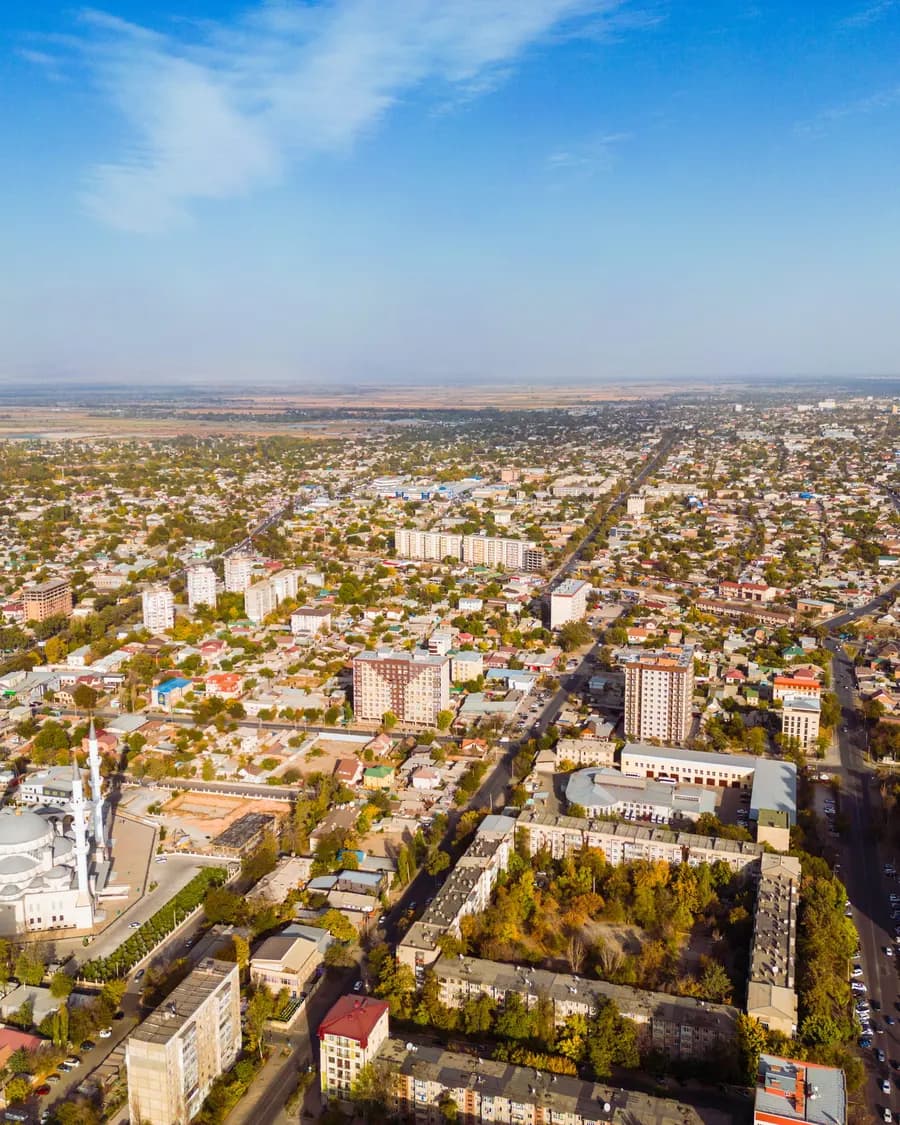
Bishkek gives Kyrgyzstan a calm first frame: Ala-Too Square, Osh Bazaar, museum time, cafe streets, and quick roads to the Chuy foothills.
ViewCity in detail
Walking time, overnight location, and when day trips make sense.
2–3 nights is usually enough when the old core or main anchors get a full walking window. City tone: “Issyk-Kul's quieter south-shore village”.
Start with the compact city walk first. Day trips only after the centre has settled — otherwise the stop feels like a transfer with monuments attached.
Stay close enough for an evening return on foot or a short transfer. That keeps tea, dinner, and a second pass through the lanes easy without burning the next morning.
On request
We help agencies set a realistic pace and choose the right next move — without rushing the places that matter.