
TourLink
About
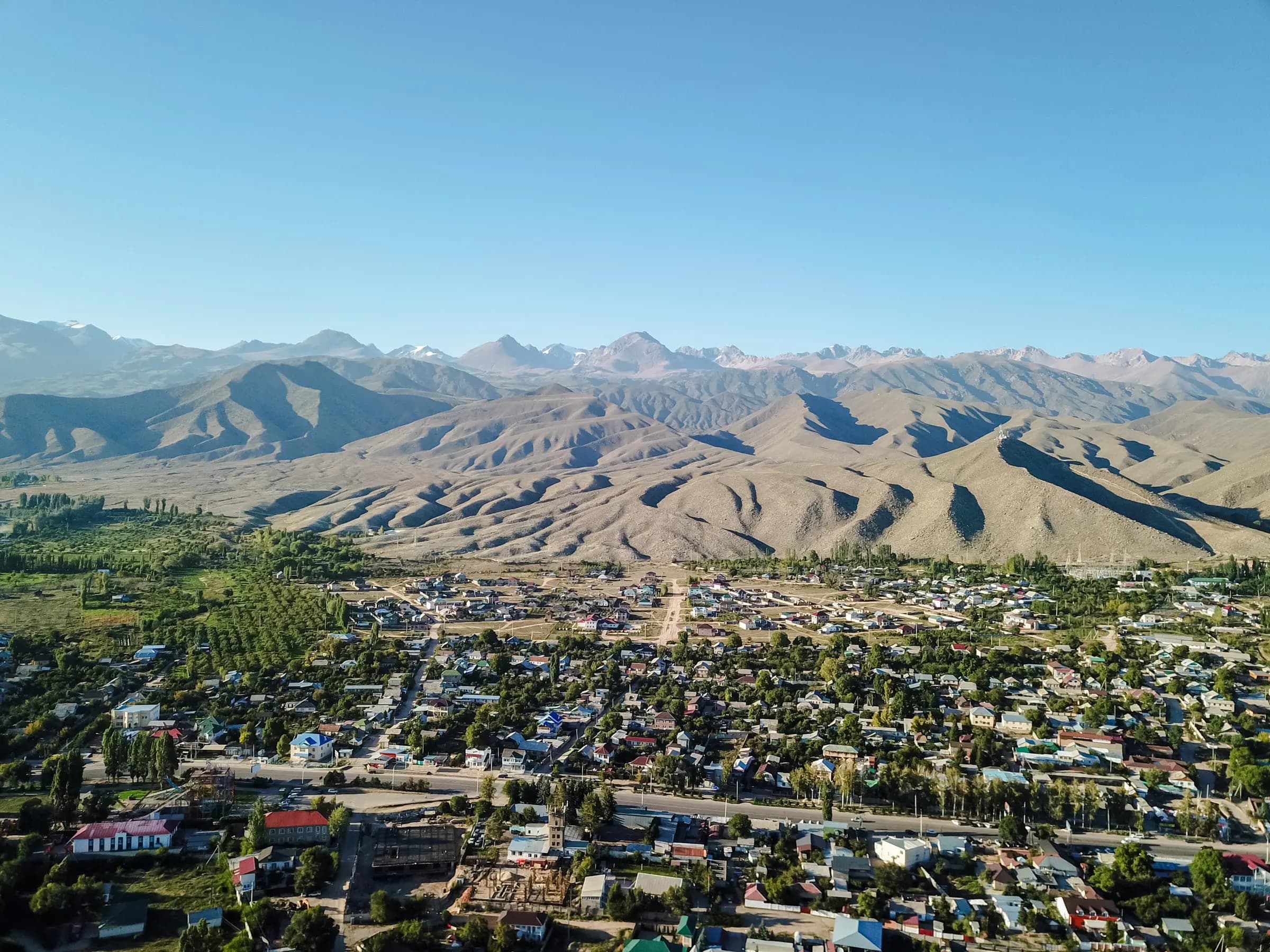
Cholpon-Ata is not the whole lake.
Read Cholpon-Ata through three simple points: the town and shore, Ruh Ordo by the water, and the petroglyph field above the streets. The map keeps the stop compact before the wider Issyk-Kul road opens again.
Cholpon-Ata is strongest when it gives the lake route one calm pause instead of trying to become every Issyk-Kul extension at once.
Agencies and travellers who need Cholpon-Ata as a readable stop — strong places, honest pacing, and logistics that hold.
Getting around
Read Cholpon-Ata through three simple points: the town and shore, Ruh Ordo by the water, and the petroglyph field above the streets. The map keeps the stop compact before the wider Issyk-Kul road opens again.
Route rhythm
Cholpon-Ata is strongest when it gives the lake route one calm pause instead of trying to become every Issyk-Kul extension at once.
Most routes arrive from Bishkek or the Chuy road, so the first job is to let the traveler actually feel the lake.
Route map
The town point holds the shore and resort rhythm, Ruh Ordo stays close to the lake, and the petroglyph field sits above Cholpon-Ata.
What to see
Ruh Ordo and the petroglyph field are the public anchors that give Cholpon-Ata more than resort-town value. The hippodrome, local museum, beaches, and nearby gorge routes remain useful context until they are ready for their own review.
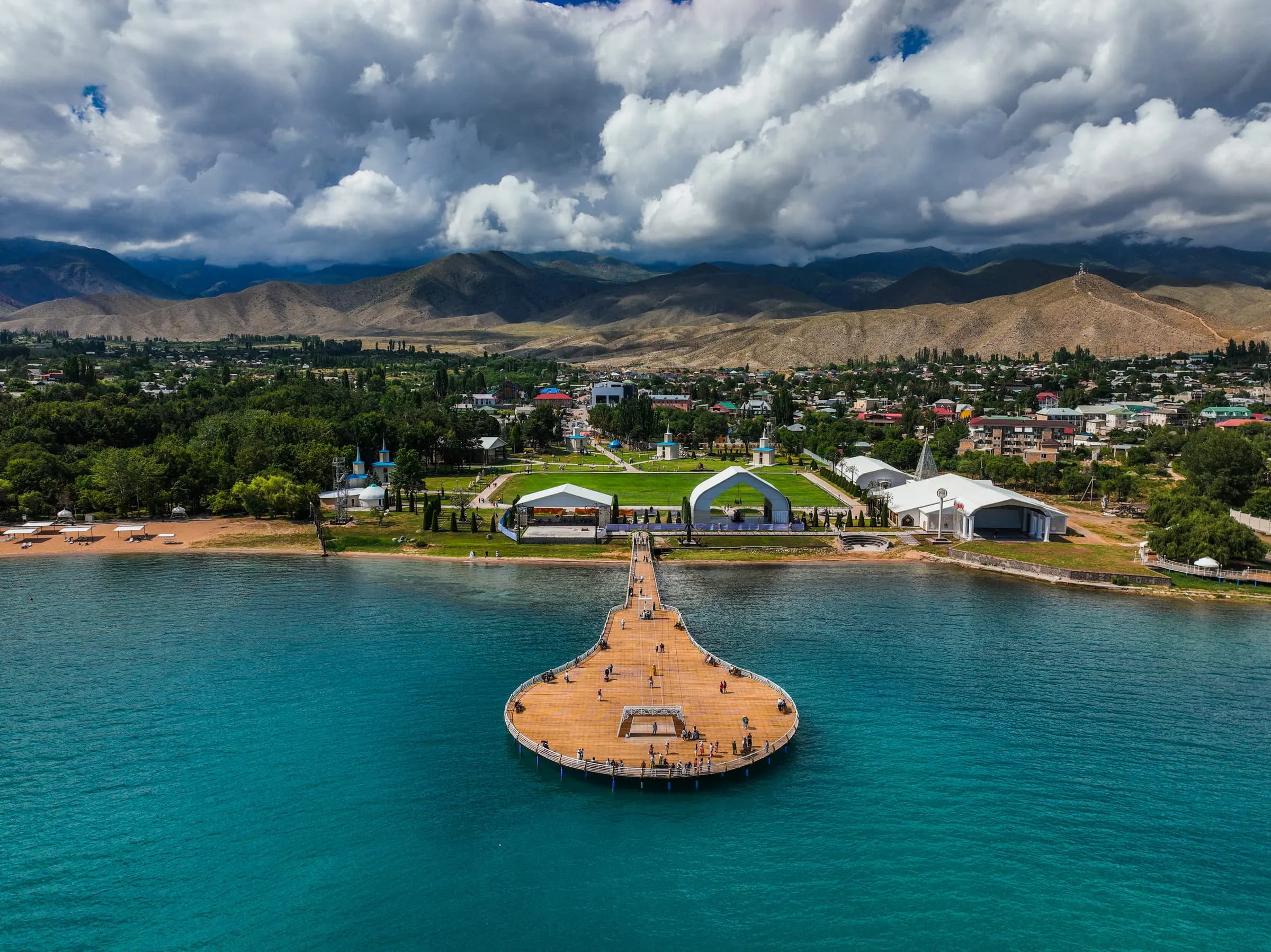
Ruh Ordo changes the mood of Cholpon-Ata. Instead of another beach stop, the lakeshore becomes an open-air cultural center with faith pavilions, Aitmatov references, sculpture, and a komuz-shaped pier reaching into Issyk-Kul.
Open place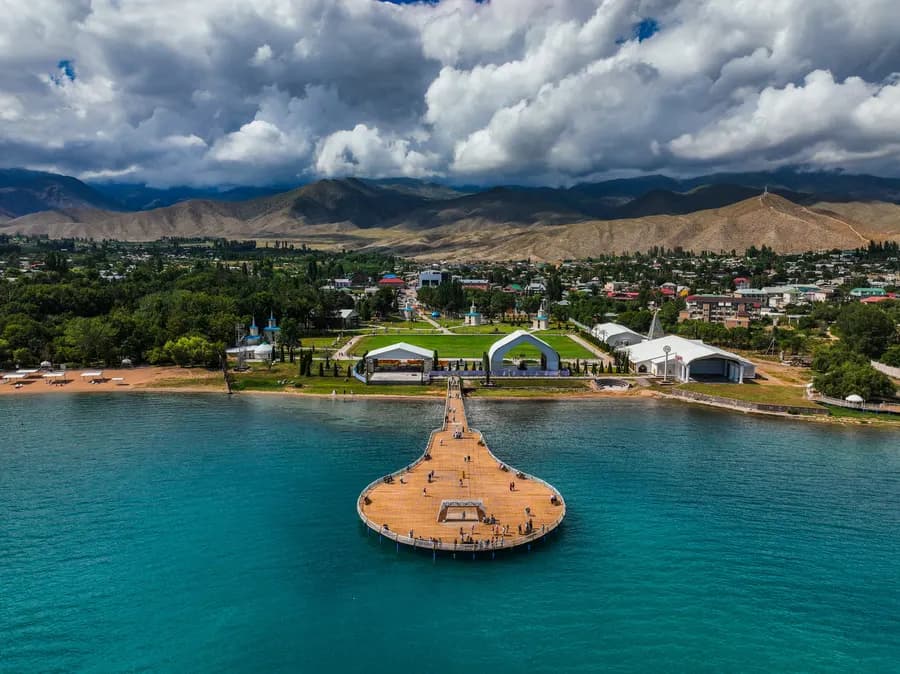
Above Cholpon-Ata, the lake road opens onto an archaeological field. Dark stones, animal figures, hunting scenes, and wide Issyk-Kul air make the stop feel older and quieter than the resort town below.
Open placeCity rhythm
The town is useful when it gives the route a real lake pause, separates culture from beach time, and makes the next Issyk-Kul choice deliberate.
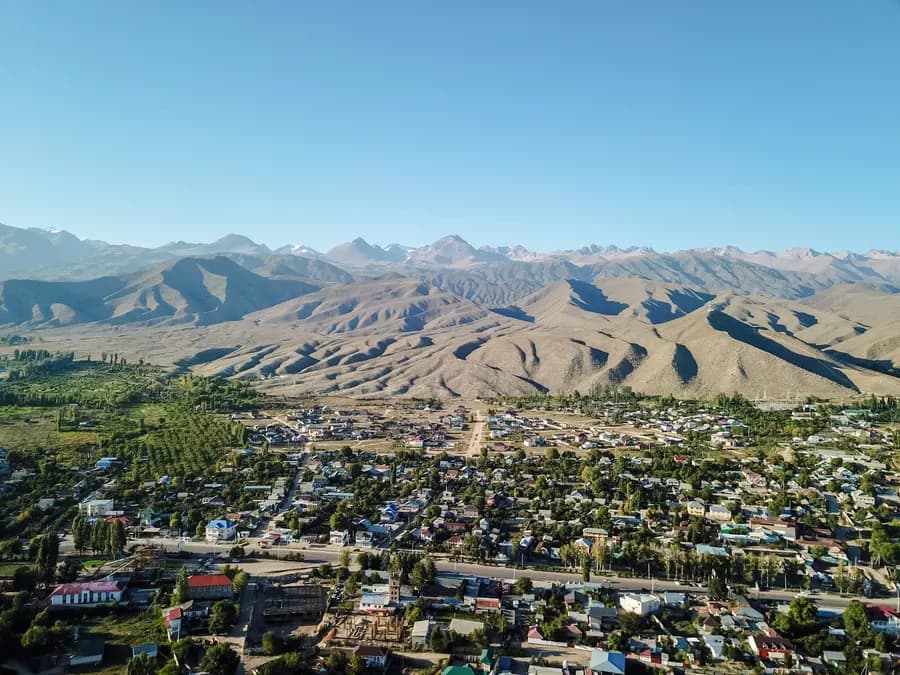
Cholpon-Ata can be the first real Issyk-Kul pause: water, light, a slower walk, and the feeling that the drive has finally given way to the lake.
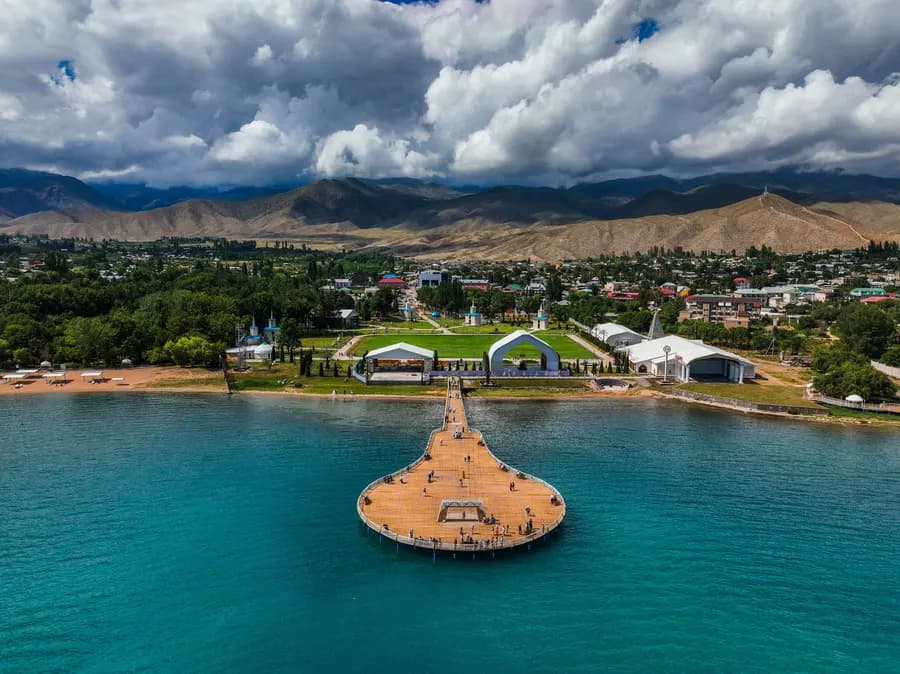
Ruh Ordo and the petroglyph field are strongest when they keep their own mood: one by the water, one above town, both giving the resort stop more depth.
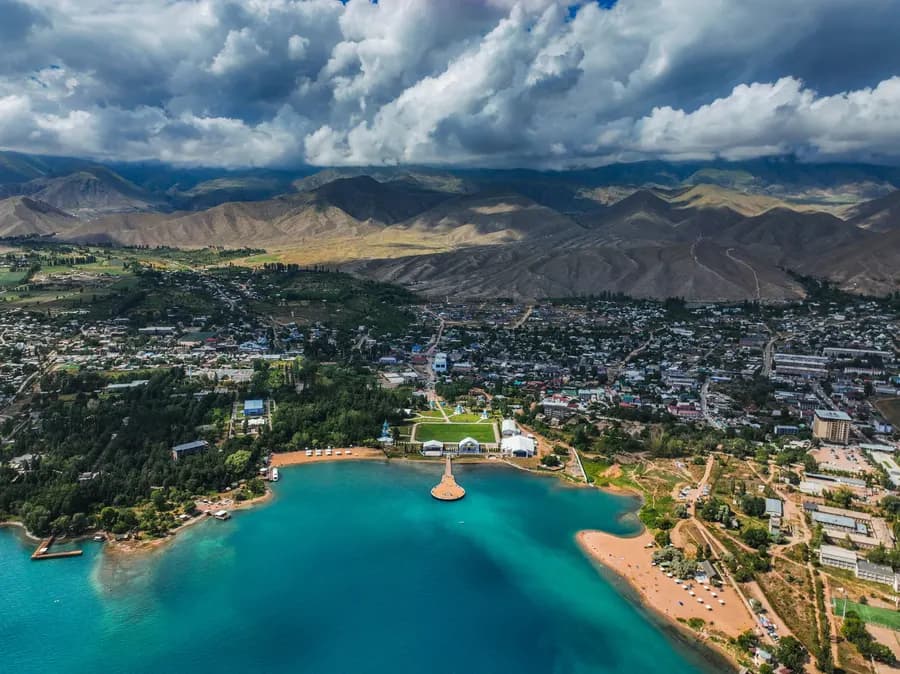
From Cholpon-Ata, the route can continue toward Karakol, cross to the south shore, or stay local; the right choice depends on season, road time, and the lake pause the route needs before moving on.
Before you go
Cholpon-Ata can be quick, crowded, easy, useful, or surprisingly reflective depending on how the route treats it. The strongest plan gives the town one job: let Issyk-Kul enter the journey before the road asks for another decision.
The drive from Bishkek or Chuy can make the lake feel like a prize at the end of the road. A walk by the water, a slower meal, or an overnight pause helps the route change pace before more ambitious mountain or shore choices.
Cholpon-Ata is most useful when it gives the route a real pause by the water, then lets the lake road continue with purpose.
Ruh Ordo and the petroglyph field ask for different moods. One is lakefront and symbolic; the other is open-air archaeology above town. Keeping them distinct makes the town feel clearer.
Karakol, Grigorievka-Semenovka, Bokonbayevo, and the south shore all pull the route in different directions. Cholpon-Ata should help that choice, not blur it.
Use Cholpon-Ata for lake contact, one focused cultural stop, and a clean decision about where Issyk-Kul goes next.
At a glance Route role
The town is strongest as the first clear pause on the north shore.
Town feel
Lakefront walks and resort streets set the immediate rhythm.
Main anchors
Ruh Ordo and the petroglyph field carry the public culture story.
Season and pace
Summer crowds, lake glare, wind, and events can change the pace.
Next move
The next choice is east to Karakol, south across the lake, or slower local valleys.
Nearby
Karakol is the main eastbound continuation, while Bishkek remains the usual westbound start or return. Bokonbayevo and the south shore matter for later planning, but they belong to a separate next step rather than this compact town stop.
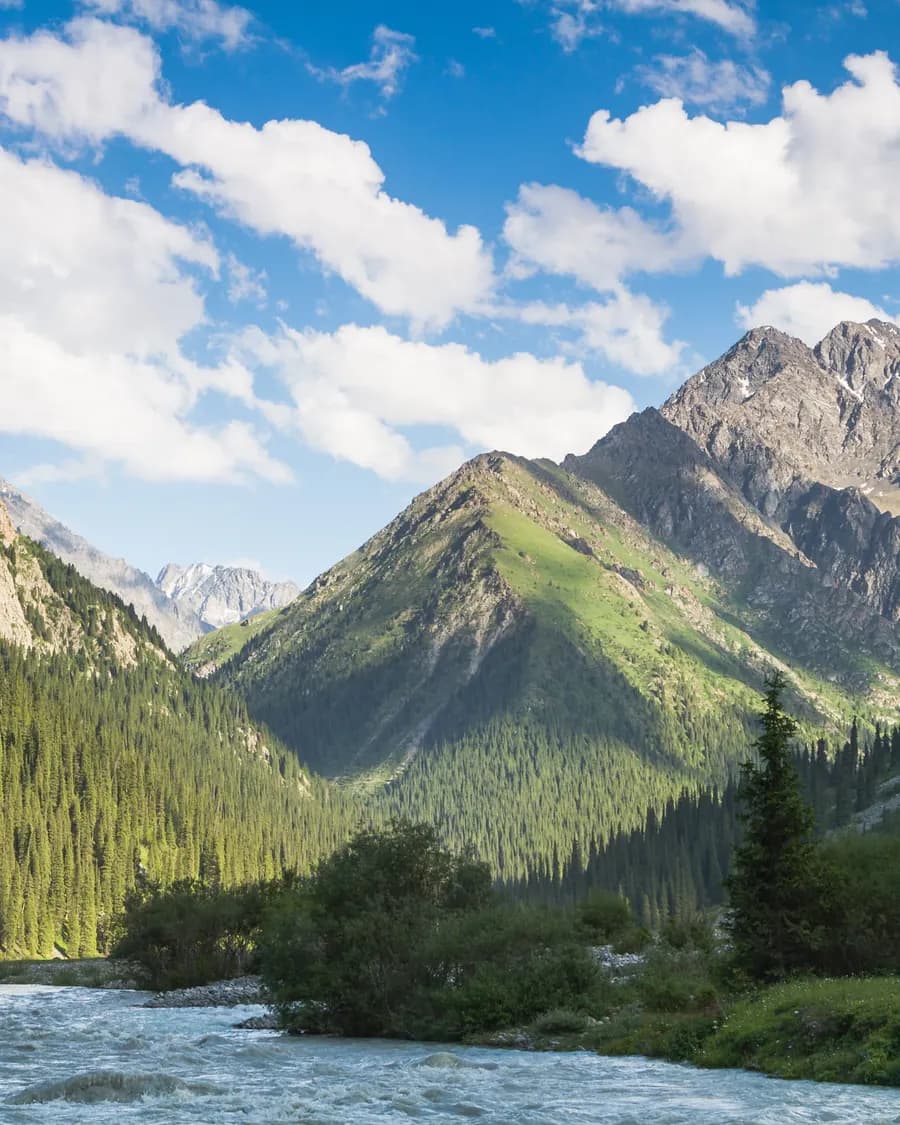
Karakol anchors eastern Issyk-Kul with Dungan food, timber religious landmarks, guesthouse streets, museum context, and measured choices toward valleys, hot springs, and high trails.
View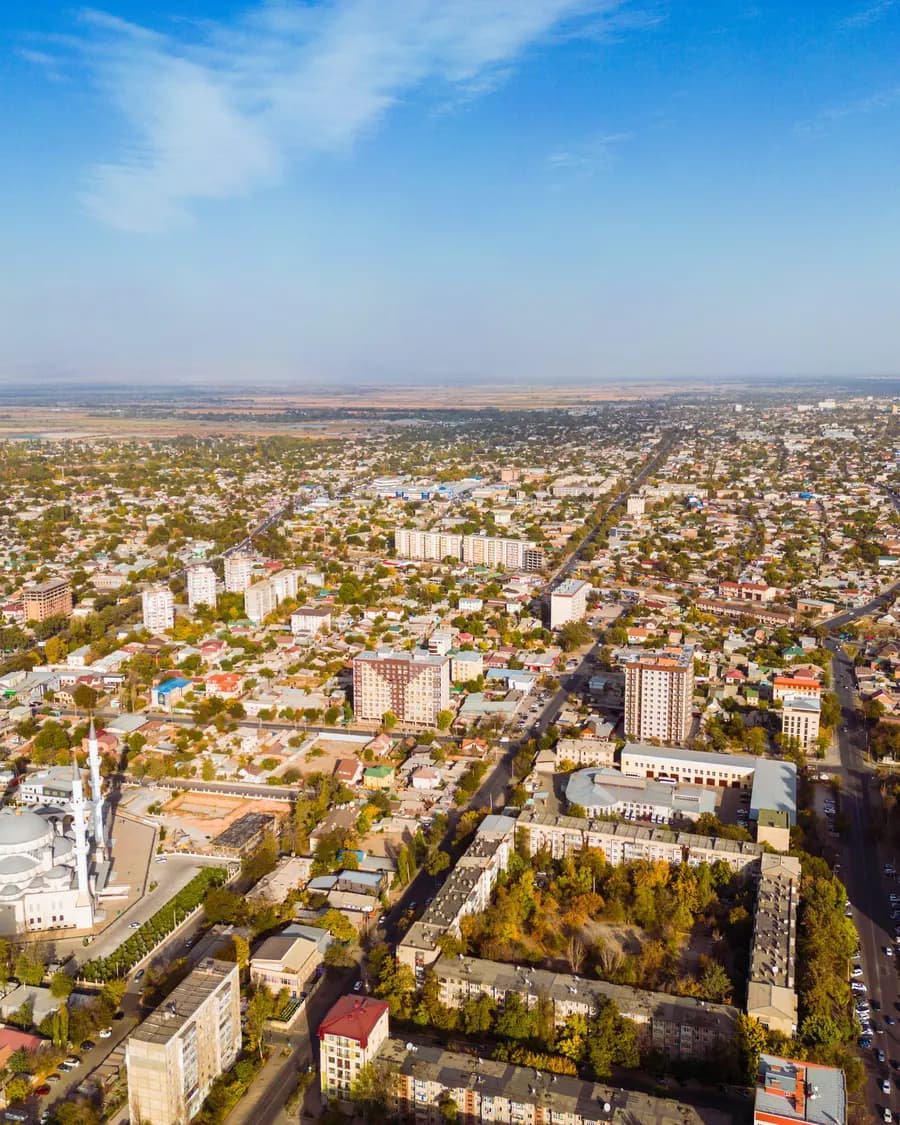
Bishkek gives Kyrgyzstan a calm first frame: Ala-Too Square, Osh Bazaar, museum time, cafe streets, and quick roads to the Chuy foothills.
ViewCity in detail
Walking time, overnight location, and when day trips make sense.
1–2 nights is usually enough when the old core or main anchors get a full walking window. City tone: “Issyk-Kul's practical north-shore stop”.
Start with the compact city walk first. Day trips only after the centre has settled — otherwise the stop feels like a transfer with monuments attached.
Stay close enough for an evening return on foot or a short transfer. That keeps tea, dinner, and a second pass through the lanes easy without burning the next morning.
On request
We help agencies set a realistic pace and choose the right next move — without rushing the places that matter.