TourLink
About
This is Turkmenistan's great oasis turn.
The region reads best as two linked movements: settle in Mary, use the museum to understand the oasis story, then continue to Merv with enough time for distance, heat, and a guided walk through the site.
Mary gives the arrival city, overnight stop, and museum reading before the route continues to the archaeological park.
Agencies and travellers who need Mary & Ancient Merv as a readable stop — strong places, honest pacing, and logistics that hold.
Getting around
The region reads best as two linked movements: settle in Mary, use the museum to understand the oasis story, then continue to Merv with enough time for distance, heat, and a guided walk through the site.
Start here
Mary gives the arrival city, overnight stop, and museum reading before the route continues to the archaeological park.
Mary gives the traveler a city pause before the open site: arrival, rest, and a clearer beginning for the Murghab oasis.
Oasis map
Mary, Merv, and the first published anchors carry the public route now. Gonur Depe, Margiana, Erk Kala, Gyaur Kala, and later wall circuits stay in wider coverage until access and timing are checked.
Region character
This region matters because it changes the scale of the trip. After Ashgabat and Nisa, the traveler reaches a working city, museum rooms, and an archaeological landscape once shaped by oasis settlement, caravan roads, Seljuk power, and desert-edge movement. «Mary makes the oasis readable at human scale; Merv opens it into earth walls, Seljuk brick, and distance.»
Region areas
For travelers, Mary and Merv work as a pair: the city for arrival and interpretation, the archaeological area for the main heritage day.
Mary is not the monument itself; it is where the Ancient Merv visit settles into a human scale. The city gives you a landing, museum rooms, rest, and then the road across the Murghab oasis toward the open ruins.
Open placeAncient Merv makes sense as you move through the oasis: the dome of Sultan Sanjar, the ridged walls of Kyz Kala, low earthworks, and desert light. Mary keeps the route practical, but the site still needs time, shade planning, and a guide who can connect the separate ruins.
Open placeWhat to see
Start with Mary Regional Museum, then Ancient Merv, Sultan Sanjar, and Kyz Kala. The set keeps the oasis readable without listing every ruin at once.
In the open ground of Ancient Merv, Sultan Sanjar Mausoleum gives the Seljuk city a visible centre. Its cube-like brick body, dome, decoration traces, and open approach turn a wide archaeological park into one place you can stand, look around, and understand the scale.
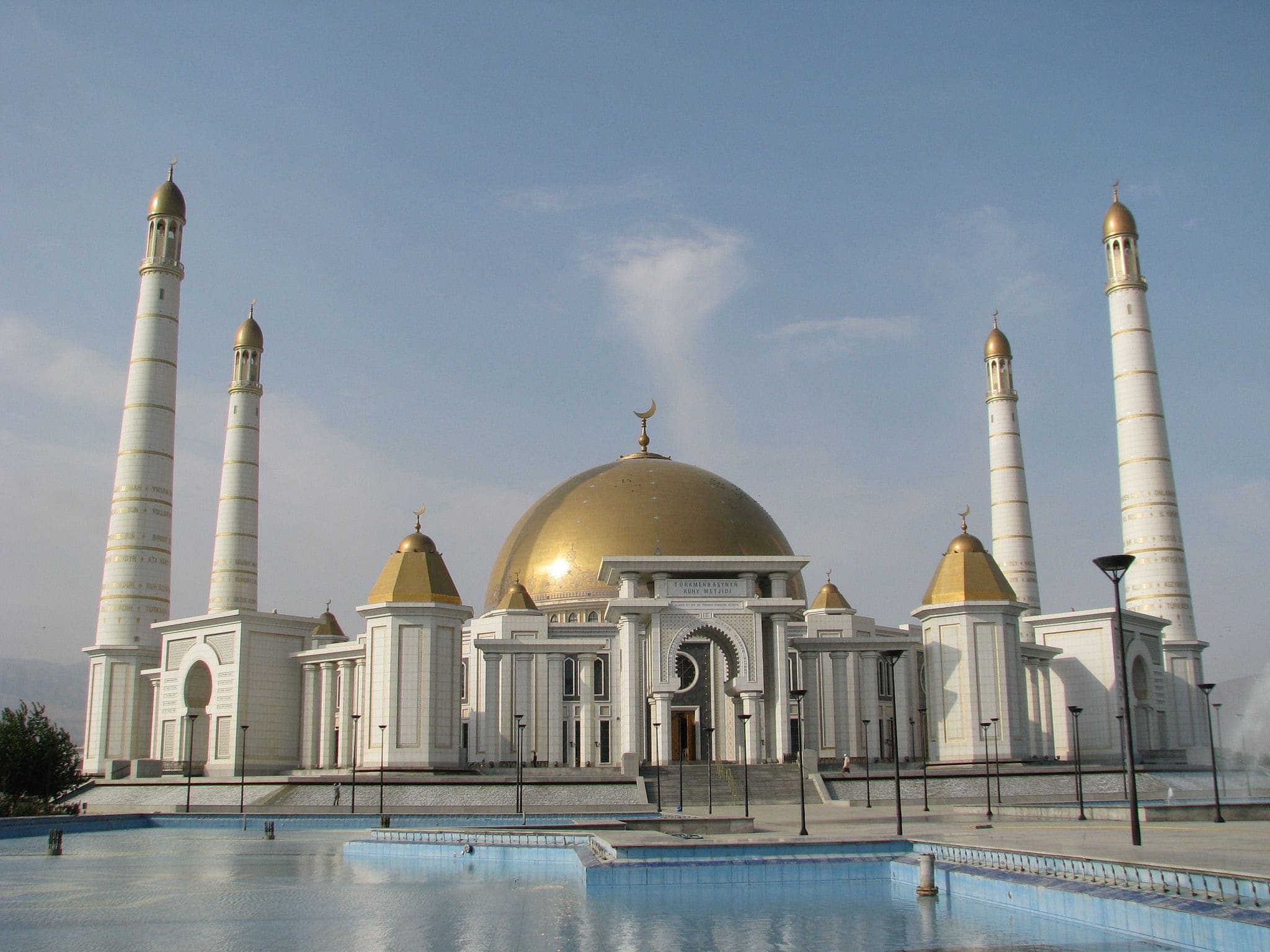
Open placeAncient Merv UNESCO Park is not a single monument. Walls, tells, Seljuk remains, and roads between ruins sit across a wide oasis landscape, so the visit feels like moving between cities that once shared the same desert edge.
Open placeGyaur Kala shows Ancient Merv at city scale. The stop is about walls, distance, and traces inside a large urban area rather than a single photogenic monument. With a guide, the stop can connect Erk Kala, Sultan Kala, mosque and cistern remains, Buddhist-period traces, and the way
Open placeErk Kala brings Ancient Merv back to form, height, and perimeter. The stop is not about a finished monument; it is about reading a fortified mound, its edges, and the way Merv grew through different city areas in the Murghab oasis. It works best when the route slows down for guid
Open placeKyz Kala is one of the places where Ancient Merv becomes visible at a glance. Great and Little Kyz Kala stand as ribbed mudbrick forms in the open oasis, so you notice shadow, surface, and scale before the deeper site story begins.
Open placeMary Regional Museum brings the Murghab oasis indoors. Archaeology, ethnography, applied arts, and regional history give travelers tangible context before the road opens toward Ancient Merv.
Open placeRegion in detail
Pace, season, and how this region connects to the next stop.
2–4 days usually works if you keep one strong core and treat outer stops as deliberate choices. The region brief is “Mary, Merv, and the Murghab oasis road”.
Use neighbouring cities as clean handovers: arrive with a calm first night, leave after one completed chapter, and avoid stacking two long transfers on the same day.
Heat, altitude, road condition, and opening hours change the product more than the brochure list. Build the region around what stays comfortable for the group that week.
On request
We help agencies set a realistic pace and choose the right extensions — without rushing the places that matter.