
TourLink
About
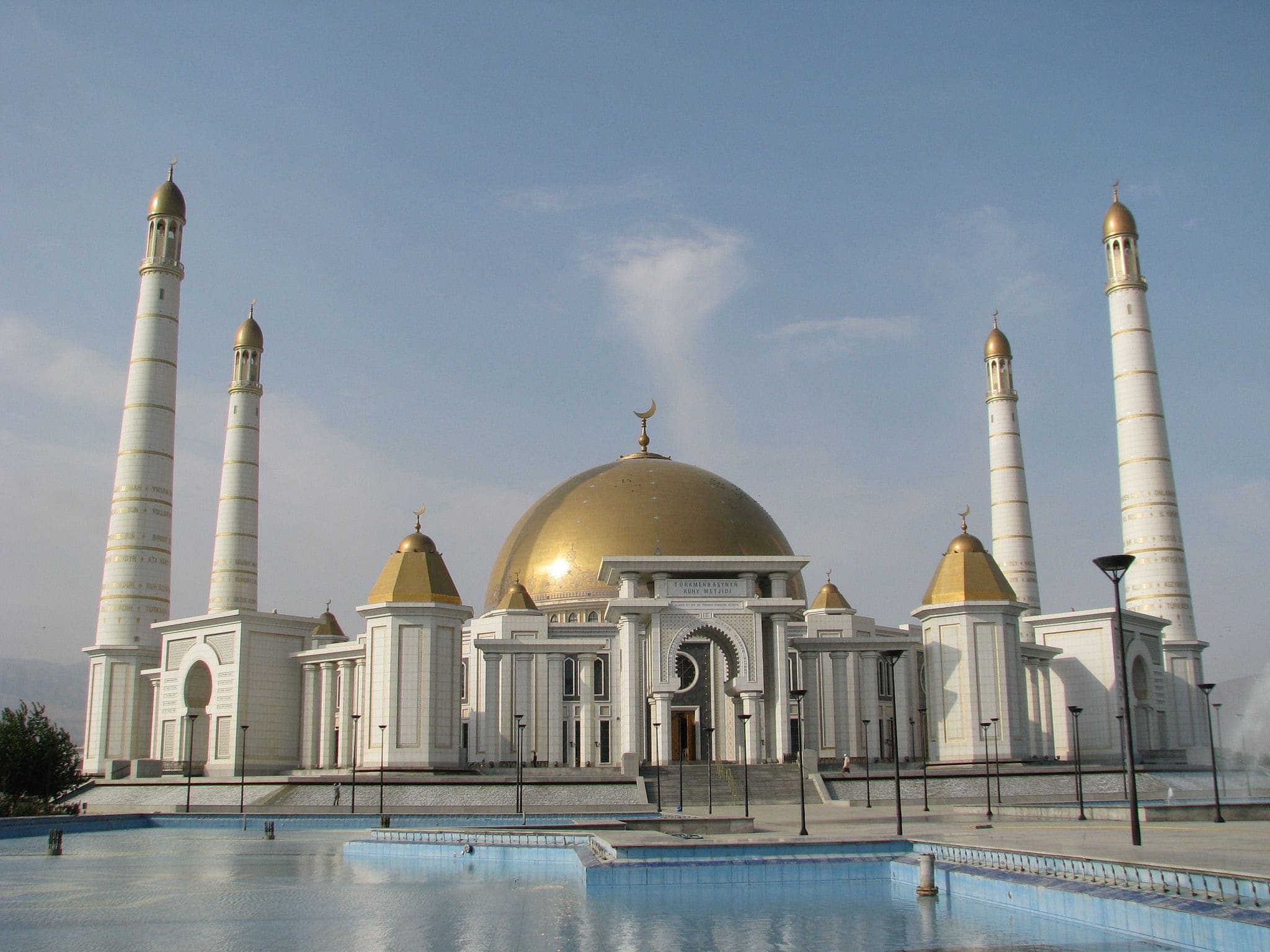
Turkmenistan opens through distance — white avenues, Parthian earthworks, oasis ruins and desert light.
Ashgabat sets the capital frame; Nisa brings Parthian depth just outside the city; Mary and Ancient Merv widen the journey into oasis ruins and Seljuk brick; the north can turn toward Kunya-Urgench. Documents, season and route order must be settled before the road begins — that calm is part of the product.
Clear entry logic, realistic desert and oasis pacing, and a sequence that never rushes the ruins.
Clients seeking a rarer Central Asia chapter — and agencies that need paperwork and pacing handled with the same care as the monuments.
Route logic
Read the country through anchors rather than a checklist: Ashgabat for arrival, Nisa for the Parthian turn, Mary and Ancient Merv for the oasis route, and Kunya-Urgench when the journey goes north.
Route rhythm
Entry rules, long roads, exposed ruins, and museum hours decide the shape of the route before the sightseeing list does.
Museums, monuments, broad avenues, and the Kopet Dag edge give the first sense of the country.
Route anchors
The map shows Ashgabat, Nisa, Mary, Ancient Merv, and Kunya-Urgench as the country route anchors; exact access, flights, roads, and site timing still need current checks.
Route ideas
Until a full tour set is published, begin with the shape of the journey: capital arrival, Nisa, Mary and Ancient Merv, Kunya-Urgench, and desert roads only when the season and access checks support them.
Tourist regions
Turkmenistan is easiest to plan through six travel regions: Ashgabat & Nisa, Mary & Ancient Merv, Dashoguz & Kunya-Urgench, Karakum & Darvaza, the Caspian west with Yangykala, and the Amu Darya east toward Koytendag when access is current.
Ashgabat & Nisa is Turkmenistan's capital start: marble avenues, museum rooms, carpet craft, and a short road to Parthian earthworks below the Kopet-Dag foothills.
ViewMary & Ancient Merv turns Turkmenistan toward the Murghab oasis: arrive in Mary, read the museum story, then leave enough time for Merv's open ruins.
ViewBalkan, Caspian & Yangykala opens Turkmenistan's western leg through Turkmenbashi, Awaza, Balkanabat, Yangykala Canyon, and heritage stops that need current local checks.
ViewDashoguz & Kunya-Urgench frames Turkmenistan's northern heritage route: Dashoguz access, old Khorezm's UNESCO monuments, and careful timing for exposed sites.
ViewKarakum & Darvaza turns Turkmenistan's desert crossing into a route decision: long road hours, Yerbent, the Darvaza crater area, and overnight plans that need current access and safety checks.
ViewLebap & Amu Darya East follows the Amu Darya to Turkmenabat and ancient Amul, then turns toward Koytendag only when roads, guides, season, and access are current.
ViewWhen to go
Heat, desert comfort, short daylight, and site access change the country quickly; the right season depends on how much open road the journey needs.
March to May is the easiest first window. April is usually the clearest month for Nisa, Merv, Kunya-Urgench, and desert roads; March can be cool, and late May already needs early starts and quieter midday hours.
June to August is difficult for classic touring. Keep plans compact, avoid long exposed visits, and treat any Caspian plan separately from inland desert travel.
October is the strongest autumn window: desert roads become easier, ruin sites lose some harsh heat, and long transfers feel less punishing. September still needs caution; November suits shorter cultural routes.
Winter can suit Ashgabat, Nisa, and selected main-road sites, but remote desert plans need flexibility. Cold nights and shorter daylight should shape the route.
Planning basics
Visa Invitation and entry checks Start with passport, dates, and invitation requirements. Turkmenistan entry rules can shape the route before the first hotel or road leg is settled.
Money Manat and cash Plan local cash in manat; card and ATM reliability can vary outside controlled city settings.
Safety Calm with structure Travel feels easier when heat, distance, rules, and guiding are handled clearly. The goal is not speed, but a measured route you can enjoy.
Transport Flights, roads, and permits Domestic flights can shorten the map; desert and northern sections need the right vehicle, current access checks, and timing built around light and heat.
Routes in detail
Use these notes to brief clients on transfers and overnight logic in Turkmenistan.
For a first programme, 7–10 nights usually holds: keep the classic spine readable, then add one extension only if the season and group pace allow it. Use “Marble capital, oasis ruins, and desert roads” as the brief for what the country actually sells.
Plan long road or rail legs as part of the product, not leftovers between hotels. Evening or overnight moves, buffer mornings, and one clear anchor per day keep Turkmenistan sellable for agencies.
Split the trip into readable chapters: heritage days, then one nature or foothill pause, then return to the main city line. Clients remember clarity more than packing every highlight into one week.
On request
We shape documents, season, and route order into a calm journey before the road begins.