
TourLink
About
Namangan belongs on a Valley route when the journey turns north with intention.
Flowers are the easiest way into Namangan, especially around Babur Park, green streets, and the festival season. The city reads better when that first color is followed by one calm heritage stop and a clear onward choice toward Chust, Andijan, or Akhsikent.
After the central Valley towns, Namangan feels greener and more open: park paths, flower color in season, and roads that can continue to Chust craft, Andijan, or Akhsikent outside the city.
Agencies and travellers who need Namangan as a readable stop — strong places, honest pacing, and logistics that hold.
How Namangan fits
Flowers are the easiest way into Namangan, especially around Babur Park, green streets, and the festival season. The city reads better when that first color is followed by one calm heritage stop and a clear onward choice toward Chust, Andijan, or Akhsikent.
Route shape
After the central Valley towns, Namangan feels greener and more open: park paths, flower color in season, and roads that can continue to Chust craft, Andijan, or Akhsikent outside the city.
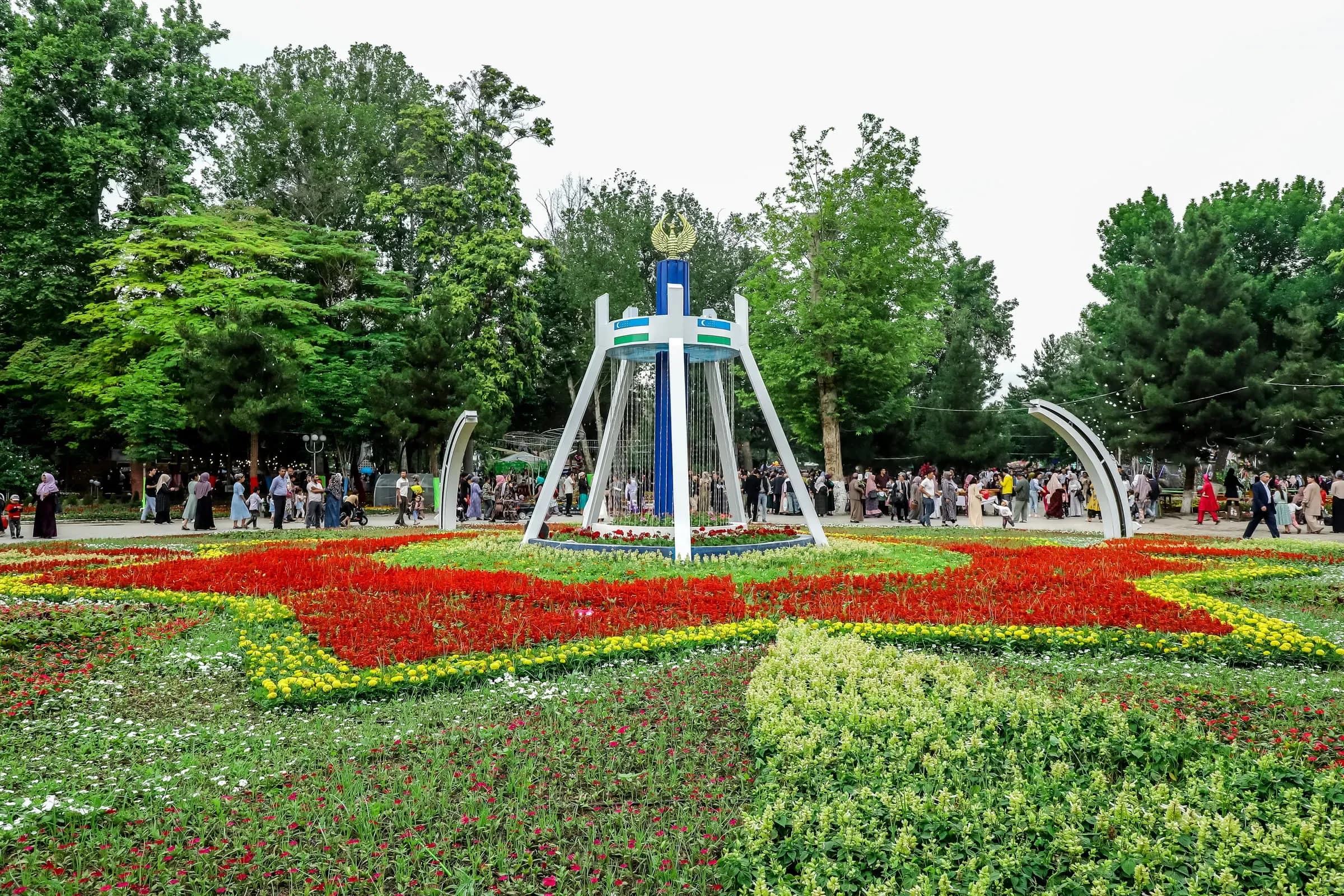
Flower beds, shade, families, rides, and park paths make Namangan's city-of-flowers identity visible before the route moves into older or quieter stops.
City point
The map marks Namangan at city level. Babur Park entrances, Mullah-Kyrgyz, mausoleum stops, festival areas, and road extensions can change by date, prayer rhythm, traffic, and local access.
What to see
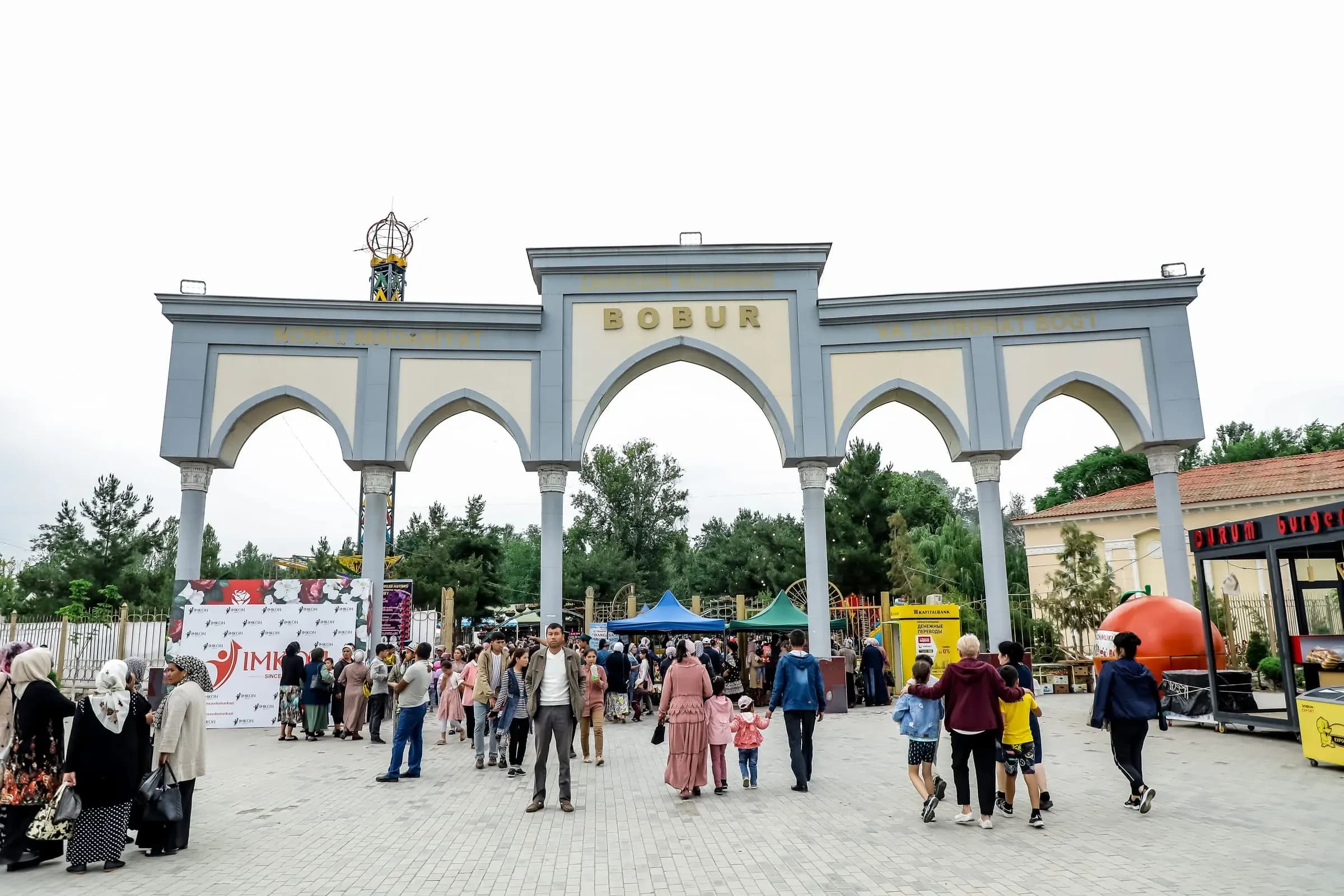
Babur Park is the clearest first city anchor. Mullah-Kyrgyz, Namangani, Khoja Amin Kabri, Mavlon-Buva, and family-leisure stops belong only when the day's hours, setting, and visit etiquette are clear.
In Babur Park, Namangan's flower-city idea becomes visible at walking pace: planted beds, shaded paths, families under trees, and rides that give the stop an ordinary city rhythm. During Flower Festival season, the same setting can become brighter and busier; outside those dates,
Open placeCity moments
These city moments keep Namangan focused: flowers and park life, a selective heritage walk, and a northern road that can reach Akhsikent without making it feel like a city-center stop.
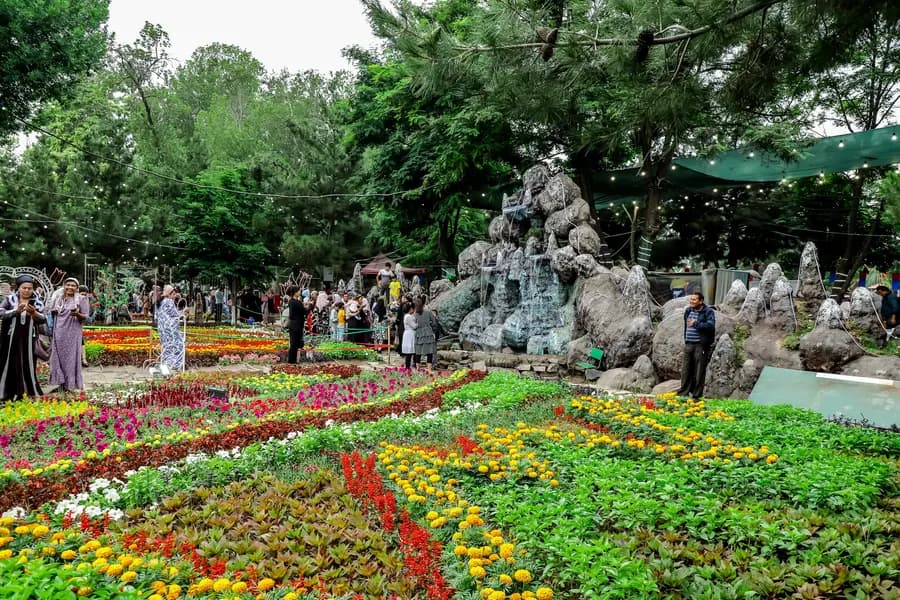
In Babur Park, flower beds, shaded paths, families, and rides make Namangan's flower-city identity visible before you return to the Valley road.
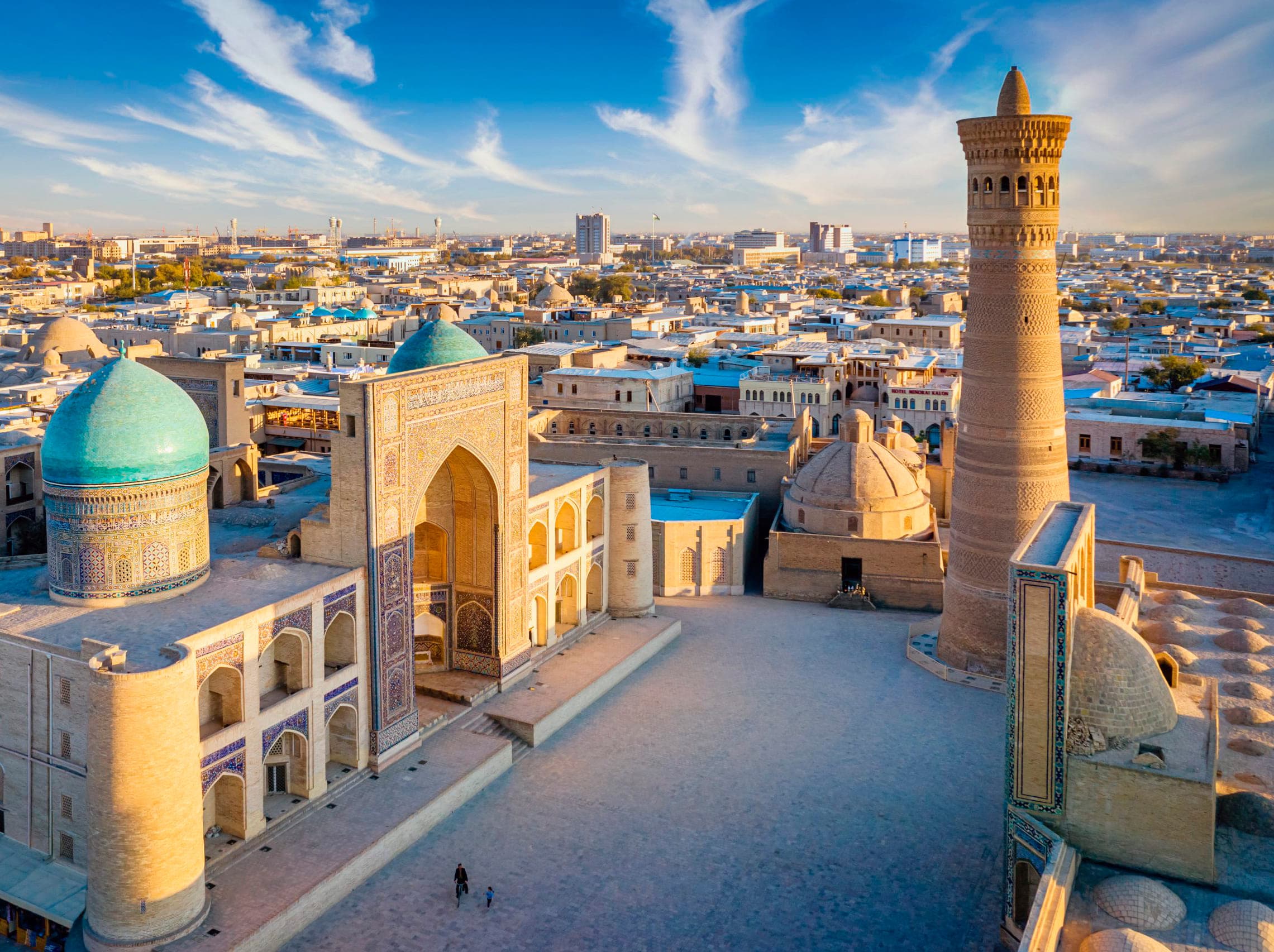
Mullah-Kyrgyz Madrasah gives the city an older architectural note when the visit stays brief, respectful, and suited to that day.
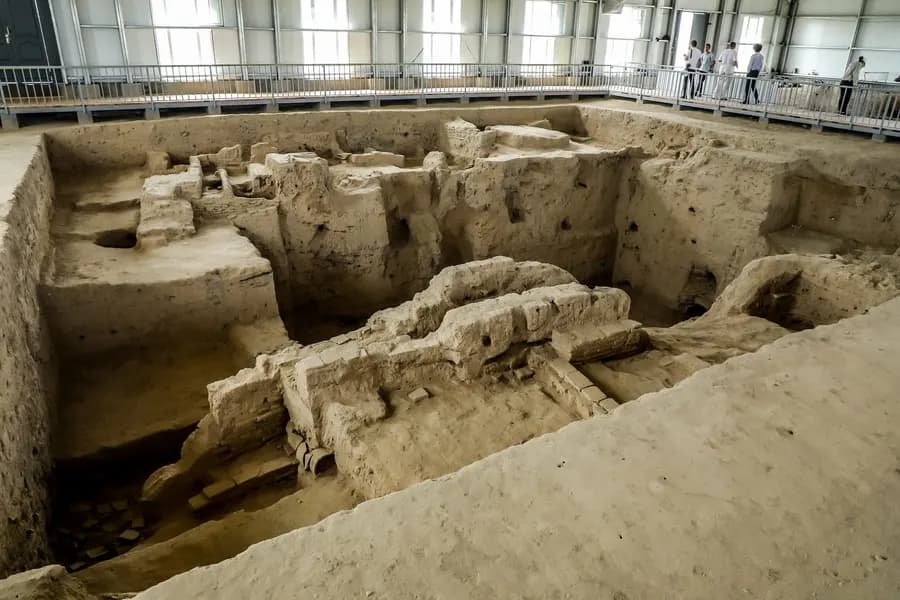
Akhsikent sits outside the city, so it belongs as a deliberate archaeological extension: ancient Fergana context after Namangan, not a city-center sight.
Before you go
Namangan reads best when the plan stays simple: flowers and park life first, one heritage pause, then a road choice that explains why the route came north.
Babur Park gives Namangan a visible first note: color, shade, families, rides, and an ordinary city rhythm around the park.
Namangan feels clearest when Babur Park gives the first color and the next road explains why the journey came north.
Mullah-Kyrgyz and mausoleum stops can add depth when they are open and appropriate for the day; one clear architectural pause is stronger than a long list.
Namangan is easier to read when the next move is clear: Chust, Andijan, Akhsikent, or a return through the central Valley.
Choose Namangan for a focused northern Valley stop: Babur Park, seasonal flower color, one quiet heritage note, and a clear road onward.
At a glance Route role
Northern Fergana Valley city for flowers, park life, heritage context, and onward road choices.
First stop
Babur Park is the clearest first anchor for Namangan's flower-city identity.
Season
The flower festival is date-sensitive; park greenery keeps the theme useful outside festival weeks.
Next road
Chust, Andijan, Akhsikent, or the central Valley shape the next move after Namangan.
Nearby route choices
Namangan pairs most naturally with Chust. Andijan, Fergana, and Kokand help decide whether the route turns east, returns through the central Valley, or crosses the main craft and palace towns.
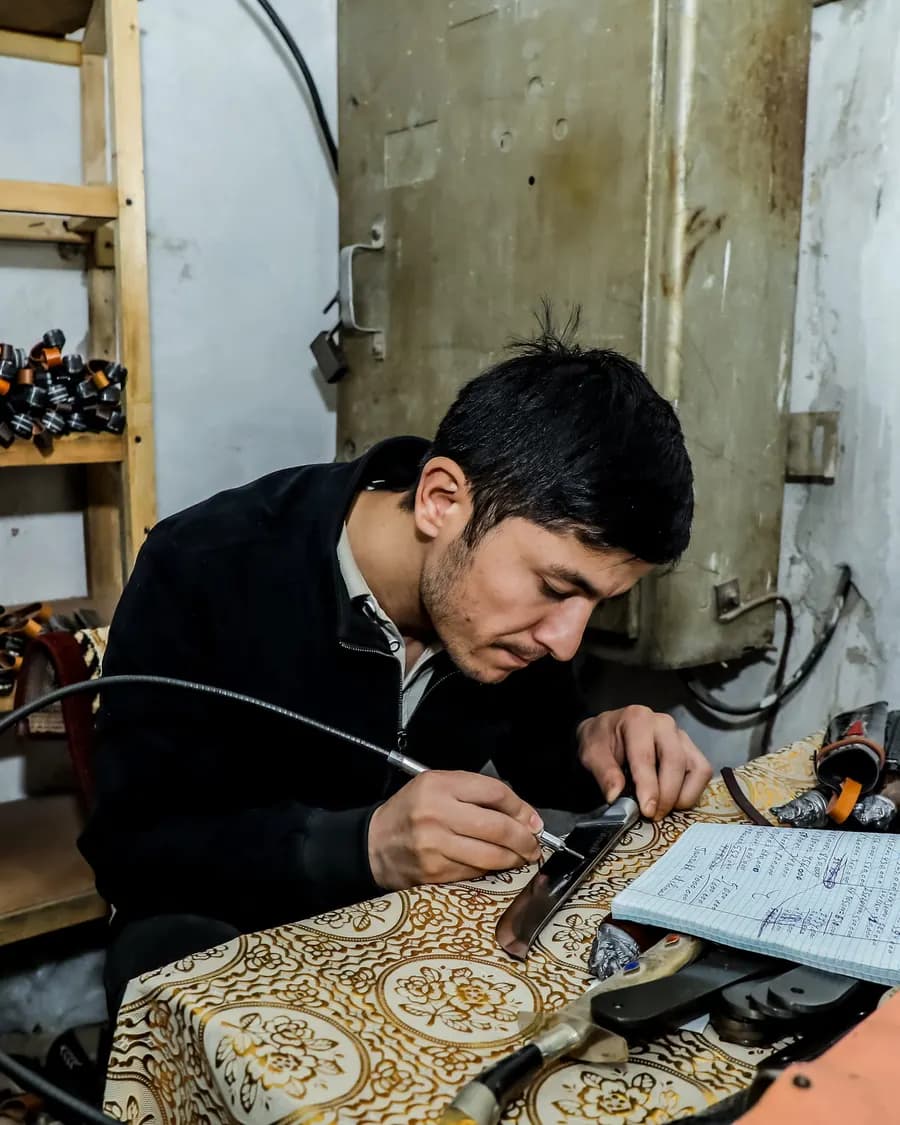
Chust adds a careful craft stop to the northern Fergana Valley: pichoq knives, doʻppi embroidery, and a Namangan-side route that makes sense only when real workshop access is checked.
View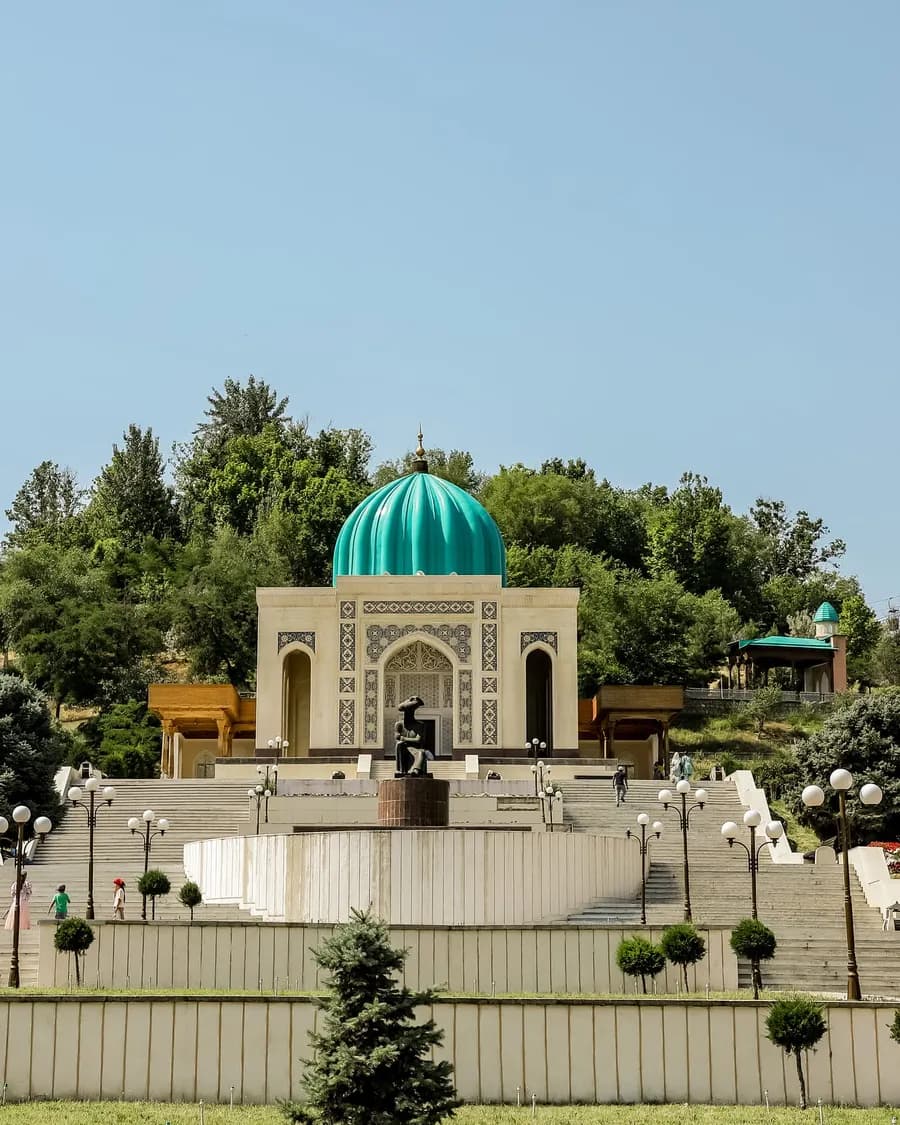
Andijan gives the Fergana Valley route an eastern cultural stop: Babur Memorial Park, Jomeh when access is clear, museum time, city food and street life, and onward choices toward Namangan or the wider valley.
ViewFergana gives the Valley route a useful urban interval: Regional Museum context, tree-lined streets, park or market time, and roads toward Margilan, Rishtan, Kokand, Andijan, or Chust.
View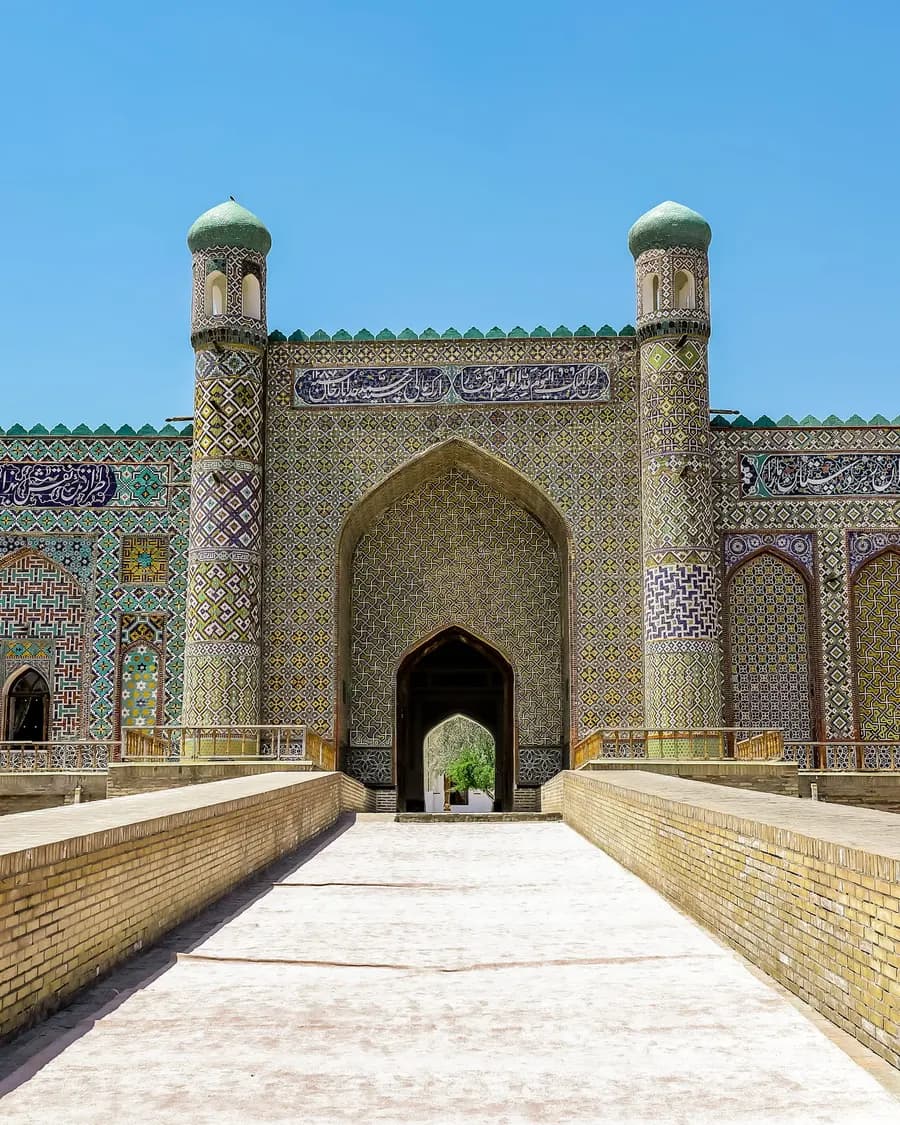
Kokand brings palace history into the Fergana Valley route before the day continues toward Margilan silk and Rishtan ceramics.
ViewCity in detail
Walking time, overnight location, and when day trips make sense.
2–3 nights is usually enough when the old core or main anchors get a full walking window. City tone: “Flowers, park life, and northern Valley roads”.
Start with the compact city walk first. Day trips only after the centre has settled — otherwise the stop feels like a transfer with monuments attached.
Stay close enough for an evening return on foot or a short transfer. That keeps tea, dinner, and a second pass through the lanes easy without burning the next morning.
On request
We help agencies set a realistic pace and choose the right next move — without rushing the places that matter.