
TourLink
About
The Palace gives Astana's Independence Square a pyramid you can read from the pavement: stone, glass, and a stained-glass crown over a building made for congresses and performance.
The Palace matters because its shape is immediate and its purpose is unusual: a modern landmark built to host religious dialogue, cultural events, education, and national representation.
Keep this stop clear on the map and in the day plan — A pyramid built for congresses and ceremony.
Agencies and travellers who need Palace of Peace and Reconciliation as a readable stop — honest timing and a clear place on the route.
On the map
One clear point for Palace of Peace and Reconciliation — A pyramid built for congresses and ceremony.
Place
The map pin marks this attraction so the stop stays readable in the day plan.
Why this place
The Palace matters because its shape is immediate and its purpose is unusual: a modern landmark built to host religious dialogue, cultural events, education, and national representation. «The pyramid is most useful when its clean shape leads you into the question it was built to hold: how a new capital uses architecture to host dialogue.»
What you'll see
Begin outside with the pyramid's geometry, then, if guided access is open, follow the interior toward the atrium, performance hall, assembly spaces, and stained-glass apex.
How to visit
The Palace can still make sense as an exterior architecture stop, but the interior depends on current tours, tickets, event closures, security, and language availability.
What to add nearby
Add the National Museum for historical context, Hazret Sultan Mosque for a respectful religious visit, or Baiterek when the route returns to Astana's modern city axis.
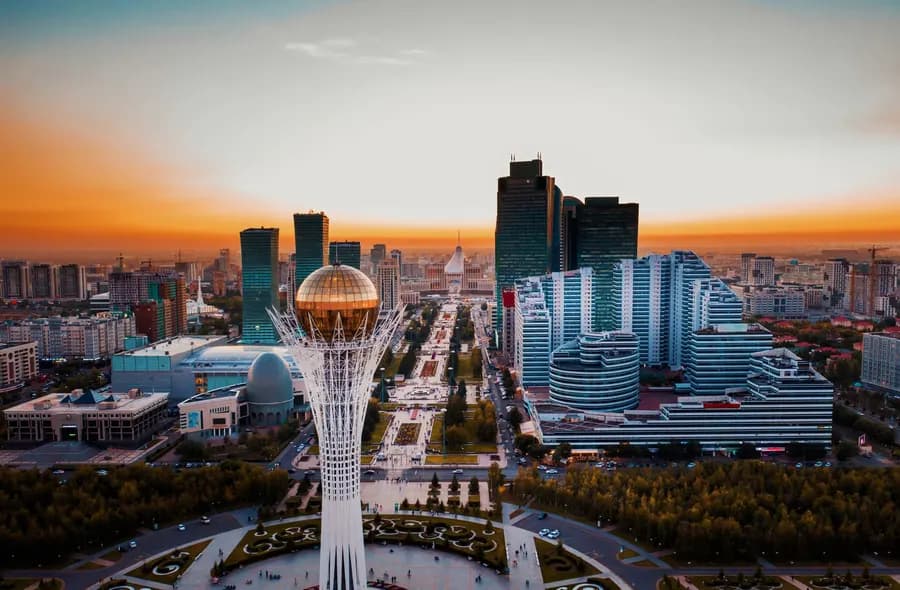
Baiterek anchors Astana's Left Bank: a symbolic tower, broad boulevard, open sky, and a first viewpoint over the modern capital.
View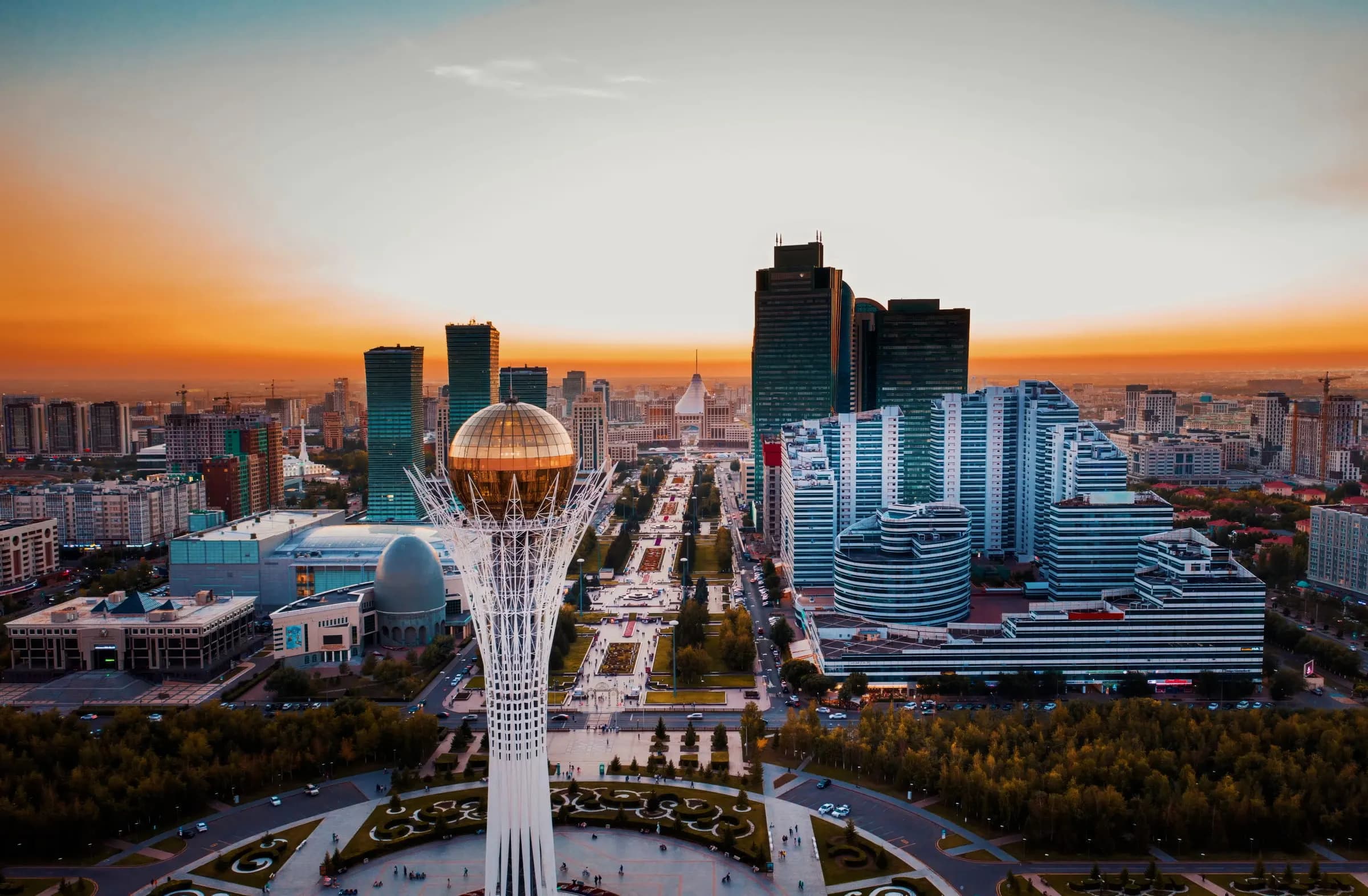
On Astana's Independence Square, the National Museum brings the country's ancient history, Gold Hall, ethnography, contemporary art, and independence story into one focused museum visit.
ViewHazret Sultan Mosque brings a living religious pause to Astana's Independence Square, with a shanyrak-inspired dome, four 77-meter minarets, Kazakh ornament, and mosque etiquette to keep in mind.
ViewPlace in detail
Timing, best hours, and how this stop fits neighbouring pins.
45–90 minutes is a practical range for most groups. Keep the stop readable: one clear arrival, one clear exit. Place tone: “A pyramid built for congresses and ceremony”.
Prefer before the midday heat. That usually improves comfort, photos, and how the stop feels in the sequence around astana.
Treat it as one clear pin on the map: arrive intentionally, avoid sandwiching it between two rushed monuments, and keep the next move short enough that the group still has energy.
On request
We help agencies place this stop with realistic timing — without rushing the places that matter.