
TourLink
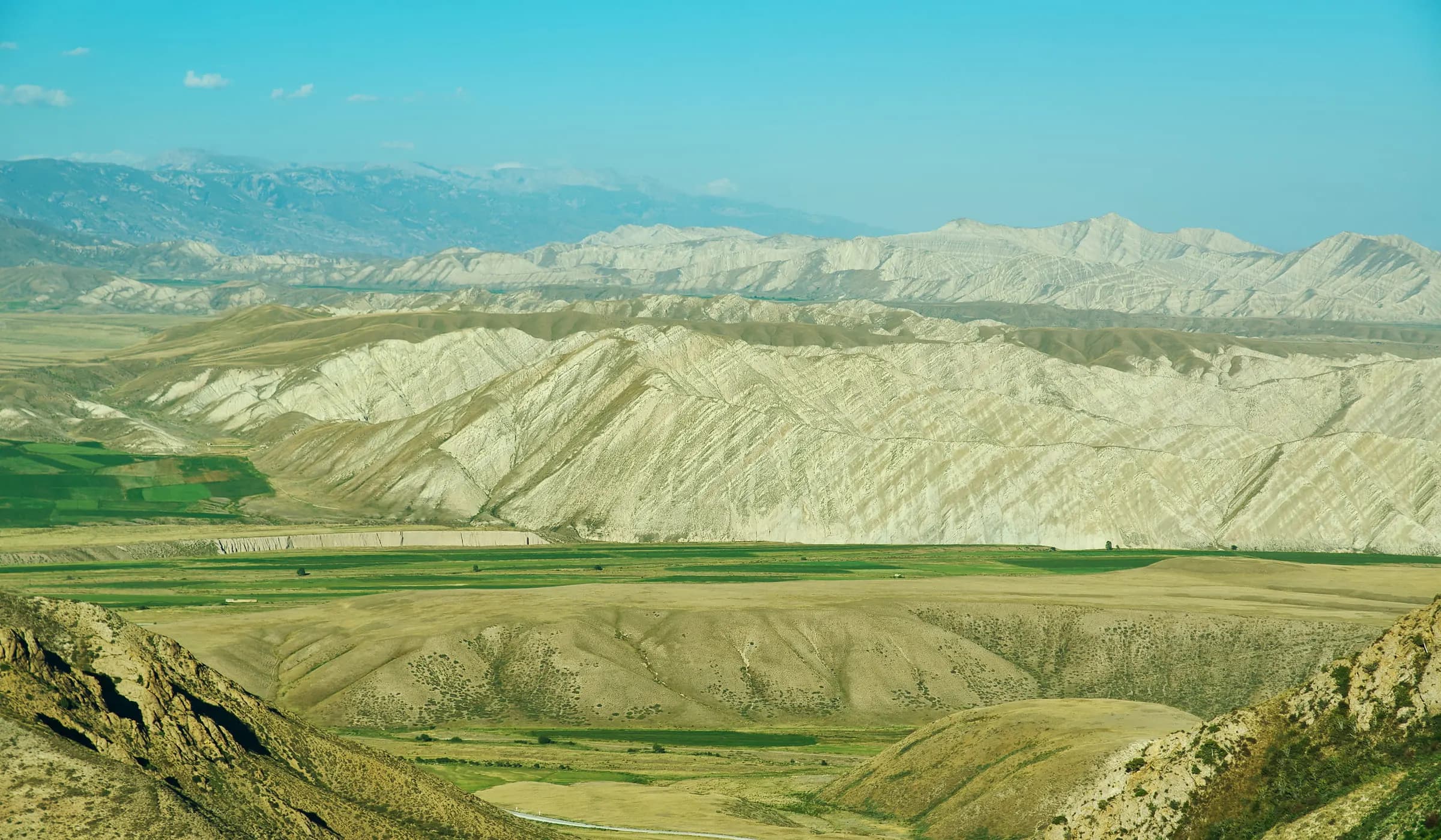
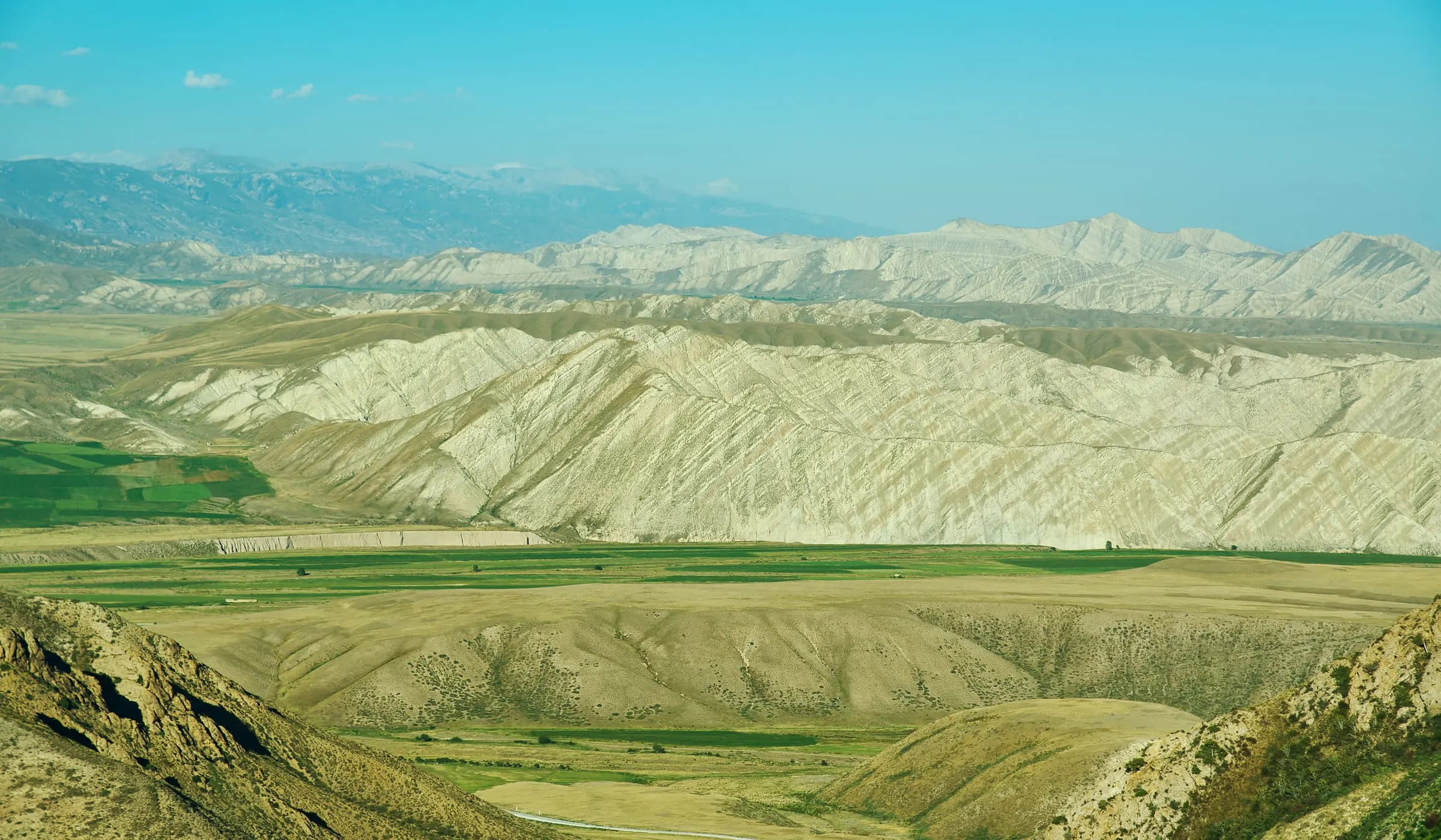
Walnut-forest villages, protected lake country, and the western road
About
Jalal-Abad & Arslanbob is the greener western turn of a Kyrgyzstan route.
Read the region through three decisions: where to enter the western road, how much time to give Arslanbob, and whether Sary-Chelek fits the season and access conditions.
This region works better with fewer anchors. Road condition, village time, protected-area rules, and the distance back toward Osh, Bishkek, or Issyk-Kul decide the shape.
Agencies and travellers who need Jalal-Abad & Arslanbob as a readable stop — strong places, honest pacing, and logistics that hold.
Getting around
Read the region through three decisions: where to enter the western road, how much time to give Arslanbob, and whether Sary-Chelek fits the season and access conditions.
What to decide
This region works better with fewer anchors. Road condition, village time, protected-area rules, and the distance back toward Osh, Bishkek, or Issyk-Kul decide the shape.
Use the regional city for arrivals, supplies, and road splits toward Arslanbob or Sary-Chelek. The official city name has changed, but travelers may still meet both names.
Route anchors
The map keeps the three main anchors visible. Toktogul, Bazar-Korgon, Suzak, and wider Fergana-edge stops remain supporting route context.
Region character
Jalal-Abad & Arslanbob changes the feel of a Kyrgyzstan journey. The trip becomes warmer, greener, more village-led, and more dependent on road rhythm than on a long checklist. «The west works best when it slows the route down: a city name to read carefully, a village to walk through, and protected lake country that asks for restraint.»
Region areas
The region reads through the practical city, Arslanbob's village-and-forest rhythm, and Sary-Chelek's protected lake country. Supporting places such as Toktogul, Bazar-Korgon, and Suzak stay in route context until they have stronger source and access checks.
Jalal-Abad / Manas is where the western Kyrgyzstan map starts to feel practical. Roads from Osh, Bishkek, and the Ferghana edge meet here before travelers choose Arslanbob's walnut forest, Sary-Chelek's protected lake country, or the longer road north. Most journeys do not need a
Open place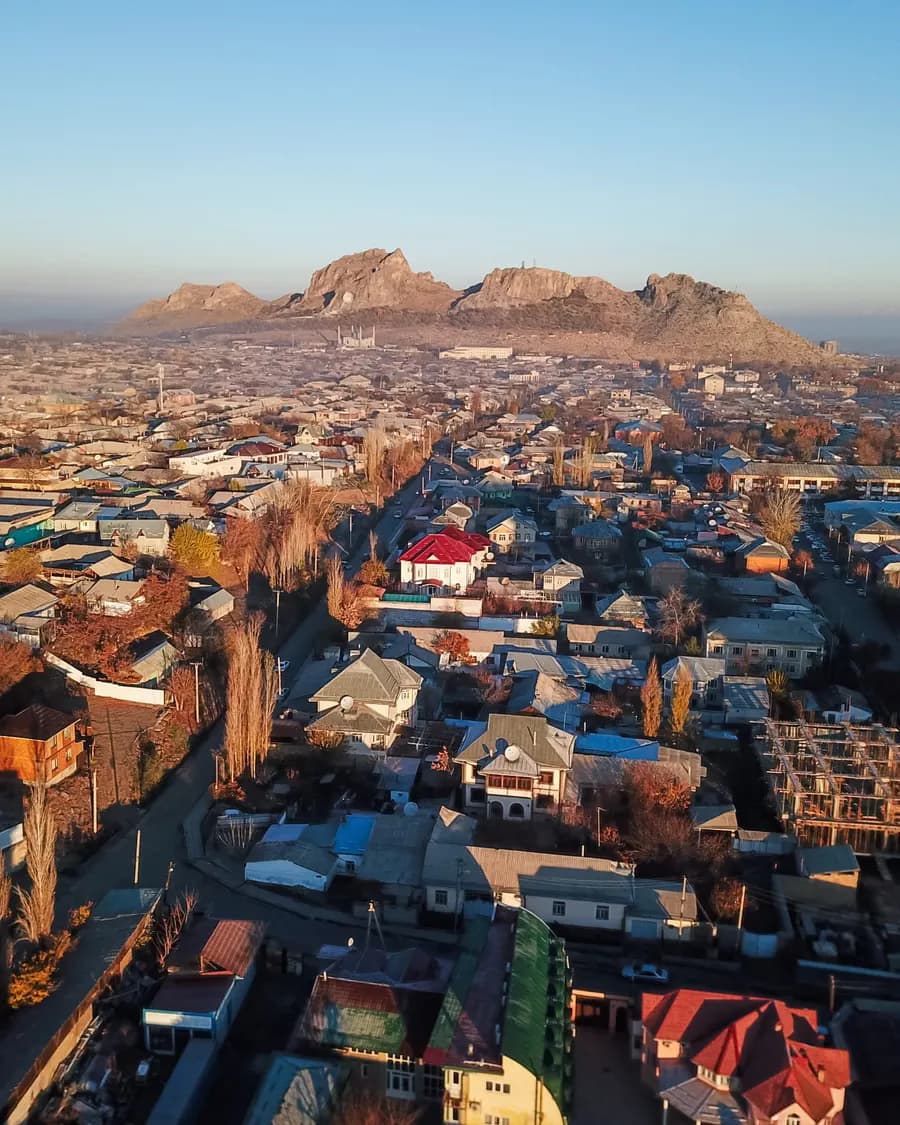
Arslanbob changes the southern road from transit into village time. Begin with the walnut forest, let the waterfall walk depend on weather and path conditions, and add meals, host time, or local support only when arrangements are confirmed.
Open place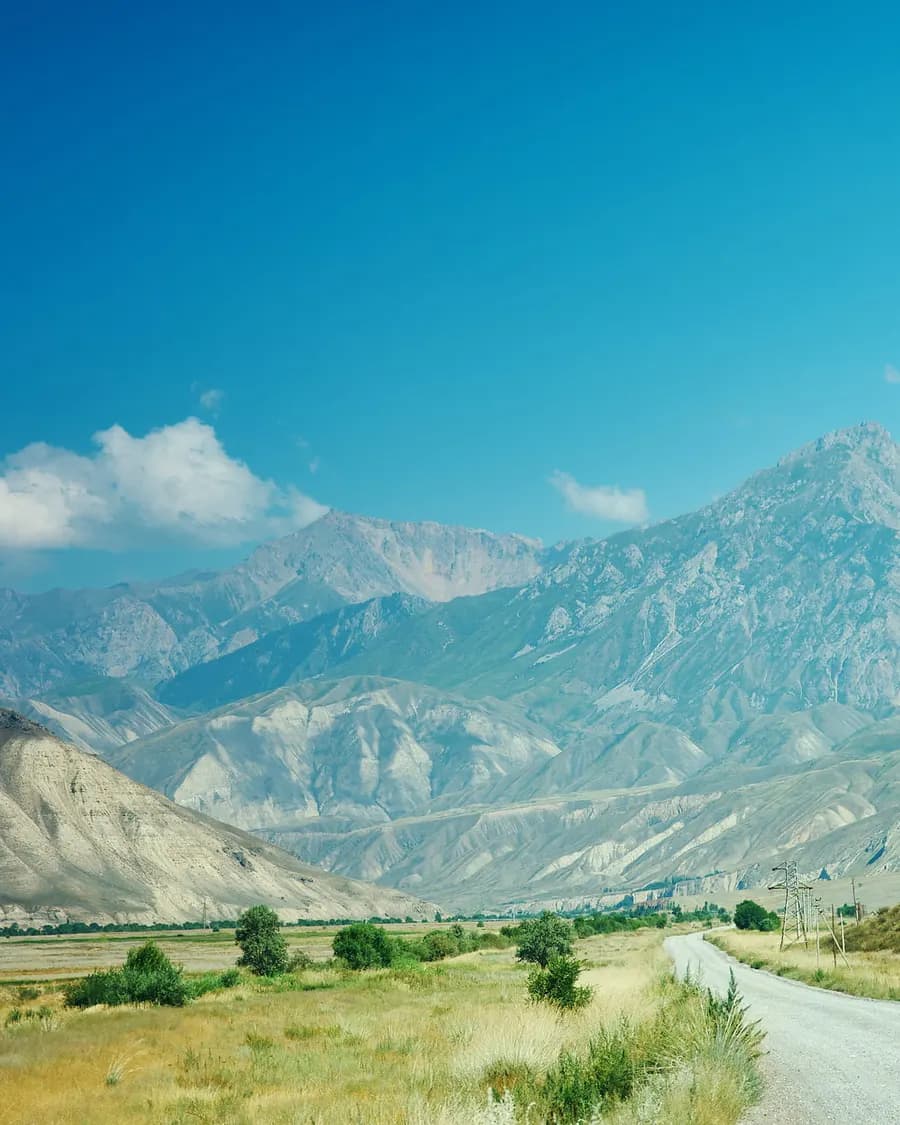
Sary-Chelek changes the western Kyrgyzstan route from village roads and walnut-forest travel into a protected mountain-lake basin. The reward is deep water under forested slopes; the condition is patience. Our team treats the lake as a current access decision, so the visit stays
Open placeWhat to see
Arslanbob's walnut forest, the village waterfalls, and Sary-Chelek Lake are the first natural anchors to watch here. Keep them as route context until each stop has current source, map, and access checks.
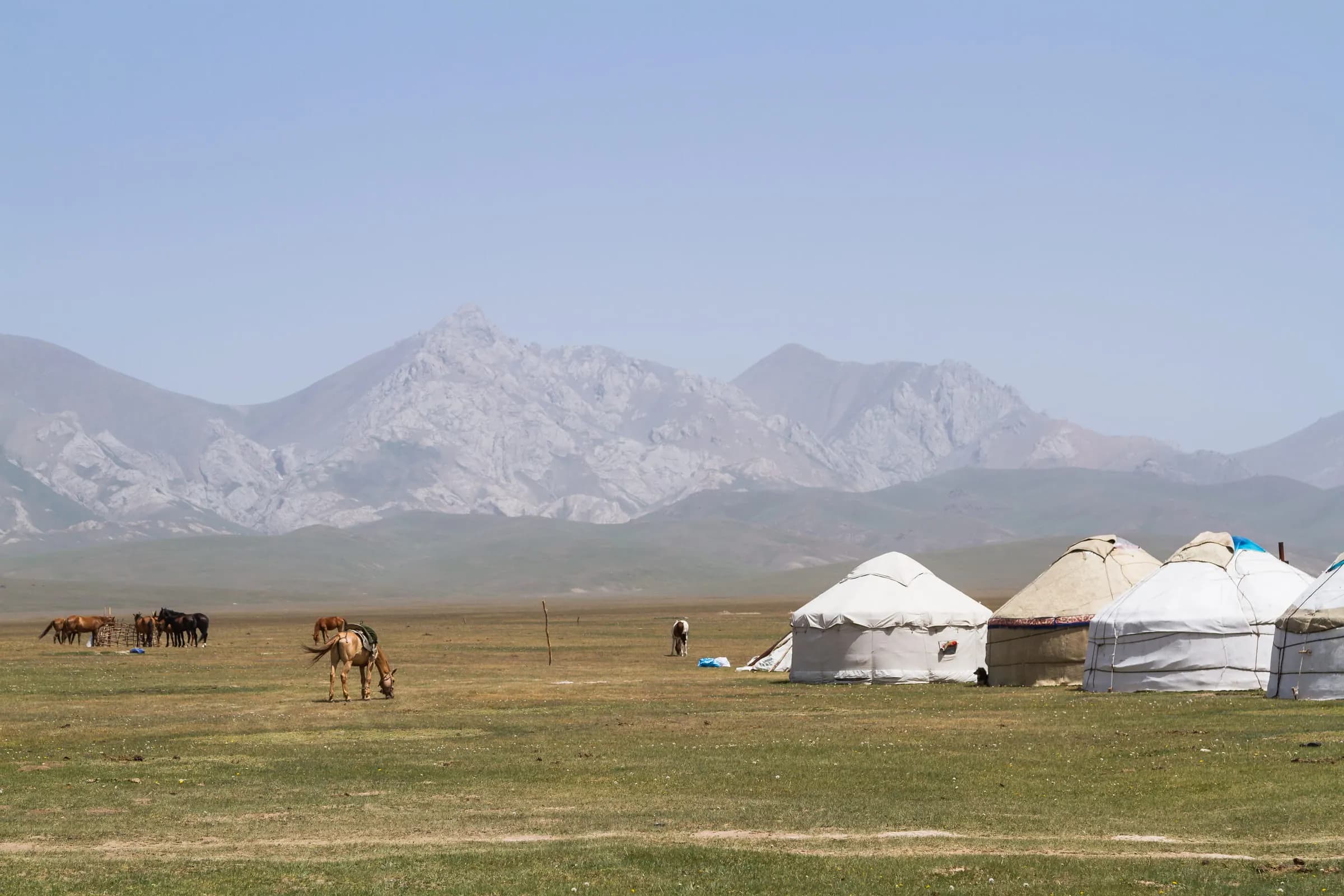
Sary-Chelek Lake sits inside a protected mountain basin where deep water, forest, and ridges change the rhythm of the western road. It is not a quick scenic detour: the lake asks for current access checks, a slower pace, and respect for the rules that keep the landscape intact.
Open placeThe walnut forest begins just above the houses: shade, water channels, and footpaths move the visit from the road into the valley. Waterfall walks sit nearby, but weather, season, and local guidance decide how far the route should go.
Open placeSmall Arslanbob Waterfall keeps the water within village scale. Consider it when the walnut forest, footpaths, and local advice point toward a gentler Arslanbob outing instead of the longer walk to Big Waterfall.
Open placeBig Arslanbob Waterfall pulls the village visit out of walnut shade and toward steeper ground. The walk still begins with Arslanbob itself: paths, water, weather, and local advice decide whether the higher cascade belongs in the route.
Open placeRegion in detail
Pace, season, and how this region connects to the next stop.
3–5 days usually works if you keep one strong core and treat outer stops as deliberate choices. The region brief is “Walnut-forest villages, protected lake country, and the western road”.
Use neighbouring cities as clean handovers: arrive with a calm first night, leave after one completed chapter, and avoid stacking two long transfers on the same day.
Heat, altitude, road condition, and opening hours change the product more than the brochure list. Build the region around what stays comfortable for the group that week.
On request
We help agencies set a realistic pace and choose the right extensions — without rushing the places that matter.