TourLink
About
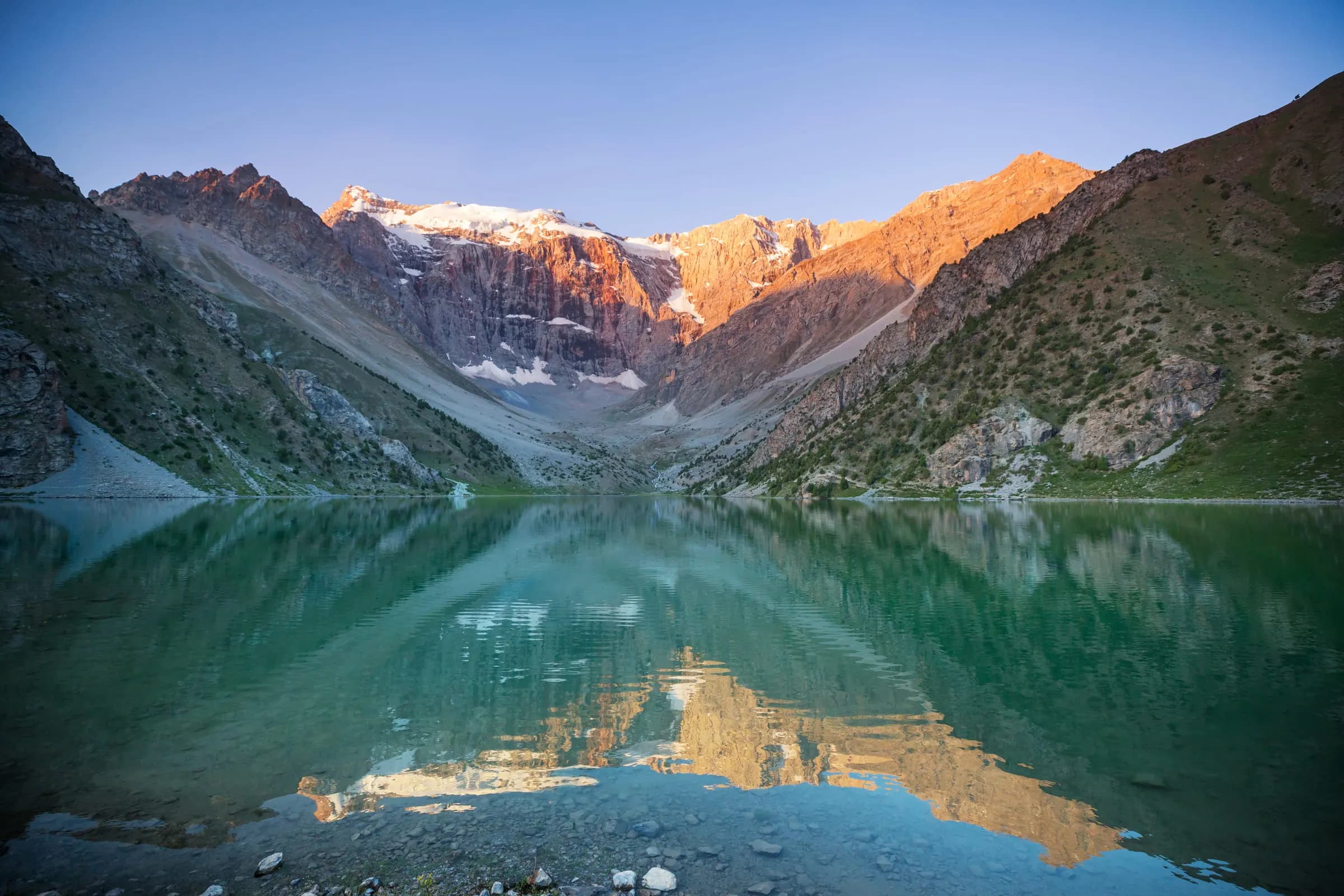
West of Tajikistan’s main route, Zeravshan opens with the walls of Ancient Penjikent, the early settlement horizon of Sarazm, and the river road toward the Fann Mountains.
Read the region from valley to high country: Penjikent and Sarazm explain the Zeravshan route, then one mountain continuation - Iskanderkul, Seven Lakes, Artuch, or Alovaddin - gives the journey its pace when road and season fit.
Agencies and travellers who need Fann Mountains & Zeravshan as a readable stop — strong places, honest pacing, and logistics that hold.
Getting around
Read the region from valley to high country: Penjikent and Sarazm explain the Zeravshan route, then one mountain continuation - Iskanderkul, Seven Lakes, Artuch, or Alovaddin - gives the journey its pace when road and season fit.
What to decide
The town holds Ancient Penjikent, Sarazm, museum time, market life, and the first valley stop.
Map anchors
The map keeps Penjikent, Ancient Penjikent, Sarazm, and the first lake roads separate, so the region reads as a route choice rather than a transport schedule.
Region character
The region becomes clear when Penjikent and Sarazm set the historical start, then the lakes and high roads slow the journey instead of turning every place into a quick detour.
Region areas
Start with Penjikent when the route needs a city anchor. Iskanderkul and Seven Lakes sit beside it as lake-area choices, not as Penjikent-owned sights.
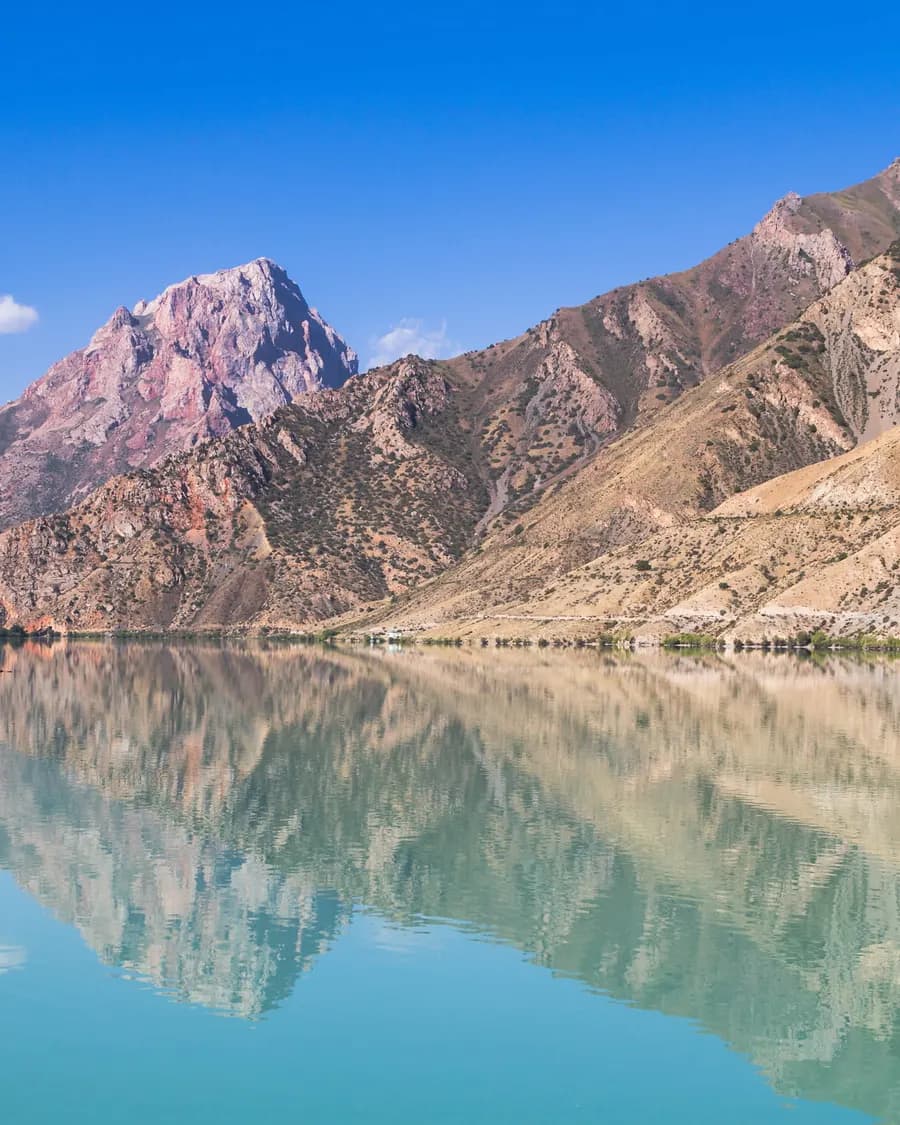
Penjikent sits where the Zeravshan Valley changes from border road to mountain approach. Ancient walls above town, Sarazm nearby, a small museum, and a working market make the city a useful start before the Fann lake roads.
Open placeWhat to see
Ancient Penjikent, Sarazm, and the Rudaki Museum give the region its Sogdian and local-history start; after them, the route can turn toward Iskanderkul, Seven Lakes, or other Fann Mountain choices.
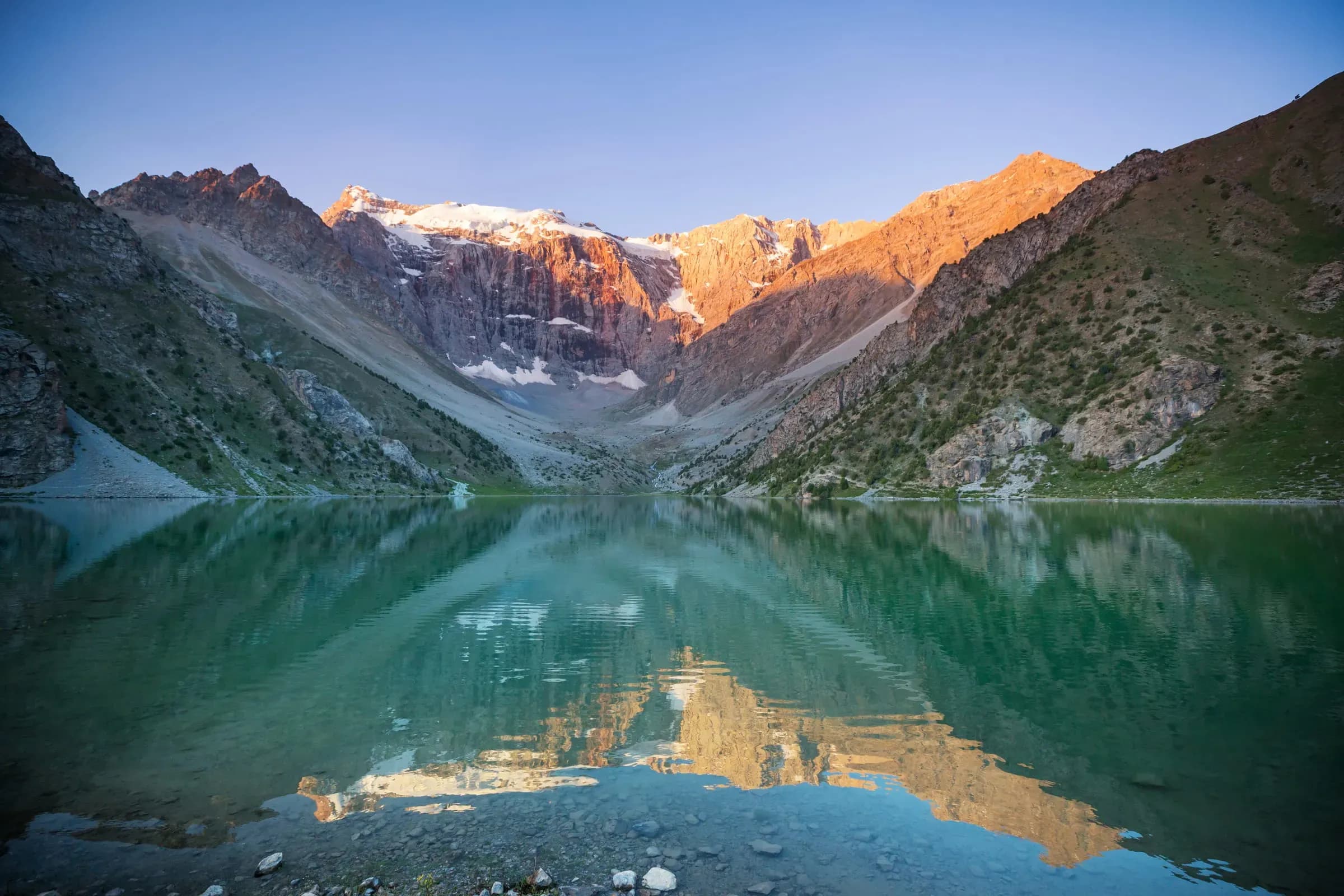
Near Penjikent, Sarazm takes the Zeravshan story back to the 4th and 3rd millennia BCE. The site is quiet at first glance; with the chronology in mind, its protected remains become early houses, work areas, metalworking, and exchange across Central Asia.
Open placeAncient Penjikent sits above the modern town, with the Zeravshan Valley below and the mountain roads beyond. Walk it slowly: the low walls, palace and temple traces, and open view need time and explanation.
Open placeInside the town, the museum gives names and objects to the archaeology outside. Rudaki's literary memory, local history rooms, and excavated material make Penjikent feel less like separate sites and more like a place with its own memory.
Open placeRegion in detail
Pace, season, and how this region connects to the next stop.
2–4 days usually works if you keep one strong core and treat outer stops as deliberate choices. The region brief is “Sogdian valley history, lake roads, and Fann Mountain air”.
Use neighbouring cities as clean handovers: arrive with a calm first night, leave after one completed chapter, and avoid stacking two long transfers on the same day.
Heat, altitude, road condition, and opening hours change the product more than the brochure list. Build the region around what stays comfortable for the group that week.
On request
We help agencies set a realistic pace and choose the right extensions — without rushing the places that matter.