
TourLink
About
Penjikent sits where the Zeravshan Valley changes from border road to mountain approach.
Read Penjikent in a simple sequence: Ancient Penjikent for the Sogdian ridge, Sarazm for the older settlement story, the museum and market for the town today, then one onward road that fits the season.
Penjikent works best when the valley has time before the mountain drive; the city stop should clarify the route, not compress it.
Agencies and travellers who need Penjikent as a readable stop — strong places, honest pacing, and logistics that hold.
Getting around
Read Penjikent in a simple sequence: Ancient Penjikent for the Sogdian ridge, Sarazm for the older settlement story, the museum and market for the town today, then one onward road that fits the season.
Town sequence
Penjikent works best when the valley has time before the mountain drive; the city stop should clarify the route, not compress it.
Ancient Penjikent shows why the Zeravshan Valley mattered before modern borders shaped the route.
Route setting
Penjikent, Ancient Penjikent, Sarazm, and the Rudaki Museum stay in the valley. Seven Lakes and Iskanderkul are separate mountain choices after the city stop.
What to see
Start with the three cultural anchors that explain the city: Ancient Penjikent above town, UNESCO Sarazm nearby, and the Rudaki Museum with local history and excavated finds.
Ancient Penjikent sits above the modern town, with the Zeravshan Valley below and the mountain roads beyond. Walk it slowly: the low walls, palace and temple traces, and open view need time and explanation.
Open placeNear Penjikent, Sarazm takes the Zeravshan story back to the 4th and 3rd millennia BCE. The site is quiet at first glance; with the chronology in mind, its protected remains become early houses, work areas, metalworking, and exchange across Central Asia.
Open placeInside the town, the museum gives names and objects to the archaeology outside. Rudaki's literary memory, local history rooms, and excavated material make Penjikent feel less like separate sites and more like a place with its own memory.
Open placeCity moments
Penjikent is not only a transfer point. The city comes into focus through a ridge view, museum rooms, market sound, and the choice of which mountain road should come next.
A short museum stop brings Rudaki memory, local finds, and the town’s present life into the same visit.
Sarazm reaches farther back than the Silk Road story, giving the mountain route an older settlement horizon near Penjikent.
On the ridge, broken walls and valley dust make the modern town feel close to its Sogdian past.
Before you go
The city earns its time when archaeology, town life, and mountain-road decisions are kept separate enough to make sense.
Ancient Penjikent and Sarazm make most sense near the beginning. They explain the valley before the route turns toward water, villages, and passes.
Penjikent works best when old Zeravshan history has time before the first mountain road.
The Rudaki Museum and market streets stop the city from becoming only ruins and dates. They bring local memory, daily movement, and a human scale into the route.
Seven Lakes and Iskanderkul pull the route in different directions. Treat one as the next clear move unless there is enough time and current road information for more.
Let Penjikent clarify the valley first, then continue with one mountain direction that fits the season and pace.
At a glance Stay
One night is enough for Ancient Penjikent, Sarazm, the museum, and a town walk; a second night helps if the route continues toward Seven Lakes or Iskanderkul.
Main reason
Ancient Penjikent and Sarazm give the town a deeper role than a road stop between Samarkand and the mountains.
Route role
Penjikent links the Zeravshan Valley with Tajikistan's first mountain-road choices.
Season and pace
Valley visits are simpler than lake roads; weather, daylight, and road condition decide how far to continue.
Where to continue
After Penjikent, the journey can return to Dushanbe for museums and valley roads, or continue much farther toward Khorog and the Pamirs.
Seven Lakes, or Haftkul, carries the route above Penjikent into the Shing Valley: colour-changing water, village-road pauses, and a higher climb that depends on road, weather, vehicle, and daylight.
View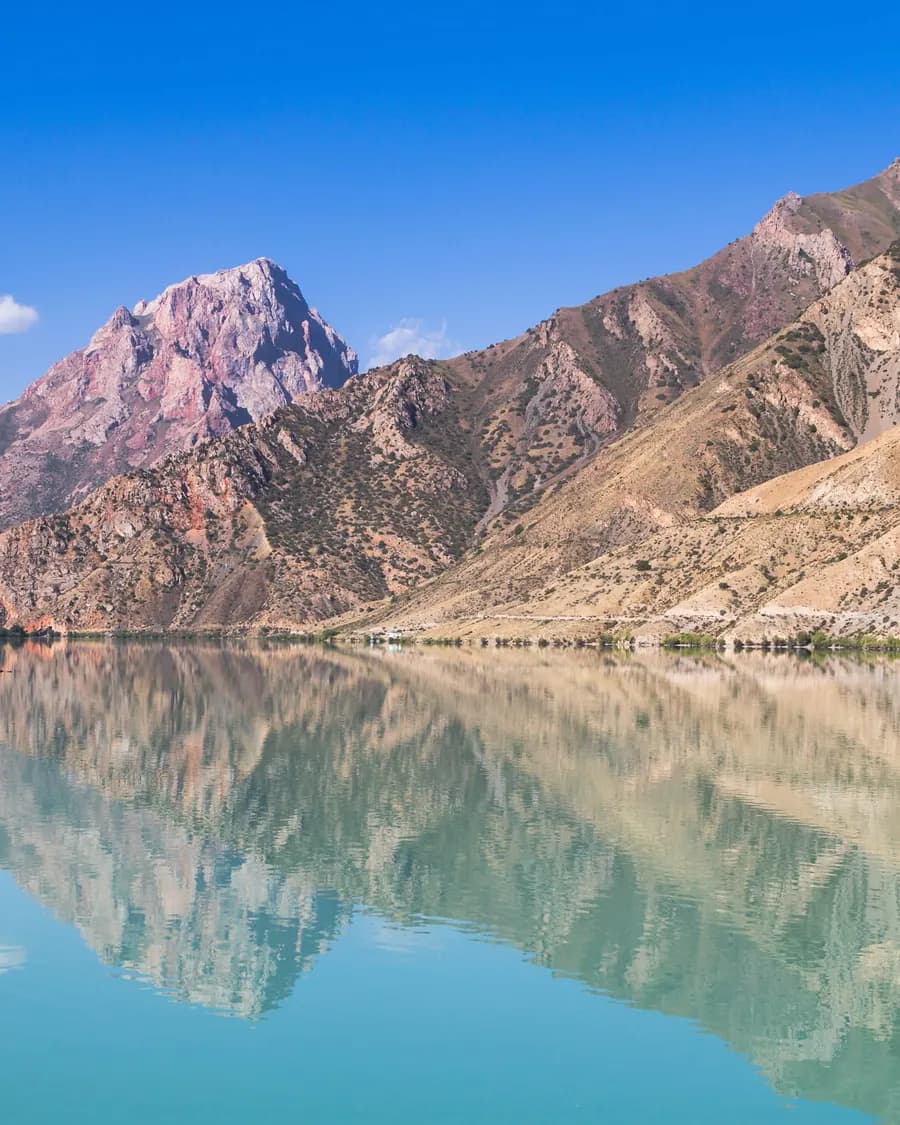
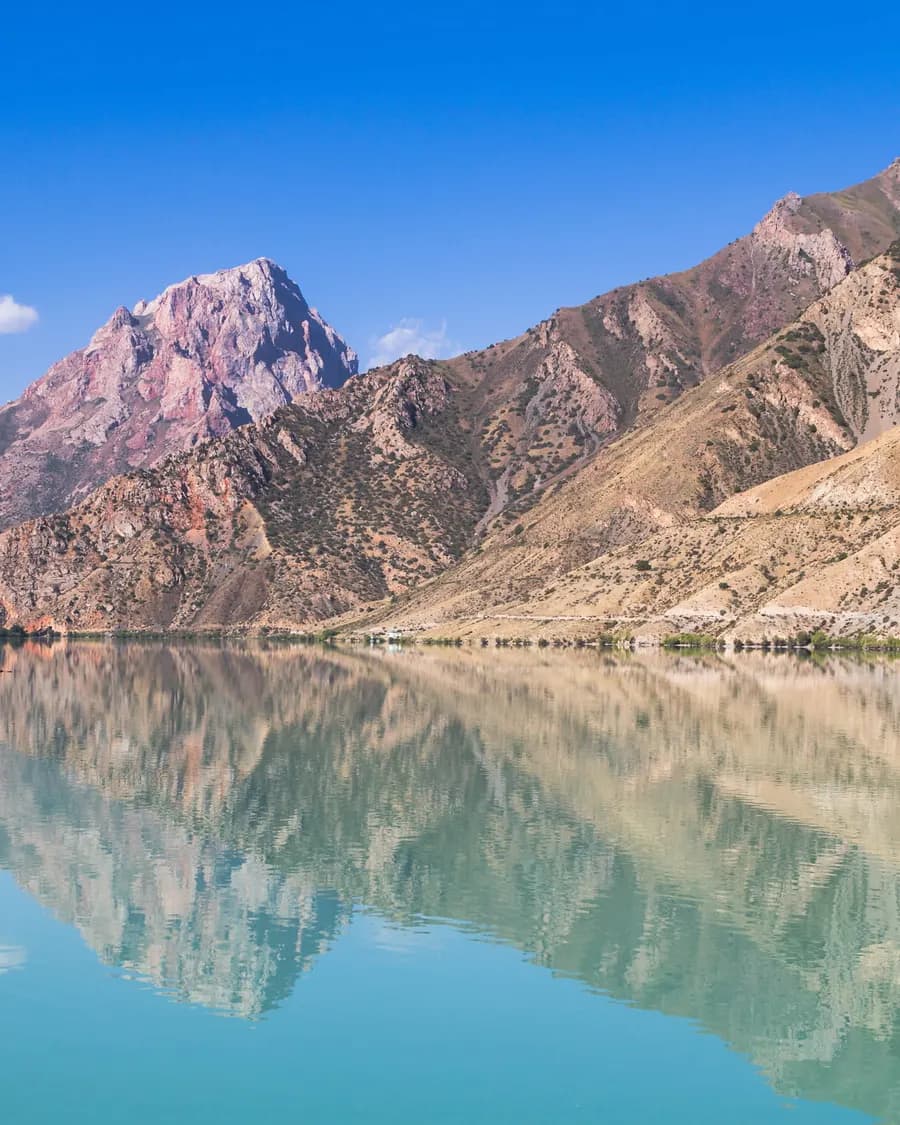
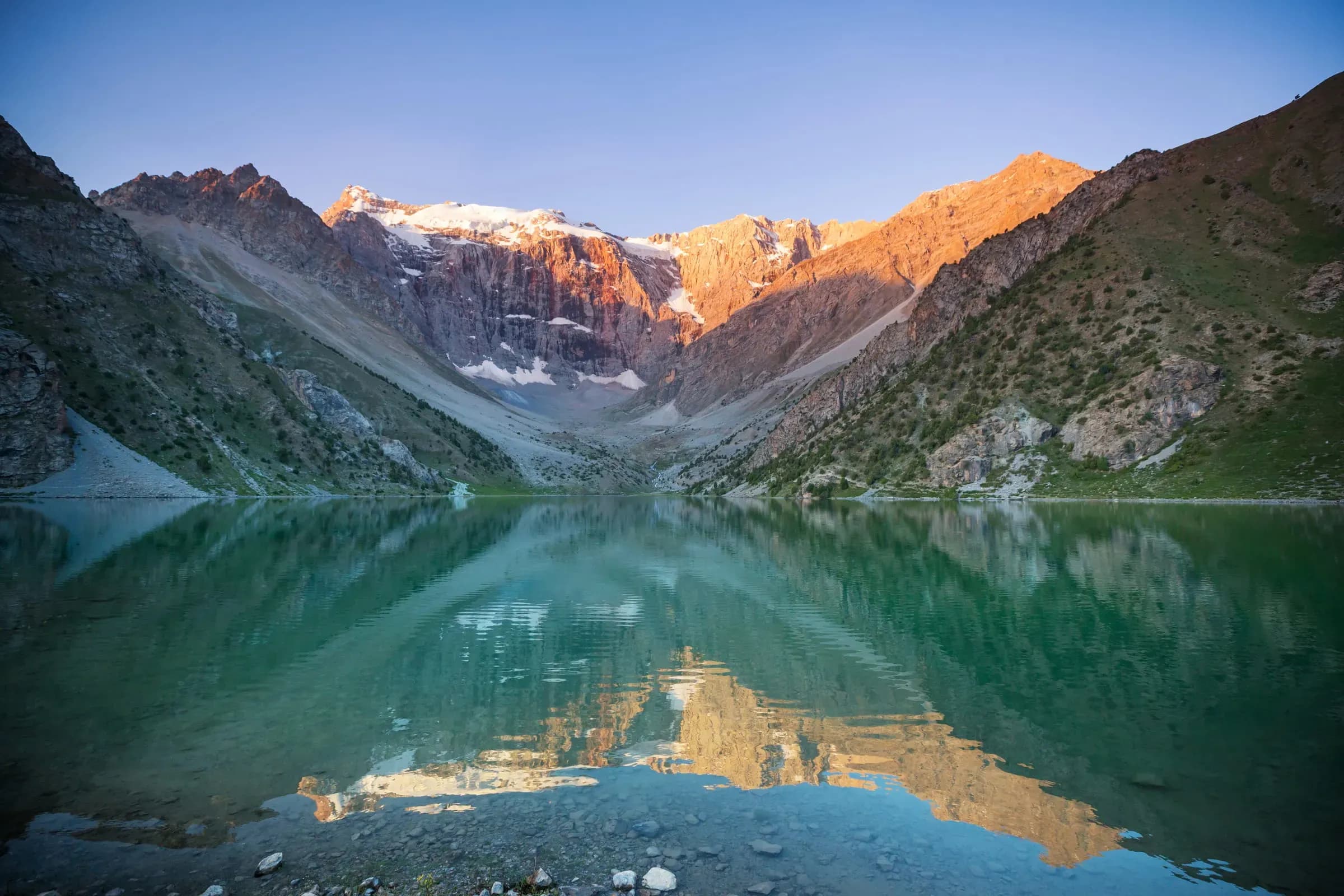
Iskanderkul is the lake-area pause in the Fann Mountains: turquoise water, red-grey slopes, a waterfall side walk, and road checks before the route climbs farther.
ViewDushanbe is Tajikistan's calm arrival city: Rudaki Avenue shade, national museums, tea-house stops, and first choices toward Hissar, Varzob, or higher valleys.
ViewKhorog gives the Pamir route a riverside town stop: Botanical Garden paths, Panj and Gunt river air, GBAO checks, and onward choices toward Wakhan, Bartang, or Murghab.
ViewCity in detail
Walking time, overnight location, and when day trips make sense.
1–2 nights is usually enough when the old core or main anchors get a full walking window. City tone: “Sogdian ruins at the road to the Fann lakes”.
Start with the compact city walk first. Day trips only after the centre has settled — otherwise the stop feels like a transfer with monuments attached.
Stay close enough for an evening return on foot or a short transfer. That keeps tea, dinner, and a second pass through the lanes easy without burning the next morning.
On request
We help agencies set a realistic pace and choose the right next move — without rushing the places that matter.