
TourLink
About
Near Dorus-Saodat, Shakhrisabz narrows from Timurid scale to a single underground chamber.
This small chamber matters because it gives Shakhrisabz a factual pause.
Keep this stop clear on the map and in the day plan — The unused tomb chamber beside Dorus-Saodat.
Agencies and travellers who need Crypt of Amir Temur as a readable stop — honest timing and a clear place on the route.
On the map
One clear point for Crypt of Amir Temur — The unused tomb chamber beside Dorus-Saodat.
Place
The map pin marks this attraction so the stop stays readable in the day plan.
Why this place
This small chamber matters because it gives Shakhrisabz a factual pause. The crypt was discovered in the nineteenth century behind Dorus-Saodat and designed for a single burial, with a marble sarcophagus under a heavy slab. It was intended for Timur, but his burial story leads away from Shakhrisabz.
What you'll see
The crypt is compact. Its visible story is the descent, the chamber prepared for one burial, and the Dorus-Saodat setting that keeps it inside Shakhrisabz's family memorial context.
How to visit
If the chamber is open, treat it as a short memorial visit. The value is not a long explanation; it is the exact burial fact, the lower space, and the way the guide can connect it back to Dorus-Saodat.
What to add nearby
Pair it with Dorus-Saodat first. Dorut Tilovat and Ak-Saray show how the route moves from palace scale to religious courtyards, then into the quieter family-memory side.
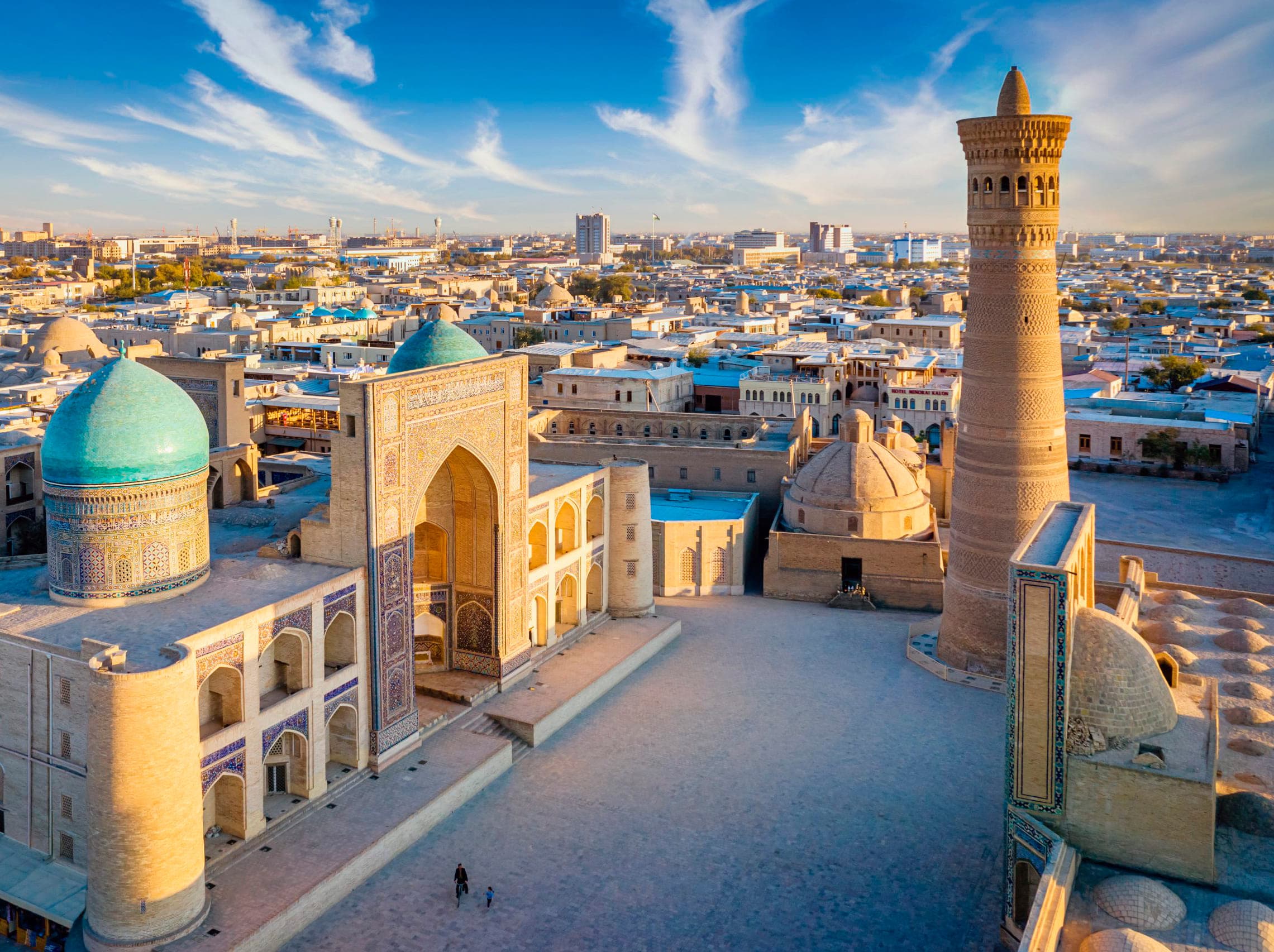
Dorus-Saodat Complex is the Timurid family memorial in Shakhrisabz, tied to Jahangir, Amir Timur's son, with surviving brickwork, a mosque setting, and the nearby crypt.
View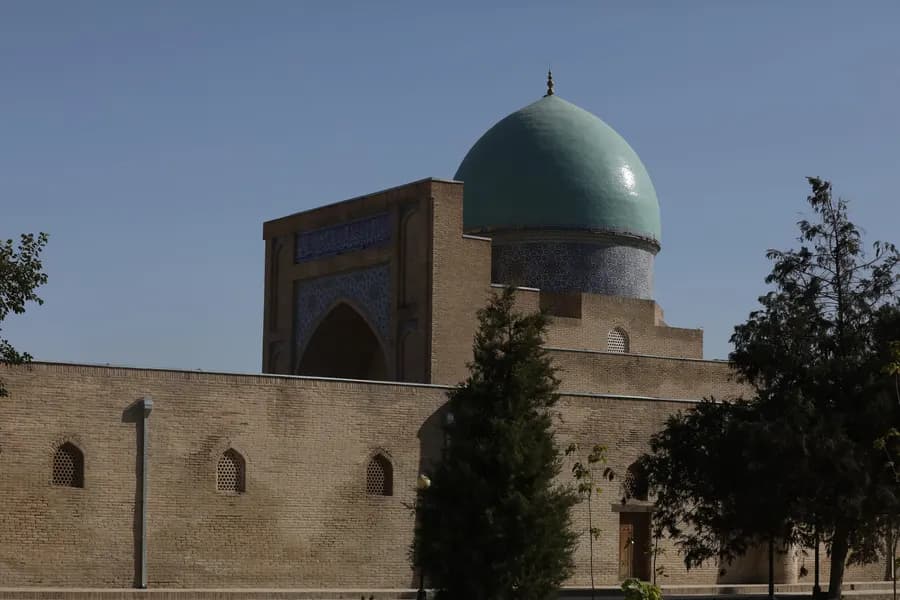
Dorut Tilovat carries the Shakhrisabz route from Ak-Saray into a religious courtyard ensemble, with mausoleums, Kok Gumbaz nearby, and a visit that needs calm attention.
View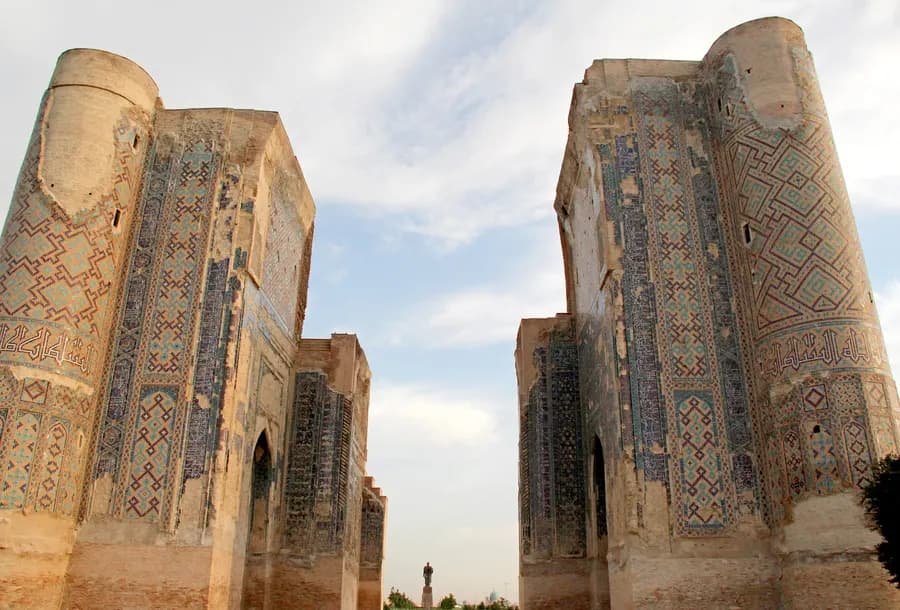
Ak-Saray Palace gives Shakhrisabz its first monument view: surviving portal walls, blue tilework, the open square, and the Timurid story that leads into Dorut Tilovat and Dorus-Saodat.
ViewPlace in detail
Timing, best hours, and how this stop fits neighbouring pins.
1–2 hours is a practical range for most groups. Leave time for walls, viewpoints, and the walk between courtyards. Place tone: “The unused tomb chamber beside Dorus-Saodat”.
Prefer when the light is soft and queues are lighter. That usually improves comfort, photos, and how the stop feels in the sequence around shakhrisabz.
Treat it as one clear pin on the map: arrive intentionally, avoid sandwiching it between two rushed monuments, and keep the next move short enough that the group still has energy.
On request
We help agencies place this stop with realistic timing — without rushing the places that matter.