
TourLink
About
Langar sits on the Khatirchi side of Navoi Region's tourism-village map.
Begin with the mahalla and move outward: a small village pause, open-road light, Chuya and Nurata close enough to shape the next choice, and Sentob as the stronger foothill-village model.
Langar is useful when the Khatirchi side needs a quiet rural pause, not when the route is simply collecting names on a map.
Agencies and travellers who need Langar as a readable stop — strong places, honest pacing, and logistics that hold.
Getting around
Begin with the mahalla and move outward: a small village pause, open-road light, Chuya and Nurata close enough to shape the next choice, and Sentob as the stronger foothill-village model.
Route line
Langar is useful when the Khatirchi side needs a quiet rural pause, not when the route is simply collecting names on a map.
The stop starts with village lanes, shade, and household scale before any outdoor option is added.
On the map
The point keeps Langar near Chuya, Nurata, and Sentob so the mahalla stays part of the Navoi village route.
What to see
Langar becomes clearer through three close anchors: the mahalla setting, the open Khatirchi-Nurata road context, and selective household or outdoor options.
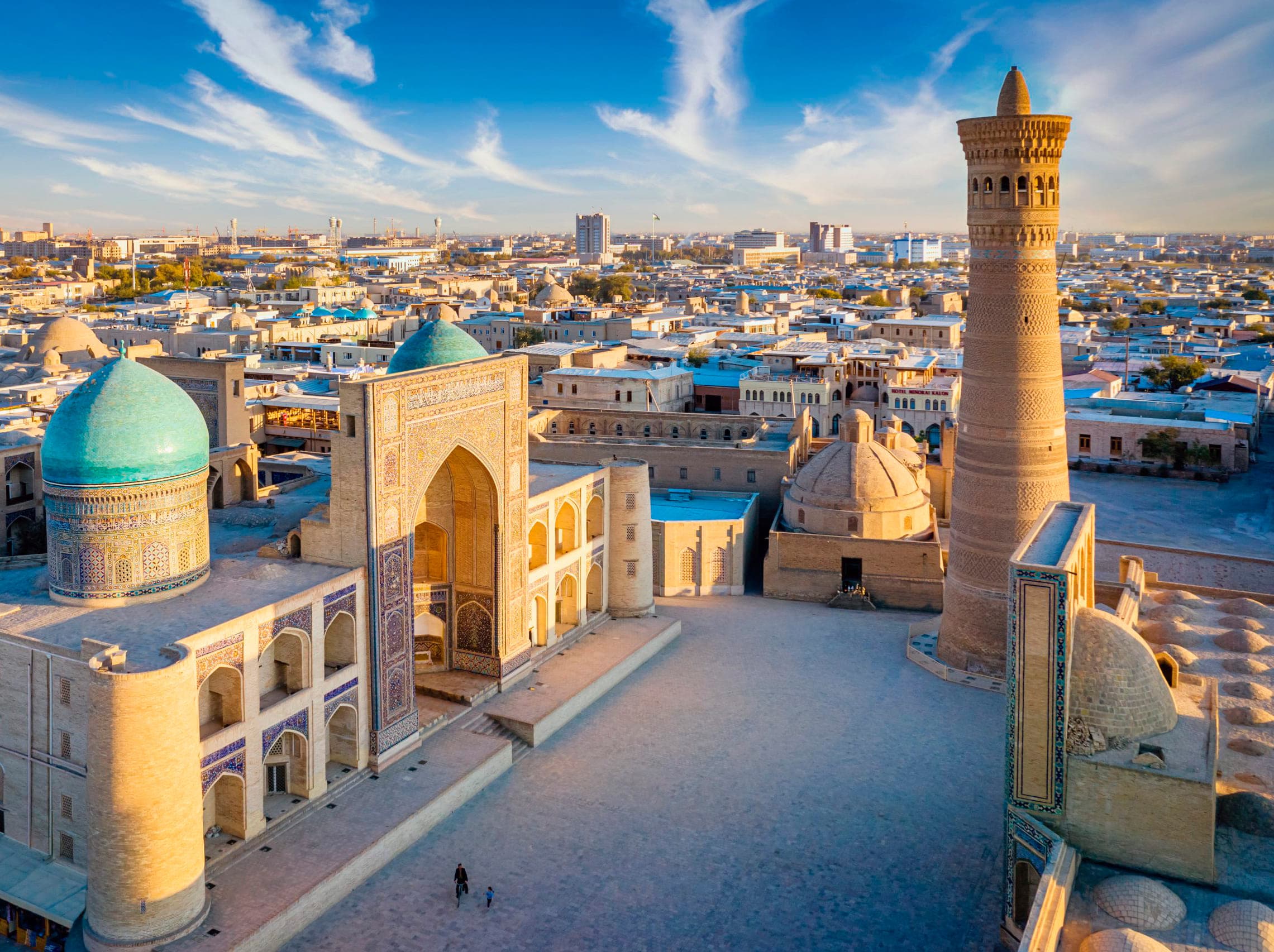
Start here: Langar is not a single monument, but the scale of a Khatirchi mahalla. A short walk, shade, and a household table can make the wider Navoi route feel closer.
Open placeThis is not a fixed trail or a named viewpoint. It is the road logic around Langar: the Khatirchi side, the Nurata direction, and the decision to let a small village pause belong between better-known Navoi stops.
Open placeThis side of Langar should stay modest. A simple table can make the mahalla personal, while camping, rest, and capsule-house ideas belong only as carefully chosen additions, not as the reason the village exists in the route.
Open placeVillage moments
The strongest Langar moments are modest: arriving by road, walking softly, sitting at a simple table, pausing in open light, choosing an outdoor option carefully, and continuing toward the Nurata-side villages.
Let the first minutes explain the scale: a small mahalla, open road, shade, and the next turn toward Nurata-side villages.
Keep the walk close to village life: lanes, public edges, a quiet pace, and space for daily routines to continue.
Tea, bread, or a small household table can give Langar its human center when the welcome is naturally part of the route.
Open land and softer light can turn Langar from a road point into a pause before Nurata, Chuya, Sentob, or Aydarkul.
Camping, rest, or capsule-house ideas should support the village pause only when a specific place feels clean, comfortable, and right for the route.
Langar can be a modest hinge between Khatirchi and Nurata-side villages, not a stop that has to carry the whole journey.
Before you go
Langar is valuable because it does not need to become a resort stop. It gives the Khatirchi side a modest village pause while Nurata, Aydarkul, Sentob, and Chuya remain the wider frame.
Langar should begin with what is close: lanes, shade, everyday rhythm, and a simple welcome if it belongs naturally in the route.
Langar is strongest when the route listens to the mahalla before asking the stop to do too much.
Camping, rest, or capsule-house options can support the visit only when they feel specific, comfortable, and connected to the mahalla rather than pasted onto it.
Let Langar soften the Khatirchi side of the road, then continue toward Nurata, Chuya, Sentob, Aydarkul, or the wider Kyzylkum edge.
Choose Langar when the Navoi route needs a quiet village-scale pause, not another heavy attraction.
Before you go Status
Langar is listed as a tourism mahalla in Khatirchi District, Navoi Region.
Visit shape
A small mahalla pause with village lanes, shade, a household table, and a respectful walking rhythm.
Outdoor choices
Camping, rest, and capsule-house ideas should remain occasional additions, not the main reason to stop.
Route role
Useful when the Khatirchi side needs a calm rural pause before Nurata, Sentob, Chuya, or Aydarkul.
Nearby route stops
Nurata gives the spring-town start, Sentob shows a stronger foothill-village model, and Chuya adds another Navoi mahalla when the route can carry a wider rural chapter.
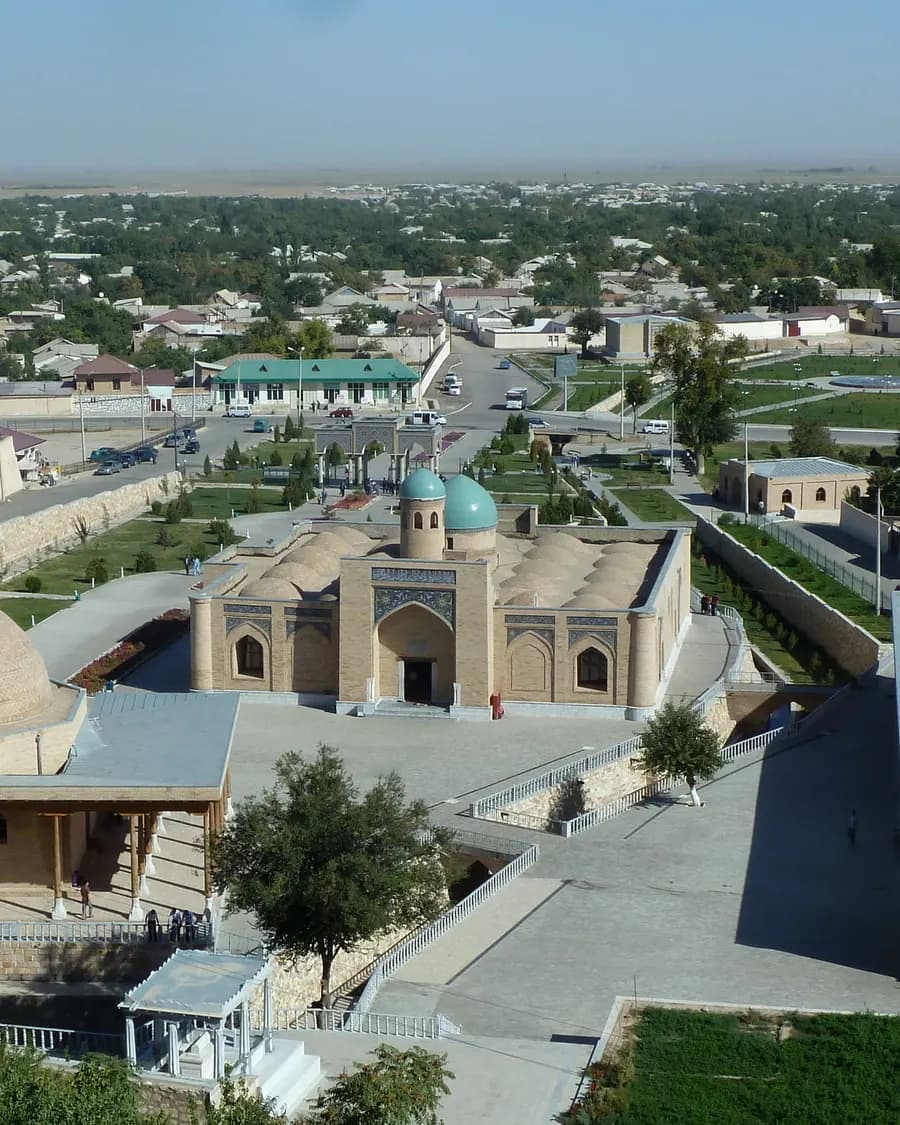
Nurata is the spring town before the Kyzylkum road: Chashma water, mosque shade, Nur Fortress above town, and the onward road to Aydarkul or Sentyab.
View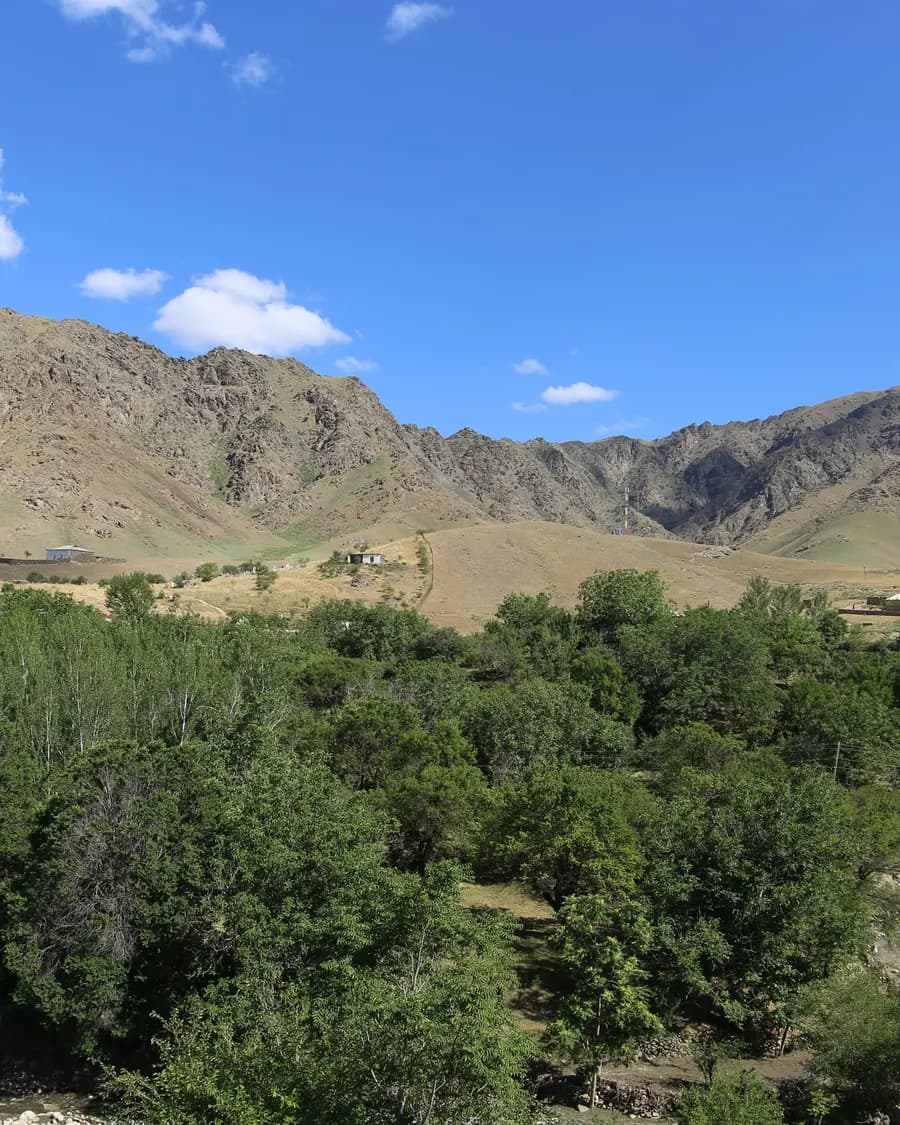
Sentob slows the Nurata-Aydarkul road at village scale: stone walls, shaded courtyards, garden produce, and Nuratau foothill views.
ViewChuya is a Nurata District tourism mahalla where foothill air, craft hands, qurut, bread, and carefully chosen ways to stay longer add a human stop near Nurata.
ViewCity in detail
Walking time, overnight location, and when day trips make sense.
1–2 nights is usually enough when the old core or main anchors get a full walking window. City tone: “Khatirchi mahalla, open road, and a quiet Nuratau-side pause”.
Start with the compact city walk first. Day trips only after the centre has settled — otherwise the stop feels like a transfer with monuments attached.
Stay close enough for an evening return on foot or a short transfer. That keeps tea, dinner, and a second pass through the lanes easy without burning the next morning.
On request
We help agencies set a realistic pace and choose the right next move — without rushing the places that matter.