TourLink
About
After Bishkek or Issyk-Kul, the road into Naryn changes scale: river gorges, dry valleys, long passes, and settlements set far apart.
Read the region through four decisions: a craft town before the climb, a seasonal pasture lake, a river-road town, and a caravanserai valley that needs time.
Fewer anchors usually make the route stronger. Road openings, yurt-camp readiness, altitude, and weather decide how much belongs in one mountain stretch.
Agencies and travellers who need Naryn, Song-Kul & Central Tian Shan as a readable stop — strong places, honest pacing, and logistics that hold.
Getting around
Read the region through four decisions: a craft town before the climb, a seasonal pasture lake, a river-road town, and a caravanserai valley that needs time.
What to decide
Fewer anchors usually make the route stronger. Road openings, yurt-camp readiness, altitude, and weather decide how much belongs in one mountain stretch.
Felt workshops, homestays, and conversations with craft hosts make Kochkor the gentler start before Song-Kul or Naryn.
Route anchors
The map keeps the main anchors visible. At-Bashy, Kel-Suu, Chaek, and pass approaches remain wider route choices until current access checks support them.
Region character
This region is strongest when travelers understand that distance, season, and hospitality are part of the place. The route should feel spacious, not crowded. «In central Kyrgyzstan, the route is measured not only by distance. It is measured by open roads, warm rooms, and the people ready to receive you.»
Region areas
Read the route through Kochkor for craft and the Song-Kul approach, Song-Kul for summer pasture, Naryn for river roads and practical rhythm, and Tash Rabat for the caravanserai valley. At-Bashy, Kel-Suu, and Chaek stay in the wider plan when access and timing support them.
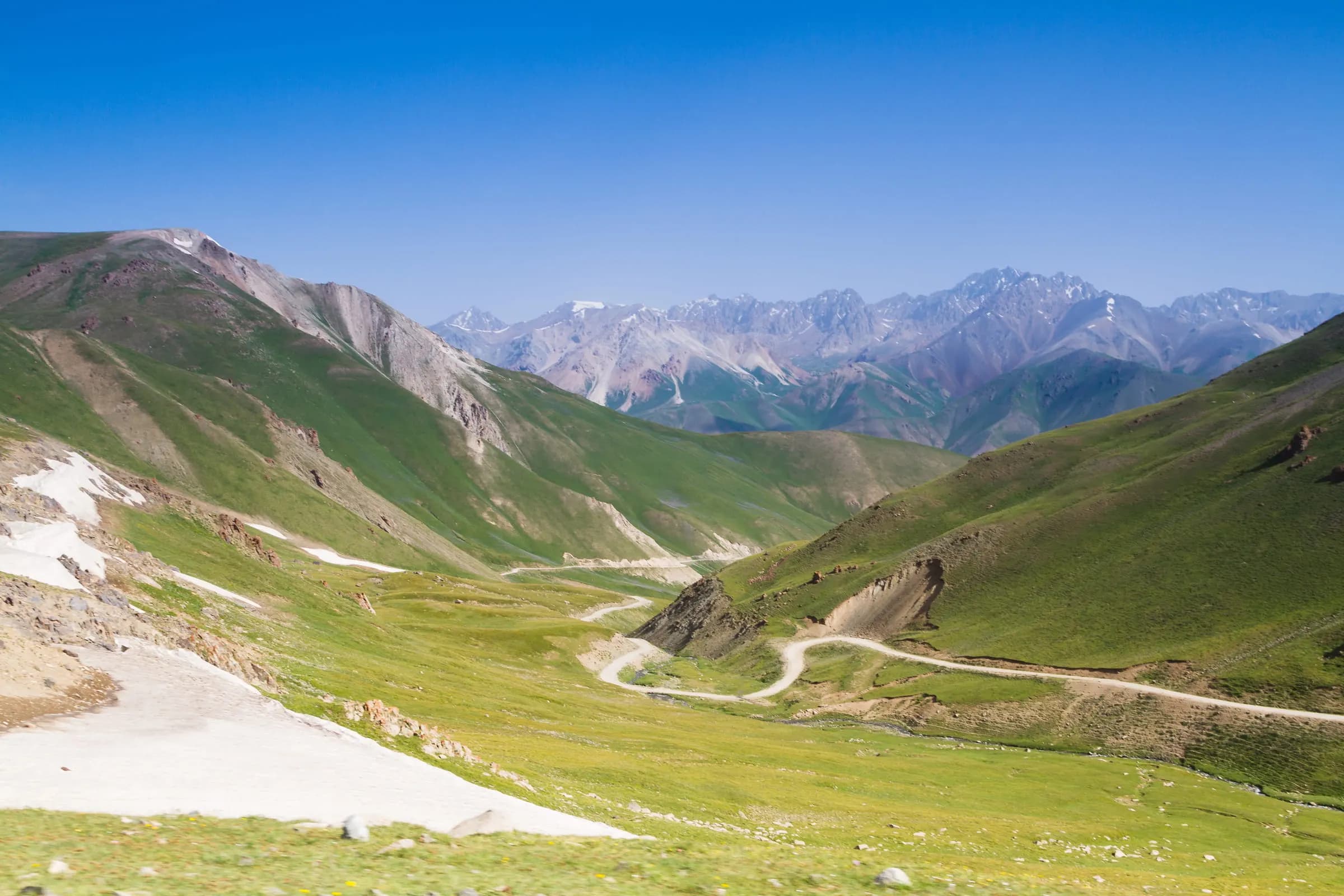
Kochkor is where the highland road starts to slow down. Wool becomes shyrdak pattern in a hosted craft visit, tea follows the day's drive, and the next morning's plan depends on weather, vehicle, season, and how far the route should climb.
Open place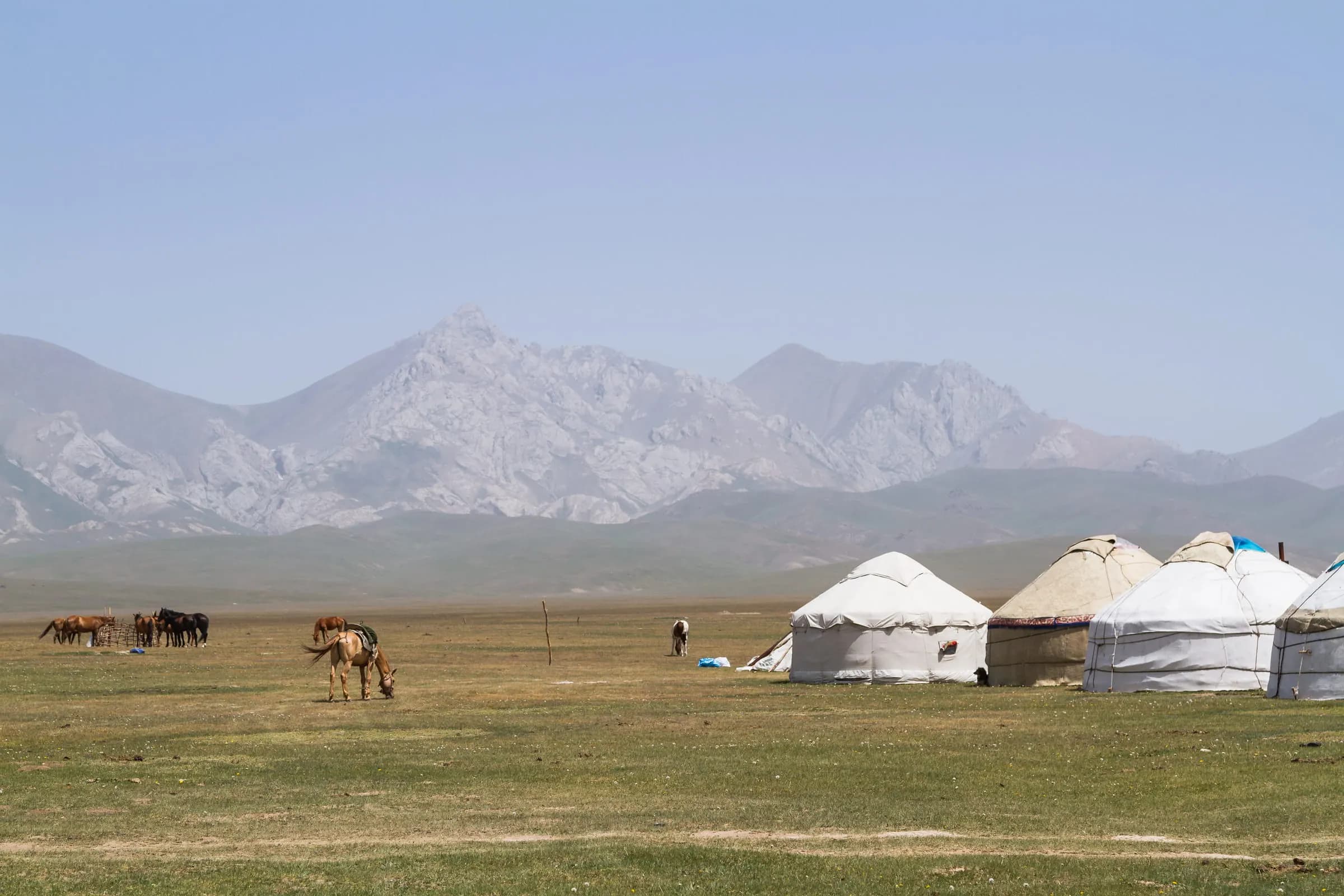
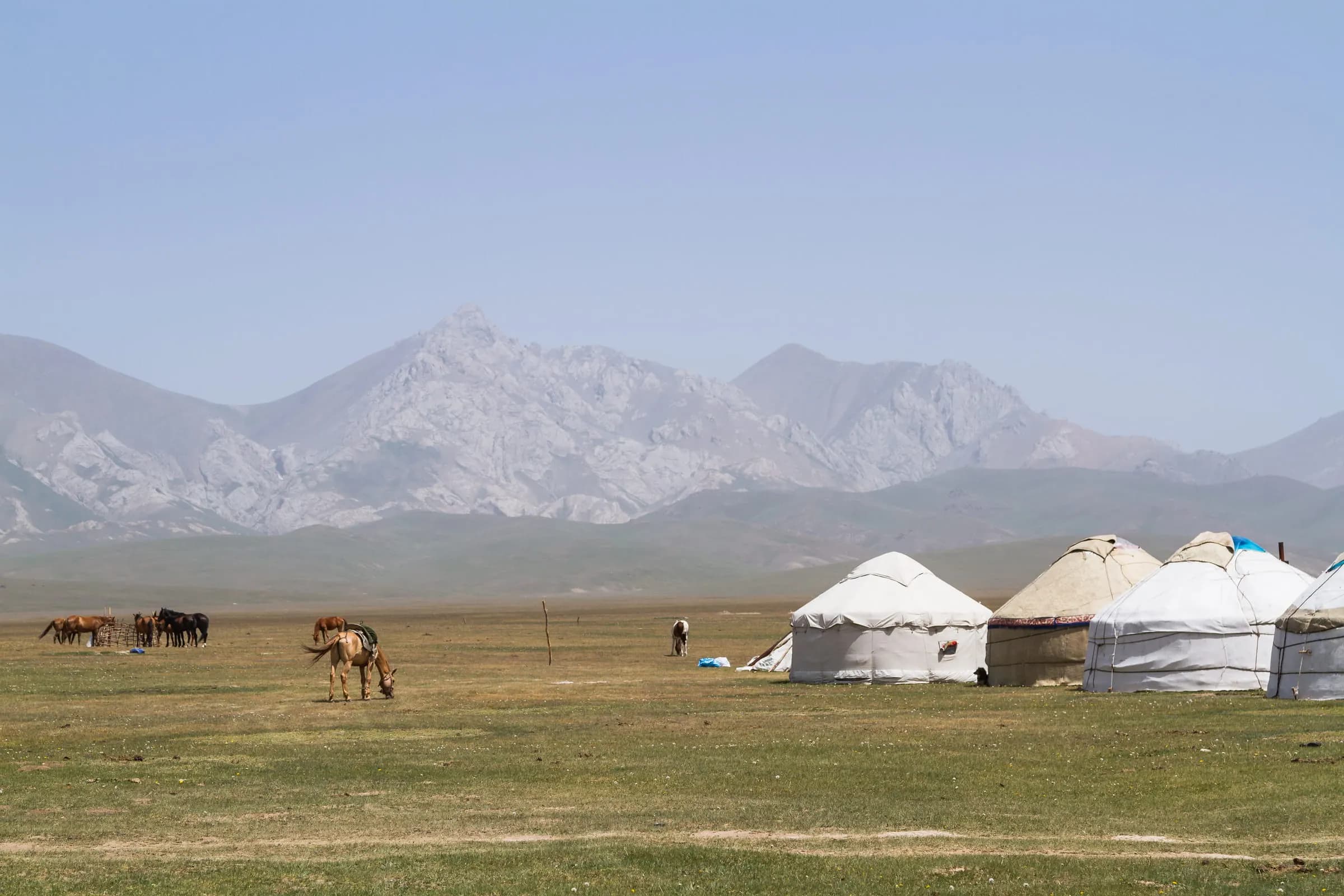
Song-Kul is where the central highland route opens into water, pasture, horses, and sky. The lake area feels spacious because the journey slows down; it stays comfortable when weather, altitude, road condition, and the night's camp are treated with care.
Open place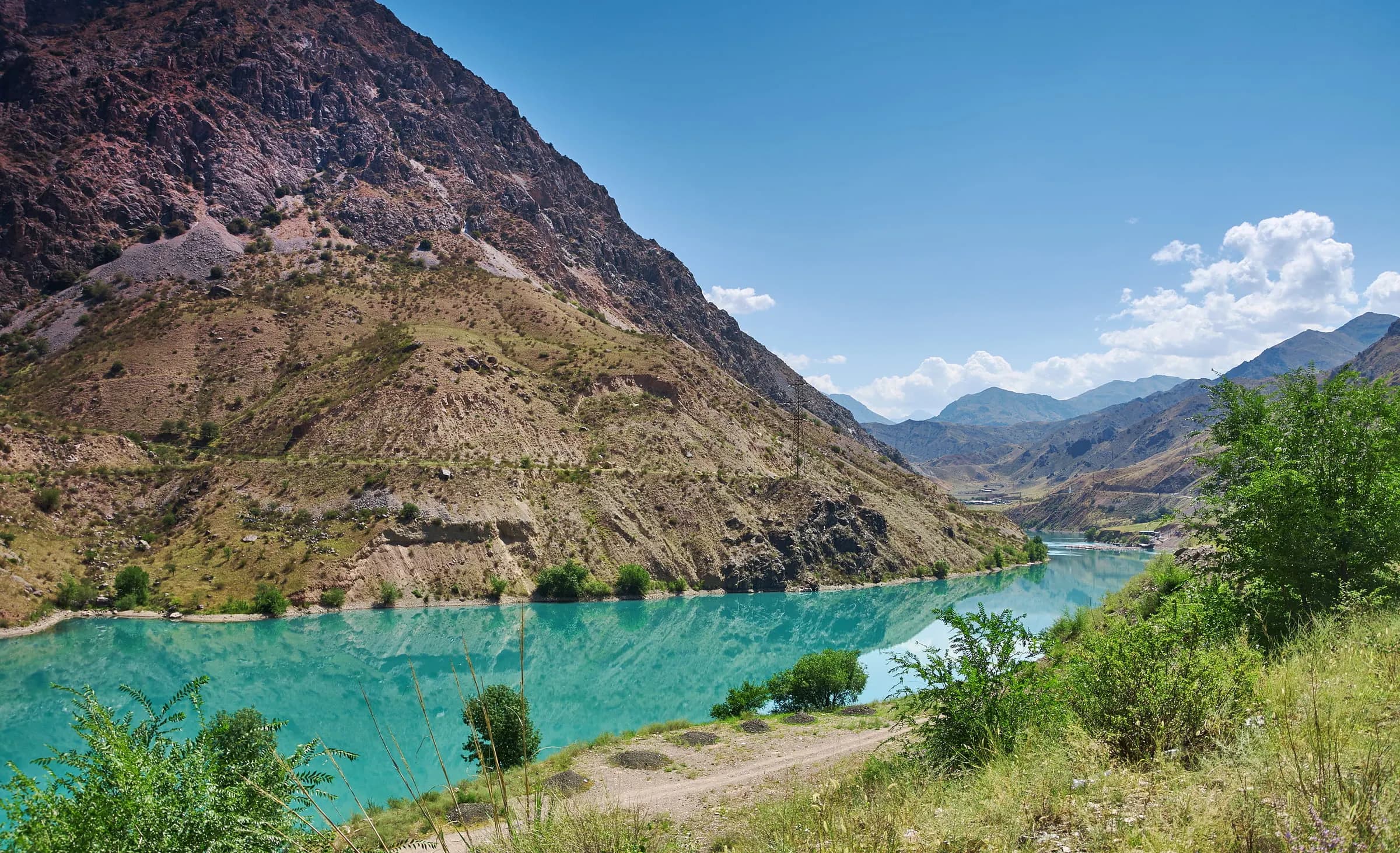
Naryn is not a city built around one monument. Its value is in the river, the dry mountain slopes, and the roads that make the central Tian Shan feel real before travelers choose a lake road, a caravanserai valley, or a deeper mountain journey.
Open place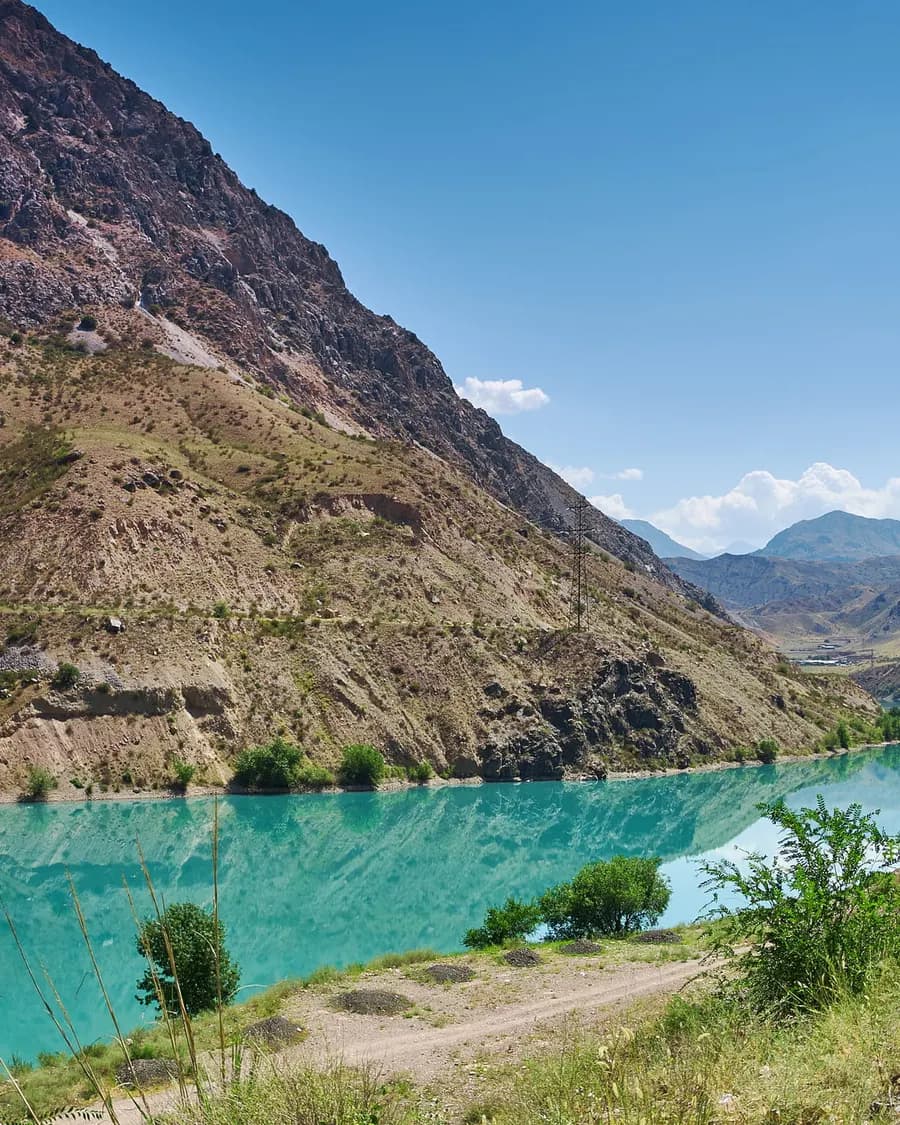
Tash Rabat gives the southbound Naryn road a clear purpose. The valley narrows around a stone caravanserai, the weather feels close, and the route asks for a slower decision: visit the building well, check the season, then choose the road out with care.
Open placeWhat to see
The strongest anchors are Song-Kul Lake and Tash Rabat Caravanserai. Naryn's river roads, Salkyn-Tor, At-Bashy, Kel-Suu, and pass approaches can support longer programs only when current road, permit, and weather checks support them.
Tash Rabat gives the Naryn high country a hard stone center. The caravanserai stands away from towns, held by a narrow valley and mountain weather. Inside, the old road becomes tangible: shelter, distance, and a pause before the next stretch.
Open place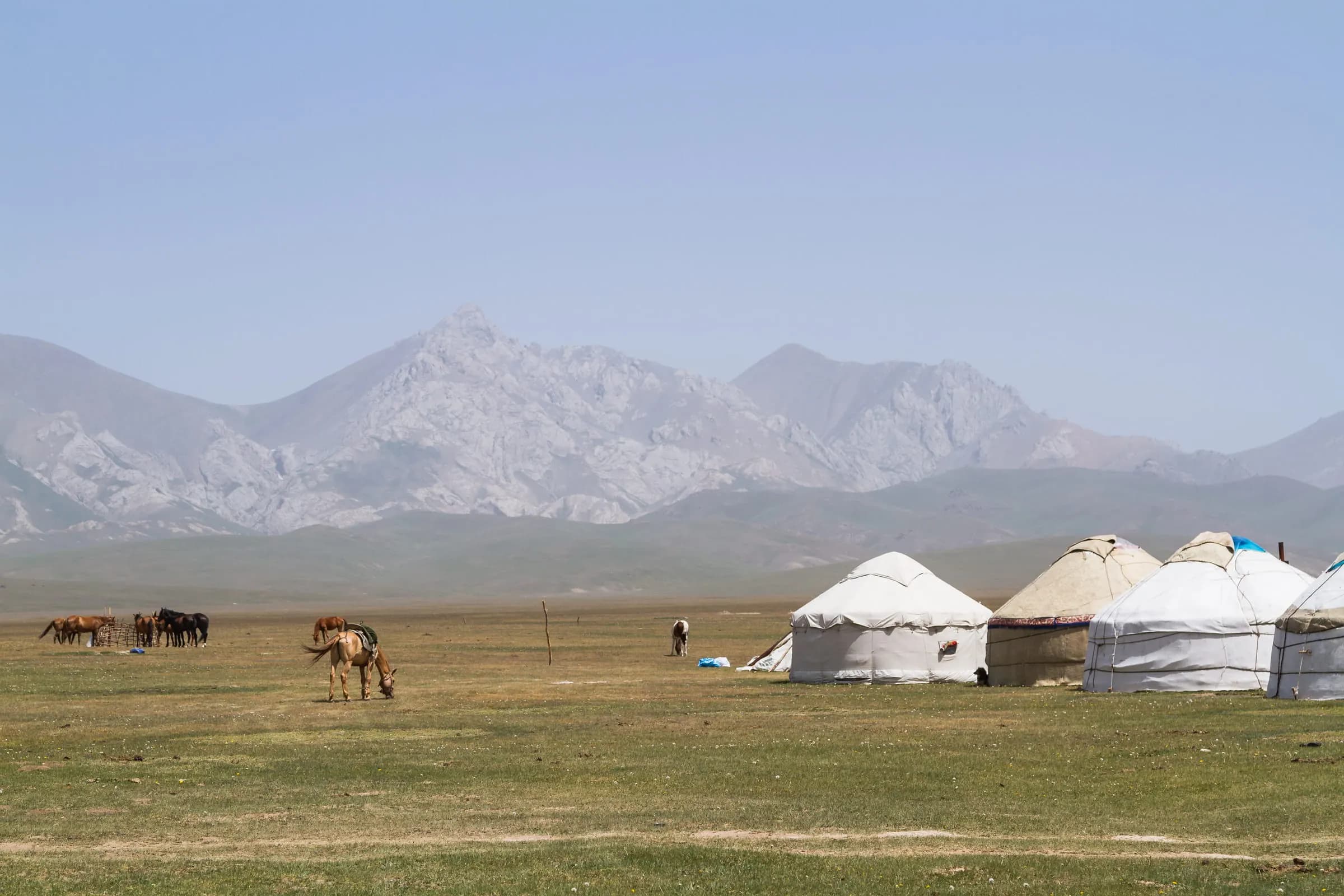
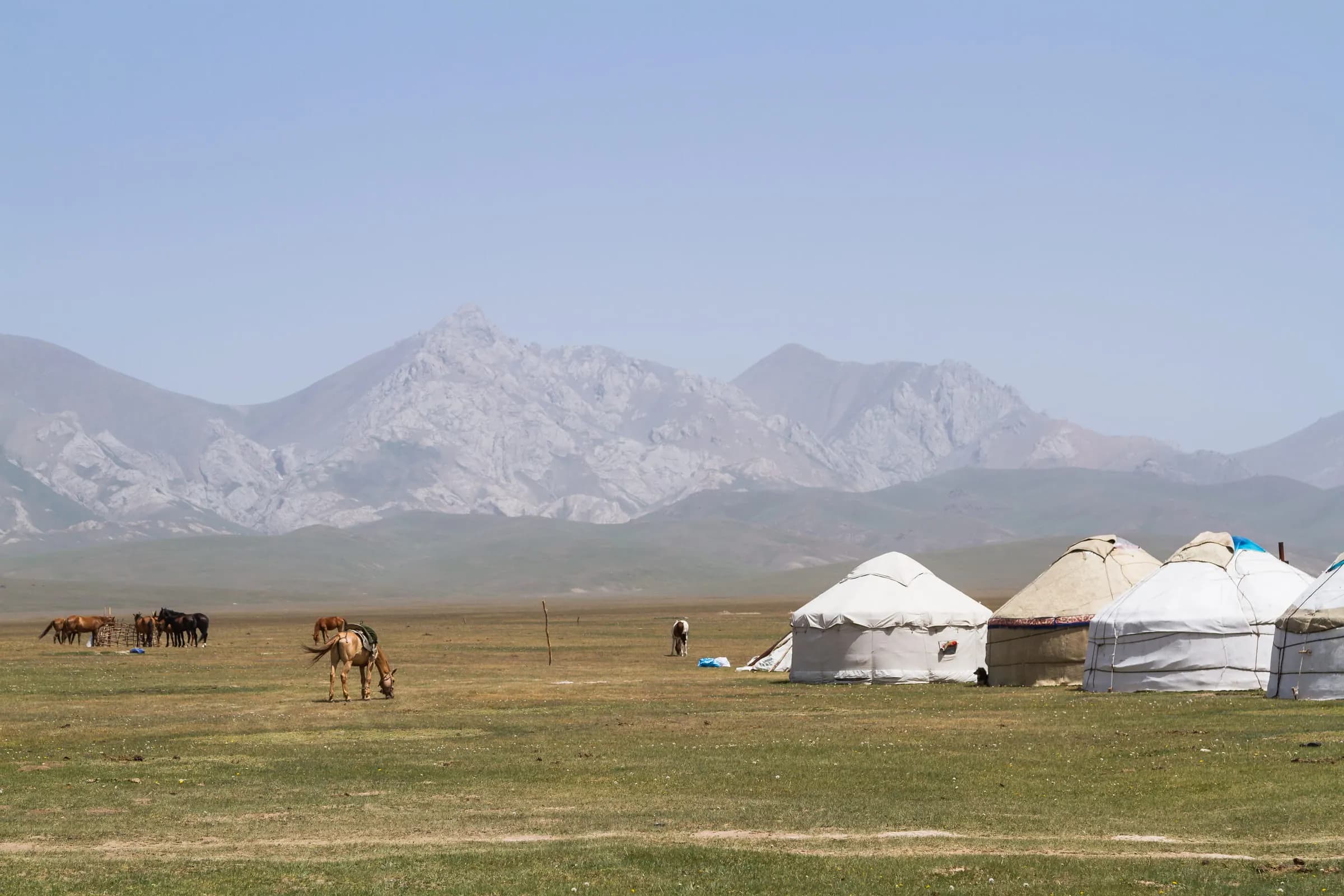
Song-Kul is where the Naryn high country opens wide. The lake lies among summer pasture, yurt camps, horses, and mountain roads that ask for patience. The visit is strongest with a night at the lake, a season check close to travel, and room for weather.
Open place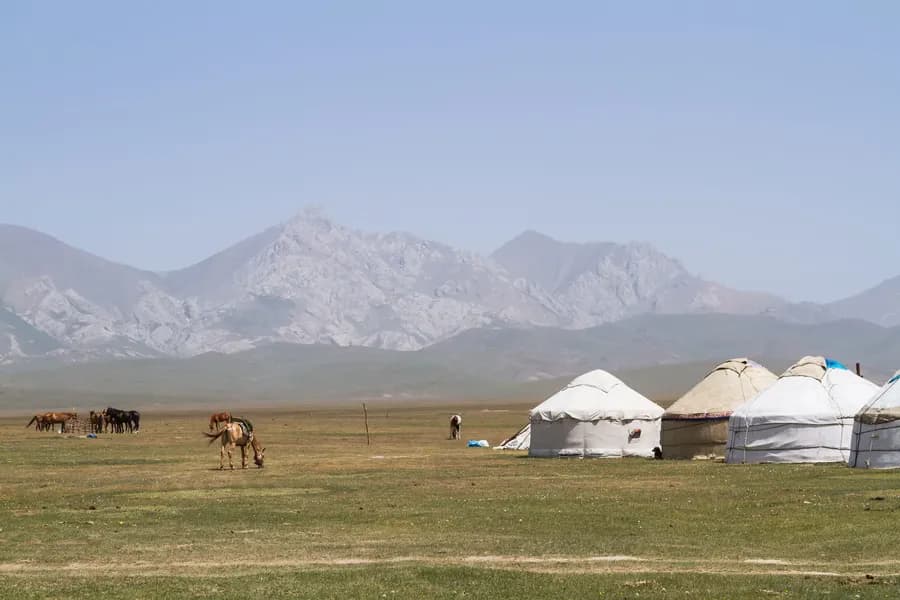
Naryn often feels like a city of long roads and high passes. Salkyn-Tor brings the mountain edge closer: a protected gorge, forested slopes, spring water, and a quieter feel of the central Tian Shan before the road turns toward bigger highland choices.
Open place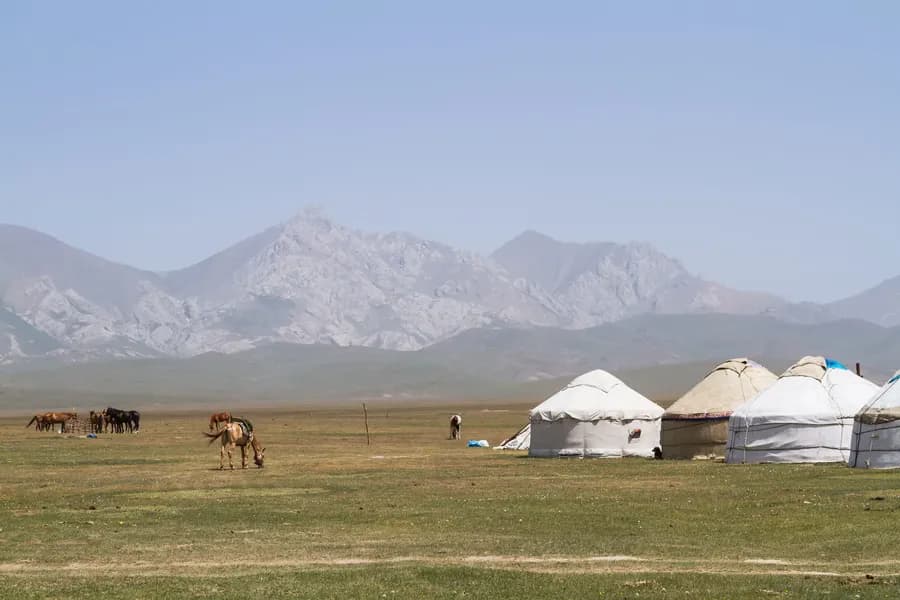
Naryn is often remembered through roads, weather, and the river. The museum gives that movement a quieter room: felt work, yurt life, local artefacts, and stories that make the highland route feel tied to people before you leave town.
Open placeRegion in detail
Pace, season, and how this region connects to the next stop.
2–3 days usually works if you keep one strong core and treat outer stops as deliberate choices. The region brief is “High pasture roads, yurt camps, and Tash Rabat stone”.
Use neighbouring cities as clean handovers: arrive with a calm first night, leave after one completed chapter, and avoid stacking two long transfers on the same day.
Heat, altitude, road condition, and opening hours change the product more than the brochure list. Build the region around what stays comfortable for the group that week.
On request
We help agencies set a realistic pace and choose the right extensions — without rushing the places that matter.