
TourLink
About
Naryn is not a city built around one monument.
Read Naryn through movement: Kochkor on the approach, Song-Kul as the high-lake direction, Naryn as the river city, and Tash Rabat as the southbound Silk Road valley.
Naryn is clearest when the visit has one purpose: arrive by the river, sleep before a high road, check weather, or choose the next valley before the route continues higher or farther south.
Agencies and travellers who need Naryn as a readable stop — strong places, honest pacing, and logistics that hold.
Getting around
Read Naryn through movement: Kochkor on the approach, Song-Kul as the high-lake direction, Naryn as the river city, and Tash Rabat as the southbound Silk Road valley.
Route planning
Naryn is clearest when the visit has one purpose: arrive by the river, sleep before a high road, check weather, or choose the next valley before the route continues higher or farther south.
Most routes reach Naryn after road time from Kochkor or Bishkek, so the first useful pause is simple: river, dinner, sleep, and a calmer look at the next road.
Route map
The map keeps Naryn connected to the places that shape most journeys through this region: Kochkor, Song-Kul, and the Tash Rabat direction.
What to notice
Start with what Naryn does best: orient the route by the river, leave space for local walking or museum time when details are current, and make the next choice clearer before Song-Kul, Eki-Naryn, Tash Rabat, At-Bashy, or Kel-Suu.
Naryn is often remembered through roads, weather, and the river. The museum gives that movement a quieter room: felt work, yurt life, local artefacts, and stories that make the highland route feel tied to people before you leave town.
Open place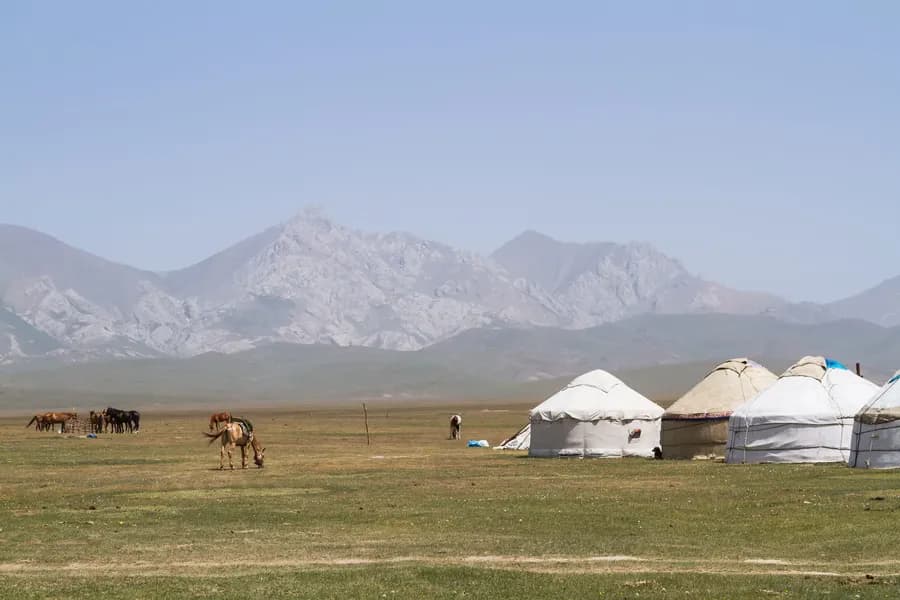
Naryn often feels like a city of long roads and high passes. Salkyn-Tor brings the mountain edge closer: a protected gorge, forested slopes, spring water, and a quieter feel of the central Tian Shan before the road turns toward bigger highland choices.
Open placeHow Naryn feels
Naryn turns a long mountain plan into three practical questions: how you arrive, what the weather allows, and which road deserves its own space next.
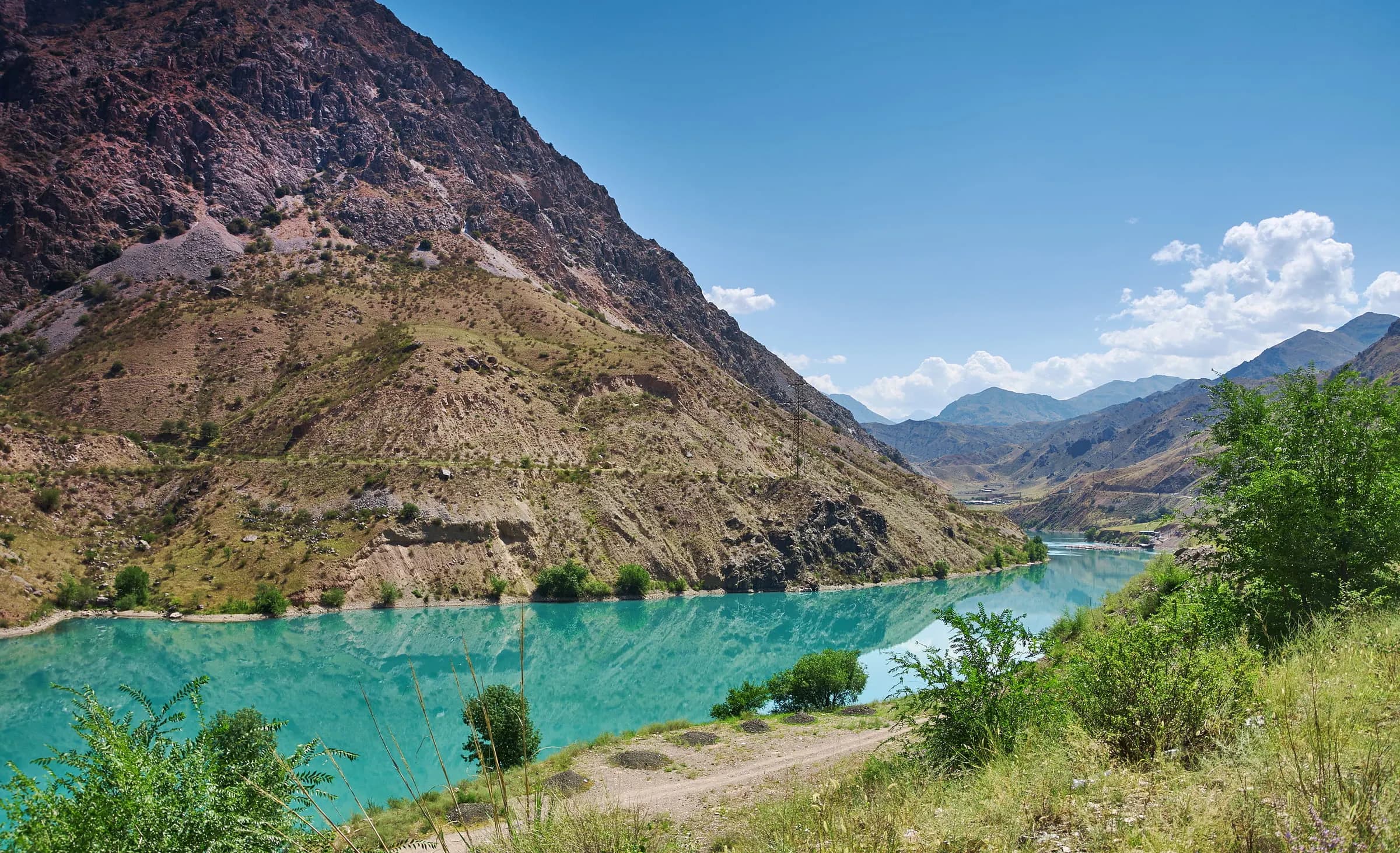
The river gives the city its shape: open water, dry slopes, and the first real sense that central Kyrgyzstan has widened around the road.
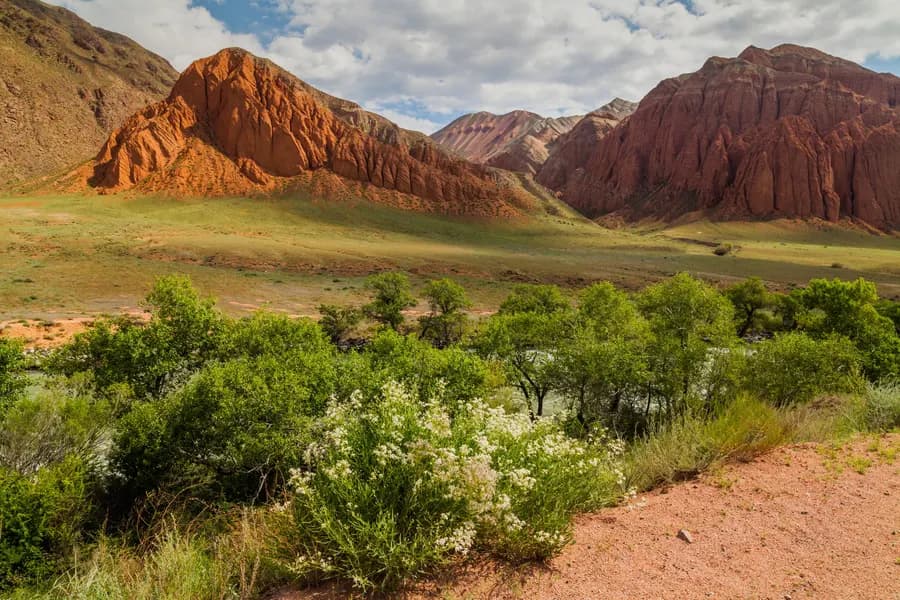
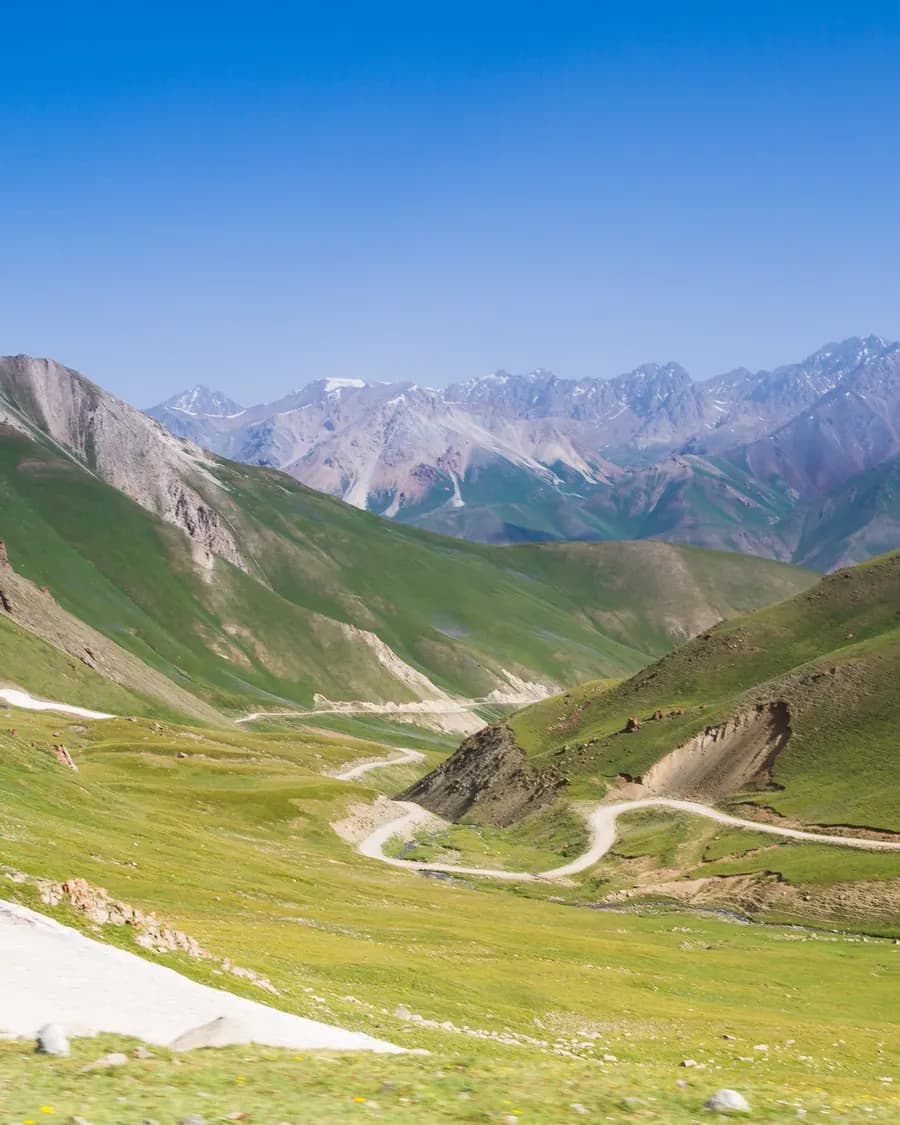
Song-Kul roads, side valleys, and higher passes should stay flexible until current weather, vehicle, and access conditions are clear.
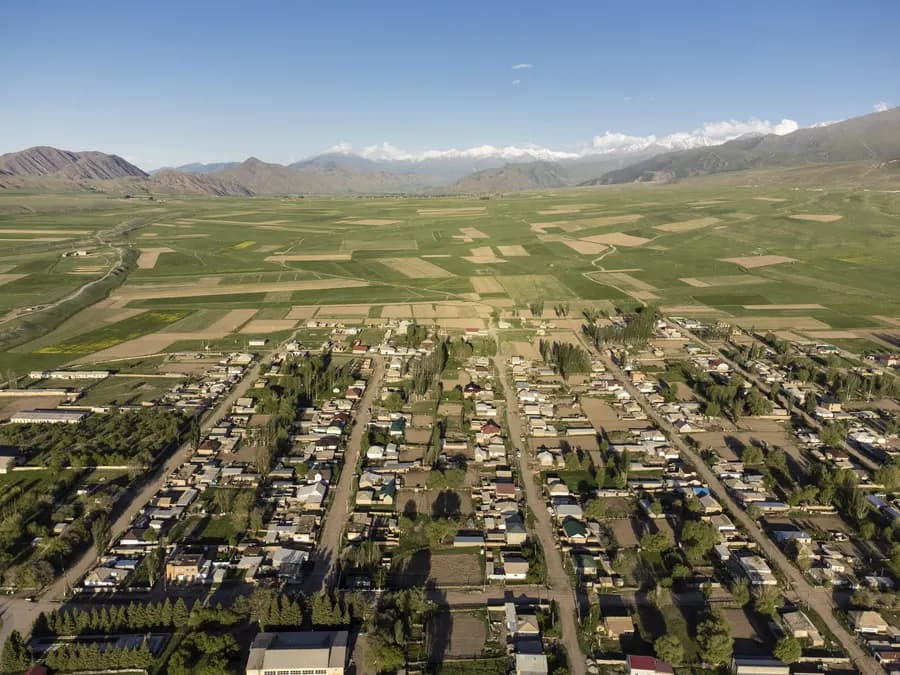
Tash Rabat, At-Bashy, Kel-Suu, and the return toward Kochkor are different route choices, not small add-ons to one Naryn stop.
Before you go
Naryn is most helpful when it has a clear role in the route. It can be the river-city overnight, the place where the mountain plan settles, or the point where the southbound road becomes a real choice.
Let Naryn do the simple work first: arrive, see the river, eat, rest, and check the next road with current conditions in mind.
Naryn is strongest when it makes the highland road readable, not when every valley is folded into one stop.
Song-Kul, Eki-Naryn, At-Bashy, Tash Rabat, and Kel-Suu can all matter, but each asks for its own timing, vehicle, and weather check.
In colder months, shorter city time and more conservative road choices usually serve the route better than ambitious high-valley plans.
Let Naryn carry one role at a time: arrival city, useful overnight, weather check, or the choice before the route turns toward Song-Kul, Tash Rabat, At-Bashy, or Kel-Suu.
At a glance Place
Naryn sits in a dry mountain setting shaped by the Naryn River and roads toward higher country.
Best role
It helps the route breathe before lake roads, side valleys, or the southbound Silk Road direction.
Season and pace
Song-Kul, Kel-Suu, and high valleys change with season, weather, vehicle, and permit needs.
Route choice
Tash Rabat, At-Bashy, Kel-Suu, and the return toward Kochkor each need their own timing.
Local checks
Museum visits, protected-area access, border-zone valleys, and high roads should be confirmed close to travel.
Nearby
Kochkor is often the craft and approach stop, Song-Kul is the high-lake direction, and Tash Rabat gives the southbound road its caravanserai purpose. Each needs its own timing instead of being treated as a minor detour from Naryn.
Kochkor gives the central highland route a careful first pause: felt craft, guesthouse time, market errands, and the road decisions before Song-Kul.
View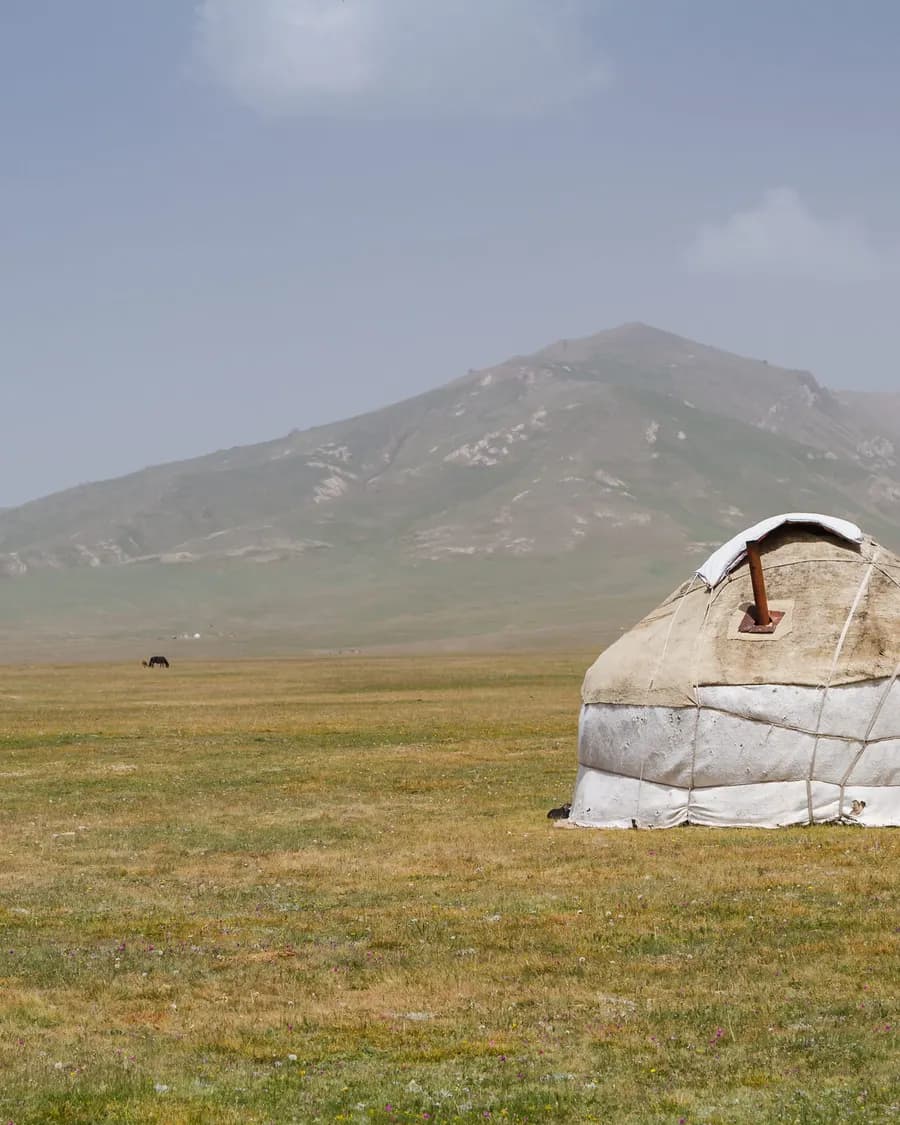
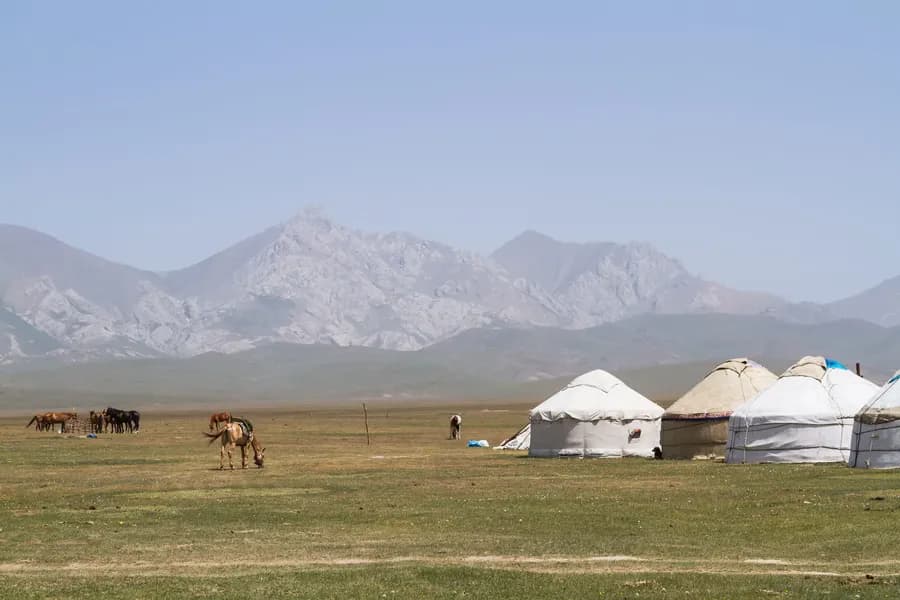
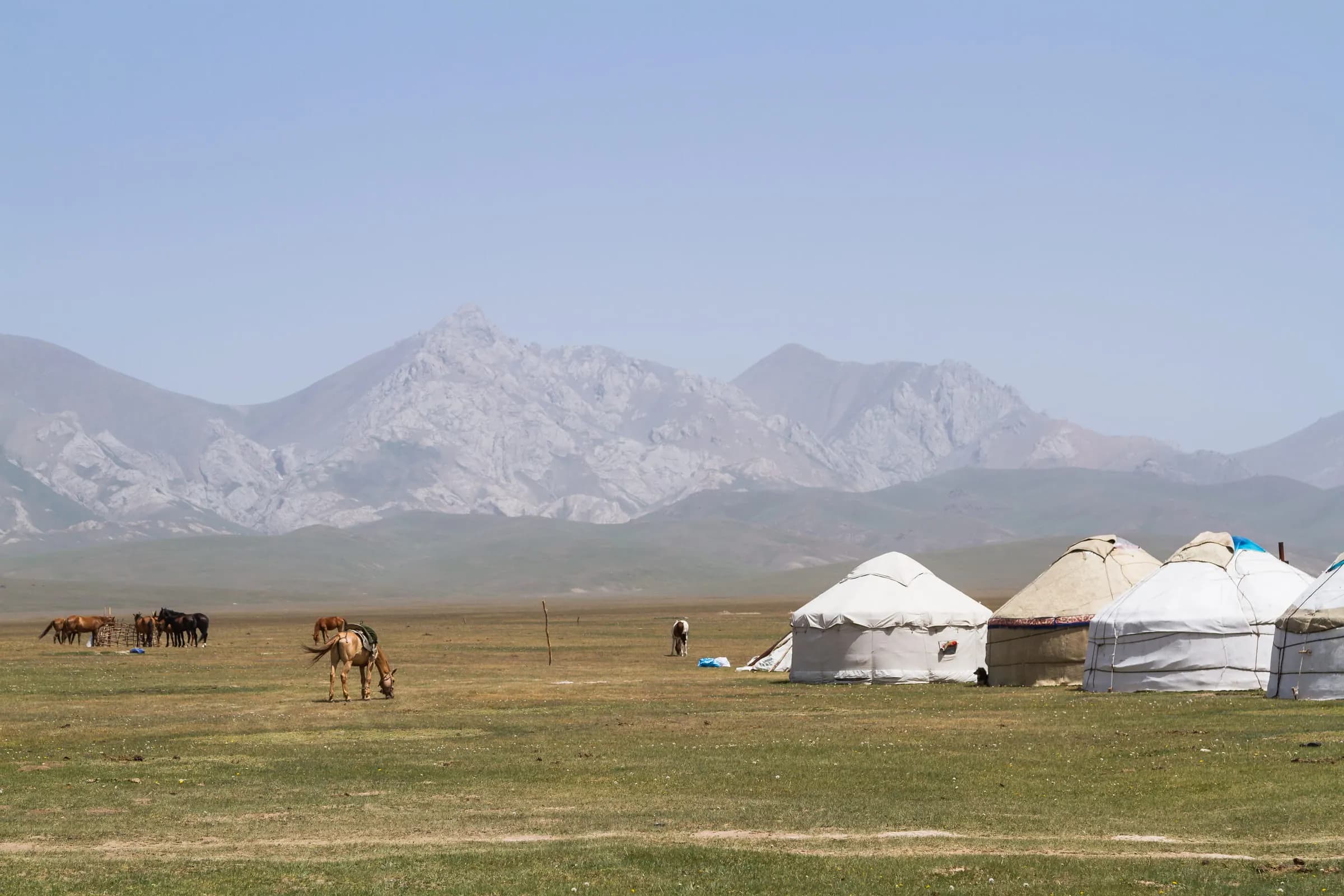
Song-Kul is the high-pasture lake area where central Kyrgyzstan slows into yurt camps, cold nights, horses, and road choices toward Kochkor, Naryn, or Tash Rabat.
ViewTash Rabat is the high-valley stop beyond Naryn where the stone caravanserai, mountain weather, yurt-camp season, and southbound road turn Silk Road heritage into a careful route decision.
ViewCity in detail
Walking time, overnight location, and when day trips make sense.
2–3 nights is usually enough when the old core or main anchors get a full walking window. City tone: “A river city before the high country”.
Start with the compact city walk first. Day trips only after the centre has settled — otherwise the stop feels like a transfer with monuments attached.
Stay close enough for an evening return on foot or a short transfer. That keeps tea, dinner, and a second pass through the lanes easy without burning the next morning.
On request
We help agencies set a realistic pace and choose the right next move — without rushing the places that matter.